


















#deepsea
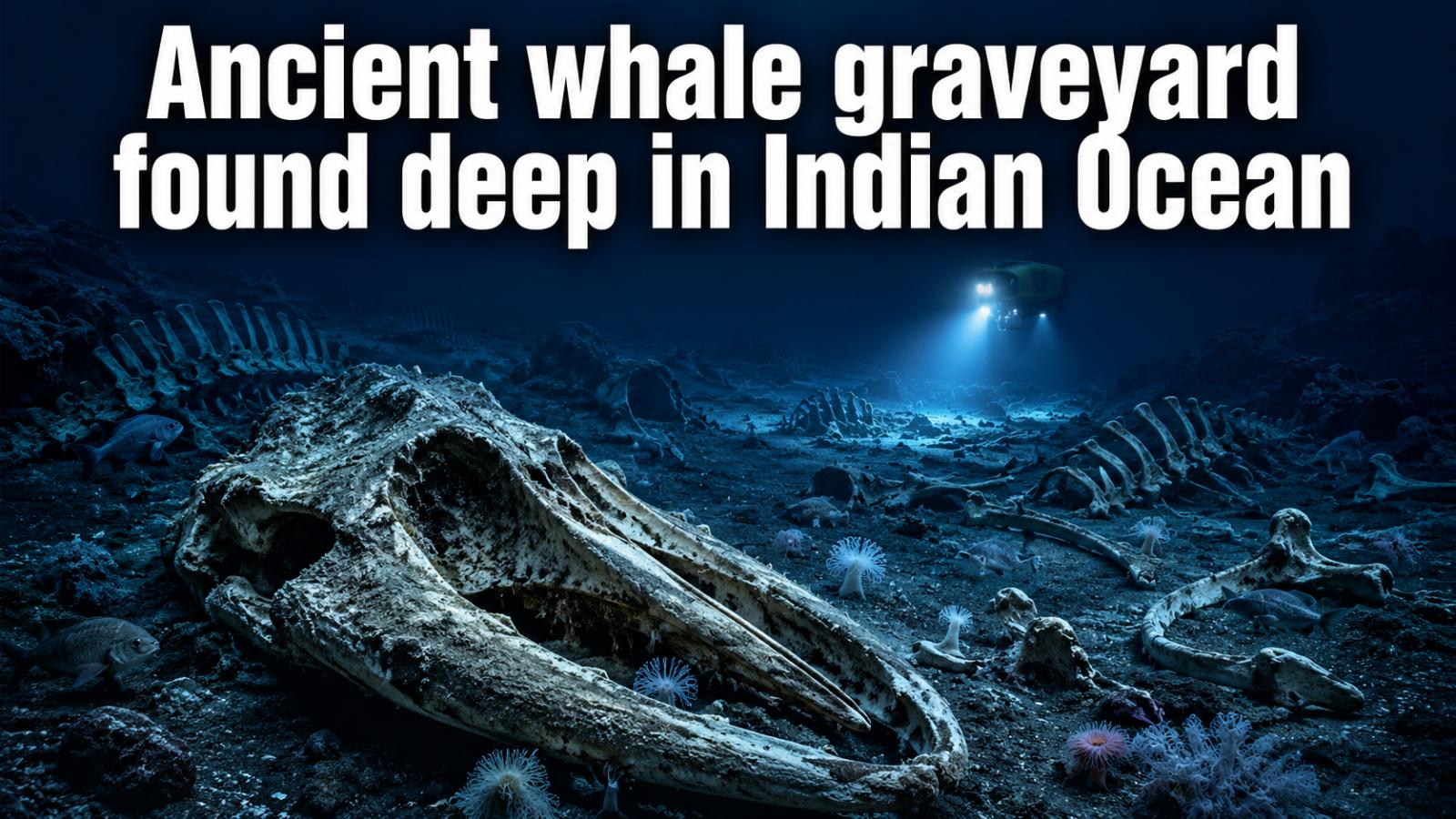
Ancient whale graveyard found deep in Indian Ocean
Scientists have found a remarkable whale graveyard more than seven kilometres below the surface of the south-eastern Indian Ocean. The discovery includes hundreds of ancient whale fossil sites as well as modern whale falls that continue to support life in one of the darkest and most extreme parts of the planet. Researchers say the site offers fresh clues about extinct whales, deep-sea biodiversity and how marine life survives far below sunlight.
Ancient whale graveyard found deep in Indian Ocean
Scientists have found a remarkable whale graveyard more than seven kilometres below the surface of the south-eastern Indian Ocean. The discovery includes hundreds of ancient whale fossil sites as well as modern whale falls that continue to support life in one of the darkest and most extreme parts of the planet. Researchers say the site offers fresh clues about extinct whales, deep-sea biodiversity and how marine life survives far below sunlight.
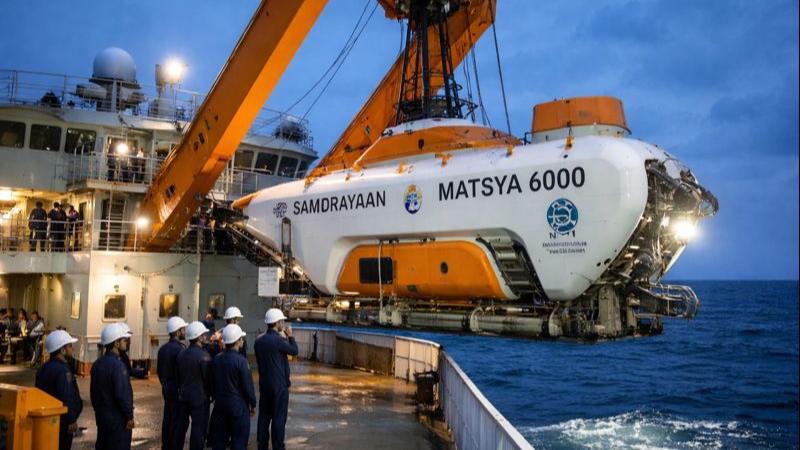
India speeds up Samudrayaan as first manned dive planned for May 2026
India is rapidly advancing its deep sea exploration ambitions as the Samudrayaan mission prepares for its first manned trial dive in May 2026. The National Institute of Ocean Technology in Chennai is currently completing final integration work on the Matsya 6000 submersible, a 25 tonne vehicle designed to carry three aquanauts into the deep ocean. The upcoming dive, planned at a depth of 500 meters, is considered a critical milestone toward India’s long term goal of reaching 6,000 meters un
India speeds up Samudrayaan as first manned dive planned for May 2026
India is rapidly advancing its deep sea exploration ambitions as the Samudrayaan mission prepares for its first manned trial dive in May 2026. The National Institute of Ocean Technology in Chennai is currently completing final integration work on the Matsya 6000 submersible, a 25 tonne vehicle designed to carry three aquanauts into the deep ocean. The upcoming dive, planned at a depth of 500 meters, is considered a critical milestone toward India’s long term goal of reaching 6,000 meters un
China Builds World’s First Nuclear-Proof Floating Island To Withstand Extreme Disasters
China is developing the world’s first artificial floating island capable of surviving nuclear blasts and extreme ocean disasters. The massive 78,000-tonne structure, officially known as the Deep-Sea All-Weather Resident Floating Research Facility, is designed as a long-term deep-ocean base that can support up to 238 people for four months without fresh supplies. The island will feature a semi-submersible twin-hull design similar in size to the Fujian aircraft carrier and is expected to be o
China Builds World’s First Nuclear-Proof Floating Island To Withstand Extreme Disasters
China is developing the world’s first artificial floating island capable of surviving nuclear blasts and extreme ocean disasters. The massive 78,000-tonne structure, officially known as the Deep-Sea All-Weather Resident Floating Research Facility, is designed as a long-term deep-ocean base that can support up to 238 people for four months without fresh supplies. The island will feature a semi-submersible twin-hull design similar in size to the Fujian aircraft carrier and is expected to be o
Ocean's Deepest Depths May Hold Key to Oxygen Production and Extraterrestrial Life
A fascinating discovery in the darkest depths of the ocean has led researchers to uncover a process that might allow oxygen to be generated without sunlight. This breakthrough, made by placing sensors on the seafloor at depths of approximately 5 km between Hawaii and Mexico, challenges the long-standing belief that oxygen production occurs solely through photosynthesis. The sensors recorded rising oxygen levels, which researchers believe is the result of metal nodules on the seafloo
Ocean's Deepest Depths May Hold Key to Oxygen Production and Extraterrestrial Life
A fascinating discovery in the darkest depths of the ocean has led researchers to uncover a process that might allow oxygen to be generated without sunlight. This breakthrough, made by placing sensors on the seafloor at depths of approximately 5 km between Hawaii and Mexico, challenges the long-standing belief that oxygen production occurs solely through photosynthesis. The sensors recorded rising oxygen levels, which researchers believe is the result of metal nodules on the seafloo


