







#defencemanufacturing
IAI radar unit in Tamil Nadu to begin production by 2027
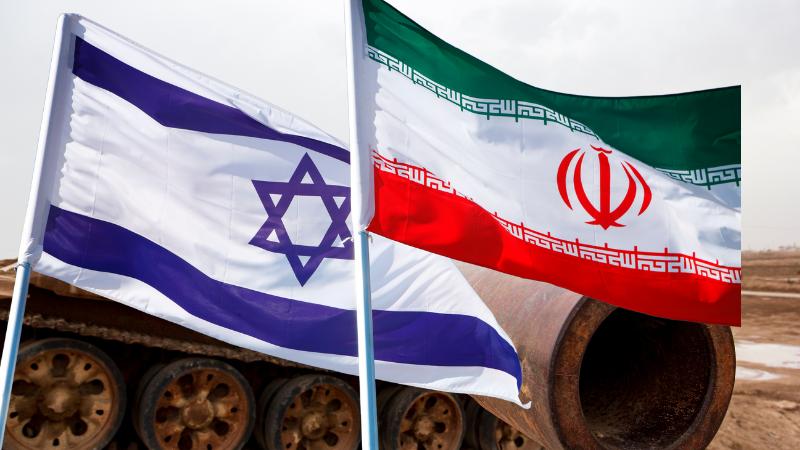
A new defence manufacturing project is taking shape in Tamil Nadu, where an advanced radar production and integration facility is planned to go operational by 2027. The initiative brings together Israel Aerospace Industries (IAI), DCX Systems, and ELTX Systems Pvt. Ltd., marking a structured push toward localised defence electronics production in India. The upcoming facility is expected to be developed in the Shoolagiri region of Krishnagiri district, an area increasingly positioned as a defence manufacturing cluster. The project reflects a shift from import-heavy procurement to domestic production of high-end radar systems used in surveillance and air defence operations. Strategic push toward domestic defence capability The core objective of the project is to strengthen India’s radar manufacturing ecosystem under the broader Make in India framework. Instead of relying solely on imported systems, the facility aims to support indigenous assembly, integration, and eventual production of advanced radar technologies. These systems are expected to serve multiple defence requirements, including aerial surveillance, threat detection, and battlefield monitoring. The collaboration is also designed to create a supply chain within India for critical electronic defence components, reducing external dependency over time. Role of ELTX Systems and DCX Systems ELTX Systems Pvt. Ltd. is expected to function as the operational platform for technology transfer and local manufacturing. This structure is intended to allow gradual absorption of complex radar design and production capabilities within India. DCX Systems Ltd., which already operates in the defence electronics space, is expected to support integration, manufacturing workflows, and supply chain execution. The collaboration model is focused on moving beyond simple assembly lines toward deeper engineering involvement within India’s defence sector. Industrial cluster development in Krishnagiri The Shoolagiri region is being positioned as part of a wider defence electronics corridor in Tamil Nadu. With multiple private and public collaborations in the pipeline, the area is gradually emerging as a manufacturing node for high-value defence technologies. The radar facility is expected to contribute not only to defence production but also to local industrial growth, including vendor ecosystems, component suppliers, and skilled employment opportunities. While official investment figures vary across early estimates, the project is widely seen as a long-term infrastructure push rather than a short-term manufacturing unit. Long-term impact on India–Israel defence cooperation Israel Aerospace Industries has already established multiple partnerships in India across defence systems, maintenance, and technology collaboration. This radar project adds another layer to that cooperation, focusing specifically on production localisation. By 2027, the facility is expected to play a role in both domestic supply and potential export opportunities, depending on regulatory approvals and production scale. The broader direction indicates a gradual deepening of India’s defence manufacturing independence while maintaining strategic foreign partnerships.
IAI radar unit in Tamil Nadu to begin production by 2027
A new defence manufacturing project is taking shape in Tamil Nadu, where an advanced radar production and integration facility is planned to go operational by 2027. The initiative brings together Israel Aerospace Industries (IAI), DCX Systems, and ELTX Systems Pvt. Ltd., marking a structured push toward localised defence electronics production in India. The upcoming facility is expected to be developed in the Shoolagiri region of Krishnagiri district, an area increasingly positioned as a defence manufacturing cluster. The project reflects a shift from import-heavy procurement to domestic production of high-end radar systems used in surveillance and air defence operations. Strategic push toward domestic defence capability The core objective of the project is to strengthen India’s radar manufacturing ecosystem under the broader Make in India framework. Instead of relying solely on imported systems, the facility aims to support indigenous assembly, integration, and eventual production of advanced radar technologies. These systems are expected to serve multiple defence requirements, including aerial surveillance, threat detection, and battlefield monitoring. The collaboration is also designed to create a supply chain within India for critical electronic defence components, reducing external dependency over time. Role of ELTX Systems and DCX Systems ELTX Systems Pvt. Ltd. is expected to function as the operational platform for technology transfer and local manufacturing. This structure is intended to allow gradual absorption of complex radar design and production capabilities within India. DCX Systems Ltd., which already operates in the defence electronics space, is expected to support integration, manufacturing workflows, and supply chain execution. The collaboration model is focused on moving beyond simple assembly lines toward deeper engineering involvement within India’s defence sector. Industrial cluster development in Krishnagiri The Shoolagiri region is being positioned as part of a wider defence electronics corridor in Tamil Nadu. With multiple private and public collaborations in the pipeline, the area is gradually emerging as a manufacturing node for high-value defence technologies. The radar facility is expected to contribute not only to defence production but also to local industrial growth, including vendor ecosystems, component suppliers, and skilled employment opportunities. While official investment figures vary across early estimates, the project is widely seen as a long-term infrastructure push rather than a short-term manufacturing unit. Long-term impact on India–Israel defence cooperation Israel Aerospace Industries has already established multiple partnerships in India across defence systems, maintenance, and technology collaboration. This radar project adds another layer to that cooperation, focusing specifically on production localisation. By 2027, the facility is expected to play a role in both domestic supply and potential export opportunities, depending on regulatory approvals and production scale. The broader direction indicates a gradual deepening of India’s defence manufacturing independence while maintaining strategic foreign partnerships.
India warns defence suppliers of contract cancellations over delivery delays
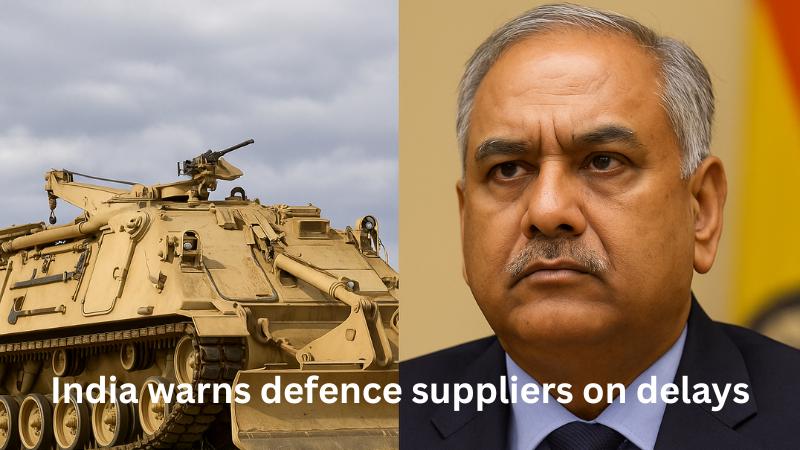
Defence Secretary Rajesh Kumar Singh has issued a clear warning to all companies supplying military platforms and equipment to India, stating that any vendor—domestic or international—will face termination of contracts if they fail to deliver within stipulated deadlines. The announcement comes as delays in defence procurement continue to impact operational planning for the armed forces, including setbacks flagged earlier by Air Force Chief Amar Preet Singh, who acknowledged that delivery
India warns defence suppliers of contract cancellations over delivery delays
Defence Secretary Rajesh Kumar Singh has issued a clear warning to all companies supplying military platforms and equipment to India, stating that any vendor—domestic or international—will face termination of contracts if they fail to deliver within stipulated deadlines. The announcement comes as delays in defence procurement continue to impact operational planning for the armed forces, including setbacks flagged earlier by Air Force Chief Amar Preet Singh, who acknowledged that delivery
AICTE launches minor degree in defence technology for engineering students
The All India Council for Technical Education (AICTE) has introduced a model curriculum for a Minor Degree in Defence Technology, marking a significant move toward strengthening India’s defence education framework. The programme is designed for undergraduate engineering and technology students who wish to pursue careers in defence research, the armed forces, and defence manufacturing industries. This initiative opens new opportunities for young engineers to contribute to the nation’s securit
AICTE launches minor degree in defence technology for engineering students
The All India Council for Technical Education (AICTE) has introduced a model curriculum for a Minor Degree in Defence Technology, marking a significant move toward strengthening India’s defence education framework. The programme is designed for undergraduate engineering and technology students who wish to pursue careers in defence research, the armed forces, and defence manufacturing industries. This initiative opens new opportunities for young engineers to contribute to the nation’s securit
Indian Navy Commissions INS Himgiri & Udaygiri: Boost to Nilgiri-Class Frigate Power
In a landmark ceremony attended by Defence Minister Rajnath Singh, the Indian Navy commissioned two Nilgiri-class stealth frigates, INS Himgiri and INS Udaygiri, on Tuesday. The warships, built under Project 17 Alpha (P-17A), mark a major milestone in India’s indigenous shipbuilding program with over 75 percent homegrown content. This is the first instance where two major warships from separate premier shipyard
Indian Navy Commissions INS Himgiri & Udaygiri: Boost to Nilgiri-Class Frigate Power
In a landmark ceremony attended by Defence Minister Rajnath Singh, the Indian Navy commissioned two Nilgiri-class stealth frigates, INS Himgiri and INS Udaygiri, on Tuesday. The warships, built under Project 17 Alpha (P-17A), mark a major milestone in India’s indigenous shipbuilding program with over 75 percent homegrown content. This is the first instance where two major warships from separate premier shipyard
Karnataka vs Andhra: Tug of War Over HAL Expansion
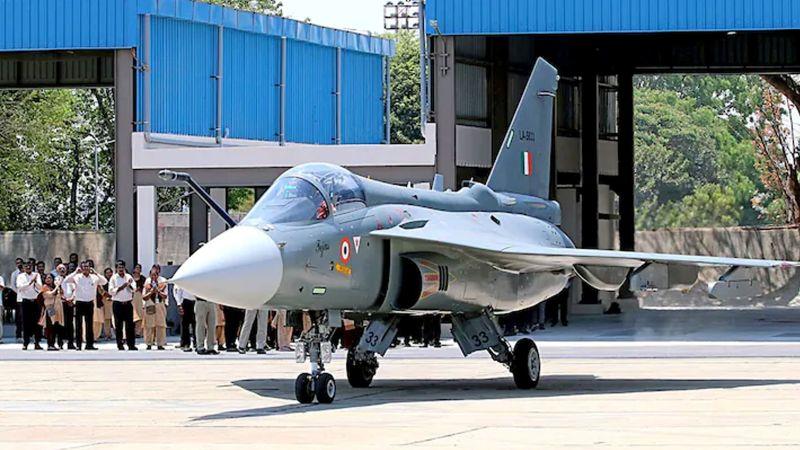
A new political tug-of-war has emerged between Karnataka and Andhra Pradesh over the expansion of Hindustan Aeronautics Limited (HAL), India’s leading defence and aerospace manufacturer. The controversy was triggered after Andhra Pradesh Chief Minister N Chandrababu Naidu pitched the idea of setting up a new greenfield HAL facility in Lepakshi, just 70 km from the Karnataka border. This proposal, made during his recent meetings with Union Defence Minister Rajnath Singh, aims to support
Karnataka vs Andhra: Tug of War Over HAL Expansion
A new political tug-of-war has emerged between Karnataka and Andhra Pradesh over the expansion of Hindustan Aeronautics Limited (HAL), India’s leading defence and aerospace manufacturer. The controversy was triggered after Andhra Pradesh Chief Minister N Chandrababu Naidu pitched the idea of setting up a new greenfield HAL facility in Lepakshi, just 70 km from the Karnataka border. This proposal, made during his recent meetings with Union Defence Minister Rajnath Singh, aims to support