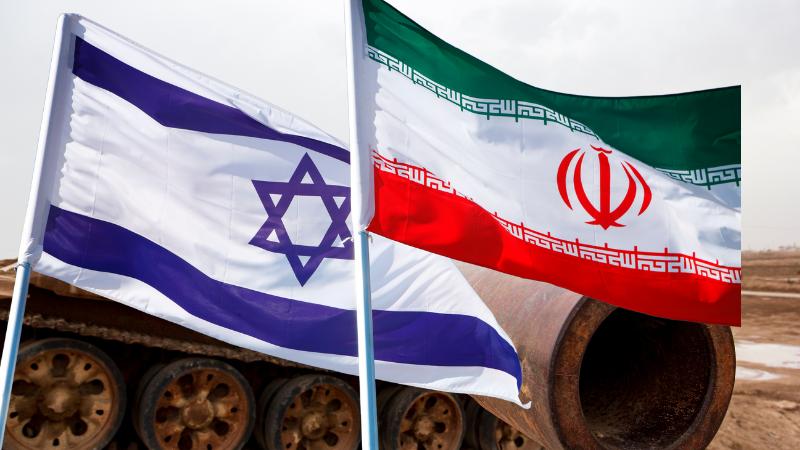
The world is on edge as tensions between the United States, Israel, and Iran reach a new peak following the largest Western military action against the Islamic Republic since the 1979 revolution. In a dramatic escalation, the US joined Israel in launching precision strikes on Iran’s nuclear infrastructure, targeting three critical facilities — Fordow, Isfahan, and Natanz. The most intense strike involved the deployment of 30,000-pound bunker-buster bombs on the mountainside above the heavily fortified Fordow site. These developments mark a sharp turn in the volatile dynamics of the Middle East, with global powers anxiously monitoring Iran’s expected retaliation.
Iran has responded with sharp rhetoric and clear warnings. Ali Akbar Velayati, senior advisor to Iran’s supreme leader Ayatollah Ali Khamenei, issued a threat through state media, declaring that any base used by the United States to conduct military operations against Iran would be considered a legitimate target. His message was unequivocal — if US forces launch attacks from any country in the region or beyond, Iran’s armed forces would retaliate directly against those locations. This declaration has raised alarm across the Middle East, especially among countries hosting US military installations.
The United States government has moved swiftly in anticipation of further escalation. The US Department of State issued a "worldwide caution" for American citizens, urging them to be vigilant due to the potential for protests and heightened anti-American sentiment abroad. The advisory noted an increased risk to US nationals, whether traveling or residing in foreign countries, warning of possible demonstrations, disruptions, or violence in response to the unfolding crisis.
Simultaneously, the conflict between Iran and Israel continues unabated. Missile exchanges have intensified, with Iranian forces launching attacks that reportedly wounded dozens and caused widespread damage in Tel Aviv. In retaliation, Israeli fighter jets targeted Iranian military positions in the western region of the country. This exchange of fire underscores the escalating tit-for-tat nature of the hostilities and raises the risk of broader regional conflict.
President Donald Trump, in a statement on social media, reaffirmed the United States' position and urged Iran to choose peace over continued warfare. “Iran must now agree to end this war,” he posted, shortly after the US-led airstrikes concluded. Trump emphasized the precision and scale of the military operation, describing it as a necessary step to curtail Tehran’s nuclear ambitions and respond to mounting threats in the region.
The strikes on Iran’s nuclear facilities were seen by many analysts as a significant military and symbolic move. Fordow, in particular, has long been regarded as one of Iran’s most fortified nuclear sites, constructed deep within a mountain and thought to be shielded from conventional airstrikes. The use of massive bunker-buster munitions was an indication of the seriousness with which the US and Israel regard Iran’s nuclear program and their commitment to halting its progress.
In Iran, the atmosphere is tense as the government considers its next steps. There is widespread speculation about how and when Iran might retaliate. Possibilities include cyberattacks, missile launches on US bases in Iraq or the Gulf, or mobilization of proxy groups across the region. Iran’s leadership faces mounting pressure to respond forcefully while balancing the risks of provoking a broader war.
The current situation has drawn global attention not only for its immediate military consequences but also for its diplomatic implications. Nations across Europe, Asia, and the Middle East have called for restraint, with many urging all sides to return to diplomatic dialogue. There is growing concern that the conflict could spill over into neighboring countries, disrupt global oil supply chains, and draw in additional actors from major world powers.
As the Middle East braces for what could come next, the international community remains divided. While allies of the United States have expressed support for actions aimed at curbing Iran’s nuclear capabilities, others have cautioned against unilateral military interventions that risk spiraling into a full-scale regional war. Calls for a United Nations-led initiative to mediate the conflict have begun to emerge, though the prospects for successful diplomacy appear limited in the immediate term.
In the meantime, the civilian populations across the region remain vulnerable. Cities in Israel and Iran are already experiencing the fallout of this confrontation, with missile alerts, damaged infrastructure, and an atmosphere of fear. US military personnel in the Middle East have been placed on high alert, and several embassies have reportedly ramped up security measures in anticipation of potential retaliation.
President Trump’s firm stance suggests that the United States will not back down unless Iran halts its nuclear pursuits and regional aggression. However, with Iran’s leadership making it clear that it views the attacks as acts of war, a prolonged and dangerous chapter appears to be unfolding in the region. The world watches anxiously as Iran prepares its response, and the possibility of an expanded conflict remains an urgent global concern.