




















#eastasia
Best Countries at Math: China Leads PISA 2025 Rankings
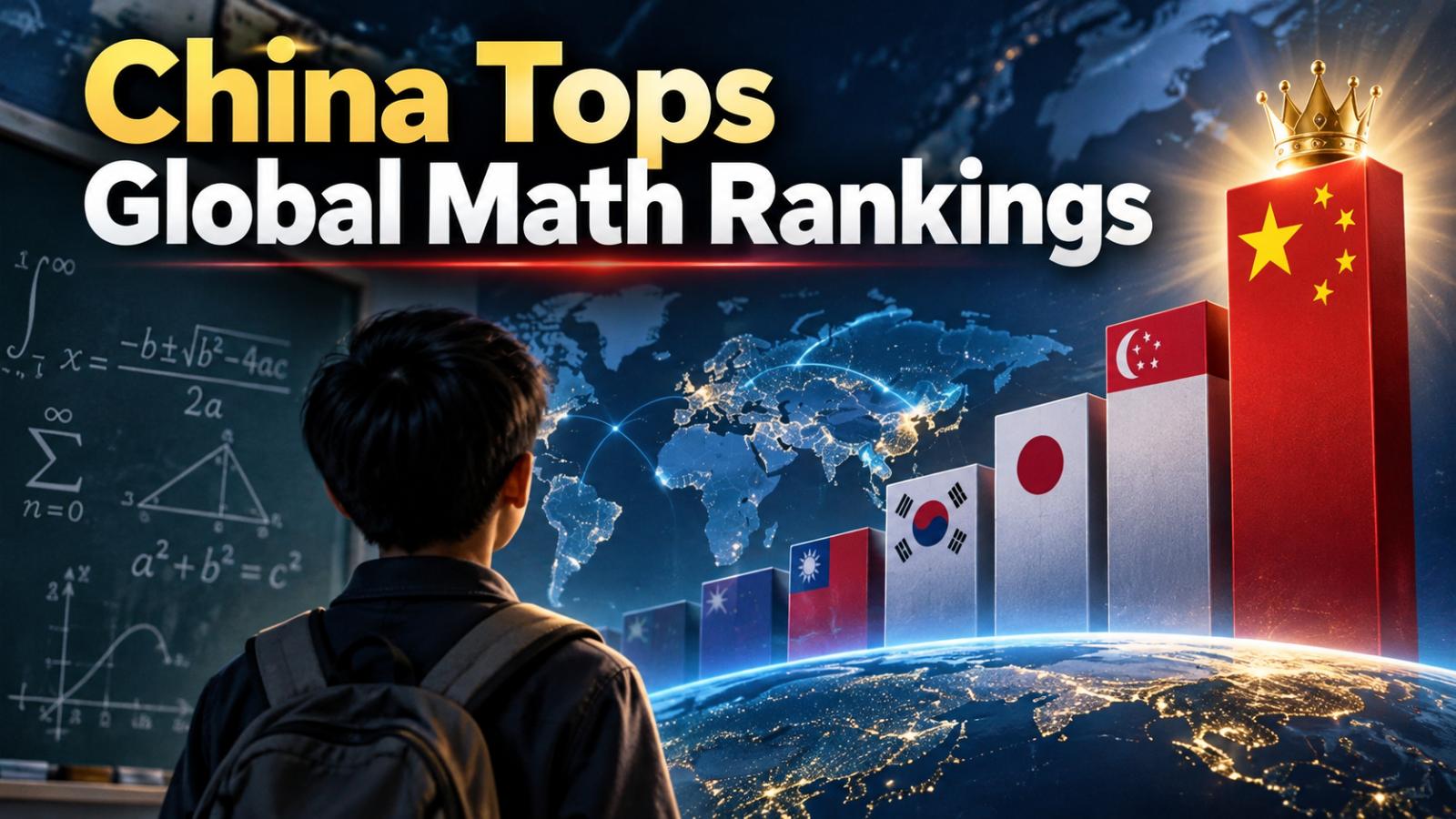
Best Countries at Math: China Leads PISA 2025 Rankings The latest PISA mathematics results highlighted in the source show a striking concentration of high performers in East Asia. China leads the table, followed by Singapore, Macao and Taiwan, while Japan, South Korea and Hong Kong also rank strongly. Estonia emerges as Europe’s leading performe
Best Countries at Math: China Leads PISA 2025 Rankings
Best Countries at Math: China Leads PISA 2025 Rankings The latest PISA mathematics results highlighted in the source show a striking concentration of high performers in East Asia. China leads the table, followed by Singapore, Macao and Taiwan, while Japan, South Korea and Hong Kong also rank strongly. Estonia emerges as Europe’s leading performe
North Korea Warns Japan Over Rapid Military Buildup
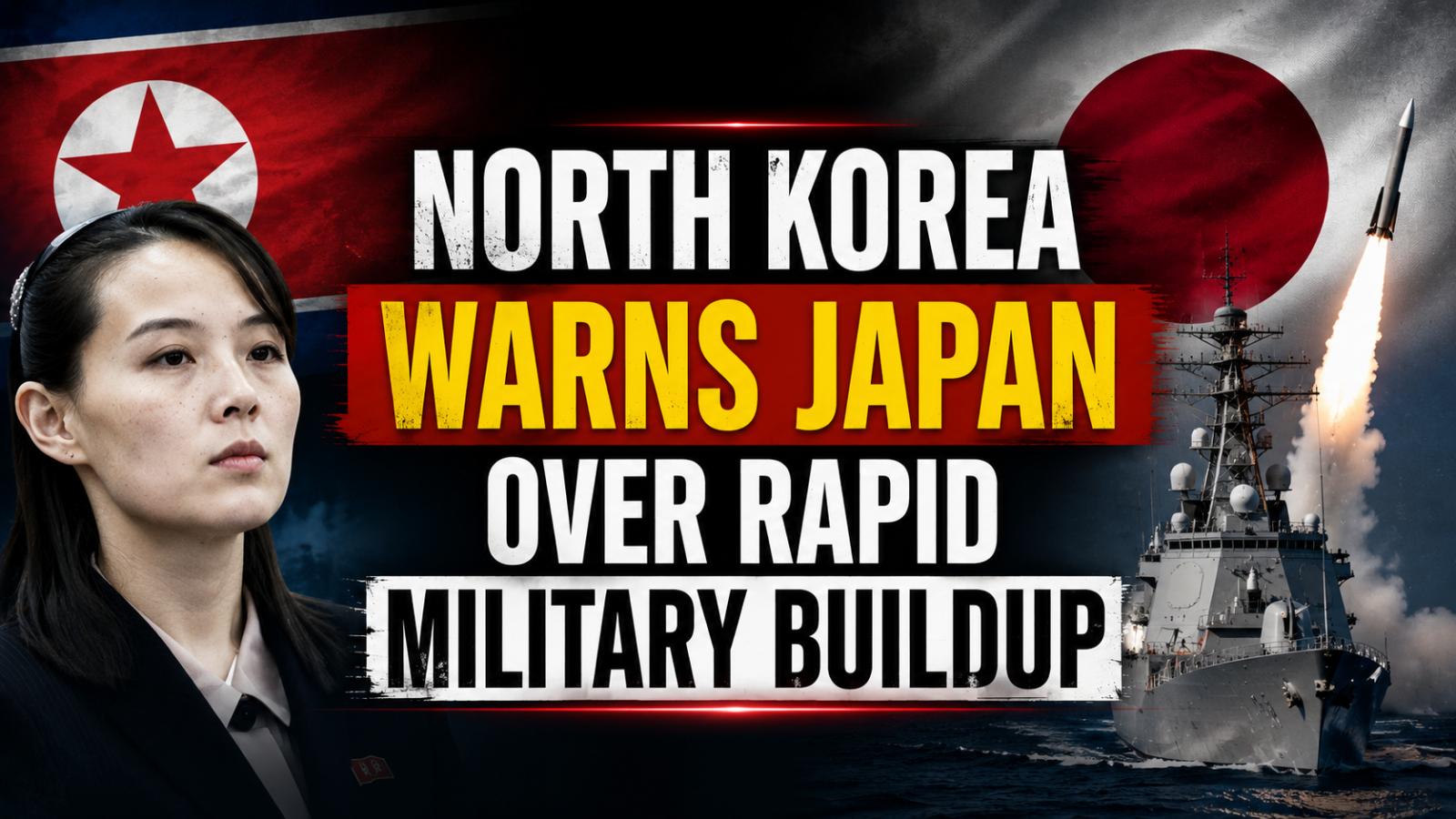
North Korea warns Japan that its growing long-range strike capability could trigger new military responses from Pyongyang. Kim Yo Jong cited Japan’s Tomahawk test, Pacific drills and higher defence spending, while Tokyo insisted that its military policy remains defensive. North Korea Warns Japan Over Military Buildup North Korea has accused Japan of transforming itself into a “war state” as Tokyo expands its military budget, acquir
North Korea Warns Japan Over Rapid Military Buildup
North Korea warns Japan that its growing long-range strike capability could trigger new military responses from Pyongyang. Kim Yo Jong cited Japan’s Tomahawk test, Pacific drills and higher defence spending, while Tokyo insisted that its military policy remains defensive. North Korea Warns Japan Over Military Buildup North Korea has accused Japan of transforming itself into a “war state” as Tokyo expands its military budget, acquir
North Korea declares nuclear status irreversible, Kim Jong Un warns of expansion
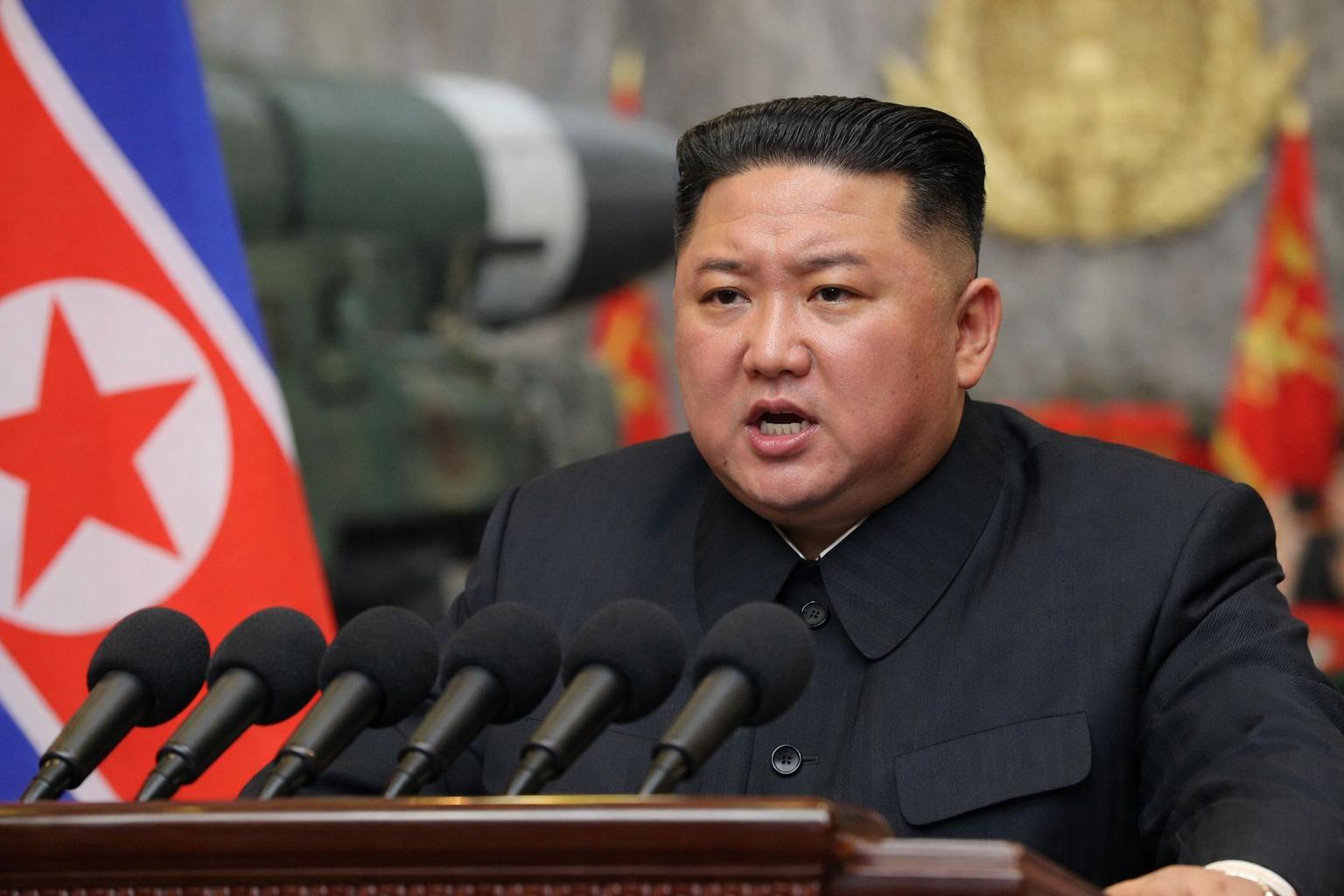
North Korean leader Kim Jong Un has reaffirmed that his country will not abandon its nuclear weapons programme, declaring its status as a nuclear-armed state “irreversible” in a strongly worded address delivered to the nation’s legislature. The remarks came shortly after his reappointment as chairman of the State Affairs Commission, consolidating his leadership over the country’s highest decision-making body. According to official reports released on March 24, Kim outlined an intensified strategy to expand North Korea’s nuclear arsenal, framing the move as essential for national security and constitutional responsibility. He stated that Pyongyang would continue to strengthen its nuclear deterrent and advance its capabilities in response to what he described as ongoing threats from hostile forces. The leader emphasized that maintaining and enhancing nuclear readiness was a key priority, ensuring that the country remains prepared to counter strategic challenges. Kim portrayed the development of nuclear weapons as a justified and defensive measure, asserting that the programme aligns with the country’s long-term security goals. He indicated that North Korea would pursue both quantitative and qualitative improvements in its nuclear forces, underscoring a commitment to sustained military advancement amid rising geopolitical tensions in the region. The speech also included sharp criticism of South Korea, which Kim labelled as the “most hostile state.” He warned that any perceived provocation or infringement on North Korea’s sovereignty would be met with a decisive and uncompromising response. The language used signalled a continuation of strained inter-Korean relations, with little indication of near-term diplomatic engagement. Kim’s address covered broader policy areas, including defence, economic priorities, and relations with the United States, though nuclear policy remained the central focus. His remarks highlight an ongoing shift toward a more assertive security posture, raising concerns among regional and global observers about the future trajectory of East Asia’s security environment.
North Korea declares nuclear status irreversible, Kim Jong Un warns of expansion
North Korean leader Kim Jong Un has reaffirmed that his country will not abandon its nuclear weapons programme, declaring its status as a nuclear-armed state “irreversible” in a strongly worded address delivered to the nation’s legislature. The remarks came shortly after his reappointment as chairman of the State Affairs Commission, consolidating his leadership over the country’s highest decision-making body. According to official reports released on March 24, Kim outlined an intensified strategy to expand North Korea’s nuclear arsenal, framing the move as essential for national security and constitutional responsibility. He stated that Pyongyang would continue to strengthen its nuclear deterrent and advance its capabilities in response to what he described as ongoing threats from hostile forces. The leader emphasized that maintaining and enhancing nuclear readiness was a key priority, ensuring that the country remains prepared to counter strategic challenges. Kim portrayed the development of nuclear weapons as a justified and defensive measure, asserting that the programme aligns with the country’s long-term security goals. He indicated that North Korea would pursue both quantitative and qualitative improvements in its nuclear forces, underscoring a commitment to sustained military advancement amid rising geopolitical tensions in the region. The speech also included sharp criticism of South Korea, which Kim labelled as the “most hostile state.” He warned that any perceived provocation or infringement on North Korea’s sovereignty would be met with a decisive and uncompromising response. The language used signalled a continuation of strained inter-Korean relations, with little indication of near-term diplomatic engagement. Kim’s address covered broader policy areas, including defence, economic priorities, and relations with the United States, though nuclear policy remained the central focus. His remarks highlight an ongoing shift toward a more assertive security posture, raising concerns among regional and global observers about the future trajectory of East Asia’s security environment.


