





















#educationreforms
Can Cockroach Janata Party Survive in Indian Politics?
The Cockroach Janata Party emerged from a satirical youth campaign and gained attention during protests over the NEET controversy and education accountability. Its leaders deny immediate electoral plans, but questions remain over whether the movement can build the organisation and wider agenda needed to survive in Indian politics. Cockroach Janata Party rises from youth agitation What began as
Can Cockroach Janata Party Survive in Indian Politics?
The Cockroach Janata Party emerged from a satirical youth campaign and gained attention during protests over the NEET controversy and education accountability. Its leaders deny immediate electoral plans, but questions remain over whether the movement can build the organisation and wider agenda needed to survive in Indian politics. Cockroach Janata Party rises from youth agitation What began as
Pakistan school crisis keeps millions away from classrooms
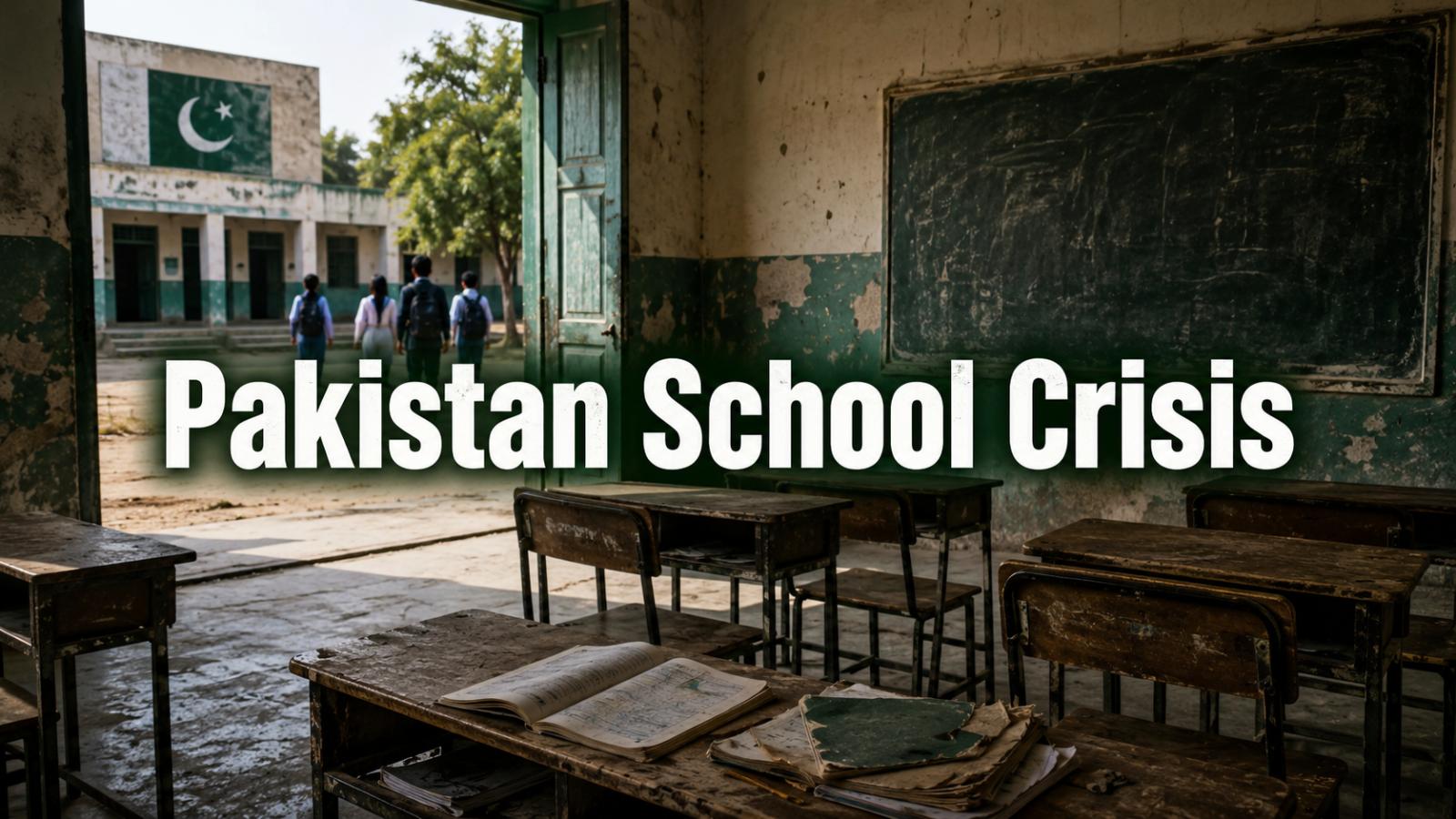
Pakistan’s school crisis continues to raise serious concern as millions of children remain outside classrooms despite the country declaring a National Education Emergency two years ago. Estimates suggest that around 25.1 million to 26 million children are still out of school, showing that the challenge is not limited to policy announcements. The larger problem lies in weak implementation, poor funding, lack of local accountability and gaps between provincial planning a
Pakistan school crisis keeps millions away from classrooms
Pakistan’s school crisis continues to raise serious concern as millions of children remain outside classrooms despite the country declaring a National Education Emergency two years ago. Estimates suggest that around 25.1 million to 26 million children are still out of school, showing that the challenge is not limited to policy announcements. The larger problem lies in weak implementation, poor funding, lack of local accountability and gaps between provincial planning a
Rahul Singh IAS Shunted From CBSE Amid Controversial NEP Reforms
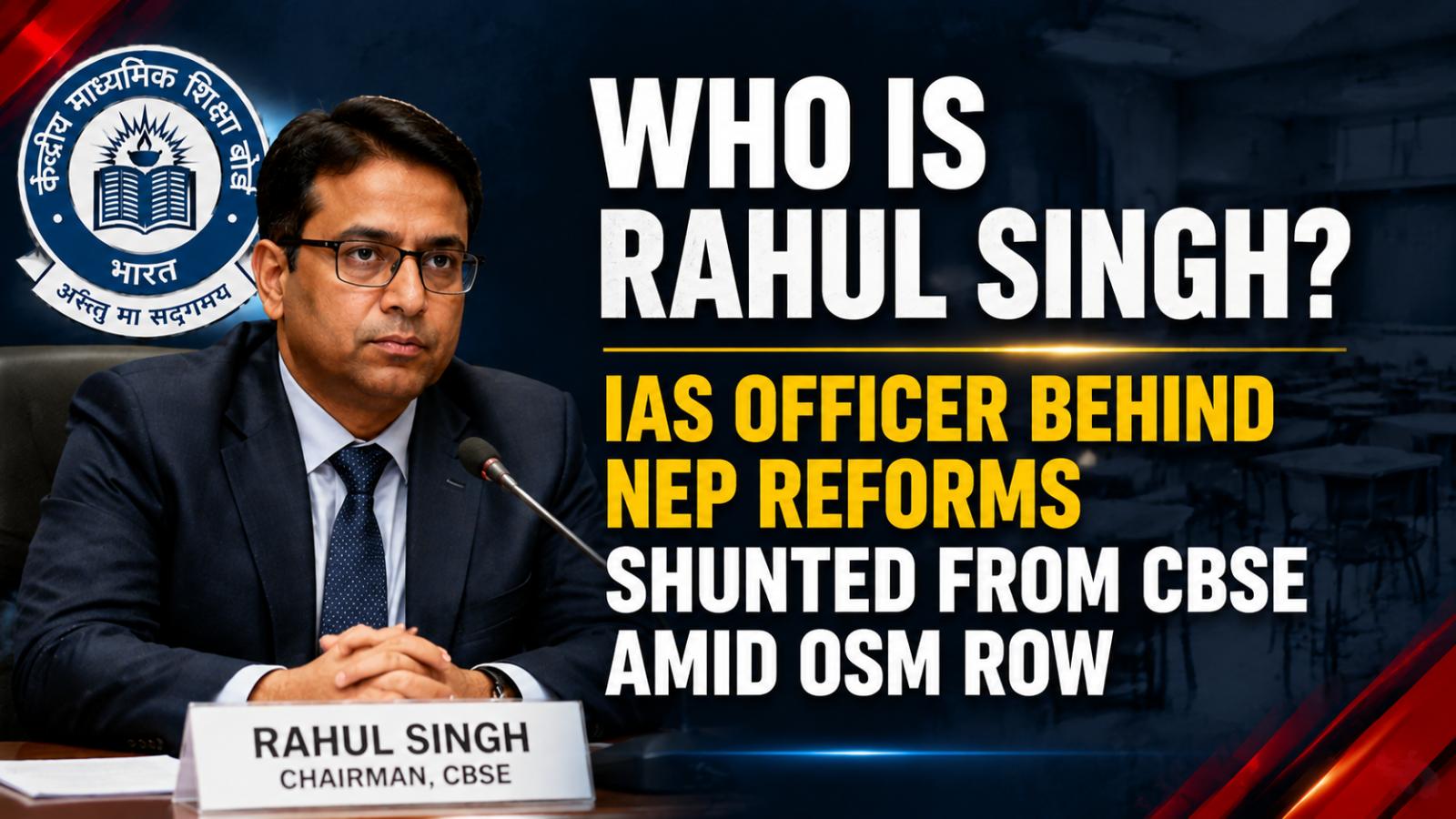
Rahul Singh, a 1996-batch IAS officer of the Bihar cadre, was removed as CBSE Chairman on June 2, 2026, following controversies around the Class 12 board exams. Singh, who assumed office in 2024, oversaw the implementation of several reforms under the National Education Policy (NEP) 2020 and the National Curriculum Framework for School Education (NCFSE). During his tenure, Singh introduced mother tongue instruction for pre-primary to Class 5 students, in line with NEP guidance that
Rahul Singh IAS Shunted From CBSE Amid Controversial NEP Reforms
Rahul Singh, a 1996-batch IAS officer of the Bihar cadre, was removed as CBSE Chairman on June 2, 2026, following controversies around the Class 12 board exams. Singh, who assumed office in 2024, oversaw the implementation of several reforms under the National Education Policy (NEP) 2020 and the National Curriculum Framework for School Education (NCFSE). During his tenure, Singh introduced mother tongue instruction for pre-primary to Class 5 students, in line with NEP guidance that
AP Govt Sends Teachers to Singapore for Training After Student Tours Initiative
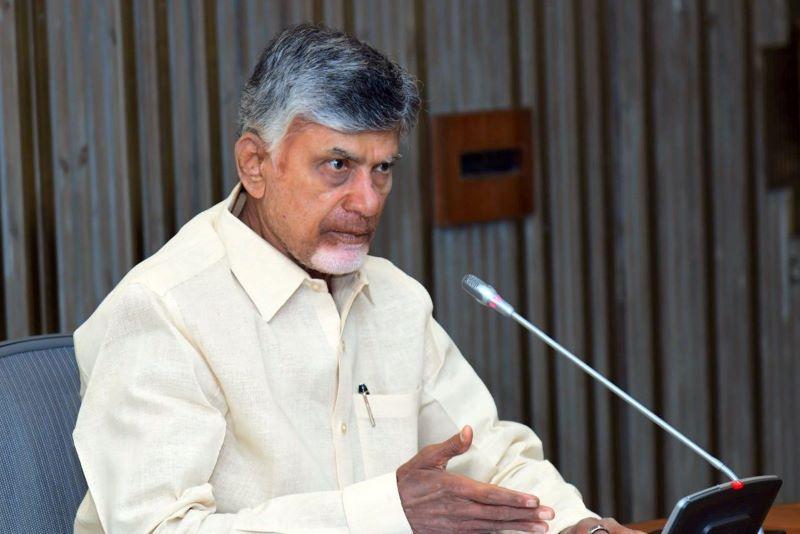
Andhra Pradesh’s education system is undergoing a noticeable shift under the leadership of Nara Lokesh, with the government now focusing not just on students but also on strengthening teachers. In a new initiative, the state has selected 37 high-performing teachers from government schools and is sending them to Singapore for a one-week intensive training program aimed at upgrading teaching standards. Until recently, the government’s reforms were largely centered around students, including exposure visits and learning enhancement programs. One such initiative involved taking students from government schools to New Delhi, where they explored science institutions and gained practical learning experiences beyond textbooks. Now, the attention has shifted toward teachers, recognizing that improving teaching quality directly impacts student outcomes. The selected educators will observe and learn advanced teaching practices widely adopted in Singapore, including digital learning systems, smart classroom integration, project-based teaching models, and modern evaluation techniques. These methods are known for making learning more interactive and effective. The expectation is straightforward but ambitious. After completing their training, these teachers will return and implement what they have learned across government schools in Andhra Pradesh. The goal is not just incremental improvement but a broader transformation in how education is delivered. However, the real test lies in execution. Sending 37 teachers abroad makes for a good headline, but unless there is a structured plan to scale these learnings across thousands of schools, the impact could remain limited. If the government ensures proper follow-up, training replication, and accountability, this initiative could genuinely improve classroom standards. Otherwise, it risks becoming another isolated reform without long-term effect. This move signals a more balanced approach to education reform—one that acknowledges that strong teachers are just as critical as motivated students in building a future-ready education system.
AP Govt Sends Teachers to Singapore for Training After Student Tours Initiative
Andhra Pradesh’s education system is undergoing a noticeable shift under the leadership of Nara Lokesh, with the government now focusing not just on students but also on strengthening teachers. In a new initiative, the state has selected 37 high-performing teachers from government schools and is sending them to Singapore for a one-week intensive training program aimed at upgrading teaching standards. Until recently, the government’s reforms were largely centered around students, including exposure visits and learning enhancement programs. One such initiative involved taking students from government schools to New Delhi, where they explored science institutions and gained practical learning experiences beyond textbooks. Now, the attention has shifted toward teachers, recognizing that improving teaching quality directly impacts student outcomes. The selected educators will observe and learn advanced teaching practices widely adopted in Singapore, including digital learning systems, smart classroom integration, project-based teaching models, and modern evaluation techniques. These methods are known for making learning more interactive and effective. The expectation is straightforward but ambitious. After completing their training, these teachers will return and implement what they have learned across government schools in Andhra Pradesh. The goal is not just incremental improvement but a broader transformation in how education is delivered. However, the real test lies in execution. Sending 37 teachers abroad makes for a good headline, but unless there is a structured plan to scale these learnings across thousands of schools, the impact could remain limited. If the government ensures proper follow-up, training replication, and accountability, this initiative could genuinely improve classroom standards. Otherwise, it risks becoming another isolated reform without long-term effect. This move signals a more balanced approach to education reform—one that acknowledges that strong teachers are just as critical as motivated students in building a future-ready education system.


