



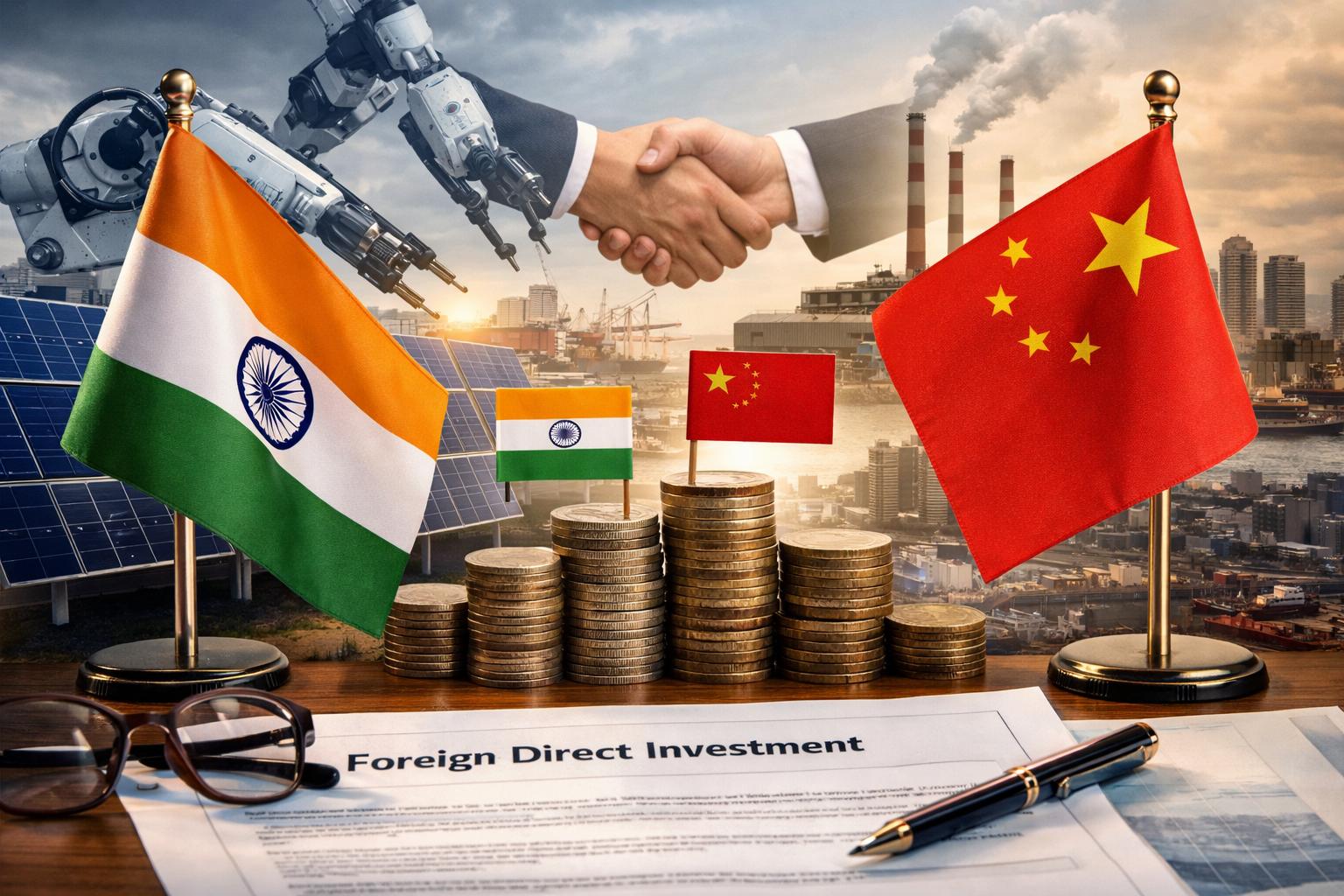











India has approved changes to its foreign direct investment policy to allow Chinese companies to invest in selected sectors, marking a cautious step toward improving economic ties between the two countries after years of strained relations. The decision was cleared by the Union Cabinet led by Prime Minister Narendra Modi and is aimed at easing investment constraints faced by certain industries while strengthening domestic manufacturing capacity. Under the revised policy framework, C
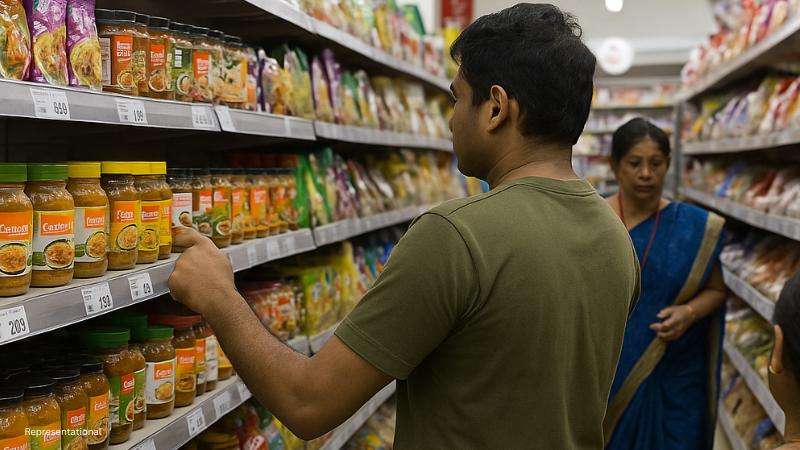
It has been more than two weeks since the rollout of GST 2.0 on September 22, but a nationwide consumer survey indicates that the expected benefits of lower taxes are not being fully passed on to buyers. The reform, which aimed to make a wide range of goods and services more affordable, appears to have produced uneven results across product categories, with automobiles emerging as the only sector showing substantial price reductions. According to a large-scale survey conducted acros
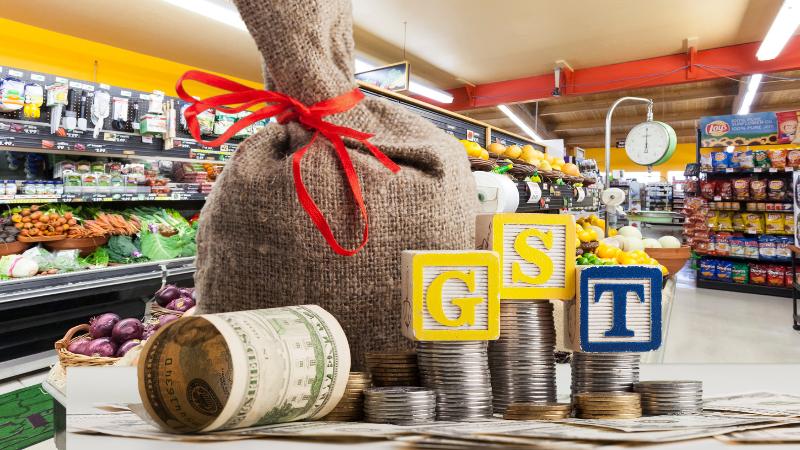
The Goods and Services Tax (GST) Council has approved a major overhaul of India's GST system, effective September 22, 2025. This comprehensive revamp introduces significant changes, impacting everything from household essentials and food items to vehicles and healthcare products. The council has streamlined the tax slabs by reducing the existing four-tier system to just two primary slabs 5% and 18% and introduced a 40% slab for select luxury and harmful it
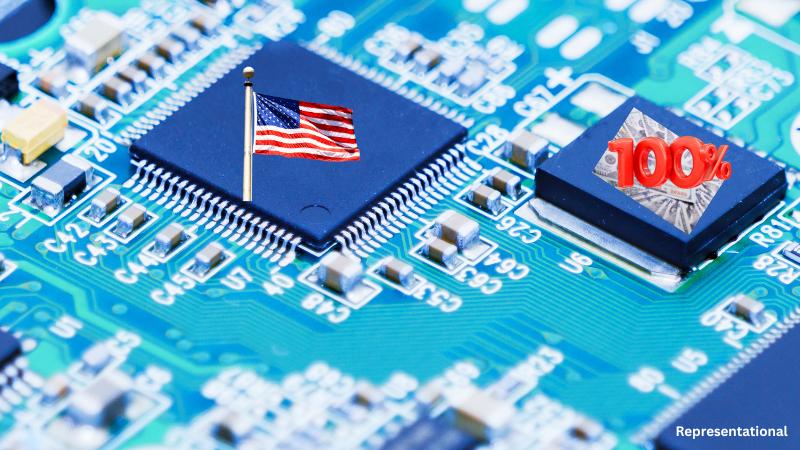
In a major economic policy move, United States President Donald Trump announced on Wednesday, August 6 (local time), a new plan to impose a sweeping 100 percent tariff on imported computer chips and semiconductors, while providing full exemption for companies that manufacture them within the United States. The decision is seen as a strategic attempt to force global chipmakers to relocate or expand operations within American borders, even at the cost of short-term disruptions and potential inf
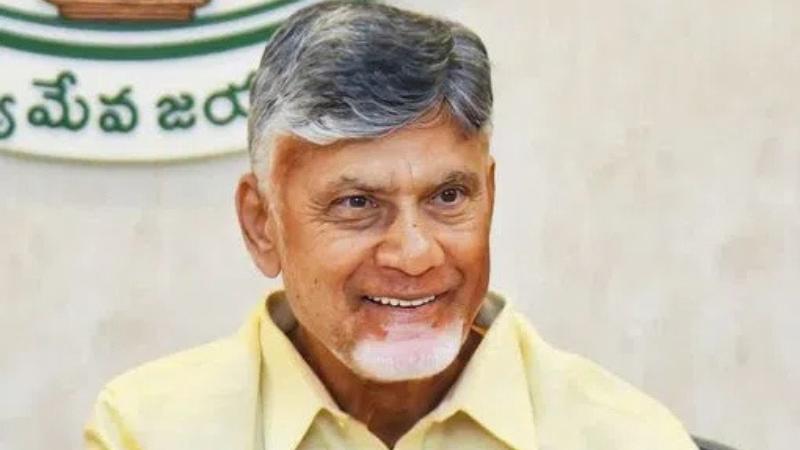
In a decisive move to boost economic development and job creation, Andhra Pradesh Chief Minister N. Chandrababu Naidu has approved investment proposals worth ₹33,000 crore during the sixth meeting of the State Investment Promotion Board (SIPB). The approvals span across 19 major projects and are expected to generate 35,000 new jobs in key sectors such as energy, tourism, IT, and electronics. The meeting, held at the Secretariat, marks a strategic continuation of the government's push fo