#emotional-health
Balancing Parenting During a Health Emergency
Parenting is challenging on its own, but when a health emergency strikes—whether it involves a parent, child, or another family member—the stress can feel overwhelming. Balancing the responsibilities of caring for children while managing medical needs requires strength, planning, and emotional resilience. With the right approach, parents can provide stability for their children while navigating uncertain times. The first step is to stay calm and organized. Children quick
Balancing Parenting During a Health Emergency
Parenting is challenging on its own, but when a health emergency strikes—whether it involves a parent, child, or another family member—the stress can feel overwhelming. Balancing the responsibilities of caring for children while managing medical needs requires strength, planning, and emotional resilience. With the right approach, parents can provide stability for their children while navigating uncertain times. The first step is to stay calm and organized. Children quick
Supporting Children Through Parental Job Loss
Losing a job can be a stressful experience for any family, but it often affects children in ways parents may not immediately realize. Children are sensitive to changes at home and can sense the emotions of their parents. Whether it’s worry about money, changes in daily routines, or uncertainty about the future, parental job loss can create anxiety for kids. Supporting them during this period requires honesty, reassurance, and stability. The first step is open communication. Pa
Supporting Children Through Parental Job Loss
Losing a job can be a stressful experience for any family, but it often affects children in ways parents may not immediately realize. Children are sensitive to changes at home and can sense the emotions of their parents. Whether it’s worry about money, changes in daily routines, or uncertainty about the future, parental job loss can create anxiety for kids. Supporting them during this period requires honesty, reassurance, and stability. The first step is open communication. Pa
Is Your Child Secretly Depressed?
Most parents expect some moodiness or occasional emotional outbursts from their children, especially during times of stress or change. But what happens when those moods hide something deeper? Childhood depression doesn’t always look like sadness or crying—it can wear a lot of different masks. And because children don’t always have the words to express what they’re feeling, their struggle often goes unnoticed. It’s a common misconception that depression
Is Your Child Secretly Depressed?
Most parents expect some moodiness or occasional emotional outbursts from their children, especially during times of stress or change. But what happens when those moods hide something deeper? Childhood depression doesn’t always look like sadness or crying—it can wear a lot of different masks. And because children don’t always have the words to express what they’re feeling, their struggle often goes unnoticed. It’s a common misconception that depression
The Hidden Impact of Yelling on Kids’ Mental Health
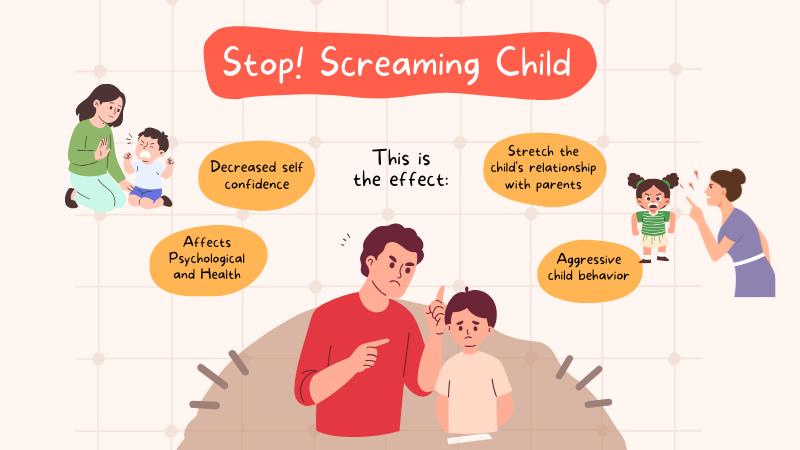
Parenting is tough, and in the heat of the moment, many parents end up yelling at their children. Whether it's because of stress, repeated misbehavior, or simply being overwhelmed, shouting often feels like a quick fix. But while yelling might seem effective in the short term, it can leave lasting emotional and psychological scars on children. Children are especially sensitive to their environment and the emotional tone of their caregivers. When yelling becomes a regular form of
The Hidden Impact of Yelling on Kids’ Mental Health
Parenting is tough, and in the heat of the moment, many parents end up yelling at their children. Whether it's because of stress, repeated misbehavior, or simply being overwhelmed, shouting often feels like a quick fix. But while yelling might seem effective in the short term, it can leave lasting emotional and psychological scars on children. Children are especially sensitive to their environment and the emotional tone of their caregivers. When yelling becomes a regular form of
Tips for Managing Career Burnout in Your 40s
Understanding Career Burnout in Your 40s In your 40s, the reality of career burnout can feel overwhelming. By this stage, you’ve likely accumulated years of experience, but the pressure to maintain success, excel in your role, and balance personal life can weigh heavily on your shoulders. Burnout in your 40s can manifest as chronic fatigue, emotional exhaustion, and even health issues if not addressed. Recognizing burnout early is key to managing it effectively. Symptoms such as decreased motivation, fatigue, irritability, physical ailments like headaches, or a drop in performance are signs your mental and emotional well-being are suffering. Let’s dive into the strategies that can help you manage burnout effectively and regain your energy, passion, and work-life balance. 1. Recognize and Acknowledge Burnout Understanding the symptoms of burnout is essential. In your 40s, it’s common to experience: Chronic fatigue, feeling mentally and physically drained despite getting enough rest; Decreased motivation, losing enthusiasm for tasks you once enjoyed; Emotional exhaustion, which includes feelings of frustration, irritability, or detachment from work; Physical symptoms, such as headaches, insomnia, digestive issues, or muscle tension; Decreased performance, including reduced focus, making mistakes, or feeling distracted. Identifying these signs early allows you to take proactive steps before burnout deepens. 2. Reassess Your Career Goals and Values As you approach your 40s, it’s time to reassess whether your current career aligns with your values and goals. Over the years, your priorities may shift, and your job might no longer offer the same fulfillment. It’s important to reflect on what truly matters to you in your career. Taking time to reassess your goals and values will help you realign with what matters most. Reflect on your passions and what parts of your job still bring joy, while identifying aspects that no longer excite you. Setting new career goals that align with your values, such as seeking leadership roles or considering industry changes, can help you find renewed purpose. If your current job no longer fits, considering a career transition might help reignite your passion and enthusiasm for work. 3. Build a Better Work-Life Balance The desire for career success can often overwhelm your personal life, especially in your 40s. Setting boundaries and finding a healthy balance between work and personal time is essential to prevent burnout. Setting boundaries helps you learn to say no to extra work that interferes with your personal time, protecting your well-being. Prioritizing personal activities such as hobbies, spending time with family, or engaging in self-care can restore your mental health. Taking breaks throughout the day gives you time to recharge, clear your mind, and maintain a healthy focus on your tasks. 4. Focus on Stress Management Burnout is often exacerbated by stress, and managing stress becomes even more important in your 40s, as chronic stress can negatively impact both your physical and mental health. Incorporating stress-management techniques into your routine will help you cope with the pressures of work. Practicing mindfulness through meditation or deep breathing exercises can help calm your mind and reduce daily stress. Regular exercise helps relieve stress and boost your overall health, allowing you to stay energized and mentally sharp. Prioritizing sleep is equally important; getting 7-8 hours of quality rest every night restores your energy levels and improves emotional resilience. 5. Learn to Delegate and Seek Help Trying to do everything on your own is a surefire way to contribute to burnout. Recognizing when to delegate tasks and seek support can alleviate the pressure. Delegating tasks at work to colleagues not only helps distribute your workload but also empowers others to grow and contribute. Reaching out for mentorship from a trusted colleague or advisor offers guidance and new perspectives on handling career challenges. Outsourcing personal tasks such as house cleaning or shopping can free up valuable time for relaxation and self-care. 6. Prioritize Your Mental Health Burnout affects not just your work but your mental health as well. In your 40s, it’s crucial to prioritize mental health to maintain a sense of balance and well-being. Seeking emotional support can help you process stress and recover from burnout. Therapy or counseling can help you develop coping strategies for dealing with workplace challenges and personal pressures. Joining a support group gives you the opportunity to connect with others who understand your struggles and can provide valuable advice. Engaging in hobbies allows you to express creativity and take your mind off work, offering a mental break that can improve your overall outlook. 7. Consider Career Changes or Side Projects If your current job continues to drain you despite efforts to manage burnout, it may be time to explore a career change or start a side project. In your 40s, this could be an ideal time to explore new opportunities and reignite your passion for work. Exploring other roles within your current company or in a new field can provide new challenges and growth opportunities. Starting a side hustle or business allows you to tap into your creativity and offer you financial and emotional relief from your main job. Sometimes, simply reevaluating your job fit can help you rediscover excitement in your career, even if it means transitioning to a new role or company. 8. Utilize Flexible and Remote Work Options Flexible work arrangements, including remote work, can significantly reduce stress and improve work-life balance. If your employer offers these options, consider taking advantage of them to help alleviate burnout. Negotiating flexible work hours allows you to adjust your schedule to better fit your personal needs or reduce the stress of commuting. Working remotely can provide you with the space to focus on your tasks without the pressure of an office environment, offering you more control over your time and workload. Career burnout in your 40s involves more than just surviving your current job. It’s about taking proactive steps to reassess your goals, set boundaries, and prioritize your health and well-being. By addressing burnout early, practicing stress management, and considering career changes, you can regain control of your work-life balance and continue to thrive in your mid-career years. With these strategies, you’ll not only manage burnout but also build a sustainable, fulfilling career that aligns with your personal values and passions.
Tips for Managing Career Burnout in Your 40s
Understanding Career Burnout in Your 40s In your 40s, the reality of career burnout can feel overwhelming. By this stage, you’ve likely accumulated years of experience, but the pressure to maintain success, excel in your role, and balance personal life can weigh heavily on your shoulders. Burnout in your 40s can manifest as chronic fatigue, emotional exhaustion, and even health issues if not addressed. Recognizing burnout early is key to managing it effectively. Symptoms such as decreased motivation, fatigue, irritability, physical ailments like headaches, or a drop in performance are signs your mental and emotional well-being are suffering. Let’s dive into the strategies that can help you manage burnout effectively and regain your energy, passion, and work-life balance. 1. Recognize and Acknowledge Burnout Understanding the symptoms of burnout is essential. In your 40s, it’s common to experience: Chronic fatigue, feeling mentally and physically drained despite getting enough rest; Decreased motivation, losing enthusiasm for tasks you once enjoyed; Emotional exhaustion, which includes feelings of frustration, irritability, or detachment from work; Physical symptoms, such as headaches, insomnia, digestive issues, or muscle tension; Decreased performance, including reduced focus, making mistakes, or feeling distracted. Identifying these signs early allows you to take proactive steps before burnout deepens. 2. Reassess Your Career Goals and Values As you approach your 40s, it’s time to reassess whether your current career aligns with your values and goals. Over the years, your priorities may shift, and your job might no longer offer the same fulfillment. It’s important to reflect on what truly matters to you in your career. Taking time to reassess your goals and values will help you realign with what matters most. Reflect on your passions and what parts of your job still bring joy, while identifying aspects that no longer excite you. Setting new career goals that align with your values, such as seeking leadership roles or considering industry changes, can help you find renewed purpose. If your current job no longer fits, considering a career transition might help reignite your passion and enthusiasm for work. 3. Build a Better Work-Life Balance The desire for career success can often overwhelm your personal life, especially in your 40s. Setting boundaries and finding a healthy balance between work and personal time is essential to prevent burnout. Setting boundaries helps you learn to say no to extra work that interferes with your personal time, protecting your well-being. Prioritizing personal activities such as hobbies, spending time with family, or engaging in self-care can restore your mental health. Taking breaks throughout the day gives you time to recharge, clear your mind, and maintain a healthy focus on your tasks. 4. Focus on Stress Management Burnout is often exacerbated by stress, and managing stress becomes even more important in your 40s, as chronic stress can negatively impact both your physical and mental health. Incorporating stress-management techniques into your routine will help you cope with the pressures of work. Practicing mindfulness through meditation or deep breathing exercises can help calm your mind and reduce daily stress. Regular exercise helps relieve stress and boost your overall health, allowing you to stay energized and mentally sharp. Prioritizing sleep is equally important; getting 7-8 hours of quality rest every night restores your energy levels and improves emotional resilience. 5. Learn to Delegate and Seek Help Trying to do everything on your own is a surefire way to contribute to burnout. Recognizing when to delegate tasks and seek support can alleviate the pressure. Delegating tasks at work to colleagues not only helps distribute your workload but also empowers others to grow and contribute. Reaching out for mentorship from a trusted colleague or advisor offers guidance and new perspectives on handling career challenges. Outsourcing personal tasks such as house cleaning or shopping can free up valuable time for relaxation and self-care. 6. Prioritize Your Mental Health Burnout affects not just your work but your mental health as well. In your 40s, it’s crucial to prioritize mental health to maintain a sense of balance and well-being. Seeking emotional support can help you process stress and recover from burnout. Therapy or counseling can help you develop coping strategies for dealing with workplace challenges and personal pressures. Joining a support group gives you the opportunity to connect with others who understand your struggles and can provide valuable advice. Engaging in hobbies allows you to express creativity and take your mind off work, offering a mental break that can improve your overall outlook. 7. Consider Career Changes or Side Projects If your current job continues to drain you despite efforts to manage burnout, it may be time to explore a career change or start a side project. In your 40s, this could be an ideal time to explore new opportunities and reignite your passion for work. Exploring other roles within your current company or in a new field can provide new challenges and growth opportunities. Starting a side hustle or business allows you to tap into your creativity and offer you financial and emotional relief from your main job. Sometimes, simply reevaluating your job fit can help you rediscover excitement in your career, even if it means transitioning to a new role or company. 8. Utilize Flexible and Remote Work Options Flexible work arrangements, including remote work, can significantly reduce stress and improve work-life balance. If your employer offers these options, consider taking advantage of them to help alleviate burnout. Negotiating flexible work hours allows you to adjust your schedule to better fit your personal needs or reduce the stress of commuting. Working remotely can provide you with the space to focus on your tasks without the pressure of an office environment, offering you more control over your time and workload. Career burnout in your 40s involves more than just surviving your current job. It’s about taking proactive steps to reassess your goals, set boundaries, and prioritize your health and well-being. By addressing burnout early, practicing stress management, and considering career changes, you can regain control of your work-life balance and continue to thrive in your mid-career years. With these strategies, you’ll not only manage burnout but also build a sustainable, fulfilling career that aligns with your personal values and passions.
Pleasanton Fundraiser Supports Equine Therapy for Dementia Patients and Caregivers
The nonprofit organization Connected Horse is hosting its annual "Lassos with Love" fundraiser in Pleasanton on Sunday, Sept. 7, from 2 to 4:30 p.m. at the Five Star Equestrian Center. This special event is designed to support equine-assisted therapy for dementia patients and their caregivers, an initiative that has shown profound benefits in reducing anxiety, depression, and PTSD, while boosting self-esteem, trust, and emotional regulation.
Pleasanton Fundraiser Supports Equine Therapy for Dementia Patients and Caregivers
The nonprofit organization Connected Horse is hosting its annual "Lassos with Love" fundraiser in Pleasanton on Sunday, Sept. 7, from 2 to 4:30 p.m. at the Five Star Equestrian Center. This special event is designed to support equine-assisted therapy for dementia patients and their caregivers, an initiative that has shown profound benefits in reducing anxiety, depression, and PTSD, while boosting self-esteem, trust, and emotional regulation.
The secret to building a strong personality lies in small daily steps
Personality development is not something that occurs overnight. It is a slow and steady process shaped by choices, routines, and the way we respond to the world around us. While life-changing moments are often celebrated, it is actually the smaller, consistent actions taken every day that create a lasting impact on who we are. Whether it’s reading a page from a book, choosing kindness in a tough moment, or following through on a promise to yourself, these simple actions accumulate and buil
The secret to building a strong personality lies in small daily steps
Personality development is not something that occurs overnight. It is a slow and steady process shaped by choices, routines, and the way we respond to the world around us. While life-changing moments are often celebrated, it is actually the smaller, consistent actions taken every day that create a lasting impact on who we are. Whether it’s reading a page from a book, choosing kindness in a tough moment, or following through on a promise to yourself, these simple actions accumulate and buil
Children with cancer enjoy fun-filled day at megamall through special summer camp
More than 100 children facing cancer and other life-threatening conditions were treated to a magical day of fun and excitement at a major indoor entertainment mall this week, thanks to a special summer camp that is dedicated to bringing joy and relief to young patients and their families. The outing offered a rare opportunity for the children to experience carefree moments filled with laughter, games, treats, and connection with their peers—all within a safe, medically supervised environme
Children with cancer enjoy fun-filled day at megamall through special summer camp
More than 100 children facing cancer and other life-threatening conditions were treated to a magical day of fun and excitement at a major indoor entertainment mall this week, thanks to a special summer camp that is dedicated to bringing joy and relief to young patients and their families. The outing offered a rare opportunity for the children to experience carefree moments filled with laughter, games, treats, and connection with their peers—all within a safe, medically supervised environme
Can Relationships Be Taught in Classrooms?
In a bold move, Delhi University (DU) has introduced a new psychology elective titled Negotiating Intimate Relationships starting in the 2025–26 academic session. The course aims to equip students with tools to navigate the complex world of love, friendships, and emotional boundaries. As young adults increasingly grapple with digital intimacy, social media pressures, and confusing relationship dynamics, the course couldn’t have come at a m
Can Relationships Be Taught in Classrooms?
In a bold move, Delhi University (DU) has introduced a new psychology elective titled Negotiating Intimate Relationships starting in the 2025–26 academic session. The course aims to equip students with tools to navigate the complex world of love, friendships, and emotional boundaries. As young adults increasingly grapple with digital intimacy, social media pressures, and confusing relationship dynamics, the course couldn’t have come at a m
Cutting Too Many Calories? It Might Be Making You Depressed
While cutting calories is a common method for weight loss, doing it excessively may come with unexpected mental health consequences. Many people don’t realize that extreme calorie deficits can significantly impact emotional well-being. From nutrient shortages to hormonal shifts, severe dietary restrictions can make you feel anxious, irritable, and even depressed. Your brain needs steady fuel and nutrients to re
Cutting Too Many Calories? It Might Be Making You Depressed
While cutting calories is a common method for weight loss, doing it excessively may come with unexpected mental health consequences. Many people don’t realize that extreme calorie deficits can significantly impact emotional well-being. From nutrient shortages to hormonal shifts, severe dietary restrictions can make you feel anxious, irritable, and even depressed. Your brain needs steady fuel and nutrients to re
Study Reveals ChatGPT Can Exhibit 'Anxiety' and Respond to Mindfulness Techniques
A groundbreaking study has revealed that ChatGPT, a widely used AI chatbot, can exhibit behaviors akin to "anxiety" and can be calmed using mindfulness techniques. Although artificial intelligence (AI) lacks actual emotions, researchers from Yale University, Haifa University, and the University of Zurich discovered that large language models (LLMs) like ChatGPT can mimic anxiety-like tendencies when exposed to distressing content. The findings, published in the study titled Asse
Study Reveals ChatGPT Can Exhibit 'Anxiety' and Respond to Mindfulness Techniques
A groundbreaking study has revealed that ChatGPT, a widely used AI chatbot, can exhibit behaviors akin to "anxiety" and can be calmed using mindfulness techniques. Although artificial intelligence (AI) lacks actual emotions, researchers from Yale University, Haifa University, and the University of Zurich discovered that large language models (LLMs) like ChatGPT can mimic anxiety-like tendencies when exposed to distressing content. The findings, published in the study titled Asse