


















#europegas
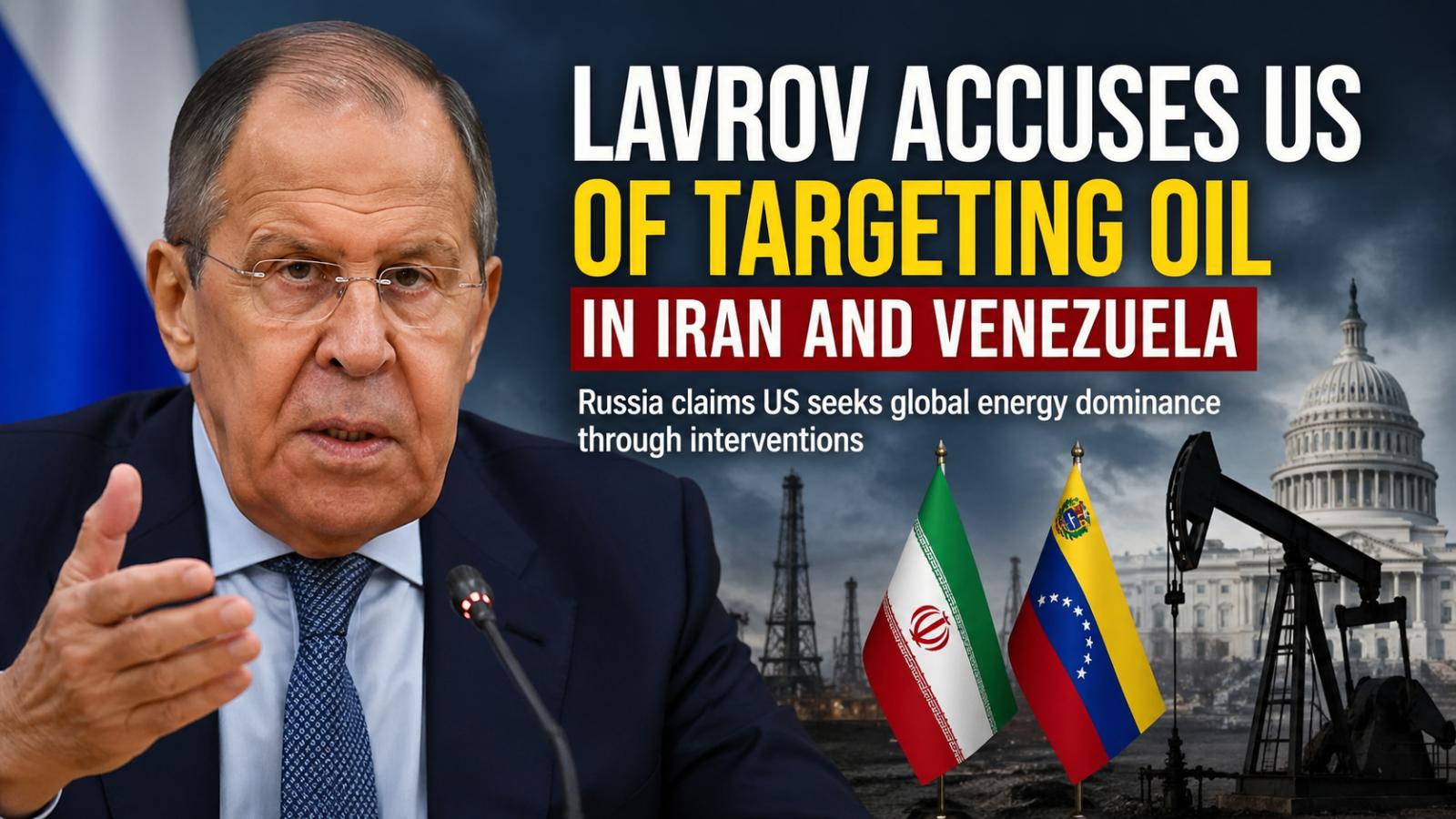
Lavrov criticizes US foreign policy over oil and energy dominance
Russian Foreign Minister Sergei Lavrov has accused the United States of pursuing oil-driven policies in Iran and Venezuela, claiming that control over global energy resources is a central goal of Washington’s foreign strategy. Speaking in a televised interview, Lavrov said the US focuses primarily on its own interests and is willing to use extreme methods to secure access to oil and energy assets in resource-rich nations. Lavrov alleged that US actions in countries such as Iran and Venezuela are not hidden, but openly tied to securing influence over energy markets. According to him, Washington’s approach reflects a broader ambition to dominate global energy supply chains. He argued that such policies show a shift away from international legal norms, suggesting that decisions are increasingly shaped by power rather than agreed rules. The Russian minister also criticized the US for what he described as inconsistent diplomacy. He urged Washington to prioritize dialogue, stating that the US has a pattern of withdrawing from agreements instead of maintaining stable international commitments. His remarks come as American envoys prepare for discussions in Pakistan, signaling ongoing diplomatic engagement in the region. The White House has indicated openness to negotiations with Iran, while maintaining that it will not act under pressure. Meanwhile, Iran’s Foreign Minister Abbas Araghchi has begun a regional visit, adding to the ongoing diplomatic activity surrounding the issue. Lavrov further linked US foreign policy to developments in Europe, particularly in the context of the Ukraine conflict. He accused Washington of encouraging European nations to reduce dependence on Russian gas, framing this as part of a broader geopolitical strategy. According to Lavrov, such moves resemble attempts to reshape global energy dynamics in a way that benefits US interests, raising concerns about a return to power-based international relations.
Lavrov criticizes US foreign policy over oil and energy dominance
Russian Foreign Minister Sergei Lavrov has accused the United States of pursuing oil-driven policies in Iran and Venezuela, claiming that control over global energy resources is a central goal of Washington’s foreign strategy. Speaking in a televised interview, Lavrov said the US focuses primarily on its own interests and is willing to use extreme methods to secure access to oil and energy assets in resource-rich nations. Lavrov alleged that US actions in countries such as Iran and Venezuela are not hidden, but openly tied to securing influence over energy markets. According to him, Washington’s approach reflects a broader ambition to dominate global energy supply chains. He argued that such policies show a shift away from international legal norms, suggesting that decisions are increasingly shaped by power rather than agreed rules. The Russian minister also criticized the US for what he described as inconsistent diplomacy. He urged Washington to prioritize dialogue, stating that the US has a pattern of withdrawing from agreements instead of maintaining stable international commitments. His remarks come as American envoys prepare for discussions in Pakistan, signaling ongoing diplomatic engagement in the region. The White House has indicated openness to negotiations with Iran, while maintaining that it will not act under pressure. Meanwhile, Iran’s Foreign Minister Abbas Araghchi has begun a regional visit, adding to the ongoing diplomatic activity surrounding the issue. Lavrov further linked US foreign policy to developments in Europe, particularly in the context of the Ukraine conflict. He accused Washington of encouraging European nations to reduce dependence on Russian gas, framing this as part of a broader geopolitical strategy. According to Lavrov, such moves resemble attempts to reshape global energy dynamics in a way that benefits US interests, raising concerns about a return to power-based international relations.
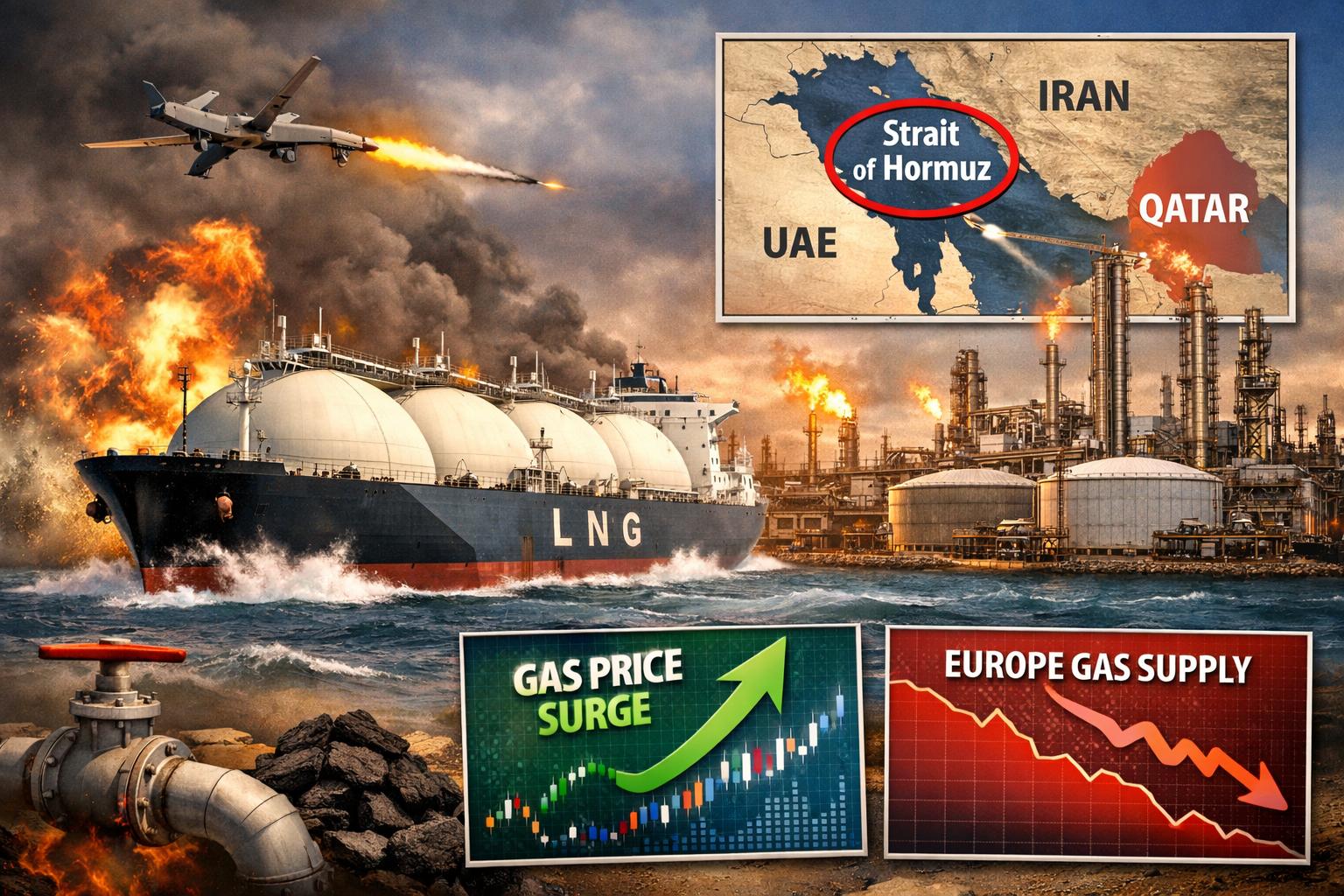
Qatar LNG exports disrupted as Strait of Hormuz tensions escalate
The escalating tensions around the Strait of Hormuz are raising serious concerns for global energy markets, with analysts warning that the liquefied natural gas sector could be more severely affected than crude oil if the shipping route remains disrupted. While oil shipments have been partially redirected through alternative pipelines, LNG faces unique challenges due to its dependence on specialized tankers and highly centralized production, particularly in Qatar. Roughly 20 percent o
Qatar LNG exports disrupted as Strait of Hormuz tensions escalate
The escalating tensions around the Strait of Hormuz are raising serious concerns for global energy markets, with analysts warning that the liquefied natural gas sector could be more severely affected than crude oil if the shipping route remains disrupted. While oil shipments have been partially redirected through alternative pipelines, LNG faces unique challenges due to its dependence on specialized tankers and highly centralized production, particularly in Qatar. Roughly 20 percent o
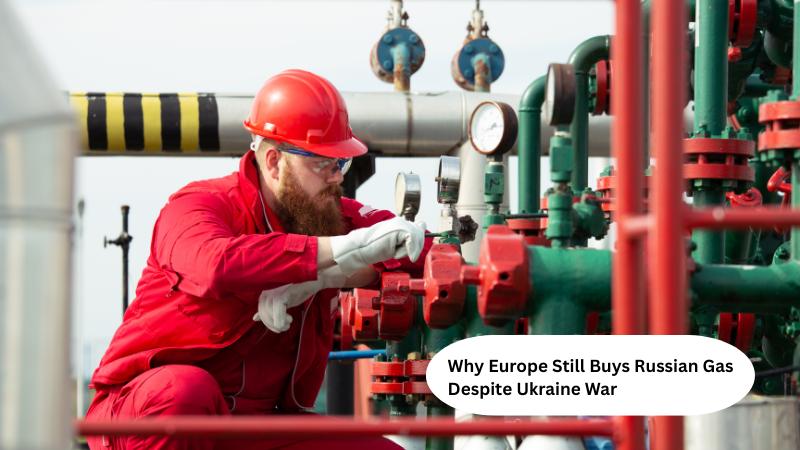
Why Europe Still Buys Russian Gas Despite Ukraine War
Despite Western sanctions on Russian oil, Europe continues to rely heavily on Russian gas more than three years into the Ukraine war. While leaders like Donald Trump criticize Europe for oil purchases, they rarely mention gas — a vital lifeline for heating homes, powering industries, and ensuring energy security. In 2024, Europe imported over 50 billion cubic metres of Russian gas, making up nearly 19% of its total
Why Europe Still Buys Russian Gas Despite Ukraine War
Despite Western sanctions on Russian oil, Europe continues to rely heavily on Russian gas more than three years into the Ukraine war. While leaders like Donald Trump criticize Europe for oil purchases, they rarely mention gas — a vital lifeline for heating homes, powering industries, and ensuring energy security. In 2024, Europe imported over 50 billion cubic metres of Russian gas, making up nearly 19% of its total


