#fertility
PCOS Renamed PMOS: What the New Diagnosis Means for Women
PCOS has been renamed PMOS to show that the condition is not only about ovarian cysts, but also hormones, fertility and long-term metabolic health. The new name, polyendocrine metabolic ovarian syndrome, was announced Tuesday, May 12, 2026, after a global medical review involving patient and professional groups. Why the Name Changed Experts said the old PCOS label often misled patients because many symptoms are driven by hormone changes and insulin resistance, not cysts alone. PMOS can affect menstrual cycles, ovulation, skin, hair growth, weight, fertility and mental health. It is also linked to higher risks of type 2 diabetes, heart disease, sleep apnea and pregnancy complications. What PMOS Means for Diagnosis The change does not mean every patient needs a new diagnosis immediately. Instead, doctors hope the PMOS name will push care beyond reproductive symptoms and help more women get screened earlier. Women should seek medical advice if they have irregular or absent periods, severe acne, excess facial or body hair, hair thinning, trouble getting pregnant or signs of insulin resistance. How PMOS Is Treated Treatment depends on symptoms and pregnancy plans. Doctors may recommend lifestyle changes, cycle-regulating medicines, insulin-sensitizing drugs, anti-androgen treatment or fertility support. The new name may feel small, but for many patients it could change the way the condition is understood: as a whole-body endocrine and metabolic disorder that deserves earlier, more complete care.
PCOS Renamed PMOS: What the New Diagnosis Means for Women
PCOS has been renamed PMOS to show that the condition is not only about ovarian cysts, but also hormones, fertility and long-term metabolic health. The new name, polyendocrine metabolic ovarian syndrome, was announced Tuesday, May 12, 2026, after a global medical review involving patient and professional groups. Why the Name Changed Experts said the old PCOS label often misled patients because many symptoms are driven by hormone changes and insulin resistance, not cysts alone. PMOS can affect menstrual cycles, ovulation, skin, hair growth, weight, fertility and mental health. It is also linked to higher risks of type 2 diabetes, heart disease, sleep apnea and pregnancy complications. What PMOS Means for Diagnosis The change does not mean every patient needs a new diagnosis immediately. Instead, doctors hope the PMOS name will push care beyond reproductive symptoms and help more women get screened earlier. Women should seek medical advice if they have irregular or absent periods, severe acne, excess facial or body hair, hair thinning, trouble getting pregnant or signs of insulin resistance. How PMOS Is Treated Treatment depends on symptoms and pregnancy plans. Doctors may recommend lifestyle changes, cycle-regulating medicines, insulin-sensitizing drugs, anti-androgen treatment or fertility support. The new name may feel small, but for many patients it could change the way the condition is understood: as a whole-body endocrine and metabolic disorder that deserves earlier, more complete care.
The Hidden Limits of Delimitation Science and India’s Fertility Debate
The debate around delimitation and fertility trends in India has long been presented as a matter of data, numbers, and scientific calculation. However, beneath the surface lies a far more complex reality that statistics alone often fail to fully capture. While policymakers and scholars rely heavily on demographic data to redraw constituencies and assess population changes, the lived experiences and political consequences of these decisions extend far beyond what the numbers suggest. Delimitation, the process of redrawing electoral boundaries based on population, is intended to ensure fair representation. On paper, it appears straightforward: regions with higher populations should have more representation. However, this principle becomes contentious when viewed in the context of India’s diverse demographic patterns. States that have successfully controlled population growth through effective policies may find themselves disadvantaged in terms of political representation, while those with higher fertility rates could gain more seats. This creates a paradox where success in population control might translate into reduced political influence. The science behind fertility rates also presents limitations. While data can indicate trends such as declining birth rates or regional disparities, it cannot fully explain the social, cultural, and economic factors driving these changes. Fertility decisions are influenced by education, access to healthcare, urbanization, and shifting societal values. These nuances are often overlooked when discussions are framed purely in statistical terms. As a result, policies based solely on numerical analysis risk missing the deeper context that shapes population behavior. Understanding The Limits Of Data Scholarly research on delimitation and fertility often lags behind the political realities experienced on the ground. While academics strive to build models and frameworks to explain these phenomena, their findings can take time to reflect the rapidly evolving dynamics of Indian society. Political leaders and citizens, on the other hand, often develop intuitive understandings of these issues based on direct experience. This gap between theory and reality highlights the limitations of relying exclusively on scientific approaches. Moreover, the use of census data as the primary basis for delimitation introduces its own challenges. Census figures provide a snapshot of population distribution at a specific point in time, but they cannot account for migration patterns, economic shifts, or sudden demographic changes. In a country as vast and diverse as India, these factors can significantly alter the ground reality within a short period. As a result, decisions based on outdated or incomplete data may fail to achieve the intended goal of equitable representation. Balancing Representation And Fairness The intersection of delimitation and fertility trends raises important questions about fairness and equity in governance. Should representation be based purely on population numbers, or should it also consider the efforts made by certain regions to control population growth? This dilemma underscores the need for a more nuanced approach that goes beyond traditional metrics. Policymakers must recognize that demographic data is only one piece of the puzzle. A holistic understanding of social, economic, and cultural factors is essential to create policies that are both fair and effective. This may involve exploring alternative methods of representation or introducing safeguards to ensure that states are not penalized for successful population control measures. Ultimately, the science of delimitation and fertility provides valuable insights, but it is not a complete solution. To address the challenges posed by these issues, India must move beyond numbers and embrace a more comprehensive perspective that reflects the complexity of its society. Only then can the country achieve a balance between representation, fairness, and sustainable development.
The Hidden Limits of Delimitation Science and India’s Fertility Debate
The debate around delimitation and fertility trends in India has long been presented as a matter of data, numbers, and scientific calculation. However, beneath the surface lies a far more complex reality that statistics alone often fail to fully capture. While policymakers and scholars rely heavily on demographic data to redraw constituencies and assess population changes, the lived experiences and political consequences of these decisions extend far beyond what the numbers suggest. Delimitation, the process of redrawing electoral boundaries based on population, is intended to ensure fair representation. On paper, it appears straightforward: regions with higher populations should have more representation. However, this principle becomes contentious when viewed in the context of India’s diverse demographic patterns. States that have successfully controlled population growth through effective policies may find themselves disadvantaged in terms of political representation, while those with higher fertility rates could gain more seats. This creates a paradox where success in population control might translate into reduced political influence. The science behind fertility rates also presents limitations. While data can indicate trends such as declining birth rates or regional disparities, it cannot fully explain the social, cultural, and economic factors driving these changes. Fertility decisions are influenced by education, access to healthcare, urbanization, and shifting societal values. These nuances are often overlooked when discussions are framed purely in statistical terms. As a result, policies based solely on numerical analysis risk missing the deeper context that shapes population behavior. Understanding The Limits Of Data Scholarly research on delimitation and fertility often lags behind the political realities experienced on the ground. While academics strive to build models and frameworks to explain these phenomena, their findings can take time to reflect the rapidly evolving dynamics of Indian society. Political leaders and citizens, on the other hand, often develop intuitive understandings of these issues based on direct experience. This gap between theory and reality highlights the limitations of relying exclusively on scientific approaches. Moreover, the use of census data as the primary basis for delimitation introduces its own challenges. Census figures provide a snapshot of population distribution at a specific point in time, but they cannot account for migration patterns, economic shifts, or sudden demographic changes. In a country as vast and diverse as India, these factors can significantly alter the ground reality within a short period. As a result, decisions based on outdated or incomplete data may fail to achieve the intended goal of equitable representation. Balancing Representation And Fairness The intersection of delimitation and fertility trends raises important questions about fairness and equity in governance. Should representation be based purely on population numbers, or should it also consider the efforts made by certain regions to control population growth? This dilemma underscores the need for a more nuanced approach that goes beyond traditional metrics. Policymakers must recognize that demographic data is only one piece of the puzzle. A holistic understanding of social, economic, and cultural factors is essential to create policies that are both fair and effective. This may involve exploring alternative methods of representation or introducing safeguards to ensure that states are not penalized for successful population control measures. Ultimately, the science of delimitation and fertility provides valuable insights, but it is not a complete solution. To address the challenges posed by these issues, India must move beyond numbers and embrace a more comprehensive perspective that reflects the complexity of its society. Only then can the country achieve a balance between representation, fairness, and sustainable development.
Japan’s birth crisis deepens as 2025 births hit historic low
Japan is on course to record its lowest number of births since national data collection began in 1899, with estimates for 2025 indicating the total will fall below 670,000. The figure is not only historically low but also worse than the most pessimistic government forecasts, underscoring the speed and scale of the country’s demographic decline. As the population continues to shrink, the question facing policymakers and businesses alike is whether Japan can sustain its economic and social systems with a rapidly diminishing younger generation. The population trend has been moving in this direction for more than a decade. Japan’s total population began declining in 2011 and has continued to contract each year since. In 2024, deaths exceeded births by nearly one million people, marking the largest annual natural decrease on record. That year also saw births drop below 700,000 for the first time, a decline of 5.7 percent from the previous year. Once home to about 128 million people, Japan’s population now stands at roughly 123 million and continues to fall. At the center of the crisis is an extremely low fertility rate. Japan’s current fertility level is estimated at around 1.14 children per woman, far below the replacement rate of approximately 2.1 required to maintain population stability. This gap reflects deep-rooted economic and social pressures that have reshaped family formation. Economic insecurity remains a major factor, with stagnant wages, rising living costs, and high childcare expenses discouraging many young adults from marrying or having children. Marriage rates have declined sharply over recent decades, and because childbirth outside marriage remains relatively uncommon, fewer marriages translate directly into fewer births. Work culture and social expectations have also played a significant role. Japan’s long working hours and limited work-life balance make parenting particularly challenging, especially for women. Despite gradual improvements, gender inequality continues to place most childcare responsibilities on mothers. At the same time, more women are pursuing higher education, careers, and financial independence, leading many to delay or reject traditional family models altogether. These choices reflect changing aspirations as much as structural constraints. The demographic shift is already affecting the economy. With fewer young people entering the workforce each year, labor shortages are emerging across key sectors including manufacturing, construction, agriculture, caregiving, and services. Businesses are facing reduced production capacity, strained supply chains, and rising operational costs. Small and medium-sized enterprises, in particular, are struggling to recruit and retain workers, adding pressure to regional economies. While fears of an outright economic collapse are overstated, the risk of prolonged stagnation is real. Japan remains a global leader in technology, automation, and robotics, and these strengths are helping to offset some labor shortages. Automated systems can increase productivity and reduce reliance on human labor in certain industries. However, technology has limits. Fields such as healthcare, education, and many service roles depend heavily on human interaction, empathy, and judgment, qualities machines cannot fully replicate. Japan’s population challenge is no longer a distant projection but an immediate reality shaping daily life and long-term planning. How effectively the country combines technological innovation with social reform, workforce participation changes, and potential adjustments to immigration policy will determine whether this demographic turning point leads to managed adaptation or deepening economic and social strain.
Japan’s birth crisis deepens as 2025 births hit historic low
Japan is on course to record its lowest number of births since national data collection began in 1899, with estimates for 2025 indicating the total will fall below 670,000. The figure is not only historically low but also worse than the most pessimistic government forecasts, underscoring the speed and scale of the country’s demographic decline. As the population continues to shrink, the question facing policymakers and businesses alike is whether Japan can sustain its economic and social systems with a rapidly diminishing younger generation. The population trend has been moving in this direction for more than a decade. Japan’s total population began declining in 2011 and has continued to contract each year since. In 2024, deaths exceeded births by nearly one million people, marking the largest annual natural decrease on record. That year also saw births drop below 700,000 for the first time, a decline of 5.7 percent from the previous year. Once home to about 128 million people, Japan’s population now stands at roughly 123 million and continues to fall. At the center of the crisis is an extremely low fertility rate. Japan’s current fertility level is estimated at around 1.14 children per woman, far below the replacement rate of approximately 2.1 required to maintain population stability. This gap reflects deep-rooted economic and social pressures that have reshaped family formation. Economic insecurity remains a major factor, with stagnant wages, rising living costs, and high childcare expenses discouraging many young adults from marrying or having children. Marriage rates have declined sharply over recent decades, and because childbirth outside marriage remains relatively uncommon, fewer marriages translate directly into fewer births. Work culture and social expectations have also played a significant role. Japan’s long working hours and limited work-life balance make parenting particularly challenging, especially for women. Despite gradual improvements, gender inequality continues to place most childcare responsibilities on mothers. At the same time, more women are pursuing higher education, careers, and financial independence, leading many to delay or reject traditional family models altogether. These choices reflect changing aspirations as much as structural constraints. The demographic shift is already affecting the economy. With fewer young people entering the workforce each year, labor shortages are emerging across key sectors including manufacturing, construction, agriculture, caregiving, and services. Businesses are facing reduced production capacity, strained supply chains, and rising operational costs. Small and medium-sized enterprises, in particular, are struggling to recruit and retain workers, adding pressure to regional economies. While fears of an outright economic collapse are overstated, the risk of prolonged stagnation is real. Japan remains a global leader in technology, automation, and robotics, and these strengths are helping to offset some labor shortages. Automated systems can increase productivity and reduce reliance on human labor in certain industries. However, technology has limits. Fields such as healthcare, education, and many service roles depend heavily on human interaction, empathy, and judgment, qualities machines cannot fully replicate. Japan’s population challenge is no longer a distant projection but an immediate reality shaping daily life and long-term planning. How effectively the country combines technological innovation with social reform, workforce participation changes, and potential adjustments to immigration policy will determine whether this demographic turning point leads to managed adaptation or deepening economic and social strain.
Could a Humanoid Give Birth to a Baby? Chinese Company Claims It's Possible
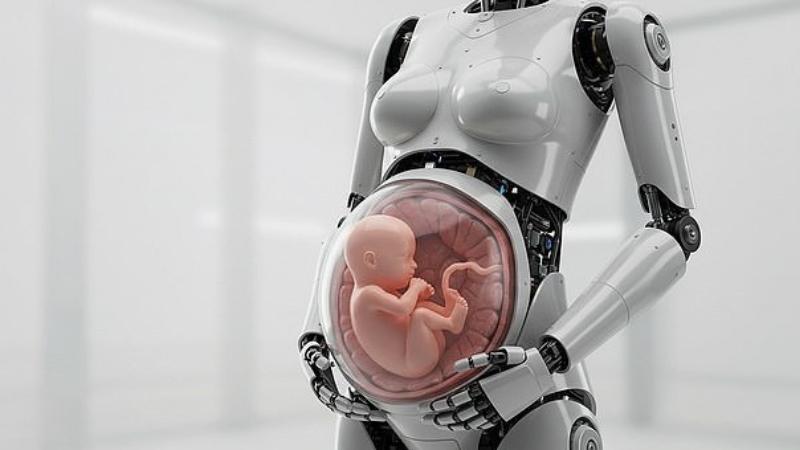
In a groundbreaking development, Chinese scientists are creating the world’s first “gestation robot,” capable of carrying a human pregnancy to full term. This innovative technology, spearheaded by Kaiwa Technology, a Guangzhou-based company led by Dr. Zhang Qifeng, promises to change the future of reproductive science. Set to be integrated into a humanoid robot’s abdomen, the gestation robot aims to allow a real person and the robot to
Could a Humanoid Give Birth to a Baby? Chinese Company Claims It's Possible
In a groundbreaking development, Chinese scientists are creating the world’s first “gestation robot,” capable of carrying a human pregnancy to full term. This innovative technology, spearheaded by Kaiwa Technology, a Guangzhou-based company led by Dr. Zhang Qifeng, promises to change the future of reproductive science. Set to be integrated into a humanoid robot’s abdomen, the gestation robot aims to allow a real person and the robot to
Elon Musk Highlights Global Population Decline as Humanity’s Greatest Threat
Elon Musk recently shared his concerns about the global population decline, labeling it as humanity’s greatest threat. Musk's post on X (formerly Twitter) included a graph that displayed projected population changes for several countries, including Nigeria, the US, Indonesia, and Pakistan, between 2018 and 2100. In his post, Musk agreed with the statement “Population collapse is humanity's greatest threat,” originally shared by the Tesla Owners Silicon Vall
Elon Musk Highlights Global Population Decline as Humanity’s Greatest Threat
Elon Musk recently shared his concerns about the global population decline, labeling it as humanity’s greatest threat. Musk's post on X (formerly Twitter) included a graph that displayed projected population changes for several countries, including Nigeria, the US, Indonesia, and Pakistan, between 2018 and 2100. In his post, Musk agreed with the statement “Population collapse is humanity's greatest threat,” originally shared by the Tesla Owners Silicon Vall
India's Population Shift: Declining Fertility and Ageing Concerns
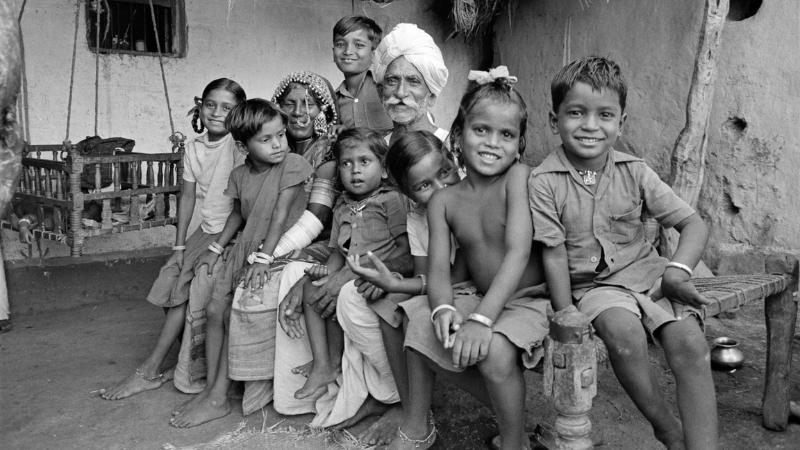
India, having recently surpassed China as the world's most populous country, faces a significant demographic challenge. Fertility rates have dramatically declined across the country, especially in southern states like Tamil Nadu and Andhra Pradesh, where rates have fallen below the replacement level of two children per woman. This poses a dual challenge: the southern states worry about the implications for political representation and federal revenues, as population shifts could reduce th
India's Population Shift: Declining Fertility and Ageing Concerns
India, having recently surpassed China as the world's most populous country, faces a significant demographic challenge. Fertility rates have dramatically declined across the country, especially in southern states like Tamil Nadu and Andhra Pradesh, where rates have fallen below the replacement level of two children per woman. This poses a dual challenge: the southern states worry about the implications for political representation and federal revenues, as population shifts could reduce th