


















#forexmarket
Rupee Falls to Record Low of 95.20 Against US Dollar Despite RBI Measures
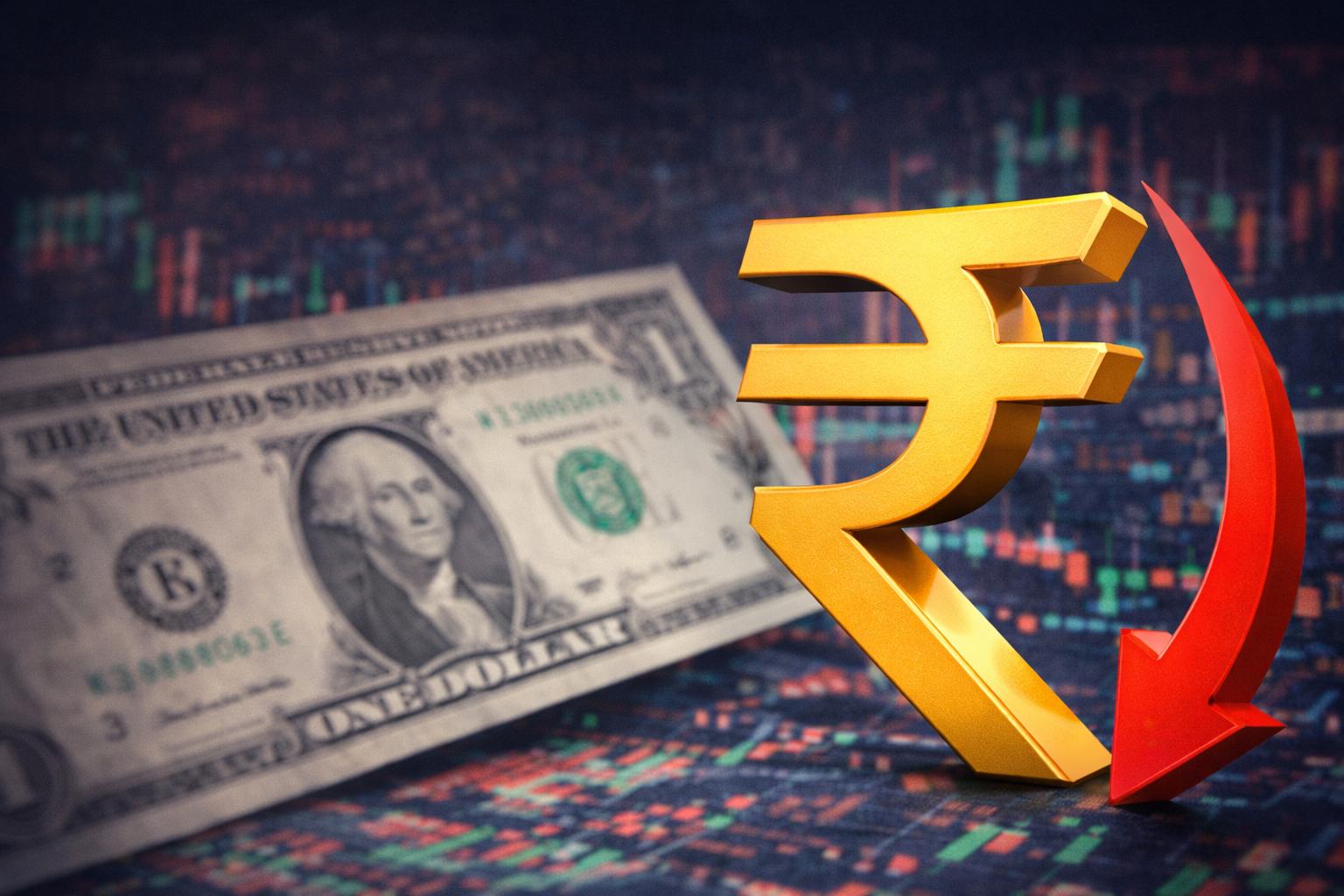
The Indian rupee slipped past the 95 mark against the US dollar on March 30, 2026, hitting an all-time low of 95.20 per dollar, a decline of 0.3% for the day. This drop occurred despite the Reserve Bank of India's (RBI) recent intervention aimed at curbing currency volatility. The currency has been under pressure from a mix of global factors, sustained foreign outflows, and rising oil prices. The RBI had introduced measures to support the rupee by tightening limits on banks' foreign exchange positions. As of late Friday, the central bank directed banks to cap their net open rupee positions in the foreign exchange market at $100 million by the end of each business day, with compliance required by April 10. While this move offered temporary relief, the impact was limited as analysts pointed out that underlying factors, such as persistent foreign outflows and high crude oil prices, continued to weigh on the rupee. Foreign portfolio outflows have been one of the major contributors to the rupee's weakness. These outflows, coupled with high global oil prices, have put pressure on India’s current account deficit, thus exerting more pressure on the currency. The rising oil prices are linked to geopolitical tensions, such as the ongoing conflict in Iran, which has exacerbated market volatility. Additionally, the wider spread between the onshore and non-deliverable forward (NDF) markets, due to increasing volatility, has contributed to the rupee’s decline. Despite the RBI’s directive, the rupee continued its downward spiral, reflecting broader economic challenges. The currency has fallen over 4% in March alone, marking its worst monthly performance in over seven years. The Nifty 50 index also reflected the market's overall weakness, dropping by about 2% on Monday, with a looming risk of its worst monthly decline since March 2020. In this uncertain climate, analysts predict that unless there is a significant drop in oil prices or a reversal in foreign fund flows, the pressure on the rupee is likely to persist. The continued outflows from emerging markets and heightened global uncertainty have created a negative sentiment surrounding India’s economic outlook, which, in turn, has kept the rupee under significant pressure.
Rupee Falls to Record Low of 95.20 Against US Dollar Despite RBI Measures
The Indian rupee slipped past the 95 mark against the US dollar on March 30, 2026, hitting an all-time low of 95.20 per dollar, a decline of 0.3% for the day. This drop occurred despite the Reserve Bank of India's (RBI) recent intervention aimed at curbing currency volatility. The currency has been under pressure from a mix of global factors, sustained foreign outflows, and rising oil prices. The RBI had introduced measures to support the rupee by tightening limits on banks' foreign exchange positions. As of late Friday, the central bank directed banks to cap their net open rupee positions in the foreign exchange market at $100 million by the end of each business day, with compliance required by April 10. While this move offered temporary relief, the impact was limited as analysts pointed out that underlying factors, such as persistent foreign outflows and high crude oil prices, continued to weigh on the rupee. Foreign portfolio outflows have been one of the major contributors to the rupee's weakness. These outflows, coupled with high global oil prices, have put pressure on India’s current account deficit, thus exerting more pressure on the currency. The rising oil prices are linked to geopolitical tensions, such as the ongoing conflict in Iran, which has exacerbated market volatility. Additionally, the wider spread between the onshore and non-deliverable forward (NDF) markets, due to increasing volatility, has contributed to the rupee’s decline. Despite the RBI’s directive, the rupee continued its downward spiral, reflecting broader economic challenges. The currency has fallen over 4% in March alone, marking its worst monthly performance in over seven years. The Nifty 50 index also reflected the market's overall weakness, dropping by about 2% on Monday, with a looming risk of its worst monthly decline since March 2020. In this uncertain climate, analysts predict that unless there is a significant drop in oil prices or a reversal in foreign fund flows, the pressure on the rupee is likely to persist. The continued outflows from emerging markets and heightened global uncertainty have created a negative sentiment surrounding India’s economic outlook, which, in turn, has kept the rupee under significant pressure.
Rupee Rebounds 7 Paise to 92.14 Against US Dollar Amid Falling Oil Prices
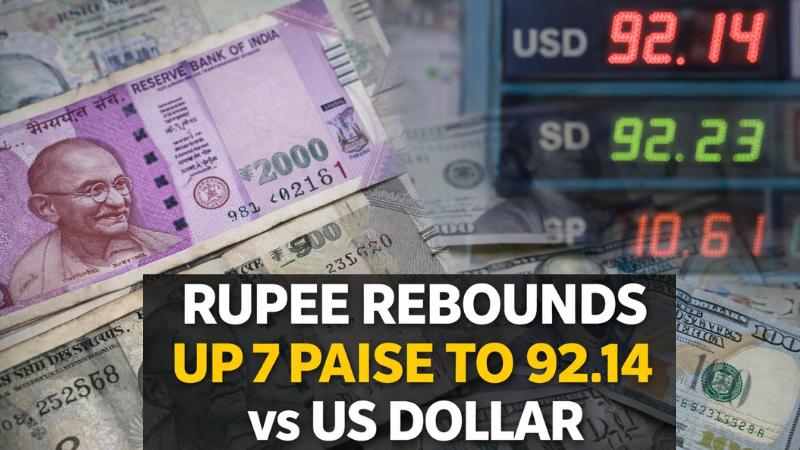
The Indian Rupee rebounded from its all-time low on Tuesday morning, rising by 7 paise to 92.14 against the US Dollar in early trade. This recovery follows a sharp fall in global oil prices, spurred by comments from US President Donald Trump regarding the potential end of the ongoing conflict with Iran. Additionally, a weaker US Dollar and a strong opening in the domestic equity markets further supported the local currency, although Foreign Institutional Investors (FII) outflows limited signi
Rupee Rebounds 7 Paise to 92.14 Against US Dollar Amid Falling Oil Prices
The Indian Rupee rebounded from its all-time low on Tuesday morning, rising by 7 paise to 92.14 against the US Dollar in early trade. This recovery follows a sharp fall in global oil prices, spurred by comments from US President Donald Trump regarding the potential end of the ongoing conflict with Iran. Additionally, a weaker US Dollar and a strong opening in the domestic equity markets further supported the local currency, although Foreign Institutional Investors (FII) outflows limited signi
Indian rupee hits record low of 91.99 vs dollar as tariffs and US yields weigh
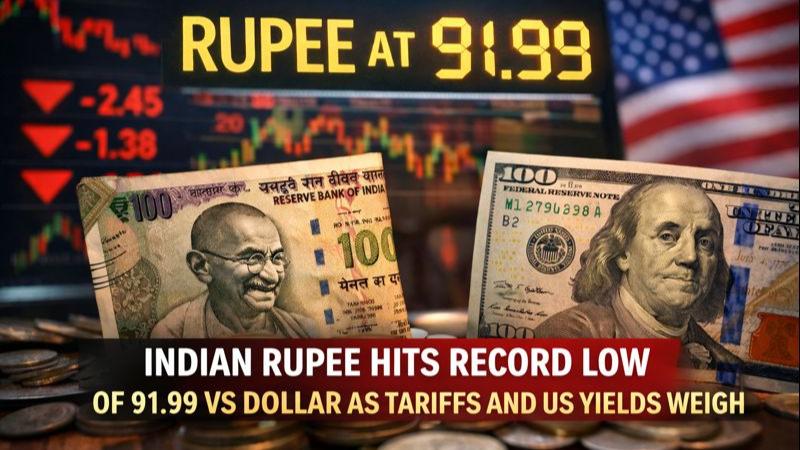
The Indian rupee weakened to a fresh all-time low of 91.99 against the US dollar on January 29, extending its recent slide amid persistent pressure from global and domestic factors. The currency has now fallen 2 percent so far this year and nearly 5 percent since the United States imposed higher tariffs on Indian merchandise exports. The sharp decline reflects continued weakness in foreign capital inflows and a surge in corporate demand for dollar hedging, which have outweighed the positive i
Indian rupee hits record low of 91.99 vs dollar as tariffs and US yields weigh
The Indian rupee weakened to a fresh all-time low of 91.99 against the US dollar on January 29, extending its recent slide amid persistent pressure from global and domestic factors. The currency has now fallen 2 percent so far this year and nearly 5 percent since the United States imposed higher tariffs on Indian merchandise exports. The sharp decline reflects continued weakness in foreign capital inflows and a surge in corporate demand for dollar hedging, which have outweighed the positive i
Japan central bank eyes rate increase amid inflation and weak growth
Japan’s central bank on Thursday began its final policy meeting of the year, with markets widely expecting a further increase in benchmark interest rates as officials continue the gradual shift away from years of ultra-loose monetary policy. The decision, scheduled to be announced on Friday, could mark the highest borrowing costs Japan has seen in three decades, underscoring the Bank of Japan’s determination to normalize policy amid persistent inflation pressures. Market pricing
Japan central bank eyes rate increase amid inflation and weak growth
Japan’s central bank on Thursday began its final policy meeting of the year, with markets widely expecting a further increase in benchmark interest rates as officials continue the gradual shift away from years of ultra-loose monetary policy. The decision, scheduled to be announced on Friday, could mark the highest borrowing costs Japan has seen in three decades, underscoring the Bank of Japan’s determination to normalize policy amid persistent inflation pressures. Market pricing


