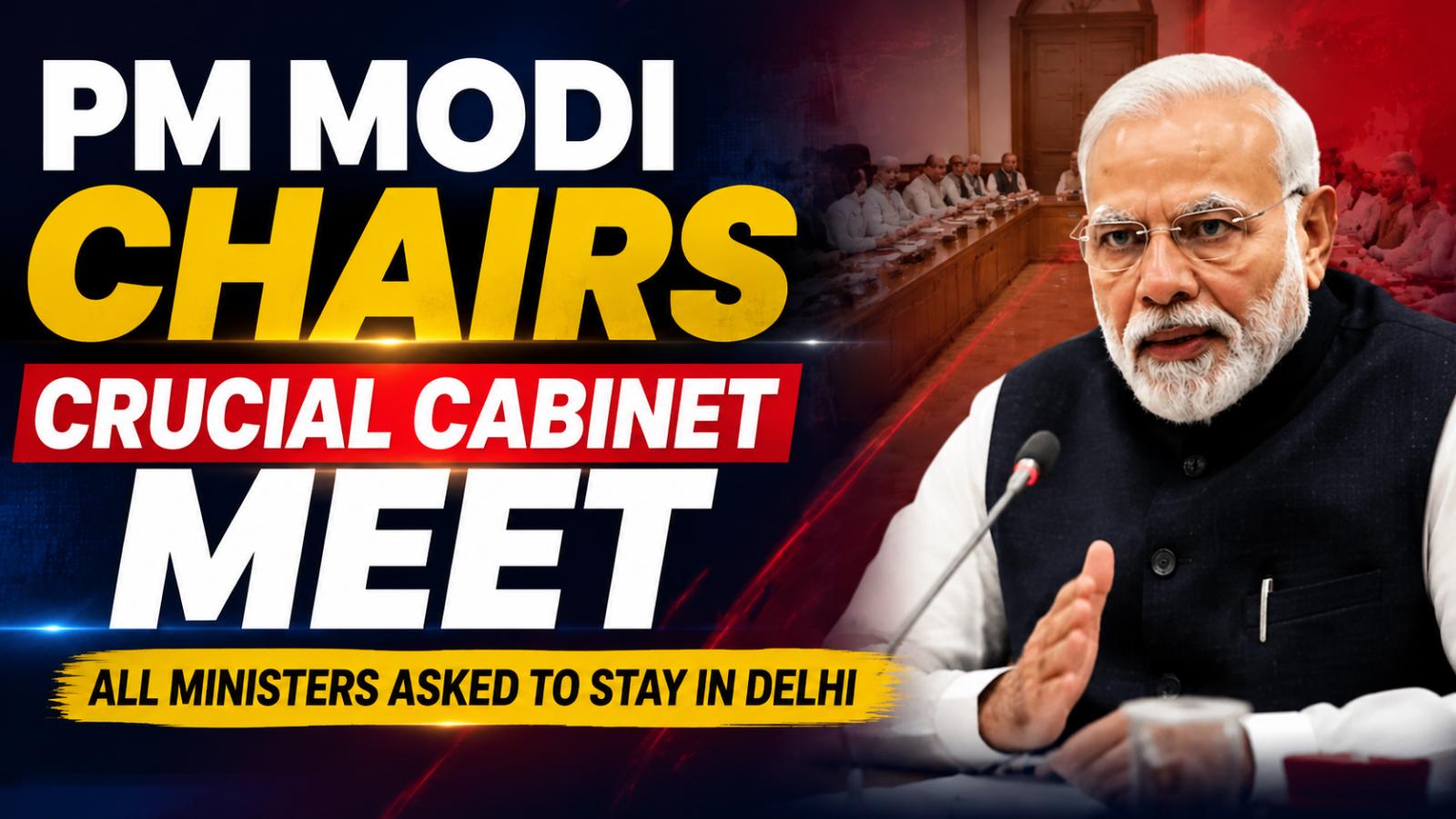
Prime Minister Narendra Modi is set to chair a crucial Council of Ministers meeting at Seva Teerth in Delhi at 4 pm on Thursday. All Union ministers, including Cabinet ministers, ministers of state with independent charge, and ministers of state, have been asked to remain in the capital during this period. The meeting comes immediately after PM Modi’s foreign visit and is expected to cover governance priorities, regional geopolitical developments, and possible political changes within the g
Prime Minister Narendra Modi is set to chair a crucial Council of Ministers meeting at Seva Teerth in Delhi at 4 pm on Thursday. All Union ministers, including Cabinet ministers, ministers of state with independent charge, and ministers of state, have been asked to remain in the capital during this period. The meeting comes immediately after PM Modi’s foreign visit and is expected to cover governance priorities, regional geopolitical developments, and possible political changes within the g
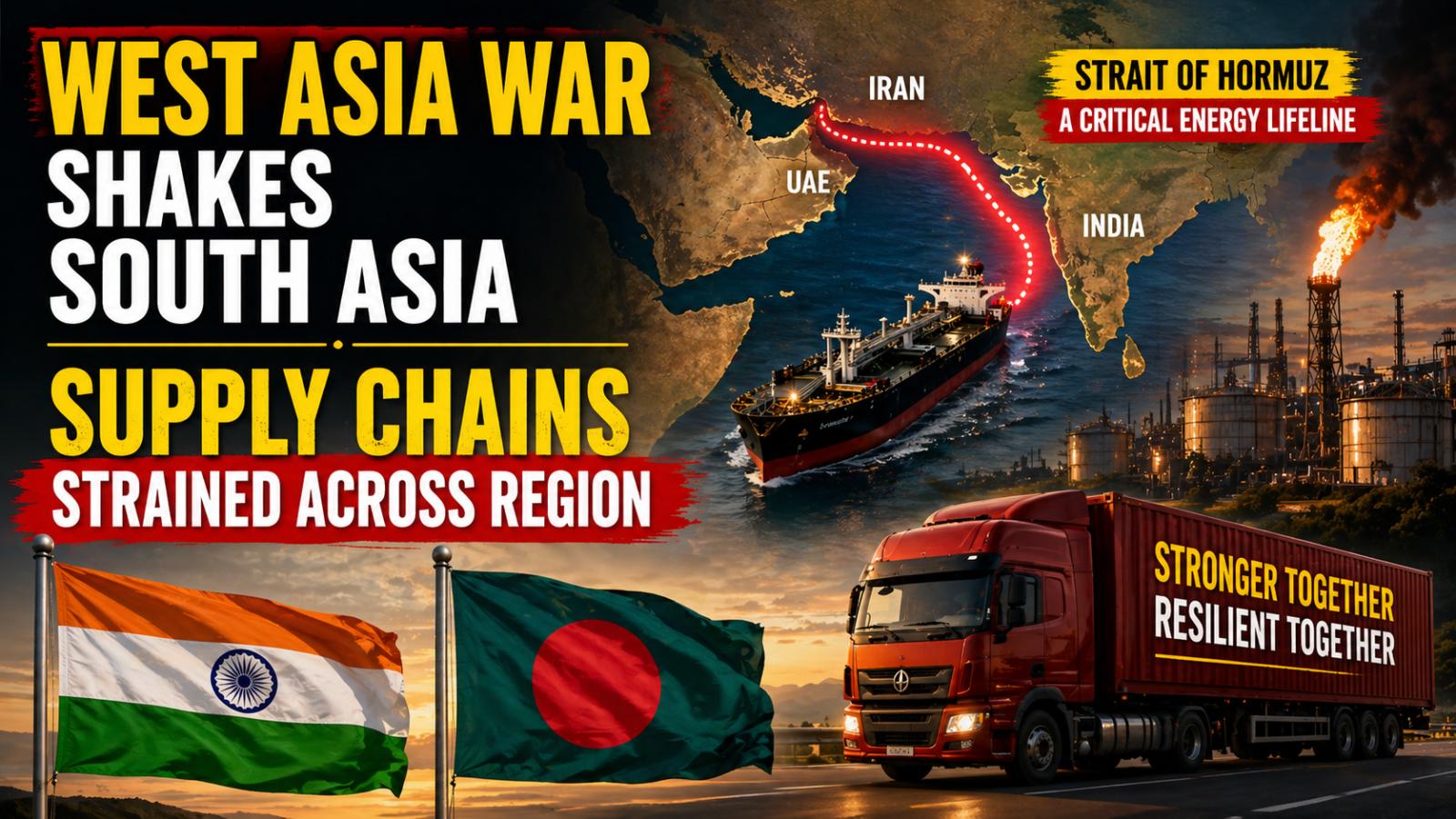
The war in West Asia and disruptions in the Strait of Hormuz have triggered widespread supply chain instability across South Asia, affecting energy security, economic stability, and regional cooperation. Countries across the subcontinent, heavily reliant on hydrocarbon imports from West Asia, are facing rising costs, reduced industrial competitiveness, and increased household expenditures as critical supply routes remain constrained.
Fuel shortages and economic strain acros
The war in West Asia and disruptions in the Strait of Hormuz have triggered widespread supply chain instability across South Asia, affecting energy security, economic stability, and regional cooperation. Countries across the subcontinent, heavily reliant on hydrocarbon imports from West Asia, are facing rising costs, reduced industrial competitiveness, and increased household expenditures as critical supply routes remain constrained.
Fuel shortages and economic strain acros
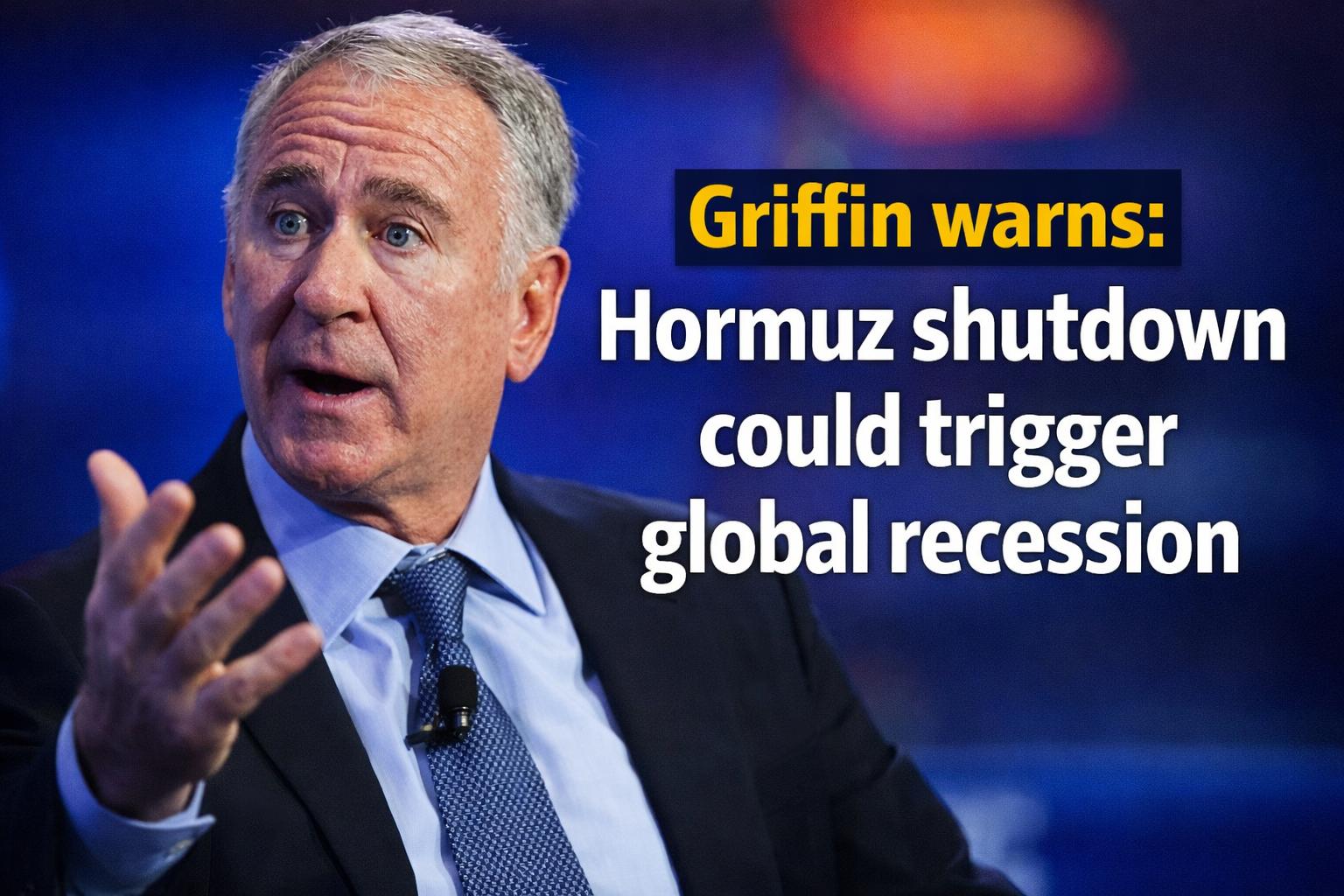
Ken Griffin, founder and chief executive of Citadel, warned that a prolonged closure of the Strait of Hormuz could push the global economy into a recession, underscoring the fragile balance of energy markets and geopolitical stability.
Speaking at the Semafor World Economy conference in Washington, D.C., on Tuesday, April 14, 2026, Griffin said that if the critical shipping route remains shut for an extended period, the economic consequences would be unavoidable. He noted that a disruption lasting between six and 12 months would almost certainly result in a global downturn, given the strait’s importance as a key transit point for oil shipments.
The Strait of Hormuz handles a significant portion of the world’s crude oil supply, and any sustained blockage would likely drive oil prices higher, intensifying inflationary pressures across major economies. While oil prices have eased slightly from peak levels reached during recent tensions, they remain elevated at around $100 per barrel, compared to under $70 before the conflict began.
Griffin emphasized that global markets have so far shown resilience, with stock prices recovering to levels seen prior to earlier U.S. military actions in the region. However, he cautioned that investor confidence remains highly dependent on the duration and scope of the conflict. Many market participants, he said, may be underestimating the risk of further escalation and its potential impact on global growth.
He also pointed to heightened vulnerability in Asian economies, which rely heavily on energy imports and are particularly sensitive to oil price fluctuations. A sustained increase in fuel costs could slow industrial output and consumer demand across the region.
At the same time, Griffin suggested that prolonged disruption could accelerate a structural shift toward alternative energy sources, including wind, solar, and nuclear power, as countries seek to reduce reliance on volatile supply routes.
His remarks highlight growing concerns among financial leaders that geopolitical instability in critical energy corridors could have far-reaching consequences for global economic stability.
Ken Griffin, founder and chief executive of Citadel, warned that a prolonged closure of the Strait of Hormuz could push the global economy into a recession, underscoring the fragile balance of energy markets and geopolitical stability.
Speaking at the Semafor World Economy conference in Washington, D.C., on Tuesday, April 14, 2026, Griffin said that if the critical shipping route remains shut for an extended period, the economic consequences would be unavoidable. He noted that a disruption lasting between six and 12 months would almost certainly result in a global downturn, given the strait’s importance as a key transit point for oil shipments.
The Strait of Hormuz handles a significant portion of the world’s crude oil supply, and any sustained blockage would likely drive oil prices higher, intensifying inflationary pressures across major economies. While oil prices have eased slightly from peak levels reached during recent tensions, they remain elevated at around $100 per barrel, compared to under $70 before the conflict began.
Griffin emphasized that global markets have so far shown resilience, with stock prices recovering to levels seen prior to earlier U.S. military actions in the region. However, he cautioned that investor confidence remains highly dependent on the duration and scope of the conflict. Many market participants, he said, may be underestimating the risk of further escalation and its potential impact on global growth.
He also pointed to heightened vulnerability in Asian economies, which rely heavily on energy imports and are particularly sensitive to oil price fluctuations. A sustained increase in fuel costs could slow industrial output and consumer demand across the region.
At the same time, Griffin suggested that prolonged disruption could accelerate a structural shift toward alternative energy sources, including wind, solar, and nuclear power, as countries seek to reduce reliance on volatile supply routes.
His remarks highlight growing concerns among financial leaders that geopolitical instability in critical energy corridors could have far-reaching consequences for global economic stability.
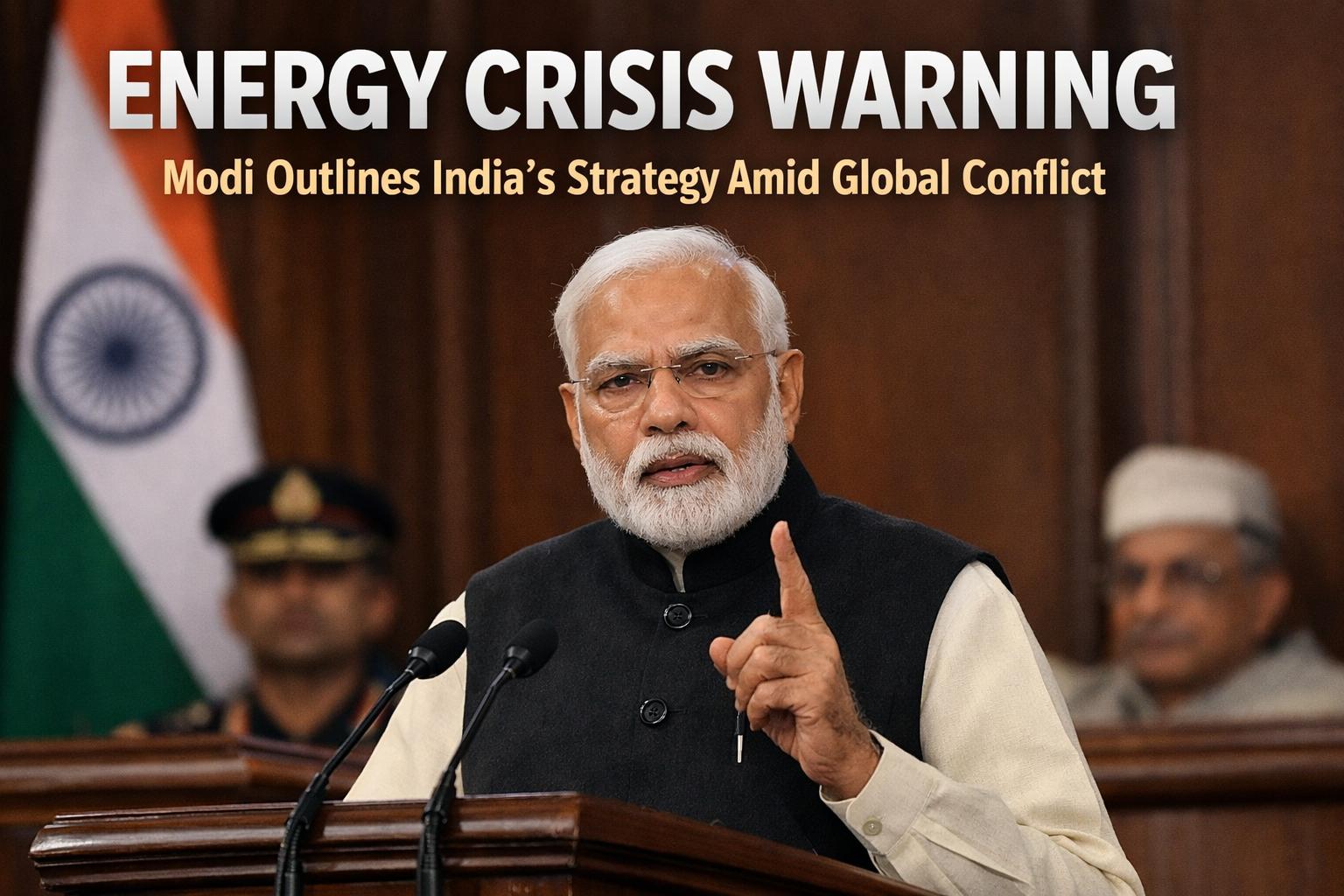
NEW DELHI, India, March 26, 2026 — Narendra Modi on Thursday warned that ongoing global conflicts could trigger a prolonged energy crisis, posing significant risks to economies worldwide, including India.
Addressing Parliament, Modi struck a balanced yet firm tone, cautioning that continued geopolitical tensions may disrupt global energy markets and supply chains. He sai
NEW DELHI, India, March 26, 2026 — Narendra Modi on Thursday warned that ongoing global conflicts could trigger a prolonged energy crisis, posing significant risks to economies worldwide, including India.
Addressing Parliament, Modi struck a balanced yet firm tone, cautioning that continued geopolitical tensions may disrupt global energy markets and supply chains. He sai