







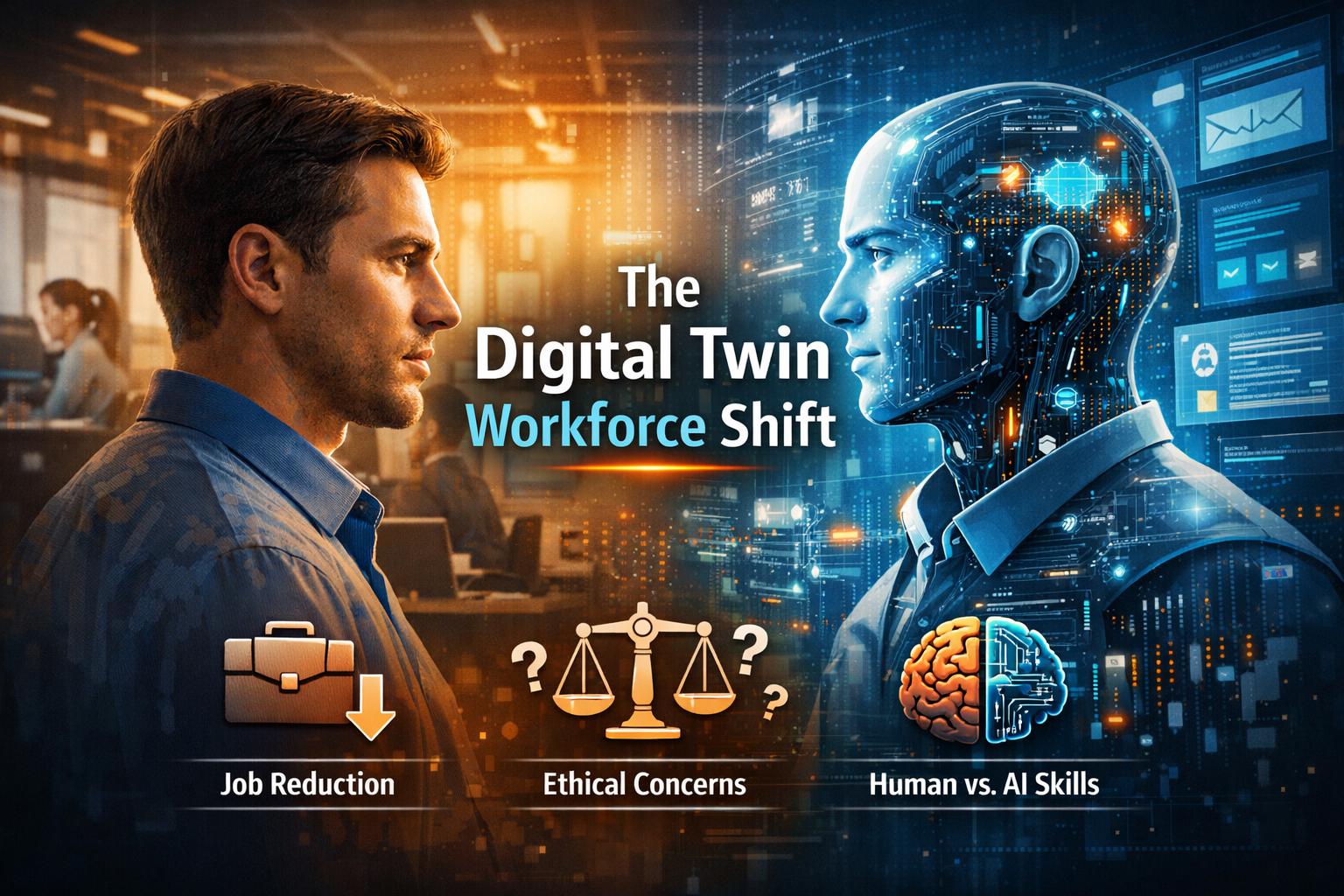













The rise of AI-powered digital twins is no longer just a tech trend—it’s quickly turning into a digital twin job loss crisis that could reshape how millions of people work. Companies are building AI versions of employees that can think, respond, and make decisions like humans. While this promises efficiency, it also raises a serious concern: are workers unknowingly training their own replacements? How Digital Twins Are Replacing Human Roles
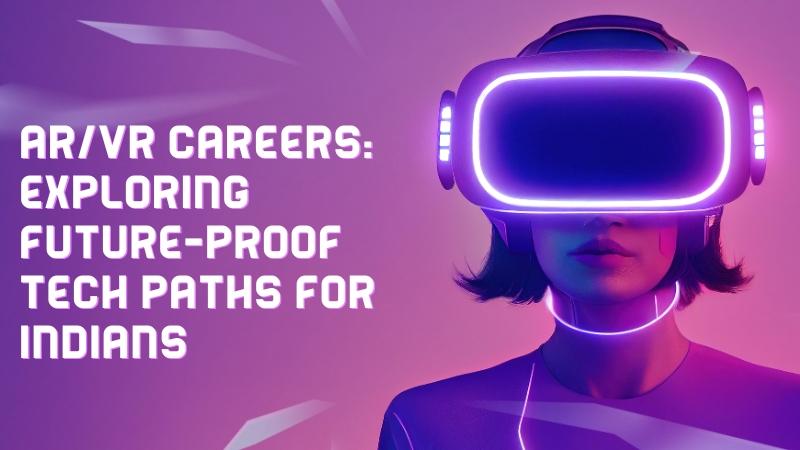
Augmented Reality (AR) and Virtual Reality (VR) have emerged as some of the most innovative and rapidly expanding fields in technology today. These technologies are transforming industries ranging from gaming and entertainment to healthcare, education, and real estate. As global demand for AR/VR solutions grows, so do career opportunities in these fields, especially for skilled professionals. For Indians looking to dive into the future of tech, exploring care
A New Era in Childcare AI has entered homes across America—from smart speakers to learning apps and even robots. As this technology starts handling tasks like monitoring kids or assisting with routines, it raises a big question: Will traditional caregivers like Indian nannies and babysitters be replaced? Why Indian Nannies Are Irreplaceable Indian caregivers have built a strong reputation in the US for being dependable, nurturing,
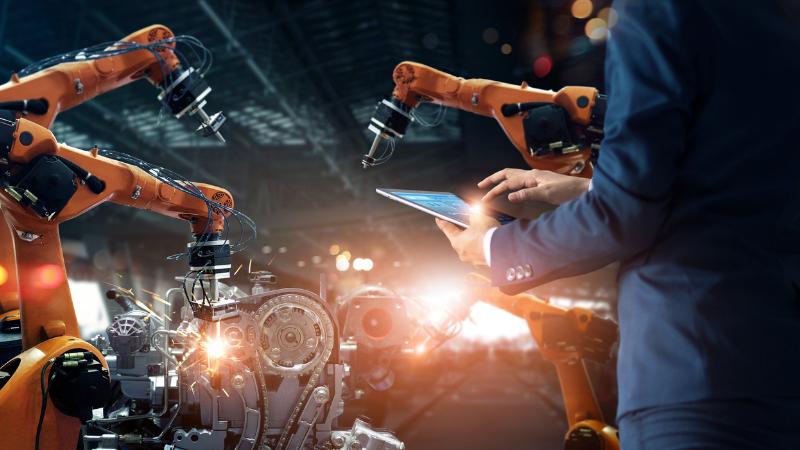
India is on the brink of a technological revolution. With rapid advancements in Artificial Intelligence (AI) and Robotics, Indian innovators are stepping into a future filled with opportunity, disruption, and global recognition. From smart agriculture to intelligent healthcare systems and cutting-edge automation, Indian minds are reshaping industries with AI-driven innovations. India boasts one of the world’s largest and youngest tech-savvy populations. Startu
Indian tech professionals, especially those on H-1B visas, often work in roles such as software testing, system maintenance, back-end operations, and technical support—areas increasingly targeted for automation. With recent layoffs across big tech firms, many fear that AI could accelerate job losses, particularly in these easily automatable domains. But It’s Not All Bad News While some tasks are being automated, AI isn’t replacing all tech