





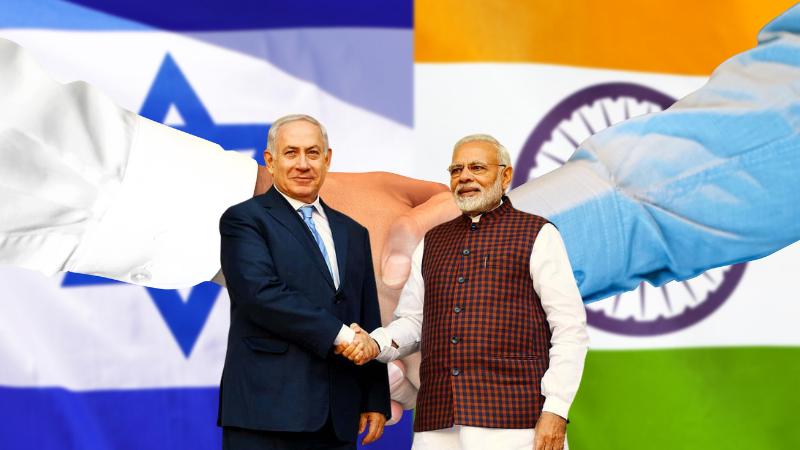
PM Modi to visit Israel on February 25–26 to boost strategic ties
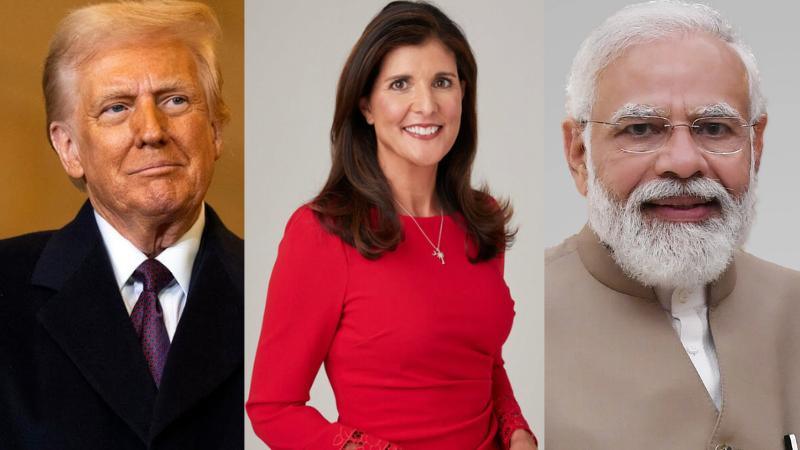
Prime Minister Narendra Modi is expected to undertake a two-day visit to Israel from February 25 to 26, according to sources familiar with the development. The programme for the trip is currently being finalised, but officials indicate that the visit will include high-level engagements aimed at strengthening the already robust India–Israel partnership. During the visit, Modi is likely to address the Israeli parliament, the Knesset, where discussions are expected to focus on key bilateral an
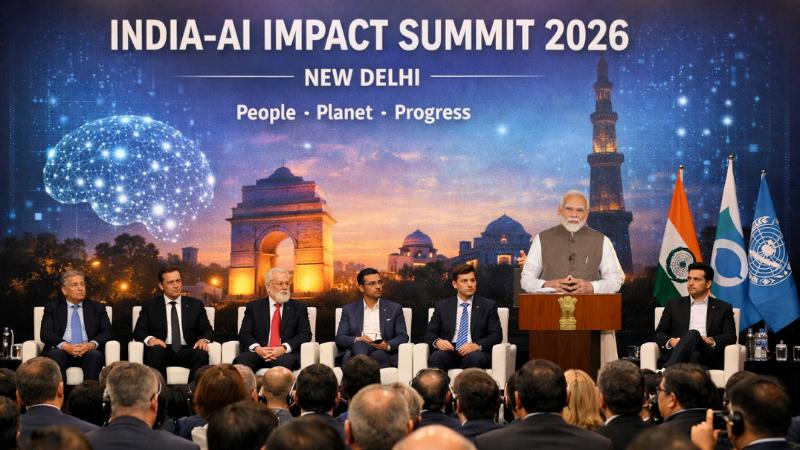
India to Host Global AI Impact Summit 2026 in New Delhi with World Leaders
New Delhi is set to host a major international gathering of technology executives, political leaders and policy experts as the India-AI Impact Summit 2026 begins in the national capital from February 16 to 20. The Ministry of External Affairs confirmed that delegations from more than 45 countries will attend the high-level event, positioning the summit as one of the largest global forums focused on artificial intelligence and digital policy. Among the notable participants is Antonio Guterres, the Secretary-General of the United Nations, along with senior officials from several international organisations. The presence of global leadership underscores the summit’s growing significance as countries seek to collaborate on the opportunities and challenges posed by rapidly advancing AI technologies. The summit’s framework is built around three central themes—People, Planet and Progress—reflecting India’s stated aim of shaping artificial intelligence governance that promotes inclusive growth, environmental sustainability and technological advancement. Officials said the agenda will focus on balancing innovation with responsibility, ensuring that digital transformation benefits both developing and developed economies. Several heads of state and government are scheduled to attend at the invitation of Prime Minister Narendra Modi. Leaders expected to participate include Tshering Tobgay of Bhutan, Luiz Inácio Lula da Silva of Brazil, Emmanuel Macron of France, Pedro Sánchez of Spain and Dick Schoof of the Netherlands, among others. Additional representation will come from vice presidents, crown princes and senior ministers, highlighting broad geographic participation across Europe, Latin America, Asia and Africa. Beyond government delegations, the event will draw prominent figures from the global technology sector. Executives expected to attend include Sundar Pichai of Google, Sam Altman of OpenAI, Jensen Huang of Nvidia, Demis Hassabis of DeepMind, Brad Smith of Microsoft and Cristiano Amon of Qualcomm. Their participation is expected to add industry insight into emerging AI trends, research and investment. According to officials, the summit will facilitate discussions on responsible AI governance, innovation ecosystems, digital public infrastructure and climate-conscious technology. Sessions are also planned on equitable access to emerging tools, reflecting concerns that technological gaps could widen inequalities between regions. Organisers have described the India-AI Impact Summit as a platform designed not only for dialogue but also for measurable outcomes. By encouraging collaboration between policymakers, startups and multinational firms, the event aims to generate partnerships and frameworks that support economic growth, social development and the sustainable use of artificial intelligence. With a strong international presence and a broad agenda, the summit is expected to reinforce India’s role as an influential player in shaping global AI policy while promoting cooperation on the future of the digital economy.
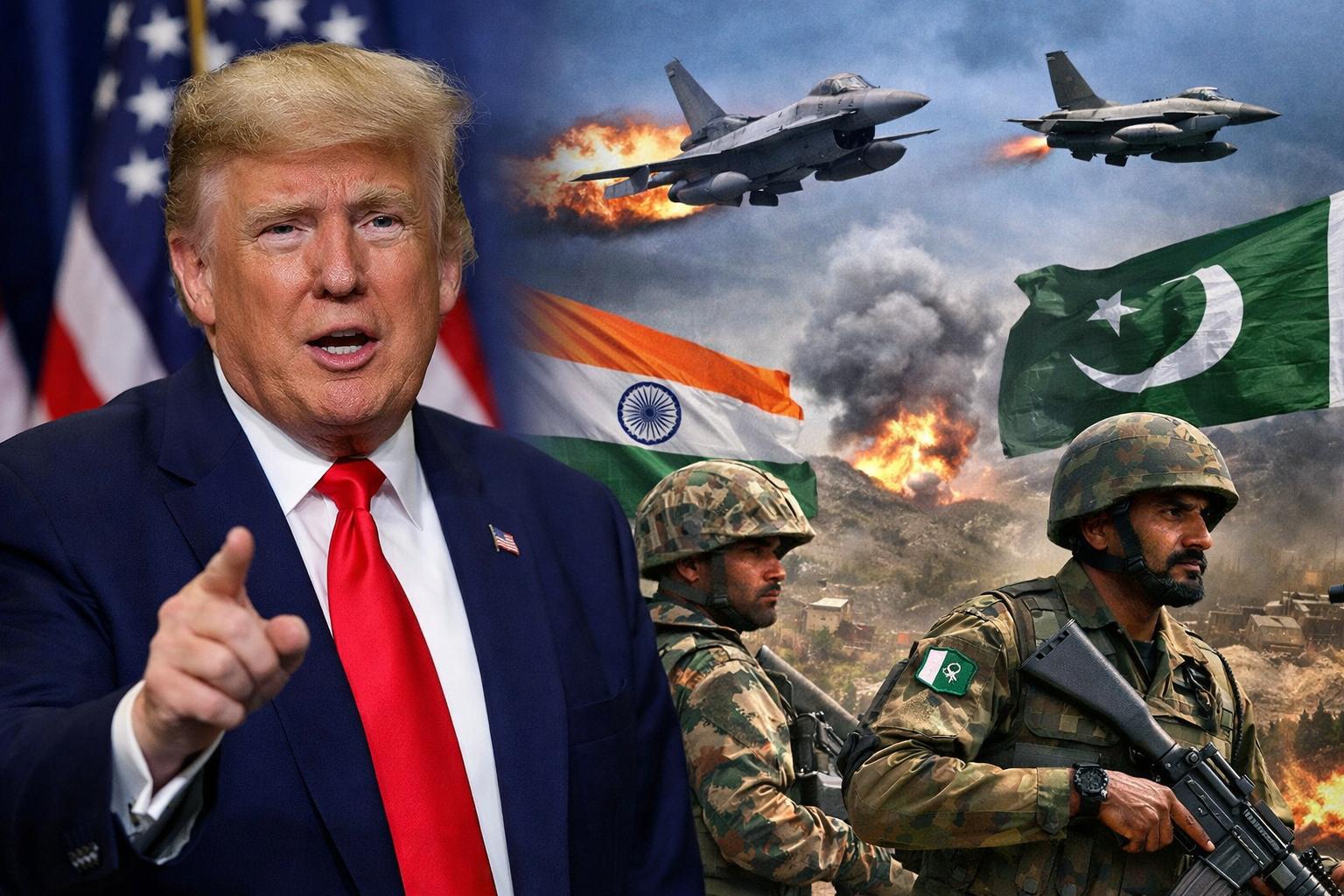
Trump claims tariffs helped halt multiple wars, including India–Pakistan conflict
US President Donald Trump on Tuesday said that tariff threats played a decisive role in resolving several international conflicts during his tenure, claiming that economic pressure through trade measures helped prevent violence and bring rival nations to the negotiating table. In an interview with Fox Business, Trump asserted that at least six of what he described as eight wars were settled after he warned countries that they would face higher tariffs if hostilities continued. Among
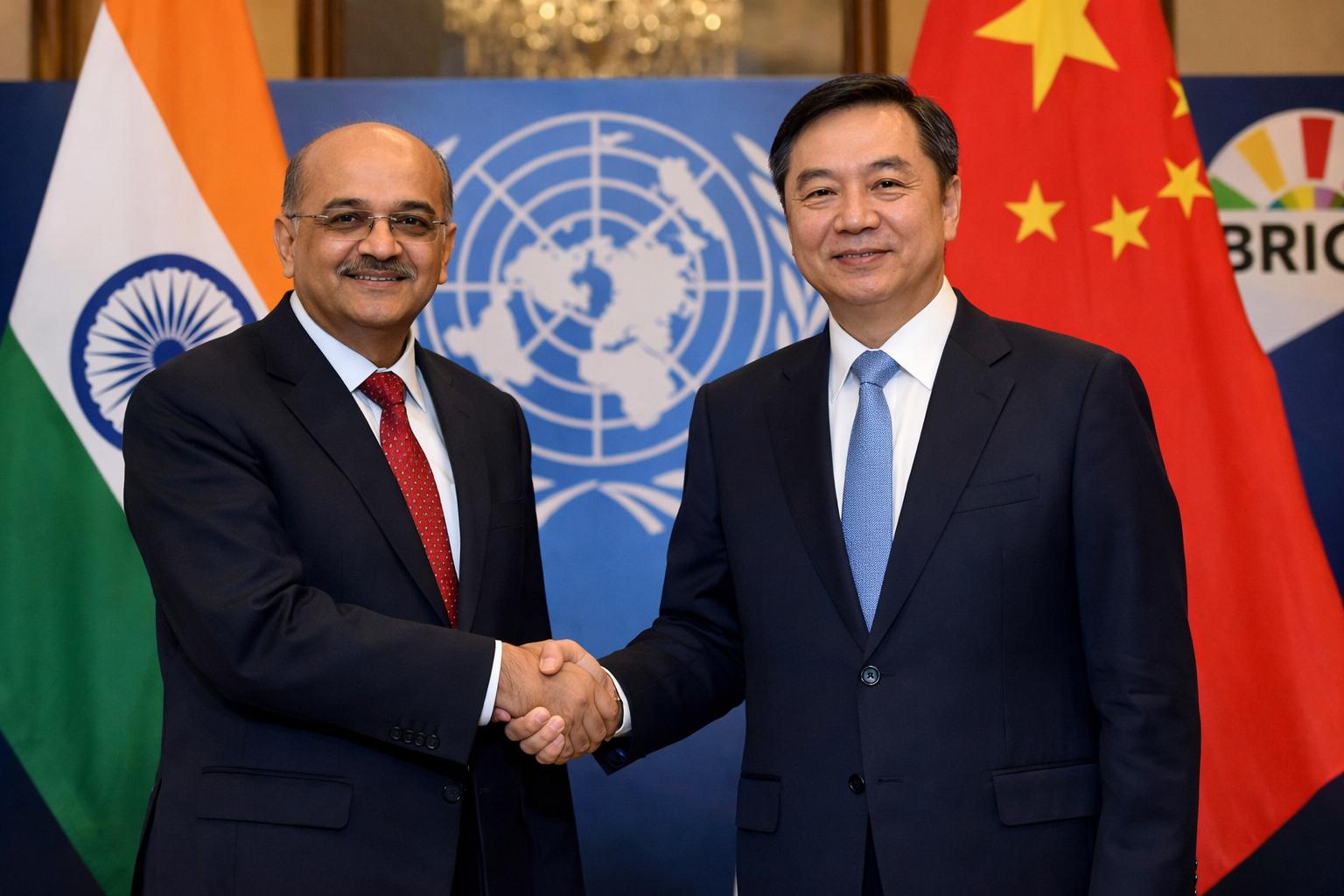
China signals support for India’s UNSC bid amid renewed diplomatic engagement
China has said it understands and respects India’s aspiration for permanent membership of the United Nations Security Council, marking a notable shift in tone as the two Asian powers work to stabilise relations after several years of tension. The statement came during high-level diplomatic talks in New Delhi and is being viewed as a cautious but significant gesture aimed at rebuilding trust between the neighbours. China’s Executive Vice Foreign Minister Ma Zhaoxu conveyed the po
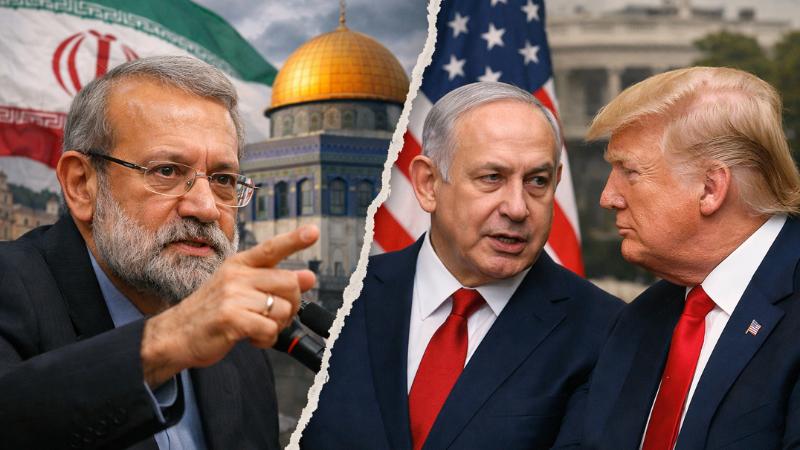
Iran warns US over Netanyahu visit amid rising nuclear tensions
A senior Iranian security official has issued a sharp warning to the United States ahead of Israeli Prime Minister Benjamin Netanyahu’s visit to Washington, underscoring escalating rhetoric between Tehran and Tel Aviv as diplomatic efforts around Iran’s nuclear program continue to shape regional politics. Ali Larijani, a prominent figure in Iran’s political and security establishment, addressed the matter in a post on social media on Tuesday, urging American policymakers and citizens to exercise caution. He said the United States should “think wisely” and remain alert to what he described as the “destructive role of the Zionists,” signaling Tehran’s deep distrust of Israeli influence over Washington’s foreign policy decisions. Larijani criticized Netanyahu’s planned trip, suggesting that the Israeli leader intended to sway the United States’ stance on negotiations related to Iran’s nuclear activities. In his remarks, Larijani argued that Netanyahu might attempt to frame the direction of nuclear negotiations before arriving in the United States. He warned that such messaging could mislead American officials and complicate ongoing diplomatic efforts. The comments reflect broader concerns in Tehran that Israel seeks to derail talks that could ease tensions between Iran and the United States or lead to a new agreement governing Iran’s nuclear program. Separately, Iran’s judiciary chief, Gholamhossein Mohseni Ejei, reinforced the government’s hardline posture. Speaking publicly, he said the Islamic Republic had demonstrated “compassion” since its founding but stressed that authorities would not hesitate to confront individuals or groups deemed disloyal. Ejei warned that the judiciary would take action against those acting “in tandem with Israel and other enemies of the Islamic revolution,” a statement widely interpreted as a message to domestic critics and alleged collaborators. Meanwhile, Netanyahu confirmed that discussions about Iran’s nuclear ambitions would be a central part of his agenda in Washington. Before departing for the US capital, the Israeli prime minister told reporters that he intended to present Israel’s approach and core principles regarding negotiations with Tehran. He described these principles as essential not only for Israel’s security but for any country seeking peace and stability in the Middle East. Netanyahu also emphasized the close relationship between Israel and the United States, highlighting frequent meetings with former US President Donald Trump as evidence of strong diplomatic and personal ties. According to the Israeli leader, this partnership plays a critical role in shaping policy on issues ranging from nuclear talks to the ongoing conflict in Gaza. He indicated that a range of regional security concerns would be discussed during the visit. The exchange of pointed statements from both sides illustrates the persistent tensions surrounding Iran’s nuclear program and the broader geopolitical rivalry between Iran and Israel. As Washington prepares to engage with Israeli leadership while weighing its approach to Tehran, the coming discussions are likely to influence not only bilateral US-Israel relations but also the future trajectory of diplomacy and security across the Middle East.

US tech firms rely on H-1B hiring to fuel artificial intelligence growth
Major US technology companies are increasingly turning to the H-1B visa programme to recruit skilled foreign professionals as they accelerate investments in artificial intelligence and related digital infrastructure. New data show that a large share of visa petitions filed by leading firms are tied directly to AI-driven roles, underscoring how access to global talent has become central to their long-term strategy. An analysis of labour condition applications indicates that more than
Global gold wealth mapped as seven nations dominate trillion-dollar reserves
Global gold reserves have come under renewed scrutiny as bullion prices climb to historic levels, strengthening the strategic and economic significance of mineral-rich nations. Gold is currently trading at approximately $4,290 an ounce in the international market, sharply raising the value of unmined deposits and drawing attention from investors, governments and mining companies seeking long-term supply security. Against this backdrop, geological estimates highlight a small group of countries

India–US trade deal: Doval warns Washington against pressure tactics
India’s national security advisor Ajit Doval conveyed a firm message to senior United States officials months before the announcement of a new trade agreement between New Delhi and Washington, underscoring that India would not yield to public pressure or coercive tactics during negotiations. According to officials familiar with the discussions, Doval made it clear during meetings in Washington that India was prepared to wait out the current US administration if necessary rather than accept terms it viewed as unfavorable. The visit took place in early September, shortly after Prime Minister Narendra Modi held talks with Russian President Vladimir Putin and Chinese President Xi Jinping, signaling an active diplomatic phase for New Delhi across major global powers. During his interaction with US Secretary of State Marco Rubio, Doval reportedly emphasized that while India remained committed to reviving trade talks, it expected a more measured tone from Washington and less public criticism that could complicate bilateral ties. Officials said Doval sought to put recent acrimony behind the two countries and expressed interest in restarting substantive discussions on a trade deal that has been under negotiation for several years. At the same time, he warned that India would not be “bullied” by President Donald Trump or senior members of his team, stressing that any agreement must respect India’s economic interests and strategic autonomy. The remarks came months before Trump publicly announced progress on a trade deal with India following a phone call with Modi on February 2. That announcement marked a fresh attempt by both sides to rebuild momentum in economic cooperation after a period marked by tariff disputes and disagreements over market access. Diplomatic observers note that India’s approach reflects a broader foreign policy strategy that balances engagement with firmness. By signaling willingness to continue talks while resisting overt pressure, New Delhi appears intent on safeguarding domestic priorities while preserving its long-term partnership with Washington. The United States remains one of India’s largest trading partners, and both governments view closer economic integration as central to strengthening strategic ties in the Indo-Pacific. The Washington meeting is seen as part of quiet backchannel diplomacy aimed at lowering tensions and creating space for practical negotiations. With both sides now indicating readiness to resume dialogue, officials say the focus will be on rebuilding trust and advancing a mutually beneficial trade framework that supports growth and stability in the relationship.
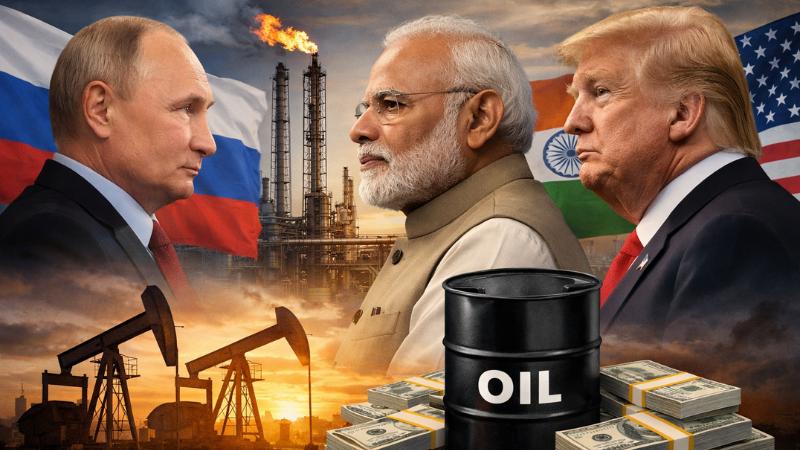
Russia questions India’s pledge to stop Russian crude after U.S. tariff agreement
Russia has said it has not received any official confirmation from India that the country plans to halt purchases of Russian oil, a day after U.S. President Donald Trump claimed New Delhi agreed to scale back those imports as part of a new trade agreement with Washington. Kremlin spokesperson Dmitry Peskov stated that Moscow had yet to hear directly from Indian authorities regarding any change in energy flows. While acknowledging the evolving relationship between the United States a
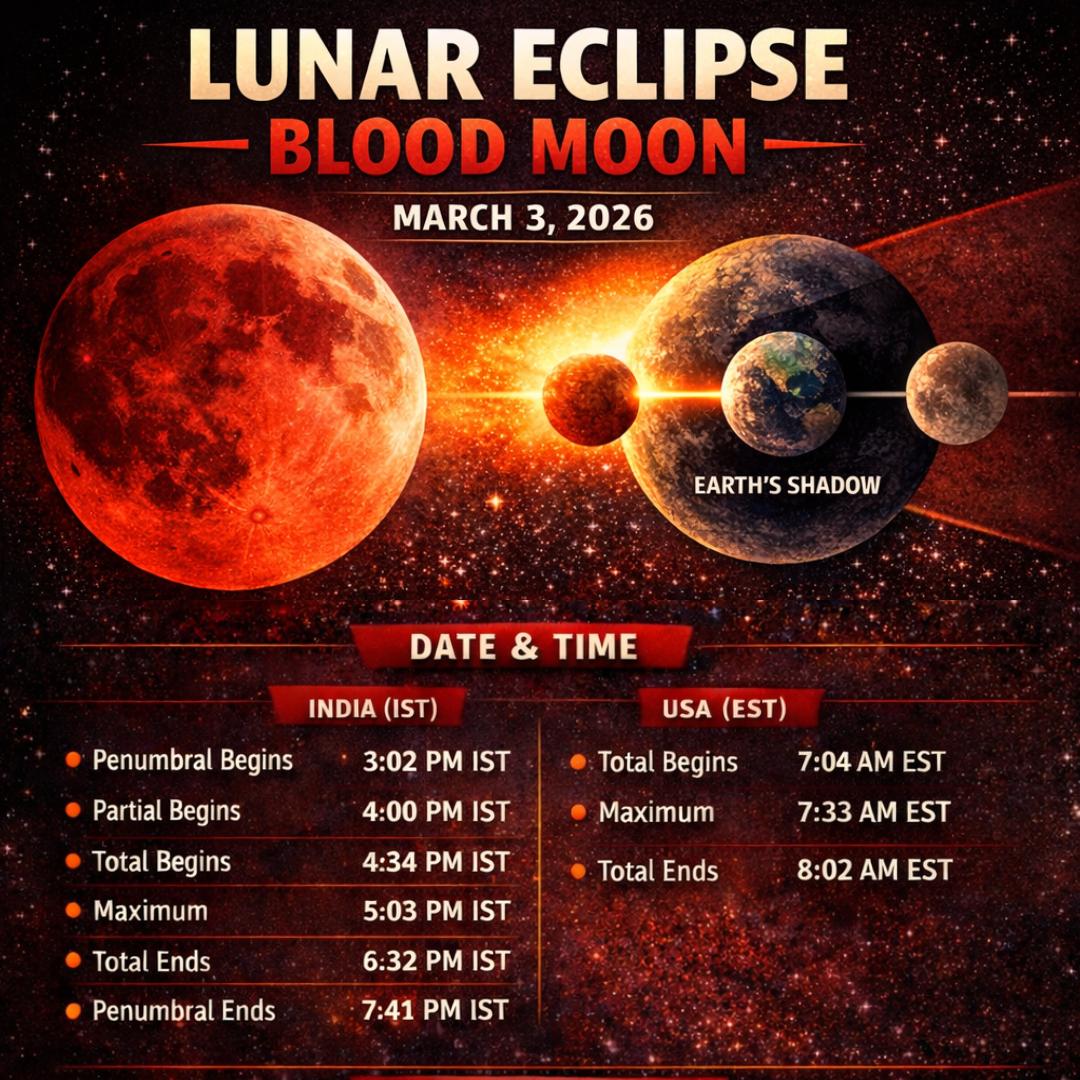
Lunar Blood Moon Eclipse 2026: Date, Time In India, USA & How To Watch
The March 3, 2026 Lunar Eclipse will be a Total Lunar Eclipse, often called a Blood Moon because the Moon turns deep red during totality. This happens when the Earth moves directly between the Sun and the Moon, casting its shadow completely over the Moon. According to NASA, the red color appears because Earth’s atmosphere filters sunligh
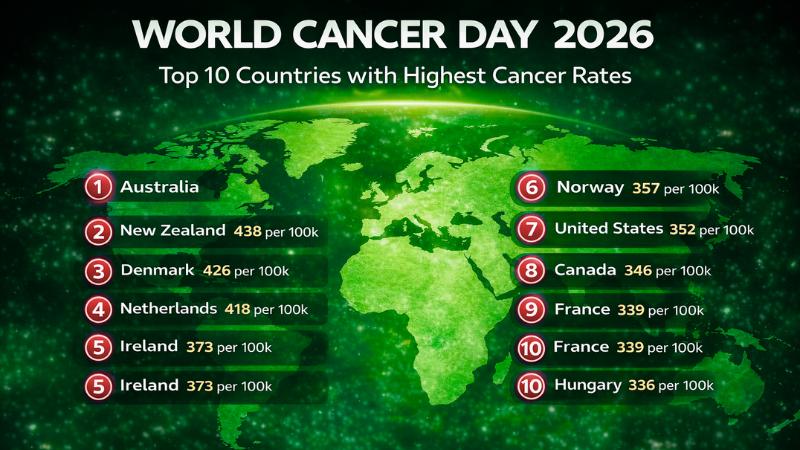
World Cancer Day 2026: Top 10 Countries with Highest Cancer Rates
Cancer remains one of the most significant global health challenges, with incidence rates varying dramatically across countries. The Age-Standardised Incidence Rate (ASIR) of cancer is influenced by various factors, including lifestyle habits, healthcare infrastructure, population age, and access to screening and prevention programs. On World Cancer Day 2026, experts highlight the top 10 countries with the highest cancer rates, shedding light on the impact of these factors on global cancer pr
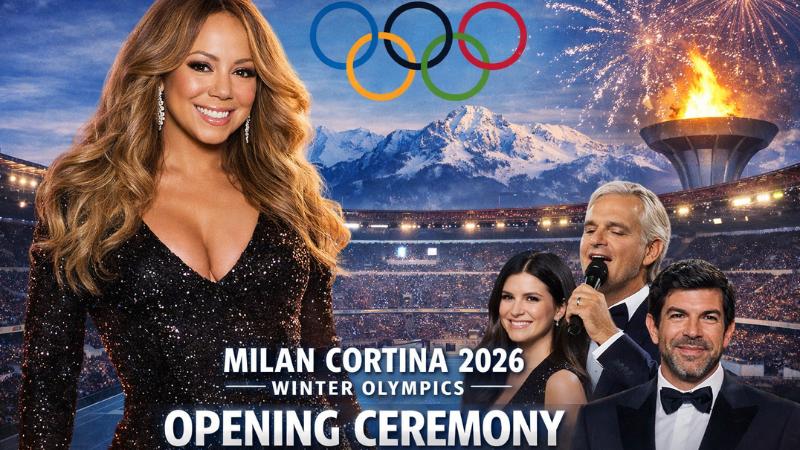
Mariah Carey to Headline Milan Cortina 2026 Olympics Opening Ceremony
The Milan Cortina 2026 Winter Olympics will open with a high-profile ceremony that blends sport, culture, and international entertainment, as organizers prepare to welcome athletes and audiences from around the world. Scheduled for Friday, Feb. 6, the Opening Ceremony at Milano San Siro Olympic Stadium is expected to set the tone for the Games with a mix of traditional Olympic rituals and performances from globally recognized artists, including pop icon Mariah Carey. The three-hour event will formally launch the Olympics, even as several competitions begin earlier in the week. Live coverage is set to start at 1 p.m. CT, with broadcasters carrying the ceremony across television and streaming platforms to ensure broad access for viewers worldwide. The ceremony will air live on NBC and stream on Peacock and official Olympic platforms, with a primetime rebroadcast beginning at 7 p.m. CT for audiences unable to watch earlier in the day. In addition to the customary Parade of Nations and the lighting of the Olympic torch, the program will feature a diverse lineup of performers representing both international and Italian talent. Carey’s appearance is expected to headline the entertainment segment, adding star power to an already ambitious production. Italian artists and actors will also take part, including tenor Andrea Bocelli, award-winning singer Laura Pausini, and actor and producer Pierfrancesco Favino. Actors Sabrina Impacciatore and Matilde De Angelis are also scheduled to participate, underscoring the host nation’s cultural presence on the global stage. While the ceremony serves as the symbolic start of the Olympics, competition begins two days earlier. Alpine skiing and curling events are set to open the sporting calendar on Feb. 4, followed closely by ski jumping, snowboarding, figure skating, and ice hockey. The early schedule allows athletes to begin vying for position before the formal celebration takes place. The first medals of the Milan Cortina Games will be awarded on Feb. 7, marking the beginning of nearly three weeks of competition across Italy’s winter sport venues. Athletes from dozens of countries will compete in disciplines ranging from fast-paced hockey matchups to precision-based figure skating and endurance-focused skiing events. The Games will conclude with the Closing Ceremony on Feb. 22. With its combination of live music, ceremonial traditions, and the gathering of the world’s top winter athletes, the Opening Ceremony is poised to deliver both spectacle and significance. Organizers say the event will celebrate Italy’s heritage while highlighting the unity and competitive spirit that define the Olympic movement, making Milan Cortina 2026 one of the most anticipated winter sporting events in recent years.
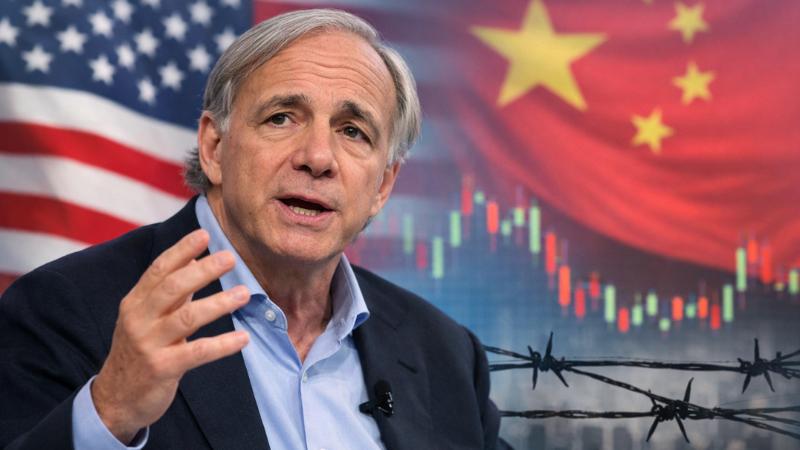
Ray Dalio flags risk of capital war as geopolitics unsettle global financial markets
Legendary investor Ray Dalio has cautioned that the global economy is approaching a dangerous tipping point, warning that mounting geopolitical frictions and unstable financial markets could trigger what he describes as a “capital war,” in which nations weaponize money, trade, and investment flows to exert influence over one another. Speaking at the World Governments Summit in Dubai, Dalio said the international system is not yet in such a conflict but is “on the brink,” with conditions that could quickly escalate. He described capital war as a scenario where governments restrict access to markets, impose sanctions, enforce capital controls, or use debt holdings and trade leverage to pressure rivals. According to Dalio, rising mistrust among major economies is increasing the likelihood of these tools being deployed more aggressively. He pointed to growing tensions between the United States and its allies and competitors as a key source of concern. Discussions surrounding Washington’s interest in Greenland, a Danish territory, as well as broader disagreements over trade and security policy, have unsettled investors. Dalio said some European holders of U.S.-denominated assets fear potential sanctions or restrictions, while American policymakers may worry about losing reliable foreign buyers for government debt. European investors have played a significant role in financing U.S. borrowing needs, accounting for a large share of foreign purchases of Treasurys in recent months. Any disruption to those flows could amplify volatility in global markets and increase funding pressures. Dalio noted that “capital, money, matters,” emphasizing that financial interdependence has become both a strength and a vulnerability for the global system. Since returning to office, President Donald Trump has introduced and, at times, rolled back punitive tariffs targeting several trading partners. Those policy shifts have added to market swings and uncertainty. Dalio said similar patterns in the past have often preceded broader economic confrontations, with governments imposing foreign exchange restrictions and tightening controls to protect domestic interests. Drawing parallels with history, he referenced periods leading up to major conflicts, when sanctions and trade barriers intensified rivalries between nations. He suggested that today’s environment could produce comparable strains, particularly in relations between the United States and China, or between the United States and Europe, where trade deficits and capital imbalances remain sensitive issues. Against this backdrop, Dalio reiterated his long-standing view that gold remains an effective hedge during periods of stress. Although prices have fluctuated recently, he said the precious metal continues to serve as a reliable diversifier for portfolios. Rather than focusing on short-term movements, he advised investors, central banks, and sovereign wealth funds to maintain a steady allocation to gold as protection against systemic risk. Ultimately, Dalio urged a disciplined approach to investing, stressing that diversification across assets and regions is the best defense in an increasingly uncertain economic landscape.
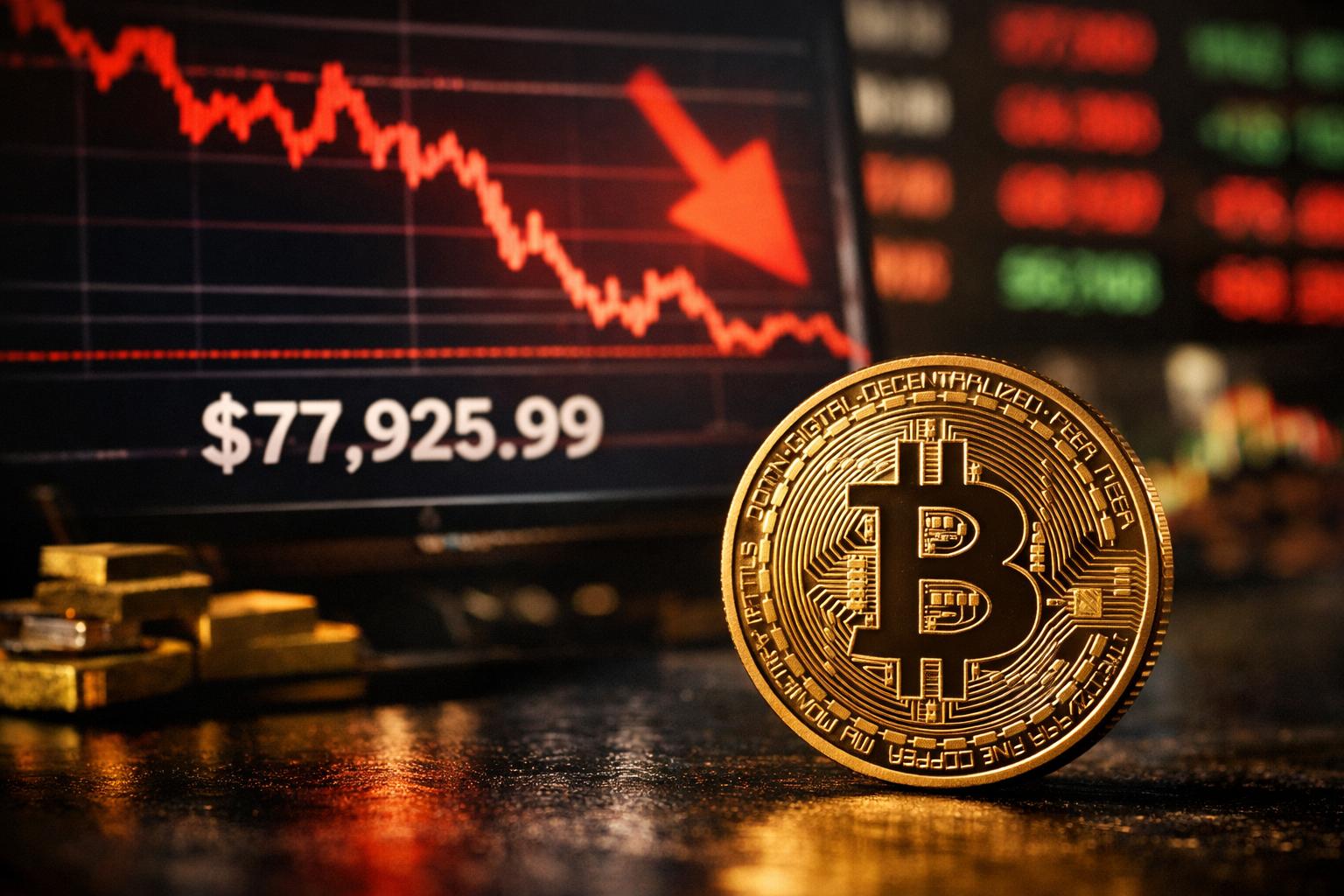
Bitcoin slides below $80,000 as global markets weaken and liquidations surge
Bitcoin traded slightly higher on Monday after falling below the $80,000 mark for the first time since April 2025, as a broad risk-off move across global markets weighed heavily on digital assets. The world’s largest cryptocurrency was priced at $77,925.99 as of 8:37 a.m. Eastern Time, reflecting a modest rebound of about 1% following sharp losses over the weekend. Earlier in the session, Bitcoin briefly touched a low of $74,876 before recovering part of its decline. The recent se
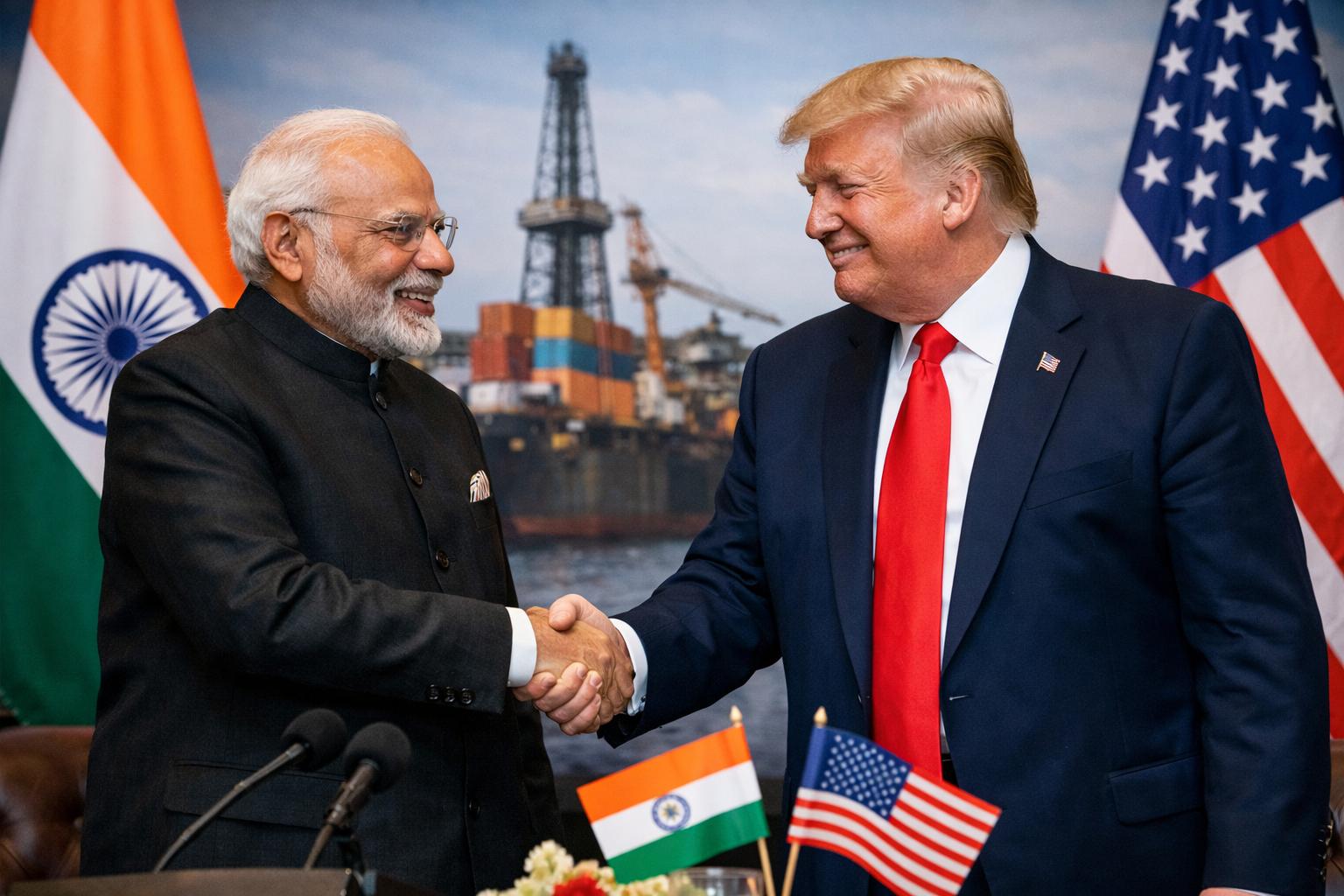
PM Modi expresses gratitude to Trump after US cuts tariffs on Indian goods
Prime Minister Narendra Modi on Monday welcomed a significant reduction in tariffs on Indian exports to the United States following an announcement by US President Donald Trump that the two countries had reached a bilateral trade agreement aimed at lowering reciprocal duties. Under the new arrangement, tariffs on Made in India products entering the US market will be reduced to 18%, marking a notable shift in trade relations between the two major economies. The agreement also provide
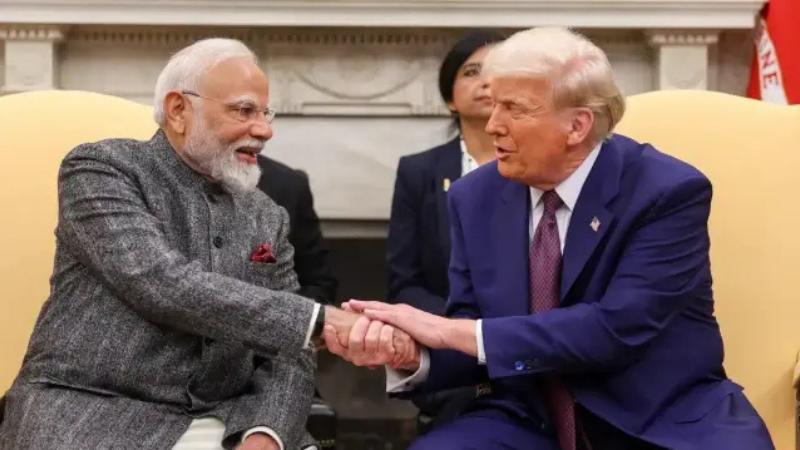
US and India agree on trade deal as tariffs are cut and oil strategy shifts
In a significant development affecting global trade and energy policy, United States President Donald Trump announced a bilateral trade agreement with Indian Prime Minister Narendra Modi following a direct telephone conversation on Monday. According to an official post shared by the US Ambassador to India on social media, the leaders discussed a range of strategic and economic issues, culminating in an accord that reduces key economic barriers between the two countries. In his publi
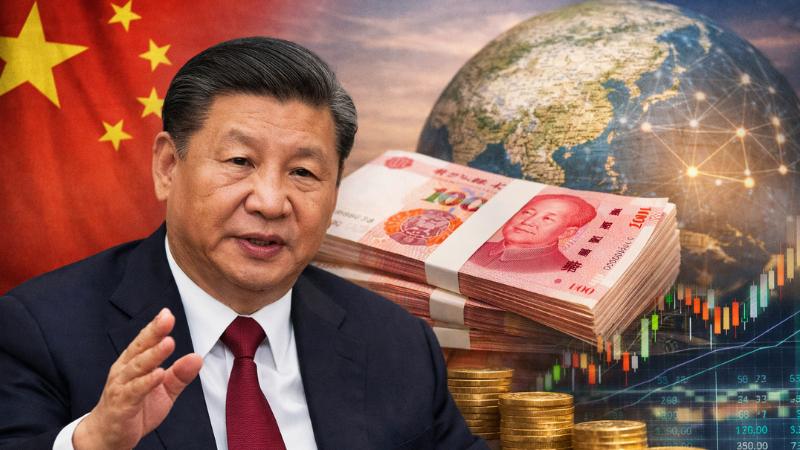
China seeks stronger yuan as Xi Jinping outlines push for global reserve currency
Amid continuing global economic uncertainty and renewed debate over the stability of major reserve currencies, Chinese President Xi Jinping has reiterated China’s ambition to build a “strong currency” and gradually elevate the yuan’s status in the global financial system. Xi said China aims to expand the use of the yuan in international trade, investment, and foreign exchange markets, underscoring a long-standing policy goal to strengthen the country’s financial influence worldwide. Xi’s remarks were outlined in a speech delivered in 2024 to senior provincial and ministerial officials and later published on Saturday in Qiushi, the Communist Party’s leading theoretical journal. The publication of excerpts from the address comes at a time of heightened volatility in global markets and growing scrutiny of the dominance of the US dollar, adding significance to Beijing’s renewed emphasis on currency strength and financial resilience. In the speech, Xi set out what he described as the essential characteristics of a global financial powerhouse. These included a solid economic foundation, world-leading technological and industrial capabilities, and a widely accepted and credible currency. He argued that currency strength was inseparable from broader national competitiveness and institutional capacity, noting that financial influence must be supported by real economic and technological power rather than short-term market movements. Xi also stressed the importance of a capable and independent central bank able to implement effective monetary policy and macroprudential management. He said globally competitive financial institutions, along with influential international financial centres, were necessary to attract global capital and exert pricing power in international markets. According to Xi, these elements must be matched with strong regulation, a reliable legal framework, and a deep pool of skilled financial professionals to ensure long-term stability and credibility. While acknowledging China’s scale in global finance, Xi noted that the country still faced structural limitations. He said China ranked among the world’s largest economies in terms of banking assets, foreign exchange reserves, and capital market size, but remained “big but not strong” overall. Transforming China into a true global financial powerhouse, he added, would be a gradual and long-term undertaking rather than an immediate achievement. Beijing has promoted the internationalisation of the yuan for more than a decade, with measurable progress in its use for cross-border trade settlement. The currency’s role in global markets, however, remains limited when compared with established reserve currencies. China’s Cross-Border Interbank Payment System currently clears an average of about 700 billion yuan, or roughly 100 billion US dollars, in transactions each day. This figure remains well below the nearly 2 trillion US dollars cleared daily through the dollar-based Clearing House Interbank Payments System. Yuan-denominated debt issuance in international markets also accounts for a small share of global activity, representing less than one percent of total issuance. These figures highlight the gap between China’s ambitions and the yuan’s current global footprint, despite steady domestic financial expansion. In recent months, the yuan has generally held firm against the US dollar, even amid trade tensions and uneven global growth. This stability contrasts with the sharper depreciation seen during former US President Donald Trump’s first term, when market observers speculated that Chinese authorities tolerated a weaker currency to offset the impact of tariffs. International investment banks continue to argue that the yuan remains below its long-term fair value, reflecting both policy controls and cautious foreign investor sentiment. The republication of Xi’s speech signals continuity in China’s financial strategy rather than a sudden shift. As global markets navigate uncertainty and reassess existing monetary structures, Beijing appears intent on steadily advancing its vision of a stronger yuan and a more influential role in the international financial system over the long term.
Precious metals slide sharply after Kevin Warsh emerges as Fed chair favorite
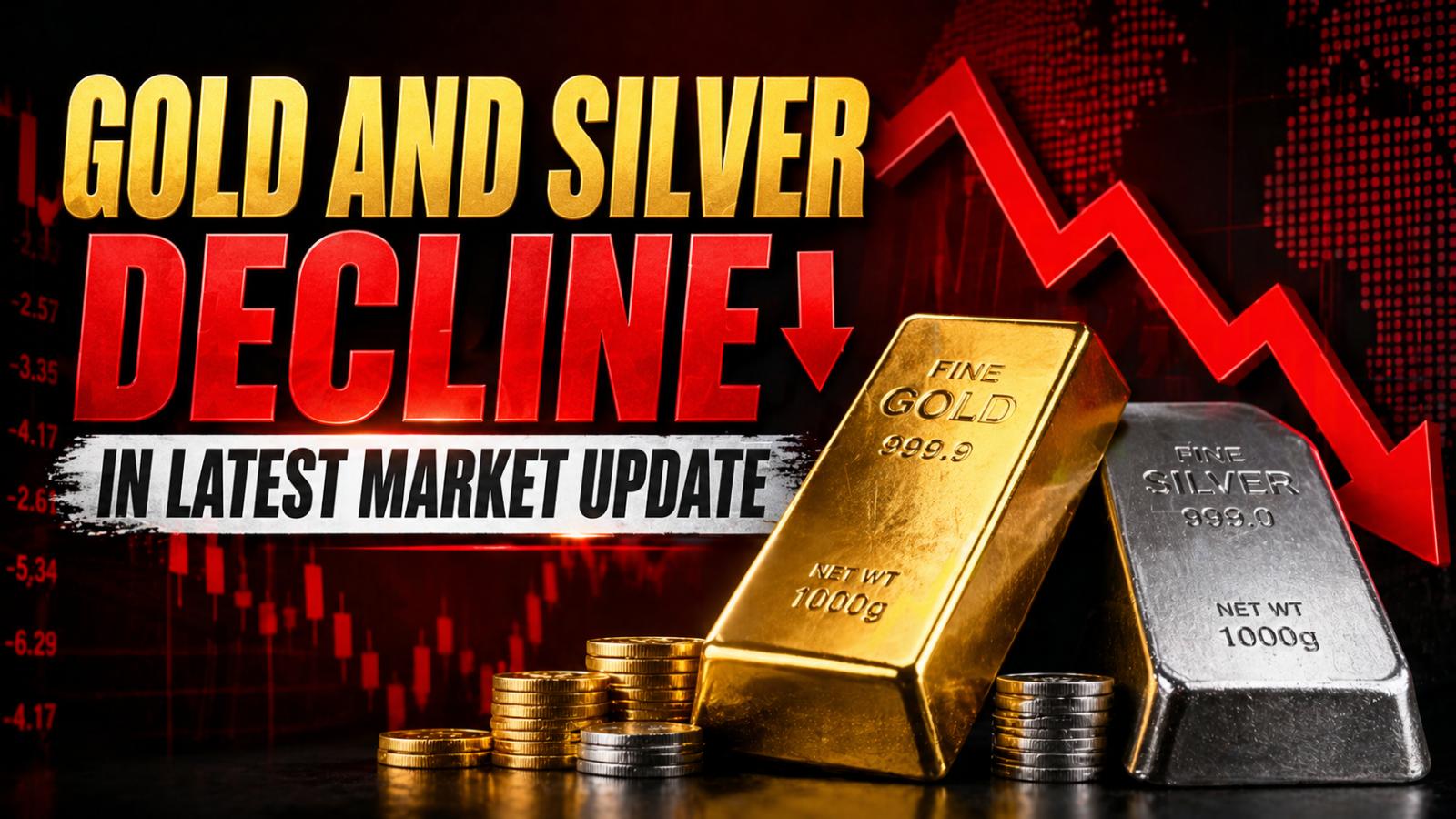
Gold and silver prices fell sharply on Friday as markets reacted to growing expectations that Kevin Warsh will be nominated as the next chair of the Federal Reserve, a development that appeared to ease concerns about the central bank’s long-term independence. The sell-off marked a sudden reversal for precious metals, which have enjoyed a powerful rally over the past year amid global uncertainty and a weaker U.S. dollar. By early afternoon in U.S. trading, silver prices had dropped
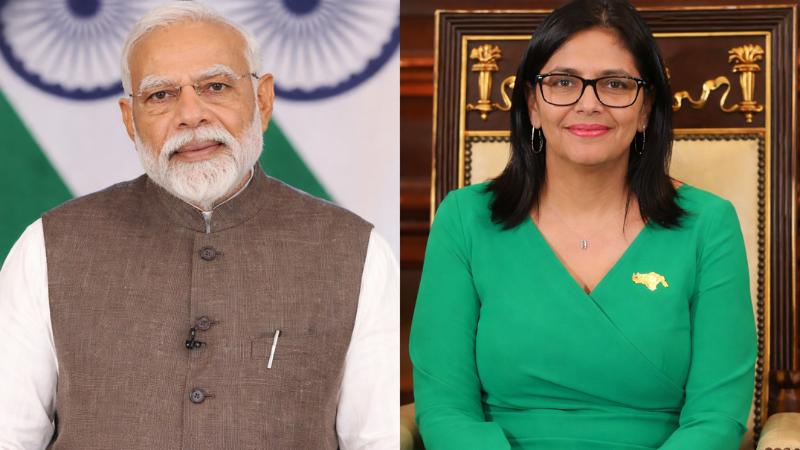
India, Venezuela look to deepen ties after leadership change, PM Modi speaks to Rodríguez
Prime Minister Narendra Modi on Friday held a conversation with Venezuela’s Acting President Delcy Rodríguez, reaffirming India’s intention to deepen and expand cooperation across multiple sectors. The discussion marks a significant diplomatic engagement nearly a month after former Venezuelan President Nicolás Maduro was removed from power and taken into United States custody following a high-profile military operation. In a message shared on social media, Modi said both sides
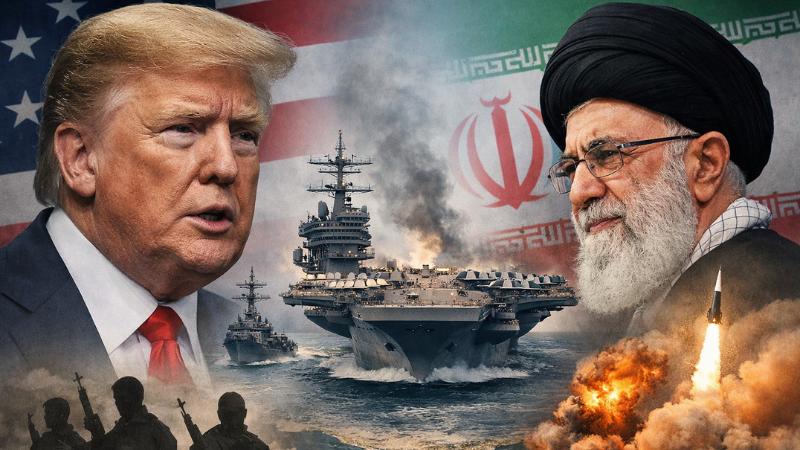
Uncertainty grows over possible US action against Iran amid naval buildup
Uncertainty continues to surround Washington’s approach toward Tehran as President Donald Trump sends conflicting signals on whether the United States is moving closer to military action or renewed diplomacy with Iran. Speaking ahead of his first Cabinet meeting of 2026, the president indicated he was open to communication with Iranian leaders, even as the US expanded its military presence in West Asia and senior defense officials stressed readiness to act on presidential orders.