



India studying impact after US court strikes down Trump tariffs
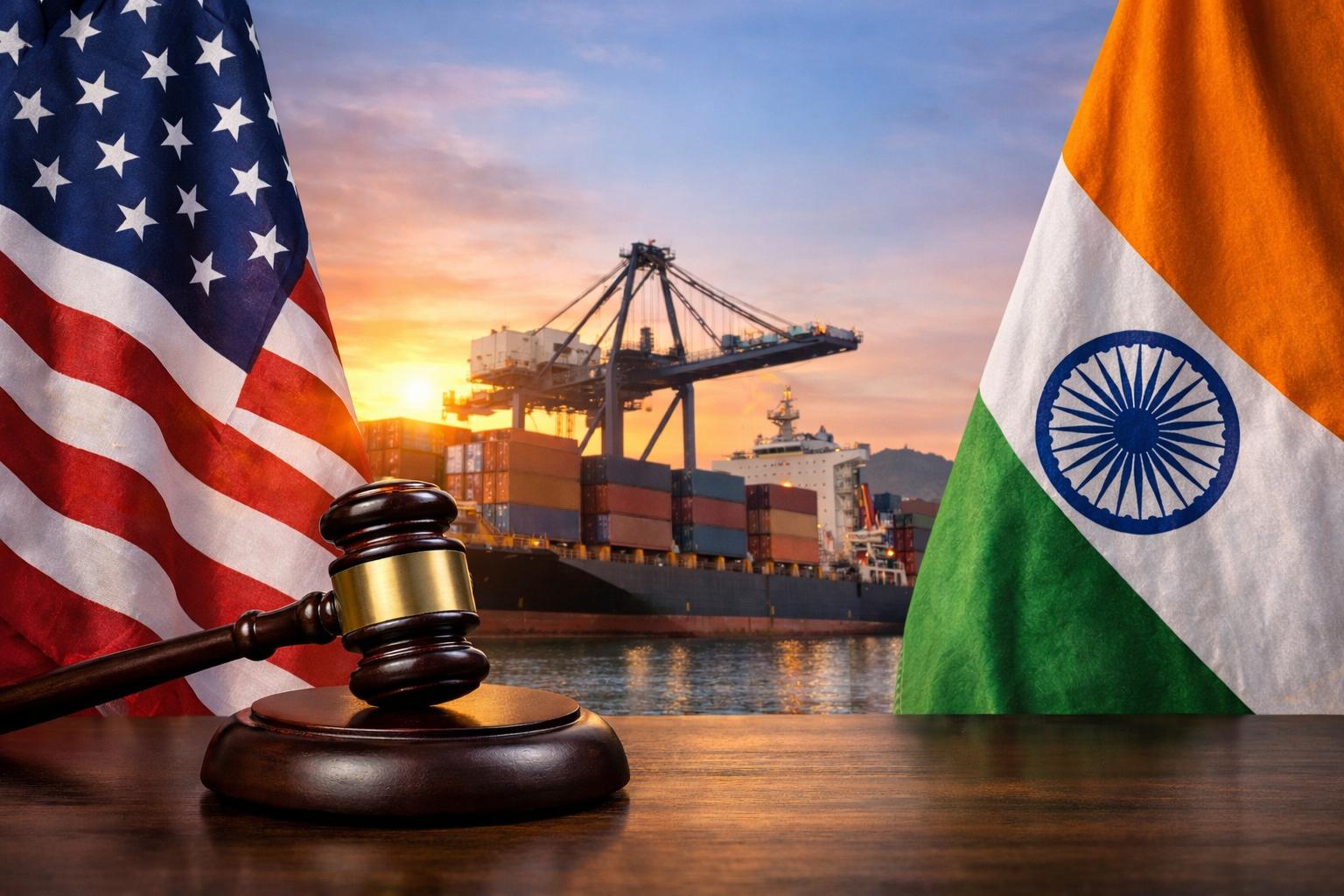
The Government of India on Saturday said it is closely examining recent developments in the United States after the US Supreme Court struck down former President Donald Trump’s sweeping global tariffs. The Commerce Ministry stated that officials are assessing the implications of both the court ruling and subsequent announcements made by the US administration. In its first formal reaction, the ministry confirmed it had taken note of the Supreme Court’s judgment delivered on Frida
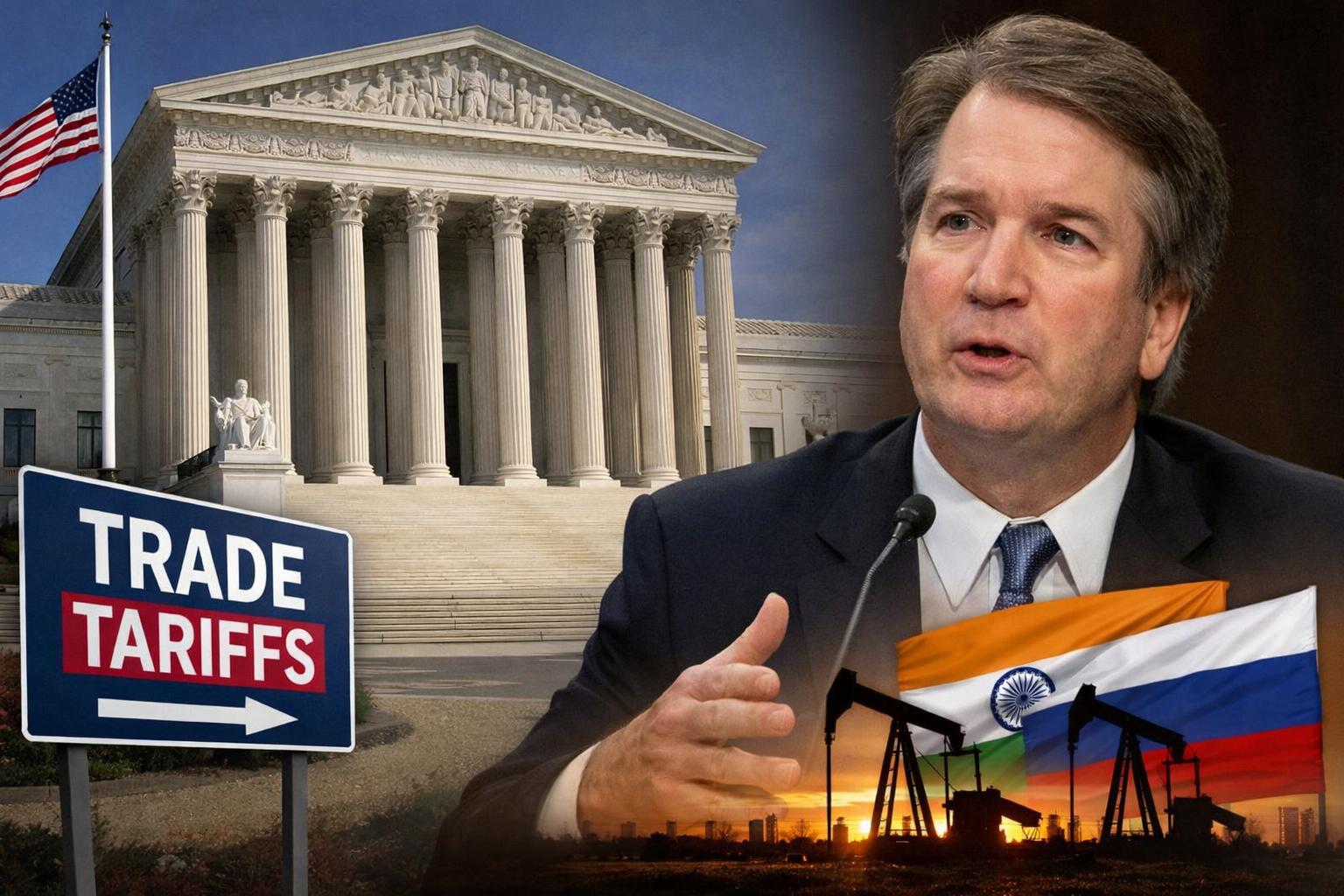
Top Court Limits Trump Tariff Powers Amid India-Russia Oil Dispute
The United States Supreme Court on Friday struck down a series of broad tariffs imposed by President Donald Trump, ruling that the administration had exceeded its authority under federal law. In a closely watched 6–3 decision, the court determined that the International Emergency Economic Powers Act does not authorize the president to unilaterally impose sweeping duties on foreign imports, a finding that could have significant implications for future trade policy and executive power. The ruling addressed the legal limits of presidential authority under the IEEPA, a statute historically used to regulate economic activity during national emergencies. Writing for the majority, the court concluded that the law does not grant the executive branch the expansive tariff powers claimed by the administration. The decision effectively invalidates the contested measures and reinforces congressional oversight over major trade actions. In his dissent, Justice Brett Kavanaugh pointed to the administration’s use of tariffs as a tool of foreign policy leverage, including duties imposed on India over its purchases of Russian oil. He argued that the tariffs were part of sensitive international negotiations and should be viewed within the broader context of the president’s conduct of foreign affairs. Kavanaugh noted that the government had maintained the tariffs helped secure trade concessions from major partners such as China, the United Kingdom and Japan. According to the administration’s position, the measures were intended to open foreign markets to American businesses and support trade agreements valued in the trillions of dollars. The dissent specifically referenced the August 2025 decision to impose a 25 percent tariff on India for what the administration described as direct or indirect imports of Russian Federation oil. At the time, the White House framed the move as part of broader efforts tied to geopolitical negotiations and energy security concerns. The tariffs included a reciprocal component initially set at 25 percent and later reduced to 18 percent. Kavanaugh further observed that the administration subsequently eased the India-specific penalties in February 2026 after the government reported that New Delhi had committed to halting purchases of Russian oil and to increasing imports of American energy products. He argued that such developments demonstrated the traditional diplomatic use of tariffs as leverage in complex international negotiations. Despite these arguments, the majority held that statutory limits must guide the exercise of executive power, even in matters touching on foreign affairs and national security. The court emphasized that significant economic measures with wide domestic consequences require clear authorization from Congress. The decision marks a notable judicial check on presidential trade authority and is likely to influence how future administrations deploy tariffs in pursuit of foreign policy objectives. Legal analysts say the ruling reinforces the principle that emergency economic powers cannot be broadly interpreted to reshape global trade relationships without explicit legislative backing. While the immediate policy effects remain to be fully assessed, the judgment underscores ongoing tensions between the executive branch’s flexibility in foreign affairs and the constitutional role of Congress in regulating commerce. The case is expected to shape debates over trade strategy, energy diplomacy and the scope of presidential economic powers in the years ahead.
Global reaction after Supreme Court rules Trump exceeded tariff authority
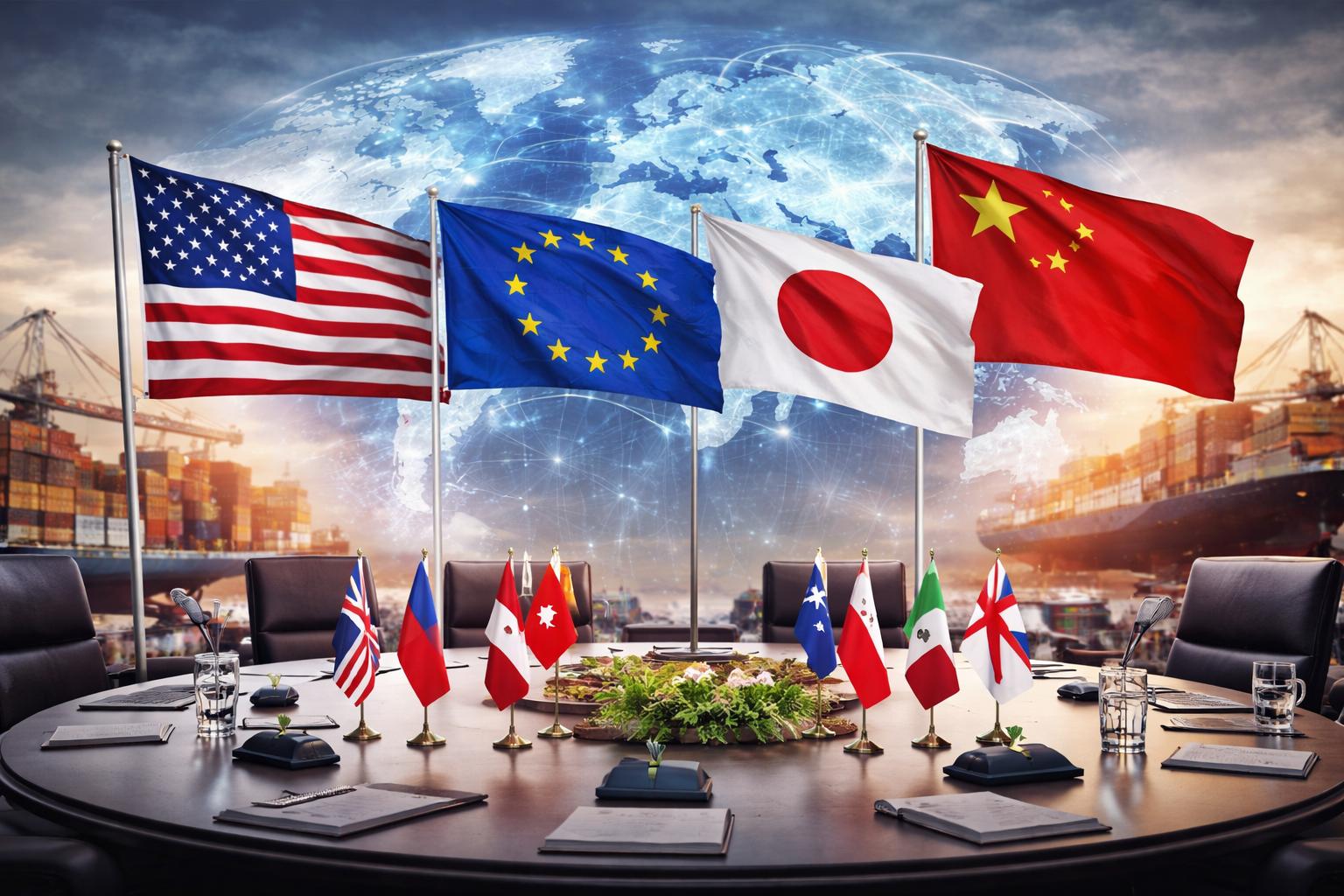
World leaders and policymakers reacted quickly on Friday after the Supreme Court of the United States ruled that President Donald Trump exceeded his legal authority by imposing sweeping global tariffs, a decision that effectively blocks a key component of his trade policy agenda. The ruling has prompted governments and market observers worldwide to evaluate the potential consequences for international trade, economic stability, and future US trade relations. Speaking at a White House breakfa
US Stocks Rise After Supreme Court Blocks Trump Tariffs
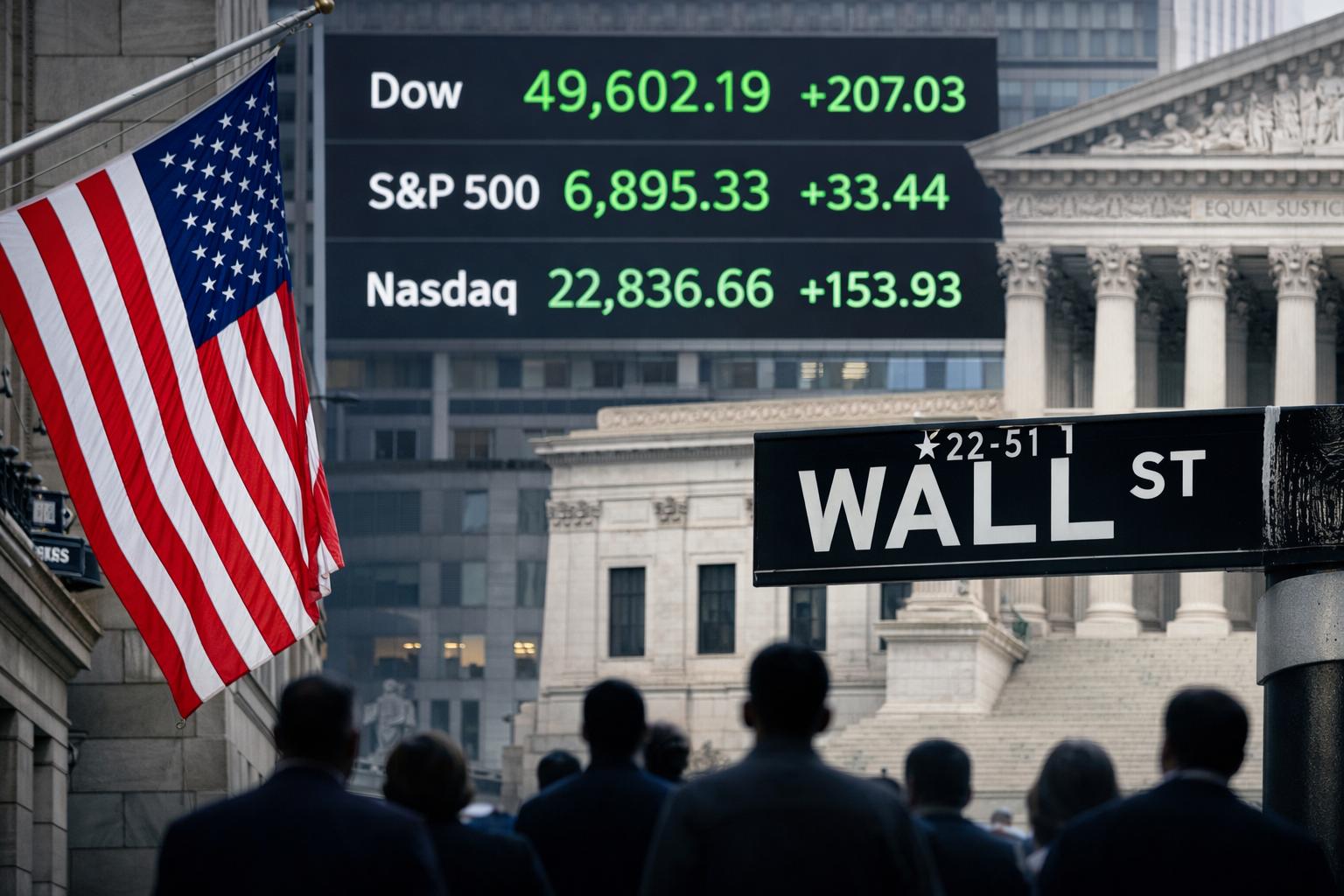
U.S. stocks mostly advanced on Friday after the Supreme Court struck down former President Donald Trump’s sweeping global tariffs, delivering a major boost to Wall Street and companies exposed to international trade. The ruling, which found that the tariffs exceeded presidential authority under the International Emergency Economic Powers Act of 1977, triggered a broad market rally and lifted investor sentiment across multiple sectors. In a 6–3 decision, the Supreme Court determi
Supreme Court strikes down major portion of Trump tariff policy
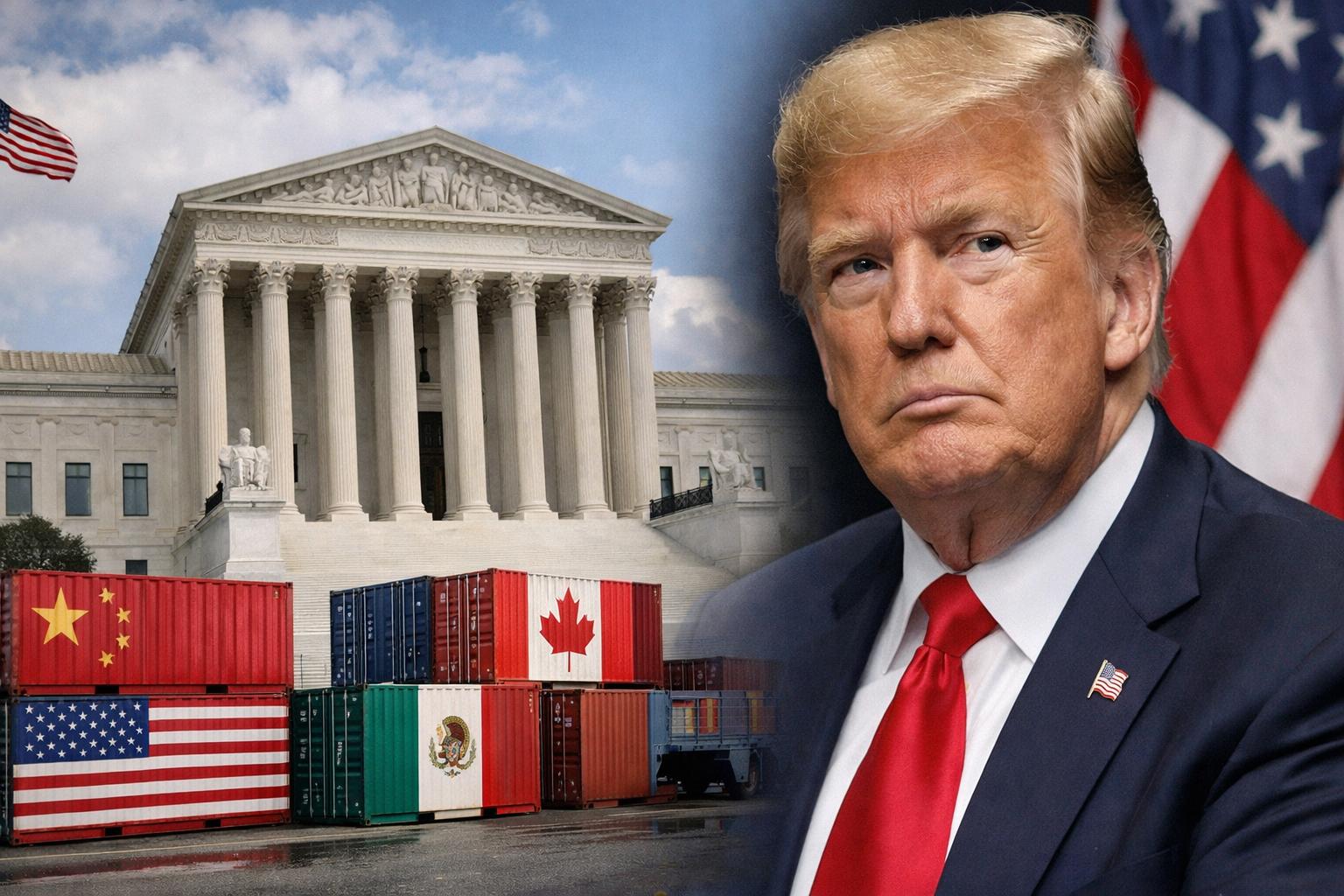
The Supreme Court on Friday invalidated a significant portion of President Donald Trump’s sweeping tariff program, ruling that the law used to justify many of the import duties does not grant the president authority to impose such measures unilaterally. The decision marks a major development in the ongoing debate over presidential powers and U.S. trade policy. In a 6–3 ruling, the court’s majority concluded that the International Emergency Economic Powers Act (IEEPA), the statu
Trump announces $10 billion US pledge to Gaza peace board
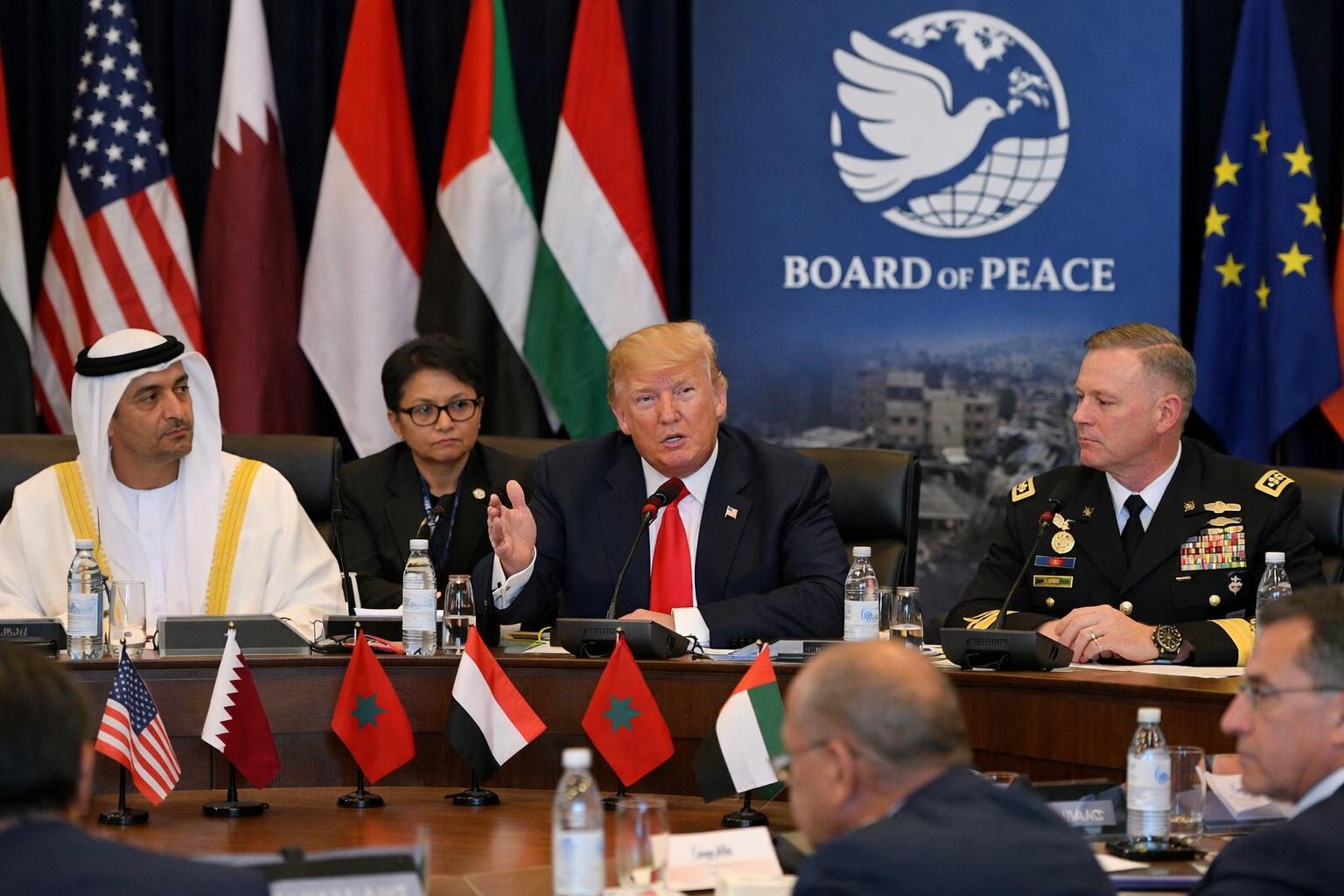
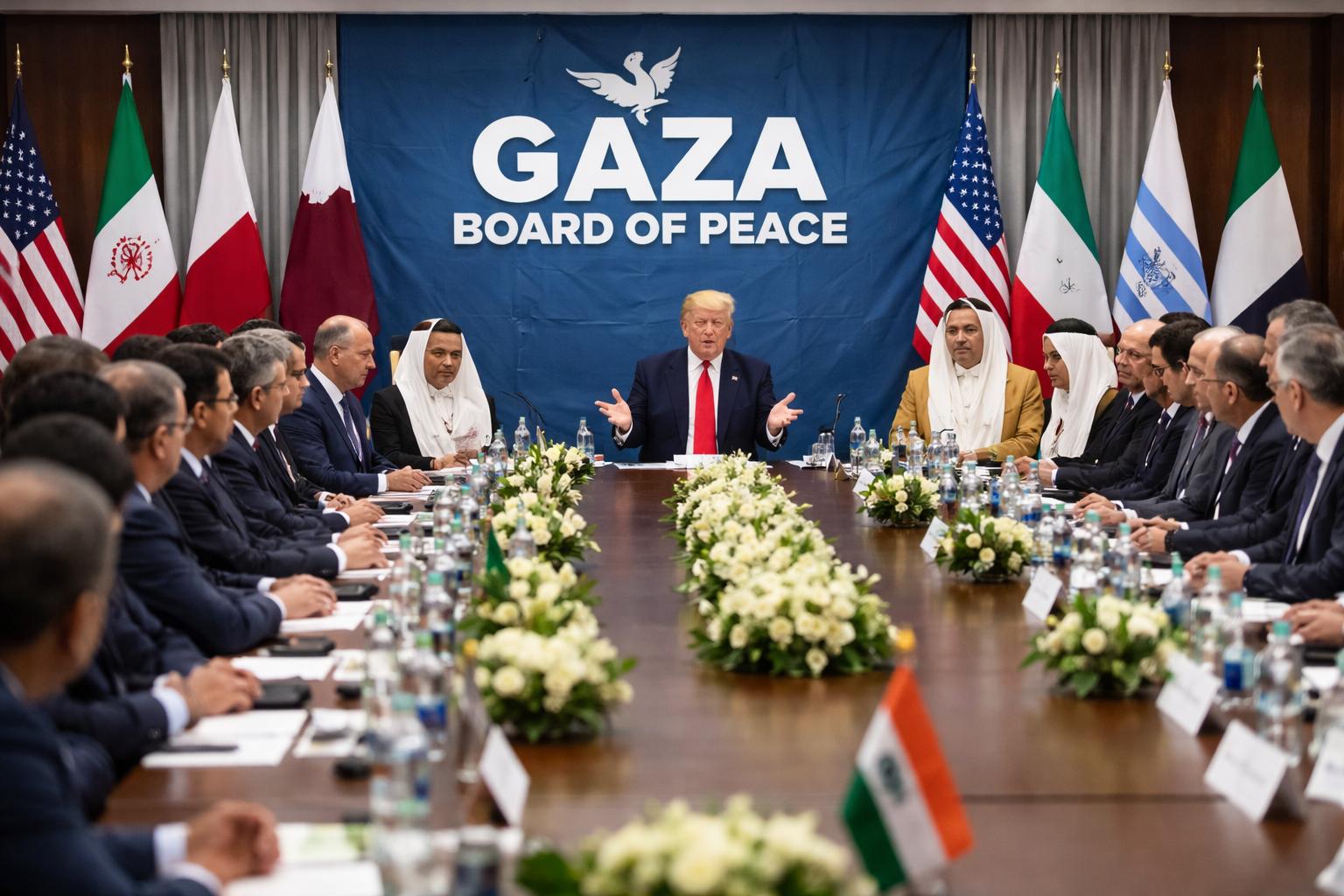
President Donald Trump on Thursday announced that the United States will contribute $10 billion to the newly formed Board of Peace, a central element of his 20-point plan aimed at stabilising and rebuilding Gaza. Speaking at the board’s inaugural meeting in Washington, Trump told representatives from nearly 50 countries that the United States intended to play a leading financial role in the initiative, though questions remain about how the funding will be sourced amid the administration’s
India attends Trump’s Gaza Board of Peace meeting as observer
India participated as an observer in the inaugural meeting of United States President Donald Trump’s newly announced Board of Peace initiative focused on Gaza, according to official participant records. The meeting was held at the Donald J. Trump Institute of Peace in Washington, DC, where India was represented by Chargé d’Affaires Namgya Khampa from the Indian embassy. New Delhi has not formally joined the Board of Peace but attended in a limited observer capacity as international discussions around Gaza reconstruction and regional stability continue to evolve. During the launch event, Trump announced a pledge of $10 billion toward the reconstruction of the Gaza Strip, positioning the initiative as a major international effort following the recent ceasefire. Several Muslim-majority countries also committed financial and security support. Leaders from Qatar, Saudi Arabia, and the United Arab Emirates each pledged at least $1 billion, according to officials present at the gathering. The White House Press Secretary later stated that total commitments from participating nations had crossed $6.5 billion, a figure that appeared to exclude the separate US contribution. The Board of Peace was convened in the aftermath of a ceasefire agreement reached in October following negotiations facilitated by the United States in coordination with Qatar and Egypt. The ceasefire aimed to halt nearly two years of intense conflict in Gaza. Under the proposed second phase of the framework, Hamas is expected to be disarmed as part of broader stabilisation measures. The current war was triggered by Hamas’ October 7, 2023 attack on Israel, which led to a large-scale Israeli military response in the Gaza Strip. In a notable development, Morocco announced its readiness to contribute police personnel and officers to the newly proposed International Stabilisation Force, marking what officials described as a first-of-its-kind commitment by an Arab nation in the context of the Gaza peace initiative. The move is seen as part of wider efforts to establish security arrangements alongside reconstruction planning. Prime Minister Narendra Modi was among several global leaders invited by the US President to be associated with the Board of Peace, which was formally announced as part of the second phase of the Israel-Hamas ceasefire framework. India, however, had not been present at the earlier January 22 ceremony in Davos where Trump first unveiled the initiative aimed at fostering long-term peace in Gaza and potentially addressing other global conflicts. The Board of Peace has drawn attention in diplomatic circles due to perceptions that it could emerge as an alternative multilateral platform. Trump has previously suggested that the body “might” replace the United Nations, arguing that existing global institutions have not fully delivered on their mandates. Observers note that the structure, scope, and long-term objectives of the Board of Peace remain under discussion as participating countries evaluate their roles. India’s decision to attend as an observer reflects its cautious diplomatic approach to the evolving Middle East situation. Officials have not indicated any immediate plan to formally join the initiative, but New Delhi continues to monitor developments closely as international stakeholders shape the future framework for Gaza’s reconstruction and regional stability.
IAEA chief warns of urgency in US-Iran nuclear deal talks
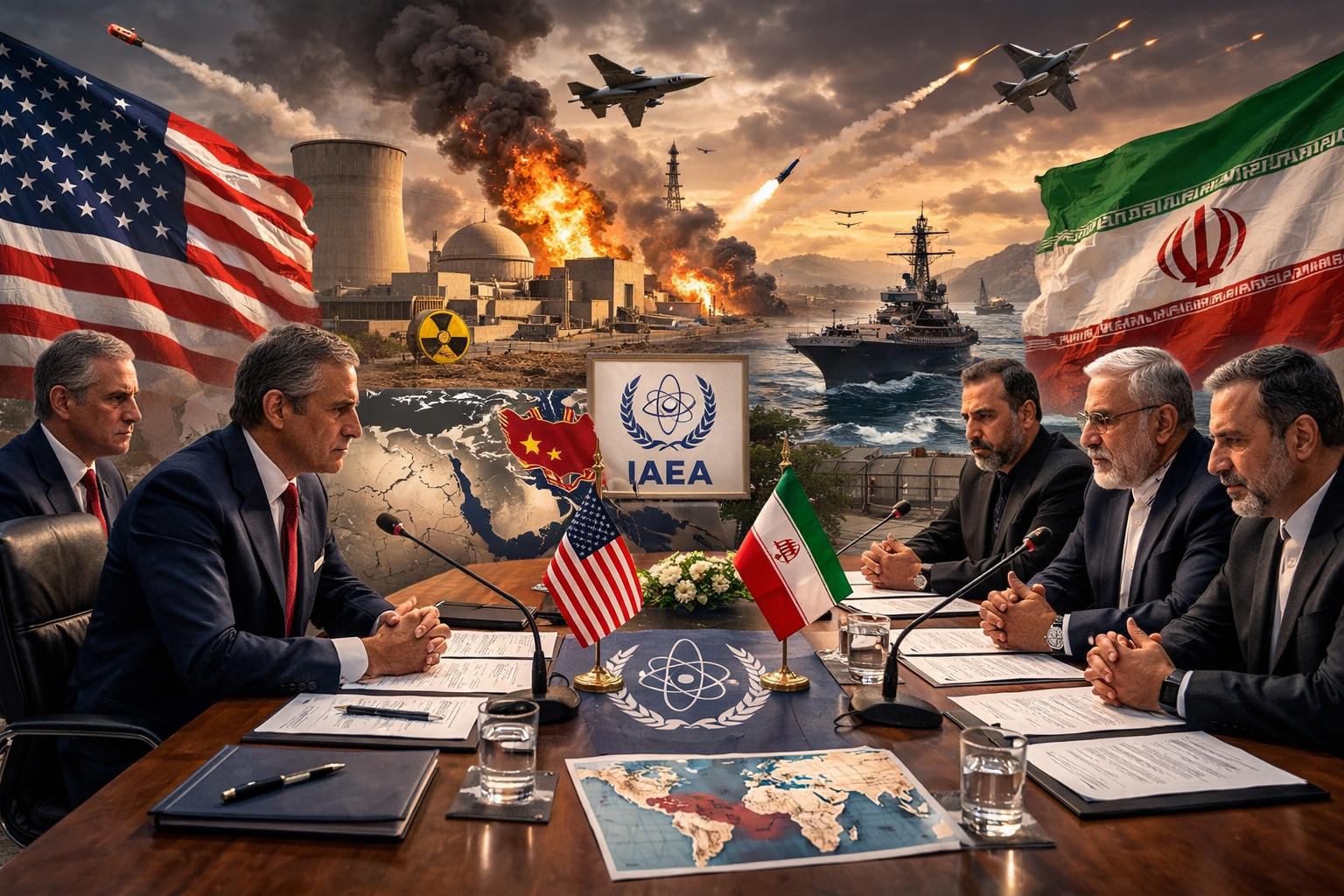
The head of the International Atomic Energy Agency (IAEA), Rafael Grossi, has issued a stark warning about the narrowing window for diplomacy between the United States and Iran, emphasizing the urgent need for an agreement to prevent further military escalation. His remarks come as concerns grow over Iran’s enriched nuclear material, which he said remains largely intact despite US strikes on key facilities last year. Speaking in an interview with French broadcaster TF1, Grossi stressed tha
Canada, India and Australia deepen AI cooperation through ACITI partnership
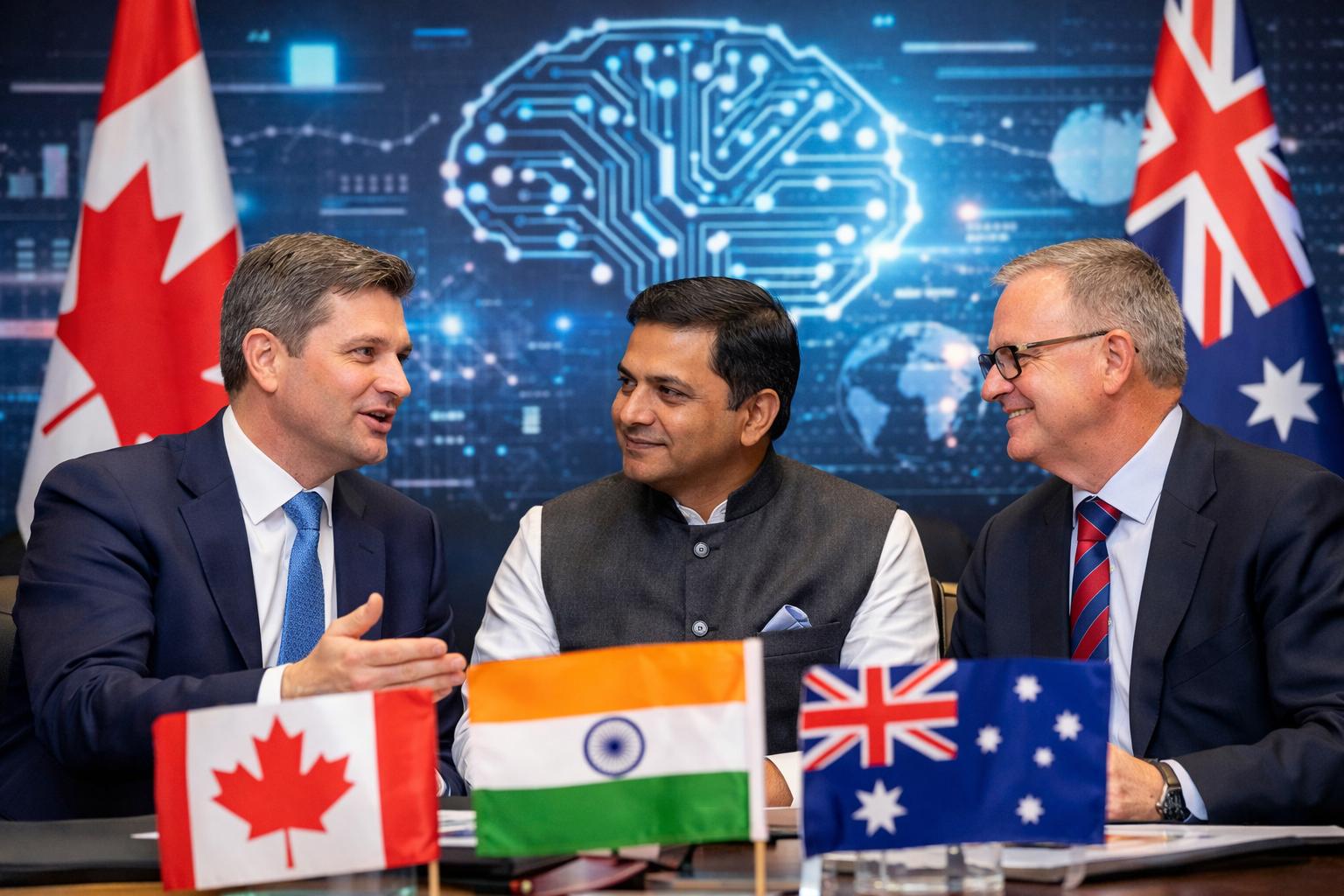
New Delhi: Canada’s Minister of Artificial Intelligence and Digital Innovation, Evan Solomon, has underscored the growing momentum behind trilateral collaboration among Canada, India and Australia in the field of emerging technologies, particularly artificial intelligence. Speaking to reporters in the national capital, Solomon described the three countries as natural partners in advancing responsible and inclusive AI development. He noted that Canada and India have both establishe
PM Modi Unveils MANAV Framework At AI Summit 2026, Calls For Inclusive AI For Global South
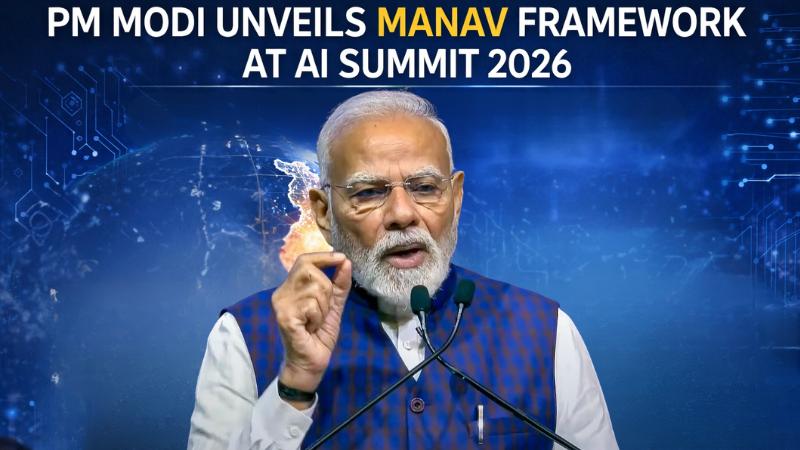
Prime Minister Narendra Modi presented India’s bold and human-centric vision for artificial intelligence at the India AI Impact Summit 2026 in New Delhi, calling for the democratisation of AI and introducing the MANAV framework to guide its ethical and inclusive development. Addressing global leaders, technology pioneers, and policymakers, the Prime Minister stressed that artificial intelligence must empower humanity rather than reduce people to mere data points. He highlighted the need to ensure that AI benefits everyone, particularly developing nations in the Global South, and does not remain concentrated in the hands of a few powerful entities. The MANAV framework, introduced as India’s roadmap for responsible AI governance, focuses on five core principles: Moral and Ethical Systems, Accountable Governance, National Data Sovereignty, Accessible and Inclusive Technology, and Valid and Legitimate AI systems. According to the Prime Minister, AI must operate within ethical boundaries, ensure transparency, protect national data rights, and remain accessible to all sections of society. He emphasized that AI should serve as a multiplier of human potential rather than a monopolistic force controlled by limited stakeholders. The framework aims to ensure that AI remains lawful, trustworthy, and beneficial to humanity while supporting innovation and growth. Prime Minister Modi described artificial intelligence as one of the most transformative technologies in human history, comparable to major breakthroughs such as the discovery of fire and the invention of communication systems. He noted that AI is evolving at an unprecedented pace, impacting industries, economies, and societies worldwide. He warned that without proper governance, AI could create disruption, but with the right direction, it can become a powerful solution to global challenges including healthcare, education, and economic development. The India AI Impact Summit 2026, which brought together over 200,000 participants and representatives from more than 100 countries, reflects India’s growing leadership role in shaping the future of AI. The event featured participation from major global technology leaders, innovators, and policymakers, highlighting India’s position as a key hub for AI innovation. The Prime Minister also praised young innovators and entrepreneurs, noting that the next generation is actively shaping the future of artificial intelligence despite early scepticism surrounding emerging technologies. Prime Minister Modi emphasized that India’s MANAV vision is designed not just for national development but for global benefit, particularly for countries in the Global South. He called on international leaders to work together to ensure that artificial intelligence remains inclusive, ethical, and aligned with human values. He reiterated that the ultimate goal of AI should be welfare for all and happiness for all, ensuring that technological progress strengthens societies rather than widening inequalities. The summit marks a significant milestone in India’s technological journey, positioning the country as a global advocate for responsible AI governance. With its focus on inclusivity, ethics, and accessibility, the MANAV framework represents a major step toward building a balanced and human-centric artificial intelligence ecosystem that can benefit people across the world.
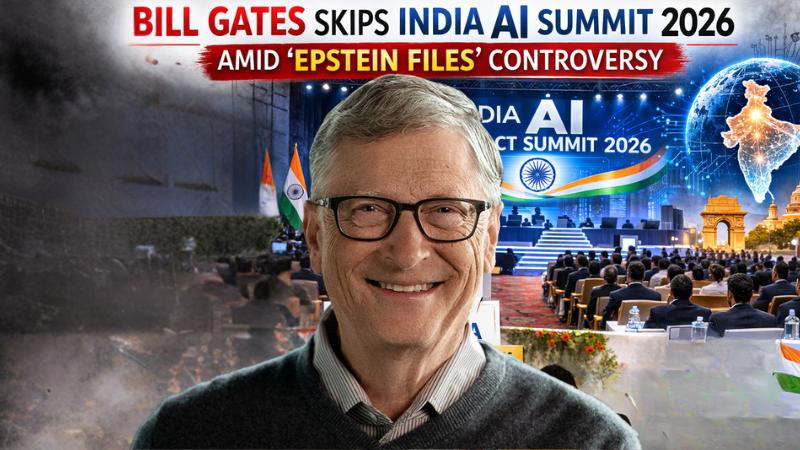
Bill Gates Skips India AI Summit 2026 Amid Epstein Files Controversy and Backlash
Bill Gates has withdrawn from delivering the keynote address at the India AI Impact Summit 2026, sparking widespread attention and speculation across global tech and political circles. The Bill & Melinda Gates Foundation confirmed the sudden decision, stating that Gates would skip the summit “after careful consideration,” just one day after publicly confirming his participation. The event, being held at Bharat Mandapam, is one of India’s most significant gatherings focused on artifi
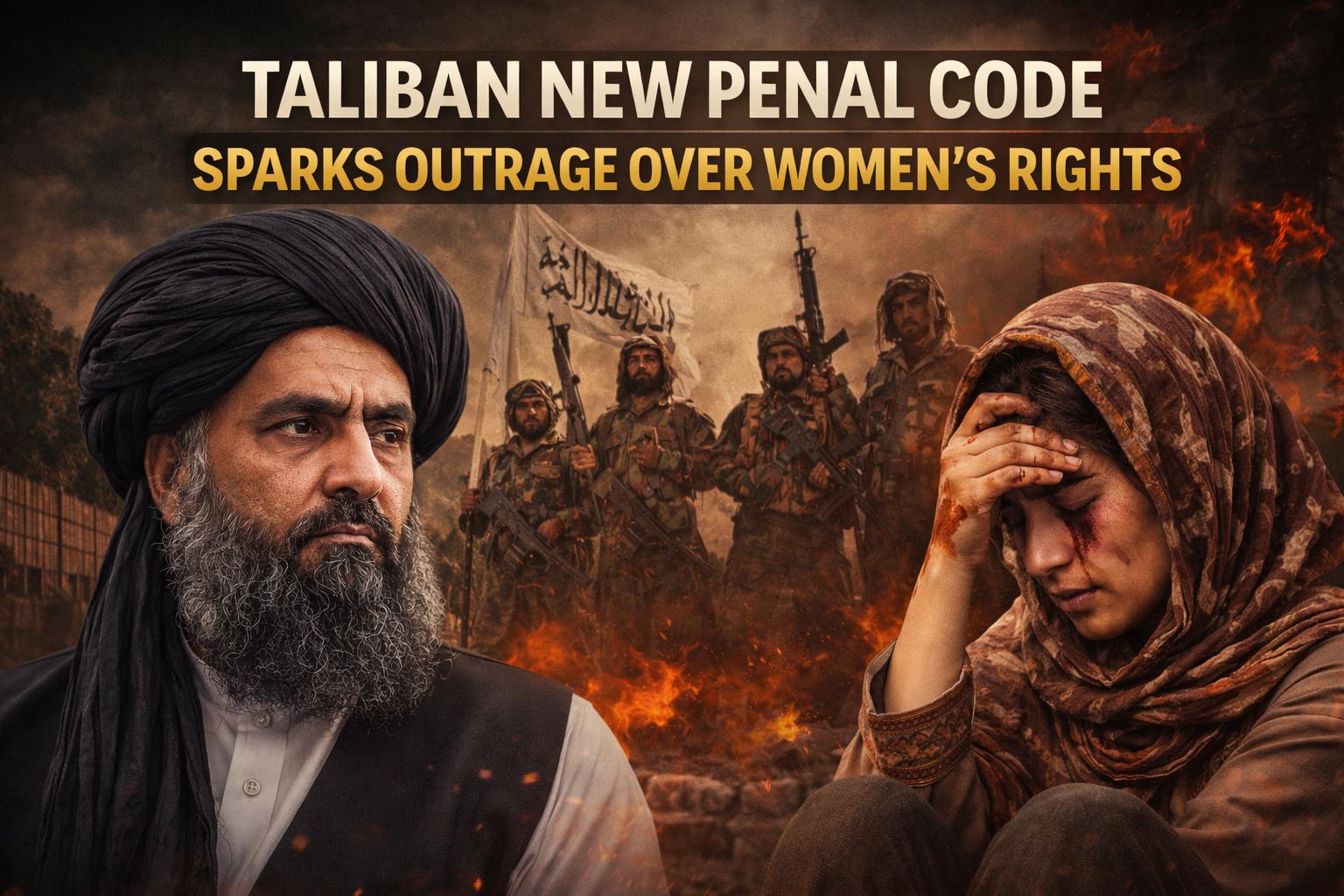
Taliban New Penal Code Sparks Outrage Over Domestic Violence And Women Rights
Taliban’s newly introduced penal code has sparked global concern after reports revealed provisions that allow husbands to physically punish their wives and children under certain conditions. The controversial law, signed by Taliban supreme leader Hibatullah Akhundzada, has drawn sharp criticism from human rights organisations and international observers, who warn that it severely undermines women’s rights and legal protections in Afghanistan. According to reports, the penal code

Ramadan Mubarak 2026 Begins Worldwide With Fasting, Prayers And Spiritual Reflection
Ramadan Mubarak 2026 has officially begun, bringing a period of deep spiritual reflection, fasting, prayer, and charity for Muslims across the world. Observed during the ninth month of the Islamic lunar calendar, Ramadan is considered the holiest month in Islam. In 2026, Ramadan is expected to be observed from the evening of February 17 until March 19, depending on the sighting of the crescent moon. During this time, millions of Muslims in countries such as India, Saudi Arabia, UAE, Indonesia
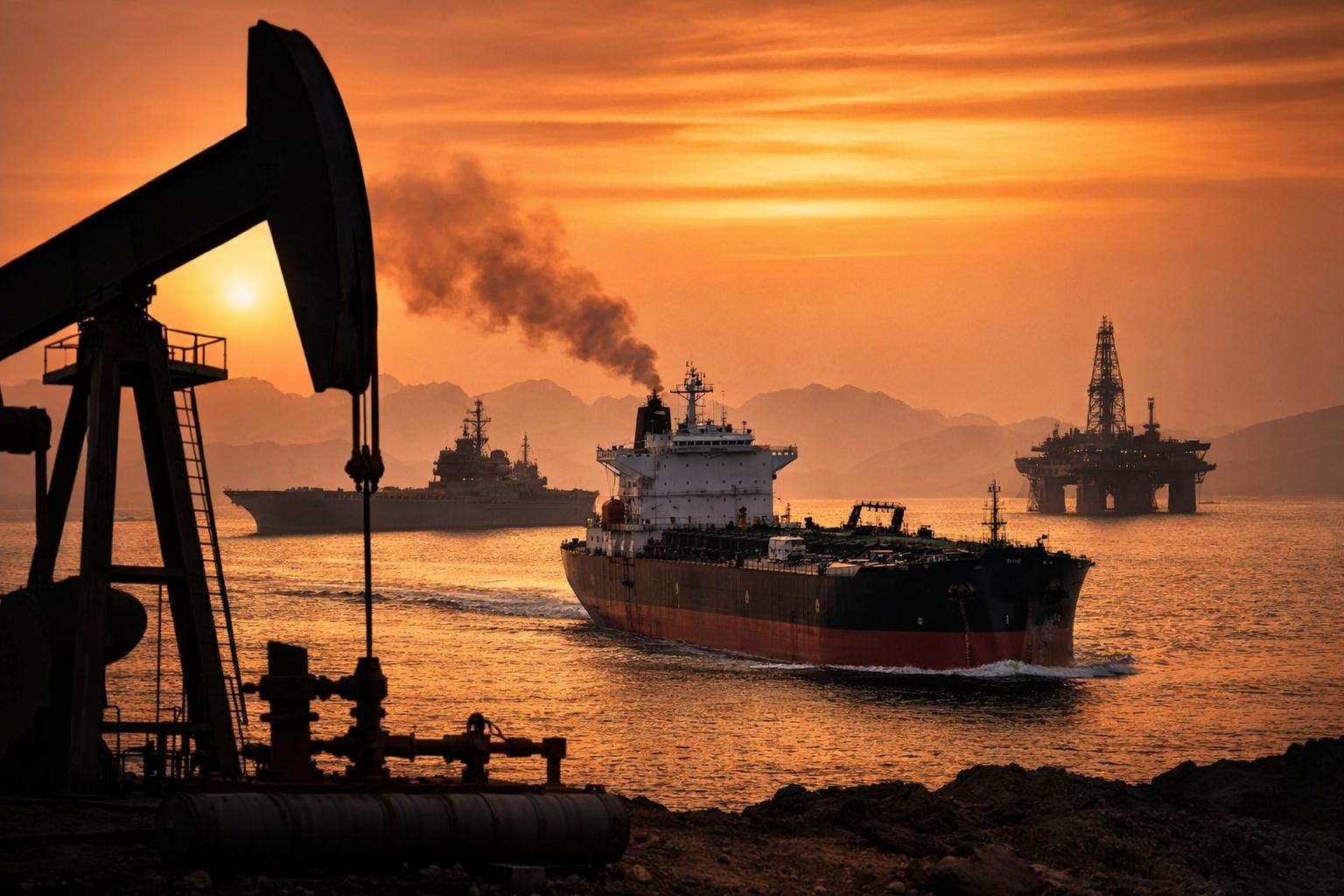
Oil prices jump over 4% as U.S.-Iran tensions escalate
Oil prices climbed sharply on Wednesday, rising more than 4% as investors reacted to escalating tensions between the United States and Iran following the latest round of nuclear negotiations. Market sentiment shifted after U.S. Vice President JD Vance indicated that Tehran had failed to address key American demands and warned that military options remain under consideration. U.S. West Texas Intermediate crude settled up $2.86, or 4.59%, at $65.19 per barrel, while global benchmark B
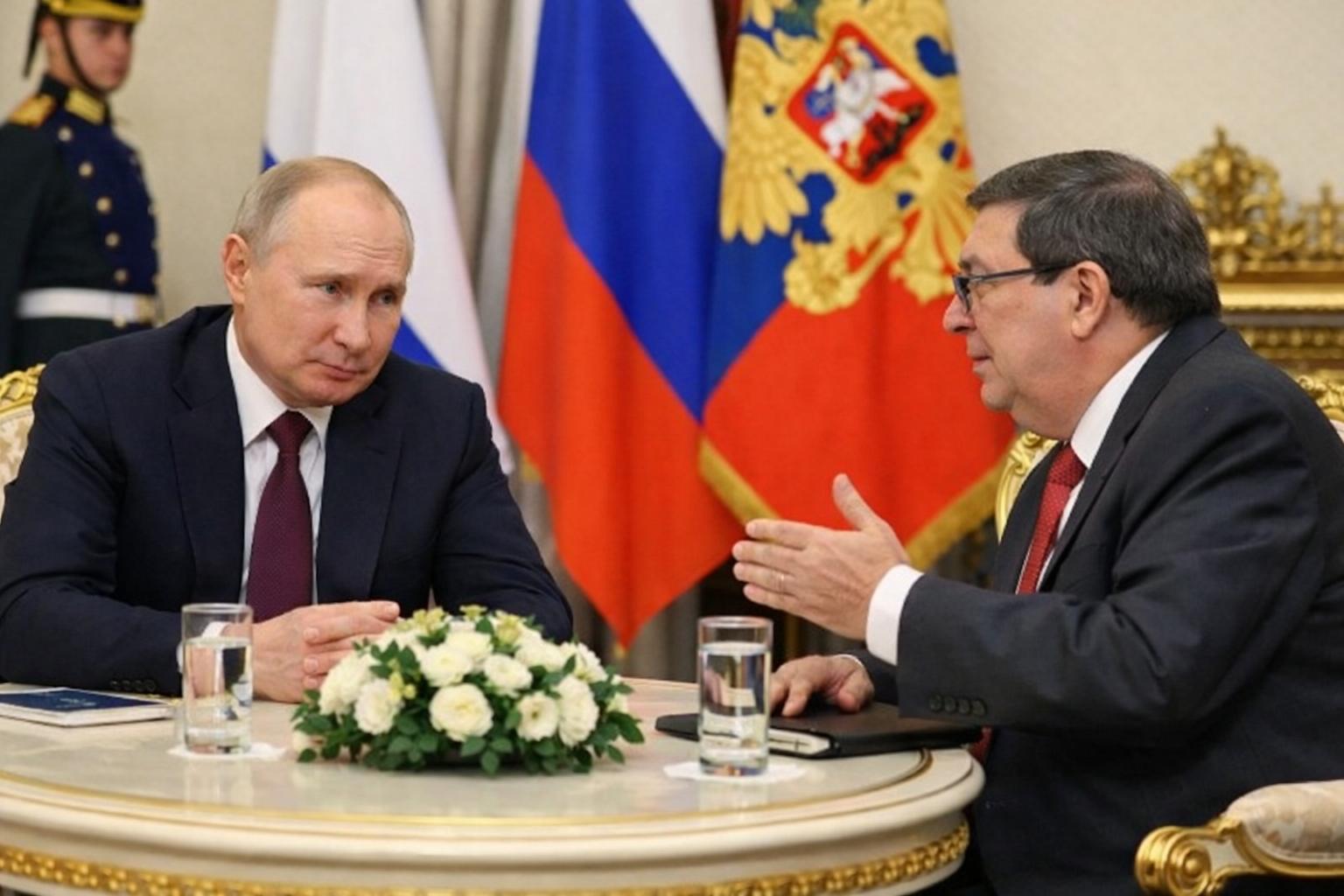
Putin calls new US sanctions on Cuba unacceptable after Kremlin meeting
Russian President Vladimir Putin met Cuban Foreign Minister Bruno Rodríguez at the Kremlin on Wednesday, using the talks to sharply criticize the latest United States sanctions on Havana and reaffirm Moscow’s support for its long-time Caribbean ally. The meeting took place against the backdrop of intensifying economic pressure on Cuba and growing geopolitical tensions over the island’s energy supplies. According to official statements, Putin described the newly imposedestrictio
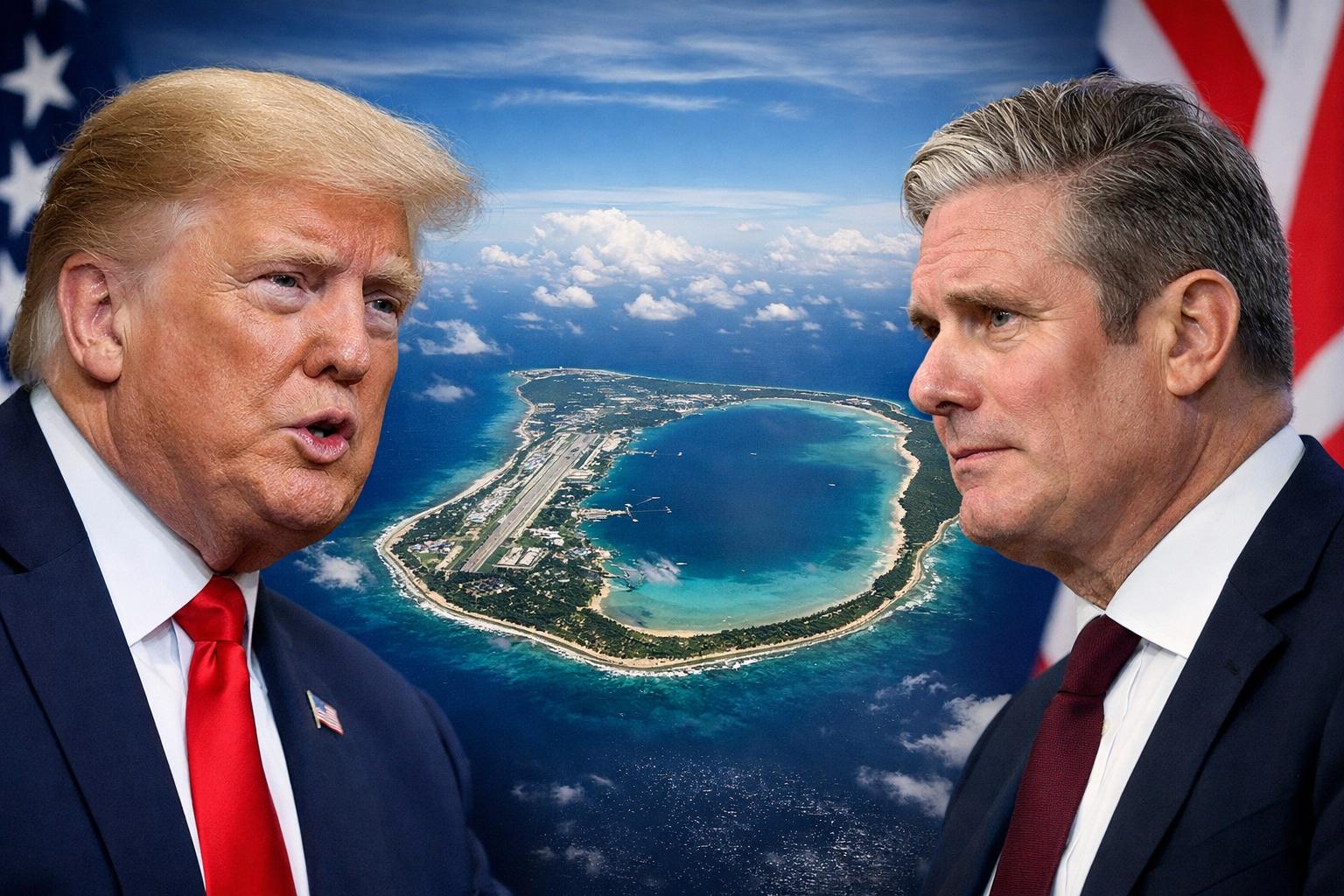
US raises security concerns over UK’s Diego Garcia plans
US President Donald Trump on Wednesday publicly criticized British Prime Minister Keir Starmer over the United Kingdom’s handling of the strategically important island of Diego Garcia, warning that London could be making a significant strategic error. In a post on Truth Social dated February 18, Trump said he had advised Starmer that entering into a 100-year lease arrangement concerning Diego Garcia was a “big mistake.” The island, located in the Indian Ocean and part of the Chagos Arc
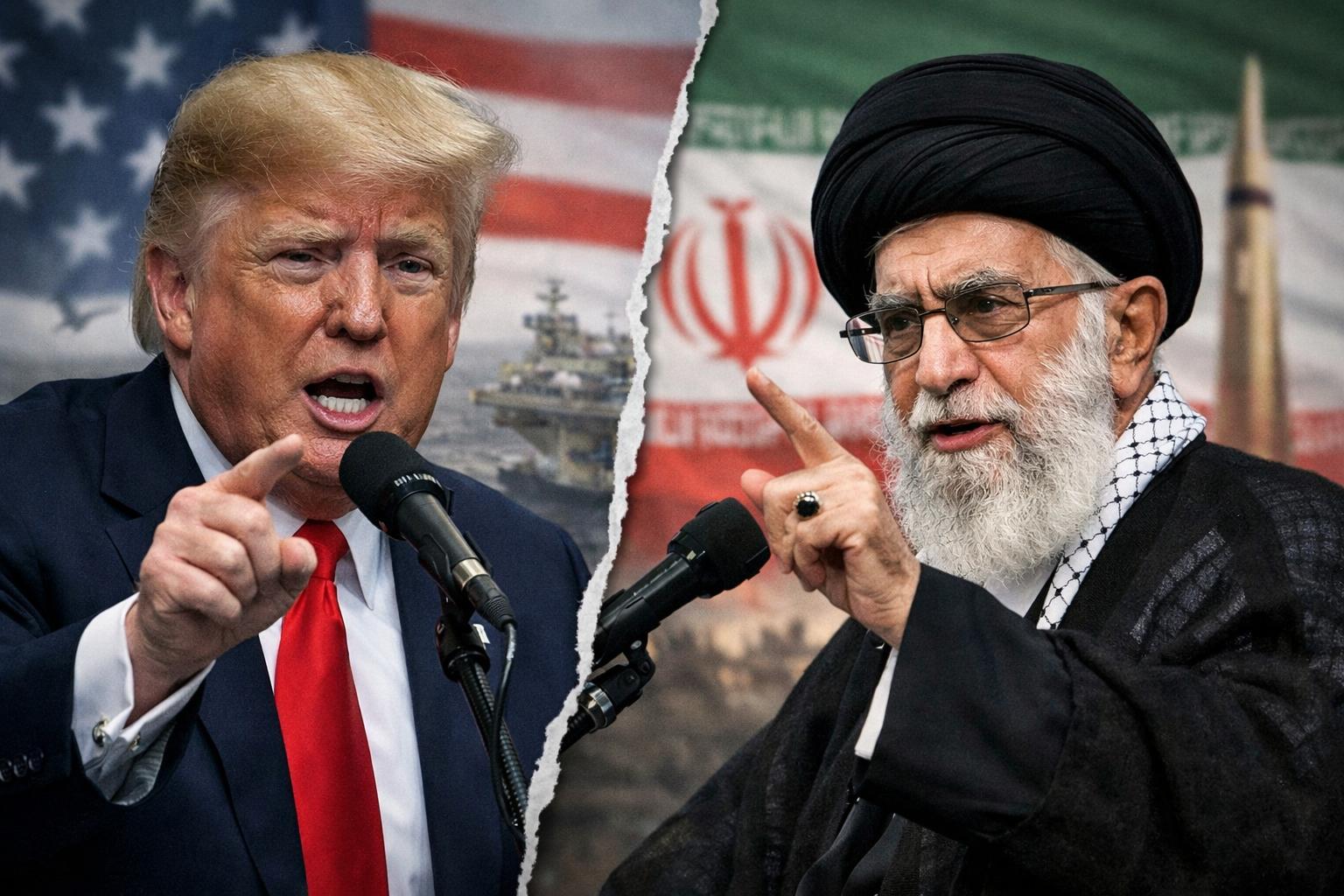
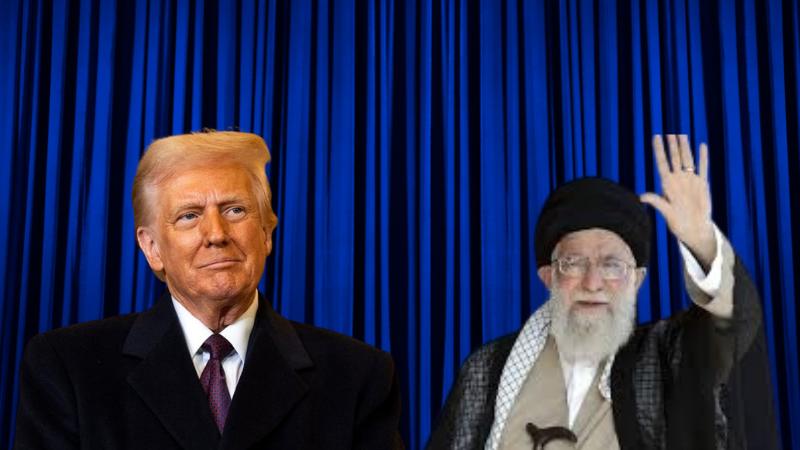
Trump and Khamenei exchange sharp warnings ahead of nuclear talks
Tensions between the United States and Iran intensified this week as both sides exchanged sharp rhetoric ahead of renewed diplomatic efforts over Tehran’s nuclear program. Former US President Donald Trump highlighted America’s military strength while Iran’s Supreme Leader Ali Khamenei issued a pointed warning, underscoring the fragile atmosphere surrounding the latest round of nuclear deal talks. The war of words escalated even before the second round of negotiations, which were mediat
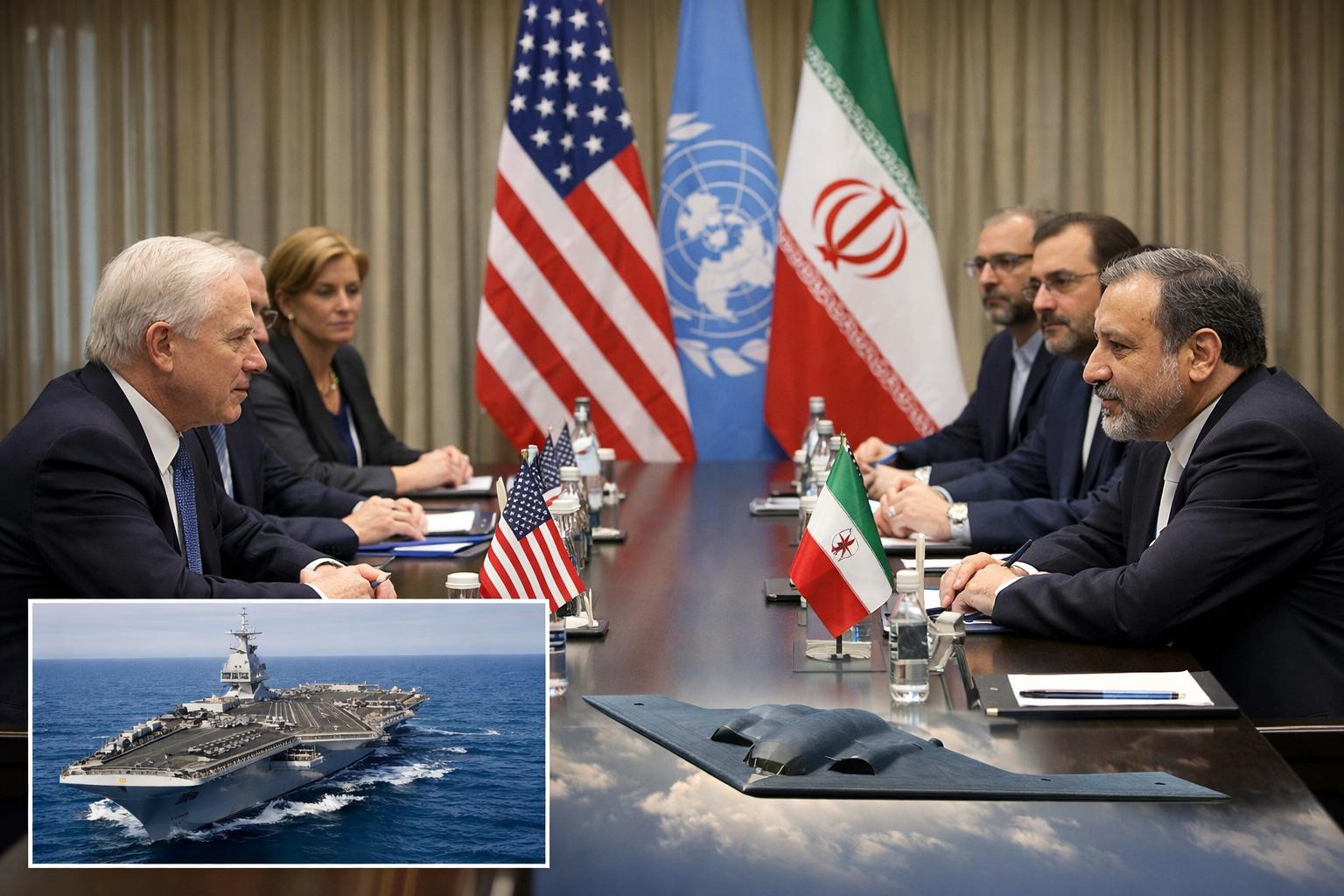
US and Iran hold second round of nuclear talks in Geneva
The second round of talks between the United States and Iran concluded in Geneva on Tuesday, with both sides signaling cautious optimism about the path forward. The Geneva meet, facilitated through Oman mediation, comes at a sensitive moment in US Iran relations, with diplomatic and military signals unfolding simultaneously across the Middle East. Speaking at the Conference on Disarmament, Iran FM Abbas Araghchi described the latest engagement as a potential turning point. He said a
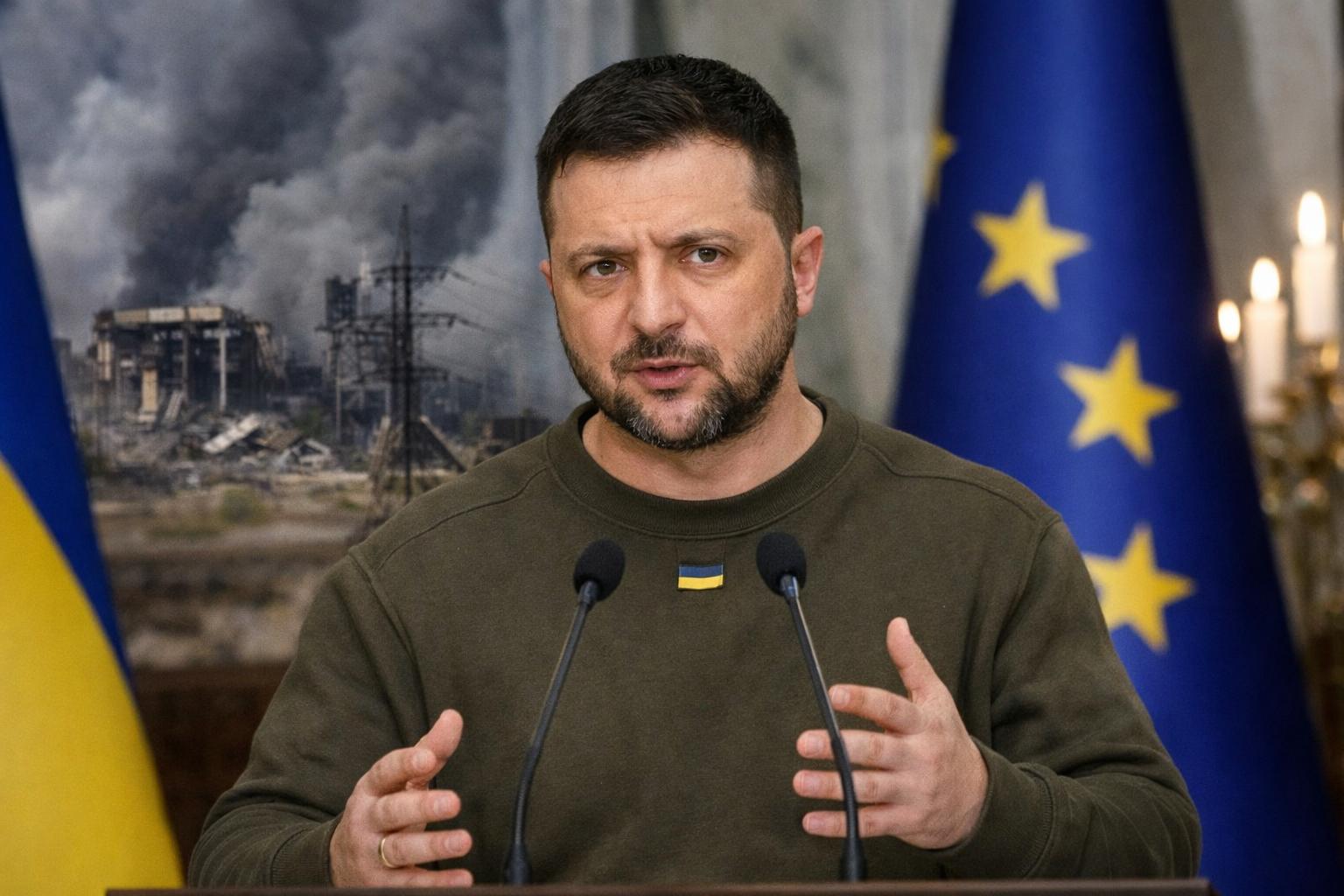
Zelensky warns of massive Russian attacks on Ukraine energy targets
Ukrainian President Volodymyr Zelensky on Monday warned that Russia is expected to continue launching large-scale strikes targeting Ukraine’s energy infrastructure, citing fresh intelligence assessments. The warning comes amid ongoing hostilities in the Ukraine war, now approaching its fourth year, and underscores growing concerns in Kyiv about the resilience of the country’s power grid during continued missile and drone attacks. Speaking about the latest intelligence findings, Zelensky
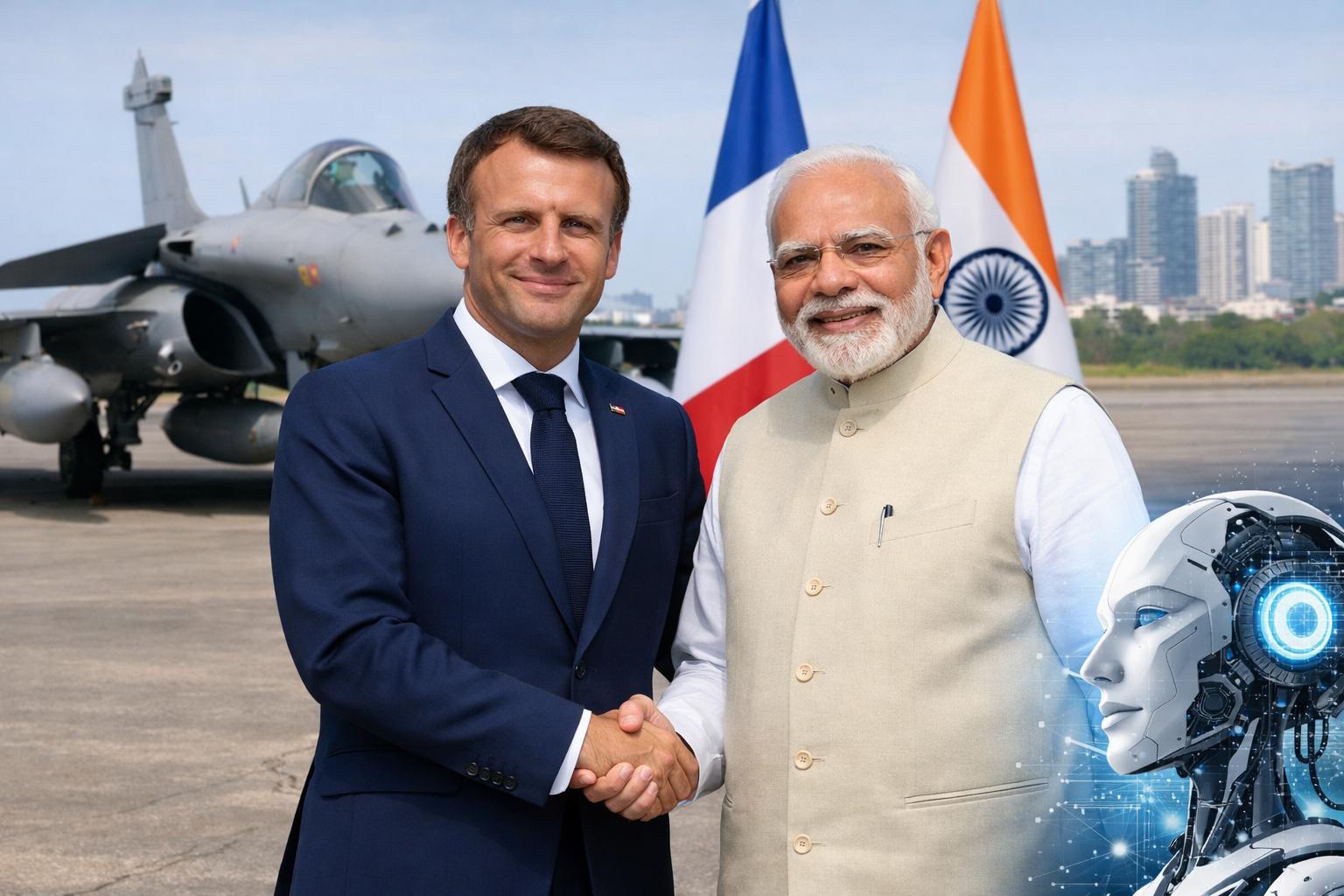
Macron begins India visit focusing on AI ties and Rafale jet deal
French President Emmanuel Macron is set to begin a three-day visit to India on Tuesday, with high-level discussions expected to focus on artificial intelligence cooperation and a potential multibillion-dollar agreement involving Dassault Aviation Rafale fighter jets. The visit underscores the growing India-France relations and reflects both countries’ efforts to strengthen their strategic partnership across defence, technology, and economic sectors. Macron, accompanied by his wife Brigitte