


































Pakistan commissions first Hangor-class submarine built in China
Pakistan submarine induction marks major naval boost Pakistan submarine induction marked a major milestone as the country commissioned its first Hangor-class submarine built in China. The ceremony was held in Sanya and attended by President Asif Ali Zardari and Naval Chief Admiral Naveed Ashraf. This move highlights strong China Pakistan defence cooperation and signals a major expansion in naval fleet capacity.
Pakistan commissions first Hangor-class submarine built in China
Pakistan submarine induction marks major naval boost Pakistan submarine induction marked a major milestone as the country commissioned its first Hangor-class submarine built in China. The ceremony was held in Sanya and attended by President Asif Ali Zardari and Naval Chief Admiral Naveed Ashraf. This move highlights strong China Pakistan defence cooperation and signals a major expansion in naval fleet capacity.
US naval blockade curbs Iran oil exports, raises floating crude stockpiles
The US naval blockade has sharply reduced Iran’s oil exports, forcing crude into floating storage as onshore capacity fills. Limited tanker movement and tracking blackouts obscure shipments, raising concerns over global supply transparency and market stability US naval blockade curbs Iran oil exports, raises floating crude stockpiles has significantly reduced Tehran’s oil shipments, leaving large volumes stranded at sea as storage capacity tightens. Analysts citing shipping data report that Iranian crude exports have dropped sharply due to heightened maritime restrictions and operational risks in key transit routes. According to data from oil analytics firm Vortexa, only a limited number of tankers carrying Iranian crude departed the Gulf of Oman between Sunday, April 13, 2026, and Friday, April 25, 2026. This decline underscores the growing impact of the blockade, which has disrupted traditional export channels and created uncertainty across global energy markets. The situation is further complicated by tanker operators switching off tracking systems to avoid detection, making it difficult to accurately measure export volumes. China remains Iran’s primary buyer, but the opacity surrounding shipments has increased as vessels attempt to evade monitoring systems. Analysts note that this lack of transparency could distort global supply assessments and complicate pricing trends in international oil markets. As Iranian onshore storage facilities reach capacity, more crude is being held on tankers, effectively turning them into floating storage units. The blockade’s ripple effects extend beyond oil logistics. Broader policy measures tied to the maritime restrictions have contributed to operational challenges within U.S. federal systems. Since Friday, February 14, 2026, certain agencies have faced funding interruptions, leading to disruptions including extended wait times at major U.S. airports. While a recent measure supported by President Donald Trump has reopened the Department of Homeland Security, it does not allocate additional funding for Immigration and Customs Enforcement or the U.S. Border Patrol. The evolving situation highlights the intersection of geopolitical strategy and global energy flows, with analysts warning that prolonged disruptions could tighten supply chains and influence oil prices worldwide.
US naval blockade curbs Iran oil exports, raises floating crude stockpiles
The US naval blockade has sharply reduced Iran’s oil exports, forcing crude into floating storage as onshore capacity fills. Limited tanker movement and tracking blackouts obscure shipments, raising concerns over global supply transparency and market stability US naval blockade curbs Iran oil exports, raises floating crude stockpiles has significantly reduced Tehran’s oil shipments, leaving large volumes stranded at sea as storage capacity tightens. Analysts citing shipping data report that Iranian crude exports have dropped sharply due to heightened maritime restrictions and operational risks in key transit routes. According to data from oil analytics firm Vortexa, only a limited number of tankers carrying Iranian crude departed the Gulf of Oman between Sunday, April 13, 2026, and Friday, April 25, 2026. This decline underscores the growing impact of the blockade, which has disrupted traditional export channels and created uncertainty across global energy markets. The situation is further complicated by tanker operators switching off tracking systems to avoid detection, making it difficult to accurately measure export volumes. China remains Iran’s primary buyer, but the opacity surrounding shipments has increased as vessels attempt to evade monitoring systems. Analysts note that this lack of transparency could distort global supply assessments and complicate pricing trends in international oil markets. As Iranian onshore storage facilities reach capacity, more crude is being held on tankers, effectively turning them into floating storage units. The blockade’s ripple effects extend beyond oil logistics. Broader policy measures tied to the maritime restrictions have contributed to operational challenges within U.S. federal systems. Since Friday, February 14, 2026, certain agencies have faced funding interruptions, leading to disruptions including extended wait times at major U.S. airports. While a recent measure supported by President Donald Trump has reopened the Department of Homeland Security, it does not allocate additional funding for Immigration and Customs Enforcement or the U.S. Border Patrol. The evolving situation highlights the intersection of geopolitical strategy and global energy flows, with analysts warning that prolonged disruptions could tighten supply chains and influence oil prices worldwide.
Is Trump’s Iran blockade complicating China talks? Yes, tensions rise
President Donald Trump has signaled his intention to maintain a naval blockade on Iranian shipping until Tehran meets U.S. demands, a move that is expected to keep the Strait of Hormuz effectively closed ahead of his planned visit to China. The decision introduces new complications for upcoming diplomatic
Is Trump’s Iran blockade complicating China talks? Yes, tensions rise
President Donald Trump has signaled his intention to maintain a naval blockade on Iranian shipping until Tehran meets U.S. demands, a move that is expected to keep the Strait of Hormuz effectively closed ahead of his planned visit to China. The decision introduces new complications for upcoming diplomatic
Putin and Trump discuss Iran tensions and Ukraine in lengthy phone call
Russian President Vladimir Putin and US President Donald Trump held a 90-minute call on Iran, Ukraine, and Gulf tensions, discussing ceasefire efforts, diplomacy, and possible US actions on Iranian ports. Putin and Trump discuss Iran tensions and Ukraine in lengthy phone call as Vladimir Putin held a phone conversation with Donald Trump addressing ongoing conflicts in West Asia and Ukraine, according to statements from the Kremlin. The discussion, confirmed by aide Yuri Ushakov on Wednesday, lasted more than 90 minutes and was described as both “frank” and “businesslike,” reflecting the seriousness of the geopolitical issues involved. A central topic of the conversation was the situation in Iran and the broader Persian Gulf. Putin reportedly welcomed Trump’s decision to extend a ceasefire involving Iran, emphasizing that the move could provide critical time for diplomatic negotiations and help reduce escalating tensions across the region. The call highlighted mutual concerns about stability in key global energy corridors and the potential consequences of prolonged conflict. According to a White House official, Trump also discussed strategies with U.S. oil companies to mitigate the economic and logistical impact of a possible long-term U.S. blockade targeting Iranian ports. The potential blockade, which could last for months, is part of broader efforts to pressure Tehran amid ongoing disputes over regional security and nuclear negotiations. During the conversation, Trump urged Iranian leadership to act swiftly, signaling that diplomatic opportunities remain open but limited. His remarks underscored Washington’s push for a negotiated agreement while maintaining pressure through economic and strategic measures. The exchange between the two leaders reflects continued engagement between the United States and Russia on key international crises, even amid broader tensions in bilateral relations.
Putin and Trump discuss Iran tensions and Ukraine in lengthy phone call
Russian President Vladimir Putin and US President Donald Trump held a 90-minute call on Iran, Ukraine, and Gulf tensions, discussing ceasefire efforts, diplomacy, and possible US actions on Iranian ports. Putin and Trump discuss Iran tensions and Ukraine in lengthy phone call as Vladimir Putin held a phone conversation with Donald Trump addressing ongoing conflicts in West Asia and Ukraine, according to statements from the Kremlin. The discussion, confirmed by aide Yuri Ushakov on Wednesday, lasted more than 90 minutes and was described as both “frank” and “businesslike,” reflecting the seriousness of the geopolitical issues involved. A central topic of the conversation was the situation in Iran and the broader Persian Gulf. Putin reportedly welcomed Trump’s decision to extend a ceasefire involving Iran, emphasizing that the move could provide critical time for diplomatic negotiations and help reduce escalating tensions across the region. The call highlighted mutual concerns about stability in key global energy corridors and the potential consequences of prolonged conflict. According to a White House official, Trump also discussed strategies with U.S. oil companies to mitigate the economic and logistical impact of a possible long-term U.S. blockade targeting Iranian ports. The potential blockade, which could last for months, is part of broader efforts to pressure Tehran amid ongoing disputes over regional security and nuclear negotiations. During the conversation, Trump urged Iranian leadership to act swiftly, signaling that diplomatic opportunities remain open but limited. His remarks underscored Washington’s push for a negotiated agreement while maintaining pressure through economic and strategic measures. The exchange between the two leaders reflects continued engagement between the United States and Russia on key international crises, even amid broader tensions in bilateral relations.
Trump signals tariff rollback to boost Scotland–Kentucky whiskey trade
President Donald Trump announced plans on Thursday, April 30, 2026, to remove tariffs affecting whiskey trade between Scotland and Kentucky, aiming to boost US-UK trade ties and support the Scotch whisky and bourbon industries. Trump signals tariff rollback to boost Scotland–Kentucky whiskey trade — Donald Trump announced on Thursday, April 30, 2026, that he intends t
Trump signals tariff rollback to boost Scotland–Kentucky whiskey trade
President Donald Trump announced plans on Thursday, April 30, 2026, to remove tariffs affecting whiskey trade between Scotland and Kentucky, aiming to boost US-UK trade ties and support the Scotch whisky and bourbon industries. Trump signals tariff rollback to boost Scotland–Kentucky whiskey trade — Donald Trump announced on Thursday, April 30, 2026, that he intends t
Iran confirmed for FIFA World Cup 2026 despite geopolitical tensions
FIFA confirmed Iran will play in the 2026 World Cup despite tensions with the U.S. Officials rejected relocation or replacement ideas. Iran missed the FIFA Congress after a Canada entry issue but remains set to compete in Group G. FIFA President Gianni Infantino has reaffirmed that Iran will participate in the
Iran confirmed for FIFA World Cup 2026 despite geopolitical tensions
FIFA confirmed Iran will play in the 2026 World Cup despite tensions with the U.S. Officials rejected relocation or replacement ideas. Iran missed the FIFA Congress after a Canada entry issue but remains set to compete in Group G. FIFA President Gianni Infantino has reaffirmed that Iran will participate in the
US pushes global coalition for Strait of Hormuz as Iran conflict disrupts oil trade
The United States is accelerating efforts to form a global coalition to secure the Strait of Hormuz, as the ongoing US-Iran conflict continues to disrupt critical shipping routes and drive volatility in global oil trade. The initiative, known as the Maritime Freedom Construct, aims to coordinate international maritime security, sanctions policy, and intelligence sharing to ensure safe navigation through one of the world’s most strategic waterways. The Strait of Hormuz, a narrow pa
US pushes global coalition for Strait of Hormuz as Iran conflict disrupts oil trade
The United States is accelerating efforts to form a global coalition to secure the Strait of Hormuz, as the ongoing US-Iran conflict continues to disrupt critical shipping routes and drive volatility in global oil trade. The initiative, known as the Maritime Freedom Construct, aims to coordinate international maritime security, sanctions policy, and intelligence sharing to ensure safe navigation through one of the world’s most strategic waterways. The Strait of Hormuz, a narrow pa
Trump Passport Plan Draws Satire From California Governor Newsom
California Governor Gavin Newsom has escalated his public criticism of Donald Trump by sharing another satirical design, this time featuring mock “limited edition” license plates bearing his own image. The post follows an earlier jab in which Newsom released a parody driver’s license design, both aim
Trump Passport Plan Draws Satire From California Governor Newsom
California Governor Gavin Newsom has escalated his public criticism of Donald Trump by sharing another satirical design, this time featuring mock “limited edition” license plates bearing his own image. The post follows an earlier jab in which Newsom released a parody driver’s license design, both aim
Trump Comments on Ukraine and Iran Wars Spark Confusion
US President Donald Trump drew attention during a recent press interaction after appearing to confuse details while discussing two major international conflicts. The exchange took place as Trump addressed reporters during an event linked to the Artemis II mission crew, where he was asked which conflict might conclude first: the prolonged Russia-Ukraine war or the ongoing tensions involving Iran and Israel. In response, Trump suggested that both situations could follow a similar timeline, stating that he was uncertain which would end sooner. However, his subsequent remarks raised questions as he began describing military conditions that appeared inconsistent or unclear in context. He claimed that Ukraine was militarily defeated, referencing significant naval and air losses, including statements about ships being destroyed and aircraft being eliminated. Trump also cited reductions in missile and drone capabilities, though his comments did not clearly distinguish whether he was referring to Ukraine or Iran at various points. This lack of clarity led to widespread attention, with observers noting the difficulty in separating his analysis of the two conflicts. The Russia-Ukraine war has continued for years with ongoing military engagements, while tensions involving Iran, Israel, and US involvement have added another layer of complexity to global security dynamics. Trump’s remarks came at a time when both conflicts remain active and under close international observation. The moment quickly gained traction due to the ambiguity in the president’s statements, highlighting the challenges of addressing multiple geopolitical crises simultaneously in public forums.
Trump Comments on Ukraine and Iran Wars Spark Confusion
US President Donald Trump drew attention during a recent press interaction after appearing to confuse details while discussing two major international conflicts. The exchange took place as Trump addressed reporters during an event linked to the Artemis II mission crew, where he was asked which conflict might conclude first: the prolonged Russia-Ukraine war or the ongoing tensions involving Iran and Israel. In response, Trump suggested that both situations could follow a similar timeline, stating that he was uncertain which would end sooner. However, his subsequent remarks raised questions as he began describing military conditions that appeared inconsistent or unclear in context. He claimed that Ukraine was militarily defeated, referencing significant naval and air losses, including statements about ships being destroyed and aircraft being eliminated. Trump also cited reductions in missile and drone capabilities, though his comments did not clearly distinguish whether he was referring to Ukraine or Iran at various points. This lack of clarity led to widespread attention, with observers noting the difficulty in separating his analysis of the two conflicts. The Russia-Ukraine war has continued for years with ongoing military engagements, while tensions involving Iran, Israel, and US involvement have added another layer of complexity to global security dynamics. Trump’s remarks came at a time when both conflicts remain active and under close international observation. The moment quickly gained traction due to the ambiguity in the president’s statements, highlighting the challenges of addressing multiple geopolitical crises simultaneously in public forums.
Trump Renames Strait of Hormuz Amid Rising US-Iran Tensions
US President Donald Trump has drawn attention after sharing a modified map referring to the Strait of Hormuz as the “Strait of Trump,” a move that comes amid escalating tensions and stalled negotiations with Iran. The strategic waterway remains a focal point in the ongoing standoff, with both sides maintaining a blockade despite a previously agreed ceasefire. Trump indicated that discussions to end the conflict are continuing remotely, describing them as telephonic due to logistical challenges. At the same time, Iran has attempted to revive dialogue by sending a proposal through Pakistan, facilitated by Foreign Minister Abbas Araghchi. However, indications suggest that the US administration is dissatisfied with the terms and is unlikely to accept the framework presented. The proposal reportedly outlined a three-stage approach, beginning with a complete cessation of hostilities, followed by lifting the naval blockade and restoring maritime traffic through the Strait of Hormuz. The final stage involved renewed negotiations over Iran’s nuclear program. Despite these efforts, talks remain at an impasse, with both sides maintaining firm positions. Trump defended the blockade, describing it as effective and emphasizing its economic impact on Iran. He stated that the pressure strategy would continue until Iran concedes. Meanwhile, energy markets reacted sharply, with Brent crude prices rising significantly, reflecting concerns over supply disruptions linked to the strategic route. The Strait of Hormuz remains critical to global oil flows, and its continued closure by both US and Iranian forces underscores the fragile state of the ceasefire. Diplomatic efforts have yet to regain momentum, leaving the situation uncertain as geopolitical and economic pressures continue to build.
Trump Renames Strait of Hormuz Amid Rising US-Iran Tensions
US President Donald Trump has drawn attention after sharing a modified map referring to the Strait of Hormuz as the “Strait of Trump,” a move that comes amid escalating tensions and stalled negotiations with Iran. The strategic waterway remains a focal point in the ongoing standoff, with both sides maintaining a blockade despite a previously agreed ceasefire. Trump indicated that discussions to end the conflict are continuing remotely, describing them as telephonic due to logistical challenges. At the same time, Iran has attempted to revive dialogue by sending a proposal through Pakistan, facilitated by Foreign Minister Abbas Araghchi. However, indications suggest that the US administration is dissatisfied with the terms and is unlikely to accept the framework presented. The proposal reportedly outlined a three-stage approach, beginning with a complete cessation of hostilities, followed by lifting the naval blockade and restoring maritime traffic through the Strait of Hormuz. The final stage involved renewed negotiations over Iran’s nuclear program. Despite these efforts, talks remain at an impasse, with both sides maintaining firm positions. Trump defended the blockade, describing it as effective and emphasizing its economic impact on Iran. He stated that the pressure strategy would continue until Iran concedes. Meanwhile, energy markets reacted sharply, with Brent crude prices rising significantly, reflecting concerns over supply disruptions linked to the strategic route. The Strait of Hormuz remains critical to global oil flows, and its continued closure by both US and Iranian forces underscores the fragile state of the ceasefire. Diplomatic efforts have yet to regain momentum, leaving the situation uncertain as geopolitical and economic pressures continue to build.
Iran Uranium Stockpile Mystery Deepens After US Strikes
The location of Iran’s enriched uranium stockpile remains uncertain nearly two months after US military strikes targeted key nuclear facilities, raising fresh concerns about transparency and oversight. The material, estimated at roughly 22,000 pounds, had steadily accumulated over years following the US withdrawal from the 2015 nuclear agreement. That deal had previously imposed strict limits on enrichment levels and stockpile size, effectively curbing Iran’s ability to produce weapons-grade material. Uranium enrichment remains central to the issue, as the process becomes significantly faster once higher purity levels are reached. While low enrichment supports civilian energy needs, higher concentrations can be used for nuclear weapons. Iran’s move to enrich uranium up to 60 percent in recent years placed it closer to that threshold, intensifying international concern. Efforts to revive diplomatic agreements failed, and subsequent escalation led to direct military action targeting facilities such as Natanz and Fordow, along with storage areas near Isfahan. Shortly after, Iran halted cooperation with international inspectors, effectively ending on-the-ground verification. Without access, monitoring now relies heavily on satellite surveillance, which cannot fully confirm the condition or location of nuclear materials. Experts suggest that even if Iran retains access to the stockpile, converting it into a functional weapon would require additional time and technical capacity. However, the absence of inspections creates uncertainty. Analysts warn that if portions of the uranium were relocated or secured in undisclosed sites, Iran could potentially resume enrichment activities without detection, complicating global efforts to assess the true state of its nuclear program.
Iran Uranium Stockpile Mystery Deepens After US Strikes
The location of Iran’s enriched uranium stockpile remains uncertain nearly two months after US military strikes targeted key nuclear facilities, raising fresh concerns about transparency and oversight. The material, estimated at roughly 22,000 pounds, had steadily accumulated over years following the US withdrawal from the 2015 nuclear agreement. That deal had previously imposed strict limits on enrichment levels and stockpile size, effectively curbing Iran’s ability to produce weapons-grade material. Uranium enrichment remains central to the issue, as the process becomes significantly faster once higher purity levels are reached. While low enrichment supports civilian energy needs, higher concentrations can be used for nuclear weapons. Iran’s move to enrich uranium up to 60 percent in recent years placed it closer to that threshold, intensifying international concern. Efforts to revive diplomatic agreements failed, and subsequent escalation led to direct military action targeting facilities such as Natanz and Fordow, along with storage areas near Isfahan. Shortly after, Iran halted cooperation with international inspectors, effectively ending on-the-ground verification. Without access, monitoring now relies heavily on satellite surveillance, which cannot fully confirm the condition or location of nuclear materials. Experts suggest that even if Iran retains access to the stockpile, converting it into a functional weapon would require additional time and technical capacity. However, the absence of inspections creates uncertainty. Analysts warn that if portions of the uranium were relocated or secured in undisclosed sites, Iran could potentially resume enrichment activities without detection, complicating global efforts to assess the true state of its nuclear program.
USS Gerald R. Ford Set to Leave Middle East After Record Deployment
The USS Gerald R. Ford, the US Navy’s newest aircraft carrier, is preparing to leave the Middle East after completing a record 309-day deployment, marking the longest continuous mission for a modern American carrier. The vessel is expected to return to its home port at Naval Station Norfolk, Virginia, around mid-May, concluding an extended operational period that has drawn attention from lawmakers and defense officials. The decision to bring the USS Ford back follows a demanding d
USS Gerald R. Ford Set to Leave Middle East After Record Deployment
The USS Gerald R. Ford, the US Navy’s newest aircraft carrier, is preparing to leave the Middle East after completing a record 309-day deployment, marking the longest continuous mission for a modern American carrier. The vessel is expected to return to its home port at Naval Station Norfolk, Virginia, around mid-May, concluding an extended operational period that has drawn attention from lawmakers and defense officials. The decision to bring the USS Ford back follows a demanding d
Iran Pushes Back on Trump’s Oil Warnings, Defends Export Capacity
The Speaker of Iran’s Parliament, Mohammad Bagher Ghalibaf, has rejected recent claims made by US President Donald Trump regarding the stability of Iran’s oil infrastructure. Responding to warnings that Iran’s oil facilities were nearing critical failure, Ghalibaf dismissed the remarks as inaccurate and politically motivated, stating that conditions on the ground do not support such assessments. He emphasized that several days have passed without any reported incidents and suggested that extended monitoring could further demonstrate the resilience of Iran’s oil sector. Ghalibaf also criticized the broader economic reasoning behind US policy measures, arguing that sanctions-based strategies have produced unintended consequences. He stated that approaches centered on economic pressure have contributed to rising oil prices rather than stabilizing global markets. According to his remarks, such policies reflect not only flawed strategies but also a deeper issue in decision-making. The exchange follows recent developments in US policy toward Iranian oil exports. Washington moved to temporarily ease restrictions on a significant volume of Iranian crude already stored on tankers, allowing limited transactions involving existing shipments. US officials described the move as a calculated effort to influence oil markets while maintaining restrictions on new production or expanded trade. Earlier, Trump had suggested that storage limitations and sanctions pressure could lead to disruptions in Iran’s oil infrastructure. However, Iranian officials have consistently maintained that both land-based and offshore storage capacities remain sufficient to manage production and exports. They argue that the country’s energy sector continues to operate within manageable limits despite ongoing sanctions. The situation highlights continuing tensions between Tehran and Washington over energy policy and economic measures. As both sides present differing assessments, the broader impact on global oil markets and geopolitical stability remains closely watched.
Iran Pushes Back on Trump’s Oil Warnings, Defends Export Capacity
The Speaker of Iran’s Parliament, Mohammad Bagher Ghalibaf, has rejected recent claims made by US President Donald Trump regarding the stability of Iran’s oil infrastructure. Responding to warnings that Iran’s oil facilities were nearing critical failure, Ghalibaf dismissed the remarks as inaccurate and politically motivated, stating that conditions on the ground do not support such assessments. He emphasized that several days have passed without any reported incidents and suggested that extended monitoring could further demonstrate the resilience of Iran’s oil sector. Ghalibaf also criticized the broader economic reasoning behind US policy measures, arguing that sanctions-based strategies have produced unintended consequences. He stated that approaches centered on economic pressure have contributed to rising oil prices rather than stabilizing global markets. According to his remarks, such policies reflect not only flawed strategies but also a deeper issue in decision-making. The exchange follows recent developments in US policy toward Iranian oil exports. Washington moved to temporarily ease restrictions on a significant volume of Iranian crude already stored on tankers, allowing limited transactions involving existing shipments. US officials described the move as a calculated effort to influence oil markets while maintaining restrictions on new production or expanded trade. Earlier, Trump had suggested that storage limitations and sanctions pressure could lead to disruptions in Iran’s oil infrastructure. However, Iranian officials have consistently maintained that both land-based and offshore storage capacities remain sufficient to manage production and exports. They argue that the country’s energy sector continues to operate within manageable limits despite ongoing sanctions. The situation highlights continuing tensions between Tehran and Washington over energy policy and economic measures. As both sides present differing assessments, the broader impact on global oil markets and geopolitical stability remains closely watched.
Trump Calls for “Surgical” Action as Israel-Hezbollah Conflict Intensifies
US President Donald Trump has urged Israeli Prime Minister Benjamin Netanyahu to limit military operations in Lebanon to targeted actions, emphasizing restraint as tensions with Hezbollah continue to escalate. According to remarks made during a recent interview, Trump advised against large-scale strikes, stating that extensive destruction risks undermining Israel’s international image. His comments come as a fragile ceasefire between Israel and Lebanon shows signs of weakening ahead of its expected expiration. Despite ongoing diplomatic efforts, clashes between Israeli forces and Hezbollah have persisted. Hezbollah has continued launching rockets and drones toward Israeli territory, while Israel has responded with expanded airstrikes and maintained a military presence in parts of southern Lebanon. Israeli officials have indicated the need for a stronger response, citing security concerns, while US officials have urged caution to avoid further escalation. Trump reportedly held frequent discussions with Netanyahu, during which the Israeli leader outlined the challenges of responding to continued attacks. Trump reiterated his position that military actions should remain precise and proportionate, arguing that broader strikes could complicate diplomatic efforts and regional stability. He also expressed a positive view of Lebanon’s leadership, suggesting that the country has the potential to recover despite ongoing instability. US officials have framed Hezbollah’s actions as an attempt to provoke a wider conflict and disrupt negotiations. Washington has continued to advocate for restraint while pursuing diplomatic channels aimed at reducing tensions. Efforts have included discussions involving Israeli and Lebanese representatives, although progress toward a formal agreement remains limited. The situation highlights the delicate balance between security concerns and diplomatic engagement in the region. As the ceasefire continues to erode, international pressure is mounting to prevent a broader conflict while maintaining efforts to stabilize relations between Israel and Lebanon.
Trump Calls for “Surgical” Action as Israel-Hezbollah Conflict Intensifies
US President Donald Trump has urged Israeli Prime Minister Benjamin Netanyahu to limit military operations in Lebanon to targeted actions, emphasizing restraint as tensions with Hezbollah continue to escalate. According to remarks made during a recent interview, Trump advised against large-scale strikes, stating that extensive destruction risks undermining Israel’s international image. His comments come as a fragile ceasefire between Israel and Lebanon shows signs of weakening ahead of its expected expiration. Despite ongoing diplomatic efforts, clashes between Israeli forces and Hezbollah have persisted. Hezbollah has continued launching rockets and drones toward Israeli territory, while Israel has responded with expanded airstrikes and maintained a military presence in parts of southern Lebanon. Israeli officials have indicated the need for a stronger response, citing security concerns, while US officials have urged caution to avoid further escalation. Trump reportedly held frequent discussions with Netanyahu, during which the Israeli leader outlined the challenges of responding to continued attacks. Trump reiterated his position that military actions should remain precise and proportionate, arguing that broader strikes could complicate diplomatic efforts and regional stability. He also expressed a positive view of Lebanon’s leadership, suggesting that the country has the potential to recover despite ongoing instability. US officials have framed Hezbollah’s actions as an attempt to provoke a wider conflict and disrupt negotiations. Washington has continued to advocate for restraint while pursuing diplomatic channels aimed at reducing tensions. Efforts have included discussions involving Israeli and Lebanese representatives, although progress toward a formal agreement remains limited. The situation highlights the delicate balance between security concerns and diplomatic engagement in the region. As the ceasefire continues to erode, international pressure is mounting to prevent a broader conflict while maintaining efforts to stabilize relations between Israel and Lebanon.
Putin Proposes Ukraine Ceasefire as He Speaks With Trump on Global Crises
Russian President Vladimir Putin and US President Donald Trump held a phone call on Wednesday, discussing key global issues including the ongoing Ukraine war and rising tensions in the Middle East. The conversation, which lasted approximately 90 minutes, marked their first known direct contact since March and reflected continued diplomatic engagement between the two countries. According to Kremlin aide Yuri Ushakov, both leaders focused extensively on developments in the Middle East, particularly the situation involving Iran and the broader Persian Gulf region. Ushakov said Putin supported Trump’s decision to extend a ceasefire with Iran, noting that such a move could create space for negotiations and contribute to regional stability. The discussion also included specific proposals from Russia regarding Iran, though details were not publicly disclosed. The Ukraine conflict was another central topic of the call. Putin reportedly expressed readiness to declare a temporary ceasefire to coincide with Russia’s Victory Day on May 9, an annual commemoration of the Soviet Union’s victory in World War II. The proposal is seen as a symbolic gesture tied to a major national observance, although its broader implications remain unclear. During the call, Putin also condemned the recent shooting at the White House Correspondents’ Association dinner and conveyed support in response to the incident. Additionally, he extended birthday greetings to Melania Trump and acknowledged her efforts in humanitarian matters, including initiatives aimed at reconnecting families affected by the Russia-Ukraine conflict. Victory Day, observed annually in Moscow with a military parade, will reportedly be scaled back this year due to security concerns, including potential threats of retaliatory strikes. The call highlights ongoing dialogue between the two leaders amid complex geopolitical challenges.
Putin Proposes Ukraine Ceasefire as He Speaks With Trump on Global Crises
Russian President Vladimir Putin and US President Donald Trump held a phone call on Wednesday, discussing key global issues including the ongoing Ukraine war and rising tensions in the Middle East. The conversation, which lasted approximately 90 minutes, marked their first known direct contact since March and reflected continued diplomatic engagement between the two countries. According to Kremlin aide Yuri Ushakov, both leaders focused extensively on developments in the Middle East, particularly the situation involving Iran and the broader Persian Gulf region. Ushakov said Putin supported Trump’s decision to extend a ceasefire with Iran, noting that such a move could create space for negotiations and contribute to regional stability. The discussion also included specific proposals from Russia regarding Iran, though details were not publicly disclosed. The Ukraine conflict was another central topic of the call. Putin reportedly expressed readiness to declare a temporary ceasefire to coincide with Russia’s Victory Day on May 9, an annual commemoration of the Soviet Union’s victory in World War II. The proposal is seen as a symbolic gesture tied to a major national observance, although its broader implications remain unclear. During the call, Putin also condemned the recent shooting at the White House Correspondents’ Association dinner and conveyed support in response to the incident. Additionally, he extended birthday greetings to Melania Trump and acknowledged her efforts in humanitarian matters, including initiatives aimed at reconnecting families affected by the Russia-Ukraine conflict. Victory Day, observed annually in Moscow with a military parade, will reportedly be scaled back this year due to security concerns, including potential threats of retaliatory strikes. The call highlights ongoing dialogue between the two leaders amid complex geopolitical challenges.
Zohran Mamdani Calls for Kohinoor Diamond Return Ahead of Royal Visit
Zohran Mamdani has renewed debate over colonial history by suggesting that any future meeting with King Charles III should include a discussion about the return of the Kohinoor diamond. Speaking at a press conference in New York, Mamdani said he would encourage the British monarch to consider returning the historic gemstone, widely regarded in India as a symbol of colonial-era exploitation. His remarks come ahead of King Charles and Queen Camilla’s planned visit to the One World Trade Center to mark the 25th anniversary of the September 11 attacks, an event Mamdani is expected to attend. The Kohinoor diamond, originally mined in southern India, passed through several South Asian empires before being taken by the British East India Company in 1849 after the Second Anglo-Sikh War. It was formally transferred under the Treaty of Lahore, signed by Maharaja Duleep Singh, and later became part of the British Crown Jewels. Today, the 105.6-carat diamond remains displayed in the Tower of London, continuing to draw attention as a contested artifact. Mamdani’s comments place the issue within a broader international movement seeking the return of cultural heritage objects held in Western institutions. Similar demands have been made by Greece for the Elgin Marbles and by Nigeria for the Benin Bronzes. While British authorities maintain the Kohinoor was acquired legally, critics argue the agreement occurred under coercive conditions. By raising the issue in a diplomatic context, Mamdani has shifted the conversation beyond ceremony, highlighting ongoing questions of historical accountability and the legacy of empire.
Zohran Mamdani Calls for Kohinoor Diamond Return Ahead of Royal Visit
Zohran Mamdani has renewed debate over colonial history by suggesting that any future meeting with King Charles III should include a discussion about the return of the Kohinoor diamond. Speaking at a press conference in New York, Mamdani said he would encourage the British monarch to consider returning the historic gemstone, widely regarded in India as a symbol of colonial-era exploitation. His remarks come ahead of King Charles and Queen Camilla’s planned visit to the One World Trade Center to mark the 25th anniversary of the September 11 attacks, an event Mamdani is expected to attend. The Kohinoor diamond, originally mined in southern India, passed through several South Asian empires before being taken by the British East India Company in 1849 after the Second Anglo-Sikh War. It was formally transferred under the Treaty of Lahore, signed by Maharaja Duleep Singh, and later became part of the British Crown Jewels. Today, the 105.6-carat diamond remains displayed in the Tower of London, continuing to draw attention as a contested artifact. Mamdani’s comments place the issue within a broader international movement seeking the return of cultural heritage objects held in Western institutions. Similar demands have been made by Greece for the Elgin Marbles and by Nigeria for the Benin Bronzes. While British authorities maintain the Kohinoor was acquired legally, critics argue the agreement occurred under coercive conditions. By raising the issue in a diplomatic context, Mamdani has shifted the conversation beyond ceremony, highlighting ongoing questions of historical accountability and the legacy of empire.
India, Iran discuss ceasefire stability and Strait of Hormuz security
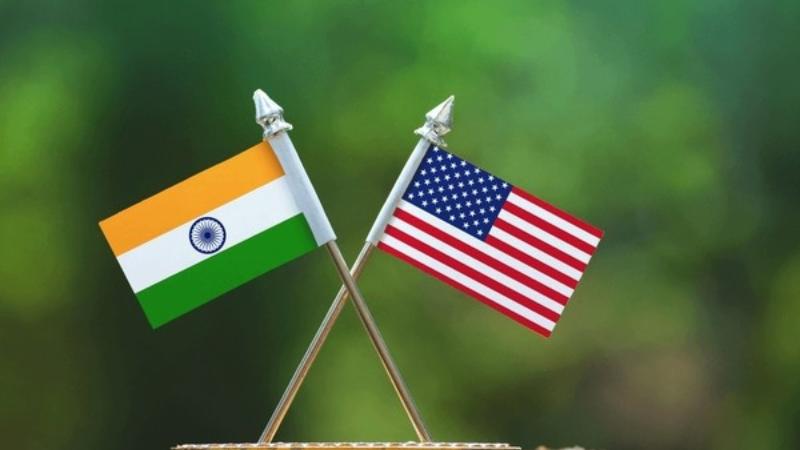
India and Iran held talks on April 29, 2026, on ceasefire stability, Strait of Hormuz security, and trade impact. Both stressed diplomacy and continued coordination as regional tensions remain high despite the fragile truce. India, Iran discuss ceasefire stability and Strait of Hormuz security as External Affairs Minister Dr. S. Jaishankar and Iranian Foreign Minister Abbas Araghchi held talks on Wednesday, April 29, 2026, focusing on the evolving security situation in Tehran and across the region. The discussion comes at a critical moment as the international community monitors a fragile two-week ceasefire involving Iran and a U.S.-Israel coalition, brokered earlier in April. According to an official statement, both leaders exchanged views on recent developments related to the ceasefire while also reviewing bilateral relations and broader regional security concerns. A central issue in the dialogue was the stability of the Strait of Hormuz, a key global shipping route through which nearly 90% of India’s liquefied petroleum gas imports pass, underscoring its economic significance for New Delhi. Officials familiar with the talks indicated that both sides emphasized the need to ensure uninterrupted freedom of navigation in the region. Iran reportedly shared updates on its proposed 10-point peace framework, while India reiterated its longstanding position that de-escalation, sustained dialogue, and diplomatic engagement remain essential to achieving lasting stability in West Asia. Beyond immediate security concerns, the ministers also reviewed ongoing bilateral initiatives, including the development of Chabahar Port. The project remains strategically important for India as it provides access to Central Asian markets, even as regional tensions pose logistical and security challenges. The conversation also addressed the broader impact of the conflict on global trade networks. Jaishankar highlighted concerns over prolonged instability, noting its disruptive effects on supply chains and economic activity. He emphasized that India continues to engage with multiple stakeholders in an effort to prevent escalation and support regional stability. The diplomatic exchange follows a period of heightened pressure from the administration of Donald Trump, which had issued strong warnings to Tehran over maritime disruptions. Although a ceasefire was implemented on Tuesday, April 8, 2026, tensions persist, with continued rhetoric from various factions raising concerns about its durability. As the ceasefire enters a sensitive phase, both ministers agreed to remain in close and frequent contact to monitor developments. For India, maintaining stability in the region is not only a strategic priority but also a critical economic necessity tied to energy security and trade continuity.
India, Iran discuss ceasefire stability and Strait of Hormuz security
India and Iran held talks on April 29, 2026, on ceasefire stability, Strait of Hormuz security, and trade impact. Both stressed diplomacy and continued coordination as regional tensions remain high despite the fragile truce. India, Iran discuss ceasefire stability and Strait of Hormuz security as External Affairs Minister Dr. S. Jaishankar and Iranian Foreign Minister Abbas Araghchi held talks on Wednesday, April 29, 2026, focusing on the evolving security situation in Tehran and across the region. The discussion comes at a critical moment as the international community monitors a fragile two-week ceasefire involving Iran and a U.S.-Israel coalition, brokered earlier in April. According to an official statement, both leaders exchanged views on recent developments related to the ceasefire while also reviewing bilateral relations and broader regional security concerns. A central issue in the dialogue was the stability of the Strait of Hormuz, a key global shipping route through which nearly 90% of India’s liquefied petroleum gas imports pass, underscoring its economic significance for New Delhi. Officials familiar with the talks indicated that both sides emphasized the need to ensure uninterrupted freedom of navigation in the region. Iran reportedly shared updates on its proposed 10-point peace framework, while India reiterated its longstanding position that de-escalation, sustained dialogue, and diplomatic engagement remain essential to achieving lasting stability in West Asia. Beyond immediate security concerns, the ministers also reviewed ongoing bilateral initiatives, including the development of Chabahar Port. The project remains strategically important for India as it provides access to Central Asian markets, even as regional tensions pose logistical and security challenges. The conversation also addressed the broader impact of the conflict on global trade networks. Jaishankar highlighted concerns over prolonged instability, noting its disruptive effects on supply chains and economic activity. He emphasized that India continues to engage with multiple stakeholders in an effort to prevent escalation and support regional stability. The diplomatic exchange follows a period of heightened pressure from the administration of Donald Trump, which had issued strong warnings to Tehran over maritime disruptions. Although a ceasefire was implemented on Tuesday, April 8, 2026, tensions persist, with continued rhetoric from various factions raising concerns about its durability. As the ceasefire enters a sensitive phase, both ministers agreed to remain in close and frequent contact to monitor developments. For India, maintaining stability in the region is not only a strategic priority but also a critical economic necessity tied to energy security and trade continuity.
Oil prices surge over 6% as Trump maintains naval blockade on Iran
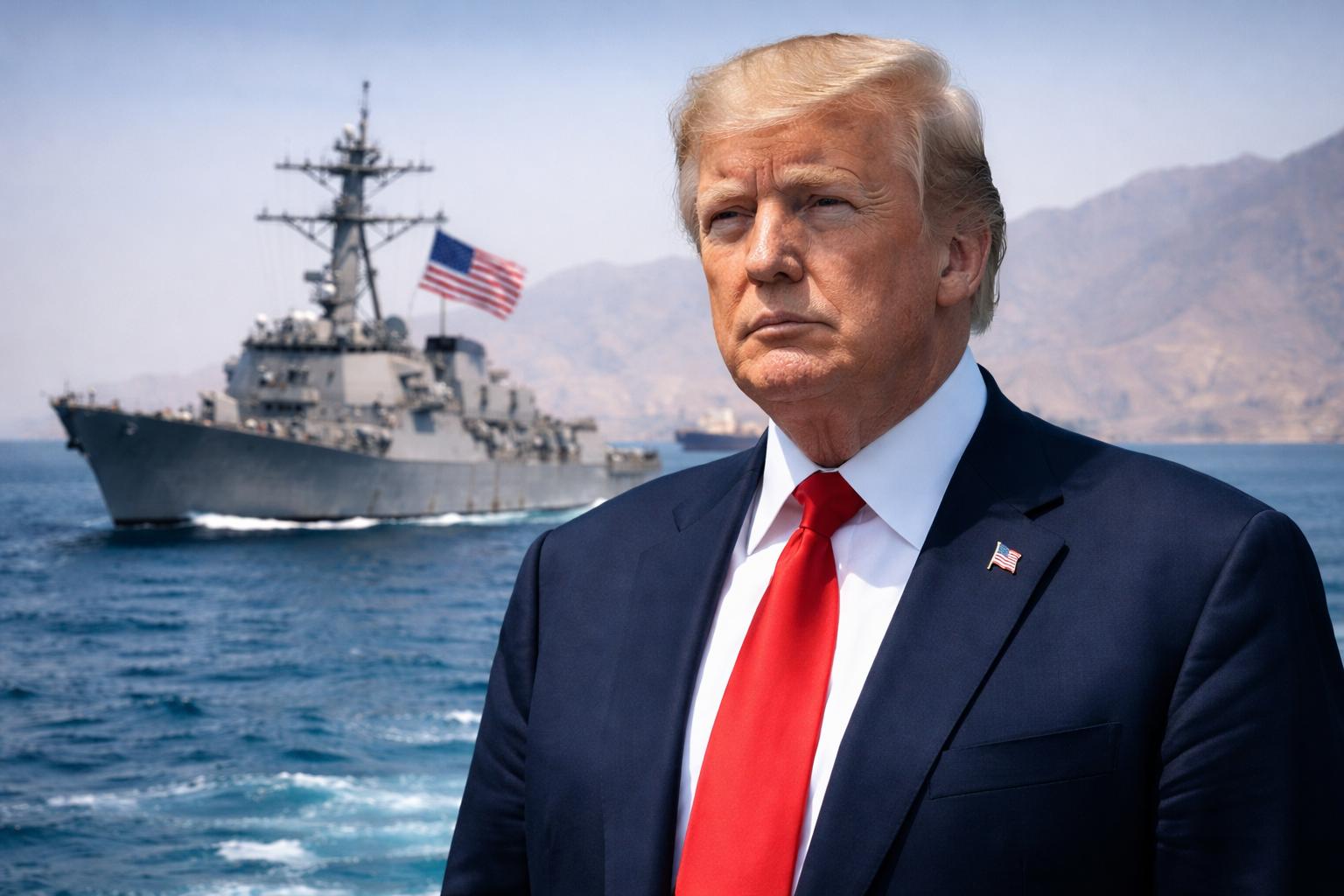
Oil prices jumped over 6% after President Donald Trump confirmed the U.S. will maintain its blockade on Iran, raising concerns over disrupted supply and escalating tensions in the Strait of Hormuz. Oil prices surge over 6% as Trump maintains naval blockade on Iran, sending shockwaves through global energy markets and intensifying concerns about supply disruptions in the Middle East. By 12:10 PM Eastern Time on Wednesday April 29, 2026, international benchmark Brent crude futures climbed more than 6% to $118.33 per barrel, while U.S. West Texas Intermediate futures rose over 6% to $106.37 per barrel. The sharp increase followed comments from Donald Trump, who confirmed that the United States would continue its naval blockade against Iran until a nuclear agreement is reached. Trump described the blockade as highly effective, signaling a firm stance amid stalled diplomatic efforts. Negotiations aimed at easing tensions have made little progress in recent days, further escalating uncertainty in global markets. Iran has refused to reopen the Strait of Hormuz—a critical passage for global oil shipments—unless the United States lifts its blockade. Tehran’s control over the strait has significantly restricted oil exports from the region, tightening supply and driving prices higher. Market analysts note that developments in the Persian Gulf remain the dominant factor influencing oil price volatility. Adding to market complexity, the United Arab Emirates recently announced its decision to exit OPEC. While strategists at ING described the move as a substantial setback for the producer alliance, they indicated its immediate impact on prices would likely be limited compared to ongoing geopolitical tensions. Analysts suggest that while the UAE’s departure could weaken OPEC’s long-term influence, the near-term trajectory of oil markets will depend largely on whether oil flows resume through the Strait of Hormuz. Until then, geopolitical risks and supply constraints are expected to keep prices elevated and markets volatile.
Oil prices surge over 6% as Trump maintains naval blockade on Iran
Oil prices jumped over 6% after President Donald Trump confirmed the U.S. will maintain its blockade on Iran, raising concerns over disrupted supply and escalating tensions in the Strait of Hormuz. Oil prices surge over 6% as Trump maintains naval blockade on Iran, sending shockwaves through global energy markets and intensifying concerns about supply disruptions in the Middle East. By 12:10 PM Eastern Time on Wednesday April 29, 2026, international benchmark Brent crude futures climbed more than 6% to $118.33 per barrel, while U.S. West Texas Intermediate futures rose over 6% to $106.37 per barrel. The sharp increase followed comments from Donald Trump, who confirmed that the United States would continue its naval blockade against Iran until a nuclear agreement is reached. Trump described the blockade as highly effective, signaling a firm stance amid stalled diplomatic efforts. Negotiations aimed at easing tensions have made little progress in recent days, further escalating uncertainty in global markets. Iran has refused to reopen the Strait of Hormuz—a critical passage for global oil shipments—unless the United States lifts its blockade. Tehran’s control over the strait has significantly restricted oil exports from the region, tightening supply and driving prices higher. Market analysts note that developments in the Persian Gulf remain the dominant factor influencing oil price volatility. Adding to market complexity, the United Arab Emirates recently announced its decision to exit OPEC. While strategists at ING described the move as a substantial setback for the producer alliance, they indicated its immediate impact on prices would likely be limited compared to ongoing geopolitical tensions. Analysts suggest that while the UAE’s departure could weaken OPEC’s long-term influence, the near-term trajectory of oil markets will depend largely on whether oil flows resume through the Strait of Hormuz. Until then, geopolitical risks and supply constraints are expected to keep prices elevated and markets volatile.
How has the West Asia war disrupted South Asia? Supply chains strained across region
The war in West Asia and disruptions in the Strait of Hormuz have triggered widespread supply chain instability across South Asia, affecting energy security, economic stability, and regional cooperation. Countries across the subcontinent, heavily reliant on hydrocarbon imports from West Asia, are facing rising costs, reduced industrial competitiveness, and increased household expenditures as critical supply routes remain constrained. Fuel shortages and economic strain acros
How has the West Asia war disrupted South Asia? Supply chains strained across region
The war in West Asia and disruptions in the Strait of Hormuz have triggered widespread supply chain instability across South Asia, affecting energy security, economic stability, and regional cooperation. Countries across the subcontinent, heavily reliant on hydrocarbon imports from West Asia, are facing rising costs, reduced industrial competitiveness, and increased household expenditures as critical supply routes remain constrained. Fuel shortages and economic strain acros
What defines JRD Tata’s legacy? A life of service over ownership
A life of service over ownership JRD Tata’s legacy offers a striking contrast to modern perceptions of wealth and leadership. As one of India’s most influential industrialists, he led the Tata Group for over five decades, yet chose to live in a rented residence rather than accumulate personal assets. His approach reflected a philosophy that prioritized responsibility, ethics, and long-term impact over visible displays of success. Leadership that expanded an industrial empire Under JRD Tata’s leadership, the Tata Group evolved into one of India’s most significant industrial conglomerates, spanning sectors such as steel, aviation, power, and chemicals. His tenure marked a period of sustained growth and modernization, contributing to the country’s economic development. Rather than focusing on personal gain, he emphasized institutional strength, innovation, and employee welfare, setting standards that influenced corporate governance across industries. Simplicity as a leadership principle JRD Tata’s personal lifestyle remained notably modest despite his professional stature. He lived in a rented bungalow in Mumbai for decades, demonstrating that leadership did not require material excess. His daily life reflected discipline and humility, reinforcing the idea that influence comes from actions and values rather than possessions. This approach continues to resonate in discussions about ethical leadership and sustainable success. Impact measured beyond wealth The scale of JRD Tata’s impact is reflected not only in business expansion but also in the opportunities created for thousands of employees and communities. His leadership helped build institutions that continue to operate globally, shaping industries and contributing to economic stability. For many observers, his legacy represents a model where success is defined by contribution rather than ownership. A lasting example for global audiences For audiences in the United States and beyond, JRD Taa’s story provides a broader perspective on leadership in a global context. His life underscores the importance of purpose-driven decision-making and challenges assumptions about the relationship between wealth and success. In an era where corporate influence is closely examined, his example remains relevant as a benchmark for integrity and long-term vision.
What defines JRD Tata’s legacy? A life of service over ownership
A life of service over ownership JRD Tata’s legacy offers a striking contrast to modern perceptions of wealth and leadership. As one of India’s most influential industrialists, he led the Tata Group for over five decades, yet chose to live in a rented residence rather than accumulate personal assets. His approach reflected a philosophy that prioritized responsibility, ethics, and long-term impact over visible displays of success. Leadership that expanded an industrial empire Under JRD Tata’s leadership, the Tata Group evolved into one of India’s most significant industrial conglomerates, spanning sectors such as steel, aviation, power, and chemicals. His tenure marked a period of sustained growth and modernization, contributing to the country’s economic development. Rather than focusing on personal gain, he emphasized institutional strength, innovation, and employee welfare, setting standards that influenced corporate governance across industries. Simplicity as a leadership principle JRD Tata’s personal lifestyle remained notably modest despite his professional stature. He lived in a rented bungalow in Mumbai for decades, demonstrating that leadership did not require material excess. His daily life reflected discipline and humility, reinforcing the idea that influence comes from actions and values rather than possessions. This approach continues to resonate in discussions about ethical leadership and sustainable success. Impact measured beyond wealth The scale of JRD Tata’s impact is reflected not only in business expansion but also in the opportunities created for thousands of employees and communities. His leadership helped build institutions that continue to operate globally, shaping industries and contributing to economic stability. For many observers, his legacy represents a model where success is defined by contribution rather than ownership. A lasting example for global audiences For audiences in the United States and beyond, JRD Taa’s story provides a broader perspective on leadership in a global context. His life underscores the importance of purpose-driven decision-making and challenges assumptions about the relationship between wealth and success. In an era where corporate influence is closely examined, his example remains relevant as a benchmark for integrity and long-term vision.


