


































Israel says Hamas intelligence leader killed in Gaza strike
Israel says it killed a senior Hamas intelligence leader involved in planning the October 7 attack, as violence continues in Gaza despite a ceasefire, with reports of additional casualties from a separate drone strike. The Israel Defense Forces said on Wednesday, April 29, 2026, that Iyad Ahmed Abd al Rahman Shambari, a senior figure in Hamas’s military intelligence wing, was killed in the Gaza Strip. According to the IDF, Shambari led the operations department within Hamas military intelligence and played a key role in planning the October 7, 2023, attack on Israel that triggered the ongoing war. The IDF statement did not specify the exact time of the strike or provide additional operational details. The Israeli military has repeatedly targeted senior Hamas figures as part of its broader campaign in Gaza following the large-scale assault that prompted Israel’s ground offensive in the enclave. A ceasefire announced on Friday, October 10, 2025, has largely reduced large-scale combat, but violence has continued across Gaza. The Gaza health ministry, which operates under Hamas authority, reported that at least 818 Palestinians have been killed since the truce began. The United Nations has previously considered such figures broadly reliable, though independent verification remains limited. Separately, Gaza’s civil defense agency said four people were killed and six others injured in a drone strike targeting a vehicle in the western Al Rimal neighborhood of Gaza City. A Gaza security official identified two of the victims as Hamas commander Iyad al Shanbari and his son Salah. The identities of the other two individuals were not disclosed. There was no immediate independent confirmation of the identities of those killed in that strike. The IDF has not publicly commented on the specific incident described by local authorities. The developments underscore ongoing instability in Gaza despite the ceasefire, with sporadic strikes and casualties continuing to be reported.
Israel says Hamas intelligence leader killed in Gaza strike
Israel says it killed a senior Hamas intelligence leader involved in planning the October 7 attack, as violence continues in Gaza despite a ceasefire, with reports of additional casualties from a separate drone strike. The Israel Defense Forces said on Wednesday, April 29, 2026, that Iyad Ahmed Abd al Rahman Shambari, a senior figure in Hamas’s military intelligence wing, was killed in the Gaza Strip. According to the IDF, Shambari led the operations department within Hamas military intelligence and played a key role in planning the October 7, 2023, attack on Israel that triggered the ongoing war. The IDF statement did not specify the exact time of the strike or provide additional operational details. The Israeli military has repeatedly targeted senior Hamas figures as part of its broader campaign in Gaza following the large-scale assault that prompted Israel’s ground offensive in the enclave. A ceasefire announced on Friday, October 10, 2025, has largely reduced large-scale combat, but violence has continued across Gaza. The Gaza health ministry, which operates under Hamas authority, reported that at least 818 Palestinians have been killed since the truce began. The United Nations has previously considered such figures broadly reliable, though independent verification remains limited. Separately, Gaza’s civil defense agency said four people were killed and six others injured in a drone strike targeting a vehicle in the western Al Rimal neighborhood of Gaza City. A Gaza security official identified two of the victims as Hamas commander Iyad al Shanbari and his son Salah. The identities of the other two individuals were not disclosed. There was no immediate independent confirmation of the identities of those killed in that strike. The IDF has not publicly commented on the specific incident described by local authorities. The developments underscore ongoing instability in Gaza despite the ceasefire, with sporadic strikes and casualties continuing to be reported.
UAE leaves OPEC bloc amid Gulf tensions and shifting global currency trends
UAE exits OPEC and reshapes global oil and currency dynamics The decision by the United Arab Emirates to exit OPEC and OPEC+ marks a major shift in global energy markets. This move could increase oil price volatility, weaken OPEC’s control, and challenge the dominance of the US dollar in global oil trade. The timing is critical, coming amid rising oil prices, a growing dollar shortage in Gulf countries, and escalating tensions around the Strait of Hormuz. What does thi
UAE leaves OPEC bloc amid Gulf tensions and shifting global currency trends
UAE exits OPEC and reshapes global oil and currency dynamics The decision by the United Arab Emirates to exit OPEC and OPEC+ marks a major shift in global energy markets. This move could increase oil price volatility, weaken OPEC’s control, and challenge the dominance of the US dollar in global oil trade. The timing is critical, coming amid rising oil prices, a growing dollar shortage in Gulf countries, and escalating tensions around the Strait of Hormuz. What does thi
Iran-US tensions rise as Tehran rejects pressure and asserts military strength
Iran missile stockpile and war readiness Iran missile stockpile has become a major focus as tensions with the United States intensify, with Tehran claiming it can sustain several years of war using its missile and drone reserves. A senior Iranian lawmaker said the country is fully prepared for prolonged conflict while continuing negotiations with Washington under the direction of its top leadership. The statement highlights both Iran’s military confidence and its refusal to yield under pressure. Alaeddin Boroujerdi, a senior member of Iran’s parliament, said the country’s defense capacity remains strong and capable of long-term engagement. He emphasized that Iran’s missile and drone arsenal is sufficient to maintain sustained operations if required. He made it clear that negotiations with the United States are not a sign of weakness but part of a calculated strategy directed by the Supreme Leader. According to him, experienced leadership is handling the talks, ensuring that national interests are protected at all times. Boroujerdi stressed that Iran does not view the negotiating table as a place for surrender. He stated that discussions would not lead to compromise or humiliation, reinforcing Tehran’s firm diplomatic stance. His comments come at a time of rising Iran-US tensions, particularly following statements by Donald Trump, which he dismissed as ineffective. He also pointed out that a recently extended ceasefire period has not resulted in any significant actions from the opposing side. The Iranian lawmaker also criticized the US-led maritime blockade, describing it as lacking global legitimacy. He noted that no major European or NATO countries have joined the effort, suggesting limited international support for Washington’s position. This, he argued, weakens the overall impact of the blockade. Strategically, Iran continues to emphasize its control over the Strait of Hormuz, a crucial global oil route. Officials maintain that Iran will never lose control over this vital waterway, underlining its importance in the broader geopolitical landscape. The statement reinforces Tehran’s confidence in its regional influence and defense strategy. Overall, Iran’s position reflects a dual approach of negotiation and strength. While talks with the United States continue, Tehran is signaling that it is fully prepared for extended conflict if necessary, maintaining both diplomatic engagement and military readiness.
Iran-US tensions rise as Tehran rejects pressure and asserts military strength
Iran missile stockpile and war readiness Iran missile stockpile has become a major focus as tensions with the United States intensify, with Tehran claiming it can sustain several years of war using its missile and drone reserves. A senior Iranian lawmaker said the country is fully prepared for prolonged conflict while continuing negotiations with Washington under the direction of its top leadership. The statement highlights both Iran’s military confidence and its refusal to yield under pressure. Alaeddin Boroujerdi, a senior member of Iran’s parliament, said the country’s defense capacity remains strong and capable of long-term engagement. He emphasized that Iran’s missile and drone arsenal is sufficient to maintain sustained operations if required. He made it clear that negotiations with the United States are not a sign of weakness but part of a calculated strategy directed by the Supreme Leader. According to him, experienced leadership is handling the talks, ensuring that national interests are protected at all times. Boroujerdi stressed that Iran does not view the negotiating table as a place for surrender. He stated that discussions would not lead to compromise or humiliation, reinforcing Tehran’s firm diplomatic stance. His comments come at a time of rising Iran-US tensions, particularly following statements by Donald Trump, which he dismissed as ineffective. He also pointed out that a recently extended ceasefire period has not resulted in any significant actions from the opposing side. The Iranian lawmaker also criticized the US-led maritime blockade, describing it as lacking global legitimacy. He noted that no major European or NATO countries have joined the effort, suggesting limited international support for Washington’s position. This, he argued, weakens the overall impact of the blockade. Strategically, Iran continues to emphasize its control over the Strait of Hormuz, a crucial global oil route. Officials maintain that Iran will never lose control over this vital waterway, underlining its importance in the broader geopolitical landscape. The statement reinforces Tehran’s confidence in its regional influence and defense strategy. Overall, Iran’s position reflects a dual approach of negotiation and strength. While talks with the United States continue, Tehran is signaling that it is fully prepared for extended conflict if necessary, maintaining both diplomatic engagement and military readiness.
Trump issues strong warning to Iran amid stalled nuclear negotiations
US President Donald Trump warned Iran on April 28, 2026, at around 10:00 AM EST to act quickly as nuclear deal negotiations between Washington and Tehran remain stalled. The statement highlights rising US-Iran tensions, ongoing diplomatic failure, and stricter American control over the
Trump issues strong warning to Iran amid stalled nuclear negotiations
US President Donald Trump warned Iran on April 28, 2026, at around 10:00 AM EST to act quickly as nuclear deal negotiations between Washington and Tehran remain stalled. The statement highlights rising US-Iran tensions, ongoing diplomatic failure, and stricter American control over the
King Charles III Uses Humor to Strengthen US-UK Ties During Visit
King Charles III used a mix of humor and historical references during his recent visit to the United States, delivering speeches that balanced diplomacy with wit while reinforcing the long-standing relationship between the two nations. His appearances, including an address to Congress and remarks at a state dinner at the White House hosted by Donald Trump, drew attention for their tone and messaging. During his engagements, the King made light-hearted comments that resonated with audiences while referencing shared history. In one instance, he joked about the British army’s burning of the White House in 1814, describing it as a “small attempt at beautification,” prompting laughter while acknowledging a historic conflict. His remarks also included references to earlier global rivalries, noting that without British influence, Americans might have been speaking French, a nod to the outcome of 18th-century European conflicts. In his address to Congress, King Charles drew on literary imagery, referring to “a tale of two Georges,” linking George Washington and George III. The comment highlighted shared history while emphasizing the evolution of relations between the United Kingdom and the United States. His speech avoided direct involvement in political controversies, instead focusing on broader themes of partnership and mutual respect. The King also touched on modern geopolitical issues, including defense cooperation and the role of alliances such as NATO. He referenced the enduring collaboration between the two nations, particularly in times of crisis, while acknowledging differing perspectives on international policy matters. His remarks underscored the importance of maintaining cooperation despite disagreements. By combining humor with carefully measured commentary, King Charles demonstrated a diplomatic approach that emphasized unity without overlooking complexity. His visit highlighted both the historical depth and contemporary relevance of the US-UK relationship, presenting a message aimed at strengthening ties while navigating sensitive political dynamics.
King Charles III Uses Humor to Strengthen US-UK Ties During Visit
King Charles III used a mix of humor and historical references during his recent visit to the United States, delivering speeches that balanced diplomacy with wit while reinforcing the long-standing relationship between the two nations. His appearances, including an address to Congress and remarks at a state dinner at the White House hosted by Donald Trump, drew attention for their tone and messaging. During his engagements, the King made light-hearted comments that resonated with audiences while referencing shared history. In one instance, he joked about the British army’s burning of the White House in 1814, describing it as a “small attempt at beautification,” prompting laughter while acknowledging a historic conflict. His remarks also included references to earlier global rivalries, noting that without British influence, Americans might have been speaking French, a nod to the outcome of 18th-century European conflicts. In his address to Congress, King Charles drew on literary imagery, referring to “a tale of two Georges,” linking George Washington and George III. The comment highlighted shared history while emphasizing the evolution of relations between the United Kingdom and the United States. His speech avoided direct involvement in political controversies, instead focusing on broader themes of partnership and mutual respect. The King also touched on modern geopolitical issues, including defense cooperation and the role of alliances such as NATO. He referenced the enduring collaboration between the two nations, particularly in times of crisis, while acknowledging differing perspectives on international policy matters. His remarks underscored the importance of maintaining cooperation despite disagreements. By combining humor with carefully measured commentary, King Charles demonstrated a diplomatic approach that emphasized unity without overlooking complexity. His visit highlighted both the historical depth and contemporary relevance of the US-UK relationship, presenting a message aimed at strengthening ties while navigating sensitive political dynamics.
King Charles III Attends White House State Dinner Hosted by President Trump
King Charles III and Queen Camilla arrived at the White House on Tuesday evening for a formal state dinner hosted by Donald
King Charles III Attends White House State Dinner Hosted by President Trump
King Charles III and Queen Camilla arrived at the White House on Tuesday evening for a formal state dinner hosted by Donald
Julie Davis Announces Exit as US Faces Challenges in Ukraine Peace Efforts
The United States Department of State confirmed on April 28 that Julie Davis will step down from her role as acting ambassador to Ukraine after serving less than a year in the position. The announcement comes at a time when diplomatic efforts by the United States to facilitate a peace agreement between Ukraine and Russia have yet to produce a breakthrough. Davis, who also serves as ambassador to Cyprus, had been handling dual responsibilities since her appointment by Donald Trump in May of the previous year. She assumed the Kyiv role following the departure of Bridget Brink, who had been appointed earlier and later stepped down. The State Department stated that Davis cited retirement as the reason for her decision. Her tenure coincided with increased diplomatic pressure from Washington on Kyiv to consider terms that could advance negotiations with Moscow. Trump has publicly emphasized the need for a resolution, including the possibility of territorial concessions by Ukraine, as part of a broader effort to secure a ceasefire. However, these initiatives have not resulted in a formal agreement, and fighting has continued without a comprehensive settlement. Reports suggesting internal disagreements regarding US policy toward Ukraine were rejected by officials, who maintained that no such disputes influenced Davis’s decision. Brink, Davis’s predecessor, had previously expressed concern over what she described as an approach that placed disproportionate pressure on Ukraine during negotiations. Davis’s departure highlights the ongoing complexity of US diplomatic engagement in the region. With peace talks stalled and geopolitical tensions unresolved, the transition comes at a critical moment for American foreign policy and its role in shaping outcomes in Eastern Europe.
Julie Davis Announces Exit as US Faces Challenges in Ukraine Peace Efforts
The United States Department of State confirmed on April 28 that Julie Davis will step down from her role as acting ambassador to Ukraine after serving less than a year in the position. The announcement comes at a time when diplomatic efforts by the United States to facilitate a peace agreement between Ukraine and Russia have yet to produce a breakthrough. Davis, who also serves as ambassador to Cyprus, had been handling dual responsibilities since her appointment by Donald Trump in May of the previous year. She assumed the Kyiv role following the departure of Bridget Brink, who had been appointed earlier and later stepped down. The State Department stated that Davis cited retirement as the reason for her decision. Her tenure coincided with increased diplomatic pressure from Washington on Kyiv to consider terms that could advance negotiations with Moscow. Trump has publicly emphasized the need for a resolution, including the possibility of territorial concessions by Ukraine, as part of a broader effort to secure a ceasefire. However, these initiatives have not resulted in a formal agreement, and fighting has continued without a comprehensive settlement. Reports suggesting internal disagreements regarding US policy toward Ukraine were rejected by officials, who maintained that no such disputes influenced Davis’s decision. Brink, Davis’s predecessor, had previously expressed concern over what she described as an approach that placed disproportionate pressure on Ukraine during negotiations. Davis’s departure highlights the ongoing complexity of US diplomatic engagement in the region. With peace talks stalled and geopolitical tensions unresolved, the transition comes at a critical moment for American foreign policy and its role in shaping outcomes in Eastern Europe.
What happened in the Belfast car bombing? New IRA claims attack and warns of more violence
New IRA claims attack and warns of more violence A dissident republican group known as the New IRA has claimed responsibility for a car bomb attack outside a police station in Belfast, escalating security concerns in Northern Ireland. The explosion occurred at approximately 10:50 PM BST on Saturday, April 25, 2026, outside a Police Service of Northern Ire
What happened in the Belfast car bombing? New IRA claims attack and warns of more violence
New IRA claims attack and warns of more violence A dissident republican group known as the New IRA has claimed responsibility for a car bomb attack outside a police station in Belfast, escalating security concerns in Northern Ireland. The explosion occurred at approximately 10:50 PM BST on Saturday, April 25, 2026, outside a Police Service of Northern Ire
What is Manus AI and why did China block its sale to Meta? Strategic concerns explained
What is Manus AI and why did China block its sale to Meta? Strategic concerns explained Manus AI, a fast-rising artificial intelligence startup, has become the center of a geopolitical standoff after Chinese regulators blocked its proposed acquisition by Meta, underscoring intensifying competition in the global AI race between the United States and China. China intervenes to halt high-value AI acquisition deal Chinese authorities, led by the
What is Manus AI and why did China block its sale to Meta? Strategic concerns explained
What is Manus AI and why did China block its sale to Meta? Strategic concerns explained Manus AI, a fast-rising artificial intelligence startup, has become the center of a geopolitical standoff after Chinese regulators blocked its proposed acquisition by Meta, underscoring intensifying competition in the global AI race between the United States and China. China intervenes to halt high-value AI acquisition deal Chinese authorities, led by the
What does the UN report say about South Sudan hunger risk? Nearly 8 million face crisis
Nearly 8 million face crisis A new report released by the United Nations on Tuesday warns that nearly eight million people in South Sudan are at risk of acute hunger, underscoring a rapidly worsening humanitarian emergency fueled by conflict, displacement, and economic instability. The assessment estimates that 7.8 million people—about 56 percent of the population—are likely to experience severe food insecurity in the coming months, prompting urgent calls for international intervention. Escalating child malnutrition raises alarm among aid agencies The report highlights a sharp increase in child malnutrition, with an additional 100,000 children affected over the past six months. Approximately 2.2 million children between six months and five years are now suffering from acute malnutrition, and an estimated 700,000 face a high risk of death. Agencies including the Food and Agriculture Organization, World Food Programme, and UNICEF warned that damaged health infrastructure, limited supplies, and insufficient funding are restricting access to life-saving nutrition services. Conflict, climate pressures, and economic strain deepen crisis South Sudan’s humanitarian conditions remain closely tied to ongoing ethnic conflict, climate-related disruptions, and spillover effects from violence in neighboring Sudan. The country, which gained independence in 2011, continues to face severe economic challenges and ranks among the poorest nations globally. These overlapping pressures have intensified food shortages and weakened already fragile systems. Rising tensions spark fears of renewed civil war Concerns are growing that South Sudan could return to full-scale civil war, despite a 2018 peace agreement that ended a devastating conflict responsible for nearly 400,000 deaths. Recent clashes between government forces, the South Sudan People’s Defence Forces, and opposition groups have heightened instability. The tensions are linked to a prolonged political rivalry between President Salva Kiir Mayardit and suspended Vice President Riek Machar, who is currently on trial in Juba facing charges including murder and treason, which he denies. Aid agencies warn of irreversible humanitarian consequences Humanitarian organizations stress that without immediate global support, the crisis could reach irreversible levels. Limited funding and supply chain disruptions continue to hamper relief efforts, leaving millions vulnerable. Aid groups are urging swift international action to prevent further deterioration and avert a large-scale humanitarian catastrophe.
What does the UN report say about South Sudan hunger risk? Nearly 8 million face crisis
Nearly 8 million face crisis A new report released by the United Nations on Tuesday warns that nearly eight million people in South Sudan are at risk of acute hunger, underscoring a rapidly worsening humanitarian emergency fueled by conflict, displacement, and economic instability. The assessment estimates that 7.8 million people—about 56 percent of the population—are likely to experience severe food insecurity in the coming months, prompting urgent calls for international intervention. Escalating child malnutrition raises alarm among aid agencies The report highlights a sharp increase in child malnutrition, with an additional 100,000 children affected over the past six months. Approximately 2.2 million children between six months and five years are now suffering from acute malnutrition, and an estimated 700,000 face a high risk of death. Agencies including the Food and Agriculture Organization, World Food Programme, and UNICEF warned that damaged health infrastructure, limited supplies, and insufficient funding are restricting access to life-saving nutrition services. Conflict, climate pressures, and economic strain deepen crisis South Sudan’s humanitarian conditions remain closely tied to ongoing ethnic conflict, climate-related disruptions, and spillover effects from violence in neighboring Sudan. The country, which gained independence in 2011, continues to face severe economic challenges and ranks among the poorest nations globally. These overlapping pressures have intensified food shortages and weakened already fragile systems. Rising tensions spark fears of renewed civil war Concerns are growing that South Sudan could return to full-scale civil war, despite a 2018 peace agreement that ended a devastating conflict responsible for nearly 400,000 deaths. Recent clashes between government forces, the South Sudan People’s Defence Forces, and opposition groups have heightened instability. The tensions are linked to a prolonged political rivalry between President Salva Kiir Mayardit and suspended Vice President Riek Machar, who is currently on trial in Juba facing charges including murder and treason, which he denies. Aid agencies warn of irreversible humanitarian consequences Humanitarian organizations stress that without immediate global support, the crisis could reach irreversible levels. Limited funding and supply chain disruptions continue to hamper relief efforts, leaving millions vulnerable. Aid groups are urging swift international action to prevent further deterioration and avert a large-scale humanitarian catastrophe.
Netanyahu pardon process begins amid high-stakes legal tensions
Israel’s president has begun a formal process to consider a potential pardon for Benjamin Netanyahu, holding initial talks with legal teams as the country watches a politically sensitive case unfold. Netanyahu pardon process begins amid high-stakes legal tensions as Isaac Herzog has formally launched discussions on whether to grant clemency to
Netanyahu pardon process begins amid high-stakes legal tensions
Israel’s president has begun a formal process to consider a potential pardon for Benjamin Netanyahu, holding initial talks with legal teams as the country watches a politically sensitive case unfold. Netanyahu pardon process begins amid high-stakes legal tensions as Isaac Herzog has formally launched discussions on whether to grant clemency to
What did Trump say about Iran at the state dinner? He claimed King Charles agrees Iran must not have nuclear weapons
During a state dinner honoring the United Kingdom’s monarch, former U.S. President Donald Trump said King Charles III shares his view that Iran must never obtain nuclear weapons, while emphasizing the strength of U.S.-UK defense ties. Speaking at the formal event, Trump described the alliance between the two nations as rooted in “unconquerable courage,” referencing shared military history across multiple global conflicts. Trump used the occasion to highlight ongoing U.S. mili
What did Trump say about Iran at the state dinner? He claimed King Charles agrees Iran must not have nuclear weapons
During a state dinner honoring the United Kingdom’s monarch, former U.S. President Donald Trump said King Charles III shares his view that Iran must never obtain nuclear weapons, while emphasizing the strength of U.S.-UK defense ties. Speaking at the formal event, Trump described the alliance between the two nations as rooted in “unconquerable courage,” referencing shared military history across multiple global conflicts. Trump used the occasion to highlight ongoing U.S. mili
Is UAE leaving OPEC to counter Saudi influence? Yes, it signals strategic independence
Is UAE leaving OPEC to counter Saudi influence? Yes, it signals strategic independence. The United Arab Emirates’ decision to exit the Organization of the Petroleum Exporting Countries marks a pivotal shift in Gulf geopolitics, reflecting rising tensions with Saudi Arabia and broader regional realignments. Escalating tensions following Iran strikes on UAE infrastructure As of Tuesday, April 8, 2026, the UAE reported intercepting 537 ballistic missiles,
Is UAE leaving OPEC to counter Saudi influence? Yes, it signals strategic independence
Is UAE leaving OPEC to counter Saudi influence? Yes, it signals strategic independence. The United Arab Emirates’ decision to exit the Organization of the Petroleum Exporting Countries marks a pivotal shift in Gulf geopolitics, reflecting rising tensions with Saudi Arabia and broader regional realignments. Escalating tensions following Iran strikes on UAE infrastructure As of Tuesday, April 8, 2026, the UAE reported intercepting 537 ballistic missiles,
Chinese hacker extradited from Italy to face U.S. charges in COVID-19 cyber case
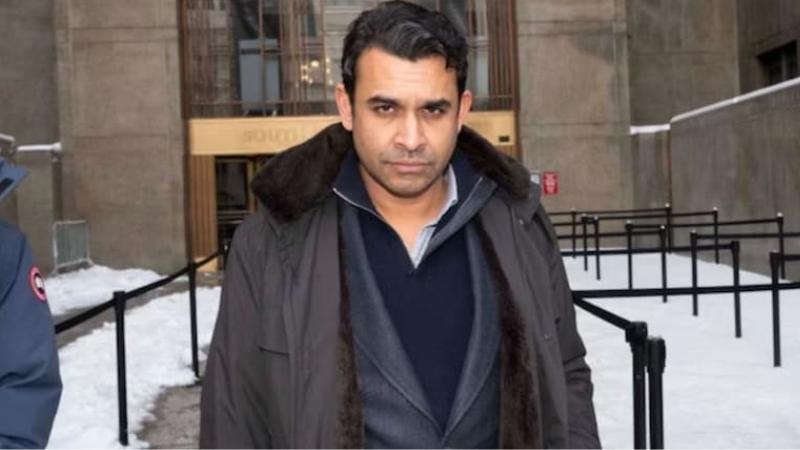
A Chinese national accused of hacking U.S. COVID-19 research systems was extradited from Italy on Friday, April 25, 2026, to face federal charges. The FBI links the case to China’s intelligence services and the global HAFNIUM cyber campaign. Chinese hacker extradited from Italy to face U.S. charges in COVID-19 cyber case as federal authorities confirmed that a previously scrutinized trip to Italy in early 2026 helped facilitate the arrest of a Chinese national ac
Chinese hacker extradited from Italy to face U.S. charges in COVID-19 cyber case
A Chinese national accused of hacking U.S. COVID-19 research systems was extradited from Italy on Friday, April 25, 2026, to face federal charges. The FBI links the case to China’s intelligence services and the global HAFNIUM cyber campaign. Chinese hacker extradited from Italy to face U.S. charges in COVID-19 cyber case as federal authorities confirmed that a previously scrutinized trip to Italy in early 2026 helped facilitate the arrest of a Chinese national ac
US Marines board commercial vessel in Arabian Sea over suspected Iran route
US Marines boarded a commercial ship in the Arabian Sea over suspected Iran-bound travel but released it after confirming it was headed to Oman, highlighting strict enforcement of the Iran blockade. US Marines board commercial vessel in Arabian Sea over suspected Iran route as forces enforced Washington’s blockade of Iranian ports on Tuesday, April 28, 2026. The vessel, identified as M/V Blue Star III, is a container ship sailing under the flag of Comoros and was
US Marines board commercial vessel in Arabian Sea over suspected Iran route
US Marines boarded a commercial ship in the Arabian Sea over suspected Iran-bound travel but released it after confirming it was headed to Oman, highlighting strict enforcement of the Iran blockade. US Marines board commercial vessel in Arabian Sea over suspected Iran route as forces enforced Washington’s blockade of Iranian ports on Tuesday, April 28, 2026. The vessel, identified as M/V Blue Star III, is a container ship sailing under the flag of Comoros and was
What did King Charles III say in Congress? He honored history and condemned violence
What did King Charles III say in Congress? He honored history and condemned violence— King Charles III opened his address to the United States Congress with a deeply personal tribute to his late mother, Queen Elizabeth II, recalling her historic 1991 speech delivered in the same chamber beneath the Statue of Freedom. Speaking with respect for the institution, he described Congress as a “citadel of democracy” representing the voices and rights of the American people, emphasizing the signifi
What did King Charles III say in Congress? He honored history and condemned violence
What did King Charles III say in Congress? He honored history and condemned violence— King Charles III opened his address to the United States Congress with a deeply personal tribute to his late mother, Queen Elizabeth II, recalling her historic 1991 speech delivered in the same chamber beneath the Statue of Freedom. Speaking with respect for the institution, he described Congress as a “citadel of democracy” representing the voices and rights of the American people, emphasizing the signifi
Why did the UN grant Iran a leadership role? It reflects procedural voting dynamics despite criticism
It reflects procedural voting dynamics despite criticism The United States, joined by the United Arab Emirates and supported by several European governments, condemned a United Nations decision made on Monday, April 28, 2026, to appoint Iran as one of the vice presidents at a major nuclear treaty conference in New York. Iran’s appointment through Non-Aligned Movement voting bloc The controversy emerged as the 11th Review Conference of
Why did the UN grant Iran a leadership role? It reflects procedural voting dynamics despite criticism
It reflects procedural voting dynamics despite criticism The United States, joined by the United Arab Emirates and supported by several European governments, condemned a United Nations decision made on Monday, April 28, 2026, to appoint Iran as one of the vice presidents at a major nuclear treaty conference in New York. Iran’s appointment through Non-Aligned Movement voting bloc The controversy emerged as the 11th Review Conference of
Can India benefit from UAE exiting OPEC? Yes, through better crude access and pricing
UAE’s exit from OPEC may boost oil supply, ease prices, and strengthen India energy ties, while raising volatility risks in global markets amid geopolitical tensions. Will UAE leaving OPEC lower oil prices? Yes, it could ease global supply pressure as the United Arab Emirates prepares to formally exit Organization of the Petroleum Exporting Countries and OPEC+ on May 1,
Can India benefit from UAE exiting OPEC? Yes, through better crude access and pricing
UAE’s exit from OPEC may boost oil supply, ease prices, and strengthen India energy ties, while raising volatility risks in global markets amid geopolitical tensions. Will UAE leaving OPEC lower oil prices? Yes, it could ease global supply pressure as the United Arab Emirates prepares to formally exit Organization of the Petroleum Exporting Countries and OPEC+ on May 1,
Trump claims Iran in ‘state of collapse’ amid ongoing regional conflict
Trump says Iran is in “collapse” and seeks reopening of the Hormuz Strait as conflict continues. Peace talks in Pakistan stalled, leaving regional tensions unresolved. Trump claims Iran in ‘state of collapse’ amid ongoing regional conflict as former U.S. President Donald Trump said the Iranian government has informed Washington it is facing a severe breakdown in l
Trump claims Iran in ‘state of collapse’ amid ongoing regional conflict
Trump says Iran is in “collapse” and seeks reopening of the Hormuz Strait as conflict continues. Peace talks in Pakistan stalled, leaving regional tensions unresolved. Trump claims Iran in ‘state of collapse’ amid ongoing regional conflict as former U.S. President Donald Trump said the Iranian government has informed Washington it is facing a severe breakdown in l
UAE to exit OPEC, signaling shift in global oil power balance
The UAE will exit OPEC on May 1 after nearly six decades, aiming for greater control over oil production and energy strategy. The move may weaken OPEC’s influence, raise concerns about supply coordination, and reshape global oil market dynamics. UAE to exit OPEC, signaling shift in global oil power balance is set to take effect May 1, marking a major change in the structure of global energy coordination. The decision reflects Abu Dhabi’s broader strategy to gai
UAE to exit OPEC, signaling shift in global oil power balance
The UAE will exit OPEC on May 1 after nearly six decades, aiming for greater control over oil production and energy strategy. The move may weaken OPEC’s influence, raise concerns about supply coordination, and reshape global oil market dynamics. UAE to exit OPEC, signaling shift in global oil power balance is set to take effect May 1, marking a major change in the structure of global energy coordination. The decision reflects Abu Dhabi’s broader strategy to gai


