Kushner-Linked Albania Coastal Project Sparks Protests Over Sazan Island and Protected Wetlands
A major Albania coastal project linked to Jared Kushner’s investment firm, Affinity Partners, has become a flashpoint for public anger, environmental concern, and political debate. The proposed development involves Sazan Island and coastal areas near the Vjosa-Narta wetland, one of Albania’s most sensitive natural zones. Supporters describe the plan as a major tourism opportunity that could bring investment, jobs, and international attention to Albania’s Adriatic coast. Critics see it very differently. For them, the project raises serious questions about protected land, public transparency, local rights, and whether Albania’s coastline is being opened too quickly to powerful private investors. The controversy has now moved beyond a normal real estate debate. Protests in Tirana have shown that many Albanians view the issue as a fight over national land, environmental protection, and public trust. What Is Planned For Sazan Island Sazan Island is an uninhabited island with a long military history. It was once used as a strategic base and has remained largely untouched compared to many other Mediterranean coastal areas. That untouched nature is exactly why the island is attractive to luxury developers, but it is also why environmental groups and citizens are worried. The resort plan connected to the Kushner Albania deal has been described as a high-end tourism project with luxury accommodation, private villas, hospitality spaces, and marina-style development for wealthy visitors. Ivanka Trump has also spoken publicly about the island and its appeal, adding more global attention to the project. For investors, Sazan Island represents a rare chance to build a premium destination in a country trying to expand its tourism economy. For opponents, it represents something more dangerous: the possible transformation of public and protected coastal land into exclusive spaces for private profit. Why Protesters Are Opposing The Project The Albania island protest movement is not only about one resort. It reflects a deeper fear that citizens are being left out of major decisions about land that belongs to the country. Many protesters argue that development should not happen without full public consultation, clear environmental studies, and transparent land agreements. Slogans such as “Albania is not for sale” show that the anger is not limited to environmental activists. It is also about sovereignty, corruption concerns, and distrust of political decision-making. People are asking simple but important questions. Who benefits from the project? What land is being used? Were protection rules changed? Will ordinary Albanians gain from the investment, or will the coast become a playground for foreign elites? These questions are the reason the Tirana protest movement has gained attention. Vjosa-Narta Wetland Concerns Are At The Center Of The Debate One of the biggest concerns is the Vjosa-Narta wetland, a protected coastal ecosystem known for birdlife, lagoons, beaches, pine areas, and marine habitats. Environmental groups say construction near such an area could damage fragile ecosystems that cannot easily recover. The fear is not only about hotel buildings. Large tourism projects often require roads, fencing, digging, drainage, lighting, parking, utilities, and security zones. Even if the main resort buildings are placed away from the most sensitive areas, the wider infrastructure can still disturb wildlife and change the natural character of the coast. This is where the government and developers face a trust problem. Saying the project will follow environmental rules is not enough. Albanians want to see clear studies, public documents, independent reviews, and real guarantees that protected land will not be weakened. Affinity Partners And Foreign Investment Questions The Affinity Partners project is also controversial because of the political profile of the people connected to it. Jared Kushner is not just a businessman. He is also the son-in-law of Donald Trump and a former senior White House adviser. Ivanka Trump’s public comments about the island have made the project even more visible. Affinity Partners has also been linked to major Middle Eastern investment, including Saudi-backed funding. That has led to more scrutiny over how foreign capital is entering strategic coastal areas in Albania. Foreign investment is not automatically bad. Albania needs tourism growth, infrastructure, and job creation. But when a project involves protected land, politically connected investors, and limited public clarity, suspicion grows quickly. The opportunity cost is also real. Albania could develop tourism in a way that supports local businesses, protects nature, and keeps coastal access open. If the country chooses an ultra-luxury model too aggressively, it may gain short-term money but lose long-term public trust and natural value. Government Support And Public Distrust Prime Minister Edi Rama has defended large tourism projects as part of Albania’s growth strategy. His government argues that high-end investment can help position Albania as a serious Mediterranean tourism destination and create economic opportunities. That argument has some weight. Albania has beautiful coastlines and has long been underdeveloped compared to Greece, Croatia, and Italy. Better infrastructure and international visibility could help the country attract more visitors. But the government’s problem is credibility. When citizens believe protected status can be changed for investors, every official promise sounds weak. If the project is truly good for Albania, the government should be able to explain the land process, environmental safeguards, investor terms, and public benefits in plain language. Without that transparency, even a potentially useful investment becomes politically toxic. Albania Land Probe Adds More Pressure The Albania corruption probe has added another serious layer to the controversy. The key concern is whether land protection rules or ownership arrangements were changed in ways that helped the resort plan move forward. No final conclusion should be assumed before investigators complete their work. But the existence of a probe itself shows why the public is demanding answers. When protected land is involved, the process matters as much as the project. If the rules were followed properly, the government and developers should release enough information to prove it. If mistakes or political favoritism occurred, the project should not move forward until those issues are addressed. For many Albanians, this is the heart of the matter: development is acceptable, but development through unclear land decisions is not. What This Means For Albania’s Future The Sazan Island resort debate is bigger than one coastal project. It is a test of how Albania will handle foreign investment, environmental protection, and public accountability. A luxury Adriatic resort may bring money and jobs, but Albania’s coast is not an unlimited resource. Once wetlands, beaches, and natural habitats are damaged, they cannot be easily restored. Once public trust is broken, it is even harder to rebuild. The smartest path is not blind rejection of investment, but stronger rules. Albania needs tourism growth that respects protected land, involves local communities, publishes environmental reviews, and makes clear who benefits. Right now, the Kushner-linked Albania coastal project has become a symbol of a difficult choice: fast luxury development or slower, more transparent growth that protects nature and public confidence. For protesters, the message is clear. Albania can welcome investors, but the country’s land, coast, and wetlands should not be treated as private assets to be negotiated behind closed doors.
Kushner-Linked Albania Coastal Project Sparks Protests Over Sazan Island and Protected Wetlands
A major Albania coastal project linked to Jared Kushner’s investment firm, Affinity Partners, has become a flashpoint for public anger, environmental concern, and political debate. The proposed development involves Sazan Island and coastal areas near the Vjosa-Narta wetland, one of Albania’s most sensitive natural zones. Supporters describe the plan as a major tourism opportunity that could bring investment, jobs, and international attention to Albania’s Adriatic coast. Critics see it very differently. For them, the project raises serious questions about protected land, public transparency, local rights, and whether Albania’s coastline is being opened too quickly to powerful private investors. The controversy has now moved beyond a normal real estate debate. Protests in Tirana have shown that many Albanians view the issue as a fight over national land, environmental protection, and public trust. What Is Planned For Sazan Island Sazan Island is an uninhabited island with a long military history. It was once used as a strategic base and has remained largely untouched compared to many other Mediterranean coastal areas. That untouched nature is exactly why the island is attractive to luxury developers, but it is also why environmental groups and citizens are worried. The resort plan connected to the Kushner Albania deal has been described as a high-end tourism project with luxury accommodation, private villas, hospitality spaces, and marina-style development for wealthy visitors. Ivanka Trump has also spoken publicly about the island and its appeal, adding more global attention to the project. For investors, Sazan Island represents a rare chance to build a premium destination in a country trying to expand its tourism economy. For opponents, it represents something more dangerous: the possible transformation of public and protected coastal land into exclusive spaces for private profit. Why Protesters Are Opposing The Project The Albania island protest movement is not only about one resort. It reflects a deeper fear that citizens are being left out of major decisions about land that belongs to the country. Many protesters argue that development should not happen without full public consultation, clear environmental studies, and transparent land agreements. Slogans such as “Albania is not for sale” show that the anger is not limited to environmental activists. It is also about sovereignty, corruption concerns, and distrust of political decision-making. People are asking simple but important questions. Who benefits from the project? What land is being used? Were protection rules changed? Will ordinary Albanians gain from the investment, or will the coast become a playground for foreign elites? These questions are the reason the Tirana protest movement has gained attention. Vjosa-Narta Wetland Concerns Are At The Center Of The Debate One of the biggest concerns is the Vjosa-Narta wetland, a protected coastal ecosystem known for birdlife, lagoons, beaches, pine areas, and marine habitats. Environmental groups say construction near such an area could damage fragile ecosystems that cannot easily recover. The fear is not only about hotel buildings. Large tourism projects often require roads, fencing, digging, drainage, lighting, parking, utilities, and security zones. Even if the main resort buildings are placed away from the most sensitive areas, the wider infrastructure can still disturb wildlife and change the natural character of the coast. This is where the government and developers face a trust problem. Saying the project will follow environmental rules is not enough. Albanians want to see clear studies, public documents, independent reviews, and real guarantees that protected land will not be weakened. Affinity Partners And Foreign Investment Questions The Affinity Partners project is also controversial because of the political profile of the people connected to it. Jared Kushner is not just a businessman. He is also the son-in-law of Donald Trump and a former senior White House adviser. Ivanka Trump’s public comments about the island have made the project even more visible. Affinity Partners has also been linked to major Middle Eastern investment, including Saudi-backed funding. That has led to more scrutiny over how foreign capital is entering strategic coastal areas in Albania. Foreign investment is not automatically bad. Albania needs tourism growth, infrastructure, and job creation. But when a project involves protected land, politically connected investors, and limited public clarity, suspicion grows quickly. The opportunity cost is also real. Albania could develop tourism in a way that supports local businesses, protects nature, and keeps coastal access open. If the country chooses an ultra-luxury model too aggressively, it may gain short-term money but lose long-term public trust and natural value. Government Support And Public Distrust Prime Minister Edi Rama has defended large tourism projects as part of Albania’s growth strategy. His government argues that high-end investment can help position Albania as a serious Mediterranean tourism destination and create economic opportunities. That argument has some weight. Albania has beautiful coastlines and has long been underdeveloped compared to Greece, Croatia, and Italy. Better infrastructure and international visibility could help the country attract more visitors. But the government’s problem is credibility. When citizens believe protected status can be changed for investors, every official promise sounds weak. If the project is truly good for Albania, the government should be able to explain the land process, environmental safeguards, investor terms, and public benefits in plain language. Without that transparency, even a potentially useful investment becomes politically toxic. Albania Land Probe Adds More Pressure The Albania corruption probe has added another serious layer to the controversy. The key concern is whether land protection rules or ownership arrangements were changed in ways that helped the resort plan move forward. No final conclusion should be assumed before investigators complete their work. But the existence of a probe itself shows why the public is demanding answers. When protected land is involved, the process matters as much as the project. If the rules were followed properly, the government and developers should release enough information to prove it. If mistakes or political favoritism occurred, the project should not move forward until those issues are addressed. For many Albanians, this is the heart of the matter: development is acceptable, but development through unclear land decisions is not. What This Means For Albania’s Future The Sazan Island resort debate is bigger than one coastal project. It is a test of how Albania will handle foreign investment, environmental protection, and public accountability. A luxury Adriatic resort may bring money and jobs, but Albania’s coast is not an unlimited resource. Once wetlands, beaches, and natural habitats are damaged, they cannot be easily restored. Once public trust is broken, it is even harder to rebuild. The smartest path is not blind rejection of investment, but stronger rules. Albania needs tourism growth that respects protected land, involves local communities, publishes environmental reviews, and makes clear who benefits. Right now, the Kushner-linked Albania coastal project has become a symbol of a difficult choice: fast luxury development or slower, more transparent growth that protects nature and public confidence. For protesters, the message is clear. Albania can welcome investors, but the country’s land, coast, and wetlands should not be treated as private assets to be negotiated behind closed doors.
Australia Seizes 100,000 Illegal Exotic Cockroaches in Bathurst Biosecurity Raid
Australian biosecurity officials have seized more than 100,000 live exotic cockroaches from a commercial breeding site in Bathurst, New South Wales, in what has been described as the country’s largest seizure of illegal exotic invertebrates. The seized insects reportedly included dubia cockroaches and Madagascar hissing cockroaches, both of which are banned in Australia. Authorities valued the insects at up to AU$200,000.
Australia Seizes 100,000 Illegal Exotic Cockroaches in Bathurst Biosecurity Raid
Australian biosecurity officials have seized more than 100,000 live exotic cockroaches from a commercial breeding site in Bathurst, New South Wales, in what has been described as the country’s largest seizure of illegal exotic invertebrates. The seized insects reportedly included dubia cockroaches and Madagascar hissing cockroaches, both of which are banned in Australia. Authorities valued the insects at up to AU$200,000.
King Charles Praises New King’s Gurkha Artillery Unit at Larkhill Barracks
King Charles III praised the newly formed King’s Gurkha Artillery during a special formation parade at Larkhill Barracks in Wiltshire. The event marked an important milestone for Gurkha soldiers, as they begin a new chapter within the British Army’s Royal Artillery. The creation of the unit is seen as a major recognition of the courage, discipline and long-standing service of Gurkha soldiers. For generations, Gurkhas have been respected for their loyalty and bravery, and this ne
King Charles Praises New King’s Gurkha Artillery Unit at Larkhill Barracks
King Charles III praised the newly formed King’s Gurkha Artillery during a special formation parade at Larkhill Barracks in Wiltshire. The event marked an important milestone for Gurkha soldiers, as they begin a new chapter within the British Army’s Royal Artillery. The creation of the unit is seen as a major recognition of the courage, discipline and long-standing service of Gurkha soldiers. For generations, Gurkhas have been respected for their loyalty and bravery, and this ne
Bill Pulte Acting DNI Role Sparks Debate Over Experience, FHFA Power and Online Past
Bill Pulte’s temporary move into the acting Director of National Intelligence role has quickly become one of the most debated political stories in Washington. President Donald Trump selected Pulte, the head of the Federal Housing Finance Agency, for the acting intelligence post, creating immediate questions about experience, authority and national security judgment. Pulte is not a traditional intelligence figure. His public career has been built around business, housing finance, politics and online influence, not foreign threats, classified briefings or intelligence operations. That contrast is the main reason his appointment is drawing attention from both supporters and critics. Trump has said Pulte will not be nominated for the permanent DNI position, which makes the role temporary. But even a short-term intelligence appointment matters because the office is connected to highly sensitive information, national security decisions and coordination across America’s intelligence agencies. From Housing Regulator to Intelligence Role Before this acting intelligence assignment, Pulte was best known for leading the Federal Housing Finance Agency. The FHFA plays a major role in the U.S. housing market because it oversees important housing finance institutions connected to Fannie Mae and Freddie Mac. That is a powerful financial position, but it is very different from managing intelligence matters. Housing regulation deals with mortgage markets, financial stability and housing policy. The DNI role deals with threats from foreign governments, cyber risks, classified intelligence, terrorism, surveillance and national security strategy. This gap is what makes the appointment controversial. Supporters argue that Pulte has handled sensitive financial responsibilities and understands large institutions. Critics say that financial oversight is not the same as national security leadership. Experience Questions Become the Main Issue The biggest concern around Bill Pulte’s acting DNI role is experience. Lawmakers and national security observers are asking whether someone without a long intelligence background should temporarily lead such a sensitive part of the federal government. The debate is not only about Pulte personally. It is also about the standard expected for intelligence leadership. The U.S. intelligence system depends on trust, professionalism and careful handling of classified material. Any appointment to that space naturally receives closer scrutiny than an ordinary political post. For Trump’s supporters, Pulte represents an outsider who is loyal, energetic and willing to challenge Washington habits. For critics, that same outsider status is the problem. They argue that the intelligence community is not the right place for political experimentation. Online Past Adds Another Layer to the Debate Pulte’s online history is also part of the discussion. Before becoming a major government figure, he built a large public following through social media activity and online philanthropy. He became known for giving money to people online, interacting directly with followers and building a strong digital image. That online presence helped him gain popularity among everyday users and retail investor communities. But in Washington, a large and emotional online following can be viewed in two ways. It can be seen as proof of public connection, or it can raise questions about judgment, influence and political messaging. This is why his online past has returned to the spotlight. The acting DNI role is not just another public-facing job. It is tied to classified information and national security. Public behavior, online statements and political alliances are therefore being examined more closely. Meme Stock and Bed Bath Beyond Links Resurface Another part of Pulte’s public image comes from his connection with retail investor circles, especially communities that followed meme-stock stories. His name became familiar among online groups that discussed companies such as Bed Bath & Beyond after its collapse. Some retail investors continued to believe that the company could return in a new form. Pulte appeared in related discussions and became a known figure among people following that story. Bed Bath & Beyond was not revived in the way many online supporters hoped, but the association remained part of his public profile. This does not automatically disqualify him from public service. But it does shape perception. Critics may use it to question seriousness and judgment, while supporters may argue that it shows he understands ordinary investors and online communities better than traditional Washington insiders. Why National Security Critics Are Concerned The concern around Pulte’s acting DNI role is simple: intelligence leadership carries real consequences. The person in that position may be connected to information about foreign threats, cyberattacks, military risks, surveillance programs and sensitive government operations. Critics worry that a politically loyal figure with limited intelligence experience could weaken public confidence in the office. They also worry about whether sensitive intelligence could become part of political battles. This is where the debate becomes bigger than Pulte. The appointment raises a broader question: should temporary intelligence leaders come from inside the national security world, or can presidents place trusted political allies in those roles for short periods? Supporters See Loyalty and Business Discipline Pulte’s supporters view the issue differently. They argue that Washington often protects insiders and resists outsiders who challenge the system. From their perspective, Pulte’s business background and FHFA leadership show that he can manage complex institutions. They also say Trump wants people he trusts in key government roles. In a temporary acting position, supporters believe Pulte can bring discipline, loyalty and fresh thinking without needing to become a lifelong intelligence professional. This argument may appeal to voters who are tired of traditional Washington appointments. However, it may not fully answer the core concern: intelligence work is specialized, and mistakes in that space can be costly. Political Loyalty Becomes Part of the Story Pulte is widely seen as a Trump ally, and that political connection is central to the controversy. In normal circumstances, presidents often choose people they trust. But intelligence roles are expected to maintain a high level of independence and professionalism. That is why political loyalty becomes sensitive here. If the public sees the intelligence office as too political, trust can fall. If lawmakers believe the role is being used for political purposes, confirmation fights and oversight battles become more intense. Trump’s decision to keep the role temporary may reduce some pressure, but it does not end the debate. Even temporary appointments can influence policy, access information and send a message about how the administration views intelligence leadership. What This Means for Pulte and Trump For Bill Pulte, the acting DNI role brings national attention far beyond housing policy. His FHFA record, online past, meme-stock associations and political loyalty are all now being discussed together. For Trump, the appointment fits a familiar pattern of choosing loyal outsiders for powerful roles. That approach energizes supporters but often creates friction with lawmakers, experts and institutions. The political risk is clear. If Pulte performs quietly and temporarily, the controversy may fade. If he becomes involved in highly political intelligence matters, the scrutiny will grow much stronger. Final Takeaway Bill Pulte’s acting DNI role is not just a personnel story. It is a test of how far political loyalty, business experience and outsider appeal can go in a role traditionally tied to national security expertise. His supporters see a capable Trump ally with financial leadership experience. His critics see a housing regulator with limited intelligence credentials and a complicated online image entering one of the most sensitive areas of government. For now, the role is temporary. But the debate around Bill Pulte, the FHFA, online influence, meme-stock culture and U.S. intelligence leadership is likely to remain a major Washington talking point.


Bill Pulte Acting DNI Role Sparks Debate Over Experience, FHFA Power and Online Past
Bill Pulte’s temporary move into the acting Director of National Intelligence role has quickly become one of the most debated political stories in Washington. President Donald Trump selected Pulte, the head of the Federal Housing Finance Agency, for the acting intelligence post, creating immediate questions about experience, authority and national security judgment. Pulte is not a traditional intelligence figure. His public career has been built around business, housing finance, politics and online influence, not foreign threats, classified briefings or intelligence operations. That contrast is the main reason his appointment is drawing attention from both supporters and critics. Trump has said Pulte will not be nominated for the permanent DNI position, which makes the role temporary. But even a short-term intelligence appointment matters because the office is connected to highly sensitive information, national security decisions and coordination across America’s intelligence agencies. From Housing Regulator to Intelligence Role Before this acting intelligence assignment, Pulte was best known for leading the Federal Housing Finance Agency. The FHFA plays a major role in the U.S. housing market because it oversees important housing finance institutions connected to Fannie Mae and Freddie Mac. That is a powerful financial position, but it is very different from managing intelligence matters. Housing regulation deals with mortgage markets, financial stability and housing policy. The DNI role deals with threats from foreign governments, cyber risks, classified intelligence, terrorism, surveillance and national security strategy. This gap is what makes the appointment controversial. Supporters argue that Pulte has handled sensitive financial responsibilities and understands large institutions. Critics say that financial oversight is not the same as national security leadership. Experience Questions Become the Main Issue The biggest concern around Bill Pulte’s acting DNI role is experience. Lawmakers and national security observers are asking whether someone without a long intelligence background should temporarily lead such a sensitive part of the federal government. The debate is not only about Pulte personally. It is also about the standard expected for intelligence leadership. The U.S. intelligence system depends on trust, professionalism and careful handling of classified material. Any appointment to that space naturally receives closer scrutiny than an ordinary political post. For Trump’s supporters, Pulte represents an outsider who is loyal, energetic and willing to challenge Washington habits. For critics, that same outsider status is the problem. They argue that the intelligence community is not the right place for political experimentation. Online Past Adds Another Layer to the Debate Pulte’s online history is also part of the discussion. Before becoming a major government figure, he built a large public following through social media activity and online philanthropy. He became known for giving money to people online, interacting directly with followers and building a strong digital image. That online presence helped him gain popularity among everyday users and retail investor communities. But in Washington, a large and emotional online following can be viewed in two ways. It can be seen as proof of public connection, or it can raise questions about judgment, influence and political messaging. This is why his online past has returned to the spotlight. The acting DNI role is not just another public-facing job. It is tied to classified information and national security. Public behavior, online statements and political alliances are therefore being examined more closely. Meme Stock and Bed Bath Beyond Links Resurface Another part of Pulte’s public image comes from his connection with retail investor circles, especially communities that followed meme-stock stories. His name became familiar among online groups that discussed companies such as Bed Bath & Beyond after its collapse. Some retail investors continued to believe that the company could return in a new form. Pulte appeared in related discussions and became a known figure among people following that story. Bed Bath & Beyond was not revived in the way many online supporters hoped, but the association remained part of his public profile. This does not automatically disqualify him from public service. But it does shape perception. Critics may use it to question seriousness and judgment, while supporters may argue that it shows he understands ordinary investors and online communities better than traditional Washington insiders. Why National Security Critics Are Concerned The concern around Pulte’s acting DNI role is simple: intelligence leadership carries real consequences. The person in that position may be connected to information about foreign threats, cyberattacks, military risks, surveillance programs and sensitive government operations. Critics worry that a politically loyal figure with limited intelligence experience could weaken public confidence in the office. They also worry about whether sensitive intelligence could become part of political battles. This is where the debate becomes bigger than Pulte. The appointment raises a broader question: should temporary intelligence leaders come from inside the national security world, or can presidents place trusted political allies in those roles for short periods? Supporters See Loyalty and Business Discipline Pulte’s supporters view the issue differently. They argue that Washington often protects insiders and resists outsiders who challenge the system. From their perspective, Pulte’s business background and FHFA leadership show that he can manage complex institutions. They also say Trump wants people he trusts in key government roles. In a temporary acting position, supporters believe Pulte can bring discipline, loyalty and fresh thinking without needing to become a lifelong intelligence professional. This argument may appeal to voters who are tired of traditional Washington appointments. However, it may not fully answer the core concern: intelligence work is specialized, and mistakes in that space can be costly. Political Loyalty Becomes Part of the Story Pulte is widely seen as a Trump ally, and that political connection is central to the controversy. In normal circumstances, presidents often choose people they trust. But intelligence roles are expected to maintain a high level of independence and professionalism. That is why political loyalty becomes sensitive here. If the public sees the intelligence office as too political, trust can fall. If lawmakers believe the role is being used for political purposes, confirmation fights and oversight battles become more intense. Trump’s decision to keep the role temporary may reduce some pressure, but it does not end the debate. Even temporary appointments can influence policy, access information and send a message about how the administration views intelligence leadership. What This Means for Pulte and Trump For Bill Pulte, the acting DNI role brings national attention far beyond housing policy. His FHFA record, online past, meme-stock associations and political loyalty are all now being discussed together. For Trump, the appointment fits a familiar pattern of choosing loyal outsiders for powerful roles. That approach energizes supporters but often creates friction with lawmakers, experts and institutions. The political risk is clear. If Pulte performs quietly and temporarily, the controversy may fade. If he becomes involved in highly political intelligence matters, the scrutiny will grow much stronger. Final Takeaway Bill Pulte’s acting DNI role is not just a personnel story. It is a test of how far political loyalty, business experience and outsider appeal can go in a role traditionally tied to national security expertise. His supporters see a capable Trump ally with financial leadership experience. His critics see a housing regulator with limited intelligence credentials and a complicated online image entering one of the most sensitive areas of government. For now, the role is temporary. But the debate around Bill Pulte, the FHFA, online influence, meme-stock culture and U.S. intelligence leadership is likely to remain a major Washington talking point.




Harmony Foundation Highlights Crisis Facing Children in Conflict Areas
PUNE — On June 4, observed globally as the International Day of Innocent Children Victims of Aggression, the Harmony Foundation urged stronger measures to safeguard children suffering in conflict zones. Dr. Abraham Mathai, founder-chairman of the Harmony Foundation and former chairman of the Maharashtra State Minorities Commission, condemned the escalating violence affecting children in war-torn regions worldwide. He highlighted the extreme hardships faced by children in areas suc
Harmony Foundation Highlights Crisis Facing Children in Conflict Areas
PUNE — On June 4, observed globally as the International Day of Innocent Children Victims of Aggression, the Harmony Foundation urged stronger measures to safeguard children suffering in conflict zones. Dr. Abraham Mathai, founder-chairman of the Harmony Foundation and former chairman of the Maharashtra State Minorities Commission, condemned the escalating violence affecting children in war-torn regions worldwide. He highlighted the extreme hardships faced by children in areas suc
US President Open to Meeting Iran’s Mojtaba Amid Tensions
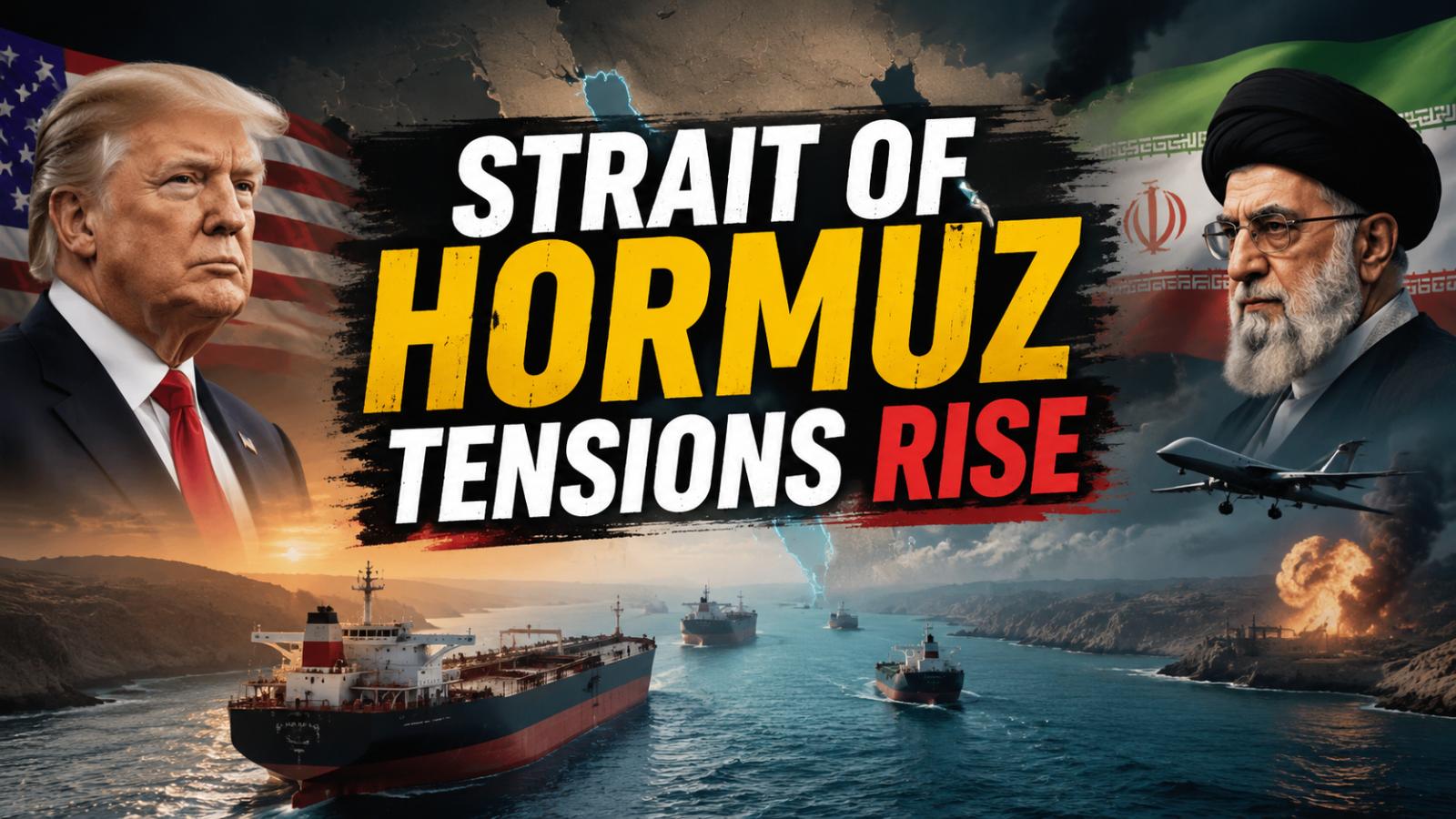
Trump Hints at Potential Iran Conflict US President Donald Trump on Thursday, June 5, indicated that breakthroughs in the Iran conflict might be near but warned that the killing of American troops would constitute a red line potentially restarting the war. Speaking from the Oval Office, Trump said he could meet Iran’s Mojtaba Khamenei under a diplomatic agreement, despite tensions between Washington and Te
US President Open to Meeting Iran’s Mojtaba Amid Tensions
Trump Hints at Potential Iran Conflict US President Donald Trump on Thursday, June 5, indicated that breakthroughs in the Iran conflict might be near but warned that the killing of American troops would constitute a red line potentially restarting the war. Speaking from the Oval Office, Trump said he could meet Iran’s Mojtaba Khamenei under a diplomatic agreement, despite tensions between Washington and Te
India-US Trade Talks Edge Toward Interim Agreement
India-US Trade Talks Progress Trade negotiations between India and the United States moved closer to a potential interim agreement after four days of discussions in New Delhi. Officials from both sides described the talks as constructive, reflecting a shared commitment to deepening trade ties. The Office of the United States Trade Representative (USTR) led the American delegation, advancing discussions on t
India-US Trade Talks Edge Toward Interim Agreement
India-US Trade Talks Progress Trade negotiations between India and the United States moved closer to a potential interim agreement after four days of discussions in New Delhi. Officials from both sides described the talks as constructive, reflecting a shared commitment to deepening trade ties. The Office of the United States Trade Representative (USTR) led the American delegation, advancing discussions on t
US Issues Fresh Travel Advisory for Middle East Tensions
Heightened Travel Advisories for Middle East The United States has issued a renewed travel advisory covering 14 countries in the Middle East, citing elevated regional tensions and a rapidly changing security situation. Embassies in the region warned American citizens to remain vigilant amid ongoing instability affecting travel conditions. According to the US Department of State, the security envi
US Issues Fresh Travel Advisory for Middle East Tensions
Heightened Travel Advisories for Middle East The United States has issued a renewed travel advisory covering 14 countries in the Middle East, citing elevated regional tensions and a rapidly changing security situation. Embassies in the region warned American citizens to remain vigilant amid ongoing instability affecting travel conditions. According to the US Department of State, the security envi
Lebanon-Israel Conflict: Civilian Deaths Reported in Airstrikes
Israeli Airstrikes Kill Eight in Lebanon Amid Ceasefire Talks Israeli airstrikes killed eight people in Lebanon on Thursday, just a day after a conditional ceasefire plan was agreed upon by Lebanese and Israeli representatives in the United States. Five people were killed in eastern Lebanon, while three more lost their lives near Tyre. Eight others were injured, including women and children, as the conflict
Lebanon-Israel Conflict: Civilian Deaths Reported in Airstrikes
Israeli Airstrikes Kill Eight in Lebanon Amid Ceasefire Talks Israeli airstrikes killed eight people in Lebanon on Thursday, just a day after a conditional ceasefire plan was agreed upon by Lebanese and Israeli representatives in the United States. Five people were killed in eastern Lebanon, while three more lost their lives near Tyre. Eight others were injured, including women and children, as the conflict
Lufthansa Boeing 787 Nose Gear Fails at Frankfurt Gate, Staff Injured
A Lufthansa Boeing 787 nose gear failure at Frankfurt Airport injured several staff members on Thursday, June 4, before passengers had boarded the aircraft. The Boeing 787-9 Dreamliner was parked at a gate and being prepared for departure when its front landing gear unexpectedly collapsed, causing the nose section of the aircraft to drop toward the ground. No passengers were on board at the time, according to reports citing the airline. Lufthansa
Lufthansa Boeing 787 Nose Gear Fails at Frankfurt Gate, Staff Injured
A Lufthansa Boeing 787 nose gear failure at Frankfurt Airport injured several staff members on Thursday, June 4, before passengers had boarded the aircraft. The Boeing 787-9 Dreamliner was parked at a gate and being prepared for departure when its front landing gear unexpectedly collapsed, causing the nose section of the aircraft to drop toward the ground. No passengers were on board at the time, according to reports citing the airline. Lufthansa
Indian Envoy Visits Injured Indians After Kuwait Airport Attack
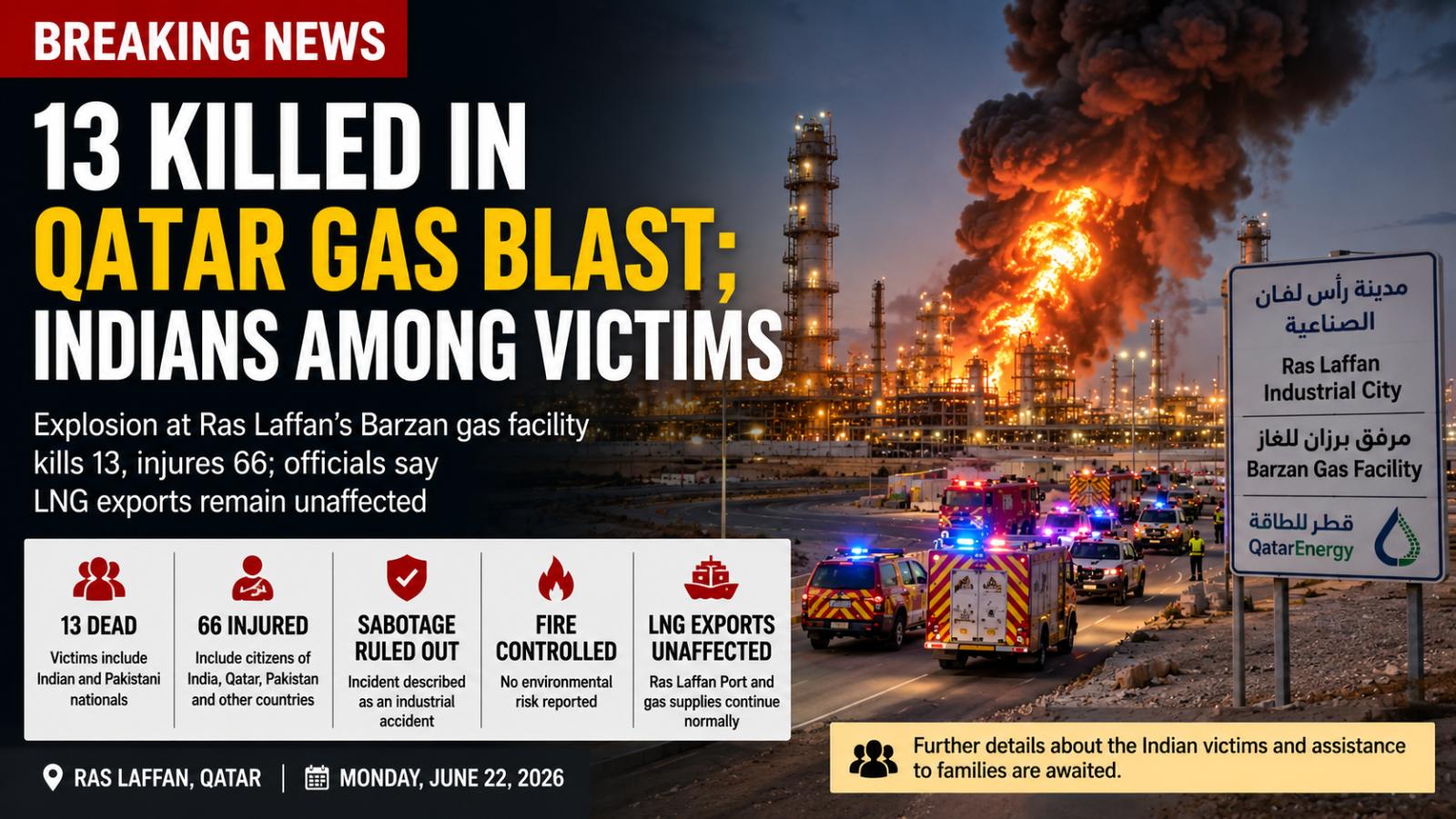
Indian Ambassador to Kuwait Paramita Tripathi visited injured Indian nationals and the Central Mortuary in Kuwait after one Indian citizen was killed and 13 others were injured in the Kuwait airport attack, Indian officials said. The attack took place at Terminal 1 of Kuwait International Airport on Wednesday, June 3, 2026. India’s Ministry of External Affairs said one Indian national died in the incident, while several Indian citizens were injured. Officials said on Thursday, Jun
Indian Envoy Visits Injured Indians After Kuwait Airport Attack
Indian Ambassador to Kuwait Paramita Tripathi visited injured Indian nationals and the Central Mortuary in Kuwait after one Indian citizen was killed and 13 others were injured in the Kuwait airport attack, Indian officials said. The attack took place at Terminal 1 of Kuwait International Airport on Wednesday, June 3, 2026. India’s Ministry of External Affairs said one Indian national died in the incident, while several Indian citizens were injured. Officials said on Thursday, Jun
PM Modi Meets Venezuela Acting President to Boost Bilateral Ties
Strengthening India-Venezuela Relations Prime Minister Narendra Modi held a high-level meeting with Venezuela's Acting President Delcy Rodriguez in New Delhi on Thursday. The meeting took place at Hyderabad House, where both leaders discussed the full spectrum of India-Venezuela relations. Key focus areas included energy security, trade and investment, pharmaceuticals, healthcare, transportation, and renewabl
PM Modi Meets Venezuela Acting President to Boost Bilateral Ties
Strengthening India-Venezuela Relations Prime Minister Narendra Modi held a high-level meeting with Venezuela's Acting President Delcy Rodriguez in New Delhi on Thursday. The meeting took place at Hyderabad House, where both leaders discussed the full spectrum of India-Venezuela relations. Key focus areas included energy security, trade and investment, pharmaceuticals, healthcare, transportation, and renewabl
Kuwait Airport Drone Attack: Iran Denies Role, CENTCOM Rejects Claim
Immediate Aftermath and Casualties Kuwait’s Civil Aviation Authority released CCTV footage on June 4 showing the chaos following a drone strike on Terminal 1 at Kuwait International Airport. The attack killed an Indian national and injured 63 others, forcing the temporary closure of the airport. Officials described this as the first deadly strike in the Gulf since the April 8 ceasefire. The incident follows US military strikes on
Kuwait Airport Drone Attack: Iran Denies Role, CENTCOM Rejects Claim
Immediate Aftermath and Casualties Kuwait’s Civil Aviation Authority released CCTV footage on June 4 showing the chaos following a drone strike on Terminal 1 at Kuwait International Airport. The attack killed an Indian national and injured 63 others, forcing the temporary closure of the airport. Officials described this as the first deadly strike in the Gulf since the April 8 ceasefire. The incident follows US military strikes on
Iran Denies Kuwait Airport Attack, Blames Patriot Missile Malfunction
Iran Denies Responsibility Iran’s Islamic Revolutionary Guard Corps (IRGC) has categorically denied involvement in the recent attack on Kuwait International Airport. The IRGC stated that the damage resulted from a malfunction in the US-made Patriot missile defence system, which failed to intercept incoming projectiles. According to a spokesperson, the Aerospace Force did not target the civilian airport, and the terminal was struck accidentally by malfunctioning defensive systems. The incident caused extensive damage to Passenger Terminal 1 (T1), killed one individual—a citizen of India—and injured 63 others. Kuwaiti authorities immediately closed national airspace, suspended commercial operations, and diverted incoming flights. Regional Criticism and Concerns Former Qatari Prime Minister Sheikh Hamad bin Jassim bin Jaber Al Thani strongly criticized Iran’s military activities against Gulf countries, labeling them as "astonishing" and "unjustifiable." While emphasizing Qatar’s intent to maintain constructive relations with Tehran, he stressed that Gulf states should adopt a coordinated stance to ensure regional stability. Al Thani questioned the rationale behind recent attacks on Bahrain and Kuwait and highlighted the importance of unified diplomatic and security measures in the face of escalating threats. US Response and CENTCOM Statement The United States Central Command (CENTCOM) rejected Iran’s claim, asserting that Tehran deliberately targeted Kuwait’s civilian airport. Officials described the attack as “unjustified” and stressed the potential threat to civilian safety in the region. CENTCOM continues to monitor developments and coordinate with Gulf partners to prevent further escalation. The conflicting accounts between Tehran and Washington underline growing tensions in the Middle East, highlighting the need for diplomatic engagement to avoid a wider regional conflict. Strategic and Political Implications The dispute underscores the fragility of security in the Gulf amid Iran’s military expansion and the broader geopolitical rivalries in the region. The use of defensive missile systems such as the Patriot has drawn scrutiny for its reliability and effectiveness in high-tension scenarios. Analysts note that the incident may influence future negotiations between Gulf countries and Iran and could prompt stronger regional defense cooperation. Both civilian safety and military escalation remain pressing concerns as authorities assess the implications of the incident. International Repercussions The attack has drawn global attention to the volatility of the Gulf region, with multiple countries urging restraint. International observers have called for transparent investigations into the incident and emphasized the importance of maintaining airspace security to prevent further civilian casualties. The events highlight the intersection of military technology, regional politics, and civilian safety, reinforcing the need for carefully coordinated responses to avoid unintended consequences in densely populated areas.
Iran Denies Kuwait Airport Attack, Blames Patriot Missile Malfunction
Iran Denies Responsibility Iran’s Islamic Revolutionary Guard Corps (IRGC) has categorically denied involvement in the recent attack on Kuwait International Airport. The IRGC stated that the damage resulted from a malfunction in the US-made Patriot missile defence system, which failed to intercept incoming projectiles. According to a spokesperson, the Aerospace Force did not target the civilian airport, and the terminal was struck accidentally by malfunctioning defensive systems. The incident caused extensive damage to Passenger Terminal 1 (T1), killed one individual—a citizen of India—and injured 63 others. Kuwaiti authorities immediately closed national airspace, suspended commercial operations, and diverted incoming flights. Regional Criticism and Concerns Former Qatari Prime Minister Sheikh Hamad bin Jassim bin Jaber Al Thani strongly criticized Iran’s military activities against Gulf countries, labeling them as "astonishing" and "unjustifiable." While emphasizing Qatar’s intent to maintain constructive relations with Tehran, he stressed that Gulf states should adopt a coordinated stance to ensure regional stability. Al Thani questioned the rationale behind recent attacks on Bahrain and Kuwait and highlighted the importance of unified diplomatic and security measures in the face of escalating threats. US Response and CENTCOM Statement The United States Central Command (CENTCOM) rejected Iran’s claim, asserting that Tehran deliberately targeted Kuwait’s civilian airport. Officials described the attack as “unjustified” and stressed the potential threat to civilian safety in the region. CENTCOM continues to monitor developments and coordinate with Gulf partners to prevent further escalation. The conflicting accounts between Tehran and Washington underline growing tensions in the Middle East, highlighting the need for diplomatic engagement to avoid a wider regional conflict. Strategic and Political Implications The dispute underscores the fragility of security in the Gulf amid Iran’s military expansion and the broader geopolitical rivalries in the region. The use of defensive missile systems such as the Patriot has drawn scrutiny for its reliability and effectiveness in high-tension scenarios. Analysts note that the incident may influence future negotiations between Gulf countries and Iran and could prompt stronger regional defense cooperation. Both civilian safety and military escalation remain pressing concerns as authorities assess the implications of the incident. International Repercussions The attack has drawn global attention to the volatility of the Gulf region, with multiple countries urging restraint. International observers have called for transparent investigations into the incident and emphasized the importance of maintaining airspace security to prevent further civilian casualties. The events highlight the intersection of military technology, regional politics, and civilian safety, reinforcing the need for carefully coordinated responses to avoid unintended consequences in densely populated areas.
US-Iran Negotiations Progress as Trump Hints Weekend Agreement
Trump Signals Potential Iran Deal US President Donald Trump expressed optimism on June 3 regarding ongoing negotiations with Iran, despite renewed military tensions across West Asia. Speaking to reporters, Trump noted that discussions with Tehran were progressing positively, stating a potential agreement could emerge over the weekend. He emphasized keeping these negotiations distinct from efforts to resolve
US-Iran Negotiations Progress as Trump Hints Weekend Agreement
Trump Signals Potential Iran Deal US President Donald Trump expressed optimism on June 3 regarding ongoing negotiations with Iran, despite renewed military tensions across West Asia. Speaking to reporters, Trump noted that discussions with Tehran were progressing positively, stating a potential agreement could emerge over the weekend. He emphasized keeping these negotiations distinct from efforts to resolve
Police Bodycam Sparks Outrage Amid UK Student Murder
Outrage After Student Murder A federal court in the United Kingdom has seen nationwide attention after the death of 18-year-old Henry Nowak, who was stabbed multiple times by 23-year-old Vickrum Digwa in Southampton. The attack followed false allegations of racial abuse, with Digwa carrying a ceremonial Sikh blade alongside a larger knife used in the assault. Bodycam footage capturing Nowak’s final moments,
Police Bodycam Sparks Outrage Amid UK Student Murder
Outrage After Student Murder A federal court in the United Kingdom has seen nationwide attention after the death of 18-year-old Henry Nowak, who was stabbed multiple times by 23-year-old Vickrum Digwa in Southampton. The attack followed false allegations of racial abuse, with Digwa carrying a ceremonial Sikh blade alongside a larger knife used in the assault. Bodycam footage capturing Nowak’s final moments,
Israel and Lebanon Agree to Ceasefire After US Talks
Israel and Lebanon Agree to Ceasefire After US-Led Talks Israel and Lebanon have reached an agreement to work towards a ceasefire following US-led negotiations in Washington on June 4. The ceasefire is contingent on a “complete cessation” of hostilities by Iran-backed Hezbollah, according to a joint statement issued by the United States, Israel, and Lebanon. The deal also requires the evacuation of all H
Israel and Lebanon Agree to Ceasefire After US Talks
Israel and Lebanon Agree to Ceasefire After US-Led Talks Israel and Lebanon have reached an agreement to work towards a ceasefire following US-led negotiations in Washington on June 4. The ceasefire is contingent on a “complete cessation” of hostilities by Iran-backed Hezbollah, according to a joint statement issued by the United States, Israel, and Lebanon. The deal also requires the evacuation of all H
Frisco City Hall Indian Flag Video Raises Community Concern
A video showing an Indian flag being torn outside Frisco City Hall in Texas on Wednesday, June 3, 2026, has raised concern among Indian American residents in North Texas. A video of the incident circulated on Facebook and other social media platforms. Readers can view the Facebook video here.
Frisco City Hall Indian Flag Video Raises Community Concern
A video showing an Indian flag being torn outside Frisco City Hall in Texas on Wednesday, June 3, 2026, has raised concern among Indian American residents in North Texas. A video of the incident circulated on Facebook and other social media platforms. Readers can view the Facebook video here.
Kuwait Airport Attack Kills Indian National, MEA Says
The Kuwait airport attack killed one Indian national and injured several others, India’s Ministry of External Affairs said in a statement dated Wednesday, June 3, 2026. The incident at Kuwait International Airport was described in the source material as an Iranian drone strike. India condemned the attack and repeated its position that civilian populations and civilian infrastructure must not be targeted during the continuing conflict in West Asia. Kuwait Airport
Kuwait Airport Attack Kills Indian National, MEA Says
The Kuwait airport attack killed one Indian national and injured several others, India’s Ministry of External Affairs said in a statement dated Wednesday, June 3, 2026. The incident at Kuwait International Airport was described in the source material as an Iranian drone strike. India condemned the attack and repeated its position that civilian populations and civilian infrastructure must not be targeted during the continuing conflict in West Asia. Kuwait Airport
BrahMos System Boosts India’s Defense Exports in Southeast Asia
India’s BrahMos coastal defense system is becoming a key part of the country’s rise as a defense exporter, as several Asian nations look for stronger maritime protection. India’s defense exports reached a record Rs 38,424 crore in fiscal year 2025-26, according to the figures provided in the article. That was Rs 14,802 crore higher than the previous fiscal year, a rise of 62.66 percent. BrahMos Coastal Defense System Draws Southeast Asian Interest
BrahMos System Boosts India’s Defense Exports in Southeast Asia
India’s BrahMos coastal defense system is becoming a key part of the country’s rise as a defense exporter, as several Asian nations look for stronger maritime protection. India’s defense exports reached a record Rs 38,424 crore in fiscal year 2025-26, according to the figures provided in the article. That was Rs 14,802 crore higher than the previous fiscal year, a rise of 62.66 percent. BrahMos Coastal Defense System Draws Southeast Asian Interest