








India Rejected Gwadar Port in 1956, Now Under Chinese Control - Balochistan's Grievances
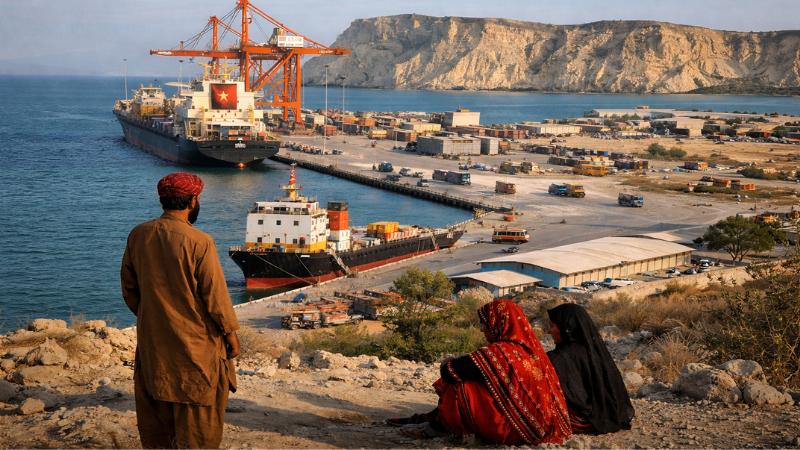
Gwadar, a port in Pakistan's Balochistan province, has become a focal point for geopolitical tensions, local unrest, and external influence, especially from China. Originally a fishing settlement on the Arabian Sea, it is now home to Pakistan's third-largest port, which plays a crucial role in the China–Pakistan Economic Corridor (CPEC). The strategic location of Gwadar, near the Strait of Hormuz, has made it a highly coveted asset for various powers. What is most remarkable about
India Rejected Gwadar Port in 1956, Now Under Chinese Control - Balochistan's Grievances
Gwadar, a port in Pakistan's Balochistan province, has become a focal point for geopolitical tensions, local unrest, and external influence, especially from China. Originally a fishing settlement on the Arabian Sea, it is now home to Pakistan's third-largest port, which plays a crucial role in the China–Pakistan Economic Corridor (CPEC). The strategic location of Gwadar, near the Strait of Hormuz, has made it a highly coveted asset for various powers. What is most remarkable about
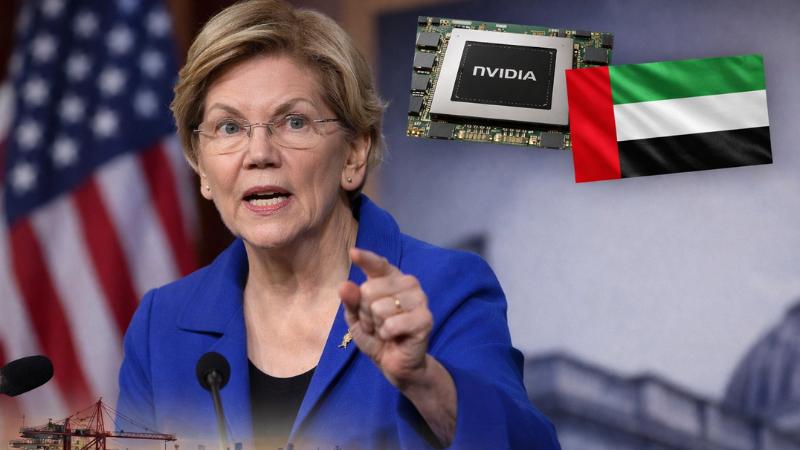
Warren moves to block sale of U.S. AI chips to UAE over security concerns
Sen. Elizabeth Warren of Massachusetts is preparing to introduce a Senate resolution that would formally condemn and seek the reversal of a proposed sale of 500,000 advanced artificial intelligence chips annually to the United Arab Emirates, arguing the transaction could threaten U.S. national security and raise serious ethical questions about conflicts of interest. The measure is expected to be brought to the Senate floor on Thursday, where Warren plans to call for lawmakers to block the exp
Warren moves to block sale of U.S. AI chips to UAE over security concerns
Sen. Elizabeth Warren of Massachusetts is preparing to introduce a Senate resolution that would formally condemn and seek the reversal of a proposed sale of 500,000 advanced artificial intelligence chips annually to the United Arab Emirates, arguing the transaction could threaten U.S. national security and raise serious ethical questions about conflicts of interest. The measure is expected to be brought to the Senate floor on Thursday, where Warren plans to call for lawmakers to block the exp
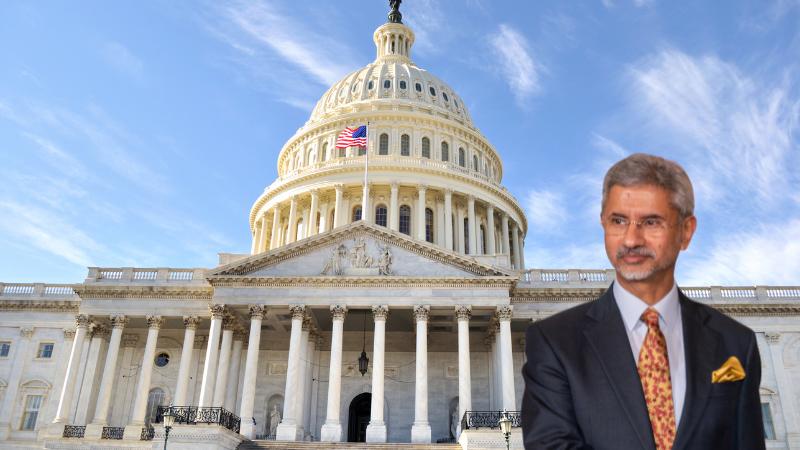
India and US near historic trade pact as tariff cuts and mineral ties advance
India and the United States are moving closer to concluding what officials describe as a landmark trade agreement, with External Affairs Minister S. Jaishankar indicating that the final details are being worked out and an announcement could come soon. Speaking at the conclusion of his visit to Washington on February 5, Jaishankar said negotiations had reached an advanced stage and expressed confidence that the pact would usher in a new phase of cooperation between the two countries.
India and US near historic trade pact as tariff cuts and mineral ties advance
India and the United States are moving closer to concluding what officials describe as a landmark trade agreement, with External Affairs Minister S. Jaishankar indicating that the final details are being worked out and an announcement could come soon. Speaking at the conclusion of his visit to Washington on February 5, Jaishankar said negotiations had reached an advanced stage and expressed confidence that the pact would usher in a new phase of cooperation between the two countries.
Global gold wealth mapped as seven nations dominate trillion-dollar reserves
Global gold reserves have come under renewed scrutiny as bullion prices climb to historic levels, strengthening the strategic and economic significance of mineral-rich nations. Gold is currently trading at approximately $4,290 an ounce in the international market, sharply raising the value of unmined deposits and drawing attention from investors, governments and mining companies seeking long-term supply security. Against this backdrop, geological estimates highlight a small group of countries
Global gold wealth mapped as seven nations dominate trillion-dollar reserves
Global gold reserves have come under renewed scrutiny as bullion prices climb to historic levels, strengthening the strategic and economic significance of mineral-rich nations. Gold is currently trading at approximately $4,290 an ounce in the international market, sharply raising the value of unmined deposits and drawing attention from investors, governments and mining companies seeking long-term supply security. Against this backdrop, geological estimates highlight a small group of countries

India–US trade deal: Doval warns Washington against pressure tactics
India’s national security advisor Ajit Doval conveyed a firm message to senior United States officials months before the announcement of a new trade agreement between New Delhi and Washington, underscoring that India would not yield to public pressure or coercive tactics during negotiations. According to officials familiar with the discussions, Doval made it clear during meetings in Washington that India was prepared to wait out the current US administration if necessary rather than accept terms it viewed as unfavorable. The visit took place in early September, shortly after Prime Minister Narendra Modi held talks with Russian President Vladimir Putin and Chinese President Xi Jinping, signaling an active diplomatic phase for New Delhi across major global powers. During his interaction with US Secretary of State Marco Rubio, Doval reportedly emphasized that while India remained committed to reviving trade talks, it expected a more measured tone from Washington and less public criticism that could complicate bilateral ties. Officials said Doval sought to put recent acrimony behind the two countries and expressed interest in restarting substantive discussions on a trade deal that has been under negotiation for several years. At the same time, he warned that India would not be “bullied” by President Donald Trump or senior members of his team, stressing that any agreement must respect India’s economic interests and strategic autonomy. The remarks came months before Trump publicly announced progress on a trade deal with India following a phone call with Modi on February 2. That announcement marked a fresh attempt by both sides to rebuild momentum in economic cooperation after a period marked by tariff disputes and disagreements over market access. Diplomatic observers note that India’s approach reflects a broader foreign policy strategy that balances engagement with firmness. By signaling willingness to continue talks while resisting overt pressure, New Delhi appears intent on safeguarding domestic priorities while preserving its long-term partnership with Washington. The United States remains one of India’s largest trading partners, and both governments view closer economic integration as central to strengthening strategic ties in the Indo-Pacific. The Washington meeting is seen as part of quiet backchannel diplomacy aimed at lowering tensions and creating space for practical negotiations. With both sides now indicating readiness to resume dialogue, officials say the focus will be on rebuilding trust and advancing a mutually beneficial trade framework that supports growth and stability in the relationship.
India–US trade deal: Doval warns Washington against pressure tactics
India’s national security advisor Ajit Doval conveyed a firm message to senior United States officials months before the announcement of a new trade agreement between New Delhi and Washington, underscoring that India would not yield to public pressure or coercive tactics during negotiations. According to officials familiar with the discussions, Doval made it clear during meetings in Washington that India was prepared to wait out the current US administration if necessary rather than accept terms it viewed as unfavorable. The visit took place in early September, shortly after Prime Minister Narendra Modi held talks with Russian President Vladimir Putin and Chinese President Xi Jinping, signaling an active diplomatic phase for New Delhi across major global powers. During his interaction with US Secretary of State Marco Rubio, Doval reportedly emphasized that while India remained committed to reviving trade talks, it expected a more measured tone from Washington and less public criticism that could complicate bilateral ties. Officials said Doval sought to put recent acrimony behind the two countries and expressed interest in restarting substantive discussions on a trade deal that has been under negotiation for several years. At the same time, he warned that India would not be “bullied” by President Donald Trump or senior members of his team, stressing that any agreement must respect India’s economic interests and strategic autonomy. The remarks came months before Trump publicly announced progress on a trade deal with India following a phone call with Modi on February 2. That announcement marked a fresh attempt by both sides to rebuild momentum in economic cooperation after a period marked by tariff disputes and disagreements over market access. Diplomatic observers note that India’s approach reflects a broader foreign policy strategy that balances engagement with firmness. By signaling willingness to continue talks while resisting overt pressure, New Delhi appears intent on safeguarding domestic priorities while preserving its long-term partnership with Washington. The United States remains one of India’s largest trading partners, and both governments view closer economic integration as central to strengthening strategic ties in the Indo-Pacific. The Washington meeting is seen as part of quiet backchannel diplomacy aimed at lowering tensions and creating space for practical negotiations. With both sides now indicating readiness to resume dialogue, officials say the focus will be on rebuilding trust and advancing a mutually beneficial trade framework that supports growth and stability in the relationship.
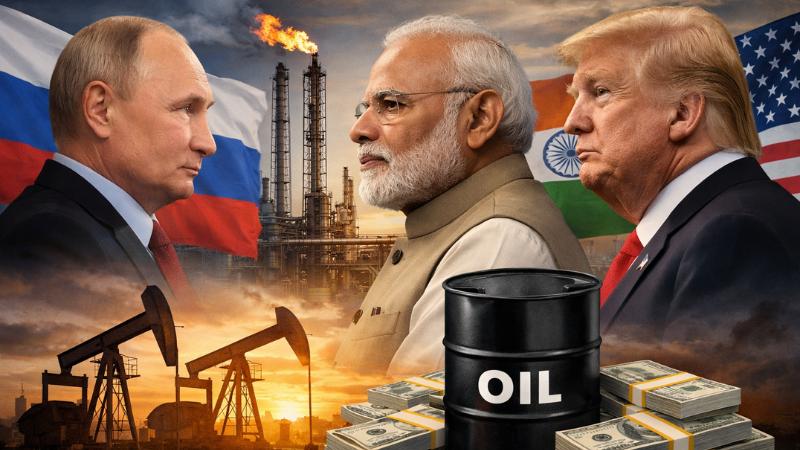
Russia questions India’s pledge to stop Russian crude after U.S. tariff agreement
Russia has said it has not received any official confirmation from India that the country plans to halt purchases of Russian oil, a day after U.S. President Donald Trump claimed New Delhi agreed to scale back those imports as part of a new trade agreement with Washington. Kremlin spokesperson Dmitry Peskov stated that Moscow had yet to hear directly from Indian authorities regarding any change in energy flows. While acknowledging the evolving relationship between the United States a
Russia questions India’s pledge to stop Russian crude after U.S. tariff agreement
Russia has said it has not received any official confirmation from India that the country plans to halt purchases of Russian oil, a day after U.S. President Donald Trump claimed New Delhi agreed to scale back those imports as part of a new trade agreement with Washington. Kremlin spokesperson Dmitry Peskov stated that Moscow had yet to hear directly from Indian authorities regarding any change in energy flows. While acknowledging the evolving relationship between the United States a
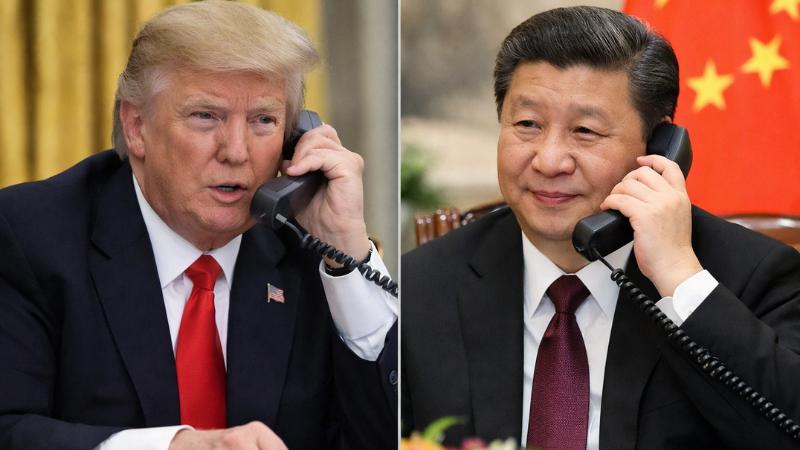
US and China leaders hold extensive talks on oil, agriculture, and Taiwan issues
US President Donald Trump held an extended telephone conversation with Chinese President Xi Jinping on Wednesday, engaging in wide-ranging discussions that touched on trade ties, energy cooperation, agricultural purchases, and several pressing geopolitical concerns, according to remarks shared by the American leader. Posting about the exchange on his social media platform, Trump described the dialogue as “excellent,” emphasizing that the call was both lengthy and substantive. He
US and China leaders hold extensive talks on oil, agriculture, and Taiwan issues
US President Donald Trump held an extended telephone conversation with Chinese President Xi Jinping on Wednesday, engaging in wide-ranging discussions that touched on trade ties, energy cooperation, agricultural purchases, and several pressing geopolitical concerns, according to remarks shared by the American leader. Posting about the exchange on his social media platform, Trump described the dialogue as “excellent,” emphasizing that the call was both lengthy and substantive. He
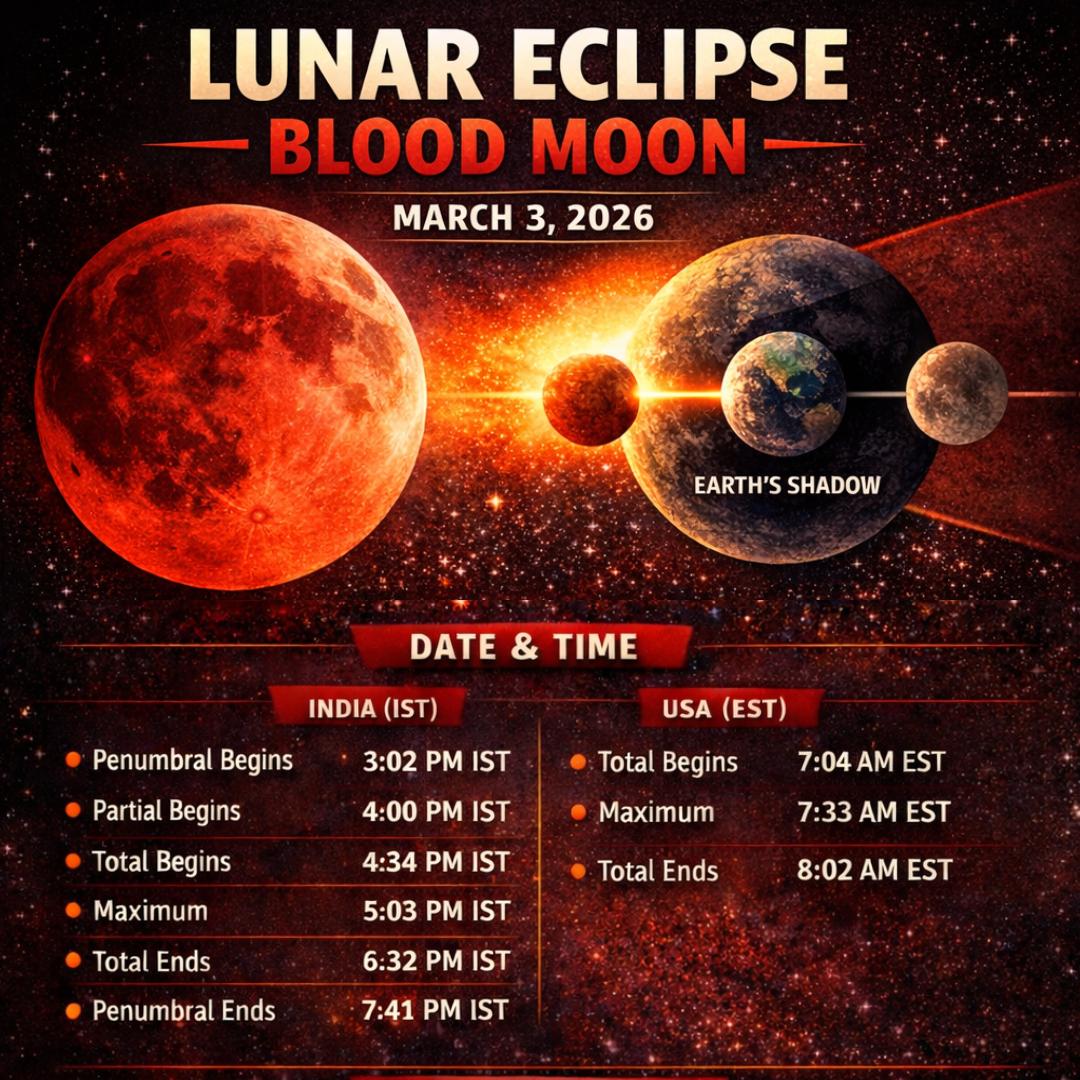
Lunar Blood Moon Eclipse 2026: Date, Time In India, USA & How To Watch
The March 3, 2026 Lunar Eclipse will be a Total Lunar Eclipse, often called a Blood Moon because the Moon turns deep red during totality. This happens when the Earth moves directly between the Sun and the Moon, casting its shadow completely over the Moon. According to NASA, the red color appears because Earth’s atmosphere filters sunligh
Lunar Blood Moon Eclipse 2026: Date, Time In India, USA & How To Watch
The March 3, 2026 Lunar Eclipse will be a Total Lunar Eclipse, often called a Blood Moon because the Moon turns deep red during totality. This happens when the Earth moves directly between the Sun and the Moon, casting its shadow completely over the Moon. According to NASA, the red color appears because Earth’s atmosphere filters sunligh
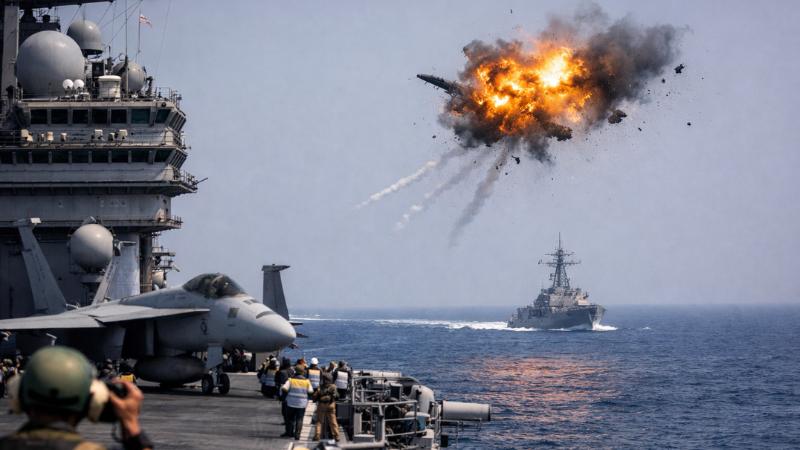
US downs Iranian drone near carrier as nuclear talks hang in balance
Tensions between Iran and the United States intensified this week after the US military shot down an Iranian drone that it said approached the aircraft carrier USS Abraham Lincoln in an aggressive manner in the Arabian Sea. The incident came as both sides exchanged sharp warnings and cautious signals about a possible return to nuclear diplomacy, underscoring the fragile balance between confrontation and negotiation in the region. According to US officials, the drone was intercepted
US downs Iranian drone near carrier as nuclear talks hang in balance
Tensions between Iran and the United States intensified this week after the US military shot down an Iranian drone that it said approached the aircraft carrier USS Abraham Lincoln in an aggressive manner in the Arabian Sea. The incident came as both sides exchanged sharp warnings and cautious signals about a possible return to nuclear diplomacy, underscoring the fragile balance between confrontation and negotiation in the region. According to US officials, the drone was intercepted
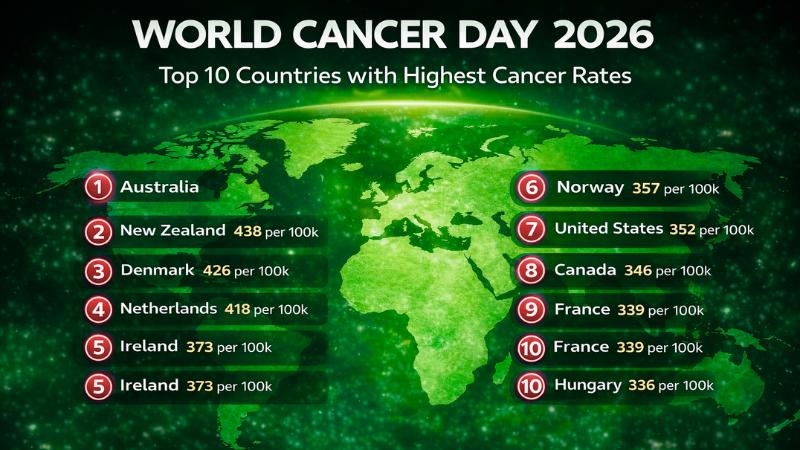
World Cancer Day 2026: Top 10 Countries with Highest Cancer Rates
Cancer remains one of the most significant global health challenges, with incidence rates varying dramatically across countries. The Age-Standardised Incidence Rate (ASIR) of cancer is influenced by various factors, including lifestyle habits, healthcare infrastructure, population age, and access to screening and prevention programs. On World Cancer Day 2026, experts highlight the top 10 countries with the highest cancer rates, shedding light on the impact of these factors on global cancer pr
World Cancer Day 2026: Top 10 Countries with Highest Cancer Rates
Cancer remains one of the most significant global health challenges, with incidence rates varying dramatically across countries. The Age-Standardised Incidence Rate (ASIR) of cancer is influenced by various factors, including lifestyle habits, healthcare infrastructure, population age, and access to screening and prevention programs. On World Cancer Day 2026, experts highlight the top 10 countries with the highest cancer rates, shedding light on the impact of these factors on global cancer pr
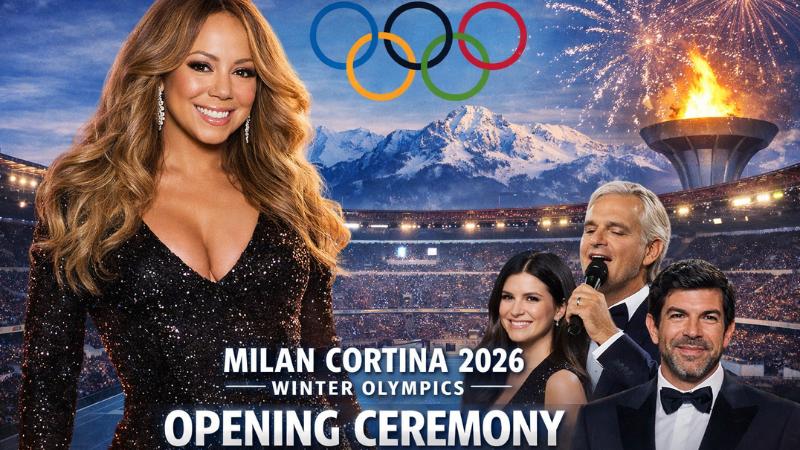
Mariah Carey to Headline Milan Cortina 2026 Olympics Opening Ceremony
The Milan Cortina 2026 Winter Olympics will open with a high-profile ceremony that blends sport, culture, and international entertainment, as organizers prepare to welcome athletes and audiences from around the world. Scheduled for Friday, Feb. 6, the Opening Ceremony at Milano San Siro Olympic Stadium is expected to set the tone for the Games with a mix of traditional Olympic rituals and performances from globally recognized artists, including pop icon Mariah Carey. The three-hour event will formally launch the Olympics, even as several competitions begin earlier in the week. Live coverage is set to start at 1 p.m. CT, with broadcasters carrying the ceremony across television and streaming platforms to ensure broad access for viewers worldwide. The ceremony will air live on NBC and stream on Peacock and official Olympic platforms, with a primetime rebroadcast beginning at 7 p.m. CT for audiences unable to watch earlier in the day. In addition to the customary Parade of Nations and the lighting of the Olympic torch, the program will feature a diverse lineup of performers representing both international and Italian talent. Carey’s appearance is expected to headline the entertainment segment, adding star power to an already ambitious production. Italian artists and actors will also take part, including tenor Andrea Bocelli, award-winning singer Laura Pausini, and actor and producer Pierfrancesco Favino. Actors Sabrina Impacciatore and Matilde De Angelis are also scheduled to participate, underscoring the host nation’s cultural presence on the global stage. While the ceremony serves as the symbolic start of the Olympics, competition begins two days earlier. Alpine skiing and curling events are set to open the sporting calendar on Feb. 4, followed closely by ski jumping, snowboarding, figure skating, and ice hockey. The early schedule allows athletes to begin vying for position before the formal celebration takes place. The first medals of the Milan Cortina Games will be awarded on Feb. 7, marking the beginning of nearly three weeks of competition across Italy’s winter sport venues. Athletes from dozens of countries will compete in disciplines ranging from fast-paced hockey matchups to precision-based figure skating and endurance-focused skiing events. The Games will conclude with the Closing Ceremony on Feb. 22. With its combination of live music, ceremonial traditions, and the gathering of the world’s top winter athletes, the Opening Ceremony is poised to deliver both spectacle and significance. Organizers say the event will celebrate Italy’s heritage while highlighting the unity and competitive spirit that define the Olympic movement, making Milan Cortina 2026 one of the most anticipated winter sporting events in recent years.
Mariah Carey to Headline Milan Cortina 2026 Olympics Opening Ceremony
The Milan Cortina 2026 Winter Olympics will open with a high-profile ceremony that blends sport, culture, and international entertainment, as organizers prepare to welcome athletes and audiences from around the world. Scheduled for Friday, Feb. 6, the Opening Ceremony at Milano San Siro Olympic Stadium is expected to set the tone for the Games with a mix of traditional Olympic rituals and performances from globally recognized artists, including pop icon Mariah Carey. The three-hour event will formally launch the Olympics, even as several competitions begin earlier in the week. Live coverage is set to start at 1 p.m. CT, with broadcasters carrying the ceremony across television and streaming platforms to ensure broad access for viewers worldwide. The ceremony will air live on NBC and stream on Peacock and official Olympic platforms, with a primetime rebroadcast beginning at 7 p.m. CT for audiences unable to watch earlier in the day. In addition to the customary Parade of Nations and the lighting of the Olympic torch, the program will feature a diverse lineup of performers representing both international and Italian talent. Carey’s appearance is expected to headline the entertainment segment, adding star power to an already ambitious production. Italian artists and actors will also take part, including tenor Andrea Bocelli, award-winning singer Laura Pausini, and actor and producer Pierfrancesco Favino. Actors Sabrina Impacciatore and Matilde De Angelis are also scheduled to participate, underscoring the host nation’s cultural presence on the global stage. While the ceremony serves as the symbolic start of the Olympics, competition begins two days earlier. Alpine skiing and curling events are set to open the sporting calendar on Feb. 4, followed closely by ski jumping, snowboarding, figure skating, and ice hockey. The early schedule allows athletes to begin vying for position before the formal celebration takes place. The first medals of the Milan Cortina Games will be awarded on Feb. 7, marking the beginning of nearly three weeks of competition across Italy’s winter sport venues. Athletes from dozens of countries will compete in disciplines ranging from fast-paced hockey matchups to precision-based figure skating and endurance-focused skiing events. The Games will conclude with the Closing Ceremony on Feb. 22. With its combination of live music, ceremonial traditions, and the gathering of the world’s top winter athletes, the Opening Ceremony is poised to deliver both spectacle and significance. Organizers say the event will celebrate Italy’s heritage while highlighting the unity and competitive spirit that define the Olympic movement, making Milan Cortina 2026 one of the most anticipated winter sporting events in recent years.
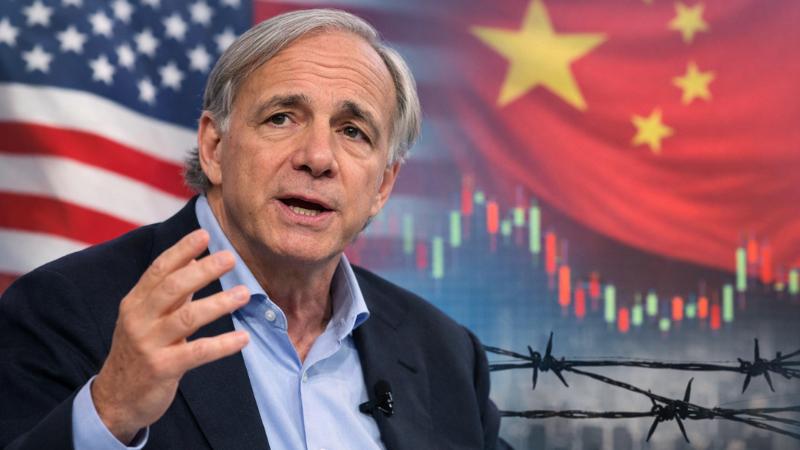
Ray Dalio flags risk of capital war as geopolitics unsettle global financial markets
Legendary investor Ray Dalio has cautioned that the global economy is approaching a dangerous tipping point, warning that mounting geopolitical frictions and unstable financial markets could trigger what he describes as a “capital war,” in which nations weaponize money, trade, and investment flows to exert influence over one another. Speaking at the World Governments Summit in Dubai, Dalio said the international system is not yet in such a conflict but is “on the brink,” with conditions that could quickly escalate. He described capital war as a scenario where governments restrict access to markets, impose sanctions, enforce capital controls, or use debt holdings and trade leverage to pressure rivals. According to Dalio, rising mistrust among major economies is increasing the likelihood of these tools being deployed more aggressively. He pointed to growing tensions between the United States and its allies and competitors as a key source of concern. Discussions surrounding Washington’s interest in Greenland, a Danish territory, as well as broader disagreements over trade and security policy, have unsettled investors. Dalio said some European holders of U.S.-denominated assets fear potential sanctions or restrictions, while American policymakers may worry about losing reliable foreign buyers for government debt. European investors have played a significant role in financing U.S. borrowing needs, accounting for a large share of foreign purchases of Treasurys in recent months. Any disruption to those flows could amplify volatility in global markets and increase funding pressures. Dalio noted that “capital, money, matters,” emphasizing that financial interdependence has become both a strength and a vulnerability for the global system. Since returning to office, President Donald Trump has introduced and, at times, rolled back punitive tariffs targeting several trading partners. Those policy shifts have added to market swings and uncertainty. Dalio said similar patterns in the past have often preceded broader economic confrontations, with governments imposing foreign exchange restrictions and tightening controls to protect domestic interests. Drawing parallels with history, he referenced periods leading up to major conflicts, when sanctions and trade barriers intensified rivalries between nations. He suggested that today’s environment could produce comparable strains, particularly in relations between the United States and China, or between the United States and Europe, where trade deficits and capital imbalances remain sensitive issues. Against this backdrop, Dalio reiterated his long-standing view that gold remains an effective hedge during periods of stress. Although prices have fluctuated recently, he said the precious metal continues to serve as a reliable diversifier for portfolios. Rather than focusing on short-term movements, he advised investors, central banks, and sovereign wealth funds to maintain a steady allocation to gold as protection against systemic risk. Ultimately, Dalio urged a disciplined approach to investing, stressing that diversification across assets and regions is the best defense in an increasingly uncertain economic landscape.
Ray Dalio flags risk of capital war as geopolitics unsettle global financial markets
Legendary investor Ray Dalio has cautioned that the global economy is approaching a dangerous tipping point, warning that mounting geopolitical frictions and unstable financial markets could trigger what he describes as a “capital war,” in which nations weaponize money, trade, and investment flows to exert influence over one another. Speaking at the World Governments Summit in Dubai, Dalio said the international system is not yet in such a conflict but is “on the brink,” with conditions that could quickly escalate. He described capital war as a scenario where governments restrict access to markets, impose sanctions, enforce capital controls, or use debt holdings and trade leverage to pressure rivals. According to Dalio, rising mistrust among major economies is increasing the likelihood of these tools being deployed more aggressively. He pointed to growing tensions between the United States and its allies and competitors as a key source of concern. Discussions surrounding Washington’s interest in Greenland, a Danish territory, as well as broader disagreements over trade and security policy, have unsettled investors. Dalio said some European holders of U.S.-denominated assets fear potential sanctions or restrictions, while American policymakers may worry about losing reliable foreign buyers for government debt. European investors have played a significant role in financing U.S. borrowing needs, accounting for a large share of foreign purchases of Treasurys in recent months. Any disruption to those flows could amplify volatility in global markets and increase funding pressures. Dalio noted that “capital, money, matters,” emphasizing that financial interdependence has become both a strength and a vulnerability for the global system. Since returning to office, President Donald Trump has introduced and, at times, rolled back punitive tariffs targeting several trading partners. Those policy shifts have added to market swings and uncertainty. Dalio said similar patterns in the past have often preceded broader economic confrontations, with governments imposing foreign exchange restrictions and tightening controls to protect domestic interests. Drawing parallels with history, he referenced periods leading up to major conflicts, when sanctions and trade barriers intensified rivalries between nations. He suggested that today’s environment could produce comparable strains, particularly in relations between the United States and China, or between the United States and Europe, where trade deficits and capital imbalances remain sensitive issues. Against this backdrop, Dalio reiterated his long-standing view that gold remains an effective hedge during periods of stress. Although prices have fluctuated recently, he said the precious metal continues to serve as a reliable diversifier for portfolios. Rather than focusing on short-term movements, he advised investors, central banks, and sovereign wealth funds to maintain a steady allocation to gold as protection against systemic risk. Ultimately, Dalio urged a disciplined approach to investing, stressing that diversification across assets and regions is the best defense in an increasingly uncertain economic landscape.
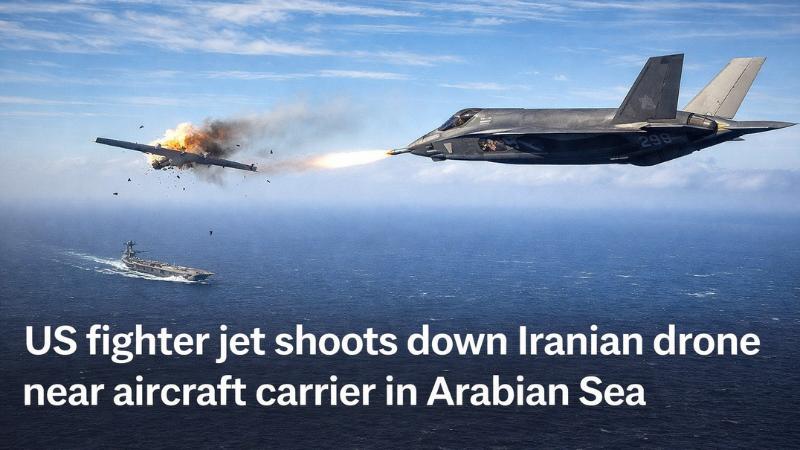
US fighter jet downs Iranian drone near aircraft carrier in Arabian Sea
A United States Navy fighter jet shot down an Iranian drone after it approached an American aircraft carrier operating in the Arabian Sea, according to US Central Command, marking the latest escalation in a period of heightened military tensions across the Middle East. The incident occurred as the unmanned aircraft moved toward the USS Abraham Lincoln with what officials described as unclear intent, despite attempts by US forces to deter it. Military authorities said the drone “ag
US fighter jet downs Iranian drone near aircraft carrier in Arabian Sea
A United States Navy fighter jet shot down an Iranian drone after it approached an American aircraft carrier operating in the Arabian Sea, according to US Central Command, marking the latest escalation in a period of heightened military tensions across the Middle East. The incident occurred as the unmanned aircraft moved toward the USS Abraham Lincoln with what officials described as unclear intent, despite attempts by US forces to deter it. Military authorities said the drone “ag
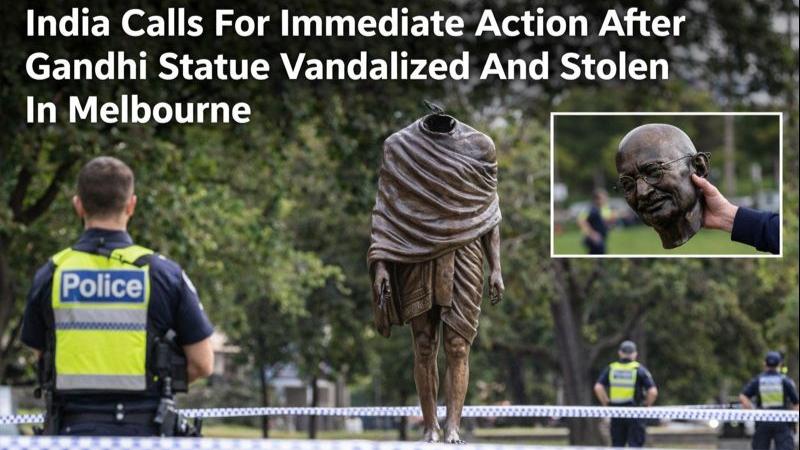
India Calls For Immediate Action After Gandhi Statue Vandalized And Stolen In Melbourne
In a shocking incident, a statue of Mahatma Gandhi was vandalized and stolen in Melbourne, sparking outrage both in India and abroad. The incident has drawn immediate attention from the Indian government, who has called for urgent action from the Australian authorities. The statue, which stood as a symbol of peace and non-violence, was reportedly cut and taken by unknown individuals in an act of desecration. The Indian government swiftly condemned the incident and expressed deep con
India Calls For Immediate Action After Gandhi Statue Vandalized And Stolen In Melbourne
In a shocking incident, a statue of Mahatma Gandhi was vandalized and stolen in Melbourne, sparking outrage both in India and abroad. The incident has drawn immediate attention from the Indian government, who has called for urgent action from the Australian authorities. The statue, which stood as a symbol of peace and non-violence, was reportedly cut and taken by unknown individuals in an act of desecration. The Indian government swiftly condemned the incident and expressed deep con
UK plans new military powers as rogue drone sightings near bases double
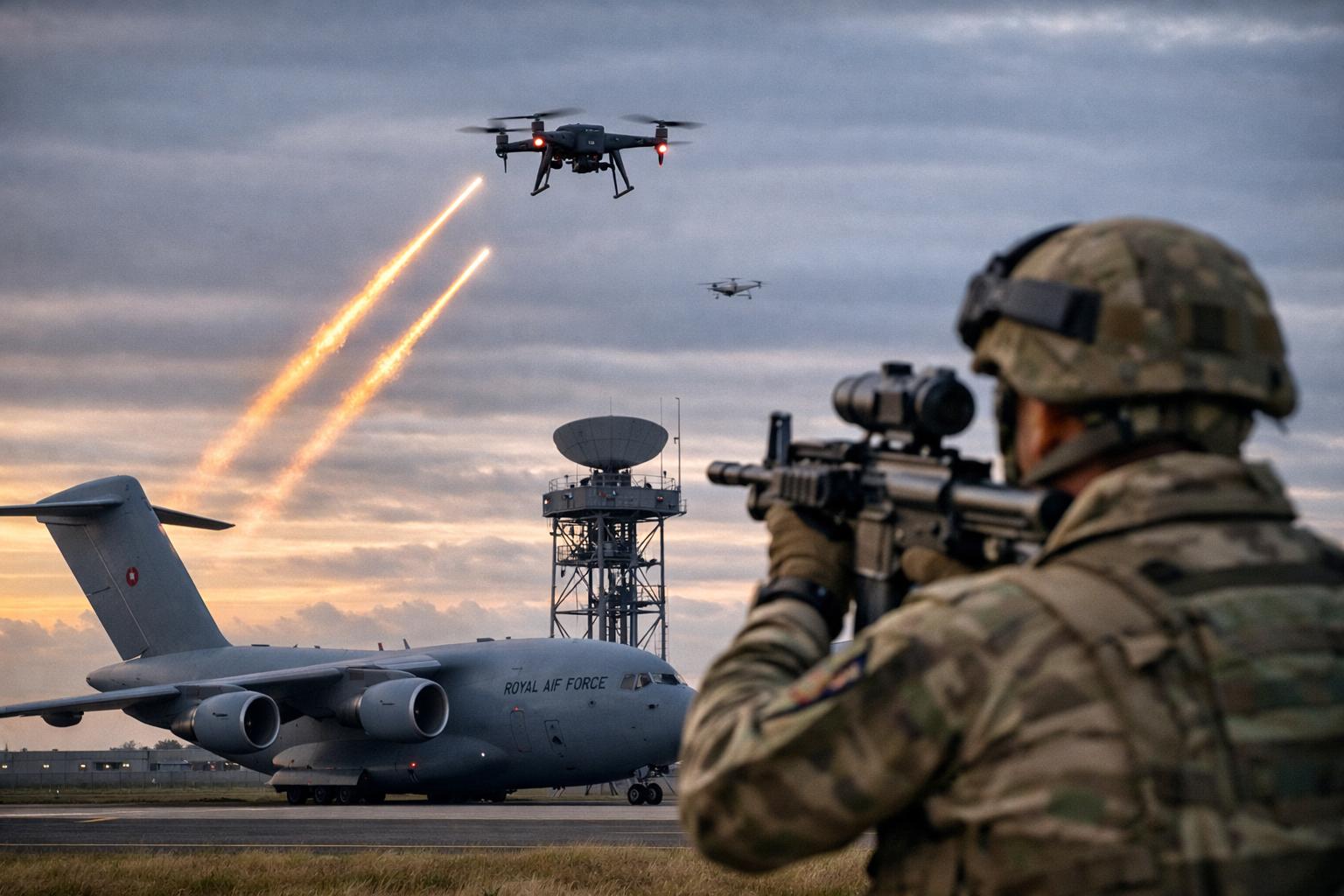
The number of reported sightings of rogue drones operating near military installations in the United Kingdom has more than doubled over the past year, raising fresh concerns over national security and prompting the government to consider significant changes to military powers. Official figures show that incidents increased from 126 in 2024 to 266 in 2025, representing a rise of more than 100 per cent and highlighting what ministers describe as an evolving and increasingly complex threat envir
UK plans new military powers as rogue drone sightings near bases double
The number of reported sightings of rogue drones operating near military installations in the United Kingdom has more than doubled over the past year, raising fresh concerns over national security and prompting the government to consider significant changes to military powers. Official figures show that incidents increased from 126 in 2024 to 266 in 2025, representing a rise of more than 100 per cent and highlighting what ministers describe as an evolving and increasingly complex threat envir
Bitcoin slides below $80,000 as global markets weaken and liquidations surge
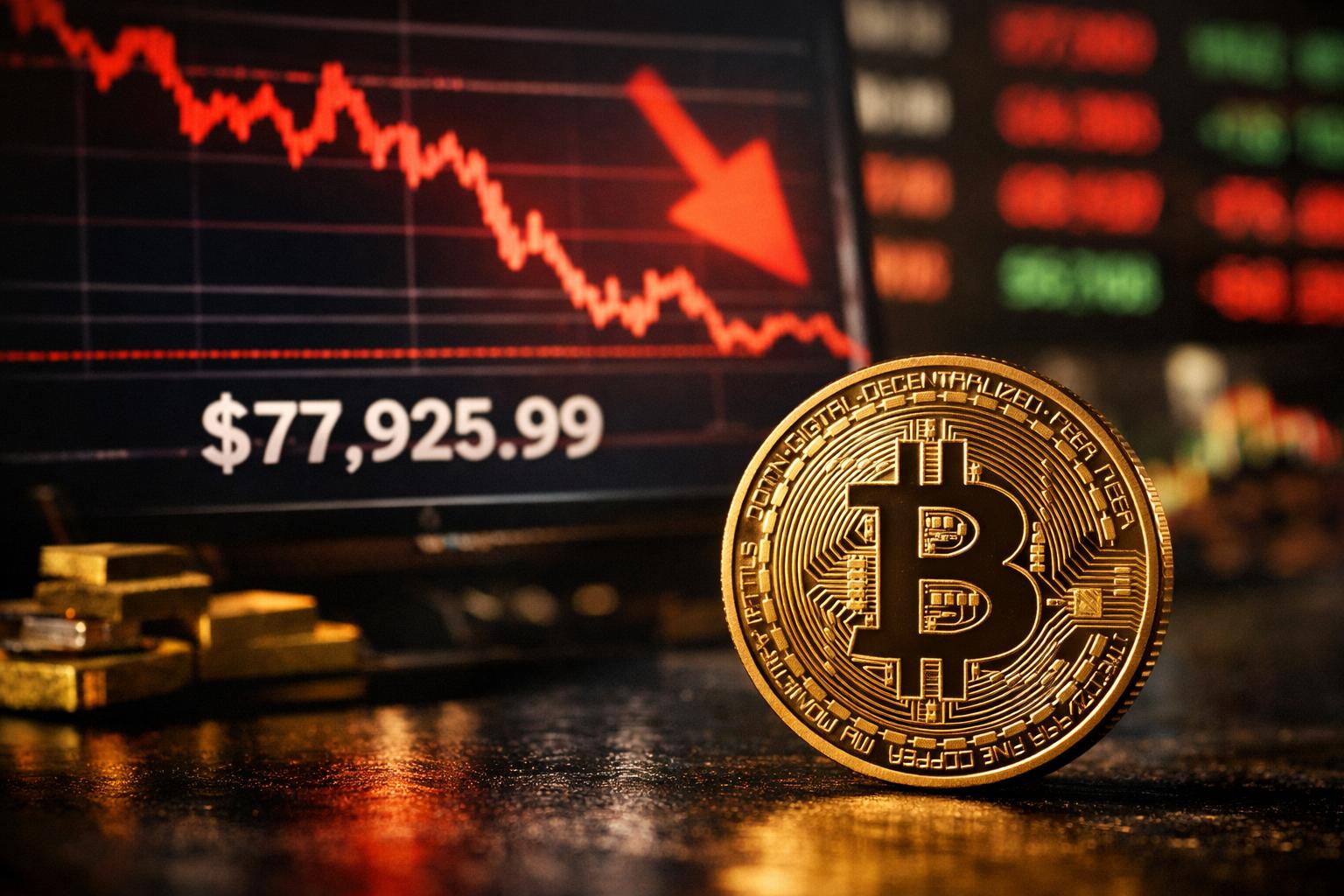
Bitcoin traded slightly higher on Monday after falling below the $80,000 mark for the first time since April 2025, as a broad risk-off move across global markets weighed heavily on digital assets. The world’s largest cryptocurrency was priced at $77,925.99 as of 8:37 a.m. Eastern Time, reflecting a modest rebound of about 1% following sharp losses over the weekend. Earlier in the session, Bitcoin briefly touched a low of $74,876 before recovering part of its decline. The recent se
Bitcoin slides below $80,000 as global markets weaken and liquidations surge
Bitcoin traded slightly higher on Monday after falling below the $80,000 mark for the first time since April 2025, as a broad risk-off move across global markets weighed heavily on digital assets. The world’s largest cryptocurrency was priced at $77,925.99 as of 8:37 a.m. Eastern Time, reflecting a modest rebound of about 1% following sharp losses over the weekend. Earlier in the session, Bitcoin briefly touched a low of $74,876 before recovering part of its decline. The recent se
PM Modi expresses gratitude to Trump after US cuts tariffs on Indian goods
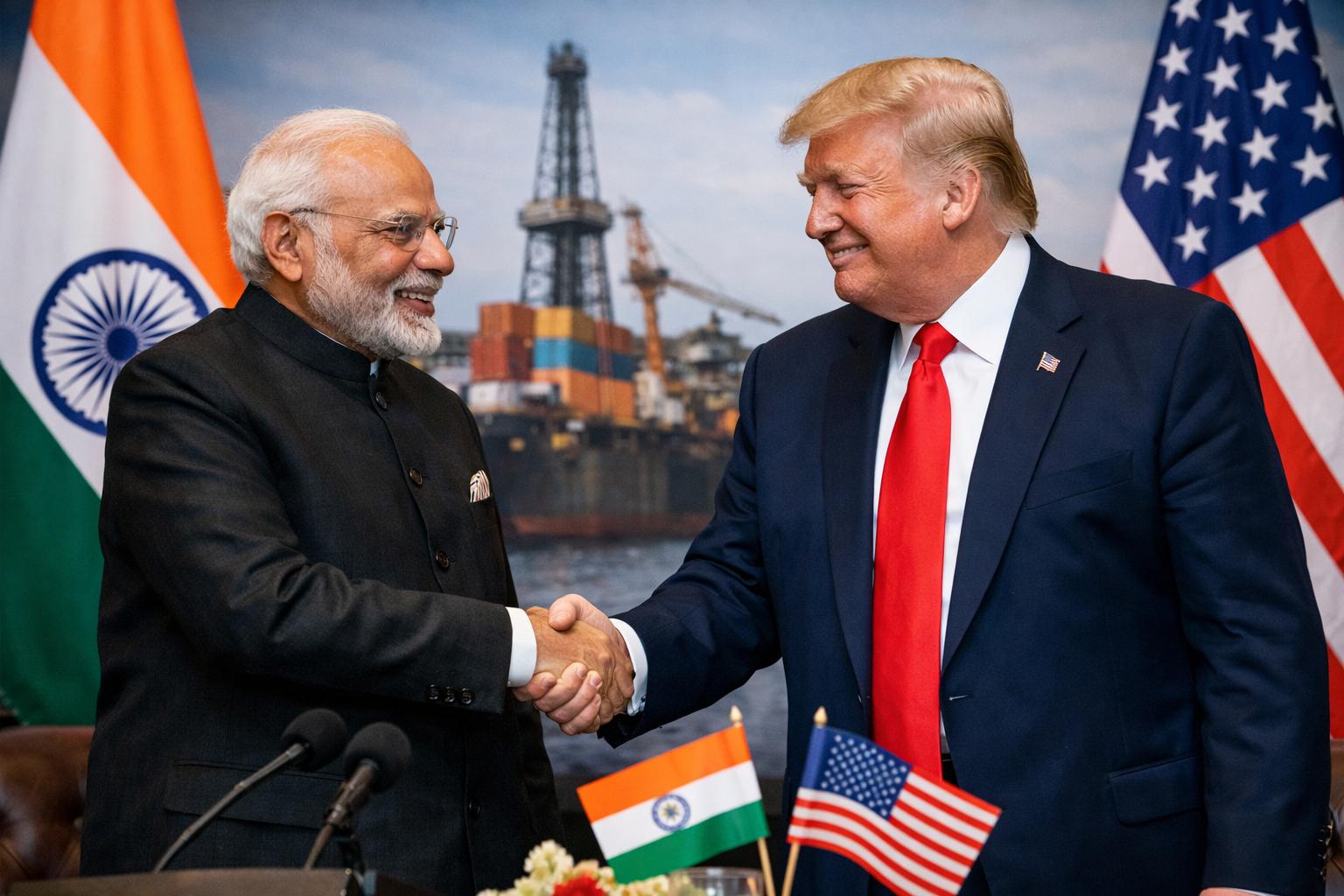
Prime Minister Narendra Modi on Monday welcomed a significant reduction in tariffs on Indian exports to the United States following an announcement by US President Donald Trump that the two countries had reached a bilateral trade agreement aimed at lowering reciprocal duties. Under the new arrangement, tariffs on Made in India products entering the US market will be reduced to 18%, marking a notable shift in trade relations between the two major economies. The agreement also provide
PM Modi expresses gratitude to Trump after US cuts tariffs on Indian goods
Prime Minister Narendra Modi on Monday welcomed a significant reduction in tariffs on Indian exports to the United States following an announcement by US President Donald Trump that the two countries had reached a bilateral trade agreement aimed at lowering reciprocal duties. Under the new arrangement, tariffs on Made in India products entering the US market will be reduced to 18%, marking a notable shift in trade relations between the two major economies. The agreement also provide
US and India agree on trade deal as tariffs are cut and oil strategy shifts
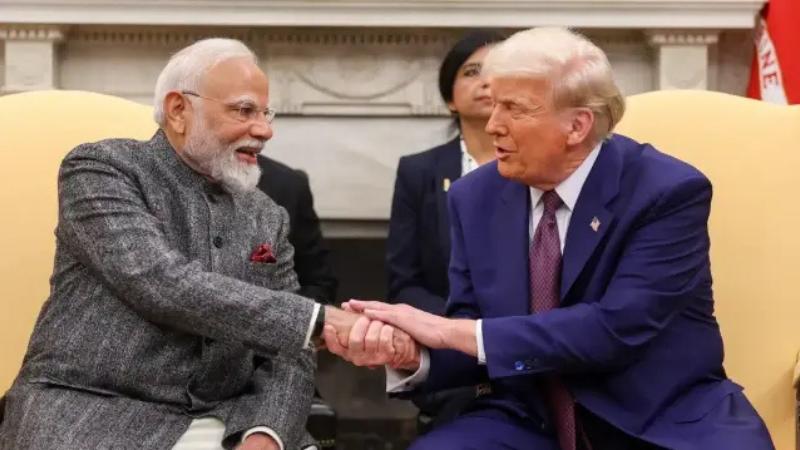
In a significant development affecting global trade and energy policy, United States President Donald Trump announced a bilateral trade agreement with Indian Prime Minister Narendra Modi following a direct telephone conversation on Monday. According to an official post shared by the US Ambassador to India on social media, the leaders discussed a range of strategic and economic issues, culminating in an accord that reduces key economic barriers between the two countries. In his publi
US and India agree on trade deal as tariffs are cut and oil strategy shifts
In a significant development affecting global trade and energy policy, United States President Donald Trump announced a bilateral trade agreement with Indian Prime Minister Narendra Modi following a direct telephone conversation on Monday. According to an official post shared by the US Ambassador to India on social media, the leaders discussed a range of strategic and economic issues, culminating in an accord that reduces key economic barriers between the two countries. In his publi
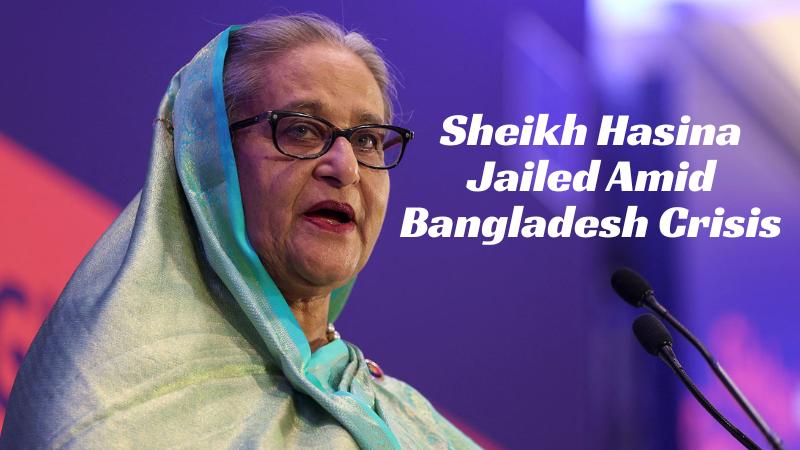
Sheikh Hasina Jailed For 10 Years In Bangladesh Land Allocation Corruption Cases
Bangladesh’s political turmoil deepened further on Monday as a Dhaka court sentenced deposed Prime Minister Sheikh Hasina to 10 years of rigorous imprisonment in two corruption cases related to alleged irregularities in government land allocations. The verdict, delivered by Dhaka’s Special Judge’s Court, marks another major legal setback for the former leader, who has been facing a barrage of cases since her removal from power in 2024. The cases revolve around the Rajuk New Town Project
Sheikh Hasina Jailed For 10 Years In Bangladesh Land Allocation Corruption Cases
Bangladesh’s political turmoil deepened further on Monday as a Dhaka court sentenced deposed Prime Minister Sheikh Hasina to 10 years of rigorous imprisonment in two corruption cases related to alleged irregularities in government land allocations. The verdict, delivered by Dhaka’s Special Judge’s Court, marks another major legal setback for the former leader, who has been facing a barrage of cases since her removal from power in 2024. The cases revolve around the Rajuk New Town Project
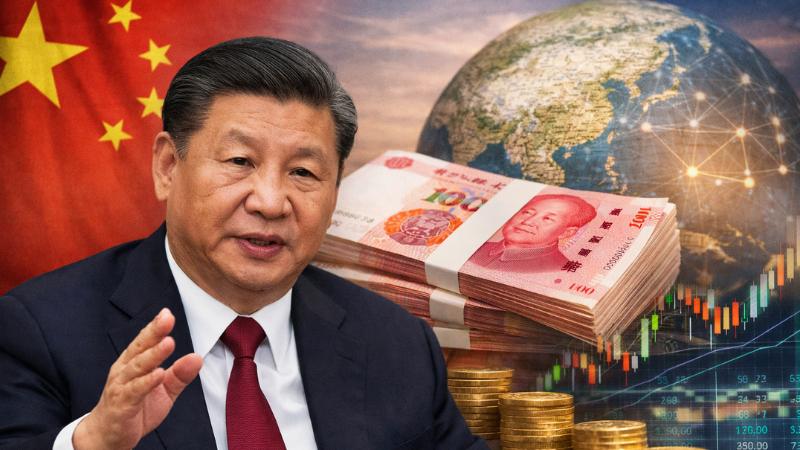
China seeks stronger yuan as Xi Jinping outlines push for global reserve currency
Amid continuing global economic uncertainty and renewed debate over the stability of major reserve currencies, Chinese President Xi Jinping has reiterated China’s ambition to build a “strong currency” and gradually elevate the yuan’s status in the global financial system. Xi said China aims to expand the use of the yuan in international trade, investment, and foreign exchange markets, underscoring a long-standing policy goal to strengthen the country’s financial influence worldwide. Xi’s remarks were outlined in a speech delivered in 2024 to senior provincial and ministerial officials and later published on Saturday in Qiushi, the Communist Party’s leading theoretical journal. The publication of excerpts from the address comes at a time of heightened volatility in global markets and growing scrutiny of the dominance of the US dollar, adding significance to Beijing’s renewed emphasis on currency strength and financial resilience. In the speech, Xi set out what he described as the essential characteristics of a global financial powerhouse. These included a solid economic foundation, world-leading technological and industrial capabilities, and a widely accepted and credible currency. He argued that currency strength was inseparable from broader national competitiveness and institutional capacity, noting that financial influence must be supported by real economic and technological power rather than short-term market movements. Xi also stressed the importance of a capable and independent central bank able to implement effective monetary policy and macroprudential management. He said globally competitive financial institutions, along with influential international financial centres, were necessary to attract global capital and exert pricing power in international markets. According to Xi, these elements must be matched with strong regulation, a reliable legal framework, and a deep pool of skilled financial professionals to ensure long-term stability and credibility. While acknowledging China’s scale in global finance, Xi noted that the country still faced structural limitations. He said China ranked among the world’s largest economies in terms of banking assets, foreign exchange reserves, and capital market size, but remained “big but not strong” overall. Transforming China into a true global financial powerhouse, he added, would be a gradual and long-term undertaking rather than an immediate achievement. Beijing has promoted the internationalisation of the yuan for more than a decade, with measurable progress in its use for cross-border trade settlement. The currency’s role in global markets, however, remains limited when compared with established reserve currencies. China’s Cross-Border Interbank Payment System currently clears an average of about 700 billion yuan, or roughly 100 billion US dollars, in transactions each day. This figure remains well below the nearly 2 trillion US dollars cleared daily through the dollar-based Clearing House Interbank Payments System. Yuan-denominated debt issuance in international markets also accounts for a small share of global activity, representing less than one percent of total issuance. These figures highlight the gap between China’s ambitions and the yuan’s current global footprint, despite steady domestic financial expansion. In recent months, the yuan has generally held firm against the US dollar, even amid trade tensions and uneven global growth. This stability contrasts with the sharper depreciation seen during former US President Donald Trump’s first term, when market observers speculated that Chinese authorities tolerated a weaker currency to offset the impact of tariffs. International investment banks continue to argue that the yuan remains below its long-term fair value, reflecting both policy controls and cautious foreign investor sentiment. The republication of Xi’s speech signals continuity in China’s financial strategy rather than a sudden shift. As global markets navigate uncertainty and reassess existing monetary structures, Beijing appears intent on steadily advancing its vision of a stronger yuan and a more influential role in the international financial system over the long term.
China seeks stronger yuan as Xi Jinping outlines push for global reserve currency
Amid continuing global economic uncertainty and renewed debate over the stability of major reserve currencies, Chinese President Xi Jinping has reiterated China’s ambition to build a “strong currency” and gradually elevate the yuan’s status in the global financial system. Xi said China aims to expand the use of the yuan in international trade, investment, and foreign exchange markets, underscoring a long-standing policy goal to strengthen the country’s financial influence worldwide. Xi’s remarks were outlined in a speech delivered in 2024 to senior provincial and ministerial officials and later published on Saturday in Qiushi, the Communist Party’s leading theoretical journal. The publication of excerpts from the address comes at a time of heightened volatility in global markets and growing scrutiny of the dominance of the US dollar, adding significance to Beijing’s renewed emphasis on currency strength and financial resilience. In the speech, Xi set out what he described as the essential characteristics of a global financial powerhouse. These included a solid economic foundation, world-leading technological and industrial capabilities, and a widely accepted and credible currency. He argued that currency strength was inseparable from broader national competitiveness and institutional capacity, noting that financial influence must be supported by real economic and technological power rather than short-term market movements. Xi also stressed the importance of a capable and independent central bank able to implement effective monetary policy and macroprudential management. He said globally competitive financial institutions, along with influential international financial centres, were necessary to attract global capital and exert pricing power in international markets. According to Xi, these elements must be matched with strong regulation, a reliable legal framework, and a deep pool of skilled financial professionals to ensure long-term stability and credibility. While acknowledging China’s scale in global finance, Xi noted that the country still faced structural limitations. He said China ranked among the world’s largest economies in terms of banking assets, foreign exchange reserves, and capital market size, but remained “big but not strong” overall. Transforming China into a true global financial powerhouse, he added, would be a gradual and long-term undertaking rather than an immediate achievement. Beijing has promoted the internationalisation of the yuan for more than a decade, with measurable progress in its use for cross-border trade settlement. The currency’s role in global markets, however, remains limited when compared with established reserve currencies. China’s Cross-Border Interbank Payment System currently clears an average of about 700 billion yuan, or roughly 100 billion US dollars, in transactions each day. This figure remains well below the nearly 2 trillion US dollars cleared daily through the dollar-based Clearing House Interbank Payments System. Yuan-denominated debt issuance in international markets also accounts for a small share of global activity, representing less than one percent of total issuance. These figures highlight the gap between China’s ambitions and the yuan’s current global footprint, despite steady domestic financial expansion. In recent months, the yuan has generally held firm against the US dollar, even amid trade tensions and uneven global growth. This stability contrasts with the sharper depreciation seen during former US President Donald Trump’s first term, when market observers speculated that Chinese authorities tolerated a weaker currency to offset the impact of tariffs. International investment banks continue to argue that the yuan remains below its long-term fair value, reflecting both policy controls and cautious foreign investor sentiment. The republication of Xi’s speech signals continuity in China’s financial strategy rather than a sudden shift. As global markets navigate uncertainty and reassess existing monetary structures, Beijing appears intent on steadily advancing its vision of a stronger yuan and a more influential role in the international financial system over the long term.










