




















#globalconflict
US strikes Iran after ship attack in Strait of Hormuz
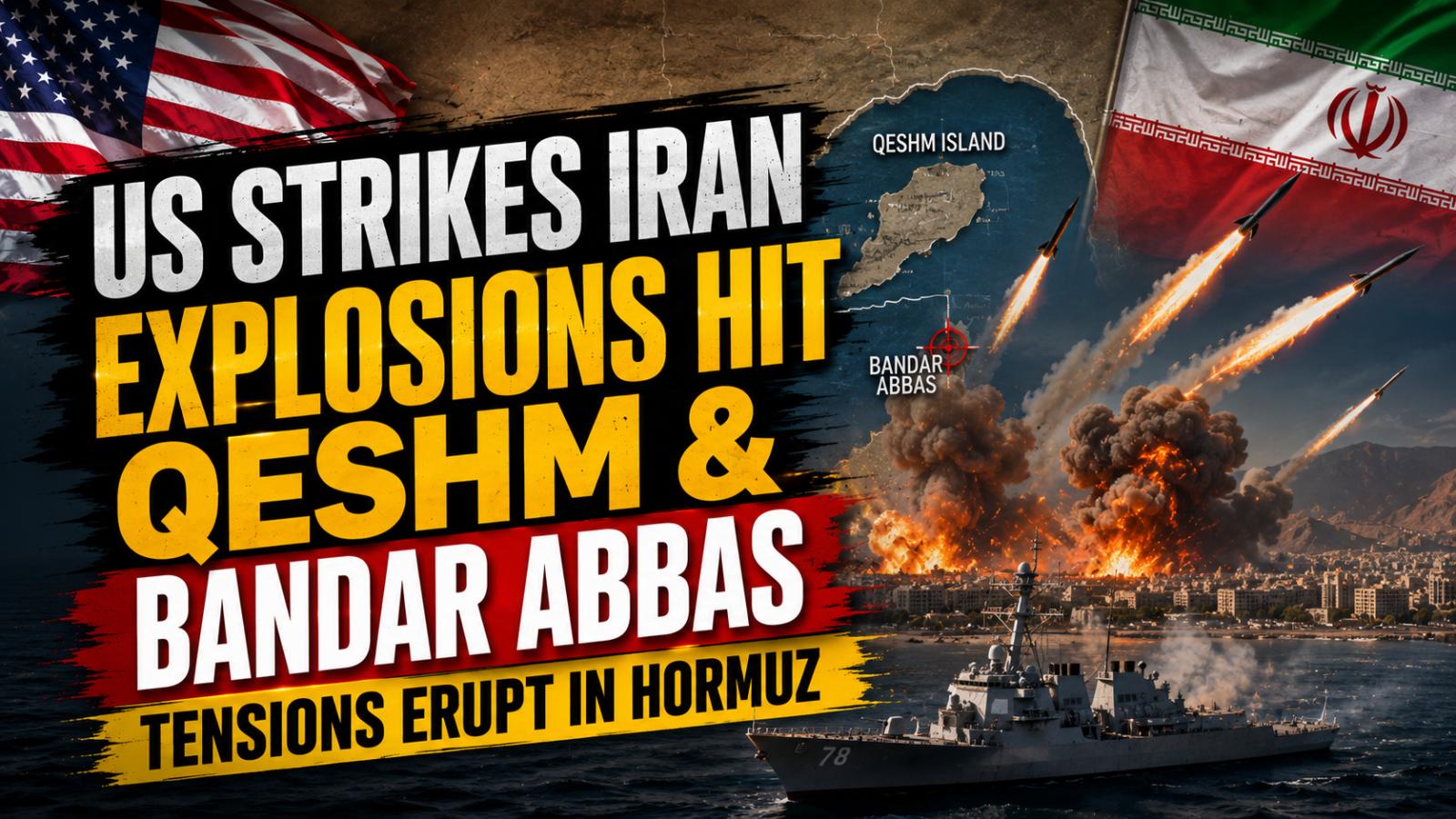
US strikes Iran were followed by multiple explosions across the country’s southern coastline on Sunday, June 12,2026 including Qeshm Island and the major port city of Bandar Abbas. The renewed fighting came after an attack on a commercial ship and Iran’s declaration that the Strait of Hormuz was closed. Qeshm attack targets military locations Residents reported several explosions near M
US strikes Iran after ship attack in Strait of Hormuz
US strikes Iran were followed by multiple explosions across the country’s southern coastline on Sunday, June 12,2026 including Qeshm Island and the major port city of Bandar Abbas. The renewed fighting came after an attack on a commercial ship and Iran’s declaration that the Strait of Hormuz was closed. Qeshm attack targets military locations Residents reported several explosions near M
Iran War Update: What Happened in the Minab School Strike and Why It Matters
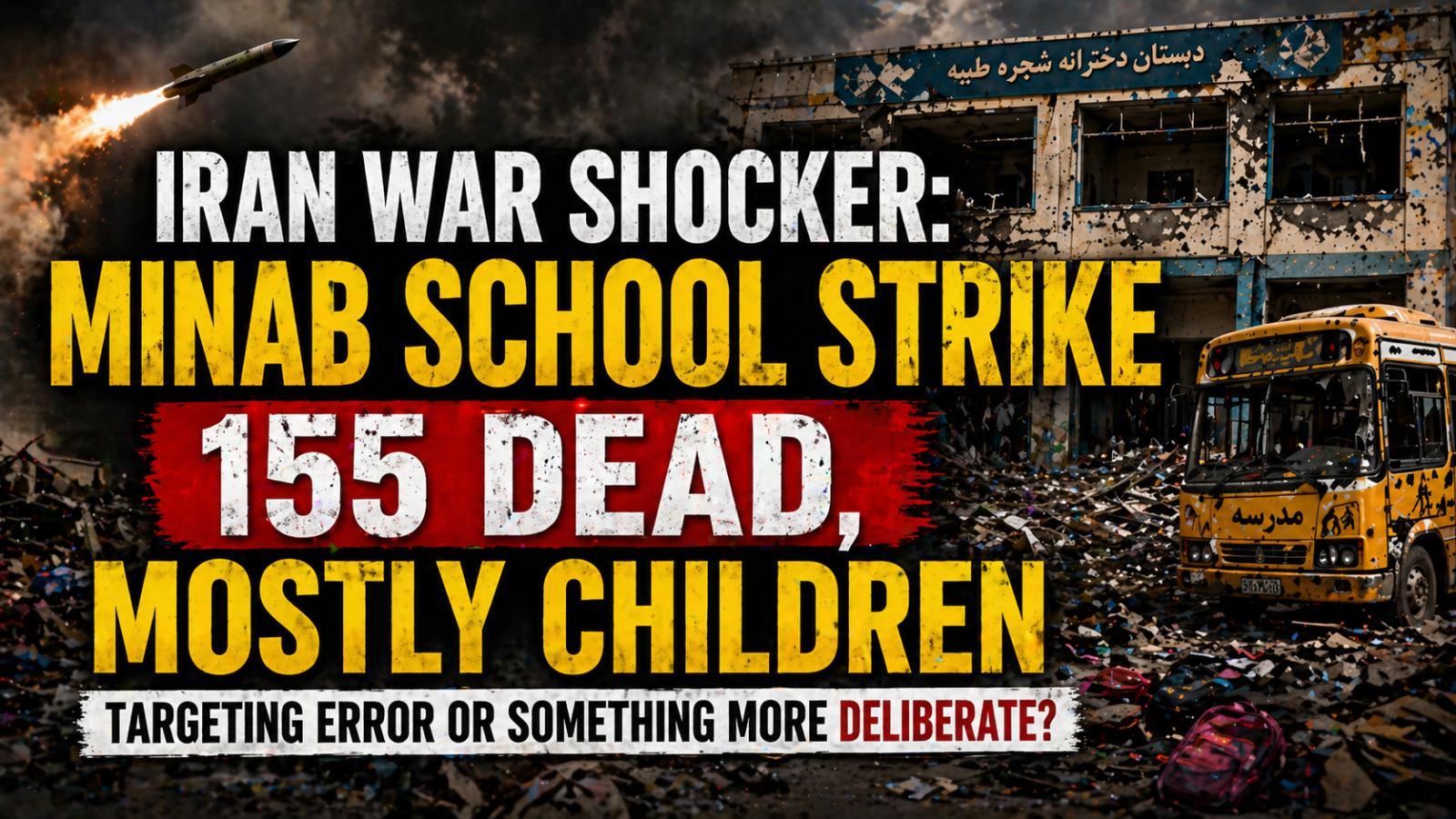
Iran has revised the death toll from the Minab school strike to 155, confirming it as the deadliest single incident in the ongoing conflict, now in its 59th day. Officials released a detailed breakdown indicating that most victims were children, alongside teachers and civilians connected to the school. The updated figure is lower than earlier estimates exceeding 175, though no formal explanation has been provided for the discrepancy. The strike occurred on February 28, the opening day of a coordinated military campaign. Two successive impacts hit the Shajareh Tayyebeh elementary school in Minab while classes were in session, a pattern described as a “double-tap” strike. Many of the children killed were between the ages of seven and twelve, amplifying global concern over the nature of the attack. Preliminary findings from a U.S. military review suggest the use of a Tomahawk cruise missile and indicate that the strike may have resulted from a targeting error. According to the investigation, outdated intelligence data misidentified the site as an active military location linked to a former Revolutionary Guards facility. Although the school had been separated from the base years earlier, the database used in targeting had not been updated accordingly. Analysts noted that automated systems processing this information may have contributed to the failure to recognize the location as a civilian site. Iranian officials have rejected the explanation, describing the incident as deliberate. The foreign minister characterized it as a calculated assault, citing the advanced precision capabilities attributed to modern military systems. The strike has since become a focal point in diplomatic discussions and ongoing ceasefire negotiations. The Pentagon has confirmed that a full investigation is still underway. As scrutiny continues, the Minab incident remains central to debates over accountability, intelligence reliability, and the risks associated with modern warfare technologies.
Iran War Update: What Happened in the Minab School Strike and Why It Matters
Iran has revised the death toll from the Minab school strike to 155, confirming it as the deadliest single incident in the ongoing conflict, now in its 59th day. Officials released a detailed breakdown indicating that most victims were children, alongside teachers and civilians connected to the school. The updated figure is lower than earlier estimates exceeding 175, though no formal explanation has been provided for the discrepancy. The strike occurred on February 28, the opening day of a coordinated military campaign. Two successive impacts hit the Shajareh Tayyebeh elementary school in Minab while classes were in session, a pattern described as a “double-tap” strike. Many of the children killed were between the ages of seven and twelve, amplifying global concern over the nature of the attack. Preliminary findings from a U.S. military review suggest the use of a Tomahawk cruise missile and indicate that the strike may have resulted from a targeting error. According to the investigation, outdated intelligence data misidentified the site as an active military location linked to a former Revolutionary Guards facility. Although the school had been separated from the base years earlier, the database used in targeting had not been updated accordingly. Analysts noted that automated systems processing this information may have contributed to the failure to recognize the location as a civilian site. Iranian officials have rejected the explanation, describing the incident as deliberate. The foreign minister characterized it as a calculated assault, citing the advanced precision capabilities attributed to modern military systems. The strike has since become a focal point in diplomatic discussions and ongoing ceasefire negotiations. The Pentagon has confirmed that a full investigation is still underway. As scrutiny continues, the Minab incident remains central to debates over accountability, intelligence reliability, and the risks associated with modern warfare technologies.
Iran airspace resumes operations amid ongoing US-Iran conflict tensions
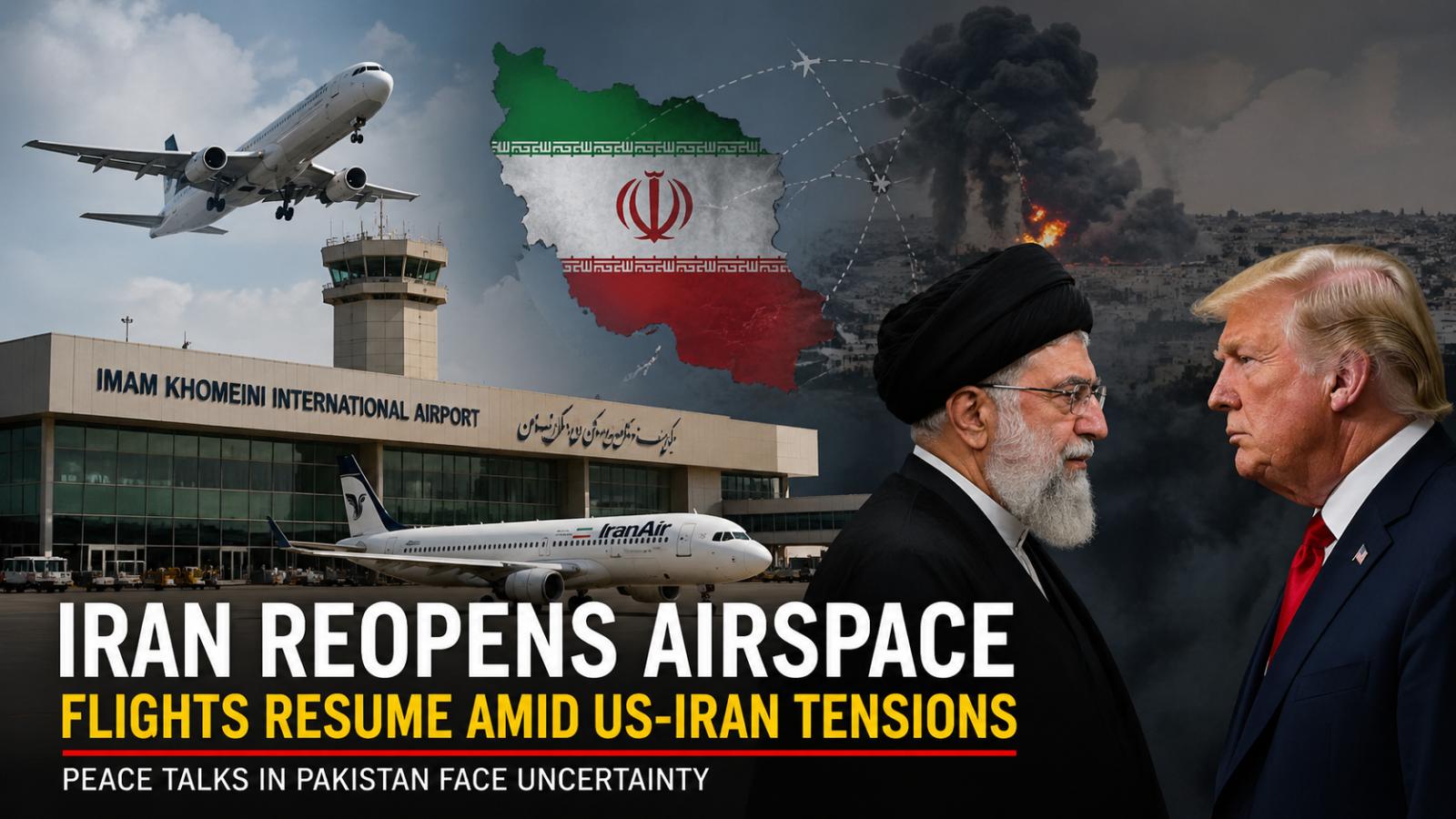
Iran airspace has resumed operations nearly two months after being shut down following joint airstrikes by the United States and Israel, marking a cautious step toward normalcy amid ongoing regional tensions. The reopening of Imam Khomeini International Airport on April 25 signals a gradual recovery in Iran’s aviation sector, even as diplomatic uncertainty continues to cloud the broader US-Iran conflict. The airspace closure was enforced on February 28 after coordinated military action escalated into a wider confrontation, forcing Iran to halt civilian aviation across the country. With security assessments and operational preparations now underway, authorities have begun restoring flight services in phases. Initial departures from Tehran include routes to Medina, Muscat, and Istanbul, reflecting limited but significant progress in reconnecting international travel corridors. Iran’s Civil Aviation Authority has indicated that full restoration of aviation services will depend on continued coordination between military and civilian agencies. Earlier, on April 18, Iran reopened its eastern airspace to international flights, allowing transit operations to resume and easing pressure on regional air traffic routes. Officials emphasize that passenger safety remains the top priority during this phased reopening. At the same time, diplomatic efforts to de-escalate the US-Iran war have encountered fresh complications. A delegation linked to former US President Donald Trump, including envoy Steve Witkoff and adviser Jared Kushner, is currently in Pakistan for a second round of peace talks. However, Iran has clearly denied any direct engagement with US representatives during this visit, raising doubts about the progress of negotiations. Iran’s Foreign Ministry has clarified that its position will be conveyed through Pakistani intermediaries, with Foreign Minister Abbas Araghchi actively involved in discussions aimed at reducing tensions. Tehran continues to describe the conflict as “an externally imposed war of aggression”, stressing the importance of restoring regional stability and easing sanctions pressure. Previous negotiations collapsed after Iran strongly objected to US demands to maintain sanctions and naval restrictions during talks. As both sides remain firm in their positions, the reopening of Iran airspace stands as a significant operational step, even as broader geopolitical challenges remain unresolved.
Iran airspace resumes operations amid ongoing US-Iran conflict tensions
Iran airspace has resumed operations nearly two months after being shut down following joint airstrikes by the United States and Israel, marking a cautious step toward normalcy amid ongoing regional tensions. The reopening of Imam Khomeini International Airport on April 25 signals a gradual recovery in Iran’s aviation sector, even as diplomatic uncertainty continues to cloud the broader US-Iran conflict. The airspace closure was enforced on February 28 after coordinated military action escalated into a wider confrontation, forcing Iran to halt civilian aviation across the country. With security assessments and operational preparations now underway, authorities have begun restoring flight services in phases. Initial departures from Tehran include routes to Medina, Muscat, and Istanbul, reflecting limited but significant progress in reconnecting international travel corridors. Iran’s Civil Aviation Authority has indicated that full restoration of aviation services will depend on continued coordination between military and civilian agencies. Earlier, on April 18, Iran reopened its eastern airspace to international flights, allowing transit operations to resume and easing pressure on regional air traffic routes. Officials emphasize that passenger safety remains the top priority during this phased reopening. At the same time, diplomatic efforts to de-escalate the US-Iran war have encountered fresh complications. A delegation linked to former US President Donald Trump, including envoy Steve Witkoff and adviser Jared Kushner, is currently in Pakistan for a second round of peace talks. However, Iran has clearly denied any direct engagement with US representatives during this visit, raising doubts about the progress of negotiations. Iran’s Foreign Ministry has clarified that its position will be conveyed through Pakistani intermediaries, with Foreign Minister Abbas Araghchi actively involved in discussions aimed at reducing tensions. Tehran continues to describe the conflict as “an externally imposed war of aggression”, stressing the importance of restoring regional stability and easing sanctions pressure. Previous negotiations collapsed after Iran strongly objected to US demands to maintain sanctions and naval restrictions during talks. As both sides remain firm in their positions, the reopening of Iran airspace stands as a significant operational step, even as broader geopolitical challenges remain unresolved.
Two killed in strike on railway bridge in Iran’s Kashan, officials say
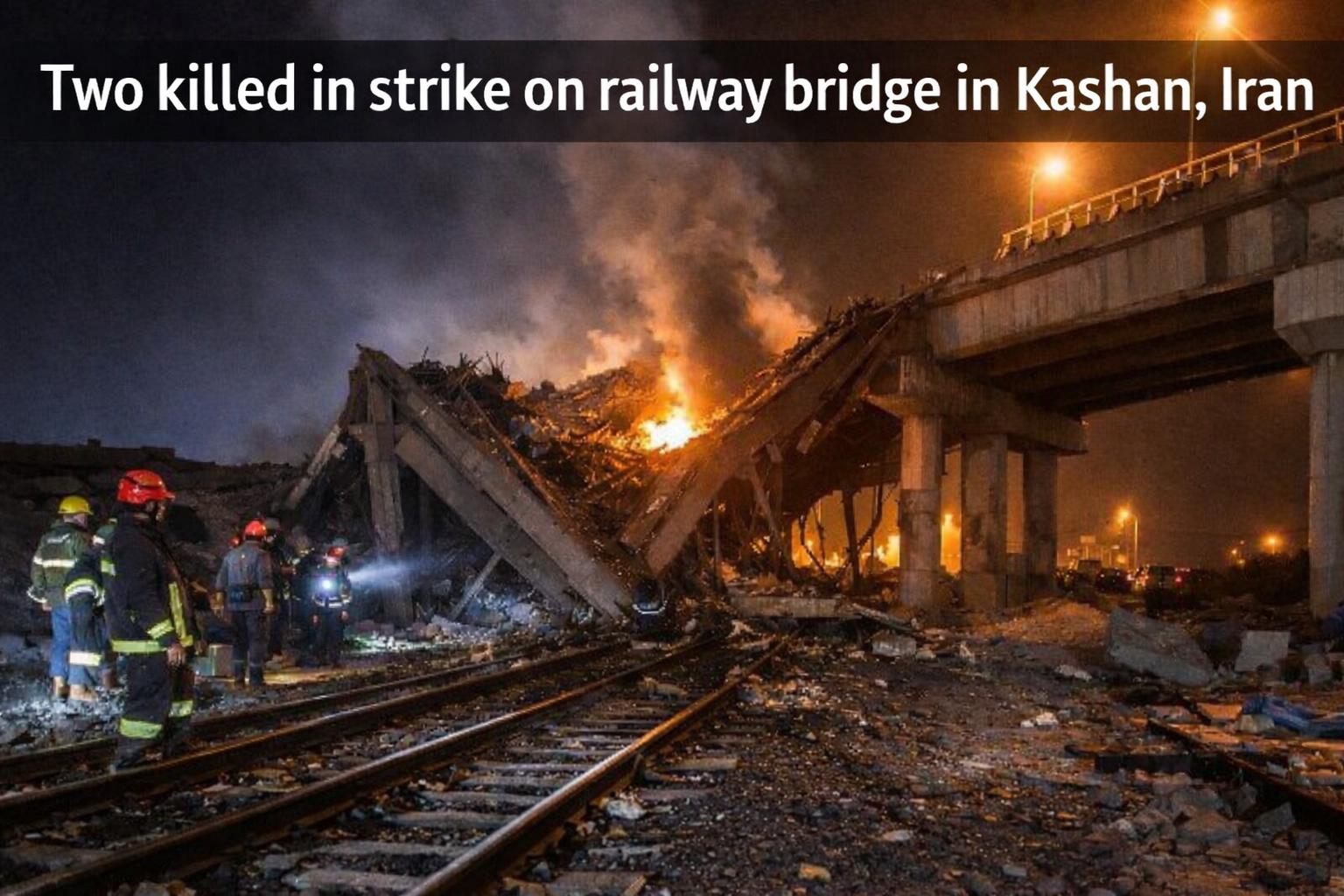
Two people were killed and three others injured in a strike on a railway bridge in the central Iranian city of Kashan, according to regional authorities. The incident occurred at approximately 4:52 PM IST on Tuesday, April 7, 2026 (which was early morning, Tuesday, April 7, 2026, in the United States), based on available live updates. Akbar Salehi, a senior security official in Isfahan province, said the Yahya Abad railway bridge in Kashan was targeted in what he described as an attack involving U.S. and Israeli forces. He stated that the strike resulted in civilian casualties, confirming two fatalities and three injuries. Authorities reported disruptions to transportation infrastructure following the incident. A key highway in northern Iran was closed after the strike, though officials did not immediately provide details on the extent of the damage or how long the closure would remain in effect. No independent confirmation of the attack or its attribution has been released. The situation remains fluid as officials continue to assess the damage and broader security implications in the region.
Two killed in strike on railway bridge in Iran’s Kashan, officials say
Two people were killed and three others injured in a strike on a railway bridge in the central Iranian city of Kashan, according to regional authorities. The incident occurred at approximately 4:52 PM IST on Tuesday, April 7, 2026 (which was early morning, Tuesday, April 7, 2026, in the United States), based on available live updates. Akbar Salehi, a senior security official in Isfahan province, said the Yahya Abad railway bridge in Kashan was targeted in what he described as an attack involving U.S. and Israeli forces. He stated that the strike resulted in civilian casualties, confirming two fatalities and three injuries. Authorities reported disruptions to transportation infrastructure following the incident. A key highway in northern Iran was closed after the strike, though officials did not immediately provide details on the extent of the damage or how long the closure would remain in effect. No independent confirmation of the attack or its attribution has been released. The situation remains fluid as officials continue to assess the damage and broader security implications in the region.
Russia drone strike on Ukraine market kills 5, injures 19
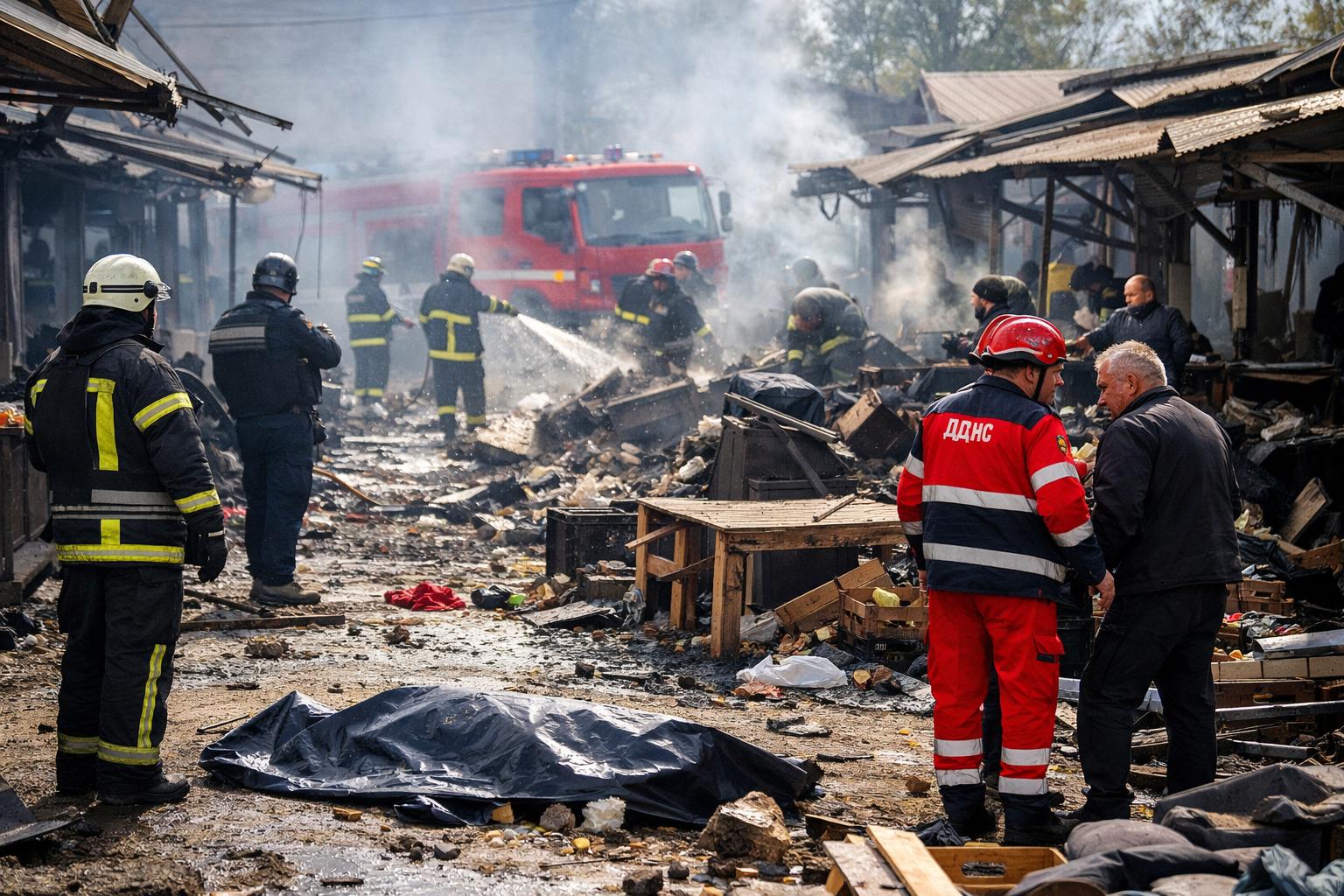
A Russian drone strike targeted a market area in the Ukrainian city of Nikopol on Saturday, April 4, 2026, in the morning local time, resulting in at least five fatalities and leaving 19 others injured, according to local authorities. The attack marks another escalation in the ongoing Russia-Ukraine war, with civilian areas increasingly affected by aerial assaults. Officials reported that the strike hit a busy marketplace during daytime hours, causing significant destruction to surrounding infrastructure and disrupting daily life for residents. Emergency services were deployed immediately after the attack to assist the injured and assess damage, while rescue operations continued in the aftermath. Nikopol, located in southeastern Ukraine, has been frequently subjected to shelling and drone attacks due to its proximity to contested regions. The latest incident highlights the persistent risks faced by civilians living near active conflict zones, where strikes have repeatedly impacted residential and commercial areas. Ukrainian authorities condemned the attack, describing it as a deliberate strike on civilian infrastructure. They emphasized the growing humanitarian toll of the conflict, noting that marketplaces and public gathering areas remain particularly vulnerable to such incidents. The Russia-Ukraine conflict, now in a prolonged phase, continues to see the use of drone warfare as a key tactic. These unmanned aerial systems have been deployed across multiple regions, contributing to rising civilian casualties and widespread damage. International observers have expressed concern over the continued targeting of populated areas, urging restraint and adherence to international humanitarian laws. As the conflict persists, attacks like the one in Nikopol underscore the ongoing instability in the region and the enduring impact on civilian populations.
Russia drone strike on Ukraine market kills 5, injures 19
A Russian drone strike targeted a market area in the Ukrainian city of Nikopol on Saturday, April 4, 2026, in the morning local time, resulting in at least five fatalities and leaving 19 others injured, according to local authorities. The attack marks another escalation in the ongoing Russia-Ukraine war, with civilian areas increasingly affected by aerial assaults. Officials reported that the strike hit a busy marketplace during daytime hours, causing significant destruction to surrounding infrastructure and disrupting daily life for residents. Emergency services were deployed immediately after the attack to assist the injured and assess damage, while rescue operations continued in the aftermath. Nikopol, located in southeastern Ukraine, has been frequently subjected to shelling and drone attacks due to its proximity to contested regions. The latest incident highlights the persistent risks faced by civilians living near active conflict zones, where strikes have repeatedly impacted residential and commercial areas. Ukrainian authorities condemned the attack, describing it as a deliberate strike on civilian infrastructure. They emphasized the growing humanitarian toll of the conflict, noting that marketplaces and public gathering areas remain particularly vulnerable to such incidents. The Russia-Ukraine conflict, now in a prolonged phase, continues to see the use of drone warfare as a key tactic. These unmanned aerial systems have been deployed across multiple regions, contributing to rising civilian casualties and widespread damage. International observers have expressed concern over the continued targeting of populated areas, urging restraint and adherence to international humanitarian laws. As the conflict persists, attacks like the one in Nikopol underscore the ongoing instability in the region and the enduring impact on civilian populations.
American fighter jet lost in Iran as US intensifies military operations
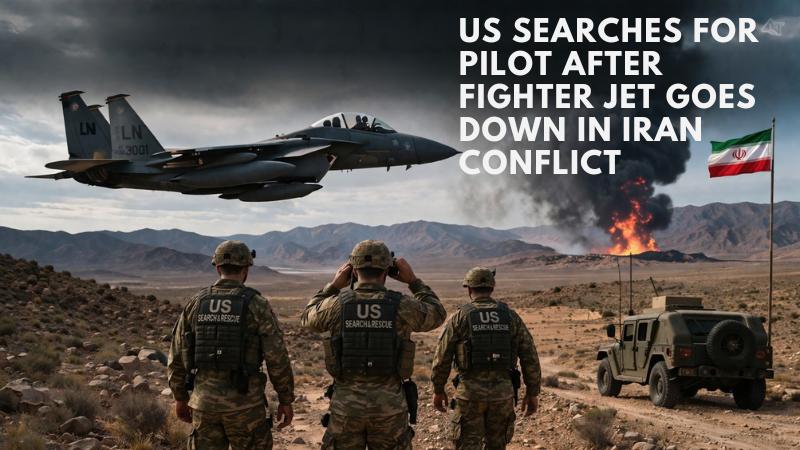
The United States is searching for the crew of an American fighter jet that went down in Iran during ongoing military operations, according to a U.S. official. The exact date and time of the incident have not been publicly confirmed by U.S. authorities, and officials have not released additional operational details. Authorities have not clarified whether the aircraft was shot down or experienced a technical failure, leaving the cause of the incident under investigation. The Pentagon and U.S. Central Command have not issued formal statements, and no independent confirmation has been provided regarding claims surrounding the circumstances of the crash. If confirmed, the loss would mark the first known downing of a U.S. fighter jet inside Iran since the current conflict began in late February. The war has now extended beyond a month, with continued air operations and heightened military engagement across the region. The development comes at a sensitive moment, as the conflict continues to disrupt activity in the Strait of Hormuz, one of the world’s most critical maritime routes for energy shipments. Reduced tanker movement through the strait has raised global concerns about the supply of crude oil, fertilizer, and other key commodities, potentially impacting international markets. Amid escalating tensions, U.S. President Donald Trump has indicated a willingness to intensify military action. In recent public remarks, he suggested that the United States could reopen the strategic waterway and secure access to oil resources. He also warned of possible expanded strikes targeting Iranian infrastructure, including bridges and electrical facilities. In earlier statements, Trump signaled a more aggressive posture, stating that the United States could significantly escalate its response if necessary. These remarks highlight the growing volatility of the situation and the potential for further military escalation as the conflict continues.
American fighter jet lost in Iran as US intensifies military operations
The United States is searching for the crew of an American fighter jet that went down in Iran during ongoing military operations, according to a U.S. official. The exact date and time of the incident have not been publicly confirmed by U.S. authorities, and officials have not released additional operational details. Authorities have not clarified whether the aircraft was shot down or experienced a technical failure, leaving the cause of the incident under investigation. The Pentagon and U.S. Central Command have not issued formal statements, and no independent confirmation has been provided regarding claims surrounding the circumstances of the crash. If confirmed, the loss would mark the first known downing of a U.S. fighter jet inside Iran since the current conflict began in late February. The war has now extended beyond a month, with continued air operations and heightened military engagement across the region. The development comes at a sensitive moment, as the conflict continues to disrupt activity in the Strait of Hormuz, one of the world’s most critical maritime routes for energy shipments. Reduced tanker movement through the strait has raised global concerns about the supply of crude oil, fertilizer, and other key commodities, potentially impacting international markets. Amid escalating tensions, U.S. President Donald Trump has indicated a willingness to intensify military action. In recent public remarks, he suggested that the United States could reopen the strategic waterway and secure access to oil resources. He also warned of possible expanded strikes targeting Iranian infrastructure, including bridges and electrical facilities. In earlier statements, Trump signaled a more aggressive posture, stating that the United States could significantly escalate its response if necessary. These remarks highlight the growing volatility of the situation and the potential for further military escalation as the conflict continues.
PM Modi Leads CCS Meeting to Assess Economic and Energy Impact of West Asia War
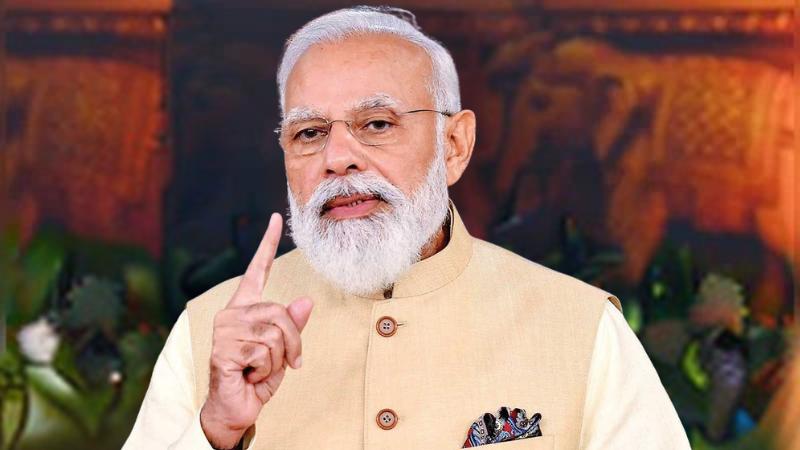
Prime Minister Narendra Modi is set to chair an extended meeting of the Cabinet Committee on Security (CCS) on 1st April 2026 at 7 pm, aiming to review the ongoing situation in West Asia and its potential consequences for India’s energy security, supply chains, and overall macroeconomic stability. The meeting comes shortly after the March 22 review, where the government conducted an assessment of essential commodities like food, fertilisers, fuel, and power in light of the escalating confli
PM Modi Leads CCS Meeting to Assess Economic and Energy Impact of West Asia War
Prime Minister Narendra Modi is set to chair an extended meeting of the Cabinet Committee on Security (CCS) on 1st April 2026 at 7 pm, aiming to review the ongoing situation in West Asia and its potential consequences for India’s energy security, supply chains, and overall macroeconomic stability. The meeting comes shortly after the March 22 review, where the government conducted an assessment of essential commodities like food, fertilisers, fuel, and power in light of the escalating confli
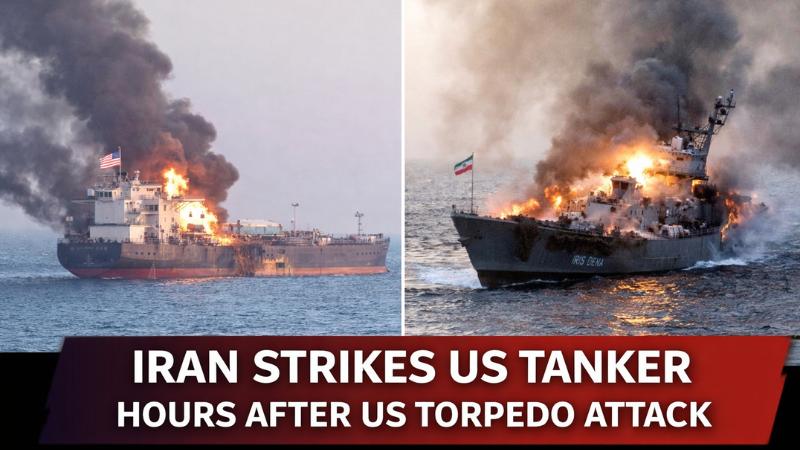
Iran Strikes US Tanker Hours After US Torpedo Attack on Its Warship
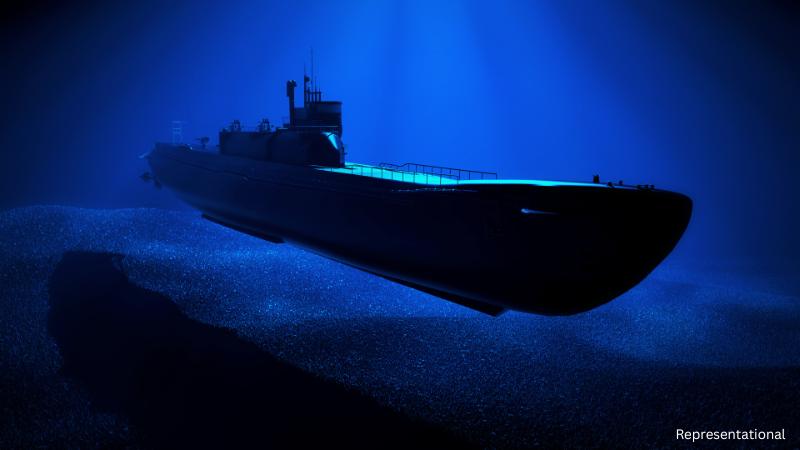
In a rapid escalation of tensions, Iran struck a US tanker in the northern Persian Gulf hours after a US submarine torpedoed the Iranian warship IRIS Dena, killing 87 Iranian sailors. The Islamic Revolutionary Guard Corps (IRGC) claimed responsibility for the attack on the American tanker, which was reported to be on fire by Iranian state media. This move comes as Iran's foreign minister warned the US would "bitterly regret" its attack on the Iranian vessel, located off the coast of Sri Lanka
Iran Strikes US Tanker Hours After US Torpedo Attack on Its Warship
In a rapid escalation of tensions, Iran struck a US tanker in the northern Persian Gulf hours after a US submarine torpedoed the Iranian warship IRIS Dena, killing 87 Iranian sailors. The Islamic Revolutionary Guard Corps (IRGC) claimed responsibility for the attack on the American tanker, which was reported to be on fire by Iranian state media. This move comes as Iran's foreign minister warned the US would "bitterly regret" its attack on the Iranian vessel, located off the coast of Sri Lanka
San Francisco protest erupts after U.S. and Israeli strikes on Iran
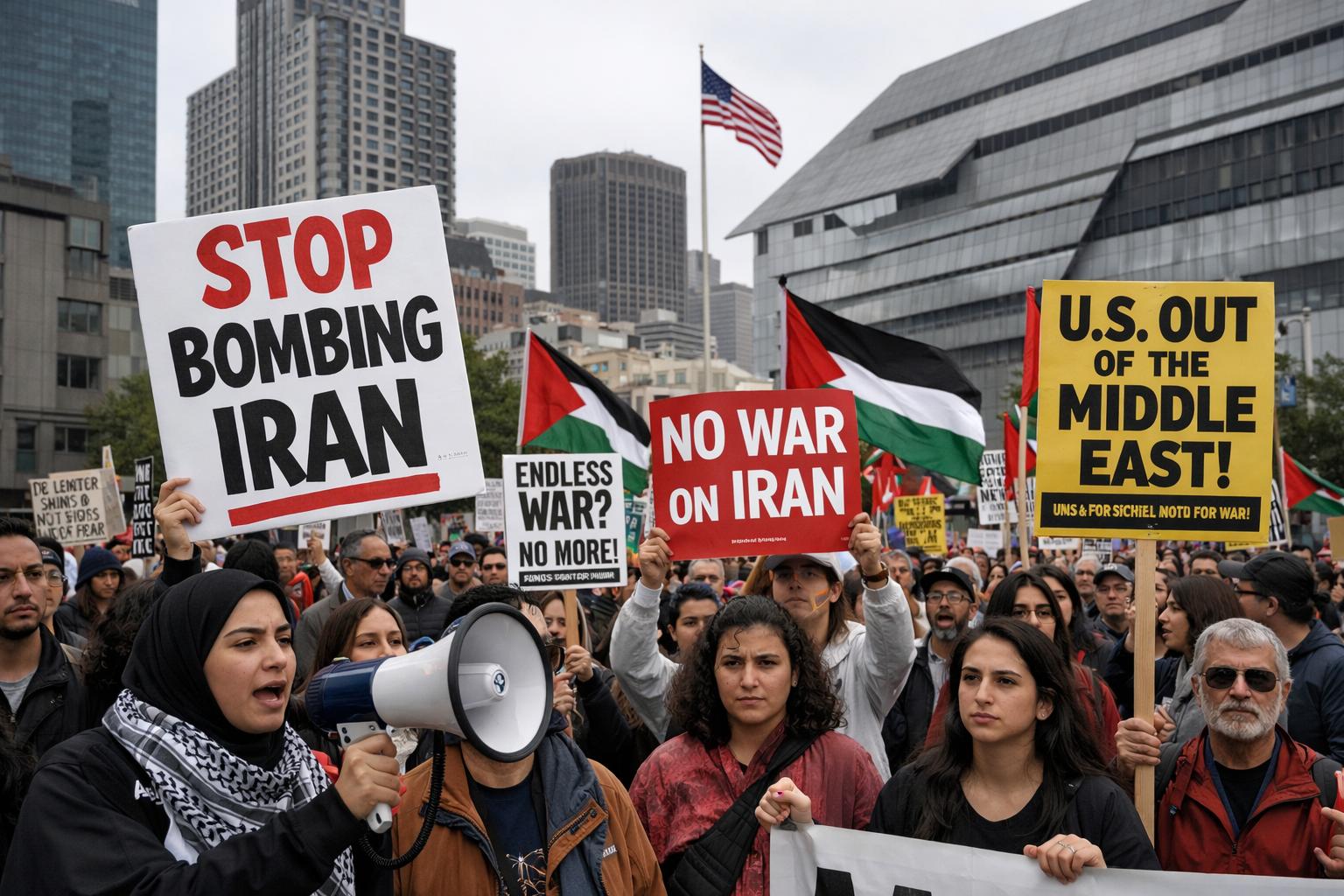
Protesters gathered Saturday outside the federal building in San Francisco to denounce recent U.S. and Israeli strikes on Iran, assembling less than a day after the military action was announced. Demonstrators later marched through downtown streets, chanting anti-war slogans and calling for an end to U.S. involvement in the Middle East. Participants carried signs criticizing military spending, condemning both major political parties, and expressing opposition to immigration enforcement and forei
San Francisco protest erupts after U.S. and Israeli strikes on Iran
Protesters gathered Saturday outside the federal building in San Francisco to denounce recent U.S. and Israeli strikes on Iran, assembling less than a day after the military action was announced. Demonstrators later marched through downtown streets, chanting anti-war slogans and calling for an end to U.S. involvement in the Middle East. Participants carried signs criticizing military spending, condemning both major political parties, and expressing opposition to immigration enforcement and forei
Trump claims tariffs helped halt multiple wars, including India–Pakistan conflict
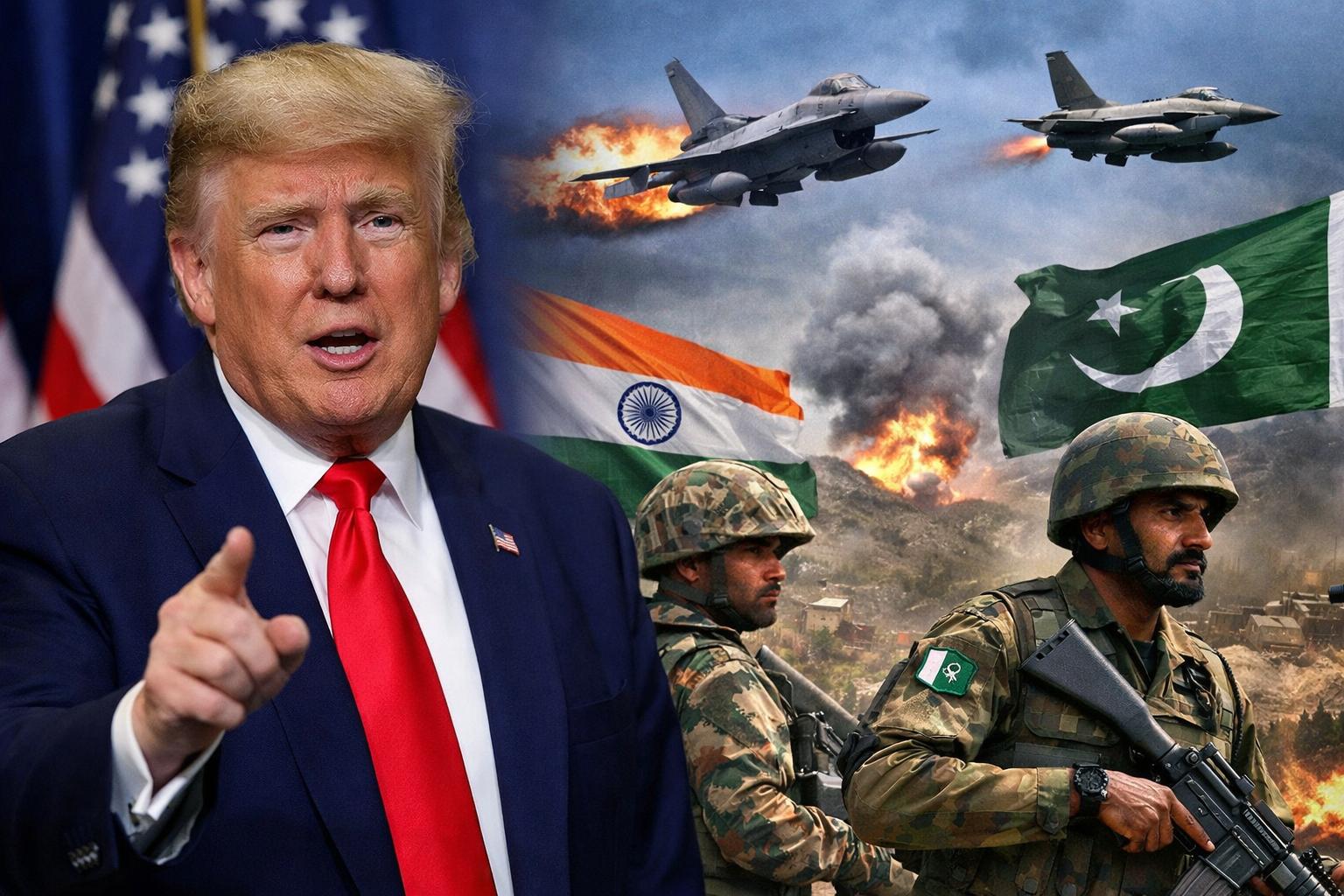
US President Donald Trump on Tuesday said that tariff threats played a decisive role in resolving several international conflicts during his tenure, claiming that economic pressure through trade measures helped prevent violence and bring rival nations to the negotiating table. In an interview with Fox Business, Trump asserted that at least six of what he described as eight wars were settled after he warned countries that they would face higher tariffs if hostilities continued. Among
Trump claims tariffs helped halt multiple wars, including India–Pakistan conflict
US President Donald Trump on Tuesday said that tariff threats played a decisive role in resolving several international conflicts during his tenure, claiming that economic pressure through trade measures helped prevent violence and bring rival nations to the negotiating table. In an interview with Fox Business, Trump asserted that at least six of what he described as eight wars were settled after he warned countries that they would face higher tariffs if hostilities continued. Among
Trump cancels summit with Putin over Russia’s extreme demands on Ukraine
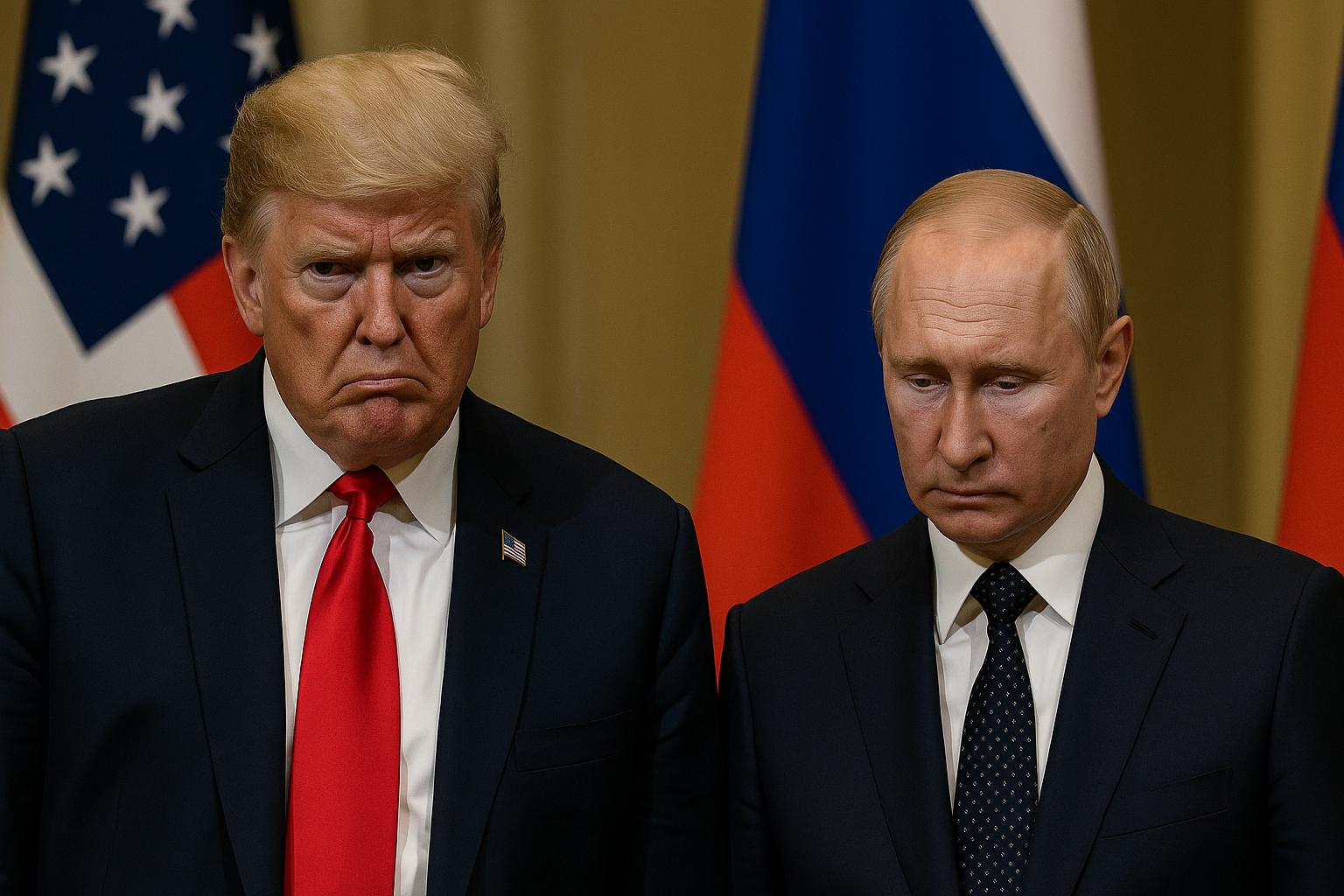
In a move reflecting deepening frustration within Washington, United States President Donald Trump has reportedly cancelled a planned summit with Russian President Vladimir Putin. The decision follows Moscow’s insistence on sweeping conditions for peace in Ukraine, which American officials have described as amounting to a demand for Ukraine’s surrender of sovereignty. According to reports, the decision came after Russia sent a detailed memorandum outlining Putin’s terms for en
Trump cancels summit with Putin over Russia’s extreme demands on Ukraine
In a move reflecting deepening frustration within Washington, United States President Donald Trump has reportedly cancelled a planned summit with Russian President Vladimir Putin. The decision follows Moscow’s insistence on sweeping conditions for peace in Ukraine, which American officials have described as amounting to a demand for Ukraine’s surrender of sovereignty. According to reports, the decision came after Russia sent a detailed memorandum outlining Putin’s terms for en
White House Pushes Nobel Prize For Trump Citing India Pakistan Ceasefire And Global Peace
US President Donald Trump has once again asserted that his leadership has been instrumental in ending several major global conflicts, including the long-standing tensions between India and Pakistan. In a recent post on his social media account, Trump defended his record in response to criticism from radio host Charlamagne Tha God, insisting that the host knew nothing about his achievements on the world stage. Trump highlighted what he described as significant
White House Pushes Nobel Prize For Trump Citing India Pakistan Ceasefire And Global Peace
US President Donald Trump has once again asserted that his leadership has been instrumental in ending several major global conflicts, including the long-standing tensions between India and Pakistan. In a recent post on his social media account, Trump defended his record in response to criticism from radio host Charlamagne Tha God, insisting that the host knew nothing about his achievements on the world stage. Trump highlighted what he described as significant


