





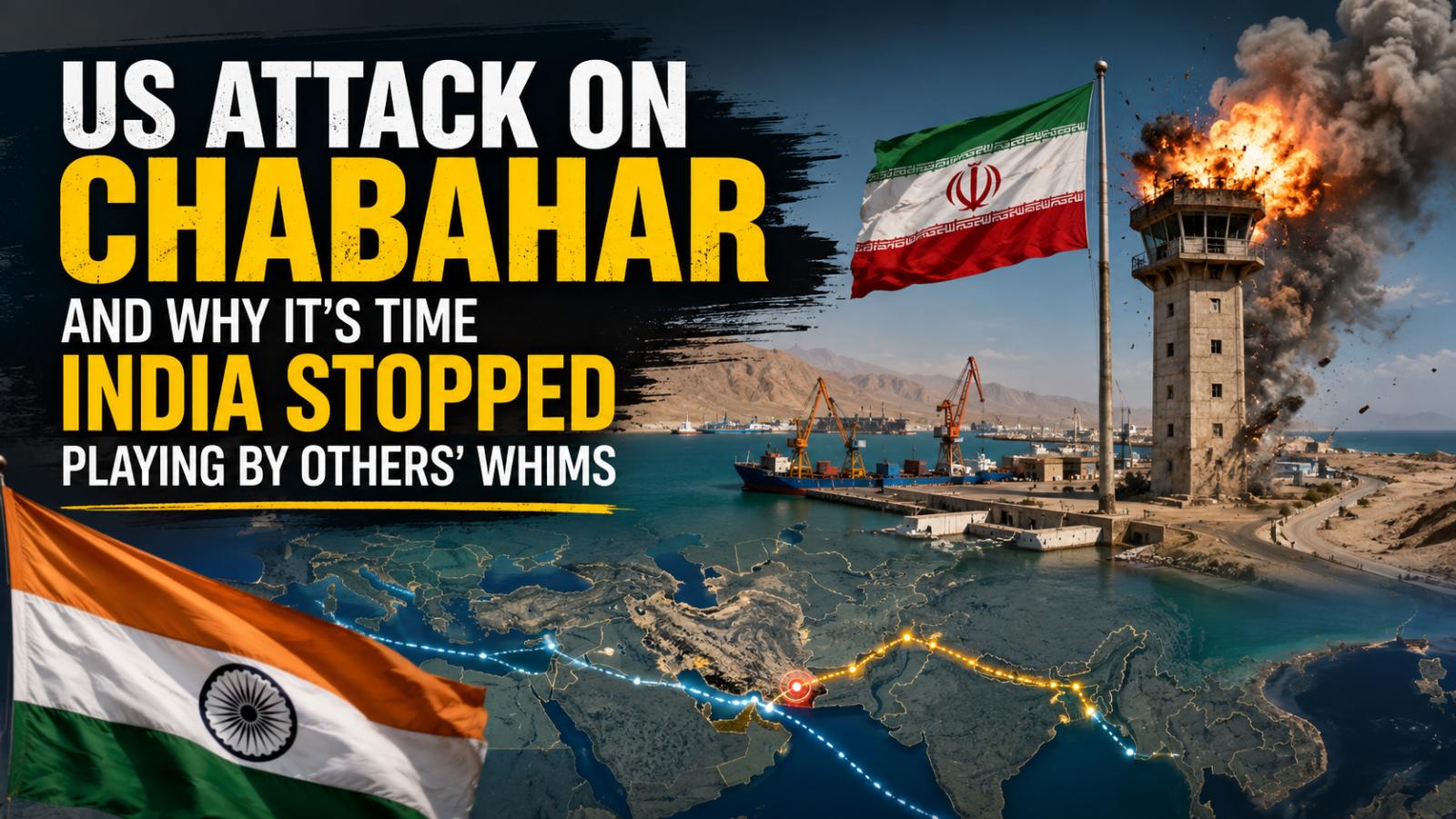











The reported US strike on a surveillance tower at Iran’s Chabahar port complex has renewed questions about India’s long-term strategy in the region. However, the incident must be described accurately. US Central Command said its forces destroyed a surveillance tower at Shahid Kalantari Port that it linked to an Iranian maritime monitoring network. Iranian port authorities disputed that characterisation, describing the installation as a civilian maritime traffic and r
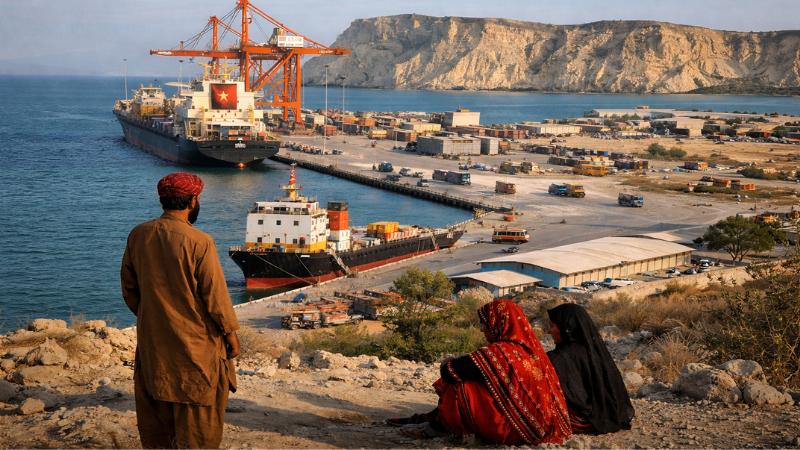
Gwadar, a port in Pakistan's Balochistan province, has become a focal point for geopolitical tensions, local unrest, and external influence, especially from China. Originally a fishing settlement on the Arabian Sea, it is now home to Pakistan's third-largest port, which plays a crucial role in the China–Pakistan Economic Corridor (CPEC). The strategic location of Gwadar, near the Strait of Hormuz, has made it a highly coveted asset for various powers. What is most remarkable about
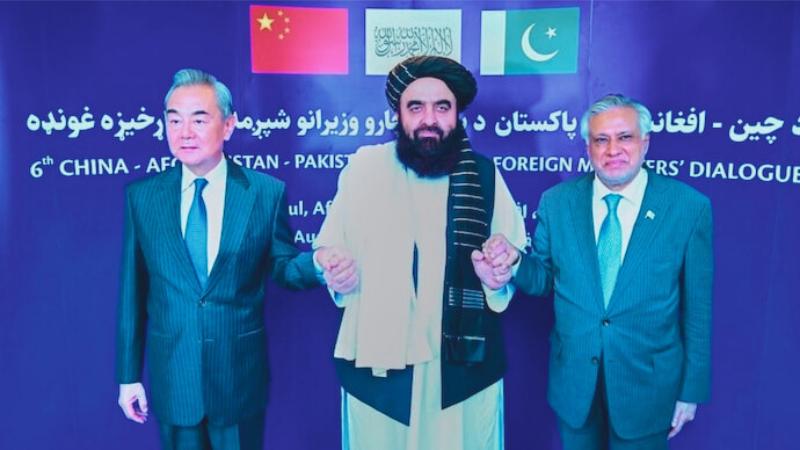
China has intensified its regional strategy by pushing the second phase of the China-Pakistan Economic Corridor (CPEC 2.0) to Kabul, just a day after Chinese Foreign Minister Wang Yi wrapped up his India visit. The timing reflects Beijing’s balancing act reaching out to New Delhi for improved ties while simultaneously strengthening its foothold in the Af-Pak region. In Kabul, Wang Yi met Afghanistan’s Foreign Minister Amir Khan Muttaqi and Pakistan
Pakistan, a country grappling with terrorism, political instability, and economic challenges, has once again found itself in a precarious diplomatic situation with its long-time ally, China. The latest controversy centers around Pakistan's attempt to negotiate over the use of Gwadar port in Balochistan, which is part of the ambitious China-Pakistan Economic Corridor (CPEC). During a high-level meeting, Pakistan reportedly demanded that China provide a second-strike nuclear capability in e