








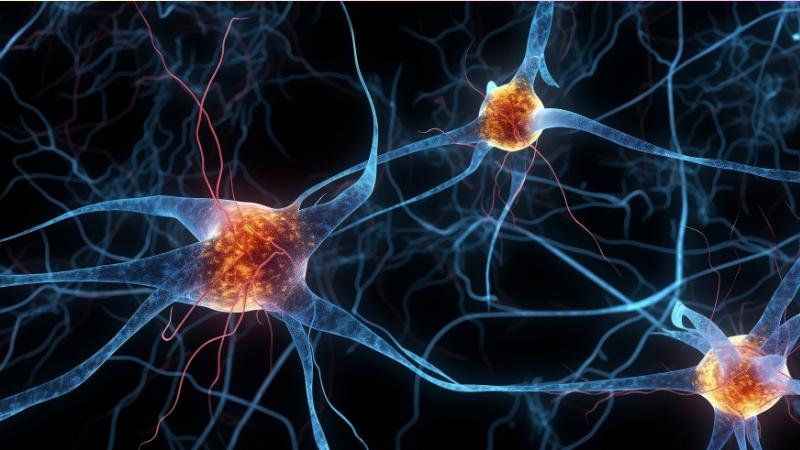












Scientists assumed that decision-making in mammals was controlled by a single brain region. A new study published in Nature has now challenged that long-held belief, showing that decision-making is a much more distributed process involving multiple areas of the brain. The research highlights the prefrontal cortex (PFC) and the hippocampus as two central hubs of decision-making. While the PFC is known for planning, ev
We all know that one student who can effortlessly memorise entire chapters before an exam. But science reveals that this ability to master rote learning isn’t just a lucky trait it’s deeply linked to brain function, genetics, and even lifestyle habits. The hippocampus, a crucial brain structure for memory, plays a big role. Some students show more efficient activity in this region, helping them retain repetitive information better and for longer. B