Scientists assumed that decision-making in mammals was controlled by a single brain region. A new study published in Nature has now challenged that long-held belief, showing that decision-making is a much more distributed process involving multiple areas of the brain.
The research highlights the prefrontal cortex (PFC) and the hippocampus as two central hubs of decision-making. While the PFC is known for planning, evaluating options, and executing choices, the hippocampus interacts with it by retrieving relevant memories during the process. However, this groundbreaking study demonstrates that decision-making is not confined to these areas alone.
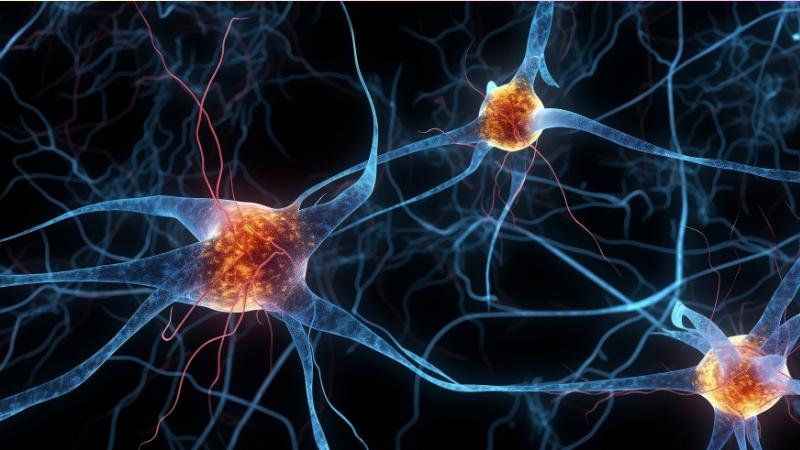
Researchers mapped the activity of more than 600,000 neurons across 279 brain regions in 139 mice to create the first brain-wide map of decision-making at single-cell resolution in a mammal. This unprecedented effort involved large-scale collaboration between multiple labs, marking one of the most ambitious projects in modern neuroscience. Strikingly, brain regions previously associated with movement rather than cognition also showed high levels of activity during decision-making tasks, challenging earlier assumptions about specialized roles of brain areas.
Ilana Witten, the study’s lead author, explained that the findings show decision-making is far more broadly distributed throughout the brain than previously believed. The research suggests that even regions outside traditional cognitive domains contribute meaningfully to choices, reflecting the complexity of how brains process information.
The implications are significant. This foundational study provides a roadmap for future neuroscience research, paving the way for deeper analysis of brain activity and reframing existing theories about decision-making. Co-author Tatiana A. Engel emphasized that while the brain-wide map is a milestone achievement, it represents the beginning of a new chapter in neuroscience rather than the conclusion. By revealing the interplay of memory, planning, and unexpected neural regions, this research expands our understanding of one of the most essential processes in human and animal life: how decisions are made.