


























#homeowners
Bay Area Gas Water Heater Ban Faces South Bay Pushback Before Vote
Bay Area Gas Water Heater Ban Faces New South Bay Fight The Bay Area gas water heater ban is facing fresh South Bay resistance before a key BAAQMD vote that could decide how flexible the rule becomes for homeowners. Business leaders and local advocates rallied outside the Santa Clara County Building, urging regulators to pause or soften restrictions on new gas-powered water heaters and boilers. The rule, adopted by the Bay Area Air Quality Managem
Bay Area Gas Water Heater Ban Faces South Bay Pushback Before Vote
Bay Area Gas Water Heater Ban Faces New South Bay Fight The Bay Area gas water heater ban is facing fresh South Bay resistance before a key BAAQMD vote that could decide how flexible the rule becomes for homeowners. Business leaders and local advocates rallied outside the Santa Clara County Building, urging regulators to pause or soften restrictions on new gas-powered water heaters and boilers. The rule, adopted by the Bay Area Air Quality Managem
Cook County to mail delayed property tax bills with December deadline
Cook County property owners are finally set to receive their long-delayed second installment property tax bills, with officials confirming that 1.8 million bills are expected to be mailed by Friday. The bills, which are normally delivered during the summer, will carry a due date of December 15, marking the end of a months-long delay that left many residents uncertain about their financial planning for the year. The delay stems from an extensive modernization of Cook County’s aging
Cook County to mail delayed property tax bills with December deadline
Cook County property owners are finally set to receive their long-delayed second installment property tax bills, with officials confirming that 1.8 million bills are expected to be mailed by Friday. The bills, which are normally delivered during the summer, will carry a due date of December 15, marking the end of a months-long delay that left many residents uncertain about their financial planning for the year. The delay stems from an extensive modernization of Cook County’s aging
New Texas Laws Crack Down on Squatters and Speed Up Eviction Process
Texas homeowners and landlords now have stronger legal authority to protect their properties as two new state laws officially take effect. Senate Bill 38 and Senate Bill 1333 are designed to stop squatters, speed up eviction proceedings, and give property owners faster access to justice. For years, Texas landlords and property managers have faced an ongoing struggle against squatters occupying vacant or abandoned homes. These unauthorized occupants have often been difficult to remove,
New Texas Laws Crack Down on Squatters and Speed Up Eviction Process
Texas homeowners and landlords now have stronger legal authority to protect their properties as two new state laws officially take effect. Senate Bill 38 and Senate Bill 1333 are designed to stop squatters, speed up eviction proceedings, and give property owners faster access to justice. For years, Texas landlords and property managers have faced an ongoing struggle against squatters occupying vacant or abandoned homes. These unauthorized occupants have often been difficult to remove,
ADUs help sustain San Jose housing growth as city backs sales, financing options
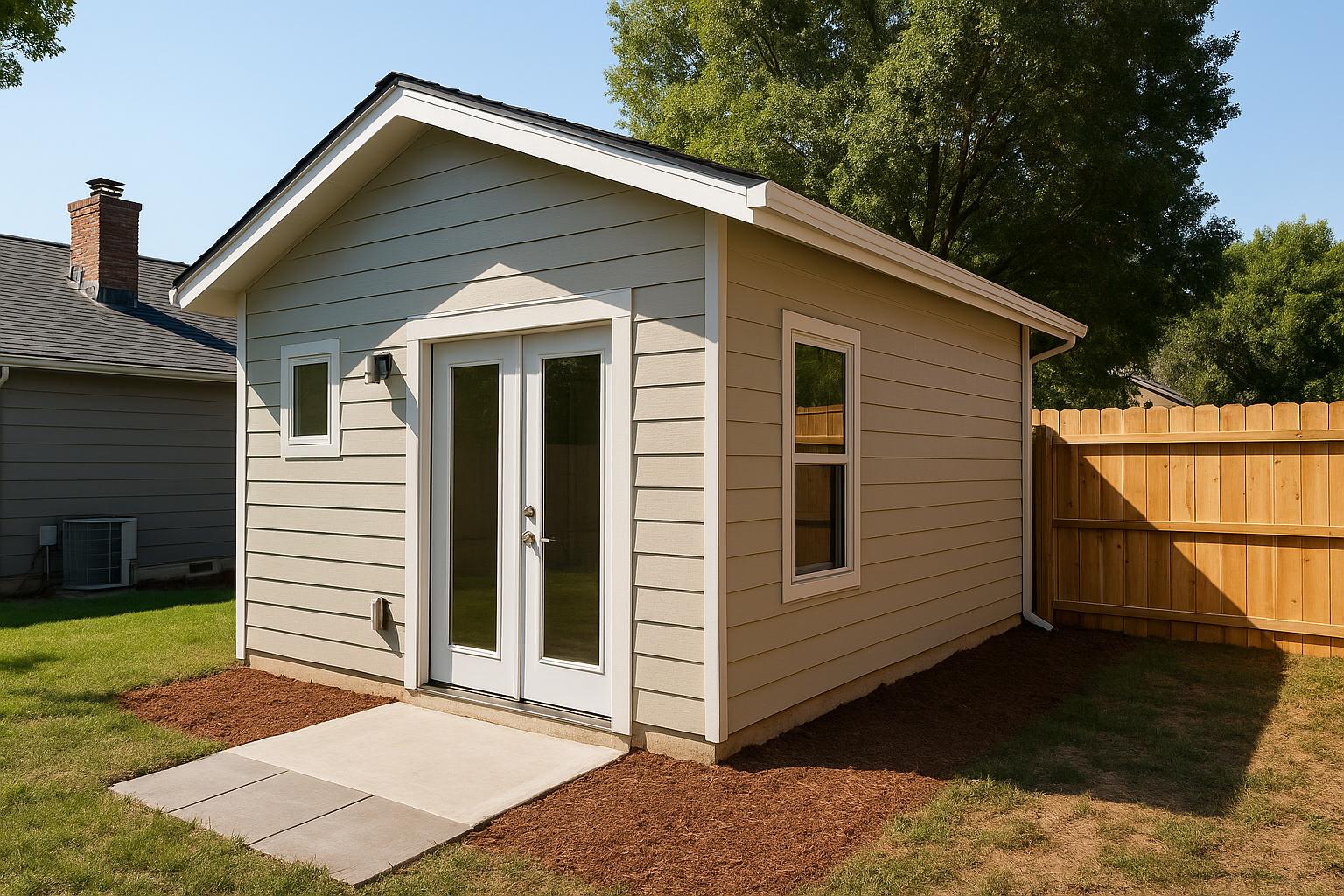
San Jose’s cooling pipeline for conventional homebuilding has put unusual emphasis on one small-scale format that continues to deliver results: accessory dwelling units. Backed by a wave of California legislation that curbed local barriers and clarified property rights, ADUs—once a niche backyard project—have evolved into a central element of the city’s growth strategy. Because they are constructed on existing lots and typically require fewer discretionary approvals than multifamily p
ADUs help sustain San Jose housing growth as city backs sales, financing options
San Jose’s cooling pipeline for conventional homebuilding has put unusual emphasis on one small-scale format that continues to deliver results: accessory dwelling units. Backed by a wave of California legislation that curbed local barriers and clarified property rights, ADUs—once a niche backyard project—have evolved into a central element of the city’s growth strategy. Because they are constructed on existing lots and typically require fewer discretionary approvals than multifamily p
Tarrant County approves new lower tax rate after heated debate
Tarrant County commissioners have voted to approve a slightly lower property tax rate after days of disagreements and tension. With four commissioners present, the proposal passed by a 3-1 vote, setting the new rate at $0.1862 per $100 of valuation. This represents a small decrease of 0.69 percent from last year’s rate of $0.1875. For a home valued at $300,000, the cut amounts to annual savings of about four dollars. While the financial impact on individual homeowners is min
Tarrant County approves new lower tax rate after heated debate
Tarrant County commissioners have voted to approve a slightly lower property tax rate after days of disagreements and tension. With four commissioners present, the proposal passed by a 3-1 vote, setting the new rate at $0.1862 per $100 of valuation. This represents a small decrease of 0.69 percent from last year’s rate of $0.1875. For a home valued at $300,000, the cut amounts to annual savings of about four dollars. While the financial impact on individual homeowners is min
Should NRIs Buy a Home in the First Year? Pros & Cons
For Non-Resident Indians (NRIs) looking to settle in the USA, buying a home is often a top priority. However, the decision to buy a property in the first year is not always straightforward. The process of buying a home in the USA differs significantly from other countries, and there are multiple factors that NRIs must consider before making such a major commitment. It’s crucial to weigh the pros and cons before making the final decision. Pros of Buying a Home in the First Year in the USA: One of the key advantages of buying a home early on is the long-term financial stability it provides. Instead of paying rent, NRIs can invest in a property that may appreciate over time. The US real estate market offers a wide range of options, from affordable homes to luxury properties, providing opportunities for various budgets. Homeownership also allows NRIs to establish roots in their new country, which can be important for those planning to settle for the long term. Additionally, buying early can help lock in low-interest mortgage rates, saving money in the long run. Cons of Buying a Home in the First Year in the USA: On the other hand, buying a home in the first year can come with significant challenges. Many NRIs may not be familiar with the intricacies of the US housing market, which could lead to poor investment choices. The process of obtaining a mortgage in the USA as an NRI can also be more complicated, with stricter lending requirements and potentially higher down payments. Another consideration is the level of stability in one’s personal and professional life. If NRIs are unsure about their long-term plans or expect to move again soon, buying a home may not be the most practical decision. Additionally, there are ongoing maintenance costs, taxes, and insurance to consider. In conclusion, while buying a home in the USA in the first year can offer benefits such as long-term financial security and a sense of permanence, it’s important for NRIs to carefully assess their goals, financial situation, and the current state of the housing market before making a decision. Consulting with real estate professionals and understanding the nuances of the market can help ensure that the investment is a smart and informed one.
Should NRIs Buy a Home in the First Year? Pros & Cons
For Non-Resident Indians (NRIs) looking to settle in the USA, buying a home is often a top priority. However, the decision to buy a property in the first year is not always straightforward. The process of buying a home in the USA differs significantly from other countries, and there are multiple factors that NRIs must consider before making such a major commitment. It’s crucial to weigh the pros and cons before making the final decision. Pros of Buying a Home in the First Year in the USA: One of the key advantages of buying a home early on is the long-term financial stability it provides. Instead of paying rent, NRIs can invest in a property that may appreciate over time. The US real estate market offers a wide range of options, from affordable homes to luxury properties, providing opportunities for various budgets. Homeownership also allows NRIs to establish roots in their new country, which can be important for those planning to settle for the long term. Additionally, buying early can help lock in low-interest mortgage rates, saving money in the long run. Cons of Buying a Home in the First Year in the USA: On the other hand, buying a home in the first year can come with significant challenges. Many NRIs may not be familiar with the intricacies of the US housing market, which could lead to poor investment choices. The process of obtaining a mortgage in the USA as an NRI can also be more complicated, with stricter lending requirements and potentially higher down payments. Another consideration is the level of stability in one’s personal and professional life. If NRIs are unsure about their long-term plans or expect to move again soon, buying a home may not be the most practical decision. Additionally, there are ongoing maintenance costs, taxes, and insurance to consider. In conclusion, while buying a home in the USA in the first year can offer benefits such as long-term financial security and a sense of permanence, it’s important for NRIs to carefully assess their goals, financial situation, and the current state of the housing market before making a decision. Consulting with real estate professionals and understanding the nuances of the market can help ensure that the investment is a smart and informed one.
New Resources Offer Support to First-Time Buyers Facing Rising Housing Market Prices
As home prices continue to climb and the dream of owning a house feels increasingly distant for many Americans, a special event in Columbus aimed to help residents bridge the gap between aspiration and action. The Homebuyer Resource Fair, a collaborative effort between Fifth Third Bank, Columbus Metropolitan Housing Authority (CMHA), and COCIC-Franklin County Land Bank, offered attendees a comprehensive introduction to the homebuying process, financial literacy, and the tools needed to take c
New Resources Offer Support to First-Time Buyers Facing Rising Housing Market Prices
As home prices continue to climb and the dream of owning a house feels increasingly distant for many Americans, a special event in Columbus aimed to help residents bridge the gap between aspiration and action. The Homebuyer Resource Fair, a collaborative effort between Fifth Third Bank, Columbus Metropolitan Housing Authority (CMHA), and COCIC-Franklin County Land Bank, offered attendees a comprehensive introduction to the homebuying process, financial literacy, and the tools needed to take c


