#hungary
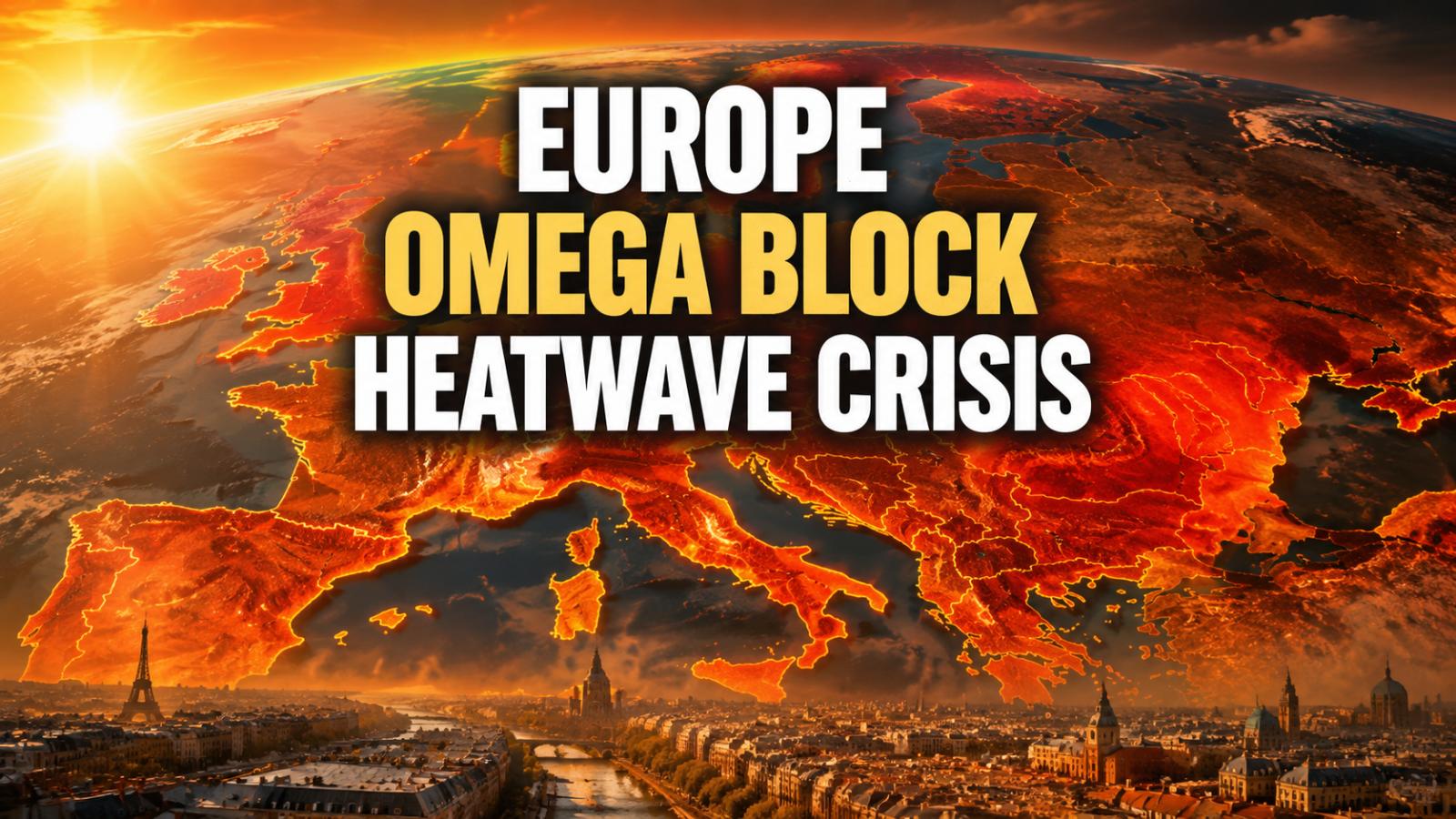
Europe omega block heatwave drives deadly temperature surge
Europe is currently experiencing a severe heatwave driven by a trapped atmospheric system known as an omega block. This Europe omega block heatwave is preventing normal weather movement, locking hot air over large parts of the continent for days. As a result, temperatures are rising sharply, affecting daily life, health systems, and infrastructure across multiple countries. What is driving this extreme heat The main reason behind the heat buildup is a stalled jet stream pattern. In this pattern, high pressure sits over Europe in a shape that blocks cooler air from entering. Instead of changing weather systems, the same hot air remains in place and continues to intensify under strong summer sunlight. This creates repeated days of extreme heat rather than short-term spikes. Nights also remain warm, giving the human body little time to recover from daytime heat exposure. Countries facing the strongest impact The heatwave is affecting a wide region including France, Germany, Italy, Spain, Switzerland, the United Kingdom, Poland, Czechia, Hungary, and parts of the Balkans. Several areas in Central and Eastern Europe have recorded temperatures above 40°C, with some locations reaching historic highs. The heat is spreading gradually eastward as the trapped system shifts across the continent. Why some regions are more exposed Southern Europe is directly exposed to hot air moving from North Africa and the Mediterranean. Countries such as Spain, Italy, and France experience intense surface heating due to prolonged sunlight and dry conditions. In Central and Eastern Europe, countries like Germany, Poland, Czechia, and Hungary face heat accumulation over landlocked regions, where hot air remains trapped for longer periods. Impact on health and daily life Health systems are under growing pressure as heat-related illnesses increase. Conditions such as dehydration, heatstroke, and cardiovascular stress are rising, particularly among older adults, outdoor workers, and people without cooling access. Reports from multiple regions indicate excess deaths above normal levels during the heatwave period, highlighting the seriousness of prolonged exposure to extreme temperatures. Transport systems are also affected. Railway lines expand under heat, causing delays, while road surfaces soften and become unstable. Energy demand increases as cooling systems are used more widely, putting pressure on national grids. Agriculture is also suffering due to dry soil conditions, reduced crop yields, and falling river levels. In some regions, water availability is becoming a growing concern for both farming and urban supply. Public response and risk outlook Authorities across Europe are advising people to stay hydrated, avoid outdoor activity during peak heat hours, and check on vulnerable individuals. Hospitals remain alert as heat-related admissions continue to rise. Experts warn that the full impact of this heatwave may take time to appear, as excess mortality data is still being compiled. The situation highlights how extreme weather patterns are becoming more persistent and widespread, with the omega block heatwave showing how atmospheric conditions can directly affect health, infrastructure, and daily life across Europe.
Europe omega block heatwave drives deadly temperature surge
Europe is currently experiencing a severe heatwave driven by a trapped atmospheric system known as an omega block. This Europe omega block heatwave is preventing normal weather movement, locking hot air over large parts of the continent for days. As a result, temperatures are rising sharply, affecting daily life, health systems, and infrastructure across multiple countries. What is driving this extreme heat The main reason behind the heat buildup is a stalled jet stream pattern. In this pattern, high pressure sits over Europe in a shape that blocks cooler air from entering. Instead of changing weather systems, the same hot air remains in place and continues to intensify under strong summer sunlight. This creates repeated days of extreme heat rather than short-term spikes. Nights also remain warm, giving the human body little time to recover from daytime heat exposure. Countries facing the strongest impact The heatwave is affecting a wide region including France, Germany, Italy, Spain, Switzerland, the United Kingdom, Poland, Czechia, Hungary, and parts of the Balkans. Several areas in Central and Eastern Europe have recorded temperatures above 40°C, with some locations reaching historic highs. The heat is spreading gradually eastward as the trapped system shifts across the continent. Why some regions are more exposed Southern Europe is directly exposed to hot air moving from North Africa and the Mediterranean. Countries such as Spain, Italy, and France experience intense surface heating due to prolonged sunlight and dry conditions. In Central and Eastern Europe, countries like Germany, Poland, Czechia, and Hungary face heat accumulation over landlocked regions, where hot air remains trapped for longer periods. Impact on health and daily life Health systems are under growing pressure as heat-related illnesses increase. Conditions such as dehydration, heatstroke, and cardiovascular stress are rising, particularly among older adults, outdoor workers, and people without cooling access. Reports from multiple regions indicate excess deaths above normal levels during the heatwave period, highlighting the seriousness of prolonged exposure to extreme temperatures. Transport systems are also affected. Railway lines expand under heat, causing delays, while road surfaces soften and become unstable. Energy demand increases as cooling systems are used more widely, putting pressure on national grids. Agriculture is also suffering due to dry soil conditions, reduced crop yields, and falling river levels. In some regions, water availability is becoming a growing concern for both farming and urban supply. Public response and risk outlook Authorities across Europe are advising people to stay hydrated, avoid outdoor activity during peak heat hours, and check on vulnerable individuals. Hospitals remain alert as heat-related admissions continue to rise. Experts warn that the full impact of this heatwave may take time to appear, as excess mortality data is still being compiled. The situation highlights how extreme weather patterns are becoming more persistent and widespread, with the omega block heatwave showing how atmospheric conditions can directly affect health, infrastructure, and daily life across Europe.
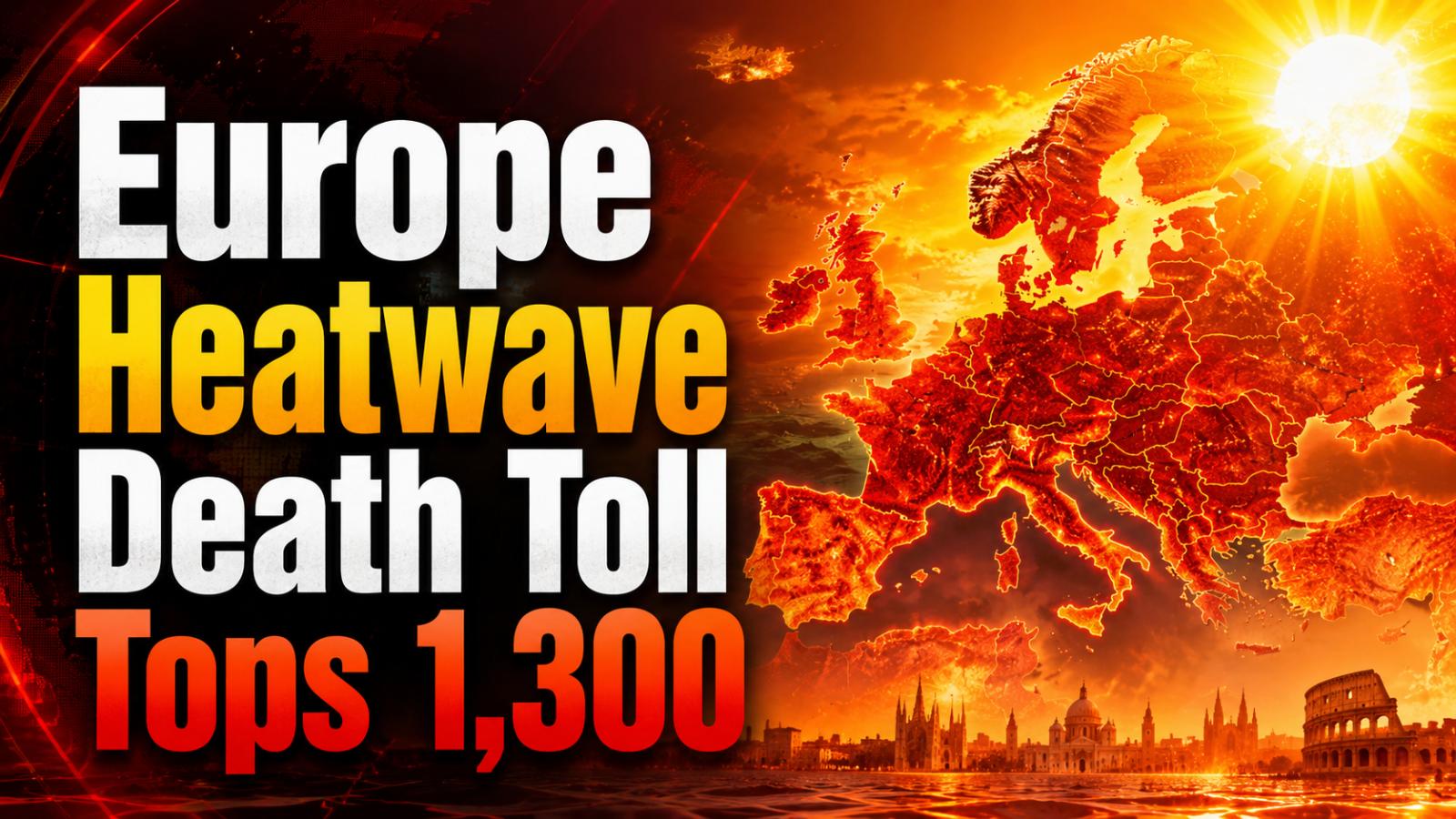
WHO says Europe heatwave linked to over 1,300 excess deaths
Heatwave raises health concerns across Europe More than 1,300 excess deaths have been recorded in Europe since June 21 as a severe heatwave continues to affect large parts of the continent, according to the World Health Organization. The warning came as millions of people faced another weekend of extreme temperatures, with the intense weather system gradually moving eastward and placing growing pressure on public health services. WHO chief Tedros Adhanom Gh
WHO says Europe heatwave linked to over 1,300 excess deaths
Heatwave raises health concerns across Europe More than 1,300 excess deaths have been recorded in Europe since June 21 as a severe heatwave continues to affect large parts of the continent, according to the World Health Organization. The warning came as millions of people faced another weekend of extreme temperatures, with the intense weather system gradually moving eastward and placing growing pressure on public health services. WHO chief Tedros Adhanom Gh
Spider-Cam Crashes at Hungary-Kazakhstan Friendly; Crew Member Escapes
A spider-cam crashed onto the pitch during the Hungary-Kazakhstan football friendly at Nagyerdei Stadium in Hungary, narrowly missing a member of the broadcast crew. No injuries were reported after the aerial broadcast camera system fell near the touchline during the match, which was temporarily halted while officials and stadium personnel assessed the situation. Hungary-Kazakhstan Spider-Cam Crash Raises Safety Questions The incident happened
Spider-Cam Crashes at Hungary-Kazakhstan Friendly; Crew Member Escapes
A spider-cam crashed onto the pitch during the Hungary-Kazakhstan football friendly at Nagyerdei Stadium in Hungary, narrowly missing a member of the broadcast crew. No injuries were reported after the aerial broadcast camera system fell near the touchline during the match, which was temporarily halted while officials and stadium personnel assessed the situation. Hungary-Kazakhstan Spider-Cam Crash Raises Safety Questions The incident happened
Peter Magyar Sworn In as Hungary PM, Ending Viktor Orban’s 16-Year Rule
Peter Magyar Becomes Hungary PM After Historic Orban Defeat Peter Magyar was sworn in as Hungary’s new prime minister in Budapest on Saturday, May 9, 2026, ending Viktor Orban’s 16-year rule and opening one of Hungary’s biggest political shifts since the fall of communism. Magyar’s centre-right Tisza Party won 141 of 199 parliamentary seats, giving it a powerful two-thirds majority and a mandate to reshape Hungary’s political system. Why Magyar’s Victory Matters The result marks a sharp turn for Hungary after years of tension with the European Union over rule of law, corruption concerns and democratic checks. Magyar has pledged to rebuild trust with Brussels, strengthen institutions and unlock billions in frozen EU funds. The EU flag’s return inside Hungary’s parliament added symbolic weight to the transition, signaling a possible reset in Budapest’s relationship with Europe. Major Challenges Ahead Magyar inherits a strained economy, a widening budget deficit and deep political divisions after the Orban era. He has also urged several Orban-appointed officials, including President Tamás Sulyok, to resign before the end of May 2026. In his inaugural message, Magyar framed the election as more than a change of government, calling it a public demand for reform, accountability and a more hopeful future for Hungary.
Peter Magyar Sworn In as Hungary PM, Ending Viktor Orban’s 16-Year Rule
Peter Magyar Becomes Hungary PM After Historic Orban Defeat Peter Magyar was sworn in as Hungary’s new prime minister in Budapest on Saturday, May 9, 2026, ending Viktor Orban’s 16-year rule and opening one of Hungary’s biggest political shifts since the fall of communism. Magyar’s centre-right Tisza Party won 141 of 199 parliamentary seats, giving it a powerful two-thirds majority and a mandate to reshape Hungary’s political system. Why Magyar’s Victory Matters The result marks a sharp turn for Hungary after years of tension with the European Union over rule of law, corruption concerns and democratic checks. Magyar has pledged to rebuild trust with Brussels, strengthen institutions and unlock billions in frozen EU funds. The EU flag’s return inside Hungary’s parliament added symbolic weight to the transition, signaling a possible reset in Budapest’s relationship with Europe. Major Challenges Ahead Magyar inherits a strained economy, a widening budget deficit and deep political divisions after the Orban era. He has also urged several Orban-appointed officials, including President Tamás Sulyok, to resign before the end of May 2026. In his inaugural message, Magyar framed the election as more than a change of government, calling it a public demand for reform, accountability and a more hopeful future for Hungary.
Hungary election results 2026: what Péter Magyar’s win means for Europe and beyond
Hungary election results 2026 Péter Magyar victory reshapes power Hungary’s political landscape has undergone a dramatic shift after Péter Magyar secured a sweeping victory, ending Viktor Orbán’s long-standing rule. The Hungary election results 2026 mark one of the most significant polit
Hungary election results 2026: what Péter Magyar’s win means for Europe and beyond
Hungary election results 2026 Péter Magyar victory reshapes power Hungary’s political landscape has undergone a dramatic shift after Péter Magyar secured a sweeping victory, ending Viktor Orbán’s long-standing rule. The Hungary election results 2026 mark one of the most significant polit
Hungary voters deliver surprise win to opposition leader Peter Magyar
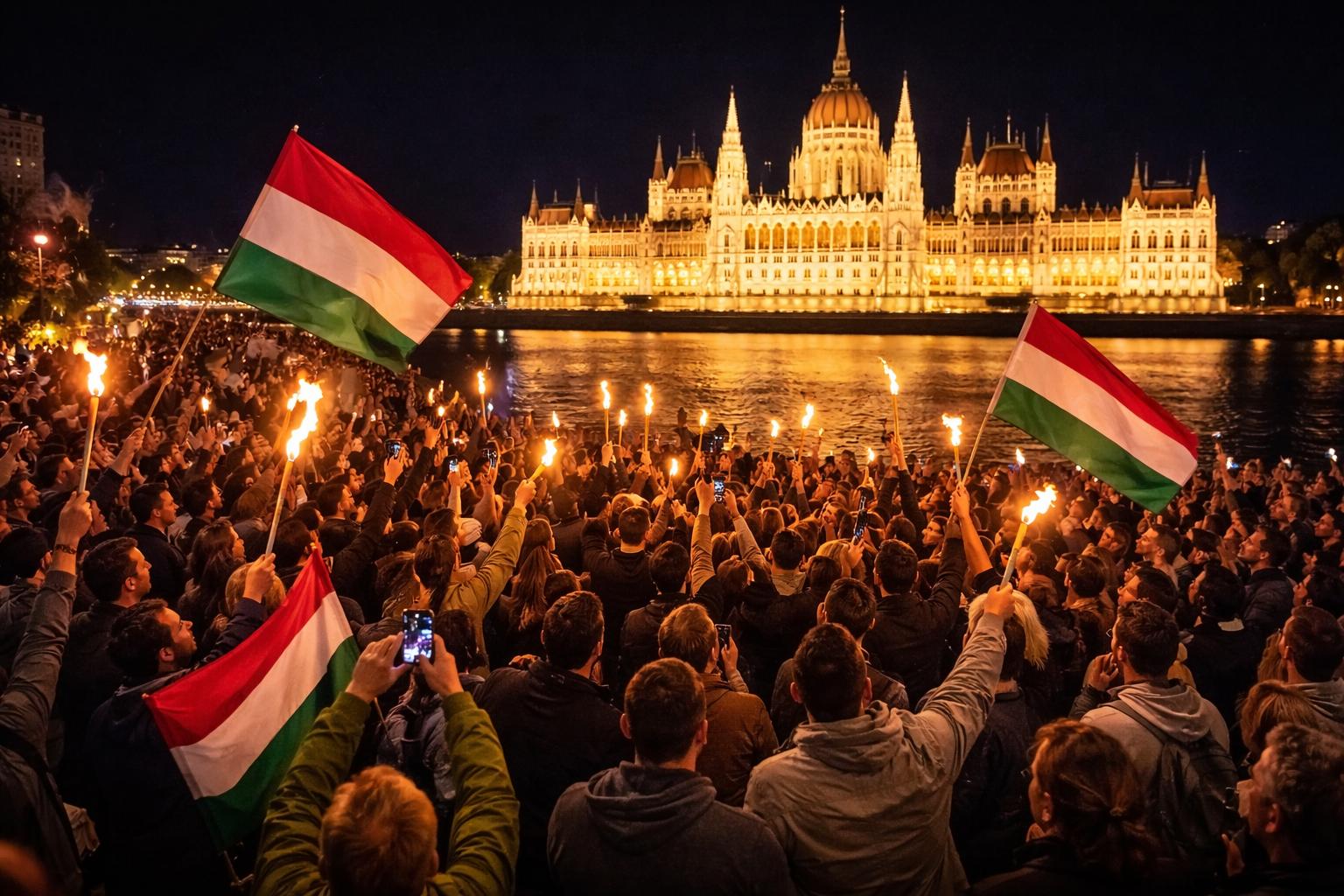
Hungary experienced a dramatic political shift following its national elections held on Sunday, as Prime Minister Viktor Orban conceded defeat after a decisive loss to opposition leader Peter Magyar. The outcome triggered widespread celebrations across the capital, Budapest, with large crowds gathering along
Hungary voters deliver surprise win to opposition leader Peter Magyar
Hungary experienced a dramatic political shift following its national elections held on Sunday, as Prime Minister Viktor Orban conceded defeat after a decisive loss to opposition leader Peter Magyar. The outcome triggered widespread celebrations across the capital, Budapest, with large crowds gathering along