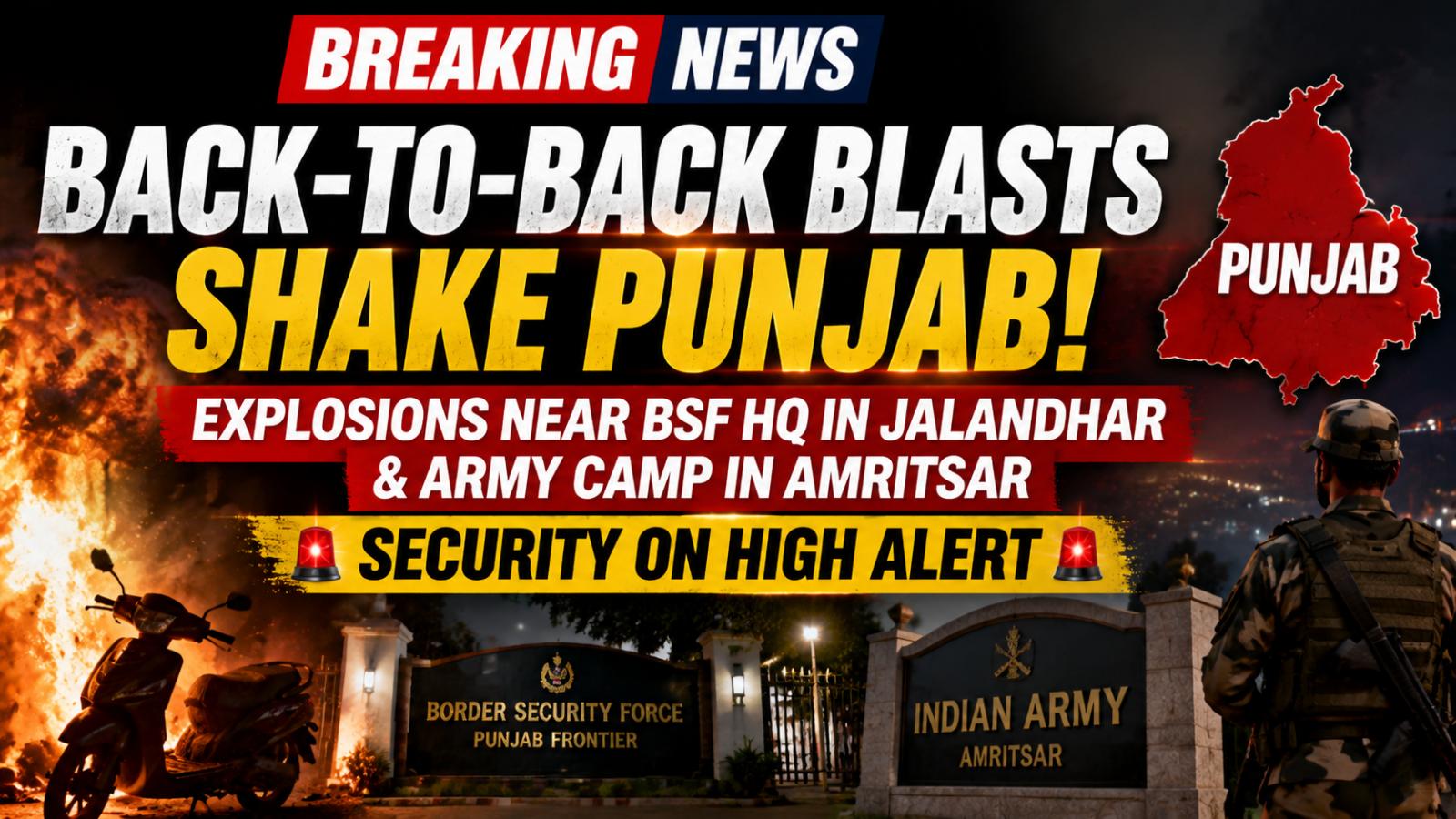
Punjab was placed on heightened security alert on the night of May 5, IST after two separate explosions rocked military installations within hours of each other, one outside the BSF headquarters in Jalandhar and another near an Army camp in Amritsar. Although no casualties have been reported in either incident, the back-to-back blasts have raised alarms across security agencies, prompting a swift multi-agency response. Authorities are now investigating whether the two incidents are connected,
Punjab was placed on heightened security alert on the night of May 5, IST after two separate explosions rocked military installations within hours of each other, one outside the BSF headquarters in Jalandhar and another near an Army camp in Amritsar. Although no casualties have been reported in either incident, the back-to-back blasts have raised alarms across security agencies, prompting a swift multi-agency response. Authorities are now investigating whether the two incidents are connected,
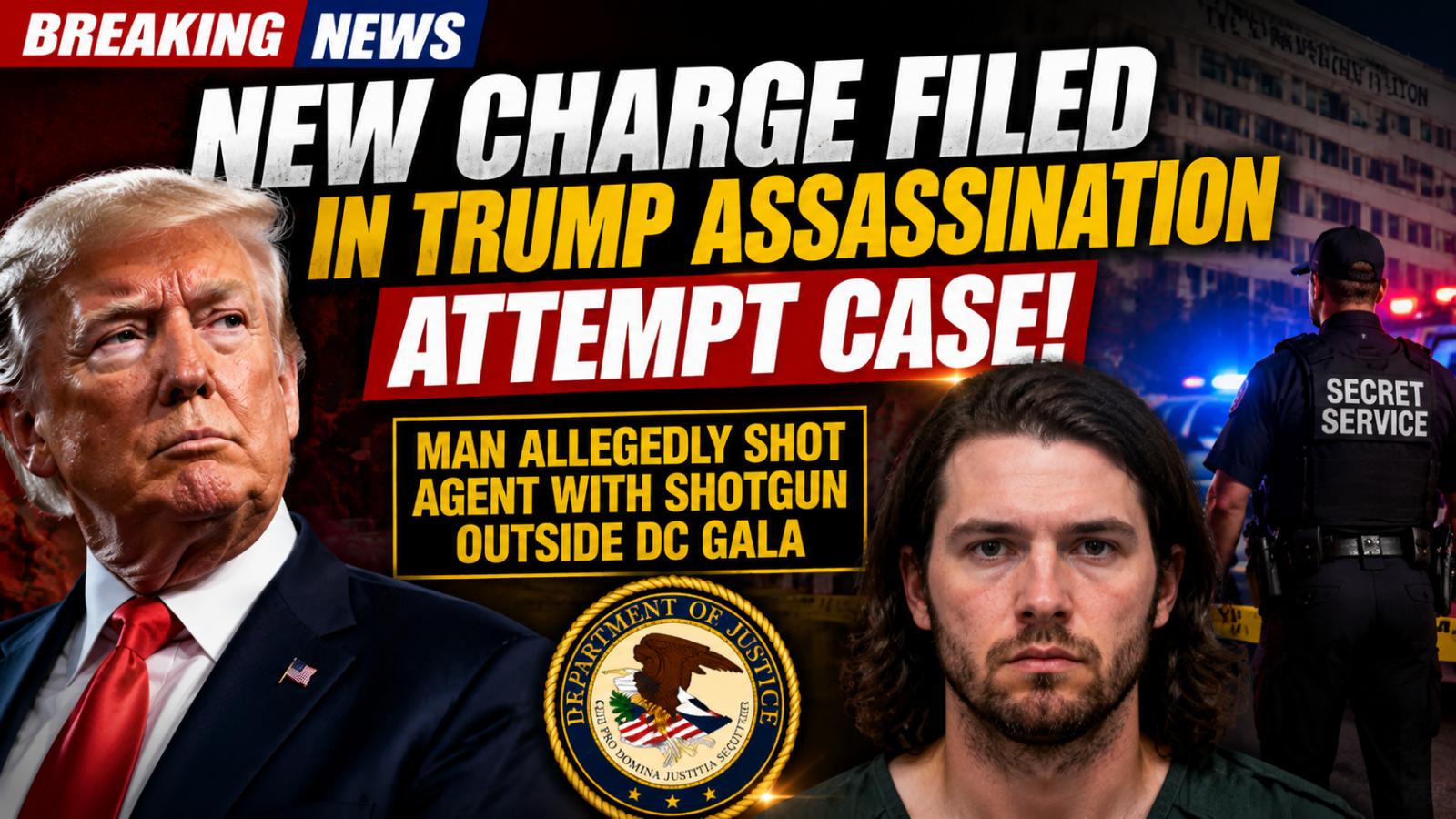
On May 5, federal prosecutors filed an additional charge against Cole Allen, the man accused of attempting to assassinate President Trump. The new indictment alleges that Allen assaulted a Secret Service officer with a shotgun while rushing through a security checkpoint outside a Washington press gala last month. The grand jury indictment now includes a fourth charge, adding to the original charges of attempting to assassinate President Trump and two firearms-related offenses, including discharging a weapon during a violent crime. Allen, 31, was arrested at the Washington Hilton after the incident.
Acting Attorney General Todd Blanche, who was present at the White House Correspondents’ Dinner, condemned the attack, stating that Allen was heavily armed and attempted to assassinate the President. However, Blanche praised the quick and courageous response from law enforcement, which prevented further harm. “Under the leadership of President Trump, violent political actors will never win; we will prosecute anyone who engages in these horrific acts to the fullest extent of the law,” Blanche said in a statement.
The indictment follows earlier uncertainties about whether the bullet that struck the Secret Service officer was fired by Allen or a fellow officer. US Attorney Jeanine Pirro clarified on social media that there was no evidence suggesting the officer was injured by friendly fire. Secret Service Director Sean Curran also confirmed that evidence showed Allen fired the shot before being apprehended. The officer, who was shot at point-blank range in the chest, heroically returned fire and managed to shoot five times, according to Curran.
Allen’s jail conditions have raised concerns, with Magistrate Judge Zia Faruqui expressing worry about reports of Allen being held on suicide watch and in a constantly lit padded cell. Faruqui, troubled by these conditions, questioned whether they were excessively punitive. Allen had reportedly told FBI agents that he did not expect to survive the attack, raising further concerns about his mental state. Assistant US Attorney Jocelyn Ballantine highlighted that this raised potential concerns regarding suicide risk.
The case has now been assigned to U.S. District Judge Trevor McFadden, a Trump appointee who previously served as a police officer. As the case progresses, the additional charges against Allen reflect the severity of the attempted assassination and the significant impact on law enforcement and national security.
On May 5, federal prosecutors filed an additional charge against Cole Allen, the man accused of attempting to assassinate President Trump. The new indictment alleges that Allen assaulted a Secret Service officer with a shotgun while rushing through a security checkpoint outside a Washington press gala last month. The grand jury indictment now includes a fourth charge, adding to the original charges of attempting to assassinate President Trump and two firearms-related offenses, including discharging a weapon during a violent crime. Allen, 31, was arrested at the Washington Hilton after the incident.
Acting Attorney General Todd Blanche, who was present at the White House Correspondents’ Dinner, condemned the attack, stating that Allen was heavily armed and attempted to assassinate the President. However, Blanche praised the quick and courageous response from law enforcement, which prevented further harm. “Under the leadership of President Trump, violent political actors will never win; we will prosecute anyone who engages in these horrific acts to the fullest extent of the law,” Blanche said in a statement.
The indictment follows earlier uncertainties about whether the bullet that struck the Secret Service officer was fired by Allen or a fellow officer. US Attorney Jeanine Pirro clarified on social media that there was no evidence suggesting the officer was injured by friendly fire. Secret Service Director Sean Curran also confirmed that evidence showed Allen fired the shot before being apprehended. The officer, who was shot at point-blank range in the chest, heroically returned fire and managed to shoot five times, according to Curran.
Allen’s jail conditions have raised concerns, with Magistrate Judge Zia Faruqui expressing worry about reports of Allen being held on suicide watch and in a constantly lit padded cell. Faruqui, troubled by these conditions, questioned whether they were excessively punitive. Allen had reportedly told FBI agents that he did not expect to survive the attack, raising further concerns about his mental state. Assistant US Attorney Jocelyn Ballantine highlighted that this raised potential concerns regarding suicide risk.
The case has now been assigned to U.S. District Judge Trevor McFadden, a Trump appointee who previously served as a police officer. As the case progresses, the additional charges against Allen reflect the severity of the attempted assassination and the significant impact on law enforcement and national security.
Iran Tightens Control Over Strait of Hormuz Shipping
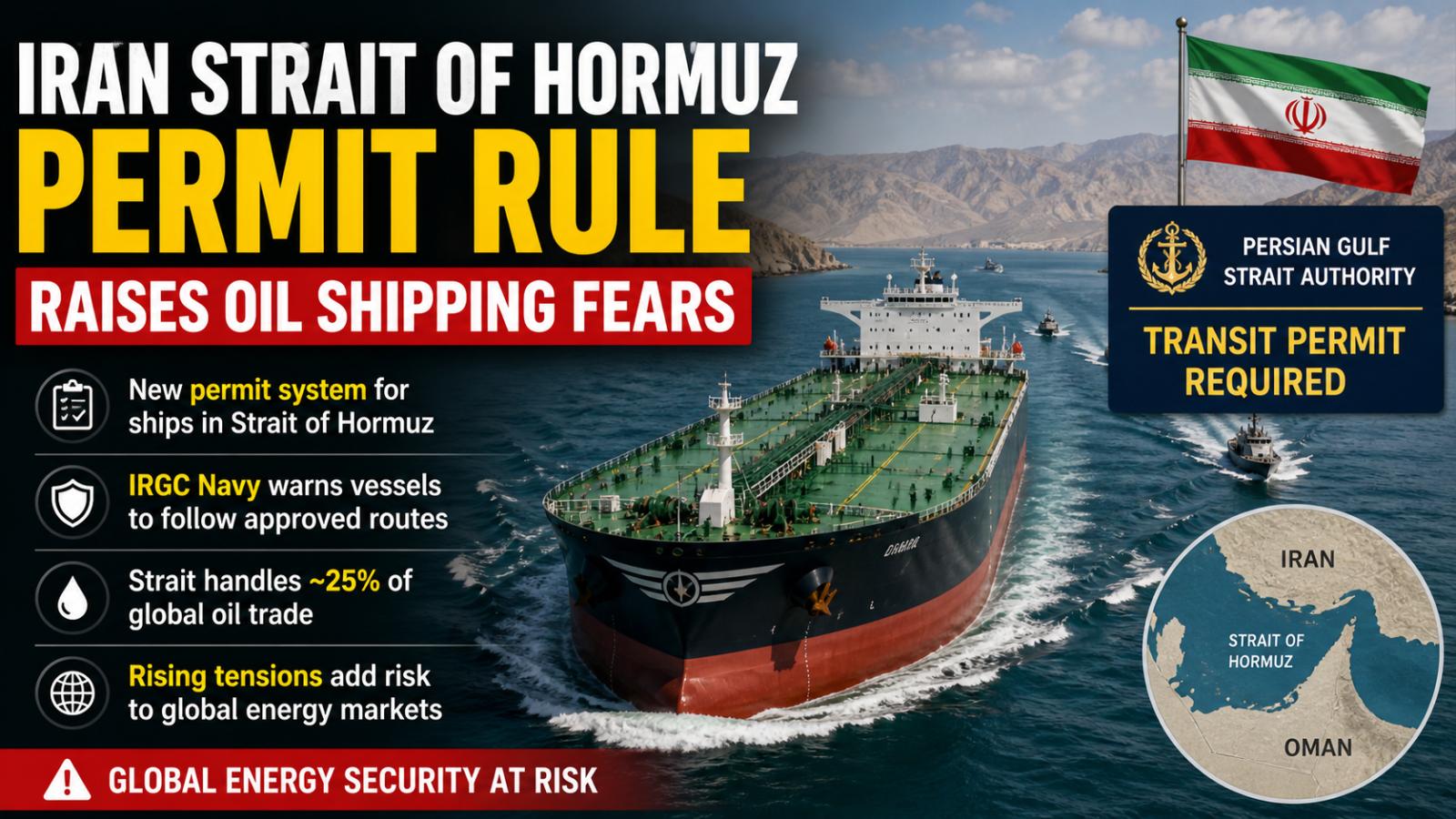
Iran has introduced a new Strait of Hormuz permit system, requiring ships to follow official transit instructions before entering one of the world’s most vital oil routes. The move raises fresh concerns for global energy markets, as the Strait of Hormuz carries a major share of seaborne oil trade and remains a flashpoint in rising US-Iran tensions.
What Iran’s New Permit Rule Means
Iran Tightens Control Over Strait of Hormuz Shipping
Iran has introduced a new Strait of Hormuz permit system, requiring ships to follow official transit instructions before entering one of the world’s most vital oil routes. The move raises fresh concerns for global energy markets, as the Strait of Hormuz carries a major share of seaborne oil trade and remains a flashpoint in rising US-Iran tensions.
What Iran’s New Permit Rule Means
Trump Iran Conflict Deepens After Oval Office Remarks
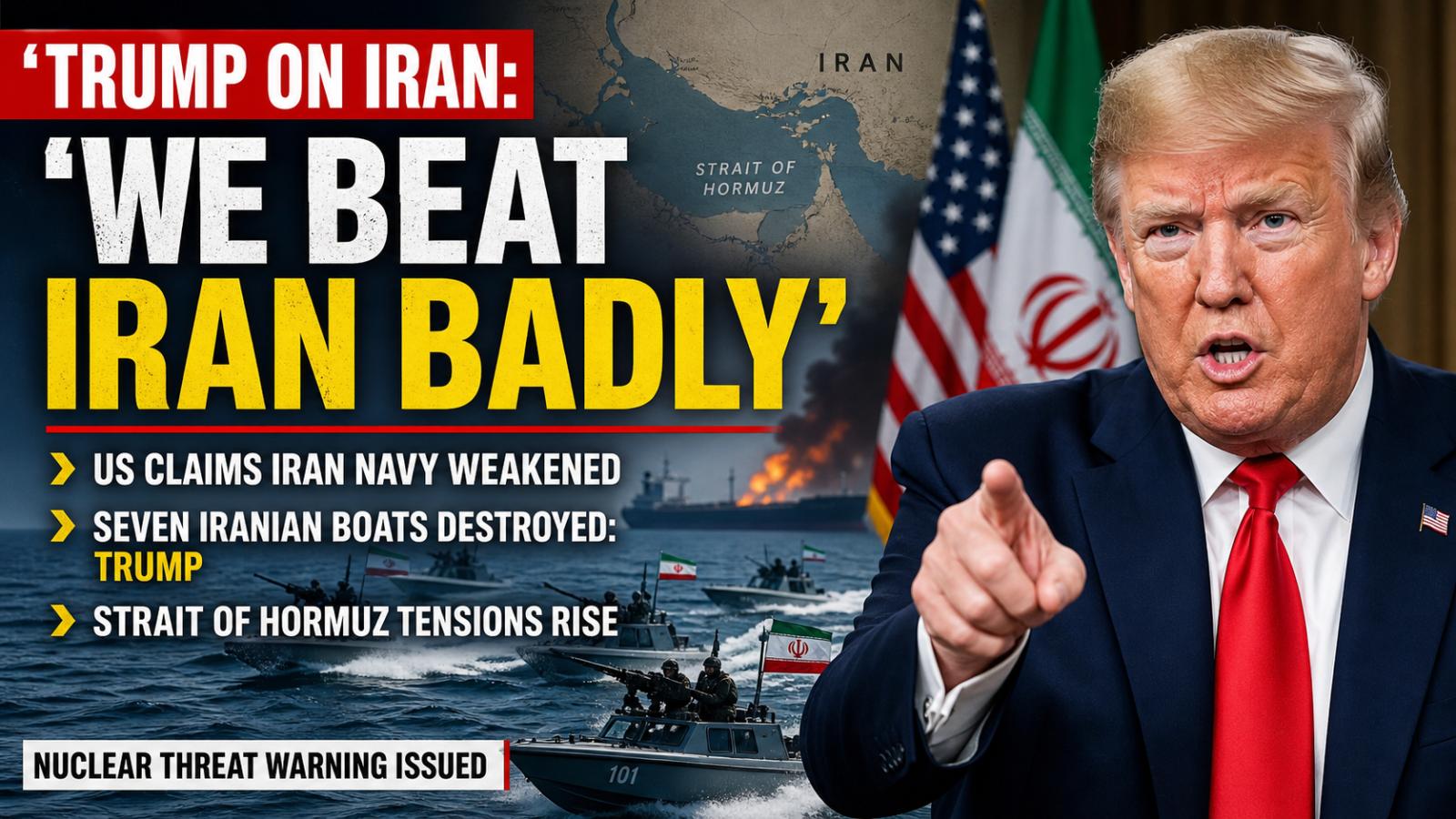
Donald Trump said the United States has “beaten Iran badly,” claiming U.S. military action weakened Iran’s navy and reduced the risk of Tehran developing a nuclear weapon. Speaking from the Oval Office, Trump described the confrontation as a “skirmish,” but his remarks added fresh urgency to rising U.S.-Iran tensions in the Gulf region.
US Claims Iran Navy Severely Weakened
Trump Iran Conflict Deepens After Oval Office Remarks
Donald Trump said the United States has “beaten Iran badly,” claiming U.S. military action weakened Iran’s navy and reduced the risk of Tehran developing a nuclear weapon. Speaking from the Oval Office, Trump described the confrontation as a “skirmish,” but his remarks added fresh urgency to rising U.S.-Iran tensions in the Gulf region.
US Claims Iran Navy Severely Weakened
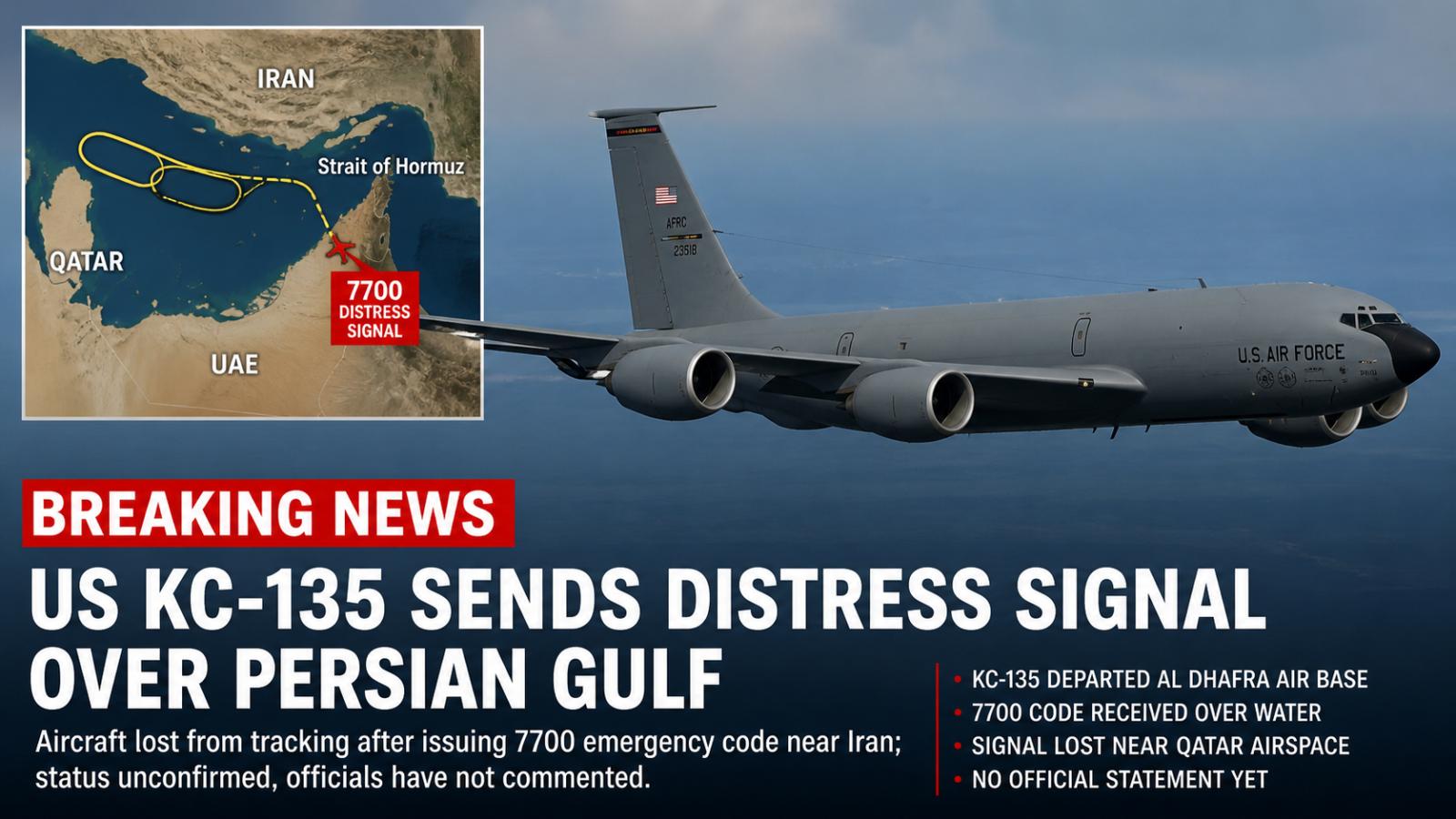
A U.S. military Boeing KC-135 Stratotanker transmitted a 7700 emergency distress signal while flying over the Persian Gulf near the Strait of Hormuz on Tuesday May 5, 2026, according to flight tracking data. The aircraft, which departed from Al Dhafra Air Base in the United Arab Emirates, was later no long
A U.S. military Boeing KC-135 Stratotanker transmitted a 7700 emergency distress signal while flying over the Persian Gulf near the Strait of Hormuz on Tuesday May 5, 2026, according to flight tracking data. The aircraft, which departed from Al Dhafra Air Base in the United Arab Emirates, was later no long
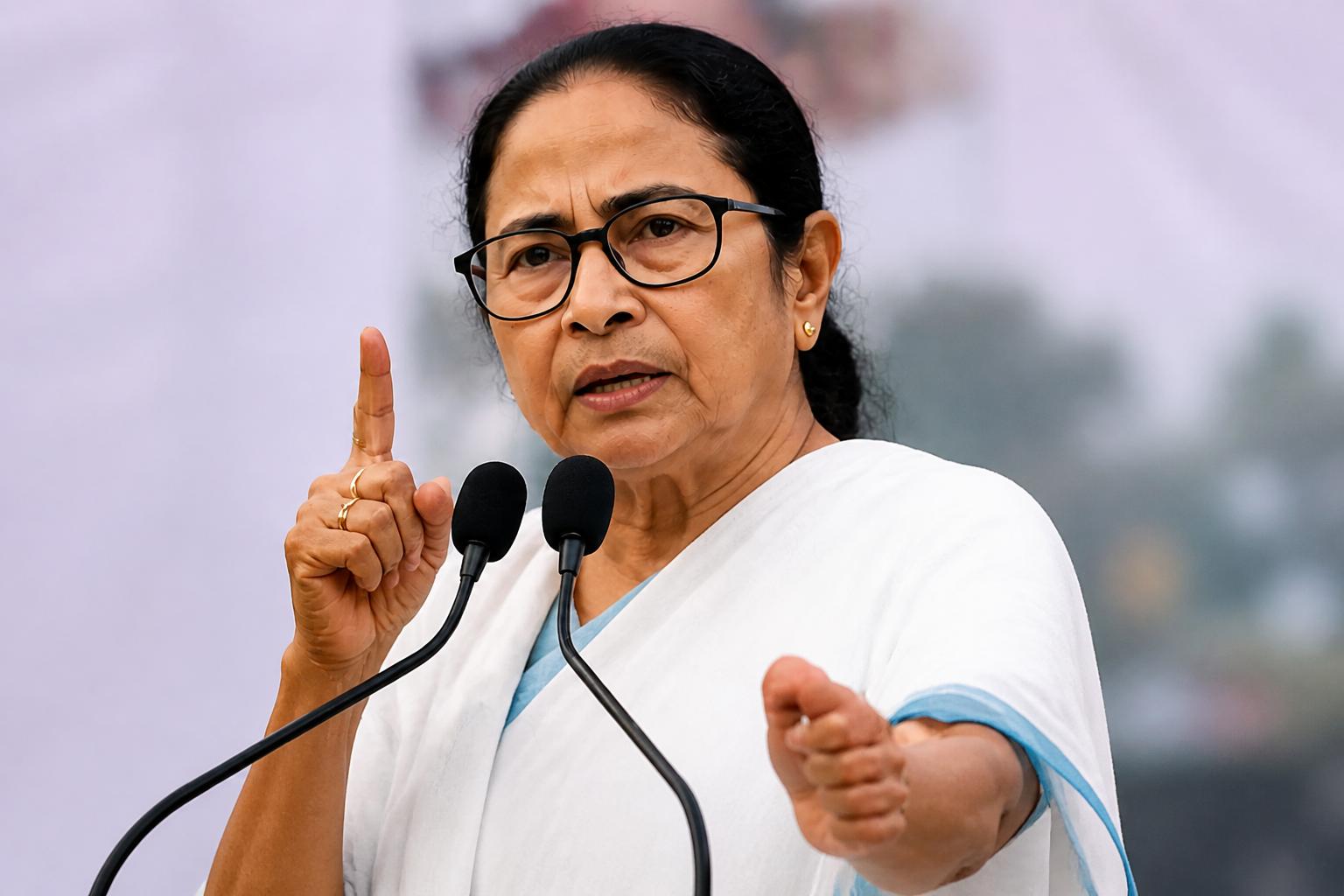
In a defiant stance after the BJP's overwhelming victory in the 2026 Bengal Assembly elections, Mamata Banerjee has refused to resign from her position as Chief Minister, despite losing her Bhabanipur seat. The Trinamool Congress (TMC) leader, who has led Bengal for over a decade, declared, “I won’t resign. I didn’t lose,” in a packed press conference. This statement has raised questions about the constitutional implications of her refusal to step down, as the TMC government’s term
In a defiant stance after the BJP's overwhelming victory in the 2026 Bengal Assembly elections, Mamata Banerjee has refused to resign from her position as Chief Minister, despite losing her Bhabanipur seat. The Trinamool Congress (TMC) leader, who has led Bengal for over a decade, declared, “I won’t resign. I didn’t lose,” in a packed press conference. This statement has raised questions about the constitutional implications of her refusal to step down, as the TMC government’s term
The 2026 Indian assembly elections have garnered international attention, with global publications reporting on the significant victory of the Bharatiya Janata Party (BJP) in West Bengal, alongside a political shock in Tamil Nadu. The international media spotlighted the BJP’s historic win in West Bengal, a state that had been under the control of Mamata Banerjee’s Trinamool Congress (TMC) for 15 years. This result has significant implications for India's political landscape, with many pub
The 2026 Indian assembly elections have garnered international attention, with global publications reporting on the significant victory of the Bharatiya Janata Party (BJP) in West Bengal, alongside a political shock in Tamil Nadu. The international media spotlighted the BJP’s historic win in West Bengal, a state that had been under the control of Mamata Banerjee’s Trinamool Congress (TMC) for 15 years. This result has significant implications for India's political landscape, with many pub
Kolkata, May 5, 2026 – In a remarkable victory that epitomizes political transformation and grassroots mobilization, Kalita Majhi, a former domestic worker from Guskara, has emerged as the newly elected Member of Legislative Assembly (MLA) for the Ausgram constituency in West Bengal. Her success is part of a broader landslide win for the Bharatiya Janata Party (BJP), which has made substantial gains in the state, previously dominated by the Trinamool Congress (TMC). Majhi secured 1,07,
Kolkata, May 5, 2026 – In a remarkable victory that epitomizes political transformation and grassroots mobilization, Kalita Majhi, a former domestic worker from Guskara, has emerged as the newly elected Member of Legislative Assembly (MLA) for the Ausgram constituency in West Bengal. Her success is part of a broader landslide win for the Bharatiya Janata Party (BJP), which has made substantial gains in the state, previously dominated by the Trinamool Congress (TMC). Majhi secured 1,07,
In a historic political shift, Tamilaga Vettri Kazhagam (TVK), led by actor Vijay, has emerged as the largest party in Tamil Nadu, winning 107 seats in the 2026 Tamil Nadu Assembly elections. This victory marks the end of a 15-year reign by the DMK and AIADMK, signaling a seismic change in the state’s political landscape. The victory was largely driven by Vijay’s immense star power and his deep-rooted connection with the grassroots, making him a formidable force in Tamil Nadu politics.
In a historic political shift, Tamilaga Vettri Kazhagam (TVK), led by actor Vijay, has emerged as the largest party in Tamil Nadu, winning 107 seats in the 2026 Tamil Nadu Assembly elections. This victory marks the end of a 15-year reign by the DMK and AIADMK, signaling a seismic change in the state’s political landscape. The victory was largely driven by Vijay’s immense star power and his deep-rooted connection with the grassroots, making him a formidable force in Tamil Nadu politics.
Mumbai Indians (MI) kept their hopes alive in the IPL 2026 playoff race with a thrilling six-wicket victory over Lucknow Super Giants (LSG) at Wankhede Stadium on Monday (May 4). Chasing a daunting target of 229, MI made history by completing their highest successful 200-plus run chase in the tournament. With their third win of the season, the team, led by Suryakumar Yadav in the absence of regular captain Hardik Pandya, proved their resilience in a high-stakes match.
LSG, who won t
Mumbai Indians (MI) kept their hopes alive in the IPL 2026 playoff race with a thrilling six-wicket victory over Lucknow Super Giants (LSG) at Wankhede Stadium on Monday (May 4). Chasing a daunting target of 229, MI made history by completing their highest successful 200-plus run chase in the tournament. With their third win of the season, the team, led by Suryakumar Yadav in the absence of regular captain Hardik Pandya, proved their resilience in a high-stakes match.
LSG, who won t
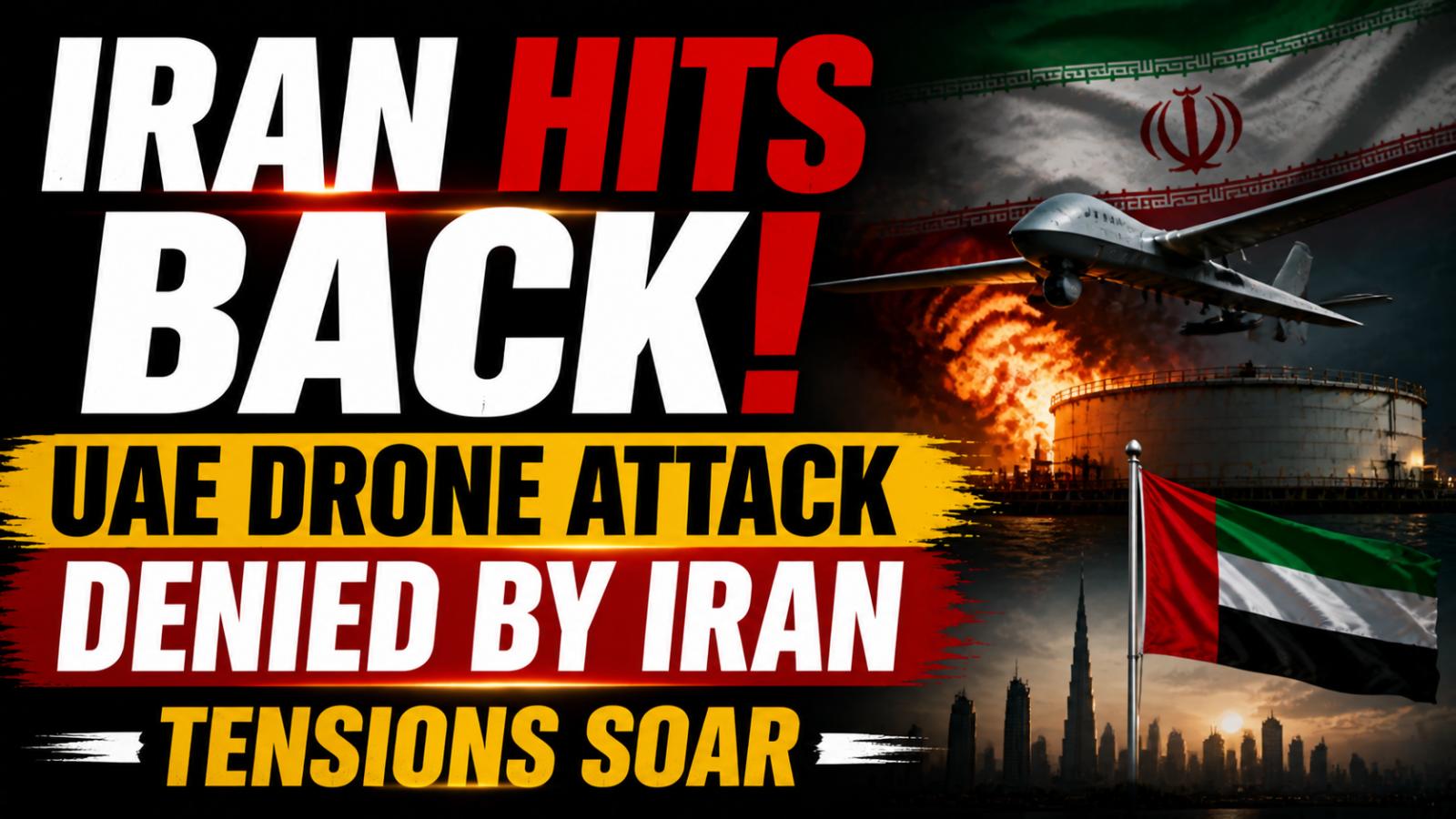
Iran has strongly denied accusations from the United Arab Emirates that it was behind a drone strike targeting oil facilities in Fujairah, calling the attack a product of US military adventurism. UAE authorities reported the attack on Monday, saying that three Indian nationals were injured in the strike and were hospitalized. The UAE also described the attack as a “dangerous escalation” amid growing tensions in the region.
Iran's military officials, speaking on state television, insisted that the Islamic Republic had no plans to target UAE oil infrastructure. They argued that the attack was part of a broader geopolitical game in which the US was attempting to create a passage for ships to unlawfully pass through the Strait of Hormuz, a key oil shipping lane. Iranian officials called on the US to cease its military actions in the region, accusing Washington of destabilizing the area and holding the US accountable for the escalation.
In the aftermath of the strike, US President Donald Trump announced a new maritime operation, Project Freedom, aimed at guiding neutral ships safely through the Gulf. The initiative, which Trump described as a humanitarian effort, is seen as a response to the increasing number of incidents in the Strait of Hormuz. US officials reported engaging with Iranian small boats in the Gulf, claiming that US forces had destroyed several Iranian vessels. Iran, however, denied these claims, stating that none of its boats had been sunk.
Iran's Foreign Minister, Seyed Abbas Araghchi, emphasized the need for a political resolution to the ongoing tensions, cautioning against further military action. He called for greater diplomatic efforts, including mediation by countries like Pakistan, to prevent a deeper conflict. Araghchi also warned the UAE and other regional actors against further escalation, urging them to avoid external interference that could destabilize the region further. As the situation continues to develop, both Iran and the US remain at odds over their military presence in the vital Strait of Hormuz.
Iran has strongly denied accusations from the United Arab Emirates that it was behind a drone strike targeting oil facilities in Fujairah, calling the attack a product of US military adventurism. UAE authorities reported the attack on Monday, saying that three Indian nationals were injured in the strike and were hospitalized. The UAE also described the attack as a “dangerous escalation” amid growing tensions in the region.
Iran's military officials, speaking on state television, insisted that the Islamic Republic had no plans to target UAE oil infrastructure. They argued that the attack was part of a broader geopolitical game in which the US was attempting to create a passage for ships to unlawfully pass through the Strait of Hormuz, a key oil shipping lane. Iranian officials called on the US to cease its military actions in the region, accusing Washington of destabilizing the area and holding the US accountable for the escalation.
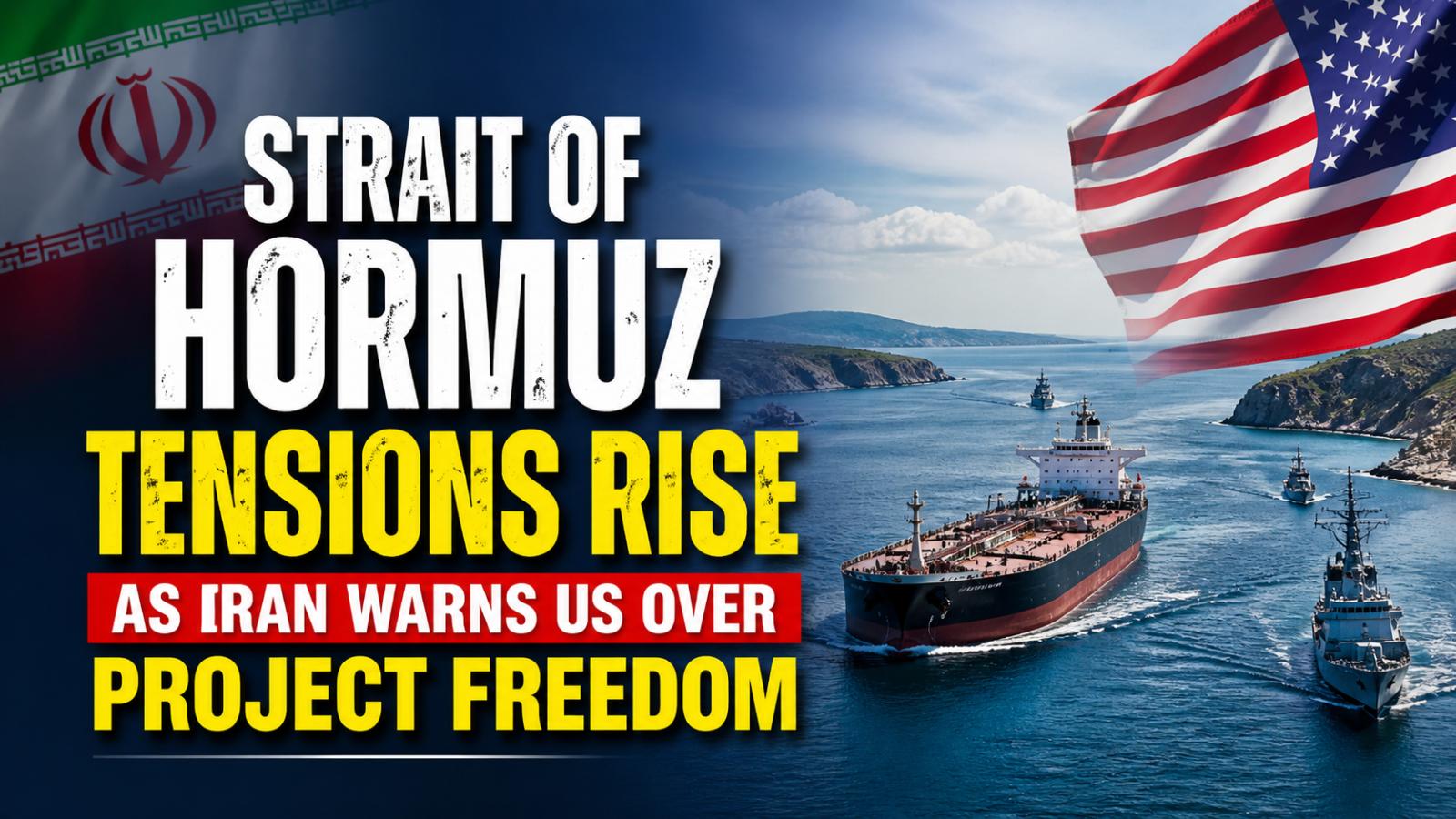
In the aftermath of the strike, US President Donald Trump announced a new maritime operation, Project Freedom, aimed at guiding neutral ships safely through the Gulf. The initiative, which Trump described as a humanitarian effort, is seen as a response to the increasing number of incidents in the Strait of Hormuz. US officials reported engaging with Iranian small boats in the Gulf, claiming that US forces had destroyed several Iranian vessels. Iran, however, denied these claims, stating that none of its boats had been sunk.
Iran's Foreign Minister, Seyed Abbas Araghchi, emphasized the need for a political resolution to the ongoing tensions, cautioning against further military action. He called for greater diplomatic efforts, including mediation by countries like Pakistan, to prevent a deeper conflict. Araghchi also warned the UAE and other regional actors against further escalation, urging them to avoid external interference that could destabilize the region further. As the situation continues to develop, both Iran and the US remain at odds over their military presence in the vital Strait of Hormuz.
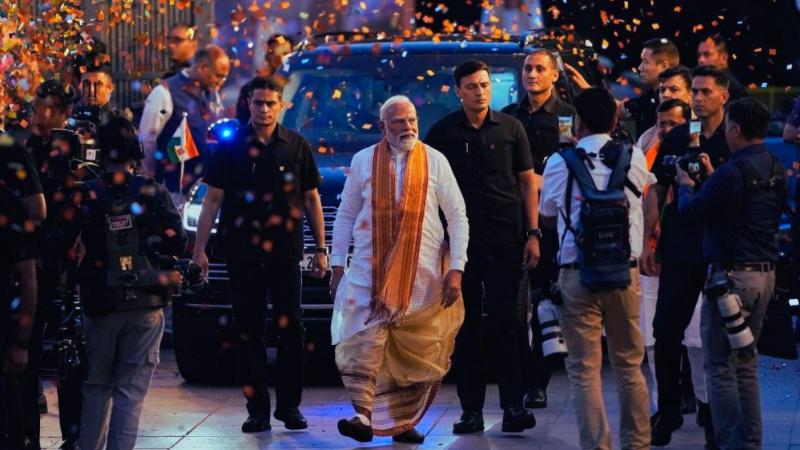
Prime Minister Narendra Modi has hailed the Bharatiya Janata Party’s (BJP) victory in the 2026 West Bengal Assembly elections, describing it as a monumental moment in the state’s political history. In his remarks, Modi emphasized that the results demonstrate to the world why India is often referred to as the “mother of democracy.” He stressed that democracy is more than just a political system in India; it is a culture deeply embedded in the nation’s identity.
Modi expressed his joy by saying, "I have seen the happiness of all BJP workers across the nation, and I am joining them in celebrating this victory." He underscored that the triumph symbolizes a vote for governance based on performance and marks a significant step toward a united India. The results from various states, including by-elections, showcased an unexpected surge in support for the BJP, reflecting widespread public trust in the party’s agenda.
In his statement, the Prime Minister acknowledged the resilience of BJP workers, particularly in regions like West Bengal and Kerala, where they have faced immense challenges and adversity. “From today, a new chapter begins for Bengal. The state is now free from fear, with a newfound confidence in development,” Modi said. He further connected the victory with the 150th anniversary of "Vande Mataram," crediting the people of Bengal for their unwavering faith in the ideals of the party and its commitment to progress.
Modi also shared his thoughts on social media, where he posted that the victory is symbolic of the lotus blooming in Bengal. He said that this victory represents a mandate for the party’s governance and development agenda, promising inclusive growth and dignity for all citizens. Modi thanked the voters for their support and acknowledged the tremendous efforts made by BJP workers on the ground.
This victory, according to the Prime Minister, is not just a political win; it is a triumph of the Constitution and the ideals that India stands for. The BJP's success in West Bengal is seen as a significant milestone in the party’s journey to strengthen democracy and bring about positive change in the state.
Prime Minister Narendra Modi has hailed the Bharatiya Janata Party’s (BJP) victory in the 2026 West Bengal Assembly elections, describing it as a monumental moment in the state’s political history. In his remarks, Modi emphasized that the results demonstrate to the world why India is often referred to as the “mother of democracy.” He stressed that democracy is more than just a political system in India; it is a culture deeply embedded in the nation’s identity.
Modi expressed his joy by saying, "I have seen the happiness of all BJP workers across the nation, and I am joining them in celebrating this victory." He underscored that the triumph symbolizes a vote for governance based on performance and marks a significant step toward a united India. The results from various states, including by-elections, showcased an unexpected surge in support for the BJP, reflecting widespread public trust in the party’s agenda.
In his statement, the Prime Minister acknowledged the resilience of BJP workers, particularly in regions like West Bengal and Kerala, where they have faced immense challenges and adversity. “From today, a new chapter begins for Bengal. The state is now free from fear, with a newfound confidence in development,” Modi said. He further connected the victory with the 150th anniversary of "Vande Mataram," crediting the people of Bengal for their unwavering faith in the ideals of the party and its commitment to progress.
Modi also shared his thoughts on social media, where he posted that the victory is symbolic of the lotus blooming in Bengal. He said that this victory represents a mandate for the party’s governance and development agenda, promising inclusive growth and dignity for all citizens. Modi thanked the voters for their support and acknowledged the tremendous efforts made by BJP workers on the ground.
This victory, according to the Prime Minister, is not just a political win; it is a triumph of the Constitution and the ideals that India stands for. The BJP's success in West Bengal is seen as a significant milestone in the party’s journey to strengthen democracy and bring about positive change in the state.
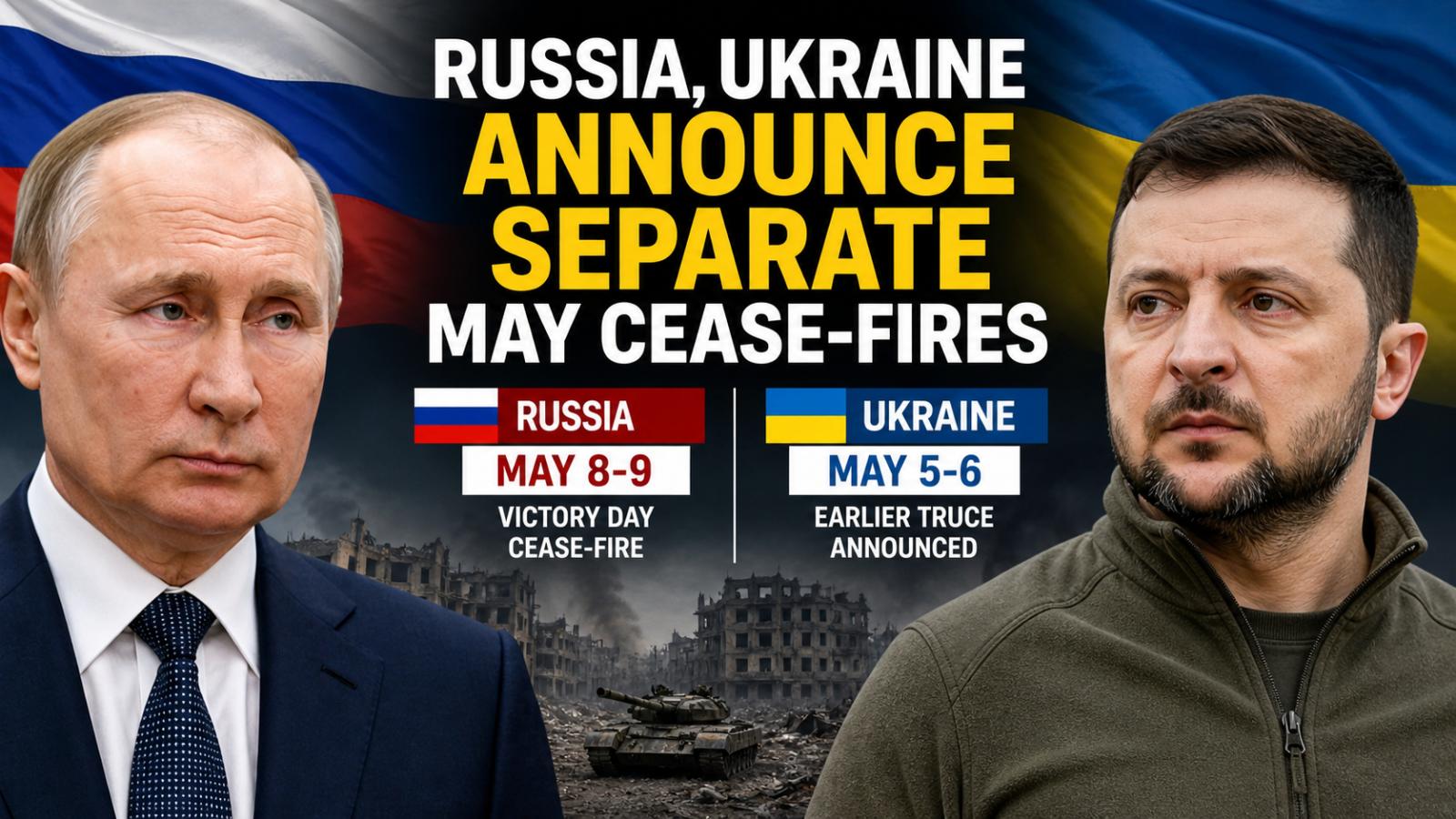
Russia said it will observe a cease-fire from May 8 to May 9 to mark Victory Day, while Ukraine has already declared a separate truce for May 5 to May 6, underscoring a lack of coordination between the two sides. The Kremlin said President Vladimir Putin ordered the pause as a humanitarian gesture tied to World War Two commemorations. Russian officials warned that any violations could trigger a strong military response.
Russia’s Defense Ministry said the capital, Kyiv, could face significant strikes if the truce is breached, urging civilians and foreign diplomatic staff to leave as a precaution, according to official statements. Ukraine’s President Volodymyr Zelensky announced an earlier two-day cease-fire beginning May 5, describing it as an independent move without coordination with Moscow.
Zelensky said Ukraine could consider extending its pause if Russia demonstrates a genuine commitment to de-escalation. He added that further steps would depend on Moscow’s actions during its own declared truce. The overlapping but uncoordinated cease-fires highlight continued mistrust between the two sides, with no indication of broader negotiations to end the conflict.
Victory Day on May 9 is one of Russia’s most significant national observances, marking the Soviet Union’s role in defeating Nazi Germany.
Russia said it will observe a cease-fire from May 8 to May 9 to mark Victory Day, while Ukraine has already declared a separate truce for May 5 to May 6, underscoring a lack of coordination between the two sides. The Kremlin said President Vladimir Putin ordered the pause as a humanitarian gesture tied to World War Two commemorations. Russian officials warned that any violations could trigger a strong military response.
Russia’s Defense Ministry said the capital, Kyiv, could face significant strikes if the truce is breached, urging civilians and foreign diplomatic staff to leave as a precaution, according to official statements. Ukraine’s President Volodymyr Zelensky announced an earlier two-day cease-fire beginning May 5, describing it as an independent move without coordination with Moscow.
Zelensky said Ukraine could consider extending its pause if Russia demonstrates a genuine commitment to de-escalation. He added that further steps would depend on Moscow’s actions during its own declared truce. The overlapping but uncoordinated cease-fires highlight continued mistrust between the two sides, with no indication of broader negotiations to end the conflict.
Victory Day on May 9 is one of Russia’s most significant national observances, marking the Soviet Union’s role in defeating Nazi Germany.
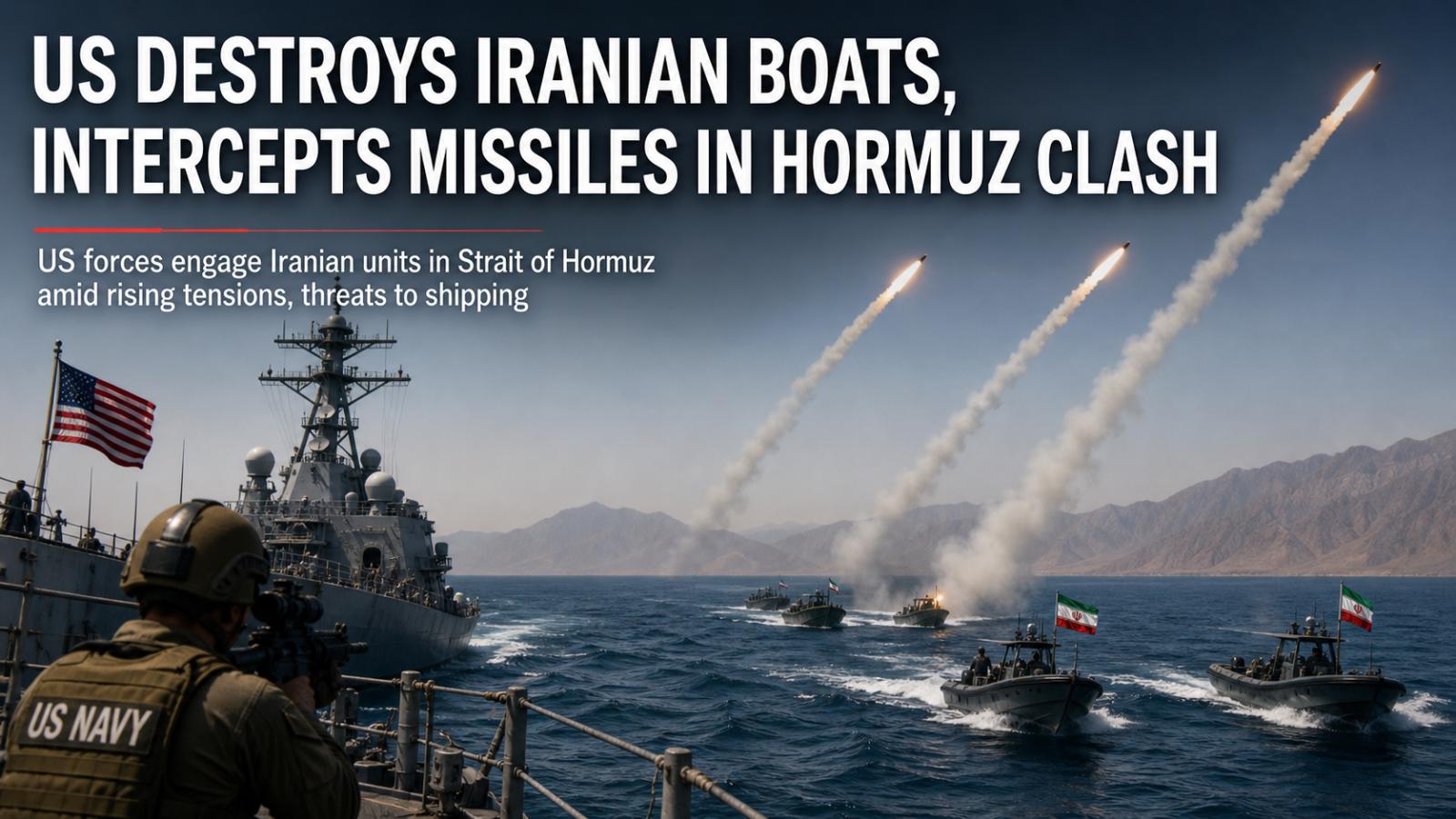
U.S. forces destroyed Iranian boats and intercepted missiles in the Strait of Hormuz on Monday, May 4, 2026, during a confrontation involving naval and aerial threats, a senior U.S. military official said. The U.S. Navy engaged Iranian units after projectiles and drones were launched toward American vessels and commercial shipping in the region, according to officials.
Admiral
U.S. forces destroyed Iranian boats and intercepted missiles in the Strait of Hormuz on Monday, May 4, 2026, during a confrontation involving naval and aerial threats, a senior U.S. military official said. The U.S. Navy engaged Iranian units after projectiles and drones were launched toward American vessels and commercial shipping in the region, according to officials.
Admiral
Strait of Hormuz Shipping Still Restricted
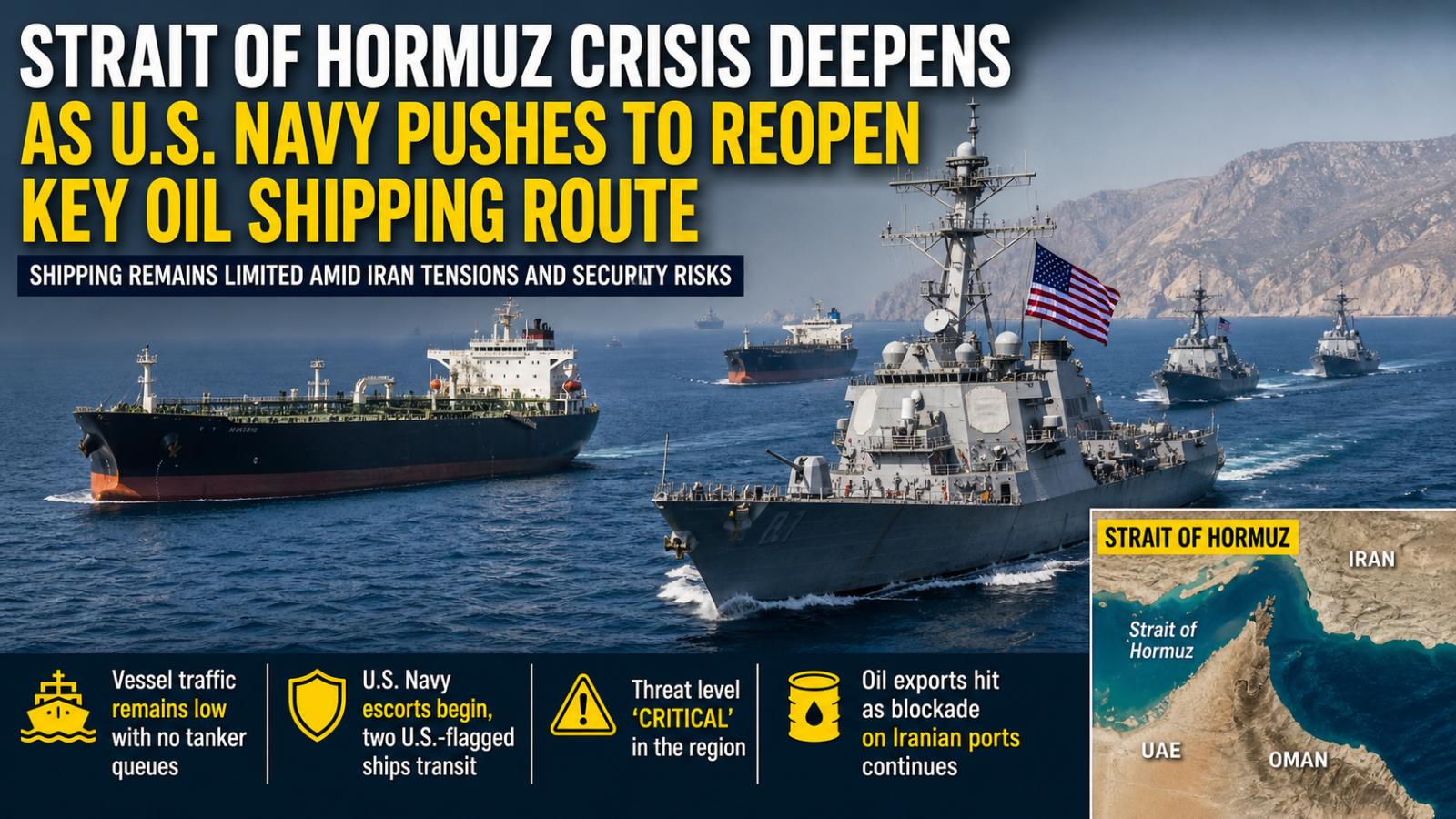
Strait of Hormuz shipping remains severely limited despite new U.S. efforts to reopen one of the world’s most important oil trade routes. Vessel movement stayed subdued Monday as carriers awaited clearer safety guarantees amid Iran tensions.
U.S. Navy Pushes to Restore Transit
U.S. Central Command said its forces are assisting efforts to restore commercial navigation, with Navy destroyers and two U.S.-flagged merchant ships reportedly crossing the waterway. Officials described the mission as defensive, aimed at protecting freedom of navigation while pressure remains on Iranian ports.
But the wider shipping industry is still cautious. Tracking data showed only scattered vessel movement, with no major return of oil tankers or large commercial ships through the narrow Gulf chokepoint.
Carriers Await Clear Safety Rules
German shipping firm Hapag-Lloyd said its vessels still cannot transit the Strait of Hormuz because safety procedures remain unclear. BIMCO has also warned that shipping companies need firm guidance and credible security assurances before resuming normal routes.
The Joint Maritime Information Center continues to rate the regional threat as “critical,” advising vessels to consider safer routing through Omani waters where possible.
Why the Strait Matters
The Strait of Hormuz is a vital passage for global oil and gas shipments, making any disruption a direct risk to energy markets, freight costs and seafarer safety. Hundreds of ships and thousands of crew members remain affected by the crisis.
Iran has warned foreign naval forces to stay away and said commercial vessels must coordinate transit with its military. Until both security risks and operating rules are resolved, global shipping through the Strait of Hormuz is likely to remain slow, uncertain and highly vulnerable.
Strait of Hormuz Shipping Still Restricted
Strait of Hormuz shipping remains severely limited despite new U.S. efforts to reopen one of the world’s most important oil trade routes. Vessel movement stayed subdued Monday as carriers awaited clearer safety guarantees amid Iran tensions.
U.S. Navy Pushes to Restore Transit
U.S. Central Command said its forces are assisting efforts to restore commercial navigation, with Navy destroyers and two U.S.-flagged merchant ships reportedly crossing the waterway. Officials described the mission as defensive, aimed at protecting freedom of navigation while pressure remains on Iranian ports.
But the wider shipping industry is still cautious. Tracking data showed only scattered vessel movement, with no major return of oil tankers or large commercial ships through the narrow Gulf chokepoint.
Carriers Await Clear Safety Rules
German shipping firm Hapag-Lloyd said its vessels still cannot transit the Strait of Hormuz because safety procedures remain unclear. BIMCO has also warned that shipping companies need firm guidance and credible security assurances before resuming normal routes.
The Joint Maritime Information Center continues to rate the regional threat as “critical,” advising vessels to consider safer routing through Omani waters where possible.
Why the Strait Matters
The Strait of Hormuz is a vital passage for global oil and gas shipments, making any disruption a direct risk to energy markets, freight costs and seafarer safety. Hundreds of ships and thousands of crew members remain affected by the crisis.
Iran has warned foreign naval forces to stay away and said commercial vessels must coordinate transit with its military. Until both security risks and operating rules are resolved, global shipping through the Strait of Hormuz is likely to remain slow, uncertain and highly vulnerable.
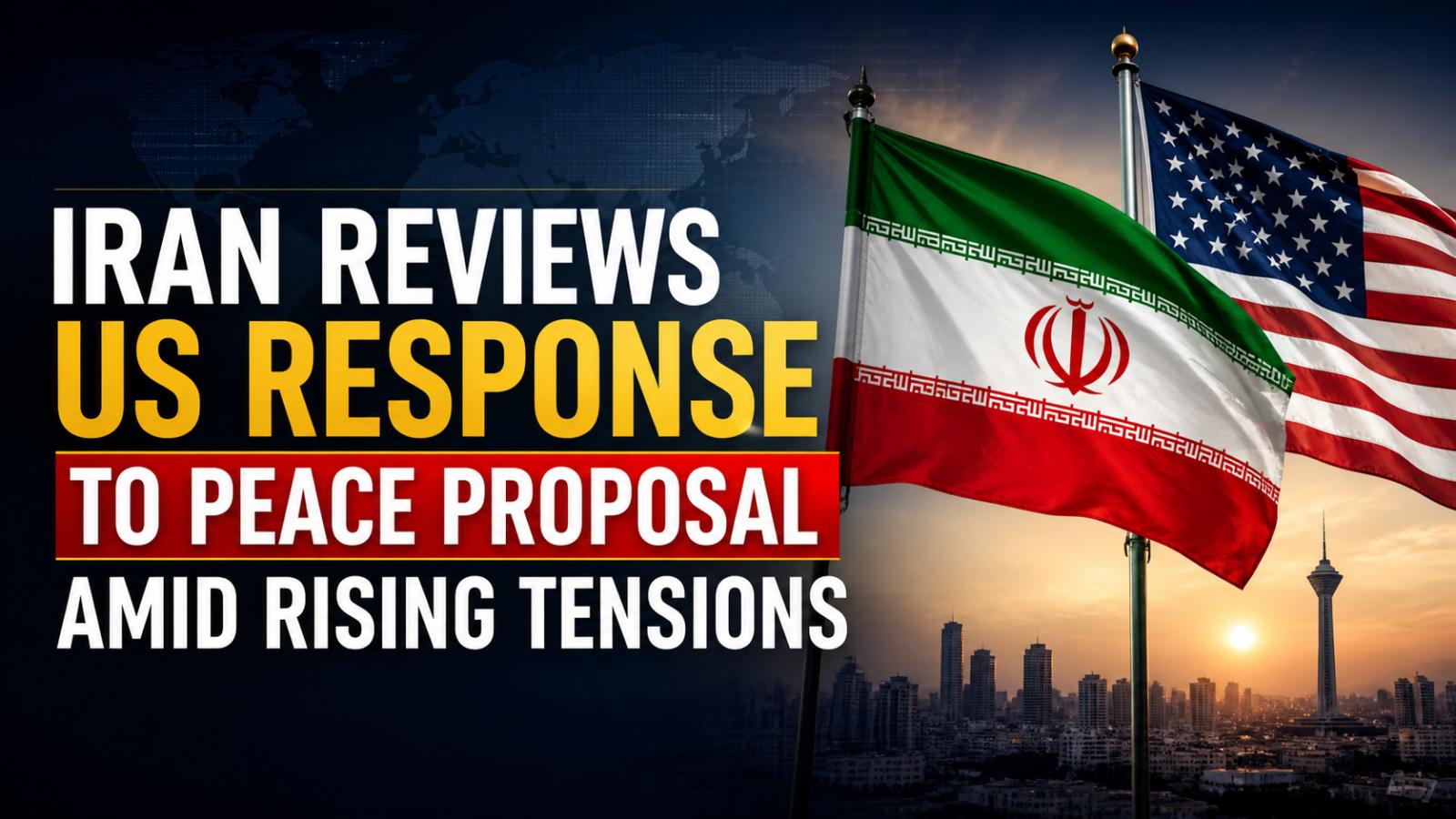
Iran reviews US response to peace proposal as tensions with Washington continue to shape the future of diplomacy and conflict in the region. In a recent press briefing, Iran’s Foreign Ministry confirmed that it has received Washington’s reply to a 14-point peace proposal, but officials say the response includes demands that could complicate progress. The development highlights key areas such as peace negotiations, diplomatic efforts, and the ongoing conflict resolution process.
Iran reviews US response to peace proposal as tensions with Washington continue to shape the future of diplomacy and conflict in the region. In a recent press briefing, Iran’s Foreign Ministry confirmed that it has received Washington’s reply to a 14-point peace proposal, but officials say the response includes demands that could complicate progress. The development highlights key areas such as peace negotiations, diplomatic efforts, and the ongoing conflict resolution process.
The Strait of Hormuz crisis has intensified after Ebrahim Azizi warned that any US intervention would be treated as a ceasefire violation. His remarks came in response to Donald Trump’s announcement of Project Freedom, a naval initiative aimed at guiding merchant vessels through the strategically vital w
The Strait of Hormuz crisis has intensified after Ebrahim Azizi warned that any US intervention would be treated as a ceasefire violation. His remarks came in response to Donald Trump’s announcement of Project Freedom, a naval initiative aimed at guiding merchant vessels through the strategically vital w
Nepal has formally raised objections to the planned Kailash Mansarovar Yatra route through Lipulekh Pass, stating that the area falls within its territory and that it was not consulted on the decision. The government reiterated its longstanding claim that Limpiyadhura, Lipulekh, and Kalapani, located east of the Mahakali River, are integral parts of Nepal based on the Treaty of 1816.
The issue resurfaced after India announced that this year’s pilgrimage would take place between Ju
Nepal has formally raised objections to the planned Kailash Mansarovar Yatra route through Lipulekh Pass, stating that the area falls within its territory and that it was not consulted on the decision. The government reiterated its longstanding claim that Limpiyadhura, Lipulekh, and Kalapani, located east of the Mahakali River, are integral parts of Nepal based on the Treaty of 1816.
The issue resurfaced after India announced that this year’s pilgrimage would take place between Ju
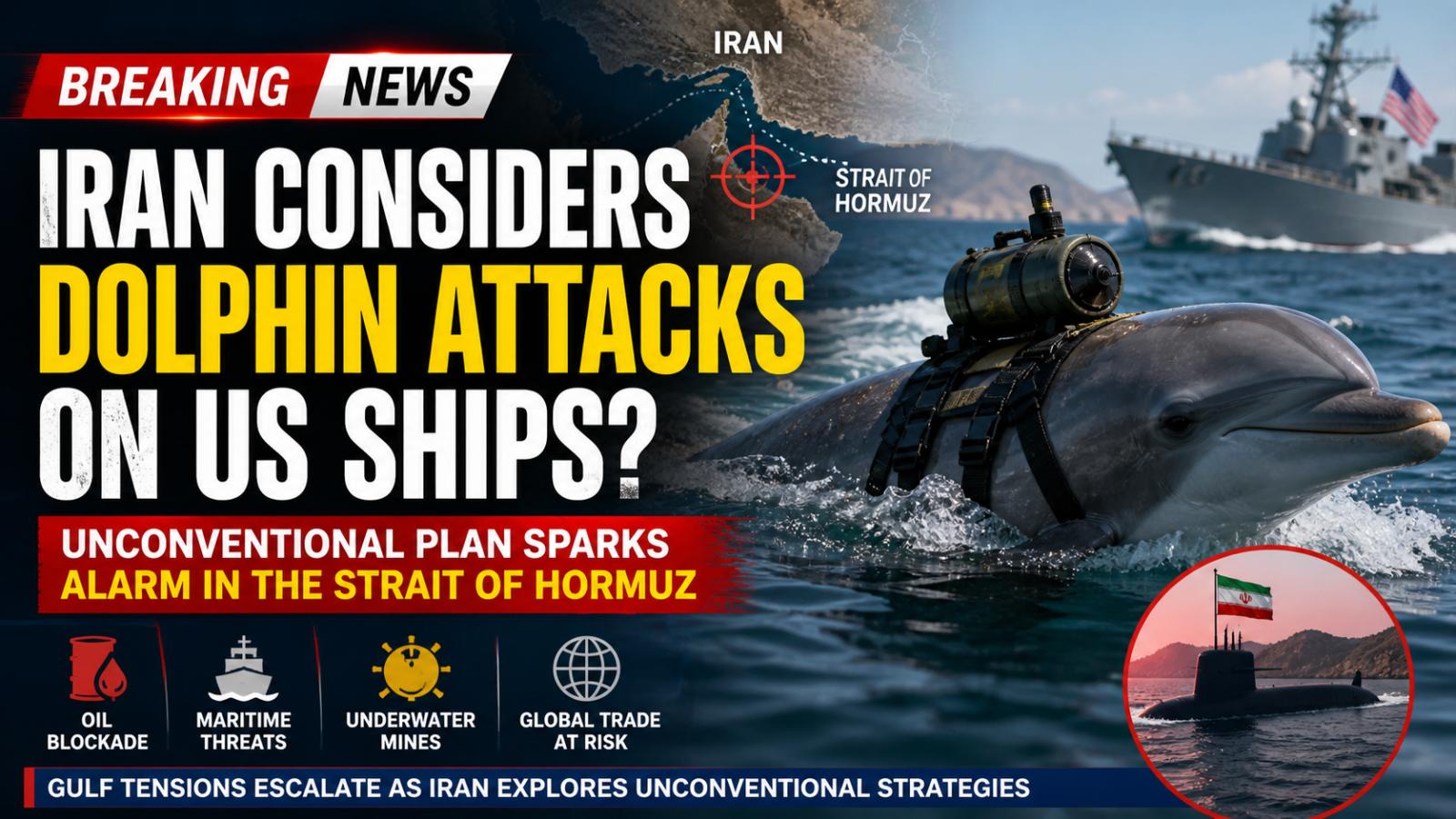
Iran is reportedly evaluating unconventional military approaches as tensions continue in the Gulf, with discussions centered on alternative maritime tactics that could impact security in the Strait of Hormuz. The move comes at a time when economic pressure from ongoing restrictions on oil exports is intensifying internal debate within the country’s leadership.
Officials are said to be considering a range of options that extend beyond traditional naval operations. These deliberations reflect growing frustration among certain factions, which increasingly view the prolonged blockade as a direct threat to national stability. While a fragile ceasefire remains in place, some policymakers argue that the economic consequences of continued restrictions could outweigh the risks of escalation.
Iran has previously explored the use of trained marine animals for defense-related purposes, highlighting a history of experimental approaches within its military planning. Such methods, if pursued, would represent a broader shift toward unconventional strategies aimed at countering perceived disadvantages in conventional naval power.
Alongside these discussions, there are concerns that Iran could deploy submarines or other underwater capabilities within the strategic waterway. Additional threats have included the potential disruption of critical telecommunications infrastructure, which could have far-reaching consequences for global connectivity and trade.
For international shipping, the primary concern remains surface-level disruptions that could directly affect the flow of goods through one of the world’s most vital energy corridors. Security officials continue to monitor developments closely, as any escalation in the region could have immediate implications for global markets and maritime safety.
Iran is reportedly evaluating unconventional military approaches as tensions continue in the Gulf, with discussions centered on alternative maritime tactics that could impact security in the Strait of Hormuz. The move comes at a time when economic pressure from ongoing restrictions on oil exports is intensifying internal debate within the country’s leadership.
Officials are said to be considering a range of options that extend beyond traditional naval operations. These deliberations reflect growing frustration among certain factions, which increasingly view the prolonged blockade as a direct threat to national stability. While a fragile ceasefire remains in place, some policymakers argue that the economic consequences of continued restrictions could outweigh the risks of escalation.
Iran has previously explored the use of trained marine animals for defense-related purposes, highlighting a history of experimental approaches within its military planning. Such methods, if pursued, would represent a broader shift toward unconventional strategies aimed at countering perceived disadvantages in conventional naval power.
Alongside these discussions, there are concerns that Iran could deploy submarines or other underwater capabilities within the strategic waterway. Additional threats have included the potential disruption of critical telecommunications infrastructure, which could have far-reaching consequences for global connectivity and trade.
For international shipping, the primary concern remains surface-level disruptions that could directly affect the flow of goods through one of the world’s most vital energy corridors. Security officials continue to monitor developments closely, as any escalation in the region could have immediate implications for global markets and maritime safety.
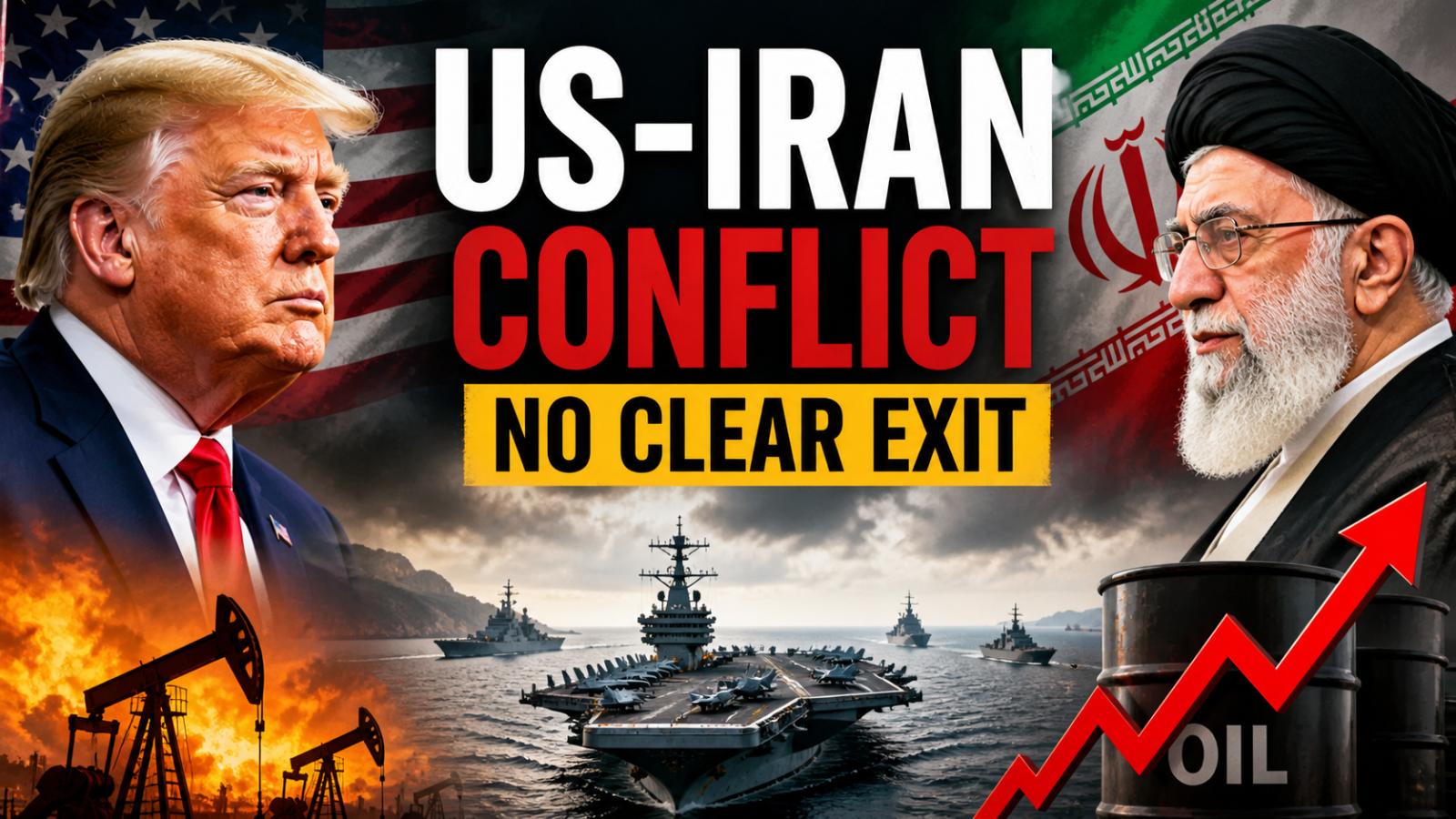
More than two months into military action against Iran, Donald Trump is facing a difficult reality: the conflict is far from over—and there’s no clear way out.
What began as a show of strength has turned into a prolonged standoff, with rising global consequences.
Military Gains, But No Strategic Victory
The United States, alongside Israeli forces, has carried out multiple strikes targeting Iran’s
More than two months into military action against Iran, Donald Trump is facing a difficult reality: the conflict is far from over—and there’s no clear way out.
What began as a show of strength has turned into a prolonged standoff, with rising global consequences.
Military Gains, But No Strategic Victory
The United States, alongside Israeli forces, has carried out multiple strikes targeting Iran’s