






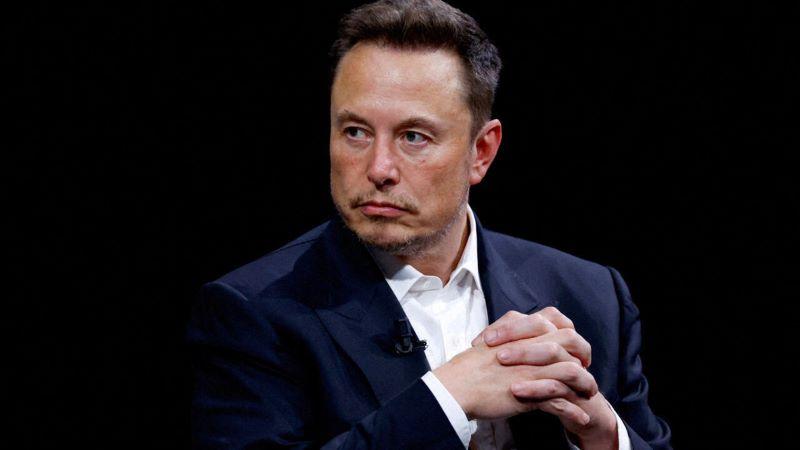
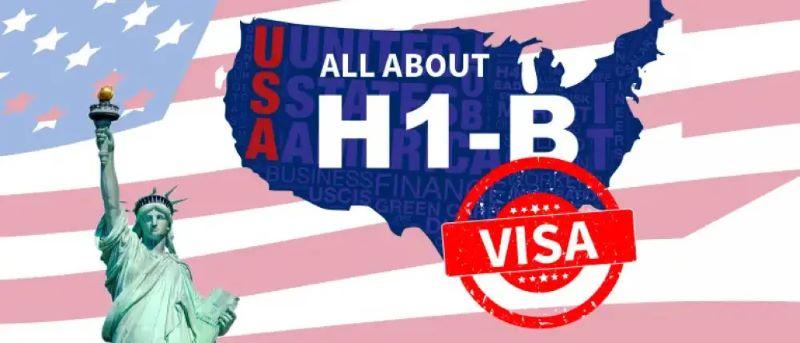











Elon Musk’s Tesla has become one of the top employers of H-1B workers, with over 1,700 H-1B visas approved for Tesla employees in 2020. This marks a significant reliance on skilled foreign workers as Tesla continues to grow. Musk’s early career began with illegal work on a student visa in the U.S., but now Tesla’s future is intertwined with the availability of H-1B workers, a visa program that is crucial for attracting talent to the tech industry. The Trump adminis
The 1990 Immigration Act brought significant changes to the H-1B visa program and employment-based green cards, imposing caps of 65,000 and 140,000 annually, respectively. These restrictions were implemented without considering the growing demand for skilled labor fueled by technological advancements. The arbitrary cap on H-1B visas quickly became insufficient as more than 70% of graduate students in tech fields at US universities were international students. In response to the escalat
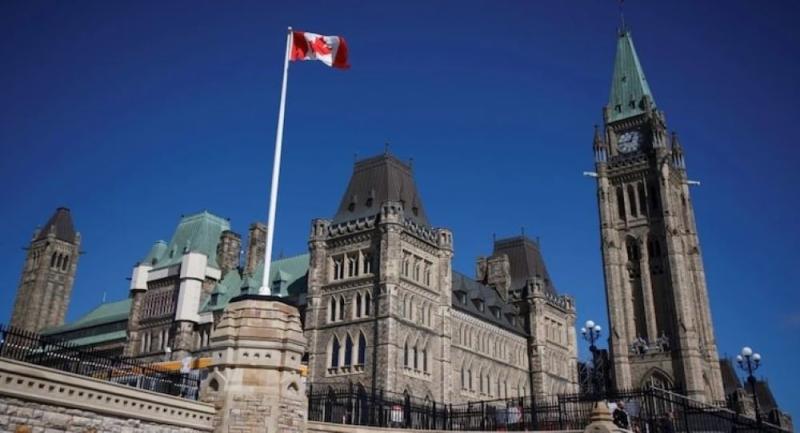
In a notable shift in immigration policy, Canada has decided to cut its immigration targets significantly, responding to increasing public concerns regarding the impact of new arrivals on housing and resources. Prime Minister Justin Trudeau announced that the government will lower its immigration goals from a planned 500,000 new permanent residents in 2025 to 395,000 for 2025 and 380,000 for 2026. This decision follows a recent survey indicating that a majority of Canadians now believe the co
Canada's Prime Minister Justin Trudeau recently announced a strategic move to reduce the number of international study permits granted to foreign students, aiming to curb the rising population of temporary residents in the country. As part of this initiative, the government will decrease the number of study permits by 35% this year, with plans for an additional 10% cut next year. This decision underscores the government's intent to crack down on abuses of the immigration system.