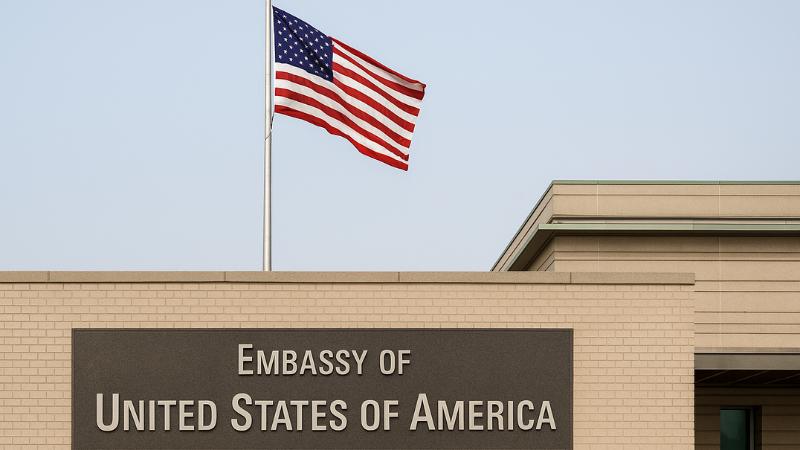
The US Embassy in India has postponed temporary work visa interviews scheduled for mid-December, triggering widespread concern among Indian professionals awaiting H-1B visa processing. The affected interviews have now been rescheduled to March and April 2026, according to communications sent to applicants and legal experts familiar with the matter. The unexpected decision has disrupted travel and employment plans for thousands of workers who rely on timely visa stamping to continue their role
The US Embassy in India has postponed temporary work visa interviews scheduled for mid-December, triggering widespread concern among Indian professionals awaiting H-1B visa processing. The affected interviews have now been rescheduled to March and April 2026, according to communications sent to applicants and legal experts familiar with the matter. The unexpected decision has disrupted travel and employment plans for thousands of workers who rely on timely visa stamping to continue their role
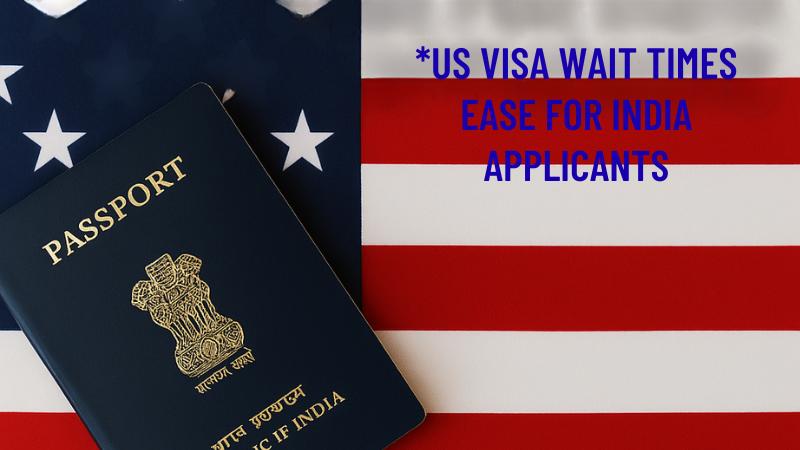
Indian applicants planning travel to the United States for study, employment or tourism are experiencing notable changes in visa wait times, with several US consulates across the country reporting shorter delays. According to the latest data from the US State Department’s Global Visa Wait Times portal, appointment backlogs for student, work and visitor visas now vary widely by location but show meaningful improvement compared with previous months. Applicants are being encouraged to monitor
Indian applicants planning travel to the United States for study, employment or tourism are experiencing notable changes in visa wait times, with several US consulates across the country reporting shorter delays. According to the latest data from the US State Department’s Global Visa Wait Times portal, appointment backlogs for student, work and visitor visas now vary widely by location but show meaningful improvement compared with previous months. Applicants are being encouraged to monitor
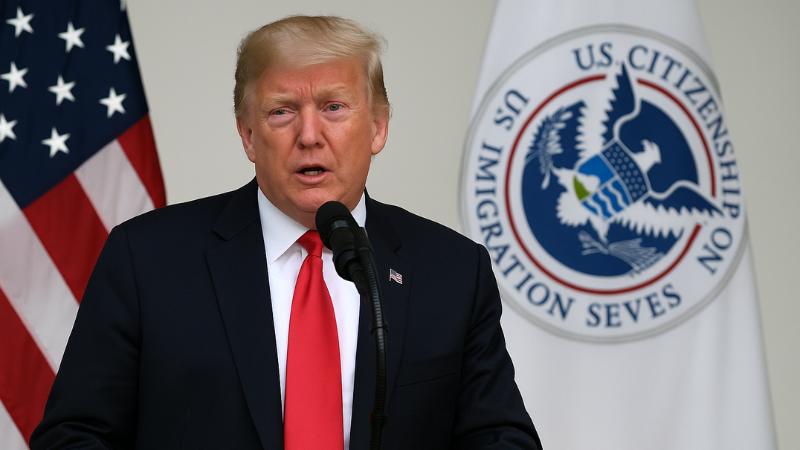
The United States has initiated a comprehensive review of Green Cards held by permanent residents from 19 designated “countries of concern” after a deadly shooting near the White House left one National Guard member dead and another injured. The directive, issued by President Donald Trump, instructs US Citizenship and Immigration Services to reassess existing Green Cards and tighten vetting standards for residents originating from these nations. Officials described the Washington attack as an act of terror, citing the suspected assailant’s Afghan nationality as a factor prompting immediate policy action.
Under the updated USCIS guidance, agency officers may now treat an applicant’s country of origin as a significant adverse factor when assessing eligibility for immigration benefits. This marks a notable shift in the approach to immigration review, as the order applies not only to new applicants but also to long-term permanent residents whose Green Cards were approved under earlier administrations. The list of 19 countries includes Afghanistan, Burma, Chad, the Republic of the Congo, Equatorial Guinea, Eritrea, Haiti, Iran, Libya, Somalia, Sudan, Yemen, Burundi, Cuba, Laos, Sierra Leone, Togo, Turkmenistan, and Venezuela. These countries mirror those identified in a June presidential proclamation that imposed full or partial entry suspensions.
USCIS Director Joseph Edlow said the policy aims to strengthen national security by giving officers broader discretion to weigh security concerns. He emphasized that ensuring stringent screening remains a core responsibility of the agency, stressing that the safety of American citizens is paramount. According to Edlow, the updated guidance directly responds to the Washington shooting and reflects the administration’s belief that previous vetting procedures were weakened in recent years.
The shooting suspect, identified as 29-year-old Rahmanullah Lakanwal, entered the United States in 2021 through Operation Allies Welcome, a resettlement initiative created after the US withdrawal from Afghanistan. Lakanwal had served alongside US Special Forces and spent more than a decade as a soldier in the Afghan army. Authorities said the incident has reignited debate surrounding resettlement programmes for individuals from conflict-affected regions, especially those relocated under emergency evacuation procedures.
While the revised review process affects a wide group of nationalities, officials confirmed that Indian Green Card holders will not be impacted. However, immigration experts noted that the move forms part of a broader tightening of immigration policy that could signal further enforcement actions in the coming months. They cautioned that the directive underscores a continued shift toward heightened scrutiny of immigrants from nations perceived as high-risk, particularly in cases involving national security.
The comprehensive review is expected to unfold over the coming months as USCIS examines existing records and evaluates cases under the strengthened criteria. Officials maintain that the updated policy is designed to close gaps in the vetting process, asserting that national security concerns necessitate more rigorous oversight of immigration status for individuals from the identified countries. The directive marks one of the administration’s most extensive actions on immigration security since the presidential proclamation earlier this year.
The United States has initiated a comprehensive review of Green Cards held by permanent residents from 19 designated “countries of concern” after a deadly shooting near the White House left one National Guard member dead and another injured. The directive, issued by President Donald Trump, instructs US Citizenship and Immigration Services to reassess existing Green Cards and tighten vetting standards for residents originating from these nations. Officials described the Washington attack as an act of terror, citing the suspected assailant’s Afghan nationality as a factor prompting immediate policy action.
Under the updated USCIS guidance, agency officers may now treat an applicant’s country of origin as a significant adverse factor when assessing eligibility for immigration benefits. This marks a notable shift in the approach to immigration review, as the order applies not only to new applicants but also to long-term permanent residents whose Green Cards were approved under earlier administrations. The list of 19 countries includes Afghanistan, Burma, Chad, the Republic of the Congo, Equatorial Guinea, Eritrea, Haiti, Iran, Libya, Somalia, Sudan, Yemen, Burundi, Cuba, Laos, Sierra Leone, Togo, Turkmenistan, and Venezuela. These countries mirror those identified in a June presidential proclamation that imposed full or partial entry suspensions.
USCIS Director Joseph Edlow said the policy aims to strengthen national security by giving officers broader discretion to weigh security concerns. He emphasized that ensuring stringent screening remains a core responsibility of the agency, stressing that the safety of American citizens is paramount. According to Edlow, the updated guidance directly responds to the Washington shooting and reflects the administration’s belief that previous vetting procedures were weakened in recent years.
The shooting suspect, identified as 29-year-old Rahmanullah Lakanwal, entered the United States in 2021 through Operation Allies Welcome, a resettlement initiative created after the US withdrawal from Afghanistan. Lakanwal had served alongside US Special Forces and spent more than a decade as a soldier in the Afghan army. Authorities said the incident has reignited debate surrounding resettlement programmes for individuals from conflict-affected regions, especially those relocated under emergency evacuation procedures.
While the revised review process affects a wide group of nationalities, officials confirmed that Indian Green Card holders will not be impacted. However, immigration experts noted that the move forms part of a broader tightening of immigration policy that could signal further enforcement actions in the coming months. They cautioned that the directive underscores a continued shift toward heightened scrutiny of immigrants from nations perceived as high-risk, particularly in cases involving national security.
The comprehensive review is expected to unfold over the coming months as USCIS examines existing records and evaluates cases under the strengthened criteria. Officials maintain that the updated policy is designed to close gaps in the vetting process, asserting that national security concerns necessitate more rigorous oversight of immigration status for individuals from the identified countries. The directive marks one of the administration’s most extensive actions on immigration security since the presidential proclamation earlier this year.
Immigration, Refugees and Citizenship Canada (IRCC) has announced a major update to its operational framework, outlining clear legal grounds for when temporary resident documents—such as visitor visas, study permits, work permits, and electronic travel authorizations (eTAs)—may be cancelled. The revised policy, which came into effect on November 4, 2025, aims to standardize how immigration officers handle document revocations and close long-standing gaps in the Immigration and Refugee Pro
Immigration, Refugees and Citizenship Canada (IRCC) has announced a major update to its operational framework, outlining clear legal grounds for when temporary resident documents—such as visitor visas, study permits, work permits, and electronic travel authorizations (eTAs)—may be cancelled. The revised policy, which came into effect on November 4, 2025, aims to standardize how immigration officers handle document revocations and close long-standing gaps in the Immigration and Refugee Pro