



















PM Narendra Modi Receives Sweden’s Royal Order Of Polar Star, 31st Global Honour
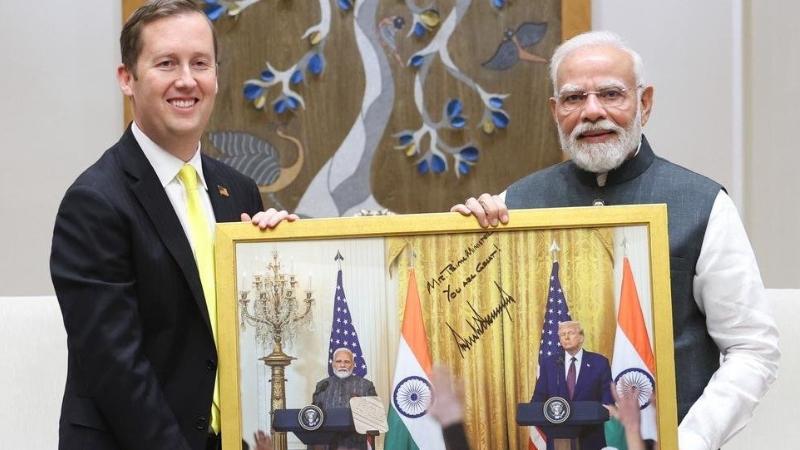
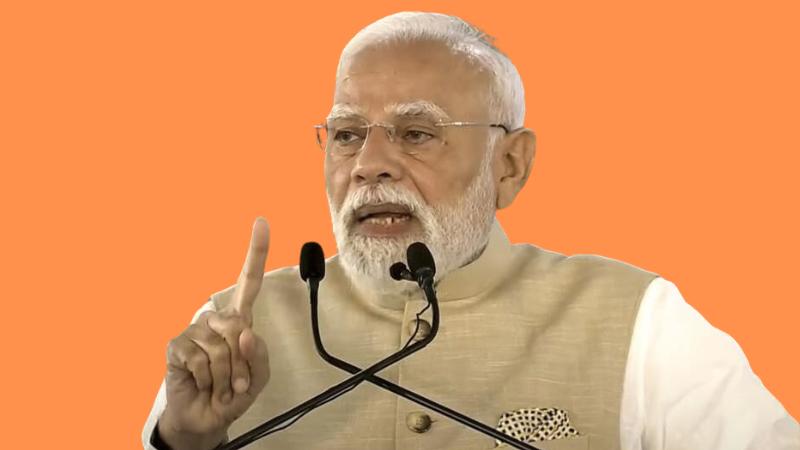
May 17, 2026, PM Modi received Sweden’s Royal Order of the Polar Star in Gothenburg, marking his 31st international honour. The award highlights stronger India-Sweden ties and recognises his role in boosting bilateral friendship, diplomacy and cooperation.
PM Narendra Modi Receives Sweden’s Royal Order Of Polar Star, 31st Global Honour
May 17, 2026, PM Modi received Sweden’s Royal Order of the Polar Star in Gothenburg, marking his 31st international honour. The award highlights stronger India-Sweden ties and recognises his role in boosting bilateral friendship, diplomacy and cooperation.
India to Dallas Student Packing Checklist
Traveling from India to Dallas for university is exciting, but packing for the first time can feel confusing. Many students worry about what to carry, what to avoid, how much grocery to pack and which items should go in cabin baggage. This guide gives a practical packing checklist for Indian students moving to Dallas. The goal is simple: carry what helps you during the first few weeks and buy heavy, common items after reaching the United States. Check Your Baggage
India to Dallas Student Packing Checklist
Traveling from India to Dallas for university is exciting, but packing for the first time can feel confusing. Many students worry about what to carry, what to avoid, how much grocery to pack and which items should go in cabin baggage. This guide gives a practical packing checklist for Indian students moving to Dallas. The goal is simple: carry what helps you during the first few weeks and buy heavy, common items after reaching the United States. Check Your Baggage
Indian Student Grocery Packing Guide for Dallas
For Indian students traveling to Dallas for the first time, grocery packing can be confusing. Many students wonder whether they should carry rice, dal, atta, masalas, snacks, ready-to-eat packets or other food items from India. The simple answer is this: carry only a small grocery starter kit for the first one or two weeks. Dallas has a large Indian community and good Indian grocery availability, so students do not need to fill their luggage with food. For most students, grocery packing should be about first-week comfort, not long-term storage. How Much Grocery Should Indian Students Carry to Dallas? For most Indian students, 3 kg to 4 kg of groceries is enough. Even if a student has around 44 kg to 46 kg of check-in luggage, groceries should take only a small part of that space. The remaining luggage is more useful for clothes, winter wear, documents, medicines, laptop items, shoes and student essentials. A practical grocery weight plan looks like this: Spices and masalas: 500g to 700g Ready-to-eat food: 1 kg to 1.5 kg Instant mixes: 500g to 800g Snacks and biscuits: 500g to 800g Tea, coffee or small pickle: 300g to 500g Total ideal grocery weight: 2.5 kg to 3.5 kg Maximum suggested grocery weight: 4 kg Why Carry Groceries From India? Indian students should carry groceries mainly for convenience during the first few days after landing. After reaching Dallas, students may be busy with airport travel, housing setup, university formalities, SIM card, bank account work and transportation. During this time, a few ready-to-eat packets, instant mixes and familiar snacks can be helpful. Some students may also prefer carrying their favorite regional masalas, chutney powder, sambar powder, rasam powder or tea brand because the exact taste may not be immediately available near their apartment. However, students should not treat groceries as the main part of their luggage. Best Grocery Items to Carry From India Students should carry only sealed, branded and commercially packed food items. Good options include: Ready-to-eat vegetarian packets Carry 4 to 6 packets. These are useful during the first few days when cooking may not be possible. Instant breakfast mixes Carry 2 to 3 packets of poha, upma, idli mix, dosa mix or similar items. Small masala packets Carry limited quantities of turmeric powder, chilli powder, garam masala, sambar powder, rasam powder or biryani masala. Regional taste items Students can carry chutney powder, special spice mix or a favorite regional masala if it is properly sealed and labelled. Tea or coffee Carry one small pack if you prefer a specific Indian brand. Snacks Carry 3 to 5 small packets of biscuits, namkeen, khakhra, chikki or dry snacks for travel and the first week. Pickle Carry only one small sealed branded bottle if needed. Pack it carefully in check-in baggage to avoid leakage. What Not to Carry From India: Buy These in Dallas Instead Indian students traveling to Dallas should avoid carrying heavy daily groceries such as rice, dal, atta, oil, ghee, sugar and salt. These items are easily available in Indian grocery stores across the Dallas-Fort Worth area and can be bought after arrival. Carrying these items from India usually does not help much because they take up luggage space, add weight quickly and are not difficult to find in Dallas. A student’s check-in baggage is better used for clothes, winter wear, documents, medicines, personal items and first-week essentials. Students should also avoid carrying fresh fruits, fresh vegetables, curry leaves, coriander leaves, mint leaves, seeds, plants, soil, homemade pickles, homemade chutneys, meat products, egg-based food items and loose masala powders without original labels. These items may create problems during U.S. customs inspection. For regular cooking after arrival, students can buy rice, dal, atta, oil, ghee, vegetables, paneer, frozen chapati, dosa batter, snacks and larger masala packs from local Indian grocery stores in Dallas. The best approach is simple: carry only 3 kg to 4 kg of sealed, dry, branded food items from India and buy heavy regular groceries after reaching Dallas. Should Groceries Go in Check-In or Cabin Baggage? Students should keep almost all groceries in check-in baggage. Check-in baggage is better for: Masala powders Sambar powder Rasam powder Chutney powder Ready-to-eat packets Instant mixes Pickle bottles Tea or coffee Snacks in larger quantities Cabin baggage should carry only small travel snacks such as biscuits, dry fruits, chocolate, protein bars or one small namkeen packet. Avoid keeping pickle, chutney, liquid food, large masala packets or too many powders in cabin baggage. This can create extra security checking during travel. How to Pack Groceries Safely Students should keep grocery packing simple and clean. Use original sealed packets. Do not open and repack masalas into plain covers. Keep all food items together in one transparent plastic bag or pouch inside checked baggage. Double-wrap pickle or liquid-based items. Avoid glass bottles if possible. Keep food away from clothes. Do not carry anything that smells strongly or leaks easily. Keep total grocery weight below 4 kg. U.S. Customs Rule: Declare Food Items Students should declare all food items when entering the United States. If asked at the airport, students can clearly say: “I have sealed Indian dry spices, vegetarian ready-to-eat packets, tea and snacks. I am not carrying fresh fruits, vegetables, meat, seeds or plants.” Declaring food is safer than hiding it. If an officer decides that an item is not allowed, it may be removed, but proper declaration helps avoid bigger problems. What to Buy After Reaching Dallas After arrival, students can buy regular cooking items locally. See our guide to Indian grocery stores in Dallas-Fort Worth for nearby stores, timings and shopping options. After reaching Dallas, students can buy regular Indian groceries locally instead of carrying heavy items from India. Indian grocery stores in the Dallas-Fort Worth area usually sell daily cooking items, Indian snacks, masalas, frozen foods, fresh vegetables and other student-friendly groceries. After arrival, students can use local Indian grocery stores for regular purchases. For store options, read our guide to Indian grocery stores in Dallas-Fort Worth. Final Grocery Packing Checklist Carry from India: 4 to 6 ready-to-eat vegetarian packets 2 to 3 instant breakfast mixes Small masala packets Sambar powder or rasam powder Chutney powder or regional spice mix Tea or coffee A few snacks One small sealed pickle bottle, optional Keep grocery weight around 3 kg to 4 kg maximum. Final Advice for Indian Students Students planning their complete luggage can also read our full India to Dallas student packing checklist for documents, clothes, toiletries, medicines, cabin bag items and first-week essentials For Indian students traveling to Dallas, groceries should be a small comfort kit, not a major part of luggage. The smartest plan is to carry a few sealed food items for the first week and buy regular groceries after reaching Dallas. This keeps luggage lighter, reduces customs risk and gives students more space for important items. Students planning their complete luggage can also read our full India to Dallas student packing checklist.
Indian Student Grocery Packing Guide for Dallas
For Indian students traveling to Dallas for the first time, grocery packing can be confusing. Many students wonder whether they should carry rice, dal, atta, masalas, snacks, ready-to-eat packets or other food items from India. The simple answer is this: carry only a small grocery starter kit for the first one or two weeks. Dallas has a large Indian community and good Indian grocery availability, so students do not need to fill their luggage with food. For most students, grocery packing should be about first-week comfort, not long-term storage. How Much Grocery Should Indian Students Carry to Dallas? For most Indian students, 3 kg to 4 kg of groceries is enough. Even if a student has around 44 kg to 46 kg of check-in luggage, groceries should take only a small part of that space. The remaining luggage is more useful for clothes, winter wear, documents, medicines, laptop items, shoes and student essentials. A practical grocery weight plan looks like this: Spices and masalas: 500g to 700g Ready-to-eat food: 1 kg to 1.5 kg Instant mixes: 500g to 800g Snacks and biscuits: 500g to 800g Tea, coffee or small pickle: 300g to 500g Total ideal grocery weight: 2.5 kg to 3.5 kg Maximum suggested grocery weight: 4 kg Why Carry Groceries From India? Indian students should carry groceries mainly for convenience during the first few days after landing. After reaching Dallas, students may be busy with airport travel, housing setup, university formalities, SIM card, bank account work and transportation. During this time, a few ready-to-eat packets, instant mixes and familiar snacks can be helpful. Some students may also prefer carrying their favorite regional masalas, chutney powder, sambar powder, rasam powder or tea brand because the exact taste may not be immediately available near their apartment. However, students should not treat groceries as the main part of their luggage. Best Grocery Items to Carry From India Students should carry only sealed, branded and commercially packed food items. Good options include: Ready-to-eat vegetarian packets Carry 4 to 6 packets. These are useful during the first few days when cooking may not be possible. Instant breakfast mixes Carry 2 to 3 packets of poha, upma, idli mix, dosa mix or similar items. Small masala packets Carry limited quantities of turmeric powder, chilli powder, garam masala, sambar powder, rasam powder or biryani masala. Regional taste items Students can carry chutney powder, special spice mix or a favorite regional masala if it is properly sealed and labelled. Tea or coffee Carry one small pack if you prefer a specific Indian brand. Snacks Carry 3 to 5 small packets of biscuits, namkeen, khakhra, chikki or dry snacks for travel and the first week. Pickle Carry only one small sealed branded bottle if needed. Pack it carefully in check-in baggage to avoid leakage. What Not to Carry From India: Buy These in Dallas Instead Indian students traveling to Dallas should avoid carrying heavy daily groceries such as rice, dal, atta, oil, ghee, sugar and salt. These items are easily available in Indian grocery stores across the Dallas-Fort Worth area and can be bought after arrival. Carrying these items from India usually does not help much because they take up luggage space, add weight quickly and are not difficult to find in Dallas. A student’s check-in baggage is better used for clothes, winter wear, documents, medicines, personal items and first-week essentials. Students should also avoid carrying fresh fruits, fresh vegetables, curry leaves, coriander leaves, mint leaves, seeds, plants, soil, homemade pickles, homemade chutneys, meat products, egg-based food items and loose masala powders without original labels. These items may create problems during U.S. customs inspection. For regular cooking after arrival, students can buy rice, dal, atta, oil, ghee, vegetables, paneer, frozen chapati, dosa batter, snacks and larger masala packs from local Indian grocery stores in Dallas. The best approach is simple: carry only 3 kg to 4 kg of sealed, dry, branded food items from India and buy heavy regular groceries after reaching Dallas. Should Groceries Go in Check-In or Cabin Baggage? Students should keep almost all groceries in check-in baggage. Check-in baggage is better for: Masala powders Sambar powder Rasam powder Chutney powder Ready-to-eat packets Instant mixes Pickle bottles Tea or coffee Snacks in larger quantities Cabin baggage should carry only small travel snacks such as biscuits, dry fruits, chocolate, protein bars or one small namkeen packet. Avoid keeping pickle, chutney, liquid food, large masala packets or too many powders in cabin baggage. This can create extra security checking during travel. How to Pack Groceries Safely Students should keep grocery packing simple and clean. Use original sealed packets. Do not open and repack masalas into plain covers. Keep all food items together in one transparent plastic bag or pouch inside checked baggage. Double-wrap pickle or liquid-based items. Avoid glass bottles if possible. Keep food away from clothes. Do not carry anything that smells strongly or leaks easily. Keep total grocery weight below 4 kg. U.S. Customs Rule: Declare Food Items Students should declare all food items when entering the United States. If asked at the airport, students can clearly say: “I have sealed Indian dry spices, vegetarian ready-to-eat packets, tea and snacks. I am not carrying fresh fruits, vegetables, meat, seeds or plants.” Declaring food is safer than hiding it. If an officer decides that an item is not allowed, it may be removed, but proper declaration helps avoid bigger problems. What to Buy After Reaching Dallas After arrival, students can buy regular cooking items locally. See our guide to Indian grocery stores in Dallas-Fort Worth for nearby stores, timings and shopping options. After reaching Dallas, students can buy regular Indian groceries locally instead of carrying heavy items from India. Indian grocery stores in the Dallas-Fort Worth area usually sell daily cooking items, Indian snacks, masalas, frozen foods, fresh vegetables and other student-friendly groceries. After arrival, students can use local Indian grocery stores for regular purchases. For store options, read our guide to Indian grocery stores in Dallas-Fort Worth. Final Grocery Packing Checklist Carry from India: 4 to 6 ready-to-eat vegetarian packets 2 to 3 instant breakfast mixes Small masala packets Sambar powder or rasam powder Chutney powder or regional spice mix Tea or coffee A few snacks One small sealed pickle bottle, optional Keep grocery weight around 3 kg to 4 kg maximum. Final Advice for Indian Students Students planning their complete luggage can also read our full India to Dallas student packing checklist for documents, clothes, toiletries, medicines, cabin bag items and first-week essentials For Indian students traveling to Dallas, groceries should be a small comfort kit, not a major part of luggage. The smartest plan is to carry a few sealed food items for the first week and buy regular groceries after reaching Dallas. This keeps luggage lighter, reduces customs risk and gives students more space for important items. Students planning their complete luggage can also read our full India to Dallas student packing checklist.
US-China Talks Show Progress During Beijing Summit
US President Donald Trump returned to Washington after a two-day BeijingSummit with Chinese President XiJinping, calling the meetings a major success for TradeProgress and DiplomaticTalks. Trump told reporters that the summit produced agreements in key sectors including AgricultureDeals, BoeingOrders, and AITrade. He stated, “We made strong trade deals and strengthened our relationship with China. This summit was a clear success for TradeGrowth.” Progress in US-China
US-China Talks Show Progress During Beijing Summit
US President Donald Trump returned to Washington after a two-day BeijingSummit with Chinese President XiJinping, calling the meetings a major success for TradeProgress and DiplomaticTalks. Trump told reporters that the summit produced agreements in key sectors including AgricultureDeals, BoeingOrders, and AITrade. He stated, “We made strong trade deals and strengthened our relationship with China. This summit was a clear success for TradeGrowth.” Progress in US-China
Trump Taiwan Arms Sale Explained After China Trip
President Donald Trump left Beijing on Friday, May 15, 2026, without a final decision on a major U.S. arms sale to Taiwan, keeping one of the most sensitive issues in U.S.-China relations unresolved. The Trump Taiwan arms sale decision became a central focus after his three-day China visit, where talks with Chinese President Xi Jinping covered Taiwan, Iran, trade, Boeing aircraft and wider efforts to stabilize relations between Washington and Beijing. Trump-Xi Tai
Trump Taiwan Arms Sale Explained After China Trip
President Donald Trump left Beijing on Friday, May 15, 2026, without a final decision on a major U.S. arms sale to Taiwan, keeping one of the most sensitive issues in U.S.-China relations unresolved. The Trump Taiwan arms sale decision became a central focus after his three-day China visit, where talks with Chinese President Xi Jinping covered Taiwan, Iran, trade, Boeing aircraft and wider efforts to stabilize relations between Washington and Beijing. Trump-Xi Tai
Trump meets Xi Jinping in Beijing for key trade talks
Donald Trump held a second round of meetings with Chinese President Xi Jinping on Friday, May 15, in Beijing, focusing on advancing trade agreements and strengthening US-China relations. The discussions, held aboard Air Force One and at Zhongnanhai, centered on economic cooperation, trade negotiations, and diplomatic engagement between the United States and China. Trump highlighted Xi’s recognition of the US economic recovery under his administration, emphasizing strategies to boost the US eco
Trump meets Xi Jinping in Beijing for key trade talks
Donald Trump held a second round of meetings with Chinese President Xi Jinping on Friday, May 15, in Beijing, focusing on advancing trade agreements and strengthening US-China relations. The discussions, held aboard Air Force One and at Zhongnanhai, centered on economic cooperation, trade negotiations, and diplomatic engagement between the United States and China. Trump highlighted Xi’s recognition of the US economic recovery under his administration, emphasizing strategies to boost the US eco
Modi UAE Visit 2026 Focuses On Oil Deals And Economic Stability
Prime Minister Modi’s brief UAE visit on May 15, 2026, focuses on securing oil, LPG, and trade deals to stabilize India’s economy amid West Asia tensions. The trip aims to protect citizens from rising fuel prices and strengthen strategic energy partnerships. Modi’s UAE Visit: A Crucial Energy Mission On May 15, 2026, Indian citizens witnessed a sudden petrol and diesel pri
Modi UAE Visit 2026 Focuses On Oil Deals And Economic Stability
Prime Minister Modi’s brief UAE visit on May 15, 2026, focuses on securing oil, LPG, and trade deals to stabilize India’s economy amid West Asia tensions. The trip aims to protect citizens from rising fuel prices and strengthen strategic energy partnerships. Modi’s UAE Visit: A Crucial Energy Mission On May 15, 2026, Indian citizens witnessed a sudden petrol and diesel pri
Fuel Prices Rise In India As Petrol Diesel CNG Hike Hits Major Cities
The petrol, diesel, and CNG price hike in India took effect on Friday, May 15, 2026. This was the first retail fuel price increase in four years, following the surge in global crude oil prices due to the Iran war. Fuel Price Hike Overview in Major Cities The government raised petrol, diesel, and CNG prices following a surge in global crude oil prices triggered by the Iran war. This is the first retail fuel price hike in four years. The increase is expected to affect transportation costs, household spending, and overall inflation. City Petrol Price (Rs/Litre) Petrol Hike (Rs) Diesel Price (Rs/Litre) Diesel Hike (Rs) CNG Price (Rs/Kg) CNG Hike (Rs) Delhi 97.77 3.00 90.67 3.00 79.09 2.00 Kolkata 108.74 3.29 95.13 3.11 — — Mumbai 106.68 3.14 93.14 3.11 84.00 2.00 Chennai 103.67 2.83 95.25 2.86 — — Hyderabad 104.50 3.10 94.20 3.05 80.50 2.00 Economic Implications and Expert Insights India’s state-run oil companies, IOCL, BPCL, and HPCL, were absorbing high crude costs for months, incurring daily losses of around Rs 1,600 crore. Imported crude prices jumped from $69 per barrel in February to $113-114 per barrel after the Iran war began on February 28. Economists, including Finance Commission Chair Dr Arvind Panagariya, recommended that retail prices be adjusted to prevent further losses and sustain OMC operations. Prime Minister Modi has appealed to citizens to conserve fuel and encouraged work-from-home practices to reduce foreign outflows. The Delhi government initiated a 90-day campaign promoting fuel-saving habits and limited office days. The fuel price increase is expected to push up transportation and logistics costs, which may drive inflation in essential commodities like milk and vegetables. Household savings could shrink, and discretionary spending may reduce, potentially slowing consumption, production, and GDP growth. While consumers will feel the immediate impact, this step was unavoidable given the international crude price surge.
Fuel Prices Rise In India As Petrol Diesel CNG Hike Hits Major Cities
The petrol, diesel, and CNG price hike in India took effect on Friday, May 15, 2026. This was the first retail fuel price increase in four years, following the surge in global crude oil prices due to the Iran war. Fuel Price Hike Overview in Major Cities The government raised petrol, diesel, and CNG prices following a surge in global crude oil prices triggered by the Iran war. This is the first retail fuel price hike in four years. The increase is expected to affect transportation costs, household spending, and overall inflation. City Petrol Price (Rs/Litre) Petrol Hike (Rs) Diesel Price (Rs/Litre) Diesel Hike (Rs) CNG Price (Rs/Kg) CNG Hike (Rs) Delhi 97.77 3.00 90.67 3.00 79.09 2.00 Kolkata 108.74 3.29 95.13 3.11 — — Mumbai 106.68 3.14 93.14 3.11 84.00 2.00 Chennai 103.67 2.83 95.25 2.86 — — Hyderabad 104.50 3.10 94.20 3.05 80.50 2.00 Economic Implications and Expert Insights India’s state-run oil companies, IOCL, BPCL, and HPCL, were absorbing high crude costs for months, incurring daily losses of around Rs 1,600 crore. Imported crude prices jumped from $69 per barrel in February to $113-114 per barrel after the Iran war began on February 28. Economists, including Finance Commission Chair Dr Arvind Panagariya, recommended that retail prices be adjusted to prevent further losses and sustain OMC operations. Prime Minister Modi has appealed to citizens to conserve fuel and encouraged work-from-home practices to reduce foreign outflows. The Delhi government initiated a 90-day campaign promoting fuel-saving habits and limited office days. The fuel price increase is expected to push up transportation and logistics costs, which may drive inflation in essential commodities like milk and vegetables. Household savings could shrink, and discretionary spending may reduce, potentially slowing consumption, production, and GDP growth. While consumers will feel the immediate impact, this step was unavoidable given the international crude price surge.
Trump Says China Will Buy 200 Boeing Jets After Xi Talks
President Donald Trump said China agreed to buy 200 Boeing jets after talks with Chinese President Xi Jinping, a potential aircraft order that could bring Boeing back into a major role in U.S.-China trade discussions. Trump made the comments during a Fox News interview on Thursday, May 14, 2026, saying China had agreed to order 200 Boeing aircraft. He described the deal as a commitment, though the specific aircraft models were not immediately confirmed.
Trump Says China Will Buy 200 Boeing Jets After Xi Talks
President Donald Trump said China agreed to buy 200 Boeing jets after talks with Chinese President Xi Jinping, a potential aircraft order that could bring Boeing back into a major role in U.S.-China trade discussions. Trump made the comments during a Fox News interview on Thursday, May 14, 2026, saying China had agreed to order 200 Boeing aircraft. He described the deal as a commitment, though the specific aircraft models were not immediately confirmed.
Indian Crew Rescued After Cargo Ship Attack Near Oman
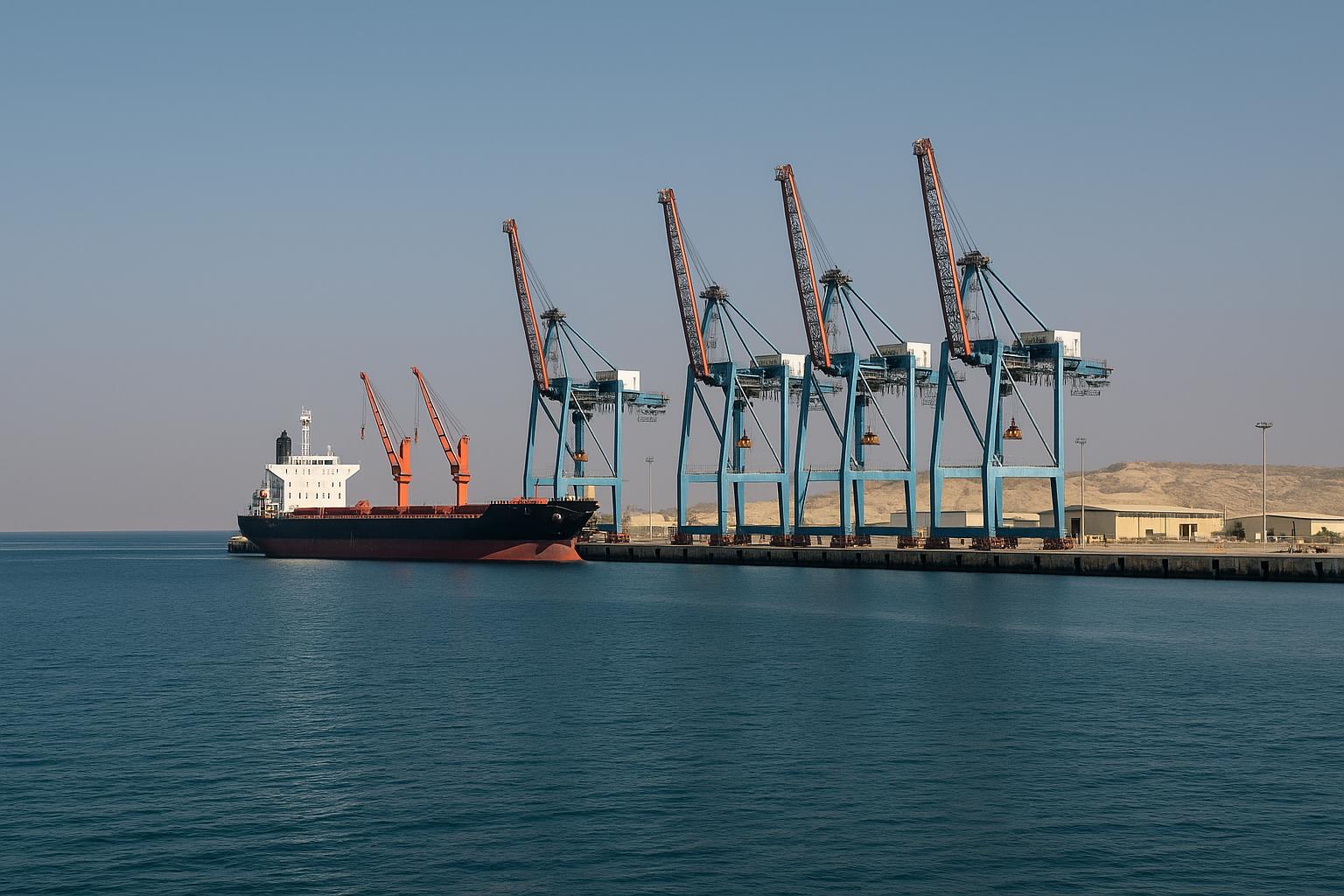
India condemned an attack on an Indian-flagged cargo vessel near Oman after all 14 Indian crew members were safely rescued, raising fresh concerns over commercial shipping near the Strait of Hormuz. The vessel, identified by Indian shipping officials as Haji Ali, sank after a suspected attack in Omani waters on Wednesday, May 13, 2026. Indian Crew Rescued After Ship Attack Near Oman India’s Ministry of External Affairs said o
Indian Crew Rescued After Cargo Ship Attack Near Oman
India condemned an attack on an Indian-flagged cargo vessel near Oman after all 14 Indian crew members were safely rescued, raising fresh concerns over commercial shipping near the Strait of Hormuz. The vessel, identified by Indian shipping officials as Haji Ali, sank after a suspected attack in Omani waters on Wednesday, May 13, 2026. Indian Crew Rescued After Ship Attack Near Oman India’s Ministry of External Affairs said o
What Is an OCI Card? Benefits, Eligibility and India Travel Rules Explained
An OCI card, or Overseas Citizen of India card, gives eligible foreign citizens of Indian origin long-term access to India. For Indian-origin Americans, the OCI card is especially useful after U.S. citizenship. It helps eligible former Indian citizens and people of Indian origin visit India frequently, stay for longer periods and maintain family, cultural, property and business ties with India. However, OCI is not Indian citizenship. OCI cardholders cannot vote in India, ho
What Is an OCI Card? Benefits, Eligibility and India Travel Rules Explained
An OCI card, or Overseas Citizen of India card, gives eligible foreign citizens of Indian origin long-term access to India. For Indian-origin Americans, the OCI card is especially useful after U.S. citizenship. It helps eligible former Indian citizens and people of Indian origin visit India frequently, stay for longer periods and maintain family, cultural, property and business ties with India. However, OCI is not Indian citizenship. OCI cardholders cannot vote in India, ho
Thoothukudi To Face Biggest Tasmac Closures Near Schools And Temples
Thoothukudi is likely to witness the highest number of Tasmac liquor shop closures in Tamil Nadu as authorities intensify action against outlets operating near schools, colleges, and places of worship. The move is part of stricter enforcement of liquor outlet rules aimed at improving school safety, reducing public inconvenience, and strengthening public welfare measures across the state. Officials in the Madurai region confirmed that several Tasmac outlets have already been identifi
Thoothukudi To Face Biggest Tasmac Closures Near Schools And Temples
Thoothukudi is likely to witness the highest number of Tasmac liquor shop closures in Tamil Nadu as authorities intensify action against outlets operating near schools, colleges, and places of worship. The move is part of stricter enforcement of liquor outlet rules aimed at improving school safety, reducing public inconvenience, and strengthening public welfare measures across the state. Officials in the Madurai region confirmed that several Tasmac outlets have already been identifi
Andhra Pradesh Leaders Chandrababu and Pawan Kalyan Lead Modi's Fuel Reduction Revolution
The government of Andhra Pradesh is aligning itself closely with the National Democratic Alliance (NDA) government at the centre, primarily driven by the strong support of leaders like Chandrababu Naidu and Pawan Kalyan for Prime Minister Narendra Modi. Recent political developments suggest that Andhra Pradesh is actively embracing Modi’s initiative aimed at reducing fuel consumption and promoting eco-friendly practices. In a significant move that echoes the Prime Minister's earli
Andhra Pradesh Leaders Chandrababu and Pawan Kalyan Lead Modi's Fuel Reduction Revolution
The government of Andhra Pradesh is aligning itself closely with the National Democratic Alliance (NDA) government at the centre, primarily driven by the strong support of leaders like Chandrababu Naidu and Pawan Kalyan for Prime Minister Narendra Modi. Recent political developments suggest that Andhra Pradesh is actively embracing Modi’s initiative aimed at reducing fuel consumption and promoting eco-friendly practices. In a significant move that echoes the Prime Minister's earli
Kerala Restricts Petrol And Diesel Sales Amid Fuel Supply Concerns
Motorists across Kerala are witnessing temporary fuel purchase restrictions as several petrol pumps introduce limits on petrol and diesel sales amid supply management concerns. The sudden move has sparked widespread discussion among vehicle owners, transport operators, and commercial users, especially after reports claimed that diesel purchases are now capped at 200 litres per customer while petrol purchases may be restricted to around ₹5,000 per person. Fuel station operators and
Kerala Restricts Petrol And Diesel Sales Amid Fuel Supply Concerns
Motorists across Kerala are witnessing temporary fuel purchase restrictions as several petrol pumps introduce limits on petrol and diesel sales amid supply management concerns. The sudden move has sparked widespread discussion among vehicle owners, transport operators, and commercial users, especially after reports claimed that diesel purchases are now capped at 200 litres per customer while petrol purchases may be restricted to around ₹5,000 per person. Fuel station operators and
Noida Workers Protest Case Sparks NSA Debate In UP
The Noida workers’ protest case intensified on May 14, 2026, exactly one month after violence broke out during labour demonstrations in the industrial hub on April 13. Uttar Pradesh Police invoked the stringent National Security Act (NSA) against Delhi University history graduate Aakriti Chaudhary, 25, and former journalist Satyam Verma, alleging their involvement in organising unrest, arson, and public disorder during the protests. Police claimed the violence was not spontaneous but part of a pre-planned operation carried out by an “organised syndicate of outsiders” linked to labour activist groups, an allegation strongly denied by the families of those arrested. The protests initially began over workers’ demands for better wages, overtime payments, and safer working conditions in Noida’s industrial sector before escalating into clashes and police action. Authorities registered 15 FIRs, detained nearly 1,200 people, and jailed around 60 accused under charges ranging from rioting to attempted murder. Police also sought a three-day custody of several accused, while the court scheduled the hearing for May 15. Along with Chaudhary and Verma, several students, labour activists, and workers from different states were arrested, including NIT graduates, research aspirants, and daily wage earners accused of supporting the demonstrations. Families of the accused alleged that many were targeted for supporting workers’ rights and labour movements. Chaudhary’s father defended her activism and questioned how she could be blamed for violence that allegedly occurred after she was detained. Friends and supporters of Verma highlighted his background in journalism, translation work, and social activism. Human rights groups, labour unions, and opposition leaders have meanwhile criticized the use of NSA in a labour protest case, raising concerns over freedom of expression, preventive detention laws, and the treatment of labour activists in India. The controversy has triggered nationwide political and legal debate over balancing public order with democratic rights during industrial unrest. Security has been tightened across sensitive industrial zones in Noida as investigations continue. Analysts believe the case could have long-term implications for labour movements, workers’ rights campaigns, and the future use of stringent security laws during protests across India.
Noida Workers Protest Case Sparks NSA Debate In UP
The Noida workers’ protest case intensified on May 14, 2026, exactly one month after violence broke out during labour demonstrations in the industrial hub on April 13. Uttar Pradesh Police invoked the stringent National Security Act (NSA) against Delhi University history graduate Aakriti Chaudhary, 25, and former journalist Satyam Verma, alleging their involvement in organising unrest, arson, and public disorder during the protests. Police claimed the violence was not spontaneous but part of a pre-planned operation carried out by an “organised syndicate of outsiders” linked to labour activist groups, an allegation strongly denied by the families of those arrested. The protests initially began over workers’ demands for better wages, overtime payments, and safer working conditions in Noida’s industrial sector before escalating into clashes and police action. Authorities registered 15 FIRs, detained nearly 1,200 people, and jailed around 60 accused under charges ranging from rioting to attempted murder. Police also sought a three-day custody of several accused, while the court scheduled the hearing for May 15. Along with Chaudhary and Verma, several students, labour activists, and workers from different states were arrested, including NIT graduates, research aspirants, and daily wage earners accused of supporting the demonstrations. Families of the accused alleged that many were targeted for supporting workers’ rights and labour movements. Chaudhary’s father defended her activism and questioned how she could be blamed for violence that allegedly occurred after she was detained. Friends and supporters of Verma highlighted his background in journalism, translation work, and social activism. Human rights groups, labour unions, and opposition leaders have meanwhile criticized the use of NSA in a labour protest case, raising concerns over freedom of expression, preventive detention laws, and the treatment of labour activists in India. The controversy has triggered nationwide political and legal debate over balancing public order with democratic rights during industrial unrest. Security has been tightened across sensitive industrial zones in Noida as investigations continue. Analysts believe the case could have long-term implications for labour movements, workers’ rights campaigns, and the future use of stringent security laws during protests across India.
US-China relations: Trump and Xi hold critical talks on trade, rare minerals, and Taiwan
On May 14, 2026, a historic meeting unfolded in Beijing between U.S. President Donald Trump and Chinese President Xi Jinping. Hosted at the Great Hall of the People, the summit aimed to strengthen the ties between the two largest economies in the world. The opening moments were marked by a brief but firm handshake that lasted a solid 40 seconds, setting a serious but cordial tone for the discussions ahead. High-Level
US-China relations: Trump and Xi hold critical talks on trade, rare minerals, and Taiwan
On May 14, 2026, a historic meeting unfolded in Beijing between U.S. President Donald Trump and Chinese President Xi Jinping. Hosted at the Great Hall of the People, the summit aimed to strengthen the ties between the two largest economies in the world. The opening moments were marked by a brief but firm handshake that lasted a solid 40 seconds, setting a serious but cordial tone for the discussions ahead. High-Level
India-Russia political cooperation crucial in volatile global environment, says S Jaishankar
In a key diplomatic meeting this week, India's External Affairs Minister, S. Jaishankar, sat down with Russian Foreign Minister Sergey Lavrov to discuss the strengthening of ties between the two countries. As global uncertainties grow, the two leaders emphasized the growing importance of their political and economic cooperation. Jaishankar highlighted how vital it is for India and Russia to continue collaborating in these unpredictable times. This meeting comes just ahead of the BRI
India-Russia political cooperation crucial in volatile global environment, says S Jaishankar
In a key diplomatic meeting this week, India's External Affairs Minister, S. Jaishankar, sat down with Russian Foreign Minister Sergey Lavrov to discuss the strengthening of ties between the two countries. As global uncertainties grow, the two leaders emphasized the growing importance of their political and economic cooperation. Jaishankar highlighted how vital it is for India and Russia to continue collaborating in these unpredictable times. This meeting comes just ahead of the BRI
Xi and Trump Summit at Beijing
Historic Summit Marks a New Phase for US-China Relations On Thursday, May 14, 2026, Chinese President Xi Jinping welcomed US President Donald Trump to Beijing for a high-stakes summit, marking a critical moment in the evolving relationship between the two global powers. Xi set the tone for the summit by stressing the importance of cooperation over confrontation, calling for a stable US-China relationship as a foundation for global stability. “A stable China-US relationship is a
Xi and Trump Summit at Beijing
Historic Summit Marks a New Phase for US-China Relations On Thursday, May 14, 2026, Chinese President Xi Jinping welcomed US President Donald Trump to Beijing for a high-stakes summit, marking a critical moment in the evolving relationship between the two global powers. Xi set the tone for the summit by stressing the importance of cooperation over confrontation, calling for a stable US-China relationship as a foundation for global stability. “A stable China-US relationship is a
US-China Summit: Trump and Xi Discuss Trade, Taiwan, and Iran
On May 14, US President Donald Trump will meet Chinese President Xi Jinping in Beijing for an important summit that could reshape the US-China relationship. This high-level meeting comes after years of trade disputes, rising tensions over Taiwan, and concerns about Iran’s nuclear ambitions. The two leaders are expected to tackle these critical issues head-on, with major global implications. This marks Trump’s first visit to China since 2017, and the atmosphere surrounding the trip is tense, yet optimistic. Alongside the president, top business leaders, including Nvidia’s Jensen Huang and Tesla’s Elon Musk, will be part of the delegation, emphasizing the US’s desire to push for commercial deals that strengthen trade ties with China. The summit is taking place against the backdrop of escalating tensions, including the ongoing trade war between the two powers, China’s rare earth restrictions, and the fierce competition in artificial intelligence (AI). Trade Tensions: A Fragile Truce One of the central issues on the table is trade. The US and China have been at odds for years, with both countries imposing tariffs on each other's goods. While last year saw a brief period of truce, many unresolved issues remain. President Trump is expected to press China for further trade reforms and better deals for American businesses, especially in the face of high tariffs and economic uncertainty.Both sides are aware that the trade dynamics have far-reaching consequences for the global economy, so finding common ground will be critical. Taiwan: A Stubborn Point of Contention Another major issue will be Taiwan, which has long been a flashpoint between the two nations. China views Taiwan as an inseparable part of its territory, while the US has shown strong support for the island’s autonomy. With tensions rising, especially after China increased military activity near Taiwan, the US's stance on Taiwan remains a key area of friction. Trump’s administration has been vocal about its support for Taiwan, and it remains to be seen how this will affect the overall talks. How the two leaders address this issue will set the tone for future interactions between the two countries, especially considering the delicate balance the US must strike between its relationship with China and its support for Taiwan. Iran: A Strategic Challenge Trump is also expected to address the situation in Iran, seeking China’s cooperation on curbing Iran’s nuclear ambitions. With China’s significant economic ties to Iran, Trump hopes Beijing can use its influence to help rein in Tehran’s nuclear program and reduce instability in the Middle East. China’s role in global diplomacy has been growing, and this summit could serve as a turning point for its involvement in international peace efforts. The Stakes of the Summit Both leaders face high stakes at this summit. Trump’s goal is clear: to secure deals that will benefit American businesses and address concerns about China’s rising influence in global trade and AI. For China, maintaining its geopolitical power while ensuring economic growth is paramount. Despite the challenging topics, both leaders know the importance of maintaining a functional relationship for global stability. As the summit unfolds, eyes will be on whether the two leaders can navigate their differences and strike a deal that addresses the critical issues of trade, Taiwan, and Iran. The outcome will not just shape US-China relations, but could influence global geopolitics for years to come. This meeting is more than just diplomacy; it's a chance to shape the future of international relations, with consequences that reach far beyond the negotiating table.
US-China Summit: Trump and Xi Discuss Trade, Taiwan, and Iran
On May 14, US President Donald Trump will meet Chinese President Xi Jinping in Beijing for an important summit that could reshape the US-China relationship. This high-level meeting comes after years of trade disputes, rising tensions over Taiwan, and concerns about Iran’s nuclear ambitions. The two leaders are expected to tackle these critical issues head-on, with major global implications. This marks Trump’s first visit to China since 2017, and the atmosphere surrounding the trip is tense, yet optimistic. Alongside the president, top business leaders, including Nvidia’s Jensen Huang and Tesla’s Elon Musk, will be part of the delegation, emphasizing the US’s desire to push for commercial deals that strengthen trade ties with China. The summit is taking place against the backdrop of escalating tensions, including the ongoing trade war between the two powers, China’s rare earth restrictions, and the fierce competition in artificial intelligence (AI). Trade Tensions: A Fragile Truce One of the central issues on the table is trade. The US and China have been at odds for years, with both countries imposing tariffs on each other's goods. While last year saw a brief period of truce, many unresolved issues remain. President Trump is expected to press China for further trade reforms and better deals for American businesses, especially in the face of high tariffs and economic uncertainty.Both sides are aware that the trade dynamics have far-reaching consequences for the global economy, so finding common ground will be critical. Taiwan: A Stubborn Point of Contention Another major issue will be Taiwan, which has long been a flashpoint between the two nations. China views Taiwan as an inseparable part of its territory, while the US has shown strong support for the island’s autonomy. With tensions rising, especially after China increased military activity near Taiwan, the US's stance on Taiwan remains a key area of friction. Trump’s administration has been vocal about its support for Taiwan, and it remains to be seen how this will affect the overall talks. How the two leaders address this issue will set the tone for future interactions between the two countries, especially considering the delicate balance the US must strike between its relationship with China and its support for Taiwan. Iran: A Strategic Challenge Trump is also expected to address the situation in Iran, seeking China’s cooperation on curbing Iran’s nuclear ambitions. With China’s significant economic ties to Iran, Trump hopes Beijing can use its influence to help rein in Tehran’s nuclear program and reduce instability in the Middle East. China’s role in global diplomacy has been growing, and this summit could serve as a turning point for its involvement in international peace efforts. The Stakes of the Summit Both leaders face high stakes at this summit. Trump’s goal is clear: to secure deals that will benefit American businesses and address concerns about China’s rising influence in global trade and AI. For China, maintaining its geopolitical power while ensuring economic growth is paramount. Despite the challenging topics, both leaders know the importance of maintaining a functional relationship for global stability. As the summit unfolds, eyes will be on whether the two leaders can navigate their differences and strike a deal that addresses the critical issues of trade, Taiwan, and Iran. The outcome will not just shape US-China relations, but could influence global geopolitics for years to come. This meeting is more than just diplomacy; it's a chance to shape the future of international relations, with consequences that reach far beyond the negotiating table.
India Escorts LPG Carriers Through Strait of Hormuz as Gulf Tensions Rise
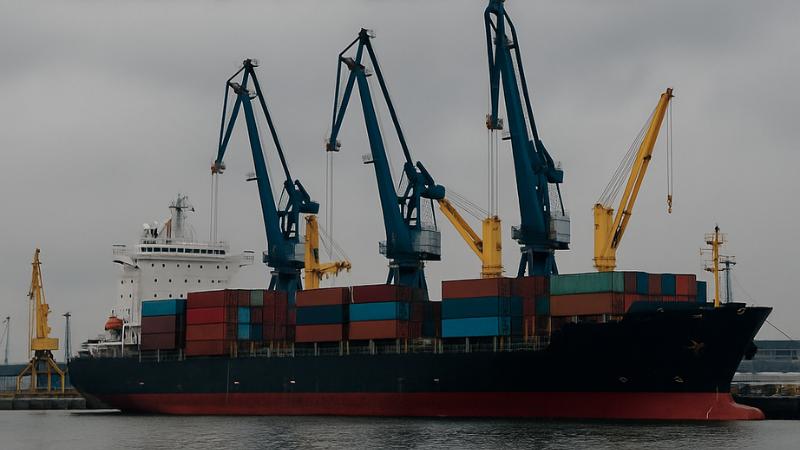
India LPG Carriers Move Through Strait of Hormuz India has moved nearly all of its LPG carriers out of the Strait of Hormuz with support from the Indian Navy as tensions continue to affect shipping security in the Persian Gulf region. Government sources said on Thursday, May 14, 2026, that the 14th Indian liquefied petroleum gas carrier had crossed the strategic waterway, while one final vessel remained in the process of crossing under close monitoring.
India Escorts LPG Carriers Through Strait of Hormuz as Gulf Tensions Rise
India LPG Carriers Move Through Strait of Hormuz India has moved nearly all of its LPG carriers out of the Strait of Hormuz with support from the Indian Navy as tensions continue to affect shipping security in the Persian Gulf region. Government sources said on Thursday, May 14, 2026, that the 14th Indian liquefied petroleum gas carrier had crossed the strategic waterway, while one final vessel remained in the process of crossing under close monitoring.


