






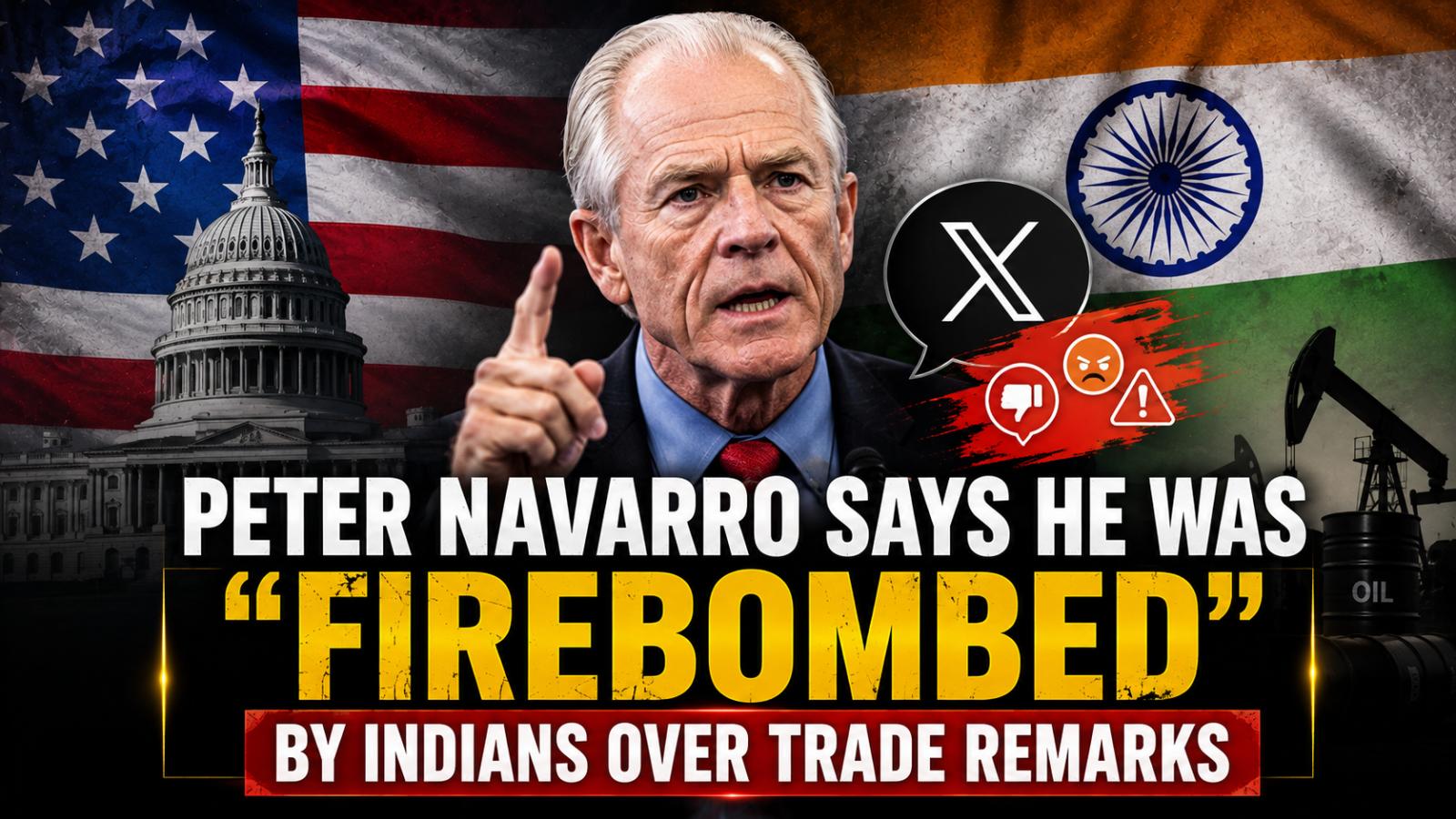
Peter Navarro India Remarks Trigger Fresh Online Backlash
White House trade adviser Peter Navarro has again put US-India trade tensions in the spotlight after saying he was “firebombed” online by Indians over his criticism of New Delhi's tariff policies and purchases of Russian oil. His latest comments revive a controversy that began last year but come as Washington and New Delhi continue trying to manage their broader strategic and economic relationship. India backlash follows Navarro's trade criticism
Peter Navarro India Remarks Trigger Fresh Online Backlash
White House trade adviser Peter Navarro has again put US-India trade tensions in the spotlight after saying he was “firebombed” online by Indians over his criticism of New Delhi's tariff policies and purchases of Russian oil. His latest comments revive a controversy that began last year but come as Washington and New Delhi continue trying to manage their broader strategic and economic relationship. India backlash follows Navarro's trade criticism
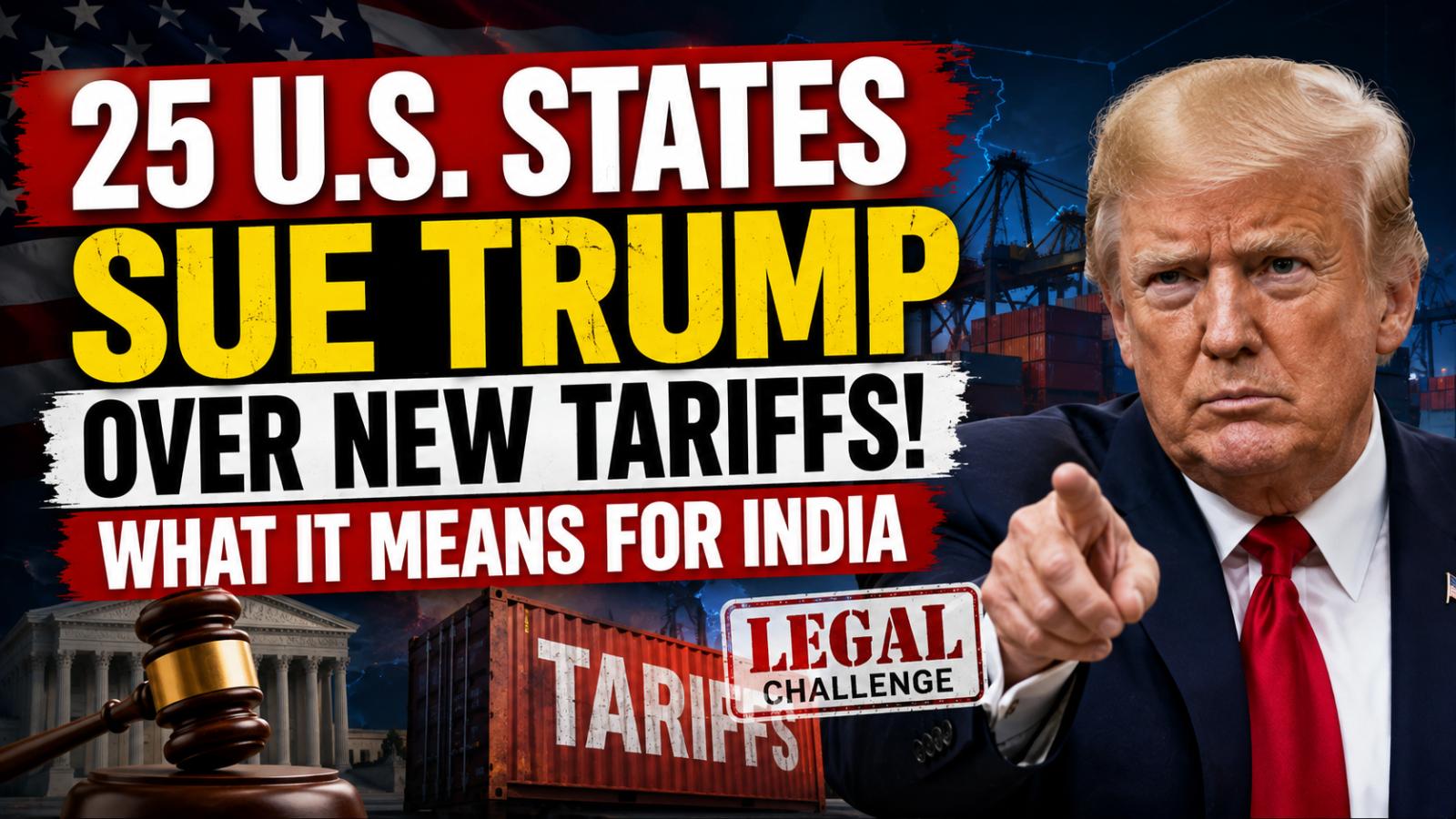
Trump Tariff Lawsuit Filed by 25 US States
The Trump tariff lawsuit filed by 25 US states challenges new forced-labour duties on 60 trading partners. The case questions the administration’s use of Section 301 and could affect import costs, India-US trade talks and future sanctions tied to Russian energy. 25 States Sue Trump Over New Tariffs A coalition of 25 US states sued the Trump administration on Monday, August 3, seeking to block
Trump Tariff Lawsuit Filed by 25 US States
The Trump tariff lawsuit filed by 25 US states challenges new forced-labour duties on 60 trading partners. The case questions the administration’s use of Section 301 and could affect import costs, India-US trade talks and future sanctions tied to Russian energy. 25 States Sue Trump Over New Tariffs A coalition of 25 US states sued the Trump administration on Monday, August 3, seeking to block
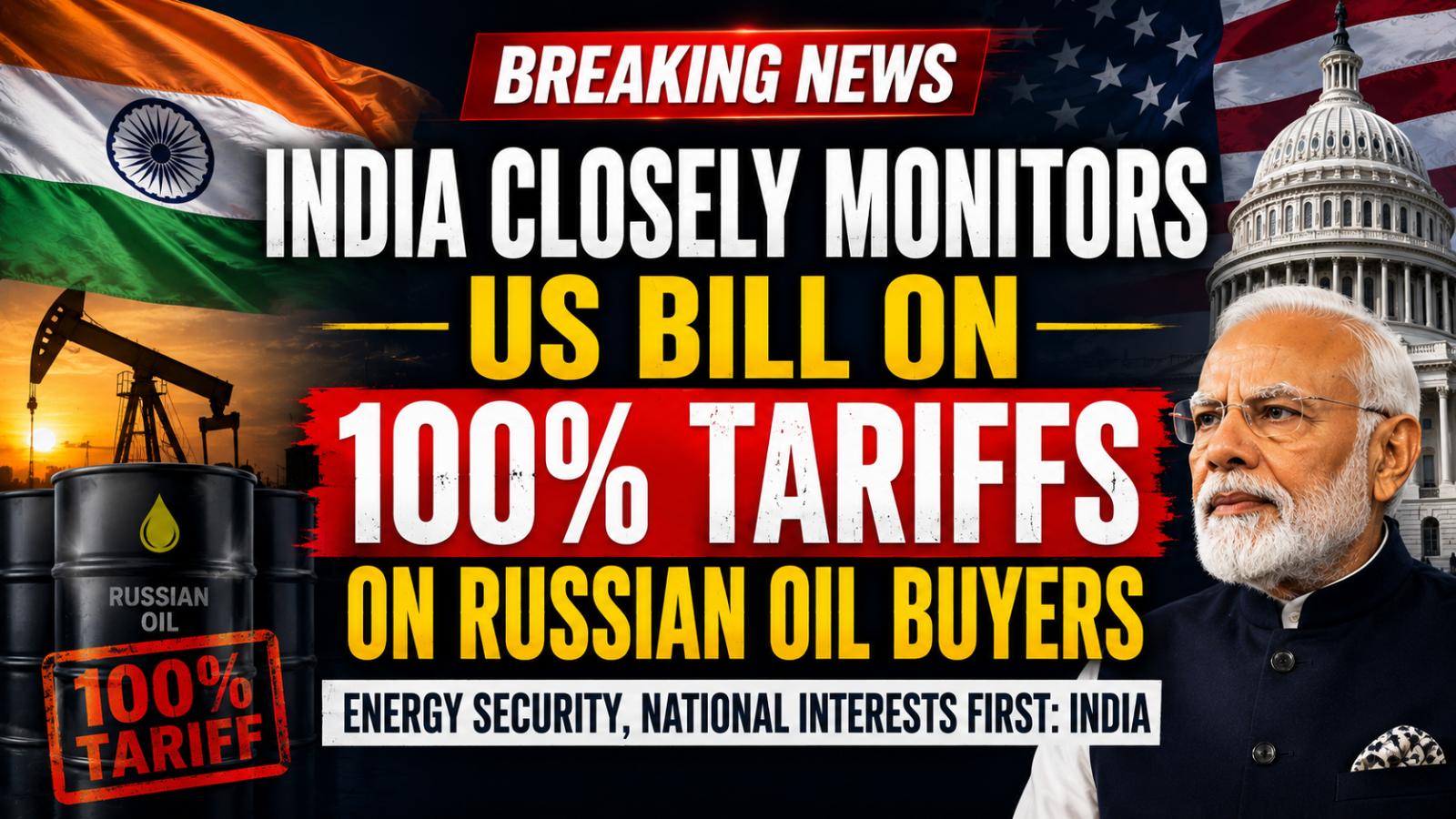
India US Russia Oil Tariffs Face Close Watch From New Delhi
India is closely monitoring a proposed US law that could impose tariffs of up to 100 per cent on countries purchasing significant quantities of Russian oil and gas. The legislation, which has cleared the US Senate, is part of Washington’s broader effort to increase economic pressure on Moscow while discouraging continued purchases of Russian energy. India Energy Security Remains the Government’s Priority Speaking during the
India US Russia Oil Tariffs Face Close Watch From New Delhi
India is closely monitoring a proposed US law that could impose tariffs of up to 100 per cent on countries purchasing significant quantities of Russian oil and gas. The legislation, which has cleared the US Senate, is part of Washington’s broader effort to increase economic pressure on Moscow while discouraging continued purchases of Russian energy. India Energy Security Remains the Government’s Priority Speaking during the
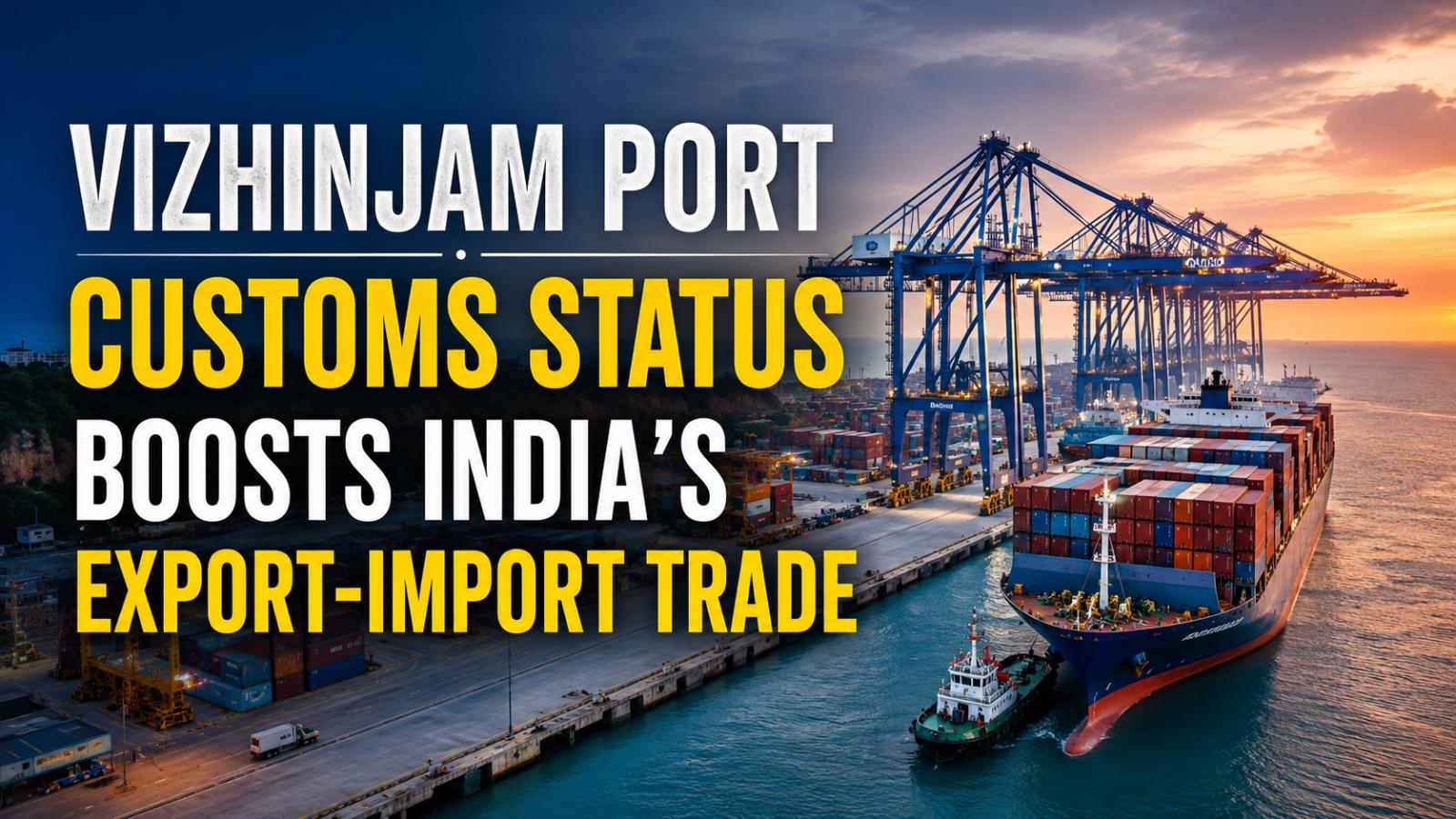
Vizhinjam Port Customs Status Boosts India’s Export-Import Trade
Vizhinjam Port customs status clears the way for direct export-import operations from August 18. The move strengthens the Kerala deepwater port as an India trade gateway, while improving EXIM cargo movement, logistics efficiency and business opportunities. Vizhinjam Export-Import Operations To Begin Vizhinjam International Seaport in Kerala has been notified as a customs port, allowing it to handle direct export and import cargo. E
Vizhinjam Port Customs Status Boosts India’s Export-Import Trade
Vizhinjam Port customs status clears the way for direct export-import operations from August 18. The move strengthens the Kerala deepwater port as an India trade gateway, while improving EXIM cargo movement, logistics efficiency and business opportunities. Vizhinjam Export-Import Operations To Begin Vizhinjam International Seaport in Kerala has been notified as a customs port, allowing it to handle direct export and import cargo. E
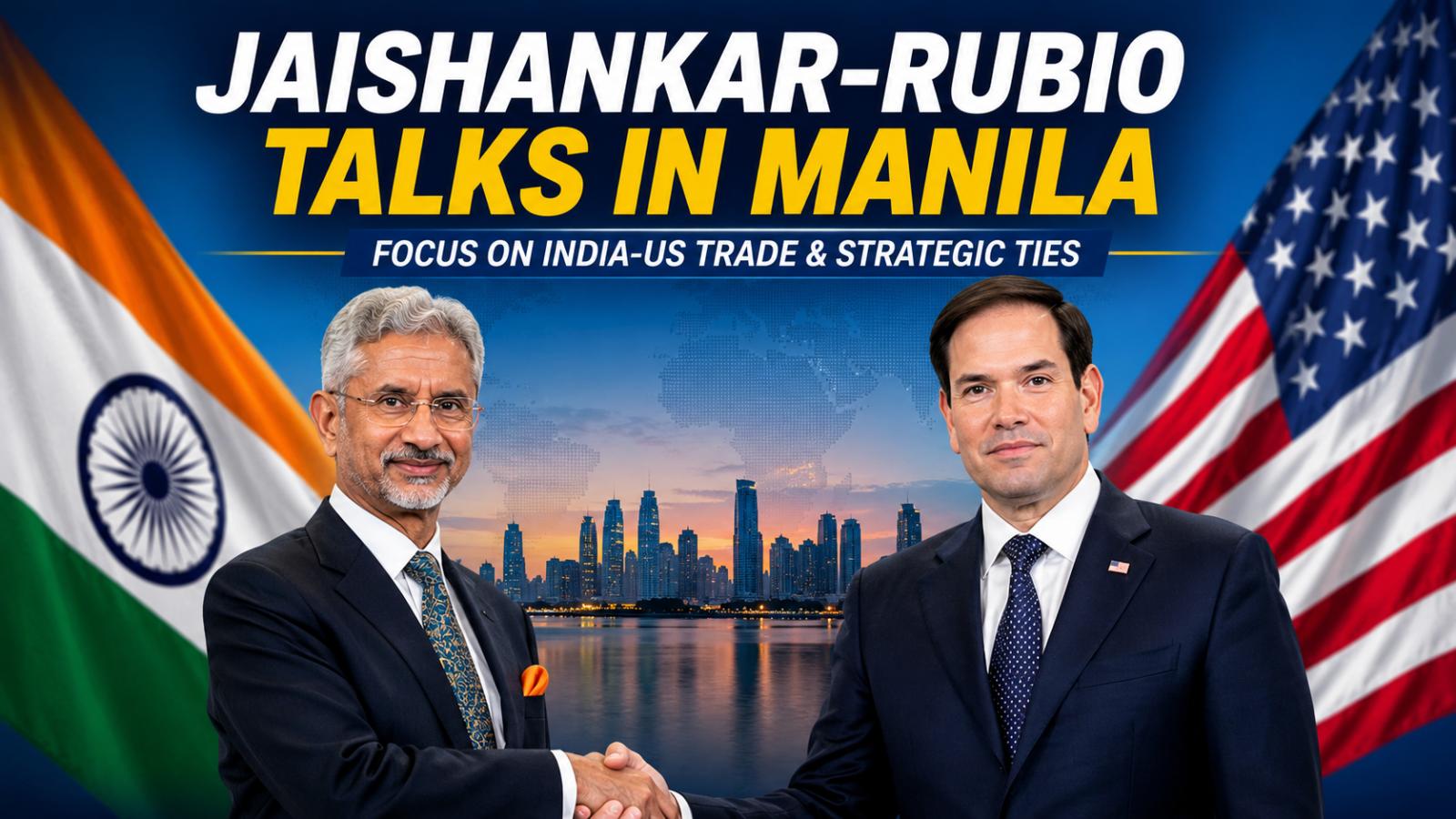
Jaishankar-Rubio Manila Talks Focus on India-US Trade
External Affairs Minister S Jaishankar and US Secretary of State Marco Rubio discussed India-US trade, tariff concerns, defence ties, energy cooperation, critical minerals and artificial intelligence during talks in Manila. Their meeting reflected continued diplomatic engagement as both countries work through commercial differences while expanding their strategic partnership. India-US Trade and Tariff Talks
Jaishankar-Rubio Manila Talks Focus on India-US Trade
External Affairs Minister S Jaishankar and US Secretary of State Marco Rubio discussed India-US trade, tariff concerns, defence ties, energy cooperation, critical minerals and artificial intelligence during talks in Manila. Their meeting reflected continued diplomatic engagement as both countries work through commercial differences while expanding their strategic partnership. India-US Trade and Tariff Talks
US tariff plan threatens India trade deal
A proposed US tariff on selected Indian imports has brought fresh uncertainty to India-US trade negotiations, even as both sides continue efforts to finalise a wider agreement. Washington has suggested an additional 12.5 per cent duty on some goods, citing concerns over weak enforcement against forced labour in global supply chains. India has rejected the move, saying the allegation is broad, unsupported by clear country-specific evidence and should not be used to justif
US tariff plan threatens India trade deal
A proposed US tariff on selected Indian imports has brought fresh uncertainty to India-US trade negotiations, even as both sides continue efforts to finalise a wider agreement. Washington has suggested an additional 12.5 per cent duty on some goods, citing concerns over weak enforcement against forced labour in global supply chains. India has rejected the move, saying the allegation is broad, unsupported by clear country-specific evidence and should not be used to justif
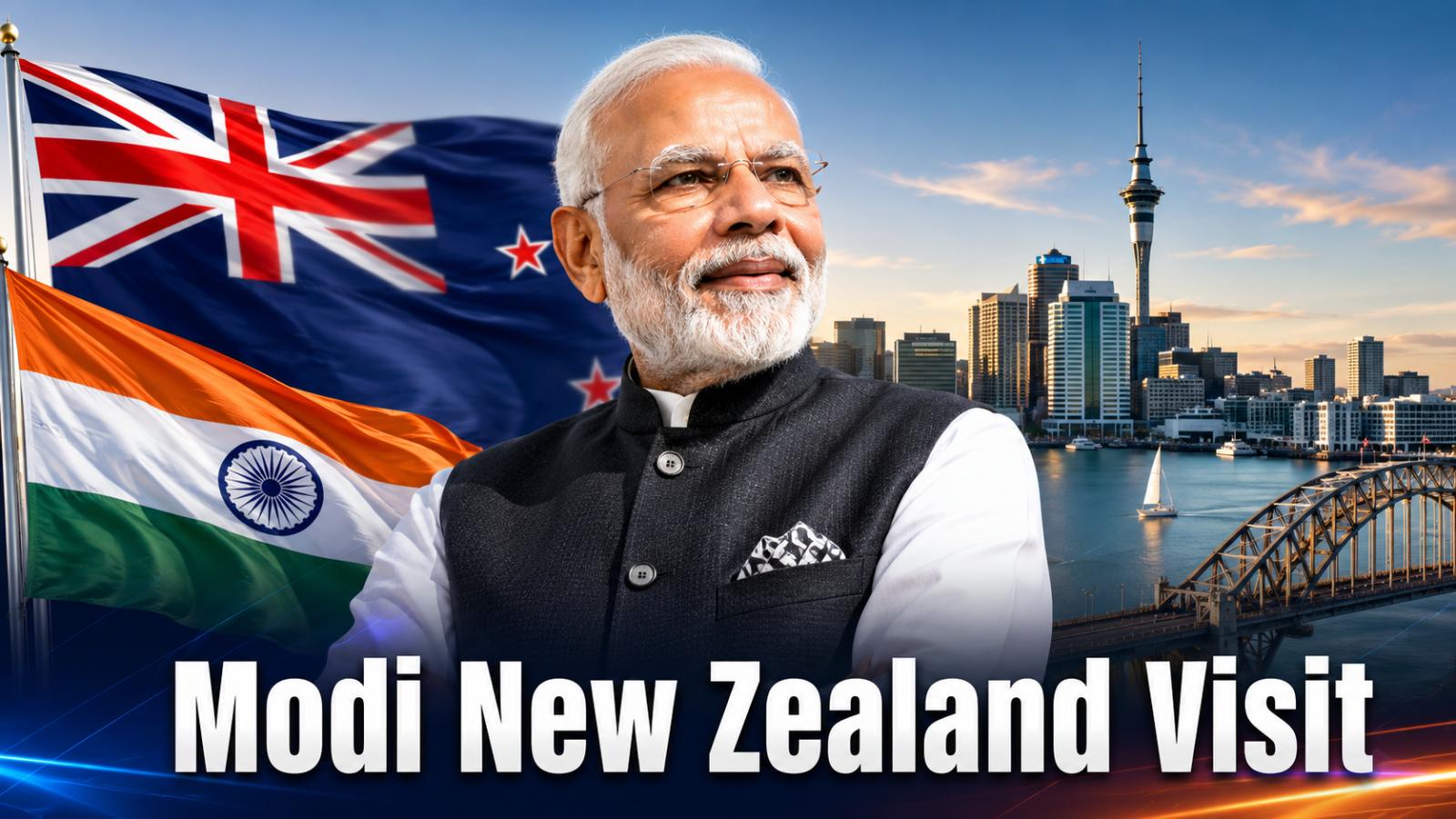
Modi New Zealand visit puts trade ties in focus
Prime Minister Narendra Modi’s upcoming New Zealand visit is being seen as an important step in strengthening India New Zealand relations after a long gap in high-level outreach. The visit is expected to focus on trade, defence, education, technology, tourism, sports and people-to-people ties. It also comes after New Zealand Prime Minister Christopher Luxon’s India visit, which gave both sides fresh momentum to expand cooperation beyond traditional diplomatic exchang
Modi New Zealand visit puts trade ties in focus
Prime Minister Narendra Modi’s upcoming New Zealand visit is being seen as an important step in strengthening India New Zealand relations after a long gap in high-level outreach. The visit is expected to focus on trade, defence, education, technology, tourism, sports and people-to-people ties. It also comes after New Zealand Prime Minister Christopher Luxon’s India visit, which gave both sides fresh momentum to expand cooperation beyond traditional diplomatic exchang
India Japan economic ties shift toward supply chain resilience
India and Japan are steadily moving their partnership beyond routine trade discussions into a broader realignment shaped by global risk and industrial restructuring. What looks like increased investment flows is actually part of a deeper repositioning of how both countries want to secure long-term economic stability in an uncertain global environment. Investment growth driven by risk recalibration Japanese companies are expanding their footprint in India not only for growth but also to reduce exposure to concentrated supply networks in East Asia. Rising geopolitical friction and periodic trade restrictions have forced firms to reconsider how dependent they are on single-country manufacturing systems. India is increasingly viewed as a viable diversification hub due to its scale, labor availability, and expanding industrial base. Supply chain restructuring becomes the core driver The most significant shift is happening in supply chains rather than headline investment figures. Japanese manufacturers are gradually redesigning sourcing and production models to reduce vulnerabilities in electronics, automotive components, and precision engineering. India fits into this transition as an alternative production and assembly base, especially for sectors where demand is growing but diversification is still limited. Technology and industrial cooperation deepen Cooperation is also expanding into advanced sectors such as semiconductors, digital systems, and artificial intelligence. These areas are no longer treated as purely commercial exchanges but as strategic capabilities. Both countries are aligning on technology resilience, where production continuity and security of supply matter as much as cost efficiency. Rare earths and critical materials gain importance Another emerging focus is critical minerals and rare earth supply chains. These materials are essential for electronics, renewable energy systems, and defence manufacturing. Dependence on concentrated suppliers has pushed both India and Japan to explore alternative sourcing strategies and joint development frameworks to reduce long-term risk. Financial flows signal long-term positioning Japanese capital inflows into Indian financial institutions and industrial projects suggest more than short-term investment interest. Financial participation typically indicates long-term confidence in policy stability and market expansion. However, the real test will be whether this capital flow expands into deeper manufacturing integration rather than remaining portfolio-based exposure. Economic security becomes the defining theme At the core of this evolving relationship is economic security. Trade decisions are increasingly shaped by geopolitical uncertainty rather than pure cost advantage. This marks a shift from efficiency-driven globalization to resilience-driven partnerships, where countries prioritize stability over optimization. A cautious but strategic realignment The India–Japan partnership is gradually becoming a case study in how middle and advanced economies adjust to global fragmentation. While the direction is clear—greater cooperation in technology, investment, and supply chains—the pace will depend on regulatory alignment, infrastructure readiness, and how effectively both sides manage external geopolitical pressures.
India Japan economic ties shift toward supply chain resilience
India and Japan are steadily moving their partnership beyond routine trade discussions into a broader realignment shaped by global risk and industrial restructuring. What looks like increased investment flows is actually part of a deeper repositioning of how both countries want to secure long-term economic stability in an uncertain global environment. Investment growth driven by risk recalibration Japanese companies are expanding their footprint in India not only for growth but also to reduce exposure to concentrated supply networks in East Asia. Rising geopolitical friction and periodic trade restrictions have forced firms to reconsider how dependent they are on single-country manufacturing systems. India is increasingly viewed as a viable diversification hub due to its scale, labor availability, and expanding industrial base. Supply chain restructuring becomes the core driver The most significant shift is happening in supply chains rather than headline investment figures. Japanese manufacturers are gradually redesigning sourcing and production models to reduce vulnerabilities in electronics, automotive components, and precision engineering. India fits into this transition as an alternative production and assembly base, especially for sectors where demand is growing but diversification is still limited. Technology and industrial cooperation deepen Cooperation is also expanding into advanced sectors such as semiconductors, digital systems, and artificial intelligence. These areas are no longer treated as purely commercial exchanges but as strategic capabilities. Both countries are aligning on technology resilience, where production continuity and security of supply matter as much as cost efficiency. Rare earths and critical materials gain importance Another emerging focus is critical minerals and rare earth supply chains. These materials are essential for electronics, renewable energy systems, and defence manufacturing. Dependence on concentrated suppliers has pushed both India and Japan to explore alternative sourcing strategies and joint development frameworks to reduce long-term risk. Financial flows signal long-term positioning Japanese capital inflows into Indian financial institutions and industrial projects suggest more than short-term investment interest. Financial participation typically indicates long-term confidence in policy stability and market expansion. However, the real test will be whether this capital flow expands into deeper manufacturing integration rather than remaining portfolio-based exposure. Economic security becomes the defining theme At the core of this evolving relationship is economic security. Trade decisions are increasingly shaped by geopolitical uncertainty rather than pure cost advantage. This marks a shift from efficiency-driven globalization to resilience-driven partnerships, where countries prioritize stability over optimization. A cautious but strategic realignment The India–Japan partnership is gradually becoming a case study in how middle and advanced economies adjust to global fragmentation. While the direction is clear—greater cooperation in technology, investment, and supply chains—the pace will depend on regulatory alignment, infrastructure readiness, and how effectively both sides manage external geopolitical pressures.
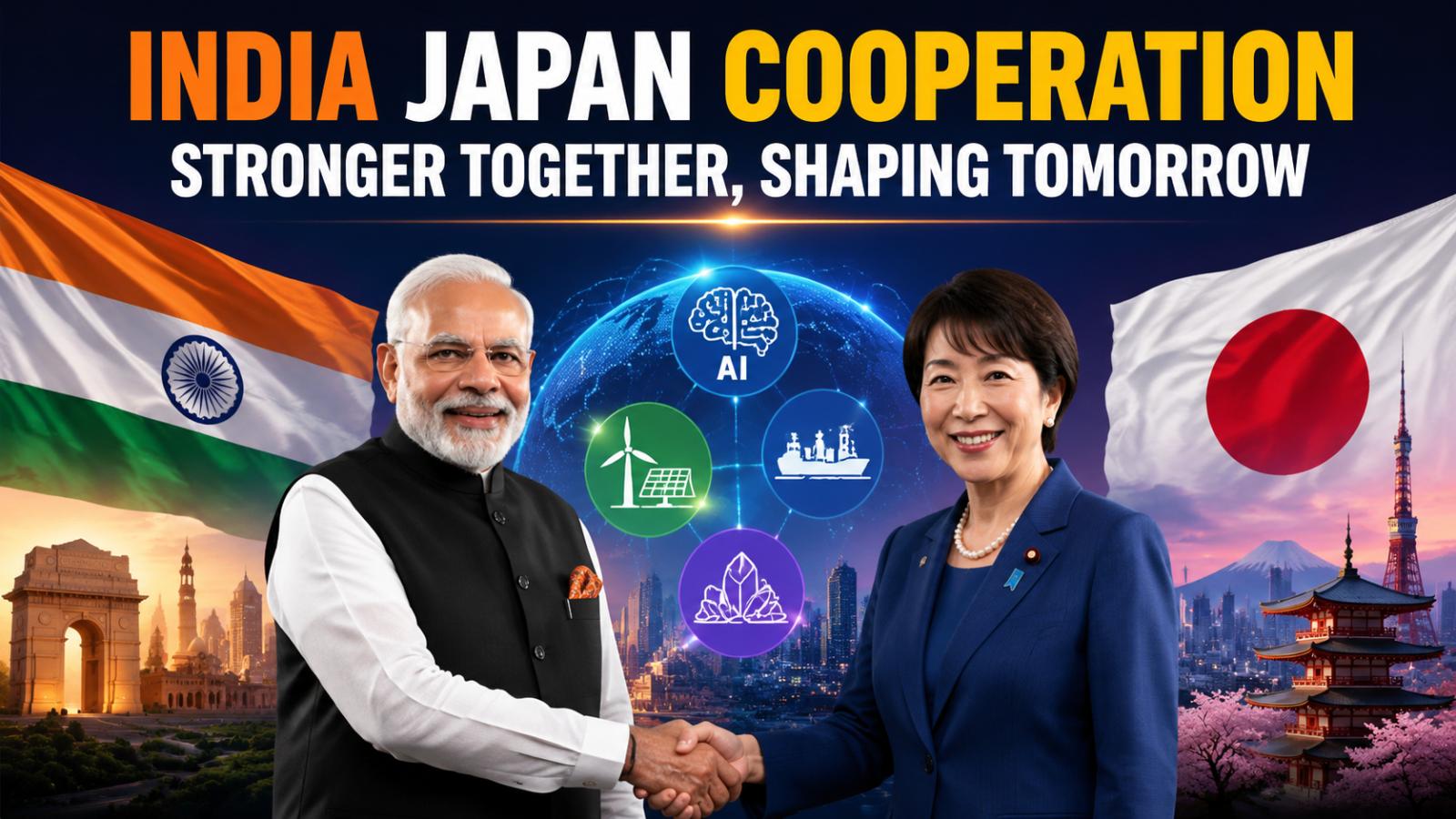
India Japan cooperation expands into AI and energy pact
India and Japan have moved to broaden their strategic cooperation with a new framework focused on technology, energy security and resilient supply chains. The latest engagement signals a shift from traditional diplomatic alignment toward deeper economic and innovation-driven collaboration aimed at long-term stability in the Indo-Pacific region. Focus shifts toward AI and digit
India Japan cooperation expands into AI and energy pact
India and Japan have moved to broaden their strategic cooperation with a new framework focused on technology, energy security and resilient supply chains. The latest engagement signals a shift from traditional diplomatic alignment toward deeper economic and innovation-driven collaboration aimed at long-term stability in the Indo-Pacific region. Focus shifts toward AI and digit
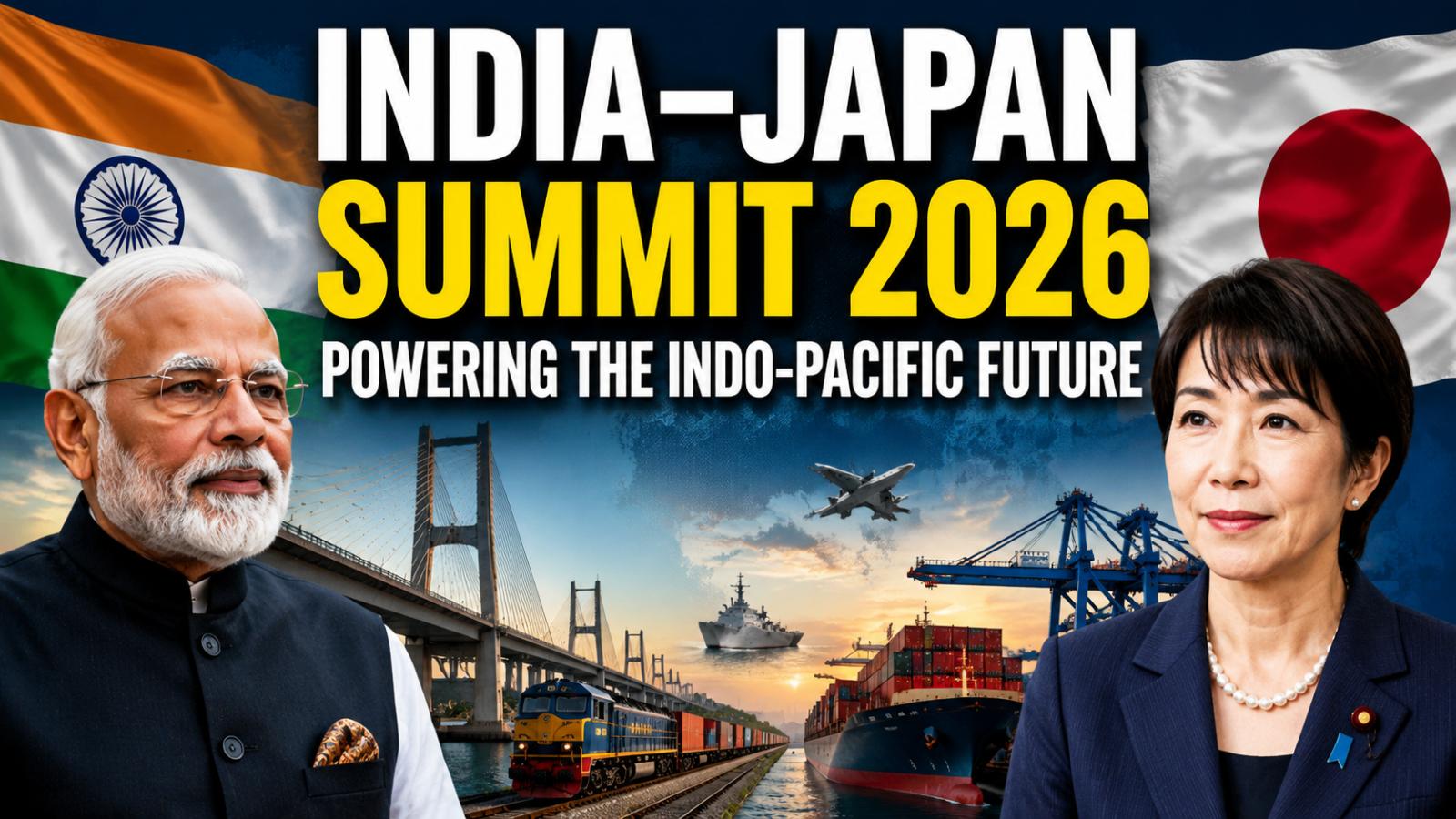
India Japan summit 2026 reshapes Indo Pacific alignment
The latest round of strategic talks between India and Japan signals a shift from broad diplomatic alignment to project-driven cooperation. The visit by Japanese Prime Minister Sanae Takaichi marks a renewed focus on infrastructure delivery, supply chain redesign, and
India Japan summit 2026 reshapes Indo Pacific alignment
The latest round of strategic talks between India and Japan signals a shift from broad diplomatic alignment to project-driven cooperation. The visit by Japanese Prime Minister Sanae Takaichi marks a renewed focus on infrastructure delivery, supply chain redesign, and
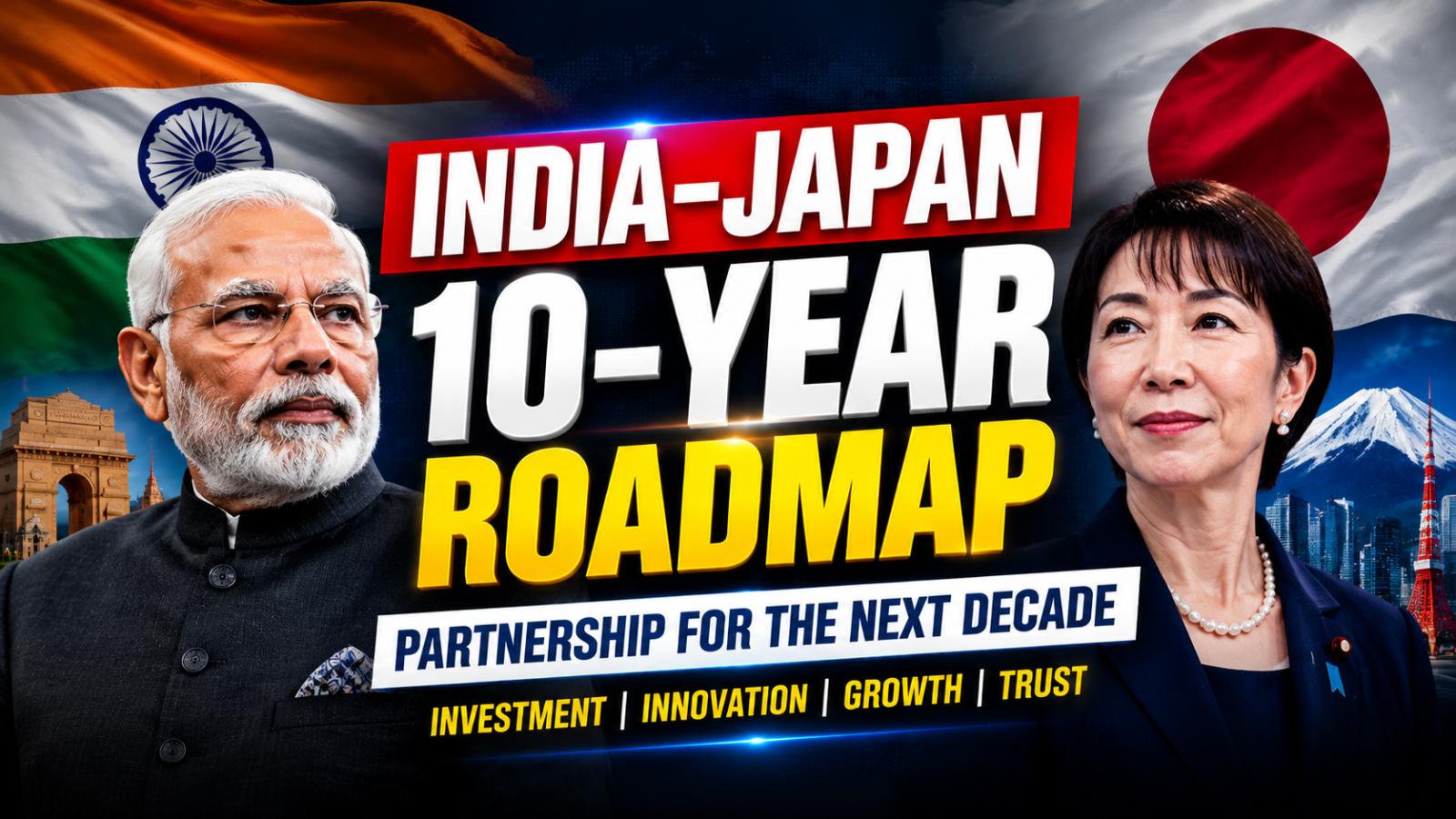
India Japan summit to review 10-year joint vision roadmap cooperation
India-Japan Summit to Review Long-Term Strategic Roadmap India is set to host Japanese Prime Minister Sanae Takaichi from July 1 to 3 for the 16th India-Japan Annual Summit, where both sides are expected to review progress under the Japan-India Joint Vision for the Next Decade. The framework, signed in Tokyo in August 2025, outlines a long-term roadmap aimed at streng
India Japan summit to review 10-year joint vision roadmap cooperation
India-Japan Summit to Review Long-Term Strategic Roadmap India is set to host Japanese Prime Minister Sanae Takaichi from July 1 to 3 for the 16th India-Japan Annual Summit, where both sides are expected to review progress under the Japan-India Joint Vision for the Next Decade. The framework, signed in Tokyo in August 2025, outlines a long-term roadmap aimed at streng
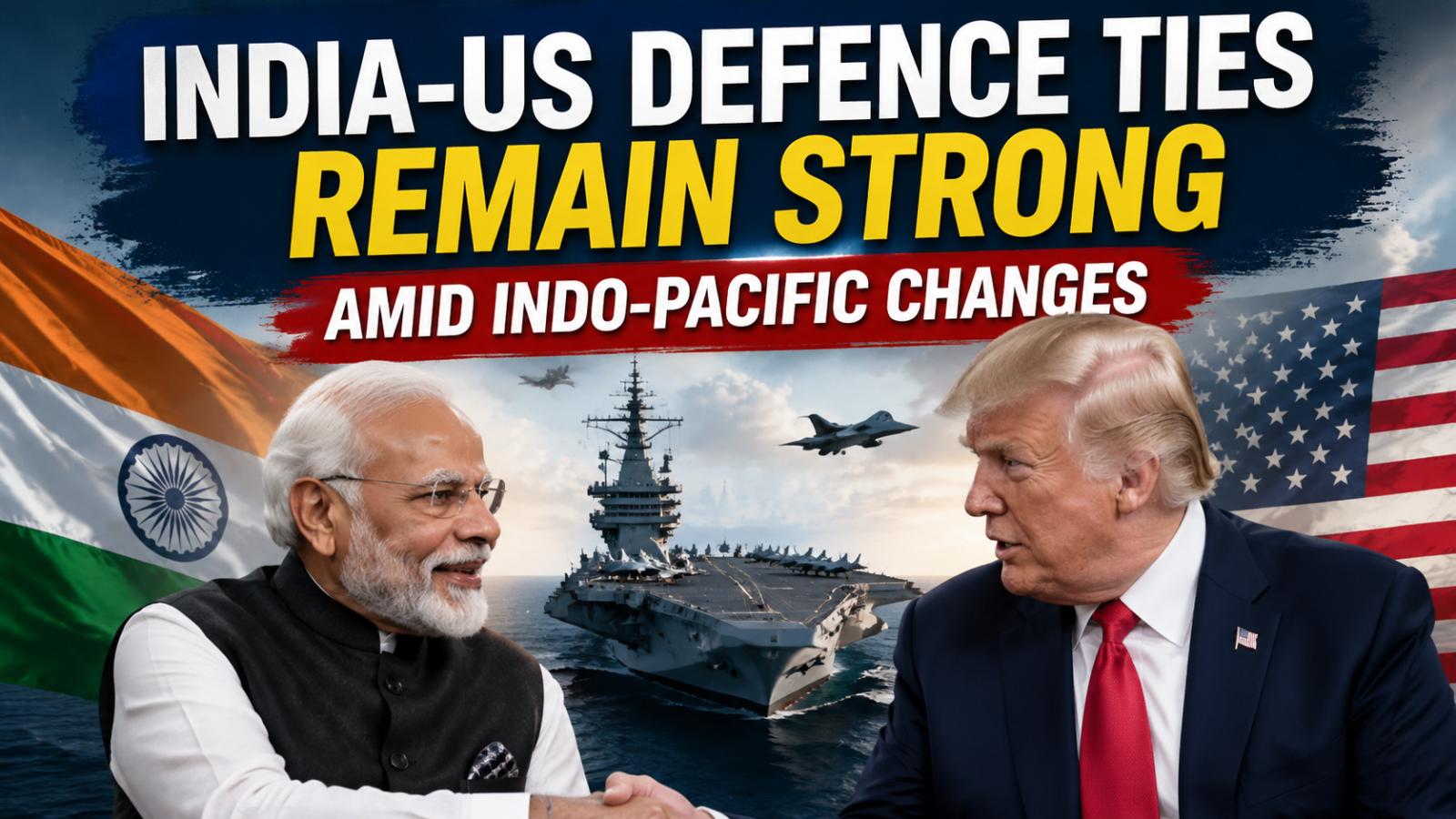
India-US defence ties remain stable amid Indo-Pacific changes
India and the United States continue to maintain stable defence cooperation despite recent adjustments in how Washington refers to its Indo-Pacific military structure. US Ambassador Sergio Gor reiterated that operational collaboration between the two countries is unaffected by the change in terminology, stressing continuity over symbolism. Military engagement remains active According to Gor, defence interaction between both nations is not only ongoing but expanding. Joint exercises, training programs, and coordinated operational planning continue across multiple domains. He noted that India remains one of the most frequently engaged partners in US military exercises globally, reflecting long-term strategic alignment rather than short-term political messaging. Indo-Pacific command terminology shift The discussion gained attention after the US reverted from the “Indo-Pacific Command” branding to its earlier designation. While the naming change sparked speculation about shifting priorities, officials clarified that command responsibilities and regional engagement remain unchanged. The operational scope still spans a vast area covering key maritime and security corridors in Asia-Pacific. Interpretation and political reactions The naming adjustment has been interpreted in different ways across policy circles, with some viewing it as symbolic recalibration. However, US officials have consistently pushed back on that narrative, arguing that defence cooperation with India is driven by shared strategic interests rather than administrative labels. Leadership relations and diplomatic tone Gor also highlighted the working relationship between former US President Donald Trump and Indian Prime Minister Narendra Modi, describing it as direct and pragmatic. He pointed to informal diplomatic interactions as evidence of sustained trust and coordination between leadership levels, which continues to influence broader strategic engagement. Long-term partnership outlook Despite periodic debates over terminology and diplomatic optics, both nations continue to prioritize defence, technology collaboration, and regional security coordination. The emphasis remains on sustained engagement in the Indo-Pacific region, where shared concerns over maritime security and strategic balance continue to drive cooperation rather than divergence.
India-US defence ties remain stable amid Indo-Pacific changes
India and the United States continue to maintain stable defence cooperation despite recent adjustments in how Washington refers to its Indo-Pacific military structure. US Ambassador Sergio Gor reiterated that operational collaboration between the two countries is unaffected by the change in terminology, stressing continuity over symbolism. Military engagement remains active According to Gor, defence interaction between both nations is not only ongoing but expanding. Joint exercises, training programs, and coordinated operational planning continue across multiple domains. He noted that India remains one of the most frequently engaged partners in US military exercises globally, reflecting long-term strategic alignment rather than short-term political messaging. Indo-Pacific command terminology shift The discussion gained attention after the US reverted from the “Indo-Pacific Command” branding to its earlier designation. While the naming change sparked speculation about shifting priorities, officials clarified that command responsibilities and regional engagement remain unchanged. The operational scope still spans a vast area covering key maritime and security corridors in Asia-Pacific. Interpretation and political reactions The naming adjustment has been interpreted in different ways across policy circles, with some viewing it as symbolic recalibration. However, US officials have consistently pushed back on that narrative, arguing that defence cooperation with India is driven by shared strategic interests rather than administrative labels. Leadership relations and diplomatic tone Gor also highlighted the working relationship between former US President Donald Trump and Indian Prime Minister Narendra Modi, describing it as direct and pragmatic. He pointed to informal diplomatic interactions as evidence of sustained trust and coordination between leadership levels, which continues to influence broader strategic engagement. Long-term partnership outlook Despite periodic debates over terminology and diplomatic optics, both nations continue to prioritize defence, technology collaboration, and regional security coordination. The emphasis remains on sustained engagement in the Indo-Pacific region, where shared concerns over maritime security and strategic balance continue to drive cooperation rather than divergence.
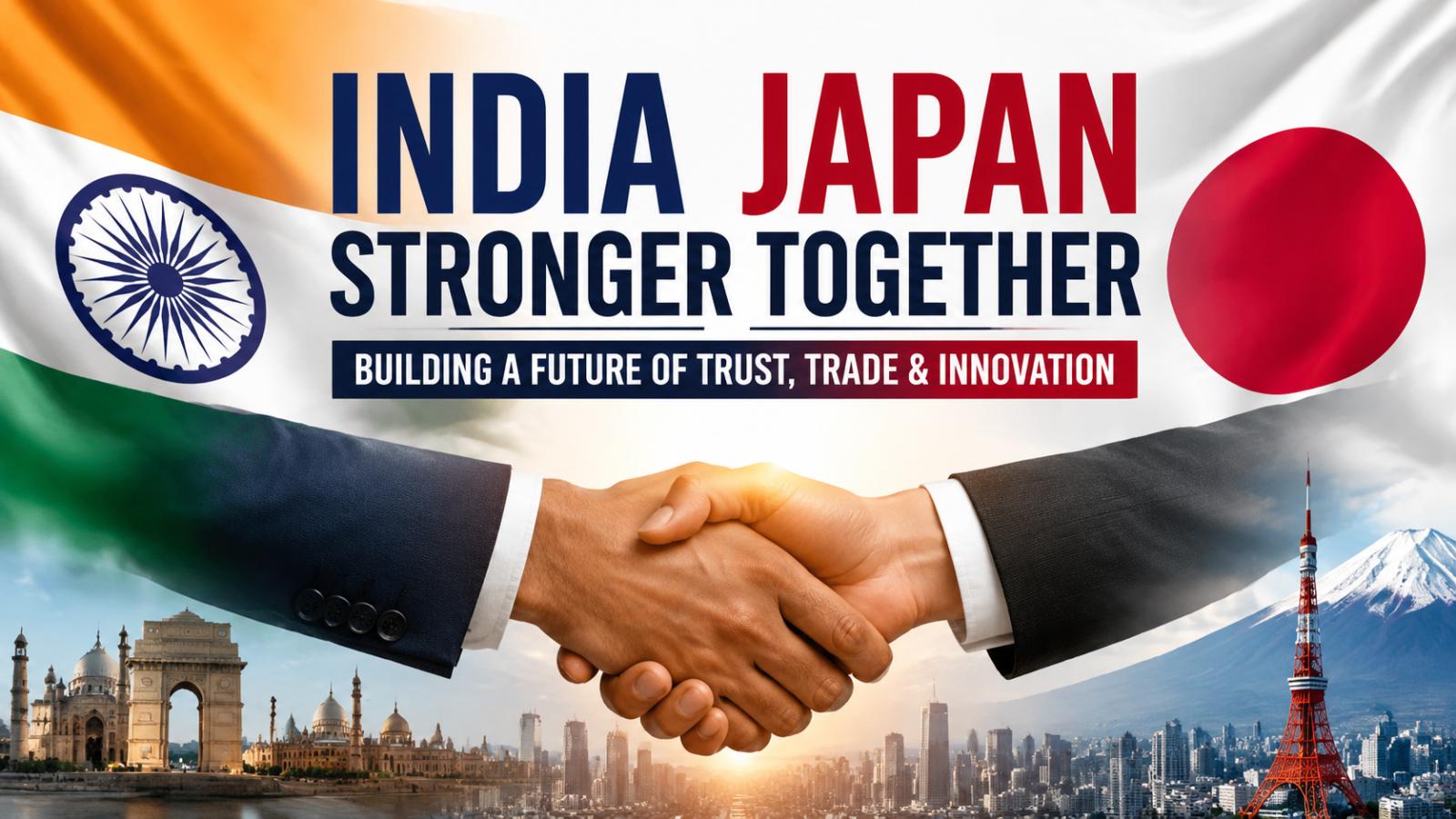
Japan PM visit pushes India Japan tech and defence cooperation
India and Japan have taken another step toward strengthening their long-term strategic relationship as high-level discussions were held in New Delhi focused on expanding cooperation across trade, defence, technology, and infrastructure. The engagement reflects a broader effort by both nations to build resilience in supply chains and increase coordination in the Indo-Pacific region amid shifting global economic and security dynamics. Rather than treating the relationship as routine diplomacy, both sides are increasingly positioning it as a structured partnership tied to economic security, innovation, and regional stability. Trade and investment becoming the core growth driver Economic cooperation continues to act as the backbone of the relationship. Japan remains one of India’s key foreign investors, with long-term commitments spread across manufacturing, transport, and urban development sectors. Japanese companies continue to expand their presence in India, particularly in automotive, electronics, and industrial technology. Infrastructure development remains a central pillar, with ongoing support for metro systems, freight corridors, and high-speed rail projects. Financial and institutional backing through Japanese development agencies has played a major role in shaping large-scale connectivity projects across Indian cities. However, both sides still face structural challenges such as slow project execution timelines and regulatory bottlenecks, which limit the speed of capital deployment despite strong political alignment. Defence cooperation expands beyond symbolic engagement Security collaboration between India and Japan has gradually shifted from occasional exercises to more consistent operational coordination. Joint drills such as maritime exercises and regional security training programs have strengthened interoperability between the two defence forces. The focus is increasingly on maritime domain awareness, especially in the Indo-Pacific region where strategic sea lanes remain critical for global trade. Both countries are also exploring ways to improve defence technology exchange, although this area remains sensitive due to regulatory and strategic constraints. Despite progress, defence cooperation is still relatively cautious compared to economic engagement, reflecting differing strategic thresholds and domestic policy considerations. Northeast India emerges as a strategic connectivity zone One of the most notable areas of cooperation is India’s northeastern region, which has gained attention as a key connectivity and development corridor. Japanese-supported infrastructure projects have contributed to road development, bridge construction, and logistics improvement in the region. Beyond physical infrastructure, skill development initiatives are also being introduced to improve employment readiness and cross-border workforce mobility. The region is increasingly being viewed as a bridge between South Asia and Southeast Asia, aligning with broader Indo-Pacific connectivity goals. Still, the region continues to face challenges including terrain constraints, limited industrial base, and slower private sector participation. Technology, AI and future-oriented collaboration Both countries are expanding cooperation in advanced technologies including artificial intelligence, clean energy systems, and digital infrastructure. Joint initiatives are being explored in areas such as smart manufacturing, automation, and next-generation communication systems. There is also growing interest in building more resilient supply chains for critical sectors like semiconductors and green energy technologies. This reflects a shared concern over global supply disruptions and overdependence on concentrated manufacturing hubs. While ambitions are high, actual implementation will depend on regulatory alignment and private sector participation, which remain uneven across sectors. Strategic outlook for the partnership The India–Japan relationship is increasingly being shaped by long-term geopolitical and economic considerations rather than short-term diplomatic exchanges. Both countries appear aligned on maintaining stability in the Indo-Pacific while expanding economic integration. However, the partnership is still evolving and remains uneven across sectors—strong in trade and infrastructure, moderate in defence, and still developing in advanced technology cooperation. The next phase will depend on execution efficiency and the ability to convert policy agreements into large-scale operational outcomes.
Japan PM visit pushes India Japan tech and defence cooperation
India and Japan have taken another step toward strengthening their long-term strategic relationship as high-level discussions were held in New Delhi focused on expanding cooperation across trade, defence, technology, and infrastructure. The engagement reflects a broader effort by both nations to build resilience in supply chains and increase coordination in the Indo-Pacific region amid shifting global economic and security dynamics. Rather than treating the relationship as routine diplomacy, both sides are increasingly positioning it as a structured partnership tied to economic security, innovation, and regional stability. Trade and investment becoming the core growth driver Economic cooperation continues to act as the backbone of the relationship. Japan remains one of India’s key foreign investors, with long-term commitments spread across manufacturing, transport, and urban development sectors. Japanese companies continue to expand their presence in India, particularly in automotive, electronics, and industrial technology. Infrastructure development remains a central pillar, with ongoing support for metro systems, freight corridors, and high-speed rail projects. Financial and institutional backing through Japanese development agencies has played a major role in shaping large-scale connectivity projects across Indian cities. However, both sides still face structural challenges such as slow project execution timelines and regulatory bottlenecks, which limit the speed of capital deployment despite strong political alignment. Defence cooperation expands beyond symbolic engagement Security collaboration between India and Japan has gradually shifted from occasional exercises to more consistent operational coordination. Joint drills such as maritime exercises and regional security training programs have strengthened interoperability between the two defence forces. The focus is increasingly on maritime domain awareness, especially in the Indo-Pacific region where strategic sea lanes remain critical for global trade. Both countries are also exploring ways to improve defence technology exchange, although this area remains sensitive due to regulatory and strategic constraints. Despite progress, defence cooperation is still relatively cautious compared to economic engagement, reflecting differing strategic thresholds and domestic policy considerations. Northeast India emerges as a strategic connectivity zone One of the most notable areas of cooperation is India’s northeastern region, which has gained attention as a key connectivity and development corridor. Japanese-supported infrastructure projects have contributed to road development, bridge construction, and logistics improvement in the region. Beyond physical infrastructure, skill development initiatives are also being introduced to improve employment readiness and cross-border workforce mobility. The region is increasingly being viewed as a bridge between South Asia and Southeast Asia, aligning with broader Indo-Pacific connectivity goals. Still, the region continues to face challenges including terrain constraints, limited industrial base, and slower private sector participation. Technology, AI and future-oriented collaboration Both countries are expanding cooperation in advanced technologies including artificial intelligence, clean energy systems, and digital infrastructure. Joint initiatives are being explored in areas such as smart manufacturing, automation, and next-generation communication systems. There is also growing interest in building more resilient supply chains for critical sectors like semiconductors and green energy technologies. This reflects a shared concern over global supply disruptions and overdependence on concentrated manufacturing hubs. While ambitions are high, actual implementation will depend on regulatory alignment and private sector participation, which remain uneven across sectors. Strategic outlook for the partnership The India–Japan relationship is increasingly being shaped by long-term geopolitical and economic considerations rather than short-term diplomatic exchanges. Both countries appear aligned on maintaining stability in the Indo-Pacific while expanding economic integration. However, the partnership is still evolving and remains uneven across sectors—strong in trade and infrastructure, moderate in defence, and still developing in advanced technology cooperation. The next phase will depend on execution efficiency and the ability to convert policy agreements into large-scale operational outcomes.

EU India trade talks near final approval stage
The proposed free trade agreement between the European Union and India has moved into its last procedural stage after years of negotiation. Both sides have already agreed on the core framework, and the current focus is on legal refinement and institutional clearance before formal approval. Officials describe this phase as technical but decisive, as even small wording changes can affect implementation across sectors. The agreement is being revi
EU India trade talks near final approval stage
The proposed free trade agreement between the European Union and India has moved into its last procedural stage after years of negotiation. Both sides have already agreed on the core framework, and the current focus is on legal refinement and institutional clearance before formal approval. Officials describe this phase as technical but decisive, as even small wording changes can affect implementation across sectors. The agreement is being revi

India pushes sunset clause in proposed US trade deal
India considers expiry safeguard in US trade talks India is reportedly preparing to seek a sunset clause in its proposed interim trade agreement with the United States, reflecting a growing global trend among trading partners to build expiry mechanisms into major economic deals. The move aligns closely with recent developments in European Union–US trade arrangements, where similar provisions have been introduced to limit long-term exposure
India pushes sunset clause in proposed US trade deal
India considers expiry safeguard in US trade talks India is reportedly preparing to seek a sunset clause in its proposed interim trade agreement with the United States, reflecting a growing global trend among trading partners to build expiry mechanisms into major economic deals. The move aligns closely with recent developments in European Union–US trade arrangements, where similar provisions have been introduced to limit long-term exposure
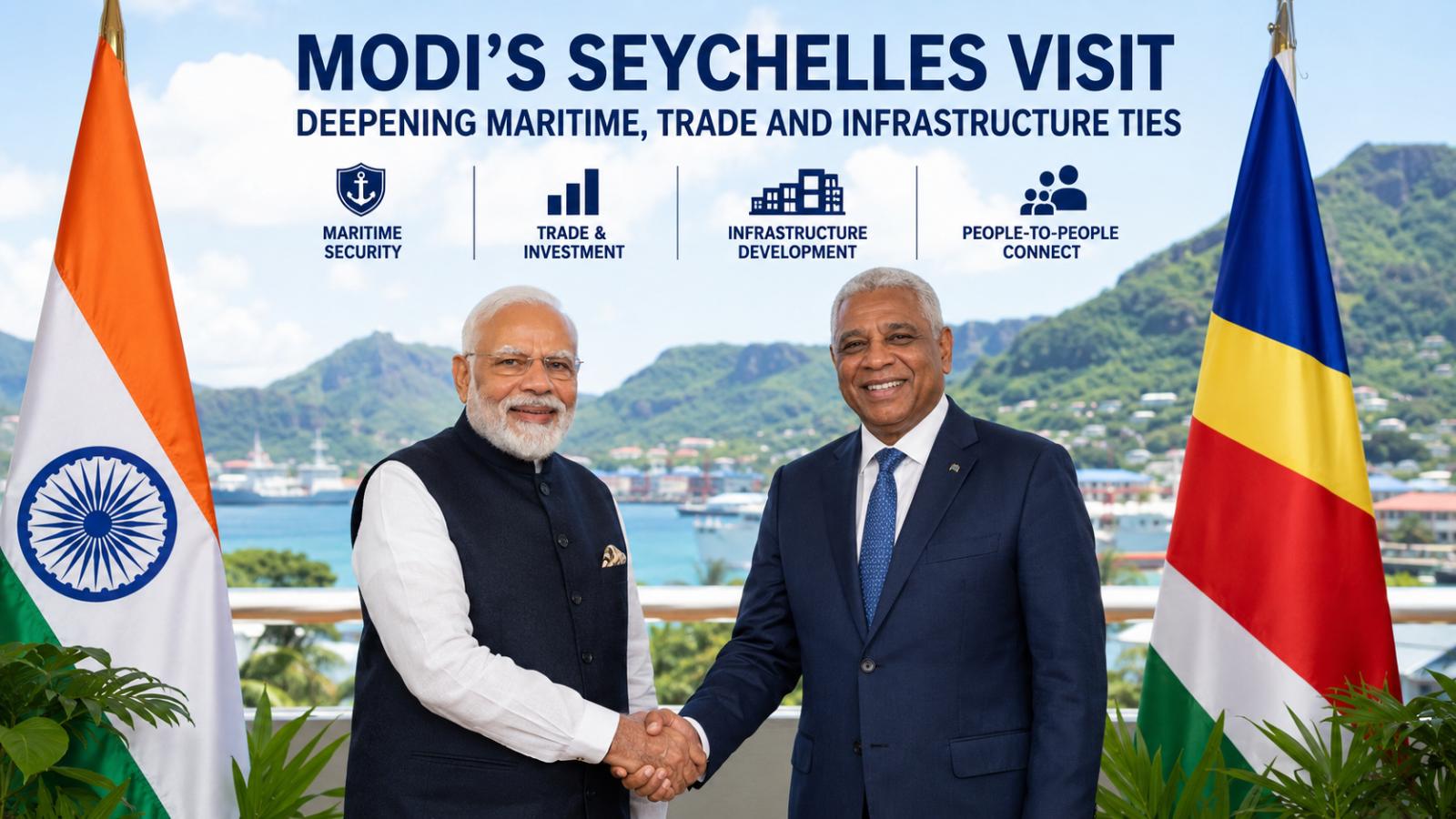
Modi Seychelles Visit: Maritime Security and $175M Projects in Focus
The Modi Seychelles visit is expected to deepen maritime security, infrastructure, trade and tourism ties as Seychelles marks 50 years of independence and the two countries commemorate five decades of diplomatic relations. Seychelles Foreign Minister Barry Faure said the trip could lift the partnership to a “qualitatively higher level” as both sides advance plans discussed during President Patrick Herminie’s February visit to India. Modi Seychelles visit put
Modi Seychelles Visit: Maritime Security and $175M Projects in Focus
The Modi Seychelles visit is expected to deepen maritime security, infrastructure, trade and tourism ties as Seychelles marks 50 years of independence and the two countries commemorate five decades of diplomatic relations. Seychelles Foreign Minister Barry Faure said the trip could lift the partnership to a “qualitatively higher level” as both sides advance plans discussed during President Patrick Herminie’s February visit to India. Modi Seychelles visit put
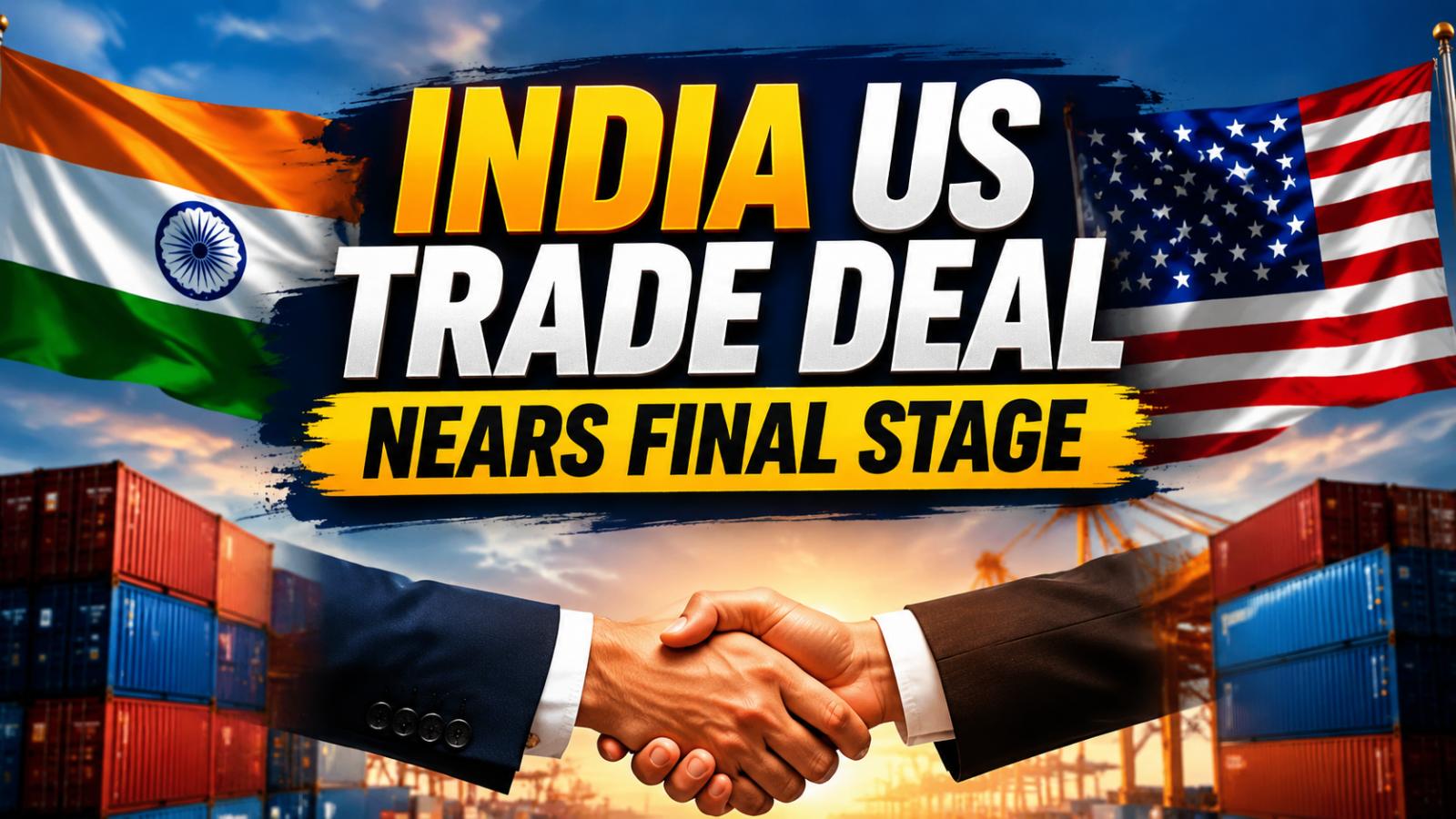
US signals India trade agreement close after key talks
India and the United States are edging closer to a structured trade agreement after fresh negotiations indicated reduced gaps on several contentious issues. US officials described the discussions as the most constructive phase so far, suggesting that a framework deal is now within reach, even though final clearance is still pending. The talks are part of a broader effort to establish a long-term Bilateral Trade Agreement aimed at improving market access, easing tariff friction, and stabilizing supply chain cooperation between the two economies. Tariff reduction and market access remain central issues At the core of the negotiations are tariff structures and access to each other’s markets. The United States is pushing for wider entry for industrial and agricultural goods, while India is focused on protecting sensitive domestic sectors while expanding export opportunities in technology, textiles, and pharmaceuticals. Both sides are trying to balance domestic political pressures with the need to expand bilateral trade volumes, which currently remain below their long-term potential despite strong economic ties. Digital trade and pharmaceutical rules under review A significant portion of the discussion is now centered on digital trade regulations and pharmaceutical standards. The US is seeking clearer digital data flow rules and stronger intellectual property protections, while India is prioritizing flexibility for its growing digital economy and affordable healthcare exports. Pharmaceutical trade remains a key pillar, with India seeking smoother regulatory pathways for generic drug exports, while the US is focusing on compliance and quality standard alignment. Strategic economic alignment driving urgency The urgency behind the negotiations is being shaped by global supply chain realignment and geopolitical competition. Both countries are increasingly aligning their trade policies within the Indo-Pacific framework, with an emphasis on reducing dependency on concentrated manufacturing hubs. India is positioning itself as an alternative global manufacturing base, while the US is looking to diversify sourcing and strengthen resilient supply networks. Next phase depends on unresolved policy gaps Despite visible progress, the agreement is not finalized. Several policy differences still need resolution, particularly around tariff ceilings, digital governance, and sector-specific protections. Officials from both sides are expected to continue technical-level discussions before moving toward a formalized trade framework. A final agreement timeline has not been confirmed, but momentum suggests continued acceleration in the coming months.
US signals India trade agreement close after key talks
India and the United States are edging closer to a structured trade agreement after fresh negotiations indicated reduced gaps on several contentious issues. US officials described the discussions as the most constructive phase so far, suggesting that a framework deal is now within reach, even though final clearance is still pending. The talks are part of a broader effort to establish a long-term Bilateral Trade Agreement aimed at improving market access, easing tariff friction, and stabilizing supply chain cooperation between the two economies. Tariff reduction and market access remain central issues At the core of the negotiations are tariff structures and access to each other’s markets. The United States is pushing for wider entry for industrial and agricultural goods, while India is focused on protecting sensitive domestic sectors while expanding export opportunities in technology, textiles, and pharmaceuticals. Both sides are trying to balance domestic political pressures with the need to expand bilateral trade volumes, which currently remain below their long-term potential despite strong economic ties. Digital trade and pharmaceutical rules under review A significant portion of the discussion is now centered on digital trade regulations and pharmaceutical standards. The US is seeking clearer digital data flow rules and stronger intellectual property protections, while India is prioritizing flexibility for its growing digital economy and affordable healthcare exports. Pharmaceutical trade remains a key pillar, with India seeking smoother regulatory pathways for generic drug exports, while the US is focusing on compliance and quality standard alignment. Strategic economic alignment driving urgency The urgency behind the negotiations is being shaped by global supply chain realignment and geopolitical competition. Both countries are increasingly aligning their trade policies within the Indo-Pacific framework, with an emphasis on reducing dependency on concentrated manufacturing hubs. India is positioning itself as an alternative global manufacturing base, while the US is looking to diversify sourcing and strengthen resilient supply networks. Next phase depends on unresolved policy gaps Despite visible progress, the agreement is not finalized. Several policy differences still need resolution, particularly around tariff ceilings, digital governance, and sector-specific protections. Officials from both sides are expected to continue technical-level discussions before moving toward a formalized trade framework. A final agreement timeline has not been confirmed, but momentum suggests continued acceleration in the coming months.
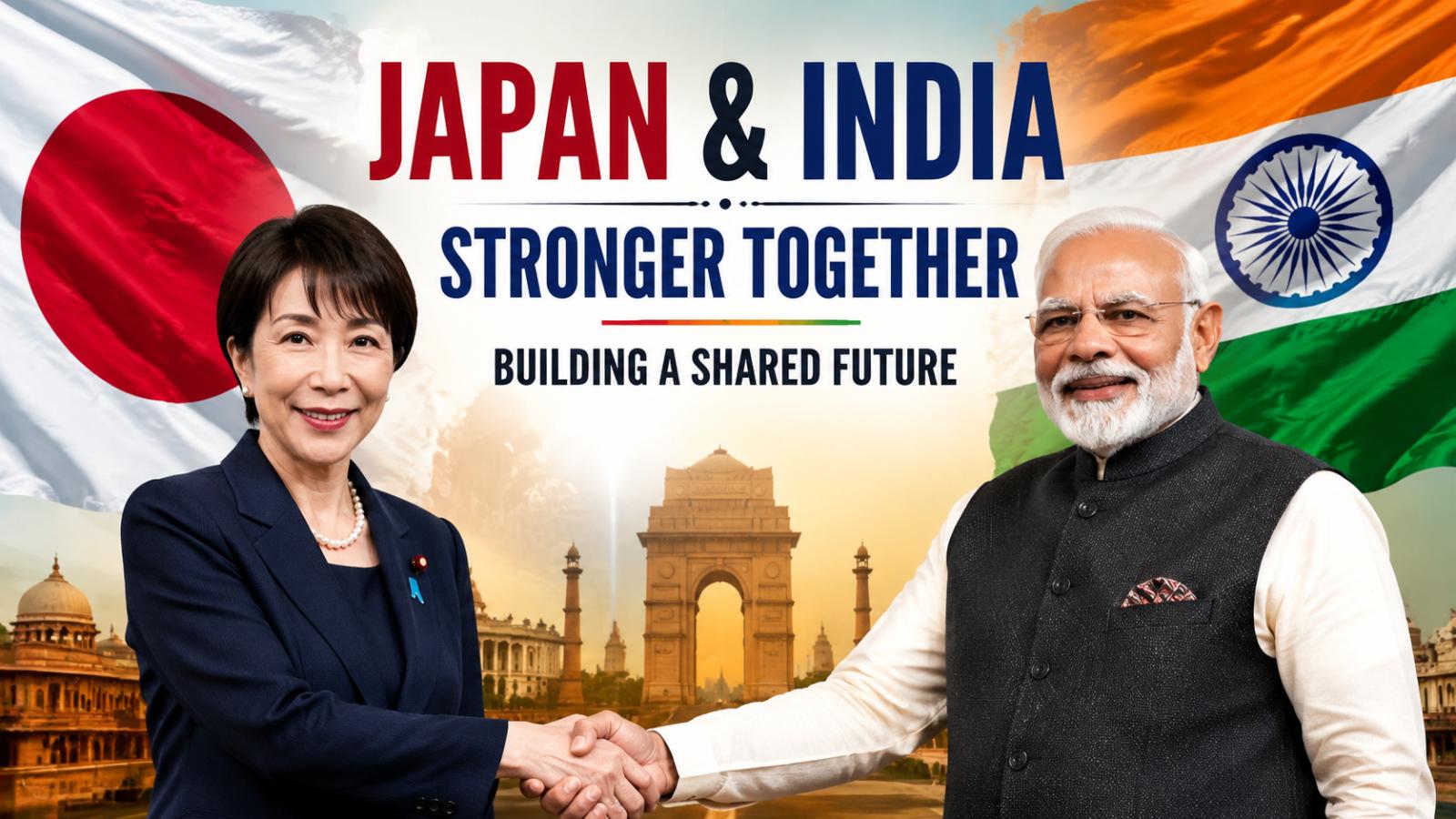
Takaichi visit signals deeper Japan India strategic cooperation
The visit of Sanae Takaichi to New Delhi marks a renewed phase in relations between Japan and India. Her meeting with
Takaichi visit signals deeper Japan India strategic cooperation
The visit of Sanae Takaichi to New Delhi marks a renewed phase in relations between Japan and India. Her meeting with
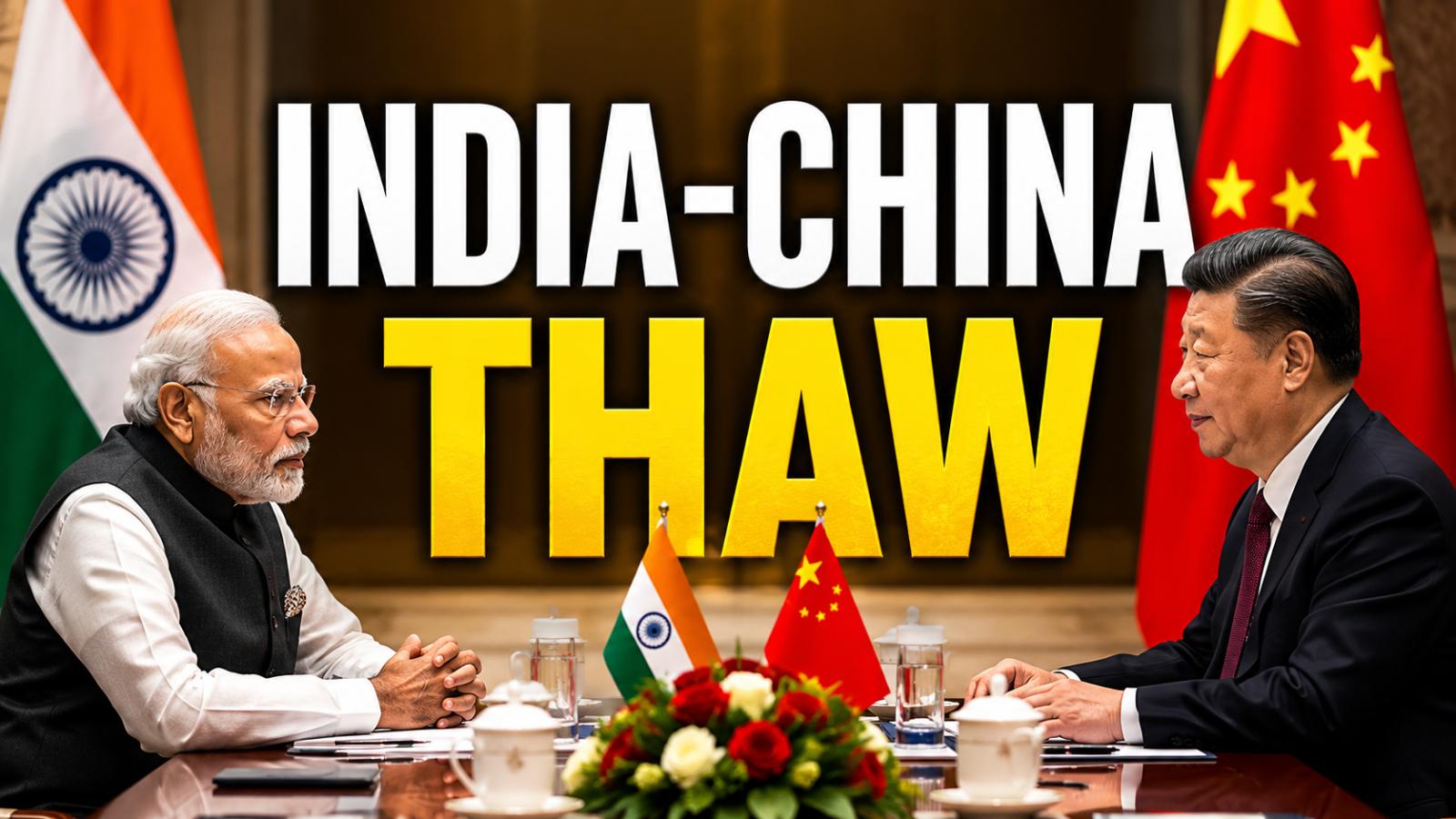
Ajit Doval and Wang Yi hold talks before BRICS meet
Doval and Wang Yi hold talks in New Delhi India’s National Security Adviser Ajit Doval and Chinese Foreign Minister Wang Yi held constructive and forward-looking talks in New Delhi on Monday, June 22,2026 ahead of the BRICS National Security Advisers’ meeting. Both sides reviewed recent developments in India China relations and noted progress toward gradual normalisation after years of strain following the 2020 border clashes in eastern L
Ajit Doval and Wang Yi hold talks before BRICS meet
Doval and Wang Yi hold talks in New Delhi India’s National Security Adviser Ajit Doval and Chinese Foreign Minister Wang Yi held constructive and forward-looking talks in New Delhi on Monday, June 22,2026 ahead of the BRICS National Security Advisers’ meeting. Both sides reviewed recent developments in India China relations and noted progress toward gradual normalisation after years of strain following the 2020 border clashes in eastern L
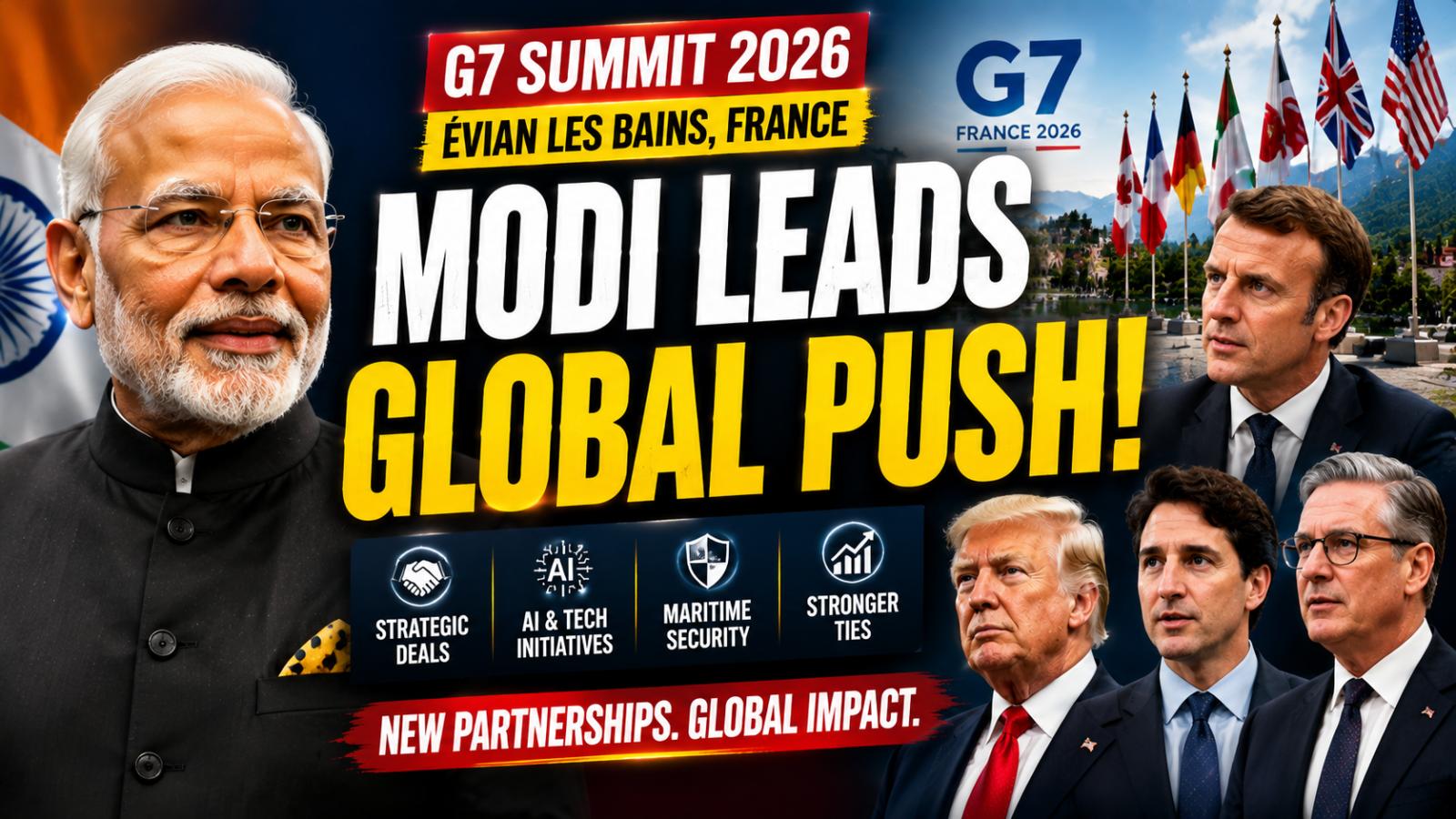
PM Modi strengthens India global ties at G7 Summit in France 2026
Modi’s G7 Visit Highlights India’s Expanding Global Role Prime Minister Narendra Modi’s participation in the 2026 G7 Summit in Évian-les-Bains, France marked a significant moment in India’s global diplomacy, with discussions focusing on economic cooperation, emerging technologies, maritime security and global governance. India positioned itself as a key voice for the Global South while engaging clos
PM Modi strengthens India global ties at G7 Summit in France 2026
Modi’s G7 Visit Highlights India’s Expanding Global Role Prime Minister Narendra Modi’s participation in the 2026 G7 Summit in Évian-les-Bains, France marked a significant moment in India’s global diplomacy, with discussions focusing on economic cooperation, emerging technologies, maritime security and global governance. India positioned itself as a key voice for the Global South while engaging clos










