#indiadefense
BrahMos System Boosts India’s Defense Exports in Southeast Asia
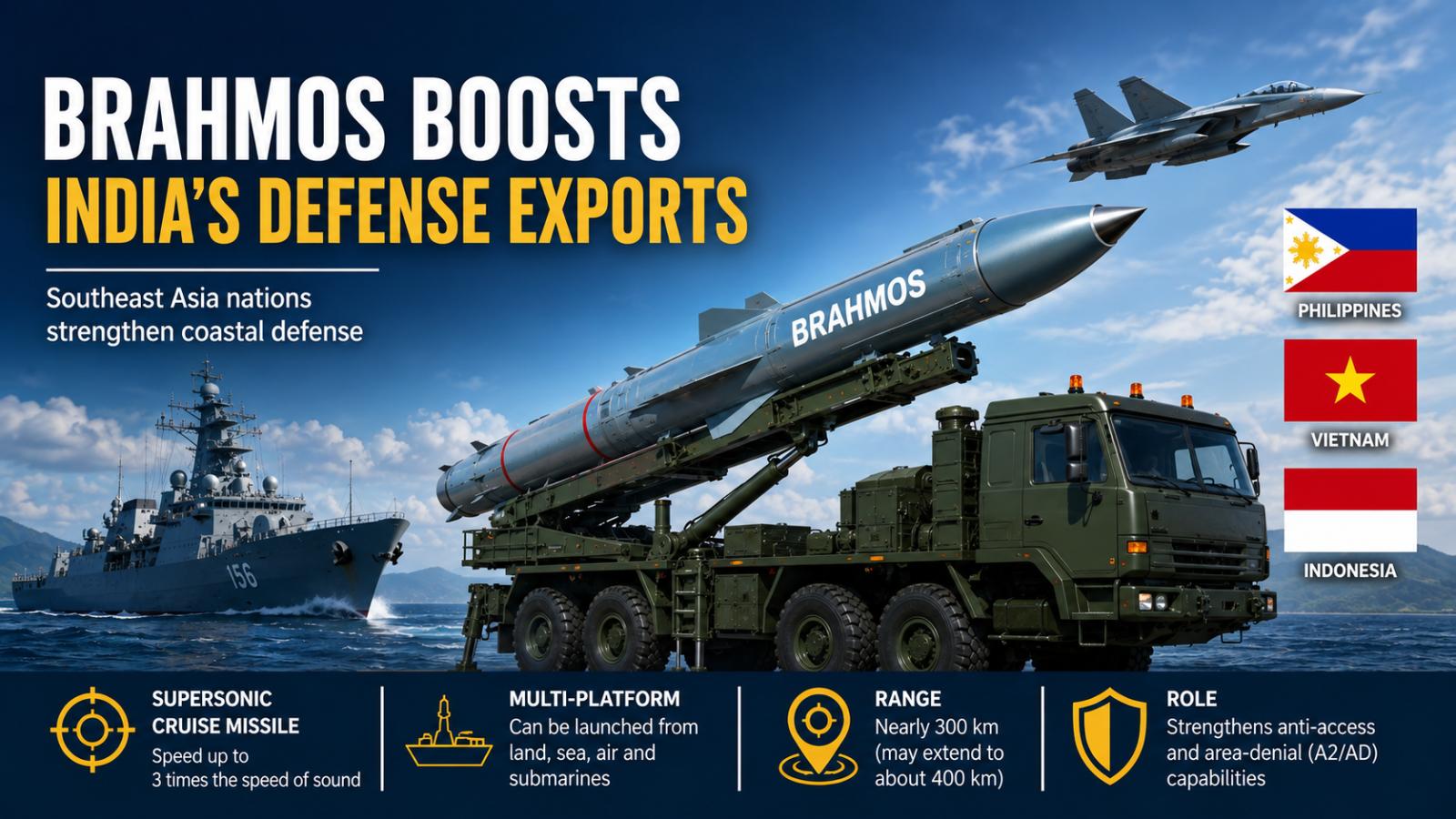
India’s BrahMos coastal defense system is becoming a key part of the country’s rise as a defense exporter, as several Asian nations look for stronger maritime protection. India’s defense exports reached a record Rs 38,424 crore in fiscal year 2025-26, according to the figures provided in the article. That was Rs 14,802 crore higher than the previous fiscal year, a rise of 62.66 percent. BrahMos Coastal Defense System Draws Southeast Asian Interest
BrahMos System Boosts India’s Defense Exports in Southeast Asia
India’s BrahMos coastal defense system is becoming a key part of the country’s rise as a defense exporter, as several Asian nations look for stronger maritime protection. India’s defense exports reached a record Rs 38,424 crore in fiscal year 2025-26, according to the figures provided in the article. That was Rs 14,802 crore higher than the previous fiscal year, a rise of 62.66 percent. BrahMos Coastal Defense System Draws Southeast Asian Interest
India Enters Top Five as Global Defense Spending Surge
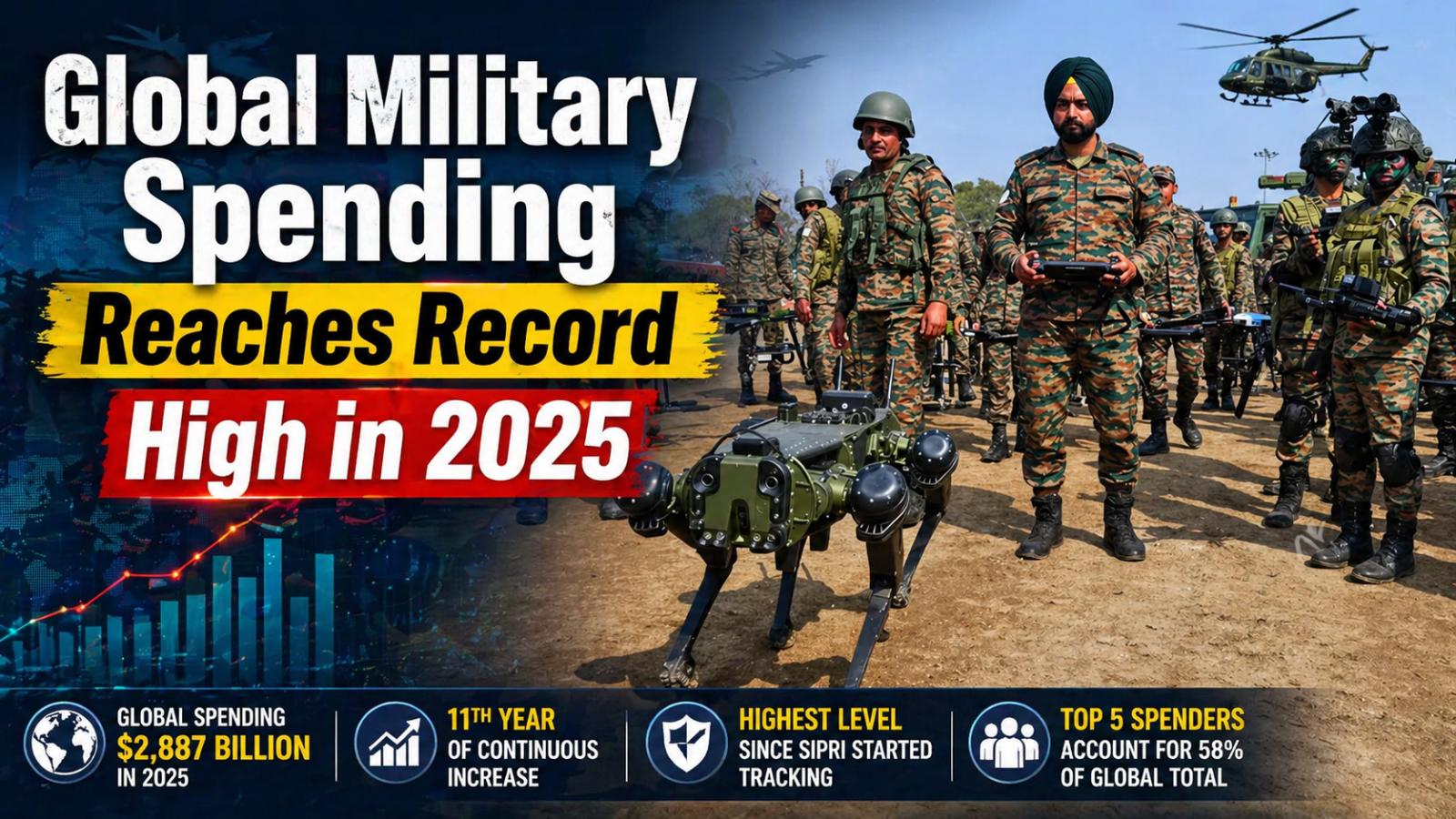
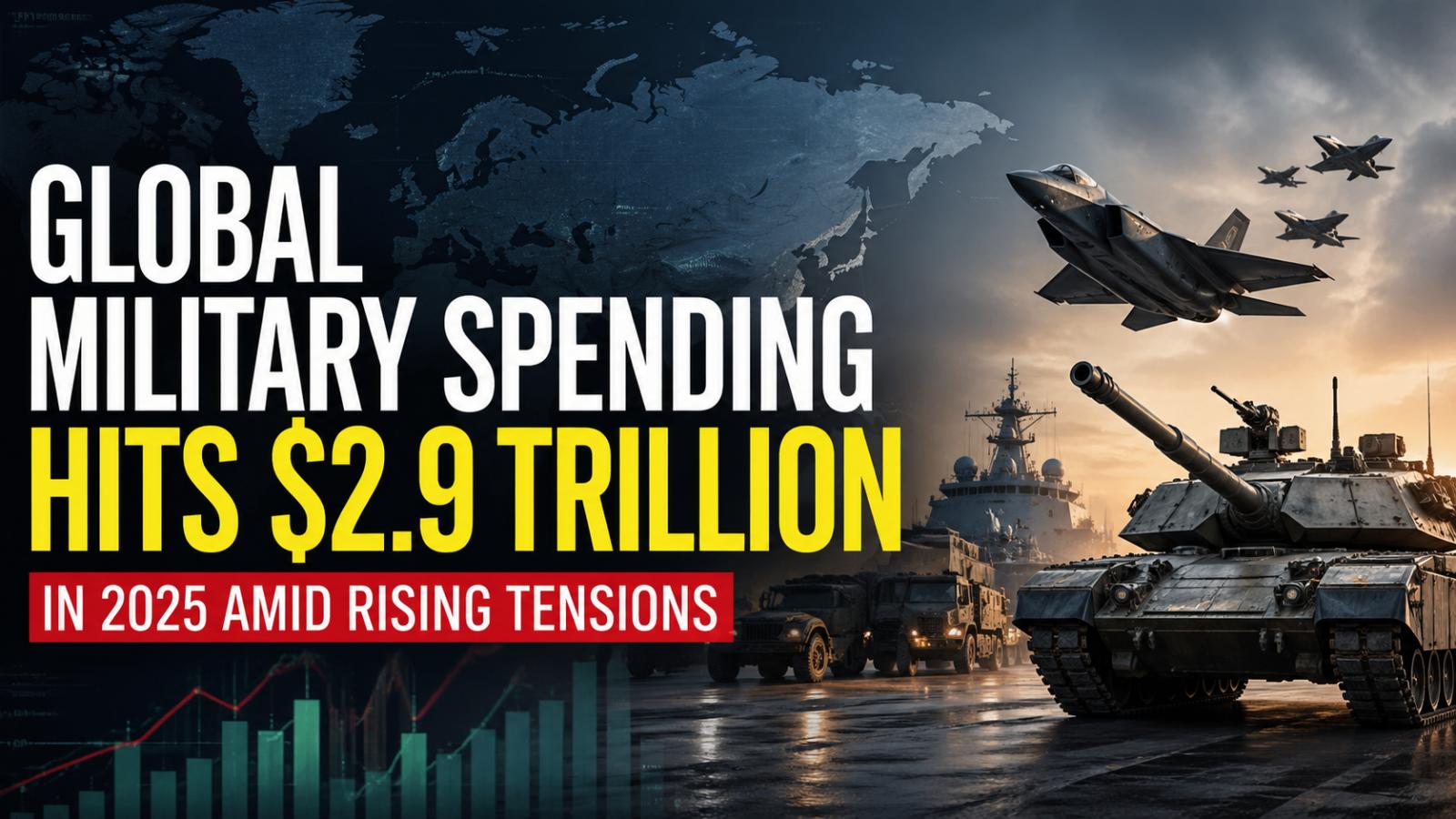
Global military spending reached a record $2,887 billion in 2025, marking the eleventh consecutive year of growth and the highest level ever recorded. According to the latest SIPRI report, the increase reflects rising geopolitical tensions, ongoing conflicts, and a shifting global security environment that has prompted governments to expand their defense budgets. India emerged as one of the world’s top military spenders, entering the top five for the first time with total expenditure of $92.1 billion. The country’s defense spending rose by 8.9 percent, reflecting heightened security concerns and operational demands. The report noted that this increase coincided with armed tensions involving Pakistan in May 2025, during which India deployed a range of military assets including aircraft, drones, and missile systems. The five largest spenders—the United States, China, Russia, Germany, and India—collectively accounted for 58 percent of global military expenditure, totaling $1,686 billion. Pakistan also increased its defense budget by 11 percent to $11.9 billion, driven largely by procurement activities and ongoing modernization efforts following regional tensions. Europe was identified as the primary contributor to the global rise in military spending, with a 14 percent increase bringing the region’s total to $864 billion. This marked the fastest growth in Central and Western Europe since the Cold War, as countries accelerated rearmament programs in response to security concerns, particularly the ongoing conflict involving Russia and Ukraine. The United States remained the largest military spender globally, allocating $954 billion in 2025. However, this represented a 7.5 percent decline compared to the previous year. The decrease was attributed mainly to reduced financial assistance to Ukraine, contrasting with higher levels of support in earlier years. Overall, the data highlights a continued global trend toward increased defense investment, driven by evolving security challenges and shifting geopolitical dynamics.
India Enters Top Five as Global Defense Spending Surge
Global military spending reached a record $2,887 billion in 2025, marking the eleventh consecutive year of growth and the highest level ever recorded. According to the latest SIPRI report, the increase reflects rising geopolitical tensions, ongoing conflicts, and a shifting global security environment that has prompted governments to expand their defense budgets. India emerged as one of the world’s top military spenders, entering the top five for the first time with total expenditure of $92.1 billion. The country’s defense spending rose by 8.9 percent, reflecting heightened security concerns and operational demands. The report noted that this increase coincided with armed tensions involving Pakistan in May 2025, during which India deployed a range of military assets including aircraft, drones, and missile systems. The five largest spenders—the United States, China, Russia, Germany, and India—collectively accounted for 58 percent of global military expenditure, totaling $1,686 billion. Pakistan also increased its defense budget by 11 percent to $11.9 billion, driven largely by procurement activities and ongoing modernization efforts following regional tensions. Europe was identified as the primary contributor to the global rise in military spending, with a 14 percent increase bringing the region’s total to $864 billion. This marked the fastest growth in Central and Western Europe since the Cold War, as countries accelerated rearmament programs in response to security concerns, particularly the ongoing conflict involving Russia and Ukraine. The United States remained the largest military spender globally, allocating $954 billion in 2025. However, this represented a 7.5 percent decline compared to the previous year. The decrease was attributed mainly to reduced financial assistance to Ukraine, contrasting with higher levels of support in earlier years. Overall, the data highlights a continued global trend toward increased defense investment, driven by evolving security challenges and shifting geopolitical dynamics.
Global military spending hits $2.9 trillion in 2025 amid rising tensions
Global military spending 2025 overview Global military spending in 2025 has reached nearly $2.9 trillion, clearly showing how countries are increasing defence budgets as global tensions continue to rise. The total spending stood at $2887 billion in 2025, marking a 2.9 per cent increase from 2024, highlighting a steady rise in military expenditure trends worldwide. This reflects a world becoming less secure, with nations investing more in defence to protect themselves. The United States, Russia, and China remained the top three military spenders, with a combined total of $1.48 trillion. These nations continue to dominate global defence spending, shaping international security dynamics. Experts say this rise in defence budget growth shows that countries are preparing for both current conflicts and future uncertainties. Europe witnessed a major surge, with military spending increasing by 14 per cent to $864 billion in 2025. This sharp rise is mainly driven by the ongoing Russia-Ukraine war and reduced dependence on the United States for security. Countries like Germany increased spending by 24 per cent to $114 billion, while Spain recorded a significant 50 per cent jump to $40.2 billion, crossing two per cent of GDP for the first time in decades. The United States remained the largest spender despite a decline of 7.5 per cent, bringing its total to $954 billion in 2025. The decrease is linked to reduced financial aid approvals for Ukraine, although future budgets suggest spending could exceed $1 trillion in 2026, indicating a possible rebound. In Eastern Europe, Russia increased its military expenditure by 5.9 per cent to $190 billion, while Ukraine saw a sharp rise of 20 per cent to $84.1 billion. Ukraine’s defence spending now accounts for a large share of its GDP, showing the intensity of the ongoing conflict. Asia and Oceania recorded one of the fastest growth rates, with spending reaching $681 billion in 2025, an 8.5 per cent increase. China led the region with $336 billion, followed by Japan and India. India increased its defence budget by 8.9 per cent to $92.1 billion, making it the fifth-largest military spender globally. This growth highlights rising security concerns across the region. In the Middle East, spending patterns were mixed. Iran’s defence expenditure fell by 5.6 per cent to $7.4 billion, mainly due to high inflation. Israel also saw a decline of 4.9 per cent to $48.3 billion after reducing military operations following a ceasefire in early 2025, although its spending remains significantly higher compared to earlier years. Regional tensions continue to influence defence strategies across the Middle East. Overall, the SIPRI report shows that global military spending is steadily increasing as countries respond to rising geopolitical tensions and conflicts. The trend highlights a shift toward stronger military preparedness, reflecting uncertainty in the global security environment.
Global military spending hits $2.9 trillion in 2025 amid rising tensions
Global military spending 2025 overview Global military spending in 2025 has reached nearly $2.9 trillion, clearly showing how countries are increasing defence budgets as global tensions continue to rise. The total spending stood at $2887 billion in 2025, marking a 2.9 per cent increase from 2024, highlighting a steady rise in military expenditure trends worldwide. This reflects a world becoming less secure, with nations investing more in defence to protect themselves. The United States, Russia, and China remained the top three military spenders, with a combined total of $1.48 trillion. These nations continue to dominate global defence spending, shaping international security dynamics. Experts say this rise in defence budget growth shows that countries are preparing for both current conflicts and future uncertainties. Europe witnessed a major surge, with military spending increasing by 14 per cent to $864 billion in 2025. This sharp rise is mainly driven by the ongoing Russia-Ukraine war and reduced dependence on the United States for security. Countries like Germany increased spending by 24 per cent to $114 billion, while Spain recorded a significant 50 per cent jump to $40.2 billion, crossing two per cent of GDP for the first time in decades. The United States remained the largest spender despite a decline of 7.5 per cent, bringing its total to $954 billion in 2025. The decrease is linked to reduced financial aid approvals for Ukraine, although future budgets suggest spending could exceed $1 trillion in 2026, indicating a possible rebound. In Eastern Europe, Russia increased its military expenditure by 5.9 per cent to $190 billion, while Ukraine saw a sharp rise of 20 per cent to $84.1 billion. Ukraine’s defence spending now accounts for a large share of its GDP, showing the intensity of the ongoing conflict. Asia and Oceania recorded one of the fastest growth rates, with spending reaching $681 billion in 2025, an 8.5 per cent increase. China led the region with $336 billion, followed by Japan and India. India increased its defence budget by 8.9 per cent to $92.1 billion, making it the fifth-largest military spender globally. This growth highlights rising security concerns across the region. In the Middle East, spending patterns were mixed. Iran’s defence expenditure fell by 5.6 per cent to $7.4 billion, mainly due to high inflation. Israel also saw a decline of 4.9 per cent to $48.3 billion after reducing military operations following a ceasefire in early 2025, although its spending remains significantly higher compared to earlier years. Regional tensions continue to influence defence strategies across the Middle East. Overall, the SIPRI report shows that global military spending is steadily increasing as countries respond to rising geopolitical tensions and conflicts. The trend highlights a shift toward stronger military preparedness, reflecting uncertainty in the global security environment.
USAF pilot expresses deep shock as Dubai Airshow continues after fatal Tejas crash
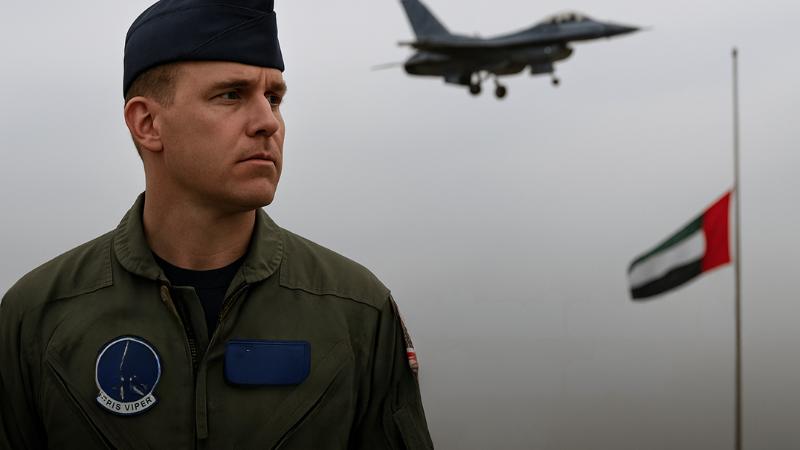
United States Air Force Major Taylor “Fema” Hiester shared a deeply emotional response to the Dubai Airshow 2025’s decision to proceed with flying displays despite the tragic crash of an Indian Air Force Tejas fighter jet that killed Wing Commander Namansh Syal. The commander of the F-16 Viper Demonstration Team said he was stunned to find the airshow atmosphere unchanged just hours after the fatal accident, leading him and a few other teams to withdraw their final performances as a mar
USAF pilot expresses deep shock as Dubai Airshow continues after fatal Tejas crash
United States Air Force Major Taylor “Fema” Hiester shared a deeply emotional response to the Dubai Airshow 2025’s decision to proceed with flying displays despite the tragic crash of an Indian Air Force Tejas fighter jet that killed Wing Commander Namansh Syal. The commander of the F-16 Viper Demonstration Team said he was stunned to find the airshow atmosphere unchanged just hours after the fatal accident, leading him and a few other teams to withdraw their final performances as a mar
Jaishankar Warns Pakistan of Deep Strikes Over Terror Attacks
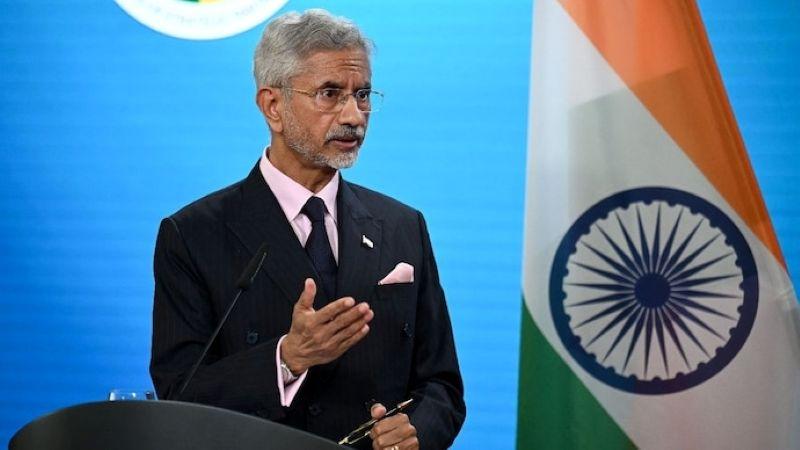
External Affairs Minister S Jaishankar, during his official visit to Brussels, issued a strong warning that India will strike deep into Pakistani territory if provoked by terrorism again. Referring to the April 22 Pahalgam terror attack that killed 26 people, Jaishankar blamed Pakistan for harboring and training terrorist outfits. He emphasized that India’s response would be swift, precise, and unforgiving if future attacks were traced back to Pakistan-ba
Jaishankar Warns Pakistan of Deep Strikes Over Terror Attacks
External Affairs Minister S Jaishankar, during his official visit to Brussels, issued a strong warning that India will strike deep into Pakistani territory if provoked by terrorism again. Referring to the April 22 Pahalgam terror attack that killed 26 people, Jaishankar blamed Pakistan for harboring and training terrorist outfits. He emphasized that India’s response would be swift, precise, and unforgiving if future attacks were traced back to Pakistan-ba
Defence Minister Rajnath Singh: Navy Could’ve Split Pakistan Into Four
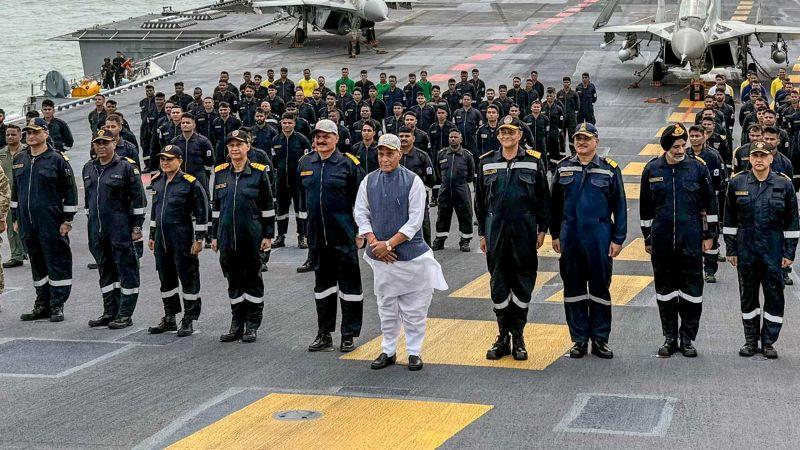
During a high-level visit aboard INS Vikrant, India’s first indigenously built aircraft carrier, Defence Minister Rajnath Singh issued a powerful statement underscoring the unmatched capabilities of the Indian Navy. Speaking from the Arabian Sea, Singh remarked that if the Indian Navy had joined active combat during Operation Sindoor, Pakistan could have faced consequences far more severe than in 1971, potentially splitting into four parts. Referring to the Navy’s role i
Defence Minister Rajnath Singh: Navy Could’ve Split Pakistan Into Four
During a high-level visit aboard INS Vikrant, India’s first indigenously built aircraft carrier, Defence Minister Rajnath Singh issued a powerful statement underscoring the unmatched capabilities of the Indian Navy. Speaking from the Arabian Sea, Singh remarked that if the Indian Navy had joined active combat during Operation Sindoor, Pakistan could have faced consequences far more severe than in 1971, potentially splitting into four parts. Referring to the Navy’s role i