

















CBSE Expands Curriculum With Early AI Education From Class 3
The Central Board of Secondary Education (CBSE) has taken a significant step towards modernizing India’s education system by introducing artificial intelligence learning for students starting from Class 3. This move reflects the growing importance of digital literacy and emerging technologies in shaping the future workforce. By incorporating AI concepts at an early stage, CBSE aims to ensure that students are not just consumers of technology but also understand its fundamentals and applications. The initiative is part of a broader effort to align school education with global technological trends and prepare students for a rapidly evolving digital world. Under this new curriculum, young learners will be introduced to basic concepts of artificial intelligence through interactive and activity-based learning methods. Instead of complex coding, the focus will be on developing logical thinking, problem-solving skills, and an understanding of how AI impacts everyday life. Students will engage in simple exercises, games, and real-life examples to grasp how machines can learn and make decisions. This foundational approach ensures that children build curiosity and confidence in technology without feeling overwhelmed. Curriculum Focus and Implementation The AI curriculum for primary classes is designed to be age-appropriate and engaging. CBSE has collaborated with education experts and technology partners to create content that is both informative and easy to understand. Teachers will also receive specialized training to effectively deliver AI-related lessons in classrooms. The board plans to integrate AI topics with existing subjects, making learning more interdisciplinary and practical. This approach will help students connect theoretical knowledge with real-world applications, enhancing their overall learning experience. Impact on Students and Future Education Introducing AI learning at an early stage is expected to have a long-term impact on students’ academic and career paths. As industries increasingly rely on automation and data-driven technologies, early exposure to AI will give students a competitive edge. It will also encourage innovation and creativity among young minds, enabling them to think beyond traditional career options. Parents and educators have largely welcomed this move, seeing it as a progressive step toward building a tech-savvy generation. With this initiative, CBSE reinforces its commitment to evolving education standards and preparing students for the challenges of the future. The inclusion of artificial intelligence in the curriculum marks a shift from rote learning to skill-based education, ensuring that students are better equipped to navigate and contribute to a technology-driven world.
CBSE Expands Curriculum With Early AI Education From Class 3
The Central Board of Secondary Education (CBSE) has taken a significant step towards modernizing India’s education system by introducing artificial intelligence learning for students starting from Class 3. This move reflects the growing importance of digital literacy and emerging technologies in shaping the future workforce. By incorporating AI concepts at an early stage, CBSE aims to ensure that students are not just consumers of technology but also understand its fundamentals and applications. The initiative is part of a broader effort to align school education with global technological trends and prepare students for a rapidly evolving digital world. Under this new curriculum, young learners will be introduced to basic concepts of artificial intelligence through interactive and activity-based learning methods. Instead of complex coding, the focus will be on developing logical thinking, problem-solving skills, and an understanding of how AI impacts everyday life. Students will engage in simple exercises, games, and real-life examples to grasp how machines can learn and make decisions. This foundational approach ensures that children build curiosity and confidence in technology without feeling overwhelmed. Curriculum Focus and Implementation The AI curriculum for primary classes is designed to be age-appropriate and engaging. CBSE has collaborated with education experts and technology partners to create content that is both informative and easy to understand. Teachers will also receive specialized training to effectively deliver AI-related lessons in classrooms. The board plans to integrate AI topics with existing subjects, making learning more interdisciplinary and practical. This approach will help students connect theoretical knowledge with real-world applications, enhancing their overall learning experience. Impact on Students and Future Education Introducing AI learning at an early stage is expected to have a long-term impact on students’ academic and career paths. As industries increasingly rely on automation and data-driven technologies, early exposure to AI will give students a competitive edge. It will also encourage innovation and creativity among young minds, enabling them to think beyond traditional career options. Parents and educators have largely welcomed this move, seeing it as a progressive step toward building a tech-savvy generation. With this initiative, CBSE reinforces its commitment to evolving education standards and preparing students for the challenges of the future. The inclusion of artificial intelligence in the curriculum marks a shift from rote learning to skill-based education, ensuring that students are better equipped to navigate and contribute to a technology-driven world.
Asian Boxing Championships 2026: Suresh, Siwach Advance to Quarterfinals
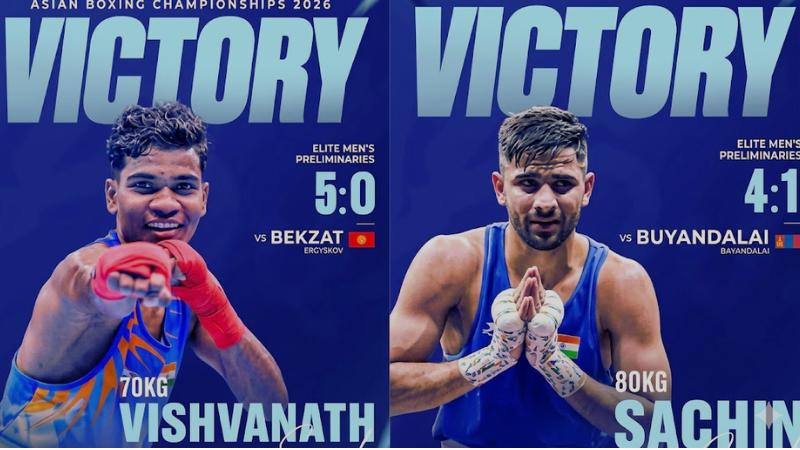
Indian boxers Vishvanath Suresh and Sachin Siwach advanced to the quarterfinals of the Asian Boxing Championships 2026 after impressive performances on Day 3 in Ulaanbaatar, Mongolia. In the men’s 50kg category, Vishvanath Suresh displayed excellent control and technique to register a dominant 5-0 victory over Kyrgyzstan’s Bekzat Ergeshov. He will next face Kazakhstan’s Sanzhar Tashkenbay, the reigning world champion, in a high-stakes quarterfinal bout. In the men’
Asian Boxing Championships 2026: Suresh, Siwach Advance to Quarterfinals
Indian boxers Vishvanath Suresh and Sachin Siwach advanced to the quarterfinals of the Asian Boxing Championships 2026 after impressive performances on Day 3 in Ulaanbaatar, Mongolia. In the men’s 50kg category, Vishvanath Suresh displayed excellent control and technique to register a dominant 5-0 victory over Kyrgyzstan’s Bekzat Ergeshov. He will next face Kazakhstan’s Sanzhar Tashkenbay, the reigning world champion, in a high-stakes quarterfinal bout. In the men’
PM Modi Leads CCS Meeting to Assess Economic and Energy Impact of West Asia War
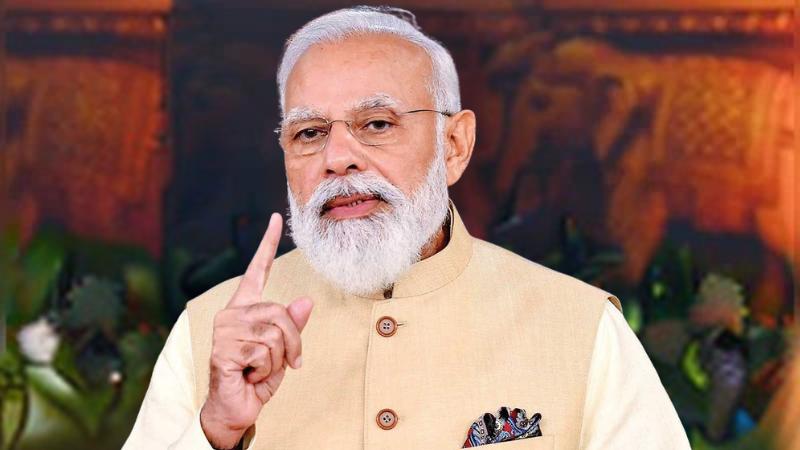
Prime Minister Narendra Modi is set to chair an extended meeting of the Cabinet Committee on Security (CCS) on 1st April 2026 at 7 pm, aiming to review the ongoing situation in West Asia and its potential consequences for India’s energy security, supply chains, and overall macroeconomic stability. The meeting comes shortly after the March 22 review, where the government conducted an assessment of essential commodities like food, fertilisers, fuel, and power in light of the escalating confli
PM Modi Leads CCS Meeting to Assess Economic and Energy Impact of West Asia War
Prime Minister Narendra Modi is set to chair an extended meeting of the Cabinet Committee on Security (CCS) on 1st April 2026 at 7 pm, aiming to review the ongoing situation in West Asia and its potential consequences for India’s energy security, supply chains, and overall macroeconomic stability. The meeting comes shortly after the March 22 review, where the government conducted an assessment of essential commodities like food, fertilisers, fuel, and power in light of the escalating confli
FIFA Rankings: India Climbs Five Spots After Win Over Hong Kong
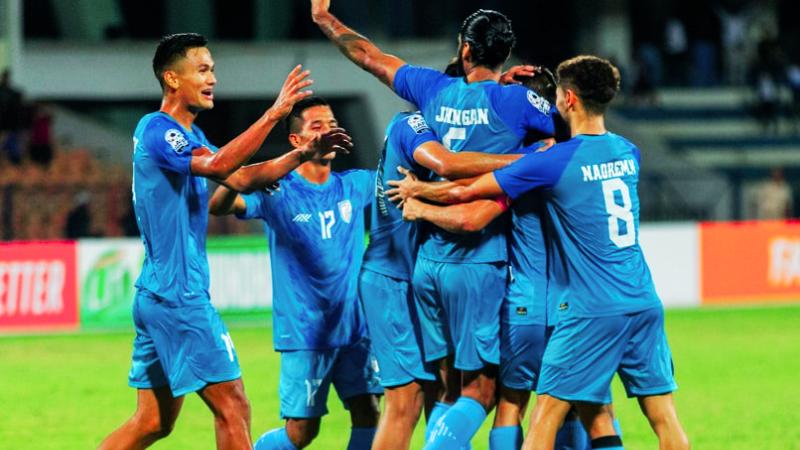
India national football team have climbed five spots in the latest FIFA rankings, moving from 141st to 136th after a hard-fought 2-1 victory over Hong Kong national football team in their final match of the AFC Asian Cup 2027 qua
FIFA Rankings: India Climbs Five Spots After Win Over Hong Kong
India national football team have climbed five spots in the latest FIFA rankings, moving from 141st to 136th after a hard-fought 2-1 victory over Hong Kong national football team in their final match of the AFC Asian Cup 2027 qua
8 Women Die in Temple Stampede in Bihar's Nalanda, Investigation Underway
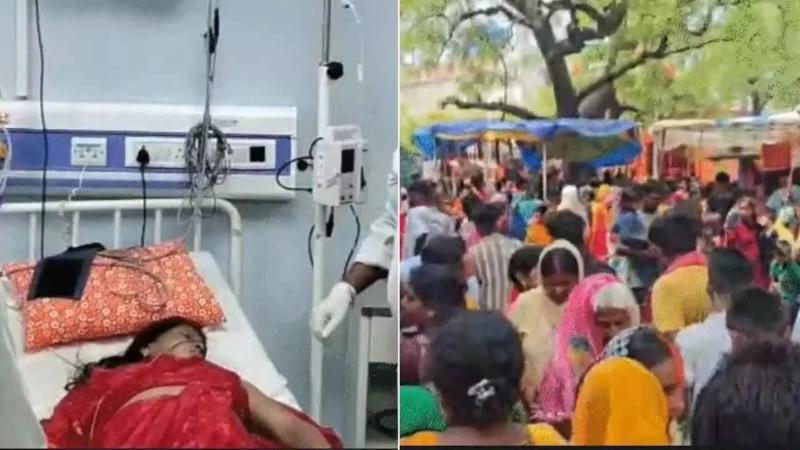
In a tragic incident in Bihar's Nalanda district, eight women lost their lives in a stampede that occurred at a local temple. The incident took place when thousands of devotees had gathered for a religious event, leading to a massive crowd surge that caused the deadly stampede. The temple, a popular site for pilgrims, became the scene of chaos and panic as people rushed towards the main entrance. Authorities have expressed deep sorrow over the incident and have ordered an immediate probe into
8 Women Die in Temple Stampede in Bihar's Nalanda, Investigation Underway
In a tragic incident in Bihar's Nalanda district, eight women lost their lives in a stampede that occurred at a local temple. The incident took place when thousands of devotees had gathered for a religious event, leading to a massive crowd surge that caused the deadly stampede. The temple, a popular site for pilgrims, became the scene of chaos and panic as people rushed towards the main entrance. Authorities have expressed deep sorrow over the incident and have ordered an immediate probe into
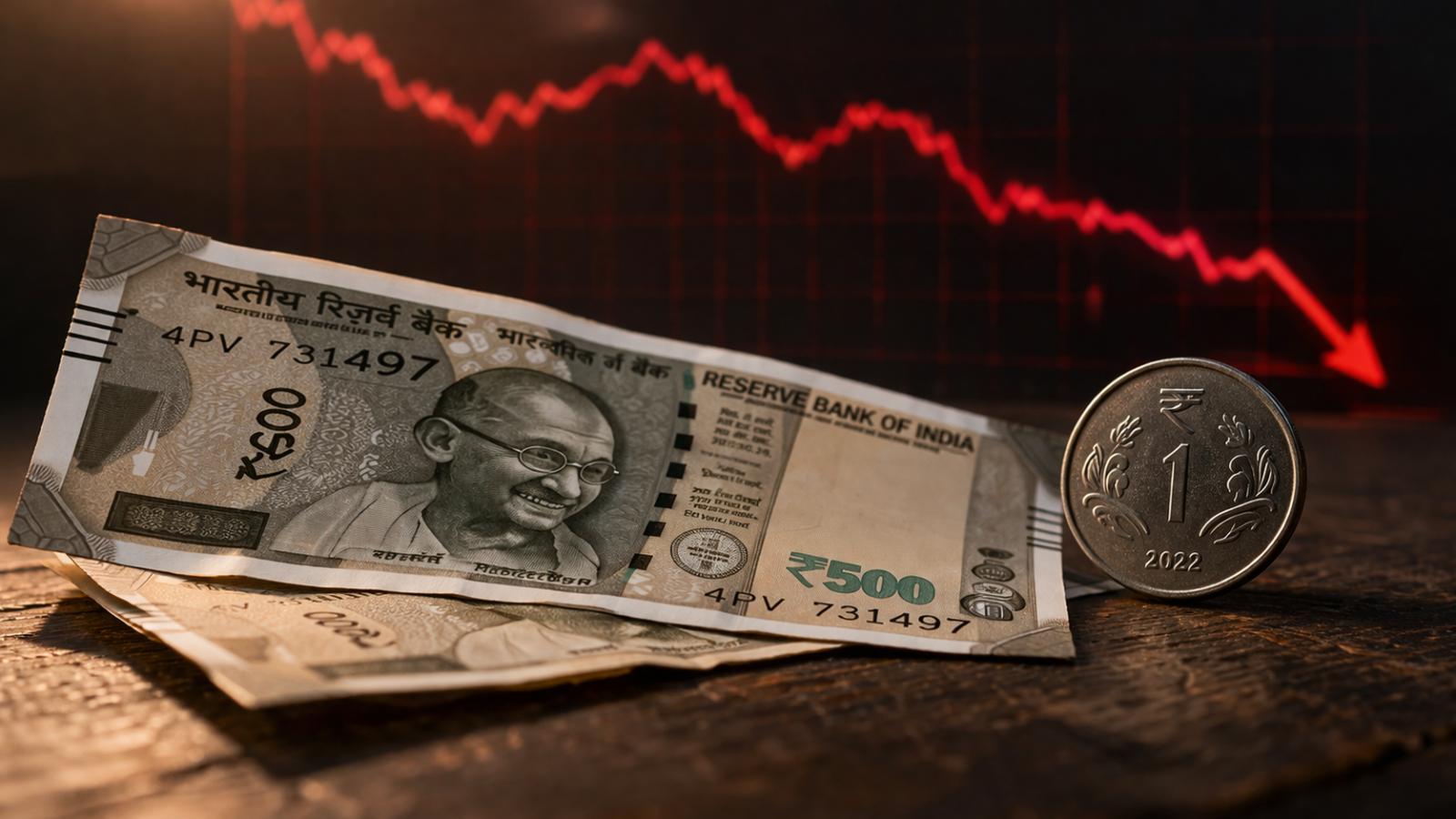
Rupee Falls to Record Low of 95.20 Against US Dollar Despite RBI Measures
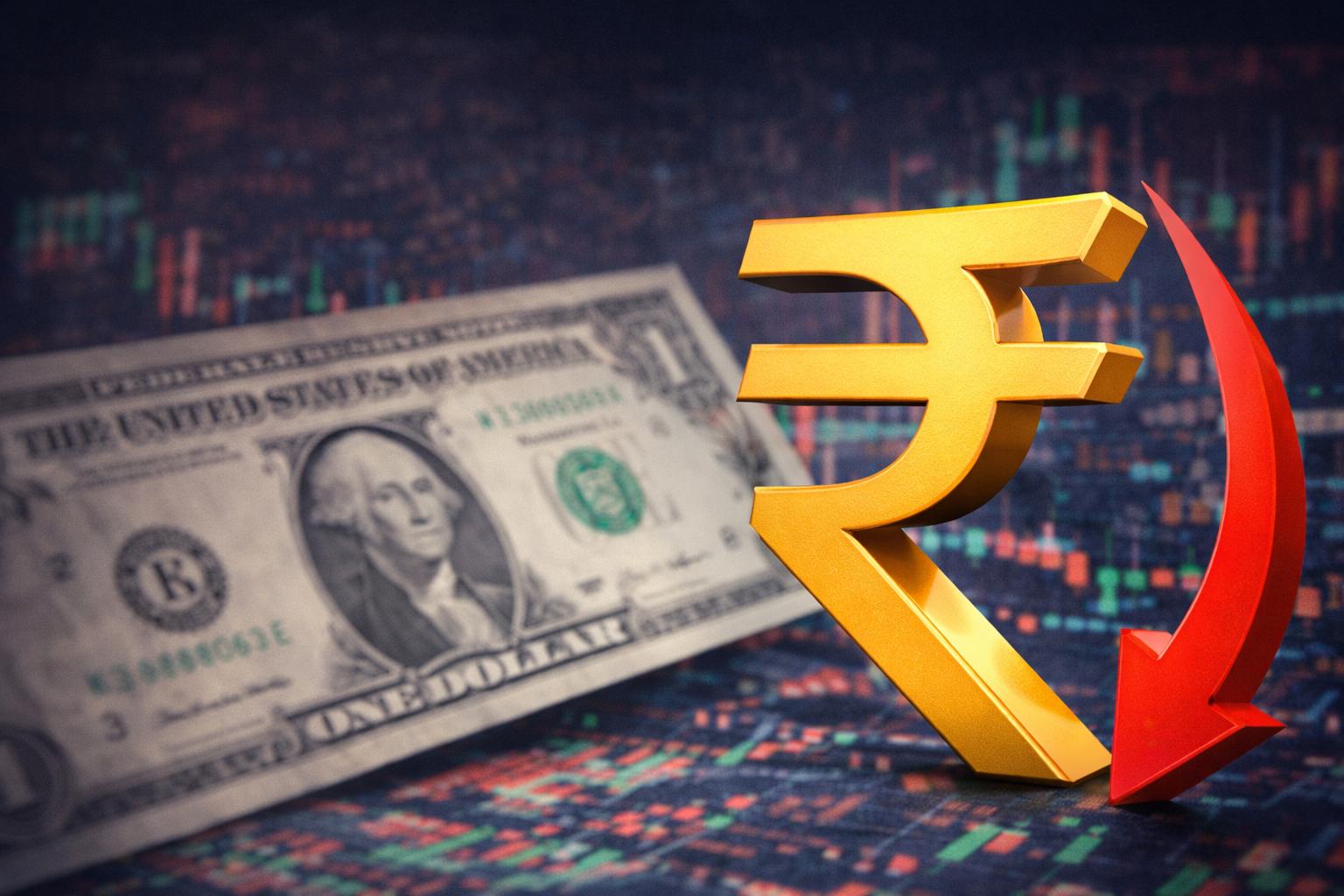
The Indian rupee slipped past the 95 mark against the US dollar on March 30, 2026, hitting an all-time low of 95.20 per dollar, a decline of 0.3% for the day. This drop occurred despite the Reserve Bank of India's (RBI) recent intervention aimed at curbing currency volatility. The currency has been under pressure from a mix of global factors, sustained foreign outflows, and rising oil prices. The RBI had introduced measures to support the rupee by tightening limits on banks' foreign exchange positions. As of late Friday, the central bank directed banks to cap their net open rupee positions in the foreign exchange market at $100 million by the end of each business day, with compliance required by April 10. While this move offered temporary relief, the impact was limited as analysts pointed out that underlying factors, such as persistent foreign outflows and high crude oil prices, continued to weigh on the rupee. Foreign portfolio outflows have been one of the major contributors to the rupee's weakness. These outflows, coupled with high global oil prices, have put pressure on India’s current account deficit, thus exerting more pressure on the currency. The rising oil prices are linked to geopolitical tensions, such as the ongoing conflict in Iran, which has exacerbated market volatility. Additionally, the wider spread between the onshore and non-deliverable forward (NDF) markets, due to increasing volatility, has contributed to the rupee’s decline. Despite the RBI’s directive, the rupee continued its downward spiral, reflecting broader economic challenges. The currency has fallen over 4% in March alone, marking its worst monthly performance in over seven years. The Nifty 50 index also reflected the market's overall weakness, dropping by about 2% on Monday, with a looming risk of its worst monthly decline since March 2020. In this uncertain climate, analysts predict that unless there is a significant drop in oil prices or a reversal in foreign fund flows, the pressure on the rupee is likely to persist. The continued outflows from emerging markets and heightened global uncertainty have created a negative sentiment surrounding India’s economic outlook, which, in turn, has kept the rupee under significant pressure.
Rupee Falls to Record Low of 95.20 Against US Dollar Despite RBI Measures
The Indian rupee slipped past the 95 mark against the US dollar on March 30, 2026, hitting an all-time low of 95.20 per dollar, a decline of 0.3% for the day. This drop occurred despite the Reserve Bank of India's (RBI) recent intervention aimed at curbing currency volatility. The currency has been under pressure from a mix of global factors, sustained foreign outflows, and rising oil prices. The RBI had introduced measures to support the rupee by tightening limits on banks' foreign exchange positions. As of late Friday, the central bank directed banks to cap their net open rupee positions in the foreign exchange market at $100 million by the end of each business day, with compliance required by April 10. While this move offered temporary relief, the impact was limited as analysts pointed out that underlying factors, such as persistent foreign outflows and high crude oil prices, continued to weigh on the rupee. Foreign portfolio outflows have been one of the major contributors to the rupee's weakness. These outflows, coupled with high global oil prices, have put pressure on India’s current account deficit, thus exerting more pressure on the currency. The rising oil prices are linked to geopolitical tensions, such as the ongoing conflict in Iran, which has exacerbated market volatility. Additionally, the wider spread between the onshore and non-deliverable forward (NDF) markets, due to increasing volatility, has contributed to the rupee’s decline. Despite the RBI’s directive, the rupee continued its downward spiral, reflecting broader economic challenges. The currency has fallen over 4% in March alone, marking its worst monthly performance in over seven years. The Nifty 50 index also reflected the market's overall weakness, dropping by about 2% on Monday, with a looming risk of its worst monthly decline since March 2020. In this uncertain climate, analysts predict that unless there is a significant drop in oil prices or a reversal in foreign fund flows, the pressure on the rupee is likely to persist. The continued outflows from emerging markets and heightened global uncertainty have created a negative sentiment surrounding India’s economic outlook, which, in turn, has kept the rupee under significant pressure.
Nitish Kumar Set to Resign After Rajya Sabha Win, Big Shift in Bihar Politics
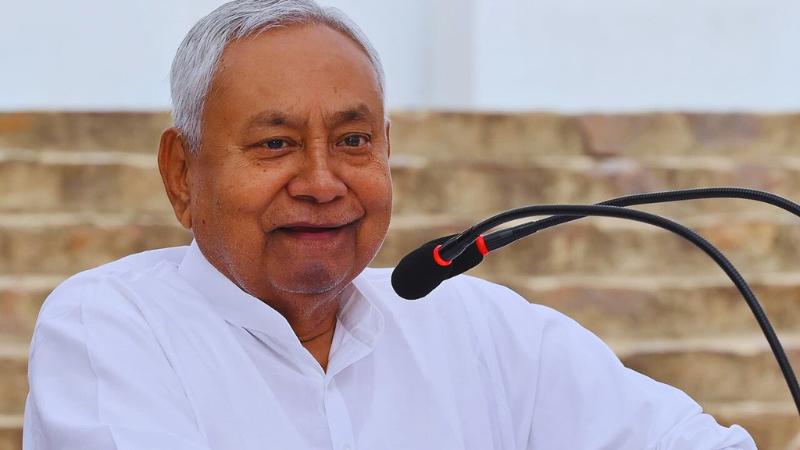
Bihar Chief Minister Nitish Kumar is set to resign from the state Legislative Council, marking a major turning point in Bihar’s political landscape. The move comes just weeks after his election to the Rajya Sabha and is expected to pave the way for his exit from the Chief Minister’s post. Sources within the party indicate that despite resistance from sections of the
Nitish Kumar Set to Resign After Rajya Sabha Win, Big Shift in Bihar Politics
Bihar Chief Minister Nitish Kumar is set to resign from the state Legislative Council, marking a major turning point in Bihar’s political landscape. The move comes just weeks after his election to the Rajya Sabha and is expected to pave the way for his exit from the Chief Minister’s post. Sources within the party indicate that despite resistance from sections of the
Bengali Actor Rahul Arunoday Banerjee Dies in Odisha Boating Tragedy
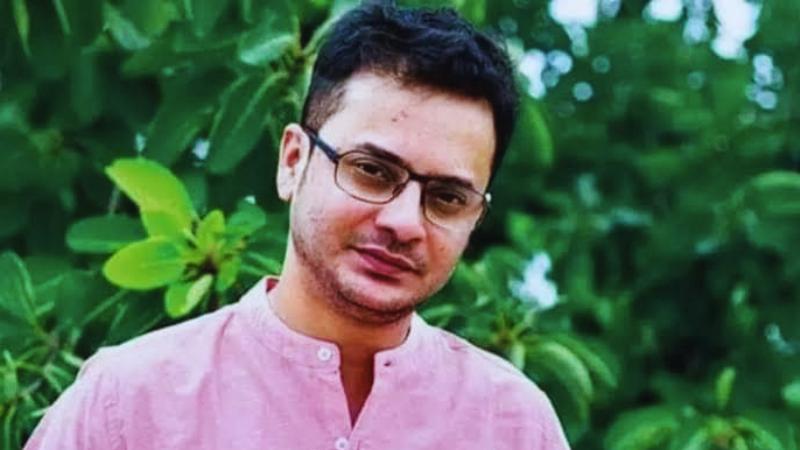
Renowned Bengali actor Rahul Arunoday Banerjee tragically passed away following a boating accident at Talsari beach in Odisha. The 42-year-old actor was reportedly in the region for a film shoot when the incident occurred, sending shockwaves across the Bengali film industry and his fan base. Acco
Bengali Actor Rahul Arunoday Banerjee Dies in Odisha Boating Tragedy
Renowned Bengali actor Rahul Arunoday Banerjee tragically passed away following a boating accident at Talsari beach in Odisha. The 42-year-old actor was reportedly in the region for a film shoot when the incident occurred, sending shockwaves across the Bengali film industry and his fan base. Acco
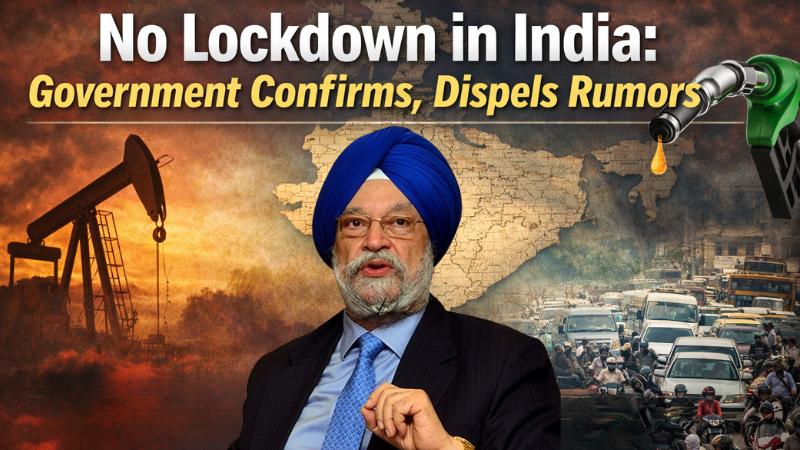
No Lockdown in India: Hardeep Puri Refutes Oil Crisis Rumors in Official Statement
The ongoing global energy crisis, fueled by the turmoil in Iran, has significantly impacted countries worldwide, leading to energy lockdowns. Nations like Australia, the Philippines, and Thailand have already implemented these lockdowns as a response to soaring petrol demand amidst dwindling supplies. Speculation surrounding the potential for a similar lockdown in India has stirred concern among citizens, especially in light of the country’s reliance on oil and gas imports. Howeve
No Lockdown in India: Hardeep Puri Refutes Oil Crisis Rumors in Official Statement
The ongoing global energy crisis, fueled by the turmoil in Iran, has significantly impacted countries worldwide, leading to energy lockdowns. Nations like Australia, the Philippines, and Thailand have already implemented these lockdowns as a response to soaring petrol demand amidst dwindling supplies. Speculation surrounding the potential for a similar lockdown in India has stirred concern among citizens, especially in light of the country’s reliance on oil and gas imports. Howeve
Rupee Hits Record Low as It Slips Past 94 Mark Against US Dollar Amid Global Tensions
The Indian rupee has slipped to a new record low, falling to 94.1575 per US dollar, surpassing its previous all-time low of 93.98 set earlier this week. The continued decline is being attributed to growing concerns over the ongoing conflict in the Middle East, which has placed significant pressure on global markets, including the Indian currency. Since the war broke out late last month, the rupee has weakened by about 3.5%, reflecting the heightened uncertainty in international mark
Rupee Hits Record Low as It Slips Past 94 Mark Against US Dollar Amid Global Tensions
The Indian rupee has slipped to a new record low, falling to 94.1575 per US dollar, surpassing its previous all-time low of 93.98 set earlier this week. The continued decline is being attributed to growing concerns over the ongoing conflict in the Middle East, which has placed significant pressure on global markets, including the Indian currency. Since the war broke out late last month, the rupee has weakened by about 3.5%, reflecting the heightened uncertainty in international mark
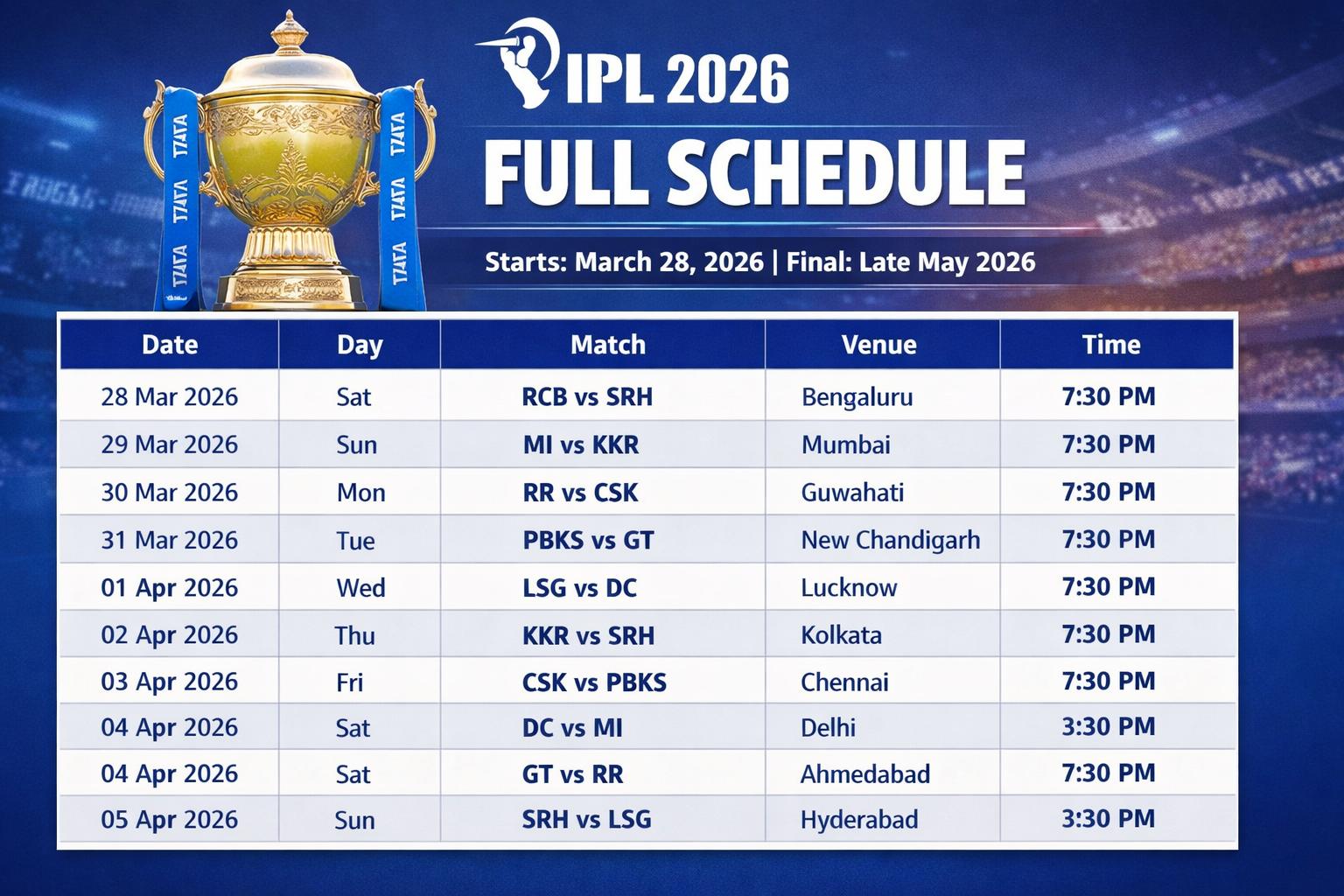
BCCI announces IPL 2026 full schedule with 13 venues across India
The Board of Control for Cricket in India has released the full schedule for the Indian Premier League 2026, with matches set to be played across 13 venues. The tournament will begin on March 28, 2026, with Royal Challengers Bengaluru facing Sunrisers Hyderabad in the opening match. The league stage will feature 70 matches, leading into the playoffs and final, which are scheduled to take place in late May 2026. The complete timetable, including all fixtures, venues, and match timin
BCCI announces IPL 2026 full schedule with 13 venues across India
The Board of Control for Cricket in India has released the full schedule for the Indian Premier League 2026, with matches set to be played across 13 venues. The tournament will begin on March 28, 2026, with Royal Challengers Bengaluru facing Sunrisers Hyderabad in the opening match. The league stage will feature 70 matches, leading into the playoffs and final, which are scheduled to take place in late May 2026. The complete timetable, including all fixtures, venues, and match timin
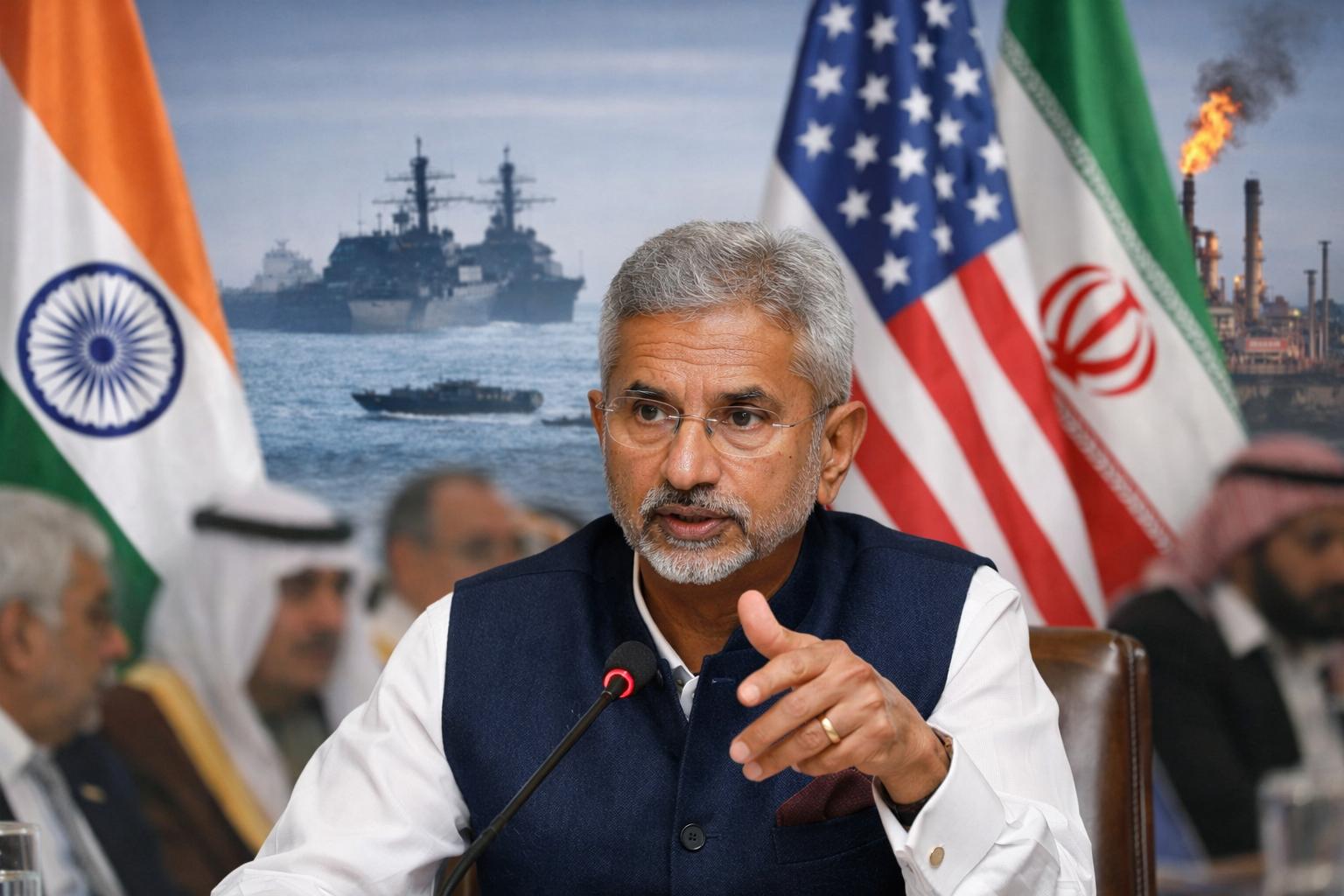
India rejects mediation role amid US-Iran tensions, Jaishankar clarifies stance
India has firmly ruled out any role as a mediator in the ongoing tensions between the United States and Iran, with External Affairs Minister S Jaishankar stating that New Delhi does not engage in diplomatic brokerage. His remarks came during an all-party meeting convened to brief political leaders on the government’s approach to the escalating West Asia crisis and its implications for India’s strategic interests. Addressing concerns raised by opposition leaders, Jaishankar clarified that India’s foreign policy is guided by its national priorities rather than intermediary roles. He noted that attempts by countries such as Pakistan to position themselves as mediators are not new, adding that such efforts have historically aligned with external interests. Government sources emphasized that India has been actively responding to developments in the region and rejected claims that it has remained silent. The meeting also focused on India’s preparedness in ensuring energy security and safeguarding its citizens in the Gulf region. Officials highlighted that maintaining stable crude oil supplies remains a key priority, particularly as tensions threaten critical shipping routes such as the Strait of Hormuz. The government informed leaders that advance procurement measures have been taken and that India is currently sourcing oil and gas from a diversified network of 41 countries to mitigate risks. Participants were also briefed on maritime developments, including the safe passage of several India-bound vessels carrying petroleum products through the Strait of Hormuz, while others remain in the vicinity awaiting clearance. The government described these developments as a reflection of effective coordination and diplomatic engagement. On diplomatic outreach, the government reiterated that India maintains balanced relations with all major stakeholders in the region, including the United States, Iran, and Israel. It also underscored steps taken to convey condolences following recent developments in Iran, indicating continued engagement at the diplomatic level. Despite these assurances, opposition leaders expressed dissatisfaction with the government’s responses and called for a detailed discussion in Parliament. The government, however, maintained that the situation is under control and there is no immediate cause for concern, reiterating its commitment to protecting national interests amid evolving geopolitical challenges.
India rejects mediation role amid US-Iran tensions, Jaishankar clarifies stance
India has firmly ruled out any role as a mediator in the ongoing tensions between the United States and Iran, with External Affairs Minister S Jaishankar stating that New Delhi does not engage in diplomatic brokerage. His remarks came during an all-party meeting convened to brief political leaders on the government’s approach to the escalating West Asia crisis and its implications for India’s strategic interests. Addressing concerns raised by opposition leaders, Jaishankar clarified that India’s foreign policy is guided by its national priorities rather than intermediary roles. He noted that attempts by countries such as Pakistan to position themselves as mediators are not new, adding that such efforts have historically aligned with external interests. Government sources emphasized that India has been actively responding to developments in the region and rejected claims that it has remained silent. The meeting also focused on India’s preparedness in ensuring energy security and safeguarding its citizens in the Gulf region. Officials highlighted that maintaining stable crude oil supplies remains a key priority, particularly as tensions threaten critical shipping routes such as the Strait of Hormuz. The government informed leaders that advance procurement measures have been taken and that India is currently sourcing oil and gas from a diversified network of 41 countries to mitigate risks. Participants were also briefed on maritime developments, including the safe passage of several India-bound vessels carrying petroleum products through the Strait of Hormuz, while others remain in the vicinity awaiting clearance. The government described these developments as a reflection of effective coordination and diplomatic engagement. On diplomatic outreach, the government reiterated that India maintains balanced relations with all major stakeholders in the region, including the United States, Iran, and Israel. It also underscored steps taken to convey condolences following recent developments in Iran, indicating continued engagement at the diplomatic level. Despite these assurances, opposition leaders expressed dissatisfaction with the government’s responses and called for a detailed discussion in Parliament. The government, however, maintained that the situation is under control and there is no immediate cause for concern, reiterating its commitment to protecting national interests amid evolving geopolitical challenges.
Supreme Court of India rules conversion ends Scheduled Caste status
The Supreme Court of India, in a significant judgment delivered on March 24, 2026, has reaffirmed that individuals who convert to religions other than Hinduism, Sikhism, or Buddhism cannot retain or claim Scheduled Caste status under the law. The ruling reinforces the constitutional framework governing caste-based reservations and legal protections in India. The verdict came in an appeal challenging an earlier decision of the Andhra Pradesh High Court, which had quashed criminal proceedings filed under the Scheduled Castes and Scheduled Tribes (Prevention of Atrocities) Act. The complainant, who was born into a Scheduled Caste but had converted to Christianity and was functioning as a pastor, had alleged caste-based abuse and assault. However, the court held that his conversion disentitled him from invoking protections meant specifically for Scheduled Castes. A bench of the Supreme Court observed that the Constitution (Scheduled Castes) Order, 1950, clearly restricts Scheduled Caste recognition to persons professing Hinduism, Sikhism, or Buddhism. The court described this restriction as categorical, stating that conversion to any other religion results in the immediate and complete loss of Scheduled Caste status, regardless of birth. The court further clarified that a person cannot simultaneously profess a religion outside the specified categories and claim Scheduled Caste identity for statutory benefits. It emphasized that such positions are mutually exclusive within the constitutional scheme, and no statutory protection or reservation can be extended once a person ceases to fall within the legally defined category. In its interpretation, the court also highlighted that the term “profess” implies a public declaration and active practice of a religion. This interpretation played a key role in assessing the individual’s eligibility, particularly in cases where religious identity is visibly demonstrated through roles such as clergy or religious leadership. The judgment is expected to have wide-ranging implications for individuals who convert to religions outside the constitutionally recognised framework while seeking benefits or protections linked to Scheduled Caste status. While the ruling reinforces existing legal provisions, it also brings renewed attention to ongoing debates about caste discrimination and its persistence beyond religious boundaries.
Supreme Court of India rules conversion ends Scheduled Caste status
The Supreme Court of India, in a significant judgment delivered on March 24, 2026, has reaffirmed that individuals who convert to religions other than Hinduism, Sikhism, or Buddhism cannot retain or claim Scheduled Caste status under the law. The ruling reinforces the constitutional framework governing caste-based reservations and legal protections in India. The verdict came in an appeal challenging an earlier decision of the Andhra Pradesh High Court, which had quashed criminal proceedings filed under the Scheduled Castes and Scheduled Tribes (Prevention of Atrocities) Act. The complainant, who was born into a Scheduled Caste but had converted to Christianity and was functioning as a pastor, had alleged caste-based abuse and assault. However, the court held that his conversion disentitled him from invoking protections meant specifically for Scheduled Castes. A bench of the Supreme Court observed that the Constitution (Scheduled Castes) Order, 1950, clearly restricts Scheduled Caste recognition to persons professing Hinduism, Sikhism, or Buddhism. The court described this restriction as categorical, stating that conversion to any other religion results in the immediate and complete loss of Scheduled Caste status, regardless of birth. The court further clarified that a person cannot simultaneously profess a religion outside the specified categories and claim Scheduled Caste identity for statutory benefits. It emphasized that such positions are mutually exclusive within the constitutional scheme, and no statutory protection or reservation can be extended once a person ceases to fall within the legally defined category. In its interpretation, the court also highlighted that the term “profess” implies a public declaration and active practice of a religion. This interpretation played a key role in assessing the individual’s eligibility, particularly in cases where religious identity is visibly demonstrated through roles such as clergy or religious leadership. The judgment is expected to have wide-ranging implications for individuals who convert to religions outside the constitutionally recognised framework while seeking benefits or protections linked to Scheduled Caste status. While the ruling reinforces existing legal provisions, it also brings renewed attention to ongoing debates about caste discrimination and its persistence beyond religious boundaries.
Indian-origin Texas judge KP George convicted in money laundering case
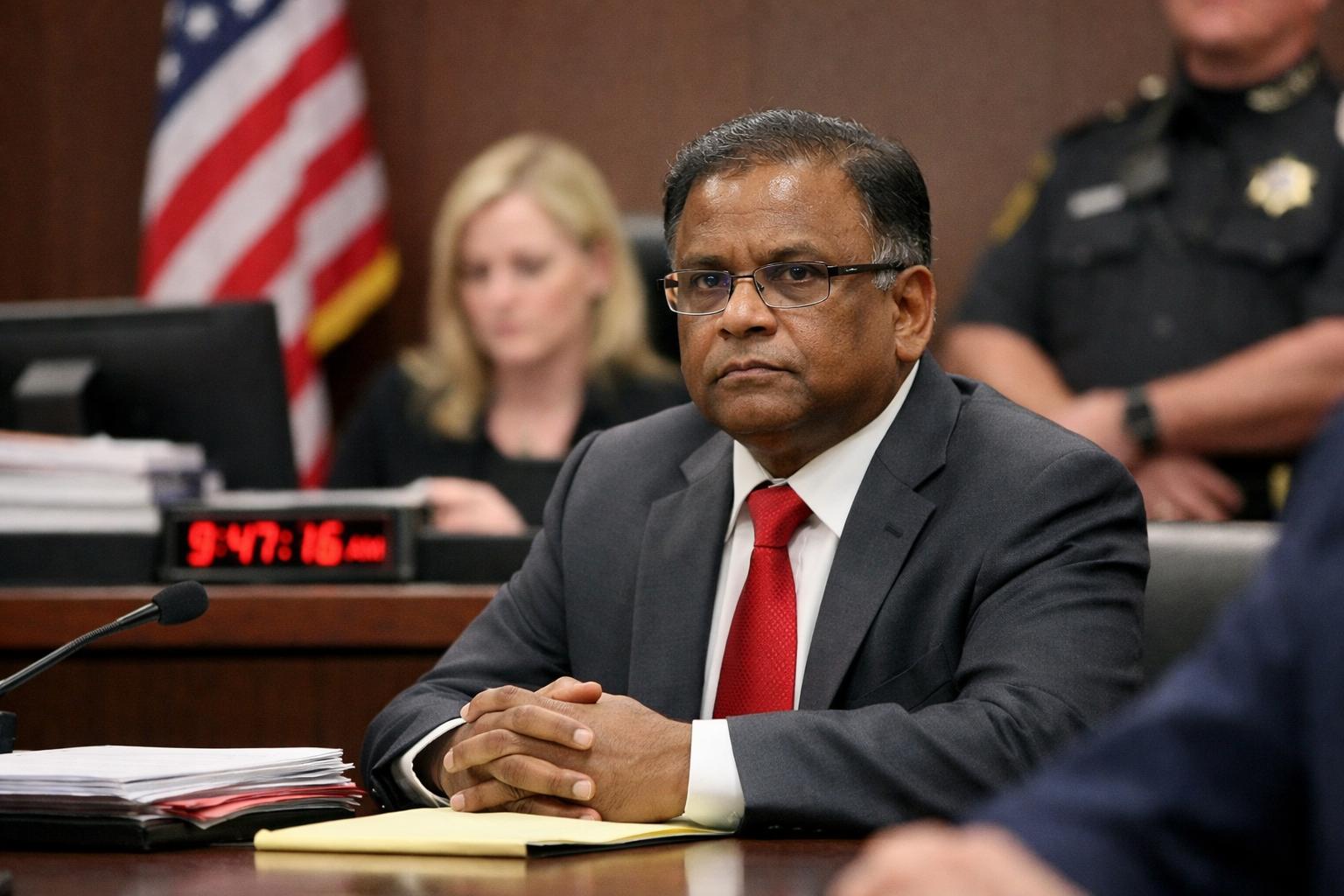
A county judge in Texas has been found guilty on two counts of money laundering, marking a major development in a high-profile campaign finance case. KP George, the first Indian-origin judge in Fort Bend County, was convicted of third-degree felony charges and now faces up to 10 years in prison. He is expected to be removed from office following his sentencing. The case traces back to financial activities between 2019 and 2022, when George was actively raising and managing campaign
Indian-origin Texas judge KP George convicted in money laundering case
A county judge in Texas has been found guilty on two counts of money laundering, marking a major development in a high-profile campaign finance case. KP George, the first Indian-origin judge in Fort Bend County, was convicted of third-degree felony charges and now faces up to 10 years in prison. He is expected to be removed from office following his sentencing. The case traces back to financial activities between 2019 and 2022, when George was actively raising and managing campaign
Sonia Gandhi Hospitalized in Delhi’s Sir Ganga Ram Hospital After Feeling Unwell
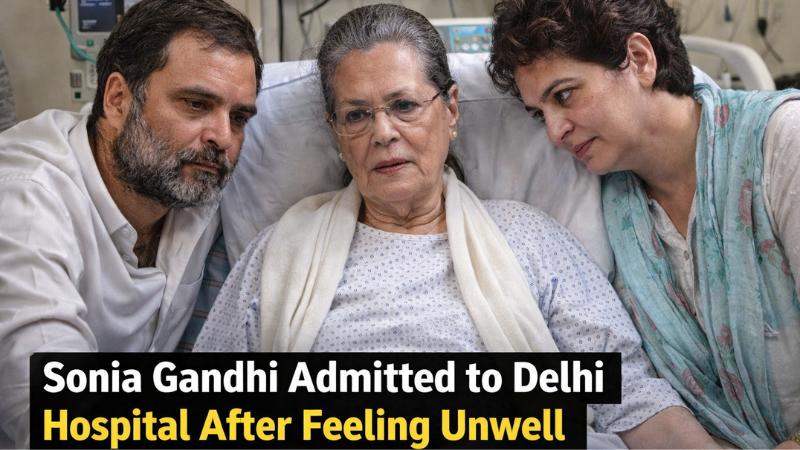
Sonia Gandhi, the senior Congress leader, was admitted to Sir Ganga Ram Hospital in Delhi after feeling unwell, according to sources on March 25, 2026. Both of her children, Rahul Gandhi and Priyanka Gandhi Vadra, were by her side at the hospital, although Rahul left after a while. The exact cause of her hospitalization has not been clarified yet. This hospitalization follows an earlier instance in January 2026, when Sonia Gandhi was admitted to the same hospital due to respiratory
Sonia Gandhi Hospitalized in Delhi’s Sir Ganga Ram Hospital After Feeling Unwell
Sonia Gandhi, the senior Congress leader, was admitted to Sir Ganga Ram Hospital in Delhi after feeling unwell, according to sources on March 25, 2026. Both of her children, Rahul Gandhi and Priyanka Gandhi Vadra, were by her side at the hospital, although Rahul left after a while. The exact cause of her hospitalization has not been clarified yet. This hospitalization follows an earlier instance in January 2026, when Sonia Gandhi was admitted to the same hospital due to respiratory
Women Reservation Act May Expand Lok Sabha To 816 Seats 273 Reserved
The central government is preparing to implement the Women’s Reservation Act, a major reform aimed at increasing female representation in Indian politics. According to sources, the rollout may be based on the 2011 census, potentially bypassing delays linked to fresh census and delimitation processes.
Women Reservation Act May Expand Lok Sabha To 816 Seats 273 Reserved
The central government is preparing to implement the Women’s Reservation Act, a major reform aimed at increasing female representation in Indian politics. According to sources, the rollout may be based on the 2011 census, potentially bypassing delays linked to fresh census and delimitation processes.
Ugadi 2026: Celebrate New Beginnings with Traditions
Ugadi, the Hindu New Year festival, will be celebrated on Thursday, March 19, 2026. This auspicious day, falling during the Chaitra month of the Hindu lunar calendar, marks the arrival of the spring season and the beginning of the harvest period. Celebrated with immense enthusiasm and devotion, particularly in Karnataka, Ugadi is a time for renewal, spiritual growth, and emotional well-being. Ugadi Timings (I
Ugadi 2026: Celebrate New Beginnings with Traditions
Ugadi, the Hindu New Year festival, will be celebrated on Thursday, March 19, 2026. This auspicious day, falling during the Chaitra month of the Hindu lunar calendar, marks the arrival of the spring season and the beginning of the harvest period. Celebrated with immense enthusiasm and devotion, particularly in Karnataka, Ugadi is a time for renewal, spiritual growth, and emotional well-being. Ugadi Timings (I
Indian student found dead in Pittsburgh after going missing, investigation underway
Incidents involving Indian students going missing in the United States have raised growing concern in recent months, with several tragic cases reported across different states. In the latest development, a 17-year-old Indian-origin student, Gautam Raja Rajanikanth, was found dead in Pennsylvania after being reported missing over the weekend, prompting an ongoing investigation by local authorities. Gautam, who was pursuing his 11th grade education in Pittsburgh’s South Fayette area, was last seen on Saturday. According to preliminary information, he became unreachable shortly thereafter, leading his family to file a missing person complaint with the South Fayette Police Department. Authorities initiated a search operation soon after receiving the report, focusing on locating the teenager and determining his whereabouts. Following an extensive search effort, officials confirmed that Gautam’s body was recovered on Monday. While the discovery has brought some closure to the search, the exact circumstances surrounding his death remain unclear. Police have not yet disclosed the cause of death and stated that the investigation is ongoing, with further details expected pending official findings. The sudden loss has deeply affected Gautam’s family, friends, and the wider Indian diaspora community. The case has once again highlighted concerns regarding the safety and well-being of international students in the United States, especially amid a series of similar incidents reported in recent times. Authorities have urged the public to refrain from speculation as the investigation continues. More information is expected to be released as officials complete their inquiries into the tragic incident.
Indian student found dead in Pittsburgh after going missing, investigation underway
Incidents involving Indian students going missing in the United States have raised growing concern in recent months, with several tragic cases reported across different states. In the latest development, a 17-year-old Indian-origin student, Gautam Raja Rajanikanth, was found dead in Pennsylvania after being reported missing over the weekend, prompting an ongoing investigation by local authorities. Gautam, who was pursuing his 11th grade education in Pittsburgh’s South Fayette area, was last seen on Saturday. According to preliminary information, he became unreachable shortly thereafter, leading his family to file a missing person complaint with the South Fayette Police Department. Authorities initiated a search operation soon after receiving the report, focusing on locating the teenager and determining his whereabouts. Following an extensive search effort, officials confirmed that Gautam’s body was recovered on Monday. While the discovery has brought some closure to the search, the exact circumstances surrounding his death remain unclear. Police have not yet disclosed the cause of death and stated that the investigation is ongoing, with further details expected pending official findings. The sudden loss has deeply affected Gautam’s family, friends, and the wider Indian diaspora community. The case has once again highlighted concerns regarding the safety and well-being of international students in the United States, especially amid a series of similar incidents reported in recent times. Authorities have urged the public to refrain from speculation as the investigation continues. More information is expected to be released as officials complete their inquiries into the tragic incident.
Canada expands education and workforce partnerships with India through college mission
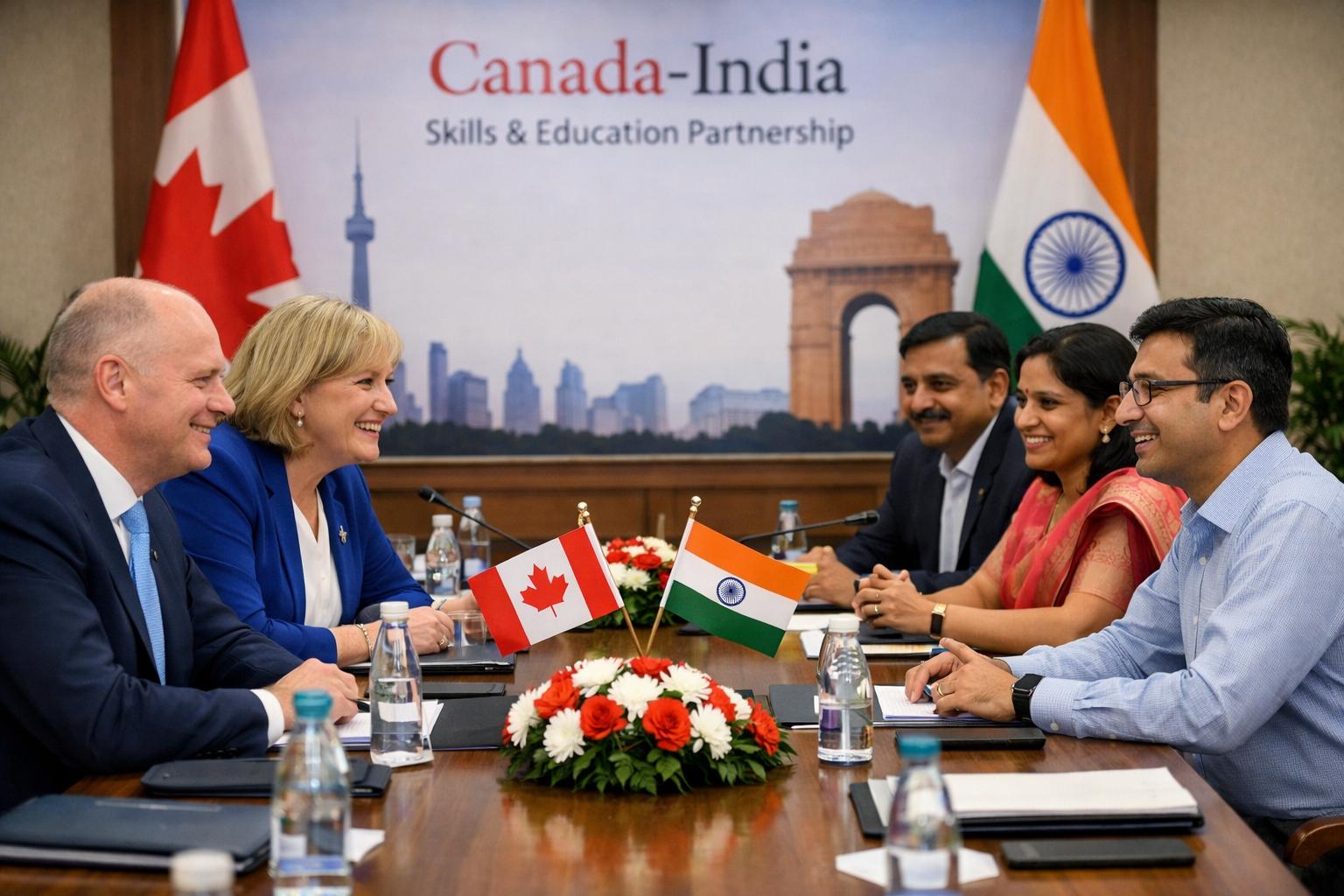
Canadian colleges and polytechnics are intensifying efforts to strengthen skills training and education partnerships with India as both countries seek to deepen collaboration in workforce development and higher education. A delegation of college and polytechnic presidents, organized by Colleges and Institutes Canada (CICan), began a five-day visit to India on March 16, 2026, with scheduled engagements in New Delhi, Bengaluru, and Mumbai. CICan represents 127 public colleges and institutes ac
Canada expands education and workforce partnerships with India through college mission
Canadian colleges and polytechnics are intensifying efforts to strengthen skills training and education partnerships with India as both countries seek to deepen collaboration in workforce development and higher education. A delegation of college and polytechnic presidents, organized by Colleges and Institutes Canada (CICan), began a five-day visit to India on March 16, 2026, with scheduled engagements in New Delhi, Bengaluru, and Mumbai. CICan represents 127 public colleges and institutes ac
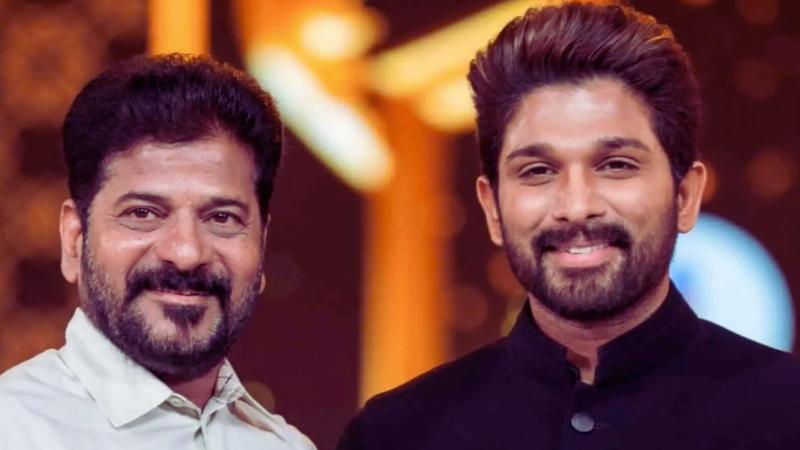
Revanth Reddy’s Vision for a Global Telugu Film Industry: Allu Arjun to Lead the Charge
During the inauguration of Allu Cinemas in Hyderabad, Telangana Chief Minister Revan
Revanth Reddy’s Vision for a Global Telugu Film Industry: Allu Arjun to Lead the Charge
During the inauguration of Allu Cinemas in Hyderabad, Telangana Chief Minister Revan


