





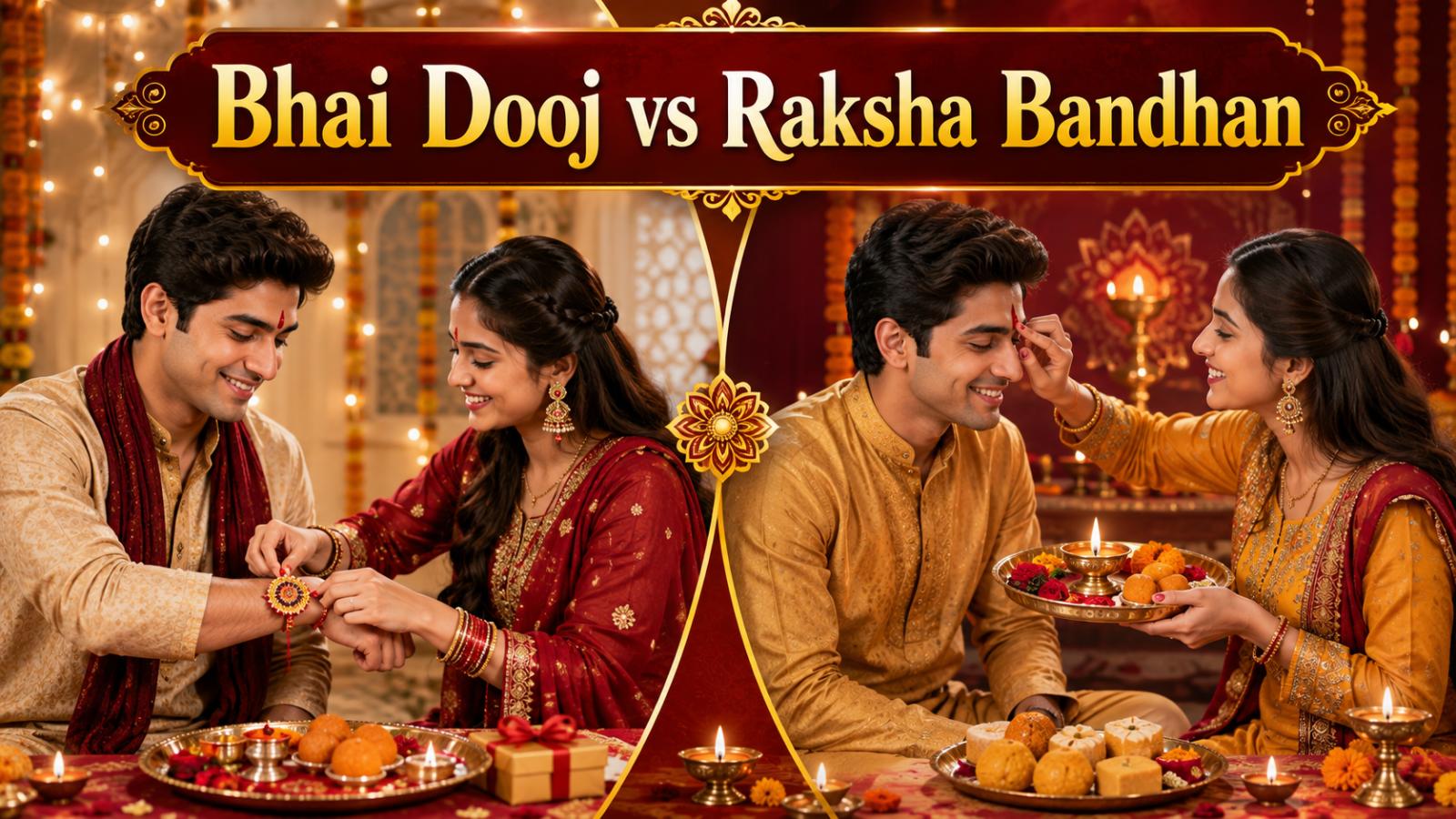










Bhai Dooj vs Raksha Bandhan Differences: Rituals and Meaning Raksha Bandhan and Bhai Dooj celebrate the bond between brothers and sisters, but they are not the same festival. Bhai Dooj vs Raksha Bandhan differences can be seen in their rites, dates, myths, meaning and customs. One centers on tying a rakhi, while the other is marked by a sacred tilak and prayers for a brother’s well-being. Rites
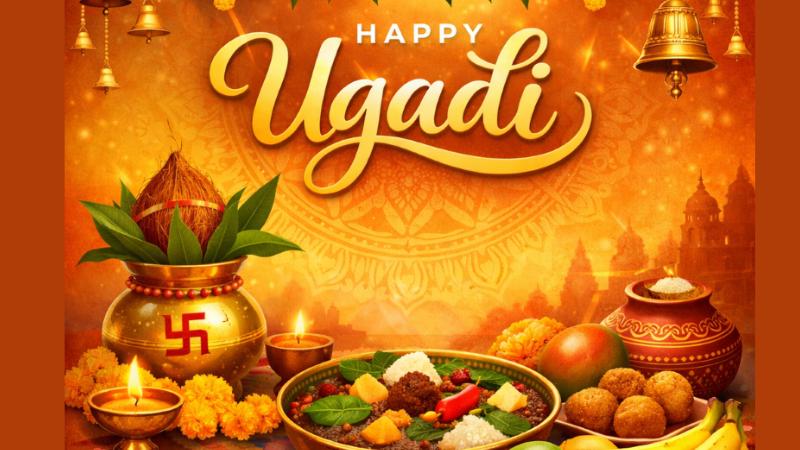
Ugadi, the Hindu New Year festival, will be celebrated on Thursday, March 19, 2026. This auspicious day, falling during the Chaitra month of the Hindu lunar calendar, marks the arrival of the spring season and the beginning of the harvest period. Celebrated with immense enthusiasm and devotion, particularly in Karnataka, Ugadi is a time for renewal, spiritual growth, and emotional well-being. Ugadi Timings (I
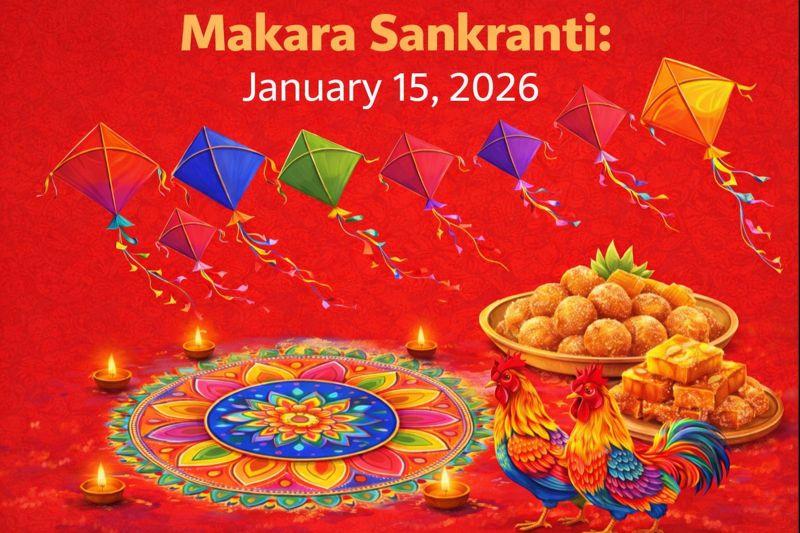
Makara Sankranti is one of the most auspicious and widely celebrated festivals in India. Observed every year in mid-January, the festival marks the transition of the Sun into Makara Rashi (Capricorn), beginning the Sun’s northward journey known as Uttarayana. In 2026, Makara Sankranti will be celebrated on Thursday January 15 across most parts of India. Unlike many Hindu festivals that follow the lunar calendar, Makara Sankranti is based on the solar calendar
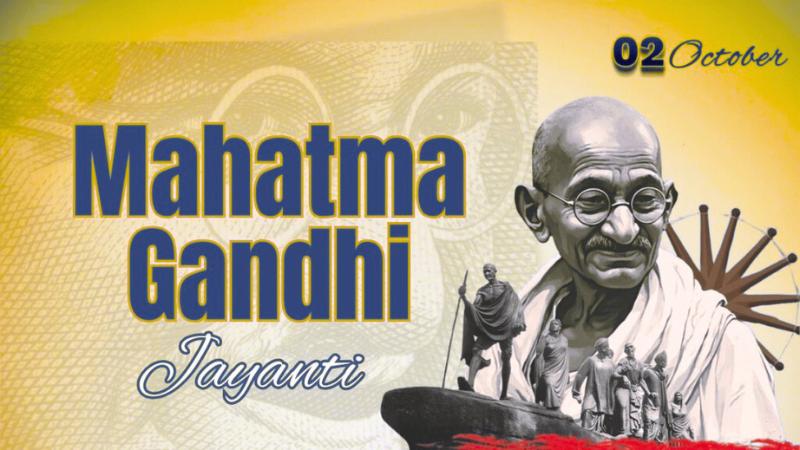
Every year on October 2, India and the world unite to celebrate Gandhi Jayanti, the birth anniversary of Mohandas Karamchand Gandhi, fondly called Bapu. In 2025, this day becomes even more special as it marks the 156th anniversary of the Father of the Nation. Gandhi Jayanti is not just a national holiday in India but also globally recognized as the International Day of Non-Violence, highlighting the universal appeal of Gandhi’s message of peace and trut
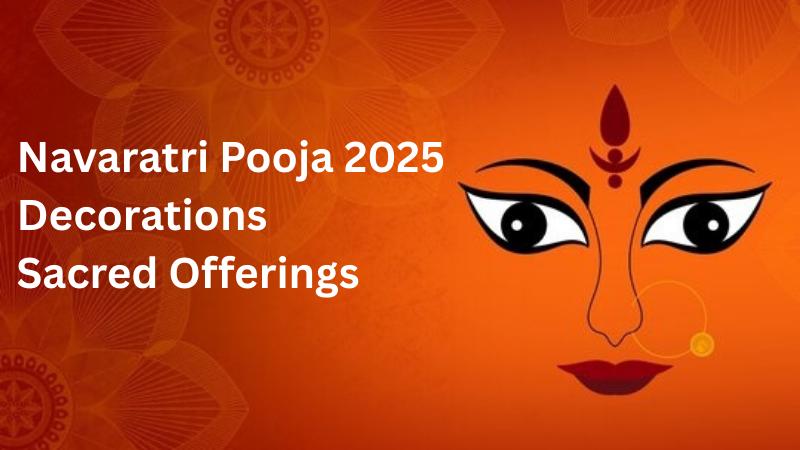
Navaratri 2025 will be celebrated from September 22 to October 1, with Vijayadashami on October 2. Dedicated to Goddess Durga and her nine divine forms, Navaratri is one of the most auspicious festivals in India. Every day of Navaratri is marked by a specific goddess, symbolic color, unique alankaram, meaningful pooja, and prasadam offered to devotees. The prasadam, considered as the blessings of the goddess, plays a vital role in connecting faith with food. Be
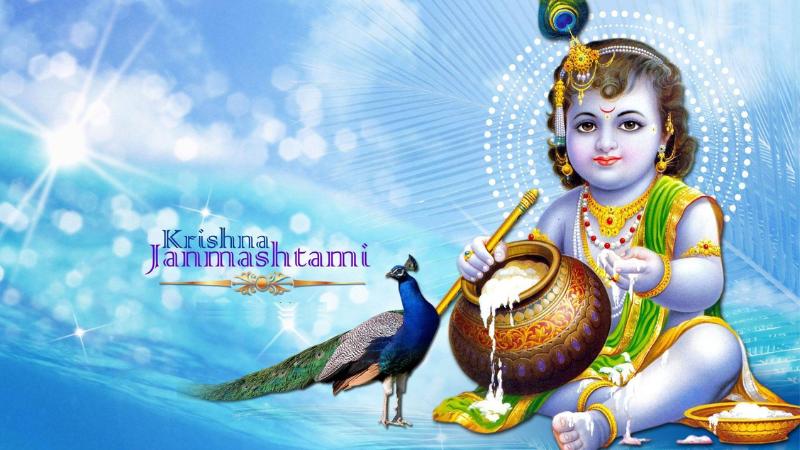
Krishna Janmashtami, one of the most celebrated festivals in India, marks the divine birth of Lord Krishna, the eighth incarnation of Lord Vishnu. In 2025, this sacred occasion will be observed on Friday, 15 August 2025, with great devotion and joy across the nation. The day honors the birth of Lord Krishna, who was born to Devaki and Vasudeva in Mathura, and this year marks his 5,252nd birth anniversary. Imp
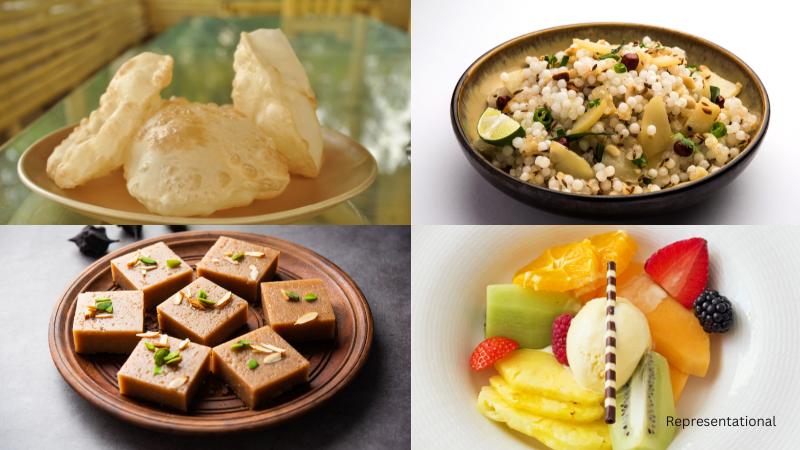
Navratri is one of the most widely celebrated festivals in India, known for its religious significance and vibrant cultural festivities. It is a time of devotion, fasting, and prayer to honor the nine forms of Goddess Durga. During this time, many devotees fast, observing specific dietary restrictions to purify the body and mind. However, fasting doesn’t mean sacrificing flavor or nutrition. In fact, Navratri fasting foods can be as delicious and health
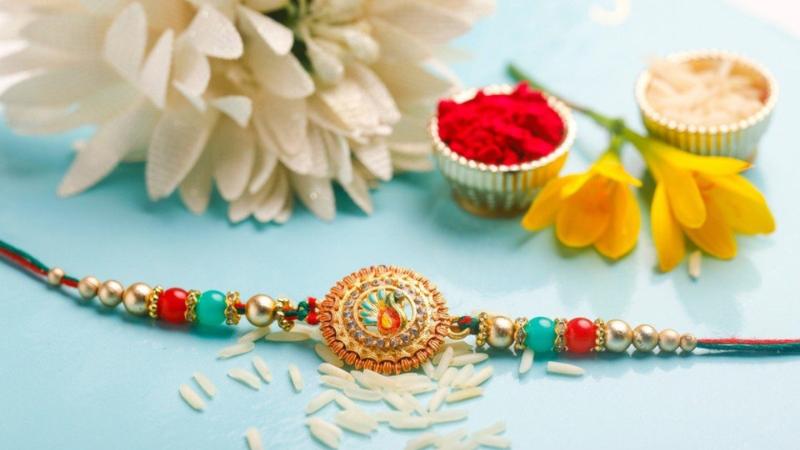
Festival Date and Timing: Raksha Bandhan 2025 will be celebrated on Saturday, August 9, 2025. The Purnima Tithi (Full Moon Day) of the Shravana month will begin on August 8, 2025, at 2:12 PM and end on August 9, 2025, at 1:24 PM. The ideal time to perform Rakhi rituals is between 5:47 AM and 1:24 PM on August 9
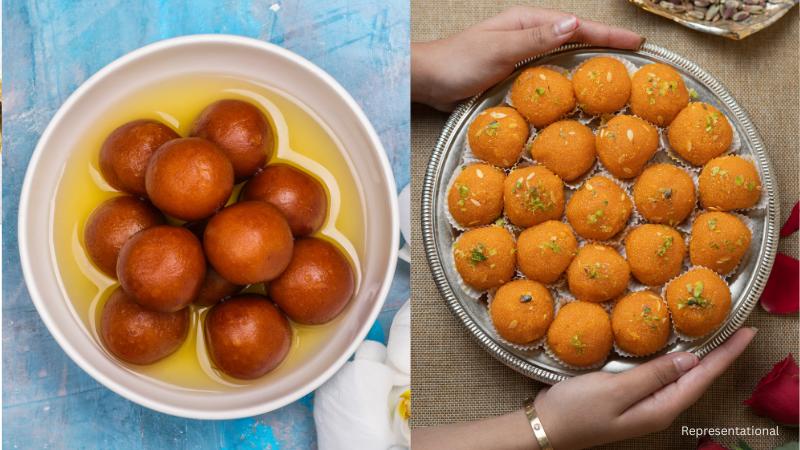
Indian festivals are a grand celebration of culture, tradition, and food. The joy of gathering with family and friends is often enhanced by a delicious spread of special dishes that are prepared for every occasion. Whether it's the festive fervor of Diwali, the vibrancy of Holi, the devotion of Navratri, or the sacred observances of Eid, every Indian festival is marked by mouth-watering dishes that are as rich in flavor as they are in tradition.
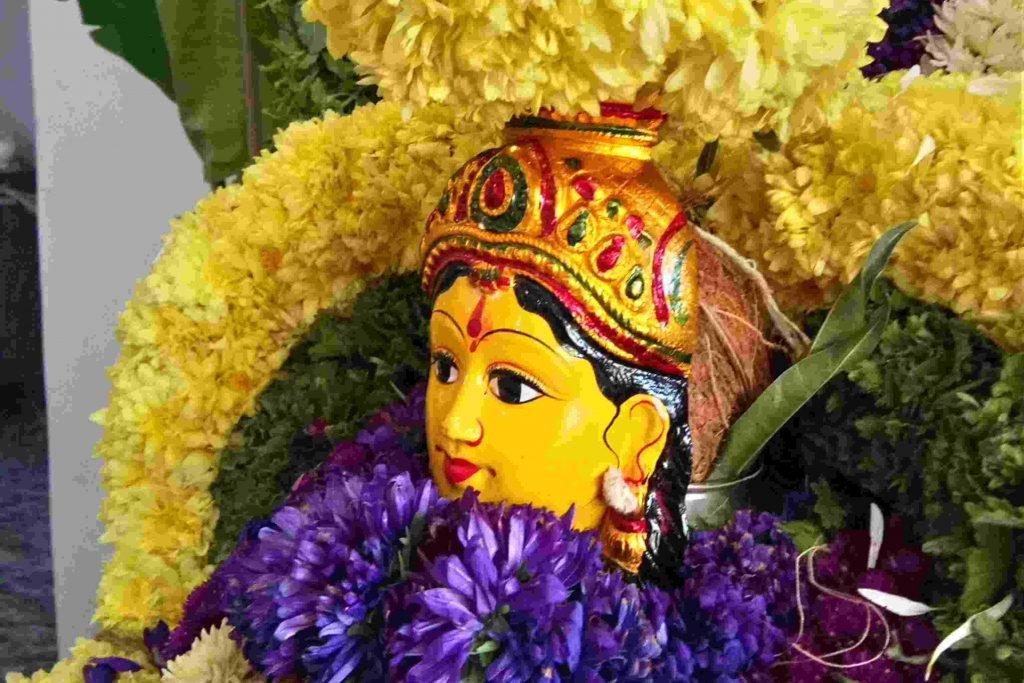
Introduction Mangala Gouri Vrata is one of the most sacred vratas observed by married Hindu women, particularly in South Indian states like Karnataka, Andhra Pradesh, Tamil Nadu, and Maharashtra. This vrata is dedicated to Goddess Gauri, a benevolent form of Parvati Devi, and is performed to ensure the well-being, long life, and prosperity of one’s husband and household. The vrata is traditionally observed on all Tuesdays (Mangala-var) in the Shravan month—