






#indianheritage

BRICS Delhi Cultural Tour Showcases India’s Heritage
New Delhi is preparing a carefully planned cultural programme for the spouses and family members accompanying BRICS leaders, combining India’s political heritage, traditional crafts, modern art and hospitality. The BRICS Delhi cultural tour will run alongside summit-related engagements as India hosts the BRICS Leaders’ Summit in New Delhi on September 12 and 13, 2026. The programme is expected to take visiting family members beyond the
BRICS Delhi Cultural Tour Showcases India’s Heritage
New Delhi is preparing a carefully planned cultural programme for the spouses and family members accompanying BRICS leaders, combining India’s political heritage, traditional crafts, modern art and hospitality. The BRICS Delhi cultural tour will run alongside summit-related engagements as India hosts the BRICS Leaders’ Summit in New Delhi on September 12 and 13, 2026. The programme is expected to take visiting family members beyond the
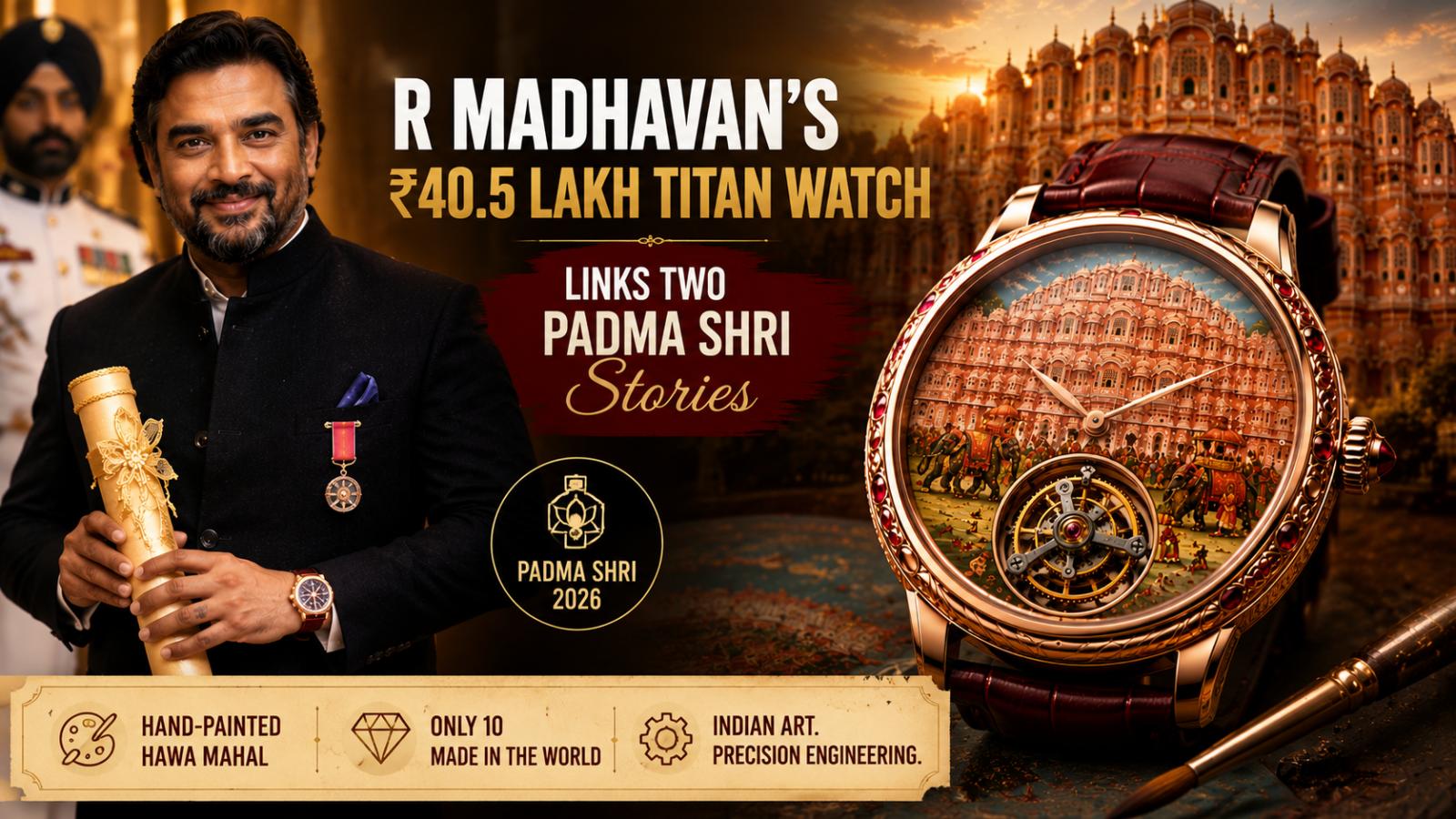
R Madhavan Titan Watch Links Two Padma Shri Stories at ₹40.5 Lakh
The R Madhavan Titan watch worn during his Padma Shri ceremony was more than an expensive accessory. Priced at ₹40.5 lakh, or 4.05 million rupees, the rare timepiece brought Indian miniature art, Jaipur’s architectural heritage and advanced mechanical watchmaking together on one dial. President Droupadi Murmu presented Madhavan with the Padma Shri at Rashtrapati Bhavan in New Delhi on Tuesday, June 23, 2026. The Padma Shri is one of India’s highest civilian ho
R Madhavan Titan Watch Links Two Padma Shri Stories at ₹40.5 Lakh
The R Madhavan Titan watch worn during his Padma Shri ceremony was more than an expensive accessory. Priced at ₹40.5 lakh, or 4.05 million rupees, the rare timepiece brought Indian miniature art, Jaipur’s architectural heritage and advanced mechanical watchmaking together on one dial. President Droupadi Murmu presented Madhavan with the Padma Shri at Rashtrapati Bhavan in New Delhi on Tuesday, June 23, 2026. The Padma Shri is one of India’s highest civilian ho
Leiden Copper Plates Return To India: Chola History, Land Grants And Heritage Recovery Explained
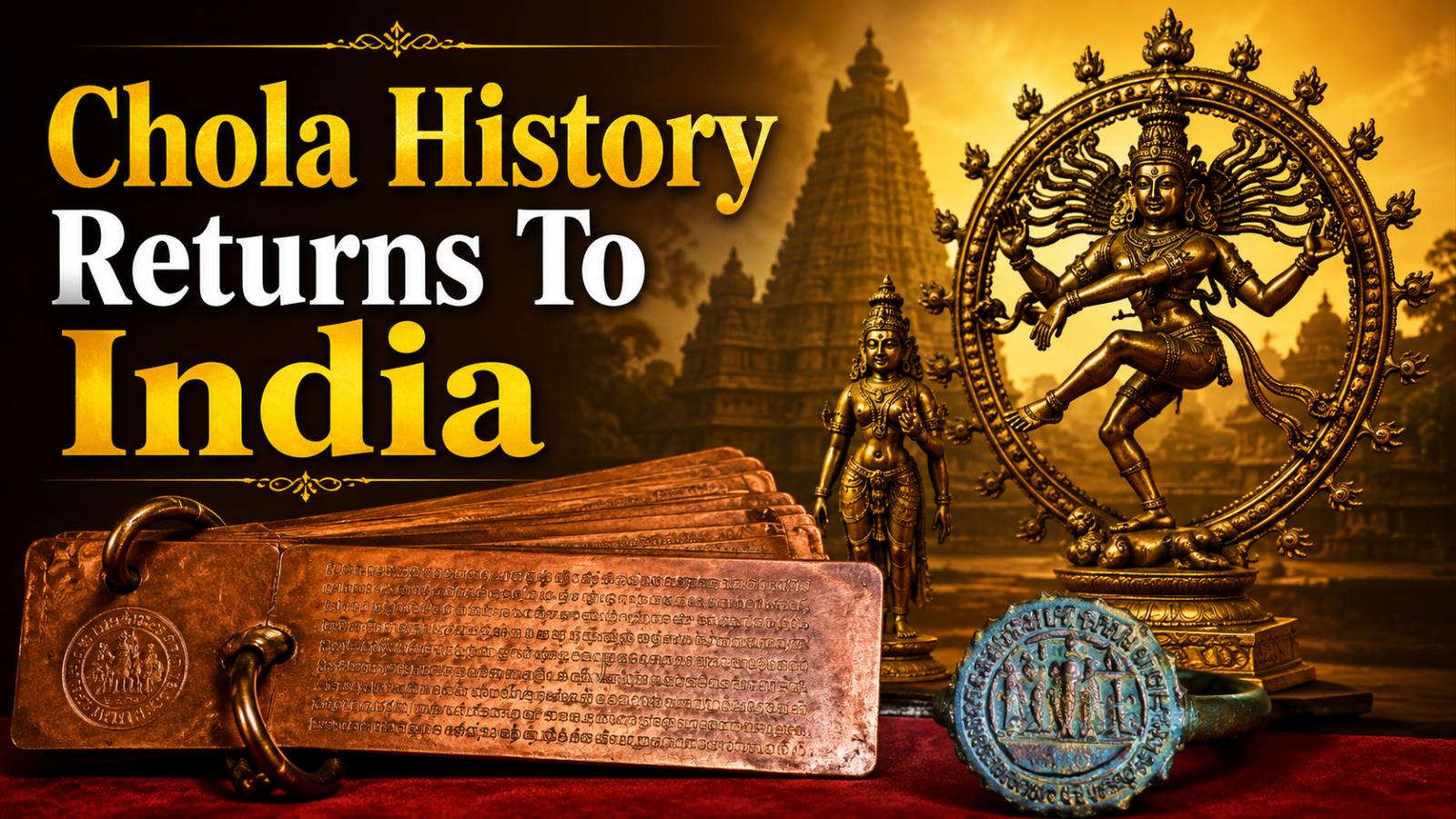
Chola Heritage And India’s Recovery Efforts The return of the Leiden copper plates to India has once again brought attention to the extraordinary legacy of the Chola Empire. These plates, also known as the Anaimangalam copper plates, are among the most important written records of Chola history. They are not just inscriptions on metal, but valuable documents that reveal how the Cholas governed, recorded land grants and maint
Leiden Copper Plates Return To India: Chola History, Land Grants And Heritage Recovery Explained
Chola Heritage And India’s Recovery Efforts The return of the Leiden copper plates to India has once again brought attention to the extraordinary legacy of the Chola Empire. These plates, also known as the Anaimangalam copper plates, are among the most important written records of Chola history. They are not just inscriptions on metal, but valuable documents that reveal how the Cholas governed, recorded land grants and maint
PM Narendra Modi Gifts Indian Heritage To World Leaders On Five-Nation Tour
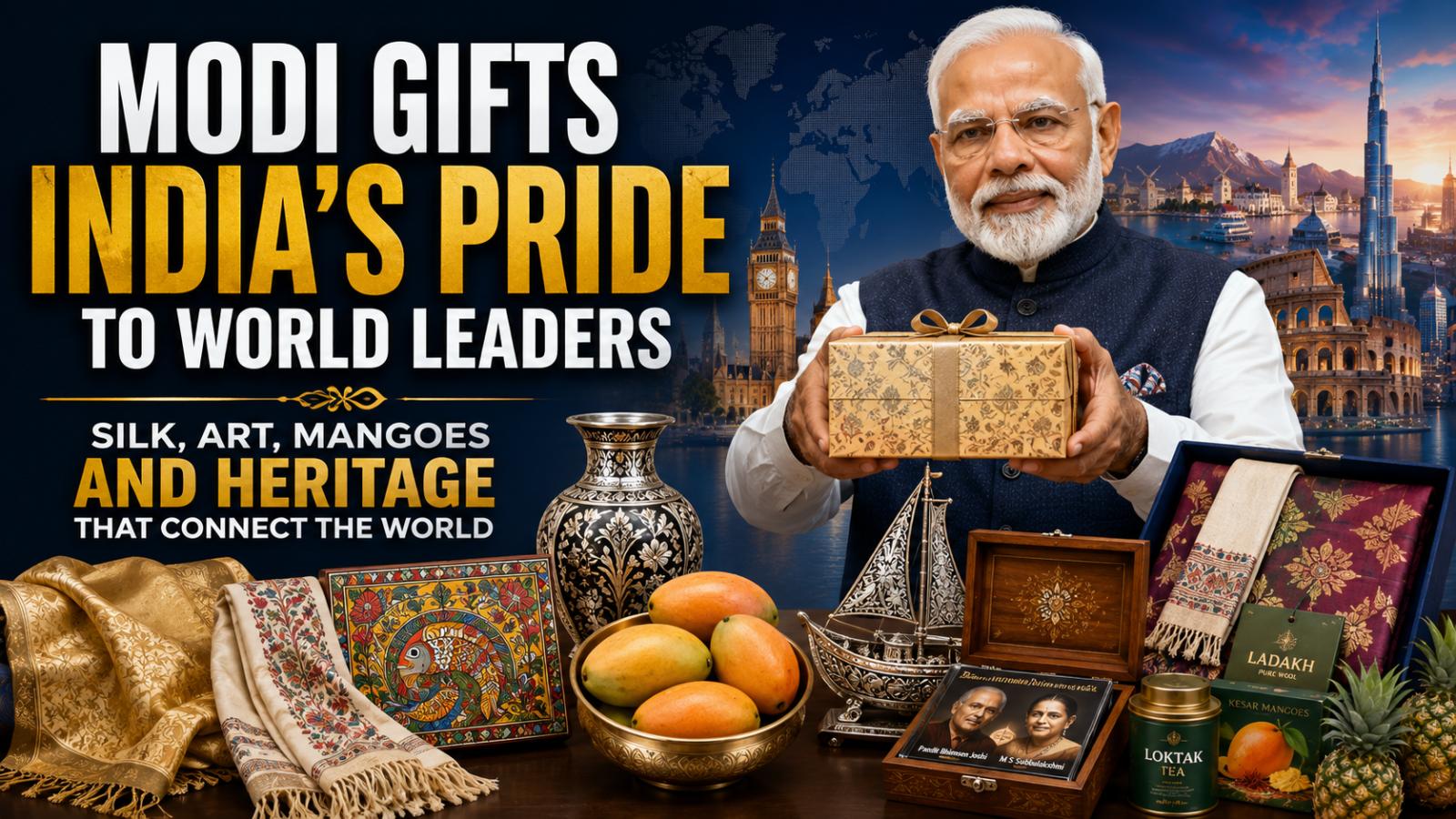
May 22, 2026 Prime Minister Narendra Modi’s five-nation tour highlighted India’s cultural diplomacy through gifts such as Muga silk, Ladakhi wool, Kesar mangoes, Madhubani art, Bidri work and regional rice varieties. Prime Minister Narendra Modi’s recently concluded five-nation tour was not just about diplomacy and high-level meetings. It also became a carefully curated showcase of India’s cultural diversity, traditional craftsmanship and regional pride. During his visit to the United Arab Emirates, the Netherlands, Sweden, Norway and Italy, Modi presented world leaders with gifts that reflected India’s textiles, art forms, agricultural heritage and spiritual traditions. The gifts were chosen not merely as ceremonial items but as cultural messages. From Assam’s golden Muga silk to Rajasthan’s Madhubani painting, from Ladakh’s pure wool stole to Gujarat’s Kesar mangoes, each item carried a story of Indian identity. The selection also appeared to match the recipient country’s cultural background, creating a bridge between Indian traditions and the heritage of the host nations. Indian textiles and art take centre stage Italian Prime Minister Giorgia Meloni received a Muga silk stole, one of Assam’s most prestigious textiles. Known as the golden silk of Assam, Muga silk is valued for its natural golden sheen, durability and understated elegance. The gift was seen as a meaningful cultural connection with Italy, a country famous for luxury textiles, fashion and refined design. Meloni was also given a packet of Melody toffees, a lighter personal gesture that quickly attracted attention online. A video shared by Meloni showed her appreciating the toffee, calling it “very, very good.” The moment gained extra traction because many social media users have already used the popular term “Melodi” to describe the equation between Modi and Meloni. The Italian Prime Minister also received a Shirui Lily silk stole inspired by the rare Shirui Lily of Manipur. The flower, which blooms only in the misty heights of Shirui Kashong peak, has deep cultural significance for the Tangkhul Naga community. It symbolises purity, identity and pride. The choice also carried a connection to Italy, where lilies have long been associated with grace, purity and artistic refinement. Italian President Sergio Mattarella was gifted a marble inlay work box along with CDs of legendary Indian classical musicians Pandit Bhimsen Joshi and M S Subbulakshmi. The box represented the Pacchikari or Pietra Dura tradition, closely associated with Agra’s master craftsmen. The art form has a historical connection to Florence and later flourished in India under royal patronage, making it a symbolic bridge between India and Italy. In the Netherlands, King Willem-Alexander received Jaipur blue pottery, a GI-tagged art form known for its cobalt blue, white and yellow designs. This was a clever diplomatic choice because the Netherlands has its own celebrated Delft Blue pottery tradition. Queen Maxima received Meenakari and Kundan earrings, representing the royal jewellery traditions of Rajasthan. Dutch Prime Minister Rob Jetten was gifted a Madhubani painting featuring a fish motif. Madhubani painting, a GI-tagged folk art from Bihar’s Mithila region, is known for vibrant colours, geometric patterns and symbolic themes. The fish motif is often linked to prosperity, fertility and good fortune. Norwegian Prime Minister Jonas Gahr Støre received a pressed orchid painting and orchid paperweights made from real pressed orchids and ferns from Sikkim. These gifts highlighted the biodiversity of the Eastern Himalayas. King Harald V of Norway was presented with a silver sailboat model made using Tarakasi, the ancient silver filigree art of Cuttack in Odisha. Queen Sonja received a palm leaf Pattachitra, one of Odisha’s oldest and most intricate art forms. Food, craft and heritage used as diplomacy Swedish Prime Minister Ulf Kristersson received a Ladakhi pure wool stole, along with Loktak tea and a handcrafted Santiniketan messenger bag. The Ladakhi stole represented India’s high-altitude textile heritage, while Loktak tea brought attention to the northeast’s artisanal tea culture. The Santiniketan bag reflected Bengal’s craft traditions and the cultural legacy associated with the region. Iceland’s Prime Minister Kristrun Frostadottir was gifted a replica of the ice axe used by Sherpa Tenzing Norgay during the historic first ascent of Mount Everest in 1953 with Sir Edmund Hillary. This gift was one of the most symbolic items on the list, connecting adventure, mountaineering history and Himalayan pride. Denmark’s Prime Minister Mette Frederiksen received a Bidri silver work vase. Bidri work, rooted in the Deccan, is known for its blackened metal base and intricate silver inlay. It remains one of India’s most refined metal craft traditions. Finland’s Prime Minister Petteri Orpo was gifted a Kamal Talai Pichwai painting from Rajasthan’s Nathdwara tradition, known for devotional themes and delicate artistic detailing. In the UAE, President Sheikh Mohamed bin Zayed Al Nahyan received a Rogan painting featuring the tree of life. Rogan art is a rare textile painting tradition from Gujarat’s Kutch region. He was also given Kesar mangoes, the GI-tagged mango variety known as Gujarat’s “Queen of Mangoes,” and Meghalaya pineapples, which are among India’s most admired fruit varieties. The UAE Crown Prince received a ceremonial dagger with Koftgari work, representing India’s martial and metalwork heritage. He was also gifted Mithila makhana, a premium agricultural product from Bihar. The UAE Queen Mother received Maheshwari silk fabric from Madhya Pradesh and Chak Hao rice, the famous black rice of Manipur. Modi also presented a wide selection of Indian rice varieties to Qu Dongyu, Director-General of the Food and Agriculture Organisation of the United Nations. The gifts included red rice from Palakkad in Kerala, Gobindobhog rice from West Bengal, Basmati rice from the Indo-Gangetic plains, Joha rice from Assam and Kalanamak rice from Uttar Pradesh, often known as “Buddha Rice.” He was also given millet bars, underlining India’s ongoing push to promote millets as nutritious and climate-resilient grains. The gift diplomacy during Modi’s tour served a clear purpose. It promoted Indian handlooms, GI-tagged products, traditional art forms and regional agricultural produce on a global stage. It also projected India as a country with deep cultural roots and enormous regional diversity. However, the real value of such diplomatic gifting depends on follow-through. If India wants these products to gain global visibility beyond ceremonial exchanges, it must invest more in international branding, artisan support, export channels and digital storytelling. A Muga silk stole or Madhubani painting can create diplomatic symbolism, but the bigger opportunity is to convert that visibility into global market demand for Indian artisans, farmers and craft communities. Modi’s latest gift list shows how cultural diplomacy can be used as soft power. Each gift carried a message: India is not just negotiating with the world politically and economically, but also introducing its regional stories, craft traditions, foods and artistic identity to global leaders. For audiences in India and abroad, the tour offered a reminder that diplomacy is not only built through agreements and speeches. Sometimes, it is also carried through silk, mangoes, paintings, rice and handcrafted symbols of heritage.
PM Narendra Modi Gifts Indian Heritage To World Leaders On Five-Nation Tour
May 22, 2026 Prime Minister Narendra Modi’s five-nation tour highlighted India’s cultural diplomacy through gifts such as Muga silk, Ladakhi wool, Kesar mangoes, Madhubani art, Bidri work and regional rice varieties. Prime Minister Narendra Modi’s recently concluded five-nation tour was not just about diplomacy and high-level meetings. It also became a carefully curated showcase of India’s cultural diversity, traditional craftsmanship and regional pride. During his visit to the United Arab Emirates, the Netherlands, Sweden, Norway and Italy, Modi presented world leaders with gifts that reflected India’s textiles, art forms, agricultural heritage and spiritual traditions. The gifts were chosen not merely as ceremonial items but as cultural messages. From Assam’s golden Muga silk to Rajasthan’s Madhubani painting, from Ladakh’s pure wool stole to Gujarat’s Kesar mangoes, each item carried a story of Indian identity. The selection also appeared to match the recipient country’s cultural background, creating a bridge between Indian traditions and the heritage of the host nations. Indian textiles and art take centre stage Italian Prime Minister Giorgia Meloni received a Muga silk stole, one of Assam’s most prestigious textiles. Known as the golden silk of Assam, Muga silk is valued for its natural golden sheen, durability and understated elegance. The gift was seen as a meaningful cultural connection with Italy, a country famous for luxury textiles, fashion and refined design. Meloni was also given a packet of Melody toffees, a lighter personal gesture that quickly attracted attention online. A video shared by Meloni showed her appreciating the toffee, calling it “very, very good.” The moment gained extra traction because many social media users have already used the popular term “Melodi” to describe the equation between Modi and Meloni. The Italian Prime Minister also received a Shirui Lily silk stole inspired by the rare Shirui Lily of Manipur. The flower, which blooms only in the misty heights of Shirui Kashong peak, has deep cultural significance for the Tangkhul Naga community. It symbolises purity, identity and pride. The choice also carried a connection to Italy, where lilies have long been associated with grace, purity and artistic refinement. Italian President Sergio Mattarella was gifted a marble inlay work box along with CDs of legendary Indian classical musicians Pandit Bhimsen Joshi and M S Subbulakshmi. The box represented the Pacchikari or Pietra Dura tradition, closely associated with Agra’s master craftsmen. The art form has a historical connection to Florence and later flourished in India under royal patronage, making it a symbolic bridge between India and Italy. In the Netherlands, King Willem-Alexander received Jaipur blue pottery, a GI-tagged art form known for its cobalt blue, white and yellow designs. This was a clever diplomatic choice because the Netherlands has its own celebrated Delft Blue pottery tradition. Queen Maxima received Meenakari and Kundan earrings, representing the royal jewellery traditions of Rajasthan. Dutch Prime Minister Rob Jetten was gifted a Madhubani painting featuring a fish motif. Madhubani painting, a GI-tagged folk art from Bihar’s Mithila region, is known for vibrant colours, geometric patterns and symbolic themes. The fish motif is often linked to prosperity, fertility and good fortune. Norwegian Prime Minister Jonas Gahr Støre received a pressed orchid painting and orchid paperweights made from real pressed orchids and ferns from Sikkim. These gifts highlighted the biodiversity of the Eastern Himalayas. King Harald V of Norway was presented with a silver sailboat model made using Tarakasi, the ancient silver filigree art of Cuttack in Odisha. Queen Sonja received a palm leaf Pattachitra, one of Odisha’s oldest and most intricate art forms. Food, craft and heritage used as diplomacy Swedish Prime Minister Ulf Kristersson received a Ladakhi pure wool stole, along with Loktak tea and a handcrafted Santiniketan messenger bag. The Ladakhi stole represented India’s high-altitude textile heritage, while Loktak tea brought attention to the northeast’s artisanal tea culture. The Santiniketan bag reflected Bengal’s craft traditions and the cultural legacy associated with the region. Iceland’s Prime Minister Kristrun Frostadottir was gifted a replica of the ice axe used by Sherpa Tenzing Norgay during the historic first ascent of Mount Everest in 1953 with Sir Edmund Hillary. This gift was one of the most symbolic items on the list, connecting adventure, mountaineering history and Himalayan pride. Denmark’s Prime Minister Mette Frederiksen received a Bidri silver work vase. Bidri work, rooted in the Deccan, is known for its blackened metal base and intricate silver inlay. It remains one of India’s most refined metal craft traditions. Finland’s Prime Minister Petteri Orpo was gifted a Kamal Talai Pichwai painting from Rajasthan’s Nathdwara tradition, known for devotional themes and delicate artistic detailing. In the UAE, President Sheikh Mohamed bin Zayed Al Nahyan received a Rogan painting featuring the tree of life. Rogan art is a rare textile painting tradition from Gujarat’s Kutch region. He was also given Kesar mangoes, the GI-tagged mango variety known as Gujarat’s “Queen of Mangoes,” and Meghalaya pineapples, which are among India’s most admired fruit varieties. The UAE Crown Prince received a ceremonial dagger with Koftgari work, representing India’s martial and metalwork heritage. He was also gifted Mithila makhana, a premium agricultural product from Bihar. The UAE Queen Mother received Maheshwari silk fabric from Madhya Pradesh and Chak Hao rice, the famous black rice of Manipur. Modi also presented a wide selection of Indian rice varieties to Qu Dongyu, Director-General of the Food and Agriculture Organisation of the United Nations. The gifts included red rice from Palakkad in Kerala, Gobindobhog rice from West Bengal, Basmati rice from the Indo-Gangetic plains, Joha rice from Assam and Kalanamak rice from Uttar Pradesh, often known as “Buddha Rice.” He was also given millet bars, underlining India’s ongoing push to promote millets as nutritious and climate-resilient grains. The gift diplomacy during Modi’s tour served a clear purpose. It promoted Indian handlooms, GI-tagged products, traditional art forms and regional agricultural produce on a global stage. It also projected India as a country with deep cultural roots and enormous regional diversity. However, the real value of such diplomatic gifting depends on follow-through. If India wants these products to gain global visibility beyond ceremonial exchanges, it must invest more in international branding, artisan support, export channels and digital storytelling. A Muga silk stole or Madhubani painting can create diplomatic symbolism, but the bigger opportunity is to convert that visibility into global market demand for Indian artisans, farmers and craft communities. Modi’s latest gift list shows how cultural diplomacy can be used as soft power. Each gift carried a message: India is not just negotiating with the world politically and economically, but also introducing its regional stories, craft traditions, foods and artistic identity to global leaders. For audiences in India and abroad, the tour offered a reminder that diplomacy is not only built through agreements and speeches. Sometimes, it is also carried through silk, mangoes, paintings, rice and handcrafted symbols of heritage.
Isha Ambani Shines in Gold Saree at Met Gala 2026, Showcasing Indian Fashion and Art
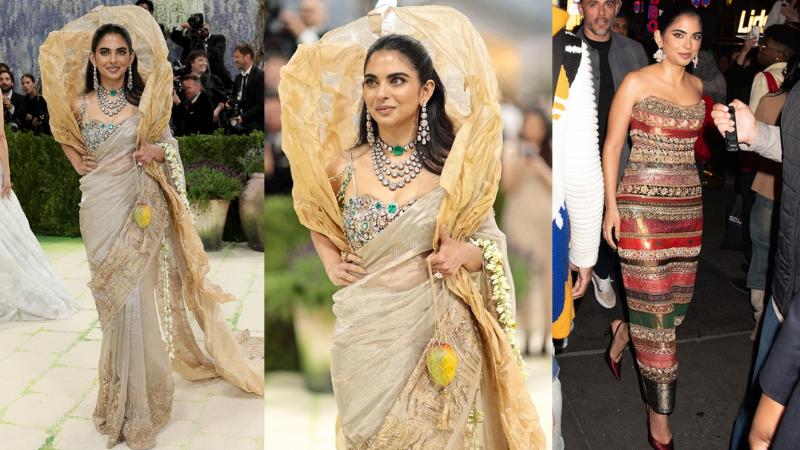
Isha Ambani made a statement at the 2026 Met Gala, showcasing Indian fashion and art on the biggest stage in the fashion world. The prestigious Met Gala took place on May 1, 2026, and Isha’s remarkable ensemble demonstrated the perfect fusion of Indian heritage with modern design, bringing attention to the vibrancy of India’s traditional arts. Isha stunned the fashion world in a custom-made gold saree by acclaimed designer Gaurav Gupta, adorned with hand-painted Pichwai-inspired motifs. This intricate design was woven with pure gold threads by artisans from Swadesh, an artisan-only retail brand by Reliance Retail, highlighting India's craftsmanship and rich textile tradition. The saree also featured a sculptural cape, a signature element by Gaurav Gupta, which brought a contemporary twist to the traditional Indian attire, showcasing a modern take on an age-old garment. The saree was designed to celebrate Indian craftsmanship and luxury, elevating Isha’s Met Gala look to iconic status. The blouse paired with the saree was another work of art, embedded with over 1800 carats of diamonds, as well as emeralds, polki, and kundan, creating a living surface of luxury and heritage. The back of the blouse was decorated with a sarpech, an exquisite jewel once part of the Nizam’s royal collection, making it a piece of history in itself. Isha mentioned in an exclusive interview with Vogue that the blouse incorporated several pieces of her mother’s jewelry, making it not only a luxurious garment but a personal heirloom. In addition to her gold saree, Isha also wore a second striking look that showcased her commitment to promoting Indian heritage. At a pre-Met Gala event in New York City on May 1, Isha wore an exquisite bandage dress made using 26 different kinds of borders, each representing a distinct region and craft of India. This dress served as a tribute to the diverse craftsmanship found across the country, from intricate weaving techniques to vibrant regional patterns, creating a vivid map of India on her attire. The dress combined tradition and modernity, allowing Isha to represent India’s rich cultural diversity with elegance and style. Art and Heritage on the Red Carpet Isha’s mango sculpture carried in a crochet bag was another integral part of her Met Gala look. Created by Subodh Gupta, the mango sculpture was not just an accessory but a piece of art that perfectly aligned with the Met Gala 2026 theme, “Fashion is Art.” Gupta, renowned for transforming everyday objects into extraordinary art, used the mango to symbolize India’s cultural and artistic heritage. The mango sculpture highlighted Isha’s effort to elevate Indian art in global spaces, turning the Met Gala into a platform for showcasing cultural richness. Isha also wore a gajra-inspired sculpture in her hair, crafted by Brooklyn-based artist Sourabh Gupta. This accessory was an artistic reinterpretation of the traditional mogra gajra, a garland of jasmine flowers worn by Indian women. The sculpture, made from paper, copper, and brass, added an artistic twist to the classic accessory, symbolizing Isha’s blend of cultural reverence and modern aesthetics. A Continuing Legacy of Indian Designers Isha Ambani has been a consistent supporter of Indian designers at the Met Gala, wearing creations that celebrate Indian craftsmanship. In 2024, she wore a floral gown by Rahul Mishra, and in 2025, she sported an androgynous ensemble by Anamika Khanna. This year, she continued her tradition by choosing a regal Gaurav Gupta X Swadesh saree, a testament to her commitment to championing Indian talent on the world stage. Through her attire, Isha Ambani once again set the tone for India’s cultural presence at the Met Gala. Her saree, diamonds, mango sculpture, and gajra-inspired hair accessory reflected her deep connection to India’s rich heritage and her role in promoting the country’s craftsmanship and art globally. Isha’s appearance at Met Gala 2026 was a celebration of the fusion between Indian tradition and modern fashion, positioning her as a true global ambassador for Indian artistry and culture.
Isha Ambani Shines in Gold Saree at Met Gala 2026, Showcasing Indian Fashion and Art
Isha Ambani made a statement at the 2026 Met Gala, showcasing Indian fashion and art on the biggest stage in the fashion world. The prestigious Met Gala took place on May 1, 2026, and Isha’s remarkable ensemble demonstrated the perfect fusion of Indian heritage with modern design, bringing attention to the vibrancy of India’s traditional arts. Isha stunned the fashion world in a custom-made gold saree by acclaimed designer Gaurav Gupta, adorned with hand-painted Pichwai-inspired motifs. This intricate design was woven with pure gold threads by artisans from Swadesh, an artisan-only retail brand by Reliance Retail, highlighting India's craftsmanship and rich textile tradition. The saree also featured a sculptural cape, a signature element by Gaurav Gupta, which brought a contemporary twist to the traditional Indian attire, showcasing a modern take on an age-old garment. The saree was designed to celebrate Indian craftsmanship and luxury, elevating Isha’s Met Gala look to iconic status. The blouse paired with the saree was another work of art, embedded with over 1800 carats of diamonds, as well as emeralds, polki, and kundan, creating a living surface of luxury and heritage. The back of the blouse was decorated with a sarpech, an exquisite jewel once part of the Nizam’s royal collection, making it a piece of history in itself. Isha mentioned in an exclusive interview with Vogue that the blouse incorporated several pieces of her mother’s jewelry, making it not only a luxurious garment but a personal heirloom. In addition to her gold saree, Isha also wore a second striking look that showcased her commitment to promoting Indian heritage. At a pre-Met Gala event in New York City on May 1, Isha wore an exquisite bandage dress made using 26 different kinds of borders, each representing a distinct region and craft of India. This dress served as a tribute to the diverse craftsmanship found across the country, from intricate weaving techniques to vibrant regional patterns, creating a vivid map of India on her attire. The dress combined tradition and modernity, allowing Isha to represent India’s rich cultural diversity with elegance and style. Art and Heritage on the Red Carpet Isha’s mango sculpture carried in a crochet bag was another integral part of her Met Gala look. Created by Subodh Gupta, the mango sculpture was not just an accessory but a piece of art that perfectly aligned with the Met Gala 2026 theme, “Fashion is Art.” Gupta, renowned for transforming everyday objects into extraordinary art, used the mango to symbolize India’s cultural and artistic heritage. The mango sculpture highlighted Isha’s effort to elevate Indian art in global spaces, turning the Met Gala into a platform for showcasing cultural richness. Isha also wore a gajra-inspired sculpture in her hair, crafted by Brooklyn-based artist Sourabh Gupta. This accessory was an artistic reinterpretation of the traditional mogra gajra, a garland of jasmine flowers worn by Indian women. The sculpture, made from paper, copper, and brass, added an artistic twist to the classic accessory, symbolizing Isha’s blend of cultural reverence and modern aesthetics. A Continuing Legacy of Indian Designers Isha Ambani has been a consistent supporter of Indian designers at the Met Gala, wearing creations that celebrate Indian craftsmanship. In 2024, she wore a floral gown by Rahul Mishra, and in 2025, she sported an androgynous ensemble by Anamika Khanna. This year, she continued her tradition by choosing a regal Gaurav Gupta X Swadesh saree, a testament to her commitment to championing Indian talent on the world stage. Through her attire, Isha Ambani once again set the tone for India’s cultural presence at the Met Gala. Her saree, diamonds, mango sculpture, and gajra-inspired hair accessory reflected her deep connection to India’s rich heritage and her role in promoting the country’s craftsmanship and art globally. Isha’s appearance at Met Gala 2026 was a celebration of the fusion between Indian tradition and modern fashion, positioning her as a true global ambassador for Indian artistry and culture.
Raghu Rai’s Lens Preserved Bengal’s Cultural Icons, Kolkata Pays Tribute
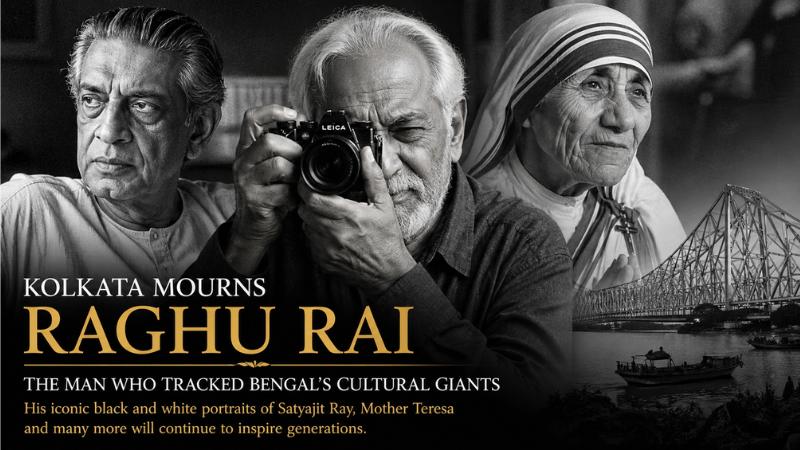
Raghu Rai’s photography stands as a timeless tribute to Bengal’s rich cultural and intellectual heritage, capturing a remarkable spectrum of personalities and moments that shaped the region’s identity. Widely regarded as one of India’s most influential photographers, Raghu Rai used his lens to document not just events, but the deeper emotions and stories behind them. His iconic black and white portraits of legends such as Satyajit Ray and Mother Teresa remain some of the most powerful visual records of their lives and work. Through subtle expressions, light, and composition, Rai was able to reveal the humanity, depth, and quiet strength of his subjects, turning simple photographs into lasting narratives. Kolkata, often considered the cultural capital of India, played a central role in Rai’s photographic journey. The city’s streets, intellectual circles, and artistic traditions frequently appeared in his work, giving audiences a glimpse into its vibrant soul. His images went beyond famous figures to include everyday life, traditions, and social realities, creating a layered and authentic portrayal of Bengal. Over the years, his work has not only preserved history but also inspired generations of photographers and art lovers. As tributes continue to pour in, his legacy endures through images that still speak with emotional clarity and cultural significance, ensuring that the spirit of Bengal’s icons and people lives on through his extraordinary vision.
Raghu Rai’s Lens Preserved Bengal’s Cultural Icons, Kolkata Pays Tribute
Raghu Rai’s photography stands as a timeless tribute to Bengal’s rich cultural and intellectual heritage, capturing a remarkable spectrum of personalities and moments that shaped the region’s identity. Widely regarded as one of India’s most influential photographers, Raghu Rai used his lens to document not just events, but the deeper emotions and stories behind them. His iconic black and white portraits of legends such as Satyajit Ray and Mother Teresa remain some of the most powerful visual records of their lives and work. Through subtle expressions, light, and composition, Rai was able to reveal the humanity, depth, and quiet strength of his subjects, turning simple photographs into lasting narratives. Kolkata, often considered the cultural capital of India, played a central role in Rai’s photographic journey. The city’s streets, intellectual circles, and artistic traditions frequently appeared in his work, giving audiences a glimpse into its vibrant soul. His images went beyond famous figures to include everyday life, traditions, and social realities, creating a layered and authentic portrayal of Bengal. Over the years, his work has not only preserved history but also inspired generations of photographers and art lovers. As tributes continue to pour in, his legacy endures through images that still speak with emotional clarity and cultural significance, ensuring that the spirit of Bengal’s icons and people lives on through his extraordinary vision.