














#indianlaw
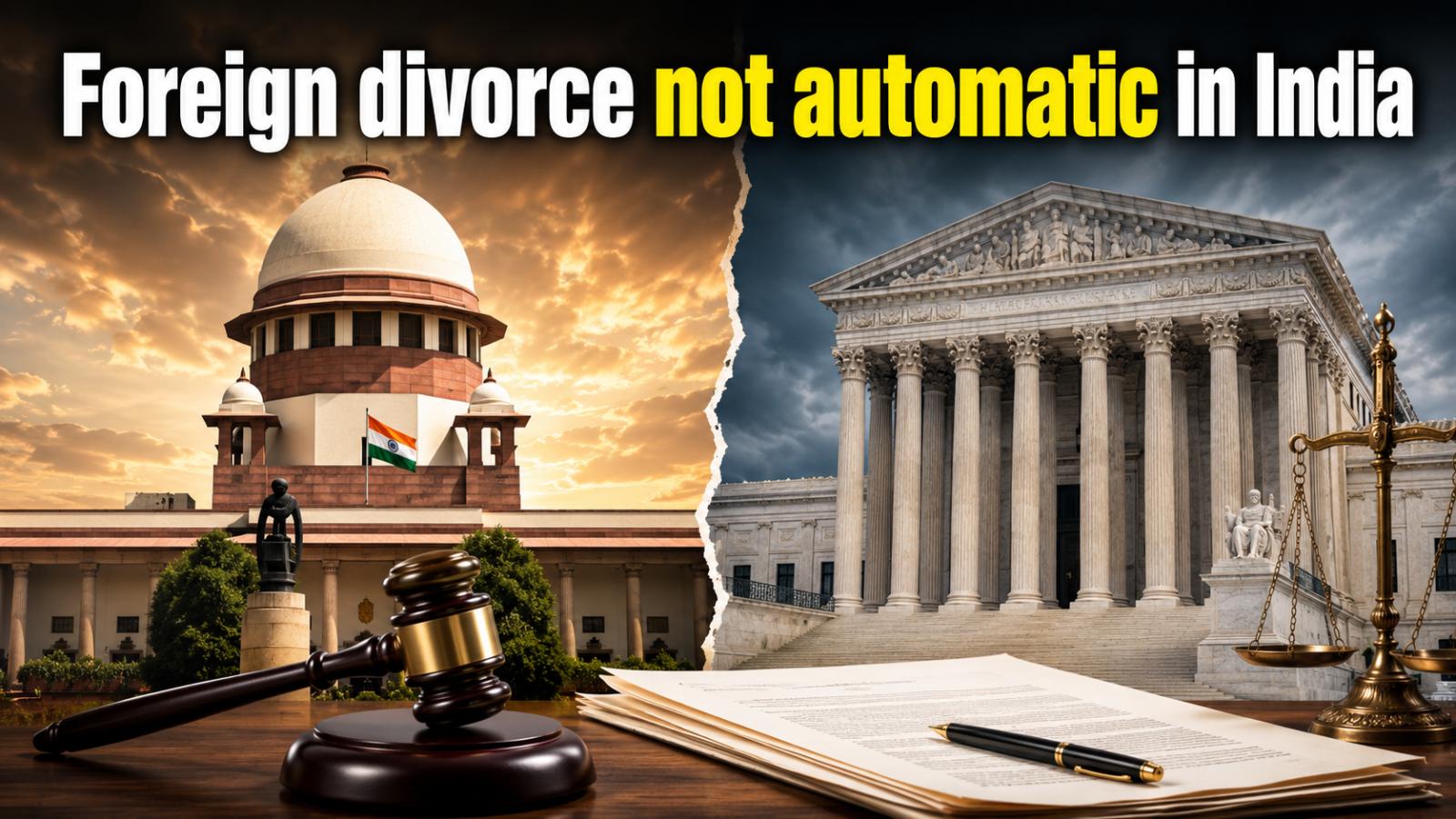
Foreign divorce and alimony: what Supreme Court ruling means for Indians abroad
A foreign divorce is not automatically valid in India just because a court in another country grants it. The Supreme Court has made it clear that when a marriage is governed by Indian matrimonial law, especially the Hindu Marriage Act, 1955, any foreign divorce decree must satisfy India law, Section 13 CPC, jurisdiction rules, natural justice, and the legal principles already settled by the court. This means a US divorce may be valid in the US, but it may still fail in India if it does not ma
Foreign divorce and alimony: what Supreme Court ruling means for Indians abroad
A foreign divorce is not automatically valid in India just because a court in another country grants it. The Supreme Court has made it clear that when a marriage is governed by Indian matrimonial law, especially the Hindu Marriage Act, 1955, any foreign divorce decree must satisfy India law, Section 13 CPC, jurisdiction rules, natural justice, and the legal principles already settled by the court. This means a US divorce may be valid in the US, but it may still fail in India if it does not ma
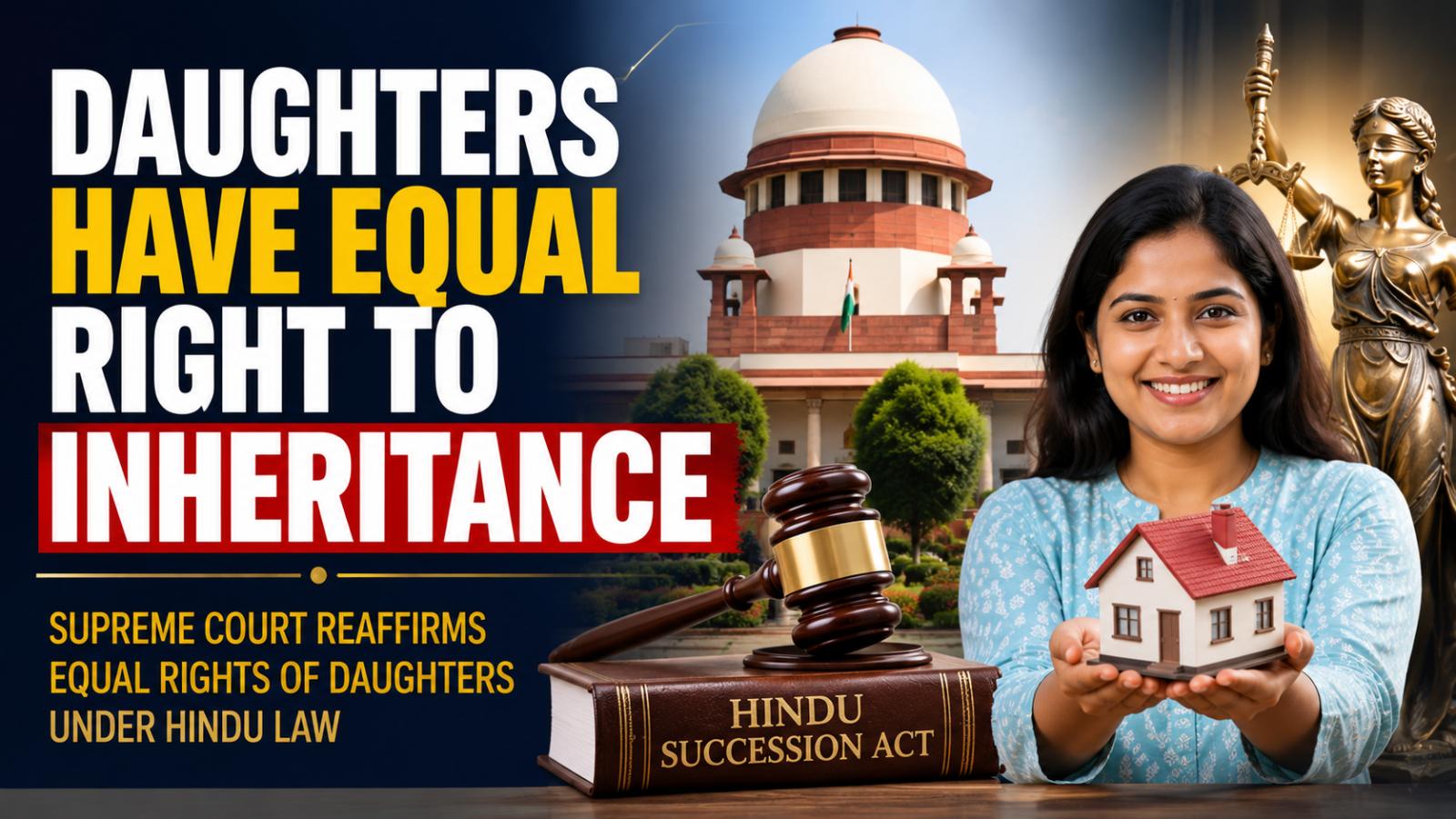
Daughters Have Equal Right To Inheritance Under Hindu Law
Supreme Court Reaffirms Equal Rights The Supreme Court has once again reaffirmed that daughters have equal right to inheritance under Hindu law. The ruling makes it clear that a daughter is a legal heir to her father’s share in property and cannot be denied her claim only because she is a woman. This decision strengthens the principle of equality in family property matters and reminds families that daught
Daughters Have Equal Right To Inheritance Under Hindu Law
Supreme Court Reaffirms Equal Rights The Supreme Court has once again reaffirmed that daughters have equal right to inheritance under Hindu law. The ruling makes it clear that a daughter is a legal heir to her father’s share in property and cannot be denied her claim only because she is a woman. This decision strengthens the principle of equality in family property matters and reminds families that daught
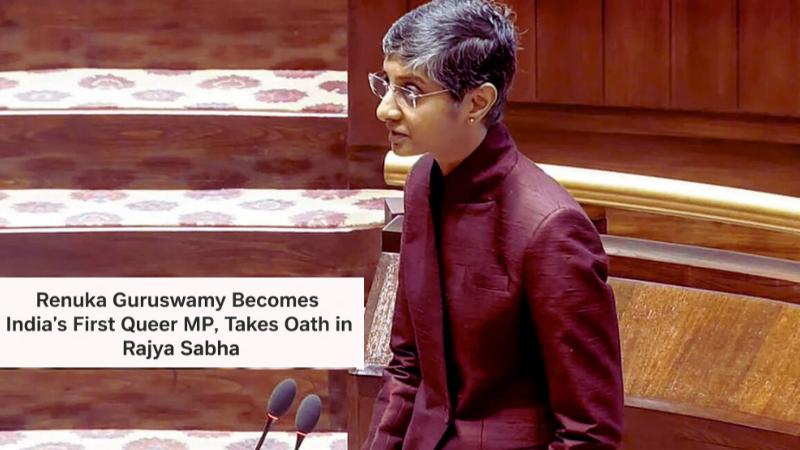
Historic Moment: India Welcomes Its First Queer MP in Rajya Sabha
In a groundbreaking moment for Indian politics, Renuka Guruswamy, a senior advocate, has made history by becoming the first openly queer Member of Parliament (MP) in the Rajya Sabha. This marks a significant shift in India’s political landscape and gender equality discussions. The Rajya Sabha, which has traditionally kept discussions of sexuality external, now faces the reality of having a queer member within its ranks, making this a historic occasion for both the LGBTQ+ community and India
Historic Moment: India Welcomes Its First Queer MP in Rajya Sabha
In a groundbreaking moment for Indian politics, Renuka Guruswamy, a senior advocate, has made history by becoming the first openly queer Member of Parliament (MP) in the Rajya Sabha. This marks a significant shift in India’s political landscape and gender equality discussions. The Rajya Sabha, which has traditionally kept discussions of sexuality external, now faces the reality of having a queer member within its ranks, making this a historic occasion for both the LGBTQ+ community and India
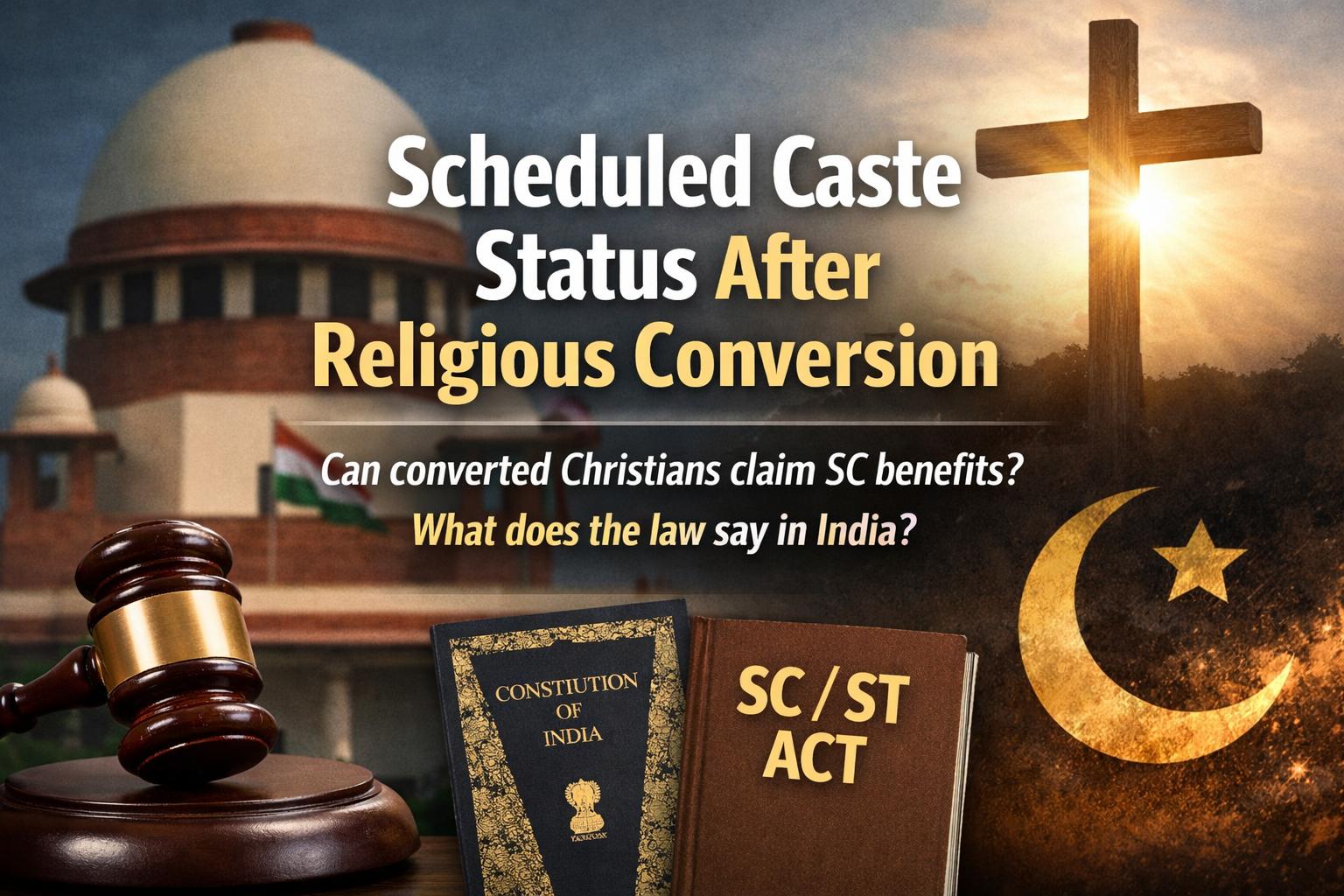
Supreme Court of India rules conversion ends Scheduled Caste status
The Supreme Court of India, in a significant judgment delivered on March 24, 2026, has reaffirmed that individuals who convert to religions other than Hinduism, Sikhism, or Buddhism cannot retain or claim Scheduled Caste status under the law. The ruling reinforces the constitutional framework governing caste-based reservations and legal protections in India. The verdict came in an appeal challenging an earlier decision of the Andhra Pradesh High Court, which had quashed criminal proceedings filed under the Scheduled Castes and Scheduled Tribes (Prevention of Atrocities) Act. The complainant, who was born into a Scheduled Caste but had converted to Christianity and was functioning as a pastor, had alleged caste-based abuse and assault. However, the court held that his conversion disentitled him from invoking protections meant specifically for Scheduled Castes. A bench of the Supreme Court observed that the Constitution (Scheduled Castes) Order, 1950, clearly restricts Scheduled Caste recognition to persons professing Hinduism, Sikhism, or Buddhism. The court described this restriction as categorical, stating that conversion to any other religion results in the immediate and complete loss of Scheduled Caste status, regardless of birth. The court further clarified that a person cannot simultaneously profess a religion outside the specified categories and claim Scheduled Caste identity for statutory benefits. It emphasized that such positions are mutually exclusive within the constitutional scheme, and no statutory protection or reservation can be extended once a person ceases to fall within the legally defined category. In its interpretation, the court also highlighted that the term “profess” implies a public declaration and active practice of a religion. This interpretation played a key role in assessing the individual’s eligibility, particularly in cases where religious identity is visibly demonstrated through roles such as clergy or religious leadership. The judgment is expected to have wide-ranging implications for individuals who convert to religions outside the constitutionally recognised framework while seeking benefits or protections linked to Scheduled Caste status. While the ruling reinforces existing legal provisions, it also brings renewed attention to ongoing debates about caste discrimination and its persistence beyond religious boundaries.
Supreme Court of India rules conversion ends Scheduled Caste status
The Supreme Court of India, in a significant judgment delivered on March 24, 2026, has reaffirmed that individuals who convert to religions other than Hinduism, Sikhism, or Buddhism cannot retain or claim Scheduled Caste status under the law. The ruling reinforces the constitutional framework governing caste-based reservations and legal protections in India. The verdict came in an appeal challenging an earlier decision of the Andhra Pradesh High Court, which had quashed criminal proceedings filed under the Scheduled Castes and Scheduled Tribes (Prevention of Atrocities) Act. The complainant, who was born into a Scheduled Caste but had converted to Christianity and was functioning as a pastor, had alleged caste-based abuse and assault. However, the court held that his conversion disentitled him from invoking protections meant specifically for Scheduled Castes. A bench of the Supreme Court observed that the Constitution (Scheduled Castes) Order, 1950, clearly restricts Scheduled Caste recognition to persons professing Hinduism, Sikhism, or Buddhism. The court described this restriction as categorical, stating that conversion to any other religion results in the immediate and complete loss of Scheduled Caste status, regardless of birth. The court further clarified that a person cannot simultaneously profess a religion outside the specified categories and claim Scheduled Caste identity for statutory benefits. It emphasized that such positions are mutually exclusive within the constitutional scheme, and no statutory protection or reservation can be extended once a person ceases to fall within the legally defined category. In its interpretation, the court also highlighted that the term “profess” implies a public declaration and active practice of a religion. This interpretation played a key role in assessing the individual’s eligibility, particularly in cases where religious identity is visibly demonstrated through roles such as clergy or religious leadership. The judgment is expected to have wide-ranging implications for individuals who convert to religions outside the constitutionally recognised framework while seeking benefits or protections linked to Scheduled Caste status. While the ruling reinforces existing legal provisions, it also brings renewed attention to ongoing debates about caste discrimination and its persistence beyond religious boundaries.
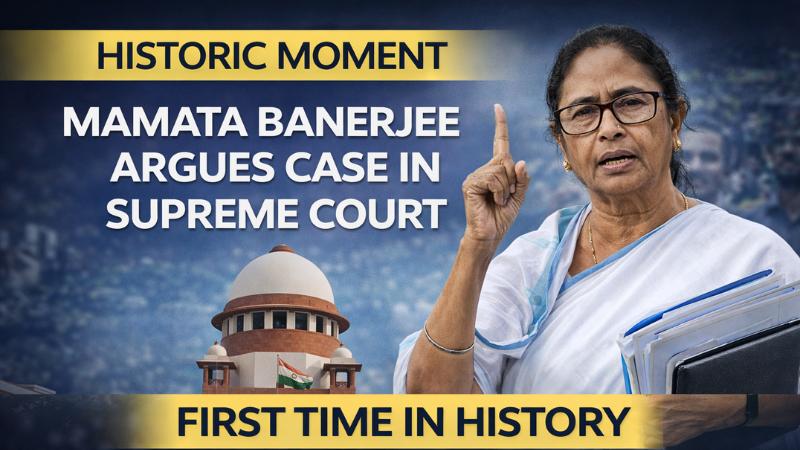
Historic Moment: Mamata Banerjee Argues Case in Supreme Court
For the first time in Indian history, a sitting Chief Minister will argue a case in the Supreme Court. Mamata Banerjee, the Chief Minister of West Bengal, is set to make history by appearing in person to argue a case before the country’s highest court. The case involves the Special Intensive Revision (SIR) of electoral rolls in West Bengal, a topic that has stirred significant political debate in the state. Mamata Banerjee’s appearance in the Supreme Court as a "party in person"
Historic Moment: Mamata Banerjee Argues Case in Supreme Court
For the first time in Indian history, a sitting Chief Minister will argue a case in the Supreme Court. Mamata Banerjee, the Chief Minister of West Bengal, is set to make history by appearing in person to argue a case before the country’s highest court. The case involves the Special Intensive Revision (SIR) of electoral rolls in West Bengal, a topic that has stirred significant political debate in the state. Mamata Banerjee’s appearance in the Supreme Court as a "party in person"


