




















#industrialgrowth
Nara Lokesh pitches Andhra Pradesh footwear hub to Boo Young Group
Andhra Pradesh Minister Nara Lokesh has stepped up efforts to attract fresh manufacturing investment to the state, holding talks with South Korea’s Boo Young Group over a proposed footwear and components production facility. Continuing his South Korea visit on its fourth day, Lokesh met Boo Young Group CEO and President Director Ryan Kang and Business Strategy and Planning Manager Millie Richardson. During the discussions, he invited the company to examine investment opportunities in A
Nara Lokesh pitches Andhra Pradesh footwear hub to Boo Young Group
Andhra Pradesh Minister Nara Lokesh has stepped up efforts to attract fresh manufacturing investment to the state, holding talks with South Korea’s Boo Young Group over a proposed footwear and components production facility. Continuing his South Korea visit on its fourth day, Lokesh met Boo Young Group CEO and President Director Ryan Kang and Business Strategy and Planning Manager Millie Richardson. During the discussions, he invited the company to examine investment opportunities in A
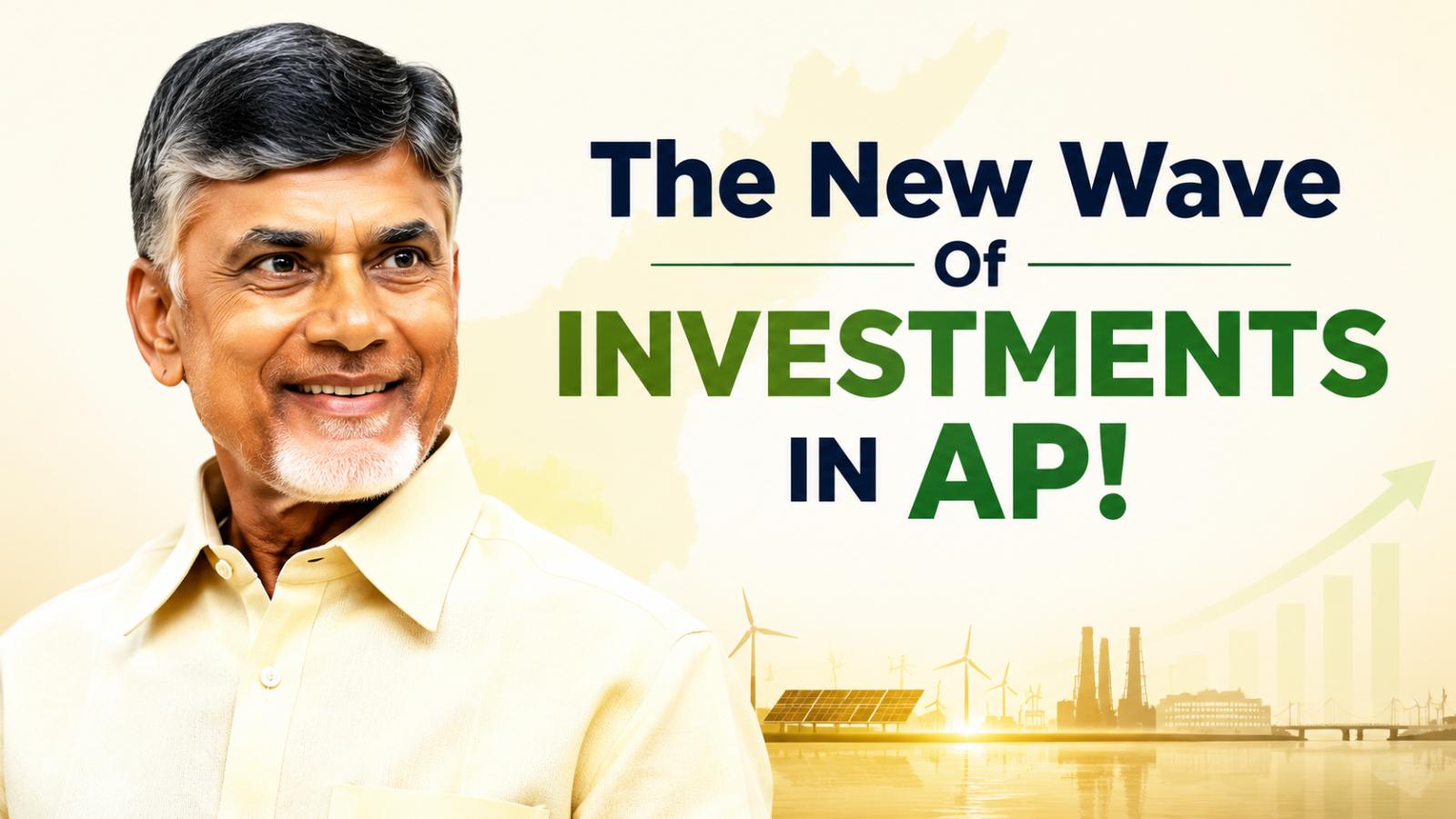
Massive Investments Pour Into Andhra Pradesh, Boosting Industrial Growth and Employment
Andhra Pradesh has emerged as a hotspot for fresh investments, as evidenced by the announcements made during the 17th State Investment Promotion Board (SIPB) meeting. The state continues to attract national and international investors across various sectors, such as renewable energy, green hydrogen, bio CNG, manufacturing, and data infrastructure, bringing an unprecedented boost to its industrial and employment landscape.
Massive Investments Pour Into Andhra Pradesh, Boosting Industrial Growth and Employment
Andhra Pradesh has emerged as a hotspot for fresh investments, as evidenced by the announcements made during the 17th State Investment Promotion Board (SIPB) meeting. The state continues to attract national and international investors across various sectors, such as renewable energy, green hydrogen, bio CNG, manufacturing, and data infrastructure, bringing an unprecedented boost to its industrial and employment landscape.
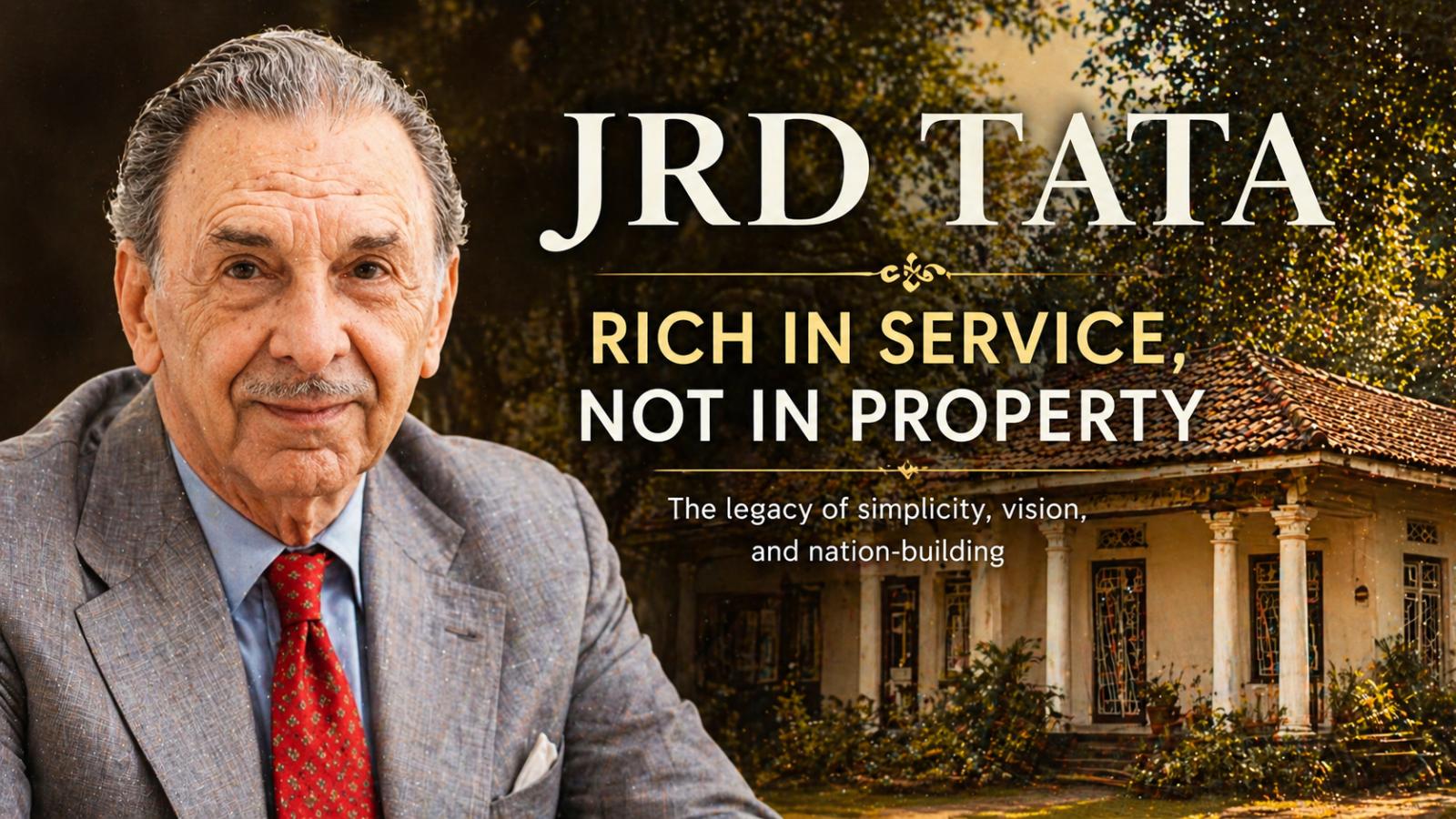
What defines JRD Tata’s legacy? A life of service over ownership
A life of service over ownership JRD Tata’s legacy offers a striking contrast to modern perceptions of wealth and leadership. As one of India’s most influential industrialists, he led the Tata Group for over five decades, yet chose to live in a rented residence rather than accumulate personal assets. His approach reflected a philosophy that prioritized responsibility, ethics, and long-term impact over visible displays of success. Leadership that expanded an industrial empire Under JRD Tata’s leadership, the Tata Group evolved into one of India’s most significant industrial conglomerates, spanning sectors such as steel, aviation, power, and chemicals. His tenure marked a period of sustained growth and modernization, contributing to the country’s economic development. Rather than focusing on personal gain, he emphasized institutional strength, innovation, and employee welfare, setting standards that influenced corporate governance across industries. Simplicity as a leadership principle JRD Tata’s personal lifestyle remained notably modest despite his professional stature. He lived in a rented bungalow in Mumbai for decades, demonstrating that leadership did not require material excess. His daily life reflected discipline and humility, reinforcing the idea that influence comes from actions and values rather than possessions. This approach continues to resonate in discussions about ethical leadership and sustainable success. Impact measured beyond wealth The scale of JRD Tata’s impact is reflected not only in business expansion but also in the opportunities created for thousands of employees and communities. His leadership helped build institutions that continue to operate globally, shaping industries and contributing to economic stability. For many observers, his legacy represents a model where success is defined by contribution rather than ownership. A lasting example for global audiences For audiences in the United States and beyond, JRD Taa’s story provides a broader perspective on leadership in a global context. His life underscores the importance of purpose-driven decision-making and challenges assumptions about the relationship between wealth and success. In an era where corporate influence is closely examined, his example remains relevant as a benchmark for integrity and long-term vision.
What defines JRD Tata’s legacy? A life of service over ownership
A life of service over ownership JRD Tata’s legacy offers a striking contrast to modern perceptions of wealth and leadership. As one of India’s most influential industrialists, he led the Tata Group for over five decades, yet chose to live in a rented residence rather than accumulate personal assets. His approach reflected a philosophy that prioritized responsibility, ethics, and long-term impact over visible displays of success. Leadership that expanded an industrial empire Under JRD Tata’s leadership, the Tata Group evolved into one of India’s most significant industrial conglomerates, spanning sectors such as steel, aviation, power, and chemicals. His tenure marked a period of sustained growth and modernization, contributing to the country’s economic development. Rather than focusing on personal gain, he emphasized institutional strength, innovation, and employee welfare, setting standards that influenced corporate governance across industries. Simplicity as a leadership principle JRD Tata’s personal lifestyle remained notably modest despite his professional stature. He lived in a rented bungalow in Mumbai for decades, demonstrating that leadership did not require material excess. His daily life reflected discipline and humility, reinforcing the idea that influence comes from actions and values rather than possessions. This approach continues to resonate in discussions about ethical leadership and sustainable success. Impact measured beyond wealth The scale of JRD Tata’s impact is reflected not only in business expansion but also in the opportunities created for thousands of employees and communities. His leadership helped build institutions that continue to operate globally, shaping industries and contributing to economic stability. For many observers, his legacy represents a model where success is defined by contribution rather than ownership. A lasting example for global audiences For audiences in the United States and beyond, JRD Taa’s story provides a broader perspective on leadership in a global context. His life underscores the importance of purpose-driven decision-making and challenges assumptions about the relationship between wealth and success. In an era where corporate influence is closely examined, his example remains relevant as a benchmark for integrity and long-term vision.
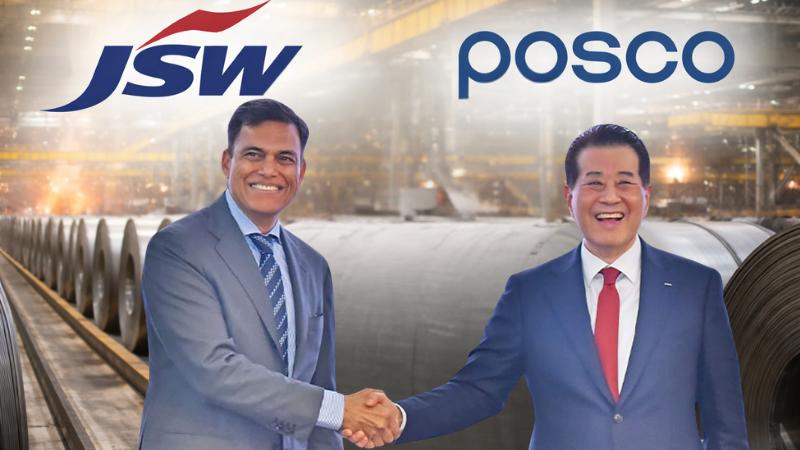
Odisha Set for New Steel Plant as JSW Steel Partners with POSCO
JSW Steel and POSCO have entered into a joint venture agreement to establish a new steel manufacturing plant in Odisha. The development comes at a significant time, coinciding with the official visit of the South K
Odisha Set for New Steel Plant as JSW Steel Partners with POSCO
JSW Steel and POSCO have entered into a joint venture agreement to establish a new steel manufacturing plant in Odisha. The development comes at a significant time, coinciding with the official visit of the South K
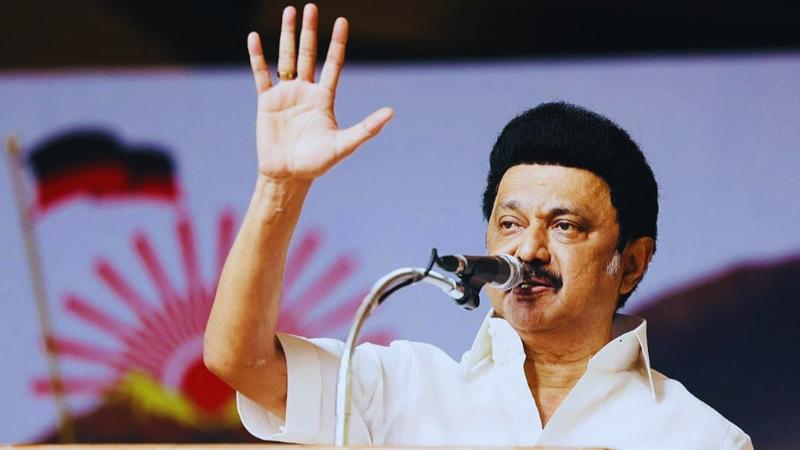
Tamil Nadu CM M.K. Stalin's Vision for a One-Trillion-Dollar Economy by 2030
Tamil Nadu Chief Minister M.K. Stalin laid out an ambitious roadmap for the state’s development, aiming to transform Tamil Nadu into a one-trillion-dollar economy by 2030. This vision is backed by the ‘Dravidian Model’ of governance, which has already set the state on a path of rapid industrial and economic growth. Tamil Nadu is expected to play a pivotal role in India’s economic future, with targets such as attracting investments worth ₹18 lakh crore, increasing exports t
Tamil Nadu CM M.K. Stalin's Vision for a One-Trillion-Dollar Economy by 2030
Tamil Nadu Chief Minister M.K. Stalin laid out an ambitious roadmap for the state’s development, aiming to transform Tamil Nadu into a one-trillion-dollar economy by 2030. This vision is backed by the ‘Dravidian Model’ of governance, which has already set the state on a path of rapid industrial and economic growth. Tamil Nadu is expected to play a pivotal role in India’s economic future, with targets such as attracting investments worth ₹18 lakh crore, increasing exports t
BJP to Unveil West Bengal Manifesto on April 10: Key Highlights and Focus Areas
The BJP is gearing up to unveil its much-anticipated West Bengal manifesto on April 10, with Union Home Minister Amit Shah expected to lead the event in Kolkata. This manifesto is being presented as a comprehensive development agenda that will focus on addressing key concerns of various sections of society, including women, farmers, and youth. The BJP’s strategy for the upcoming elections is centered around offering welfare benefits, promoting industrial growth, and enhancing sectors like h
BJP to Unveil West Bengal Manifesto on April 10: Key Highlights and Focus Areas
The BJP is gearing up to unveil its much-anticipated West Bengal manifesto on April 10, with Union Home Minister Amit Shah expected to lead the event in Kolkata. This manifesto is being presented as a comprehensive development agenda that will focus on addressing key concerns of various sections of society, including women, farmers, and youth. The BJP’s strategy for the upcoming elections is centered around offering welfare benefits, promoting industrial growth, and enhancing sectors like h


