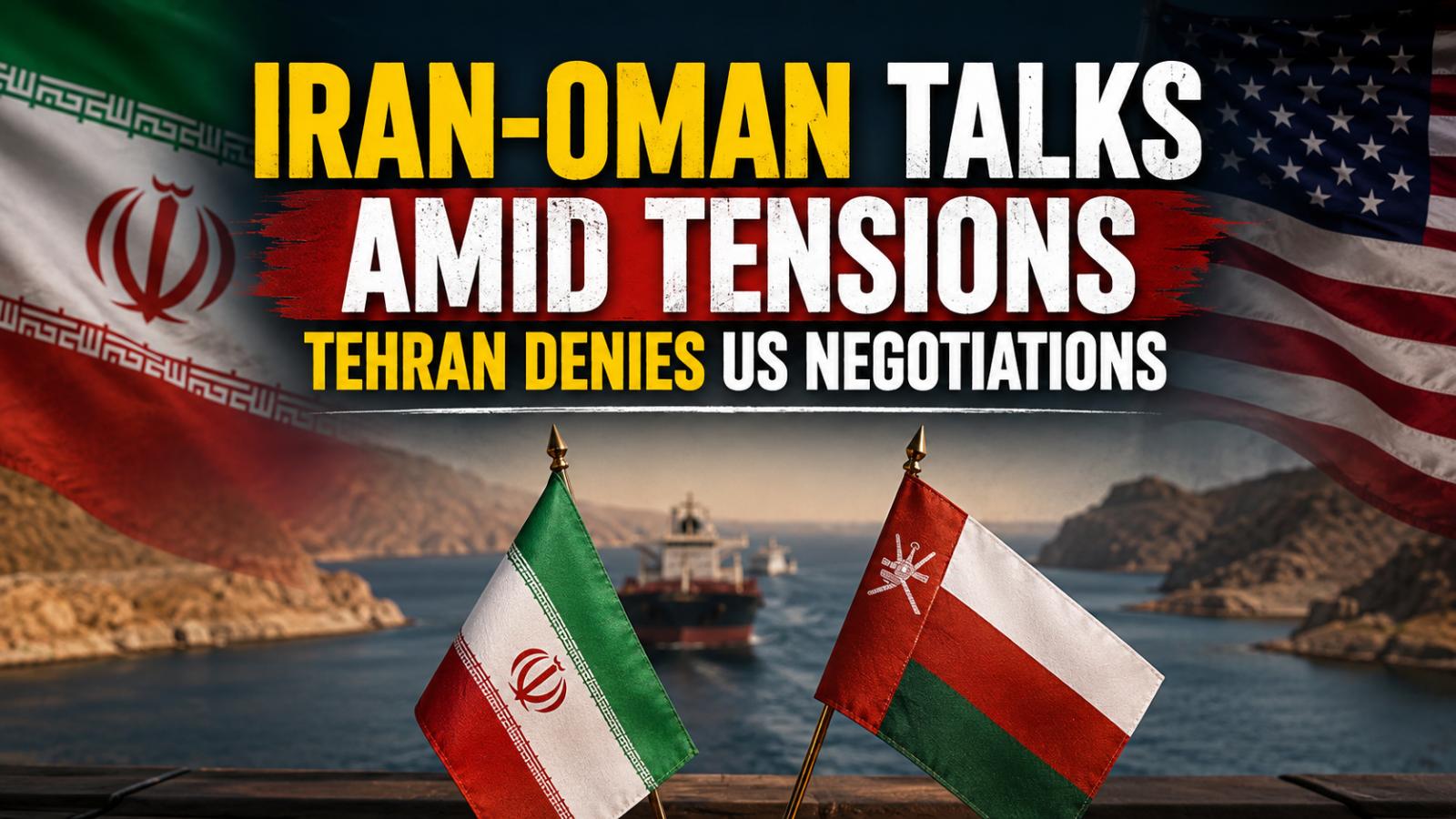
Iran Oman talks amid tensions have emerged as a possible diplomatic channel as Tehran denies holding direct negotiations with Washington. Oman is discussing maritime issues with Iran, while conflicting US and Iranian statements add uncertainty to the Hormuz dispute, nuclear row and wider Gulf risks.
Oman role
Iran has confirmed that discussions are taking place with Oman, but officials say the
Iran Oman talks amid tensions have emerged as a possible diplomatic channel as Tehran denies holding direct negotiations with Washington. Oman is discussing maritime issues with Iran, while conflicting US and Iranian statements add uncertainty to the Hormuz dispute, nuclear row and wider Gulf risks.
Oman role
Iran has confirmed that discussions are taking place with Oman, but officials say the
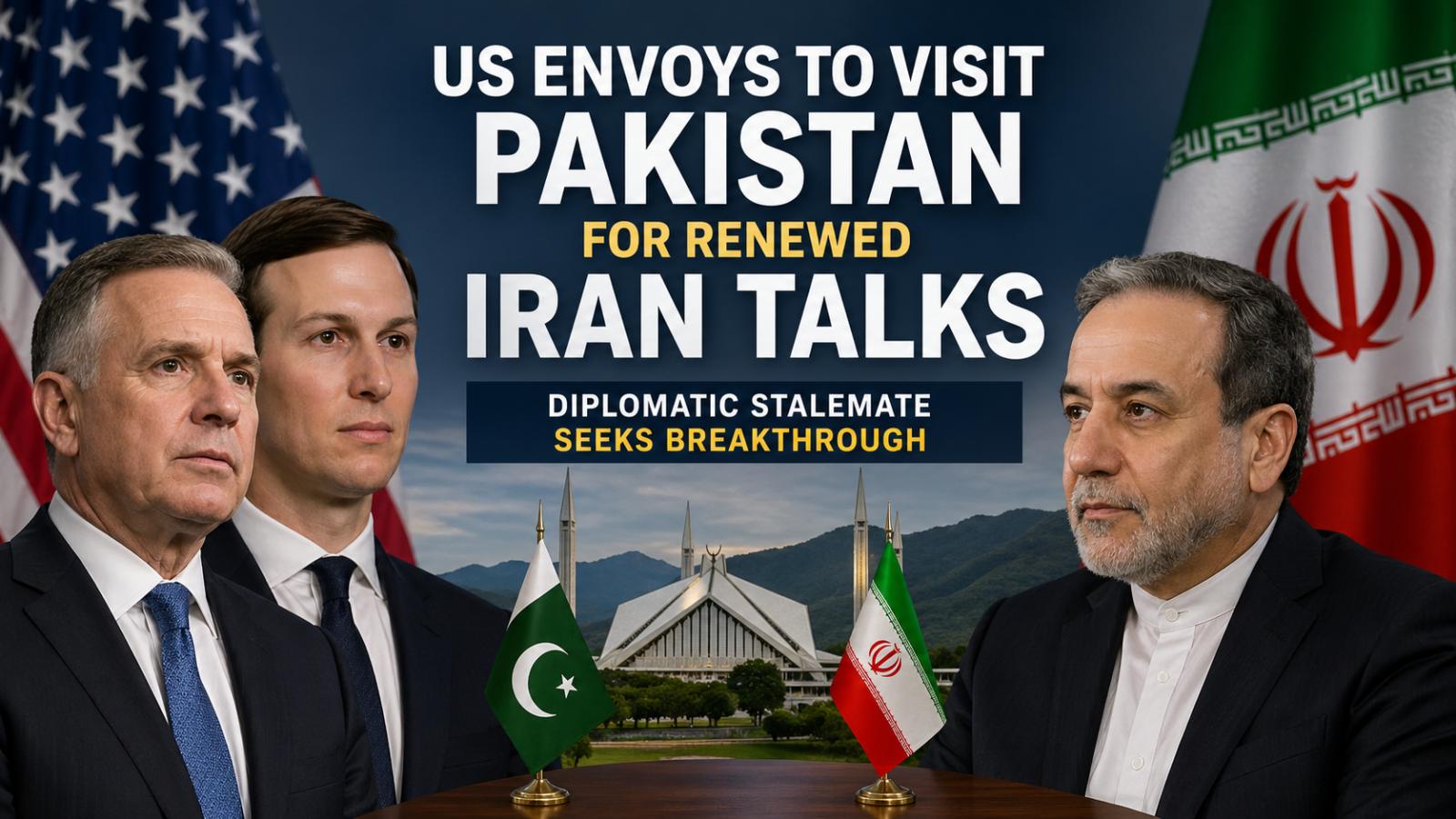
After several days of diplomatic deadlock, the United States has confirmed that senior envoys Steve Witkoff and Jared Kushner will travel to Pakistan for a fresh round of negotiations with Iran, signaling a renewed effort to address escalating tensions between the two nations. The visit is scheduled for Saturday and follows Iran’s request for direct, in-person discussions.
White House Press Secretary Karoline Leavitt stated that the move comes after Iran reached out for dialogue, aligning with earlier calls from US leadership to reopen communication channels. She emphasized that the envoys will assess the situation on the ground and report back to President Donald Trump and Vice President JD Vance, while additional officials remain on standby if required.
The upcoming talks mark the second round of discussions in Pakistan, following initial meetings held earlier this month. However, notable figures such as Vice President Vance and Iranian parliamentary leader Mohammad Bagher Ghalibaf, who were involved previously, will not participate in this phase. Their absence highlights a shift in the structure of the negotiations.
Iran’s Foreign Minister Abbas Araghchi recently announced a regional diplomatic tour that includes Pakistan, Oman, and Russia. His stated objective is to strengthen coordination with key partners on bilateral and regional issues, underlining Iran’s strategic engagement with neighboring countries during a period of heightened geopolitical tension.
What are the main sticking points in the talks?
The primary disagreements revolve around Iran’s nuclear program and control over the Strait of Hormuz. Iran has insisted it will not proceed with negotiations unless the United States lifts its blockade in the strategic waterway. In contrast, the US is demanding verifiable guarantees that Iran will halt its nuclear ambitions and ease its own restrictions in the region.
At a recent Pentagon briefing, US Defense Secretary Pete Hegseth reiterated that the United States is not under pressure to finalize an agreement quickly. He indicated that Washington is prepared for prolonged negotiations, while also stressing that Iran has an opportunity to secure a favorable and pragmatic deal if it chooses to engage constructively.
The renewed diplomatic effort in Pakistan reflects a cautious but significant step toward resolving one of the most critical international disputes, with both sides maintaining firm positions as negotiations resume.
After several days of diplomatic deadlock, the United States has confirmed that senior envoys Steve Witkoff and Jared Kushner will travel to Pakistan for a fresh round of negotiations with Iran, signaling a renewed effort to address escalating tensions between the two nations. The visit is scheduled for Saturday and follows Iran’s request for direct, in-person discussions.
White House Press Secretary Karoline Leavitt stated that the move comes after Iran reached out for dialogue, aligning with earlier calls from US leadership to reopen communication channels. She emphasized that the envoys will assess the situation on the ground and report back to President Donald Trump and Vice President JD Vance, while additional officials remain on standby if required.
The upcoming talks mark the second round of discussions in Pakistan, following initial meetings held earlier this month. However, notable figures such as Vice President Vance and Iranian parliamentary leader Mohammad Bagher Ghalibaf, who were involved previously, will not participate in this phase. Their absence highlights a shift in the structure of the negotiations.
Iran’s Foreign Minister Abbas Araghchi recently announced a regional diplomatic tour that includes Pakistan, Oman, and Russia. His stated objective is to strengthen coordination with key partners on bilateral and regional issues, underlining Iran’s strategic engagement with neighboring countries during a period of heightened geopolitical tension.
What are the main sticking points in the talks?
The primary disagreements revolve around Iran’s nuclear program and control over the Strait of Hormuz. Iran has insisted it will not proceed with negotiations unless the United States lifts its blockade in the strategic waterway. In contrast, the US is demanding verifiable guarantees that Iran will halt its nuclear ambitions and ease its own restrictions in the region.
At a recent Pentagon briefing, US Defense Secretary Pete Hegseth reiterated that the United States is not under pressure to finalize an agreement quickly. He indicated that Washington is prepared for prolonged negotiations, while also stressing that Iran has an opportunity to secure a favorable and pragmatic deal if it chooses to engage constructively.
The renewed diplomatic effort in Pakistan reflects a cautious but significant step toward resolving one of the most critical international disputes, with both sides maintaining firm positions as negotiations resume.
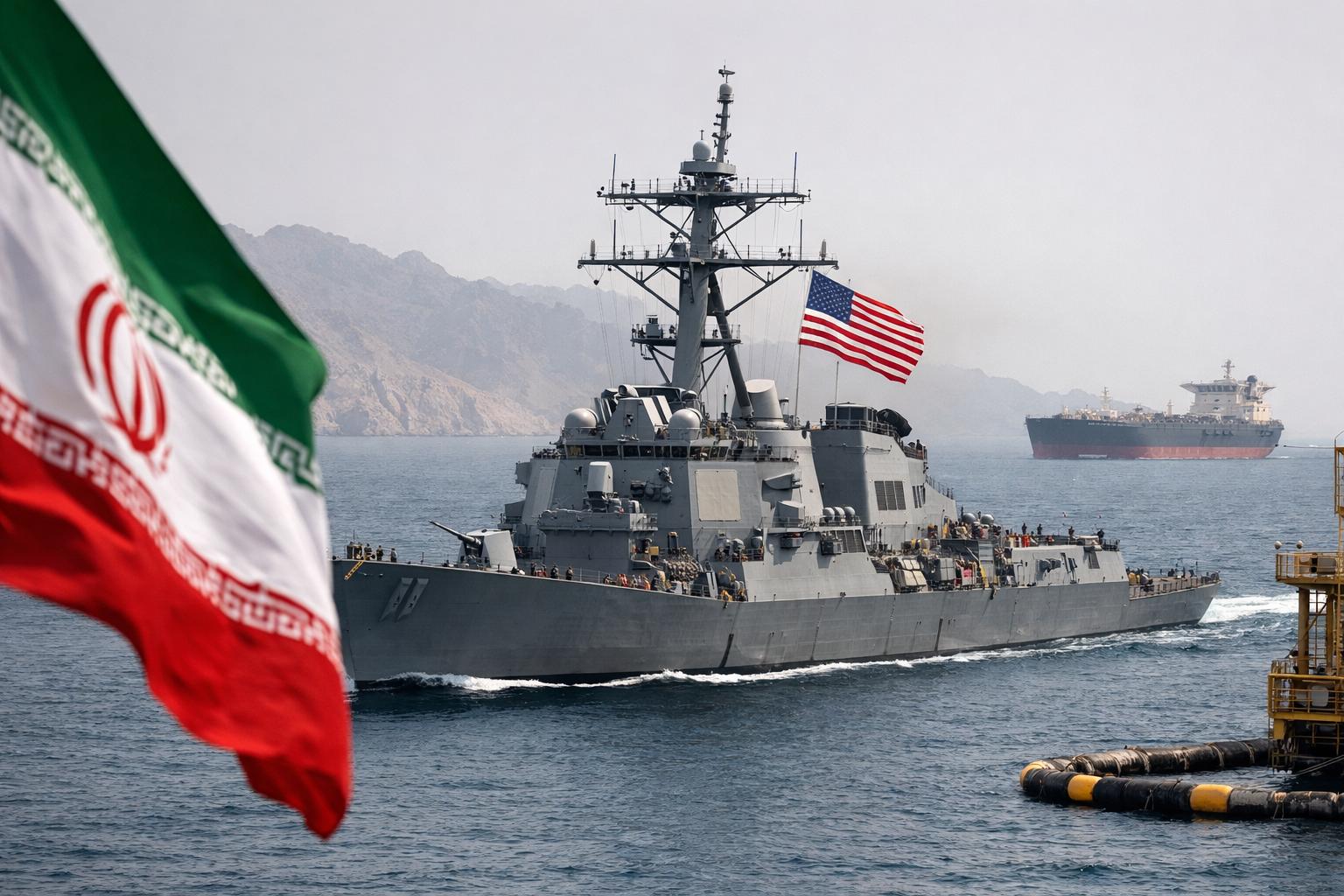
The United States has announced the start of a naval blockade targeting Iranian maritime activity, marking a significant escalation in tensions in the Middle East. Speaking to reporters outside the Oval Office on Monday, April 13, 2026, President Donald Trump said the blockade of the Strait of Hormuz had begun, adding that other countries would assist in the operation, though he did not identify them.
The Strait of Hormuz, one of the world’s most critical oil transit routes, has b
The United States has announced the start of a naval blockade targeting Iranian maritime activity, marking a significant escalation in tensions in the Middle East. Speaking to reporters outside the Oval Office on Monday, April 13, 2026, President Donald Trump said the blockade of the Strait of Hormuz had begun, adding that other countries would assist in the operation, though he did not identify them.
The Strait of Hormuz, one of the world’s most critical oil transit routes, has b
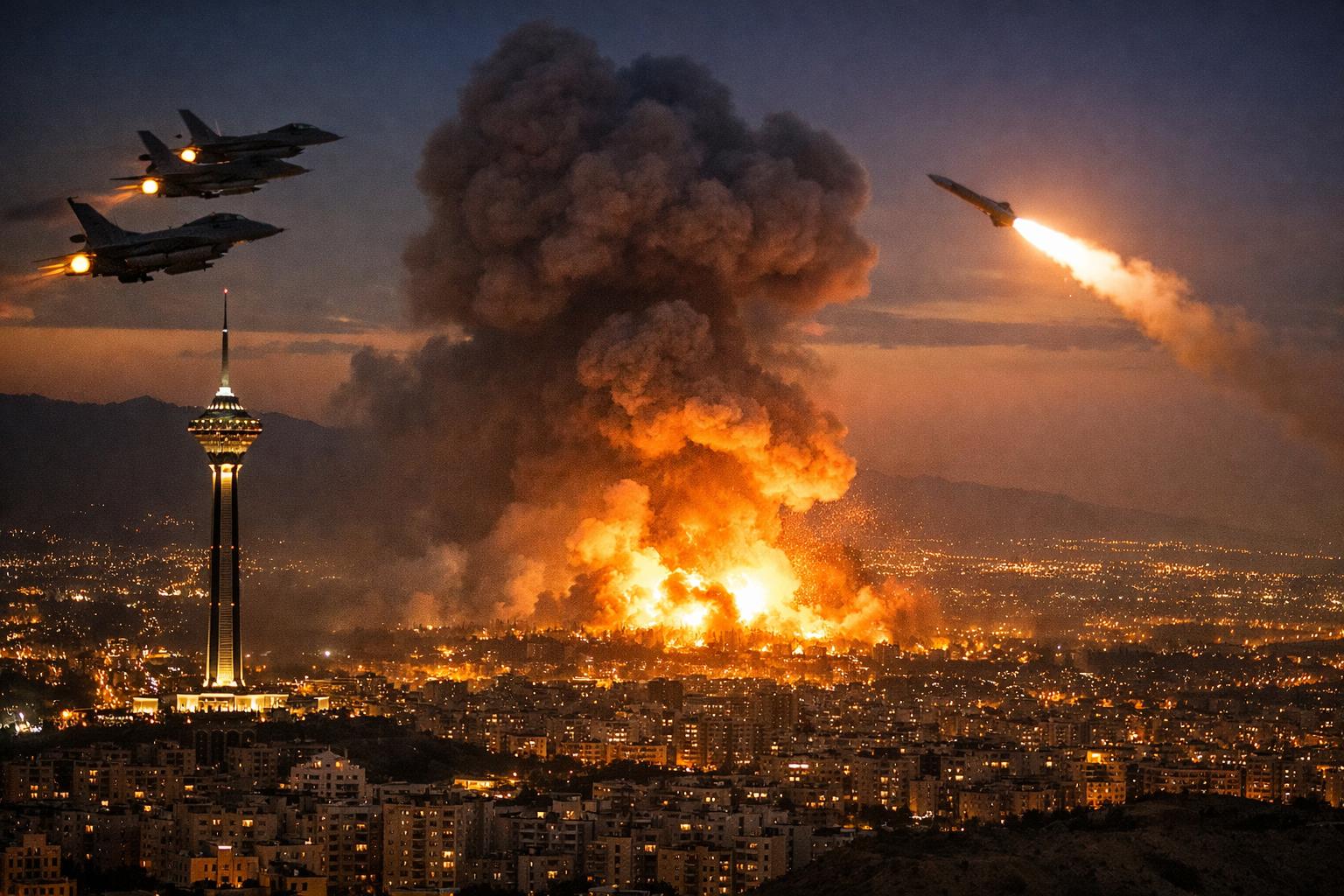
The United States and Israel carried out a coordinated military operation against Iran on February 28, marking a sharp escalation in West Asia tensions and raising concerns about a wider regional conflict. Officials familiar with the development said the strikes were aimed at key military and political targets, including locations linked to Iran’s leadership and nuclear programme. Iranian authorities later responded with missile attacks targeting Israeli territory and facilities used by US for
The United States and Israel carried out a coordinated military operation against Iran on February 28, marking a sharp escalation in West Asia tensions and raising concerns about a wider regional conflict. Officials familiar with the development said the strikes were aimed at key military and political targets, including locations linked to Iran’s leadership and nuclear programme. Iranian authorities later responded with missile attacks targeting Israeli territory and facilities used by US for