#iranpolicy
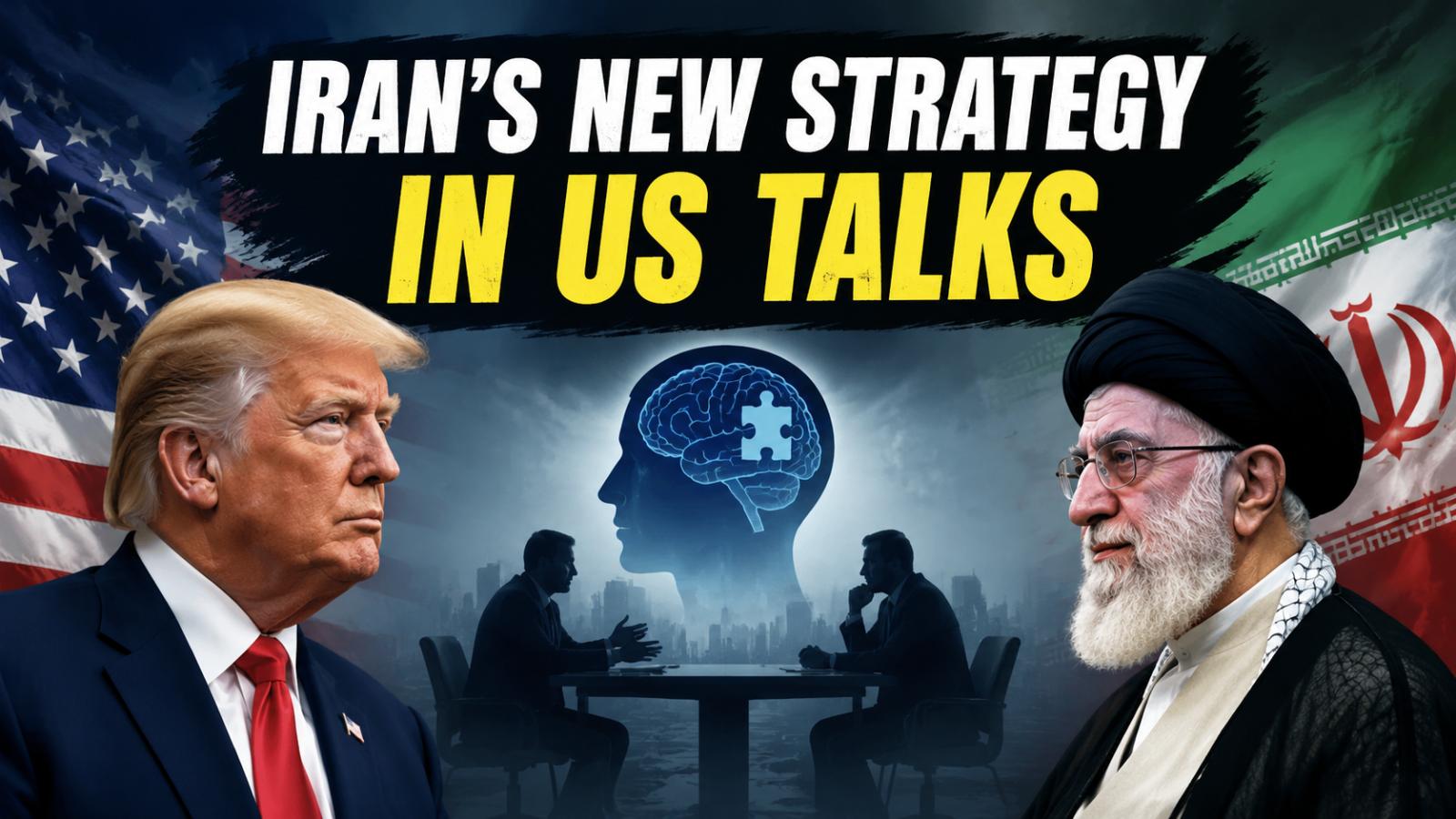
Iran reportedly adjusts US talks strategy with advisory shift
Recent reports indicate a shift in Iran’s diplomatic approach toward negotiations with the United States, with a stronger emphasis on how messages are framed during high-stakes discussions. The change is linked to efforts to improve clarity, control perception, and reduce misinterpretation during sensitive exchanges tied to long-running geopolitical tensions. Inclusion of behavioral expertise in advisory setup
Iran reportedly adjusts US talks strategy with advisory shift
Recent reports indicate a shift in Iran’s diplomatic approach toward negotiations with the United States, with a stronger emphasis on how messages are framed during high-stakes discussions. The change is linked to efforts to improve clarity, control perception, and reduce misinterpretation during sensitive exchanges tied to long-running geopolitical tensions. Inclusion of behavioral expertise in advisory setup
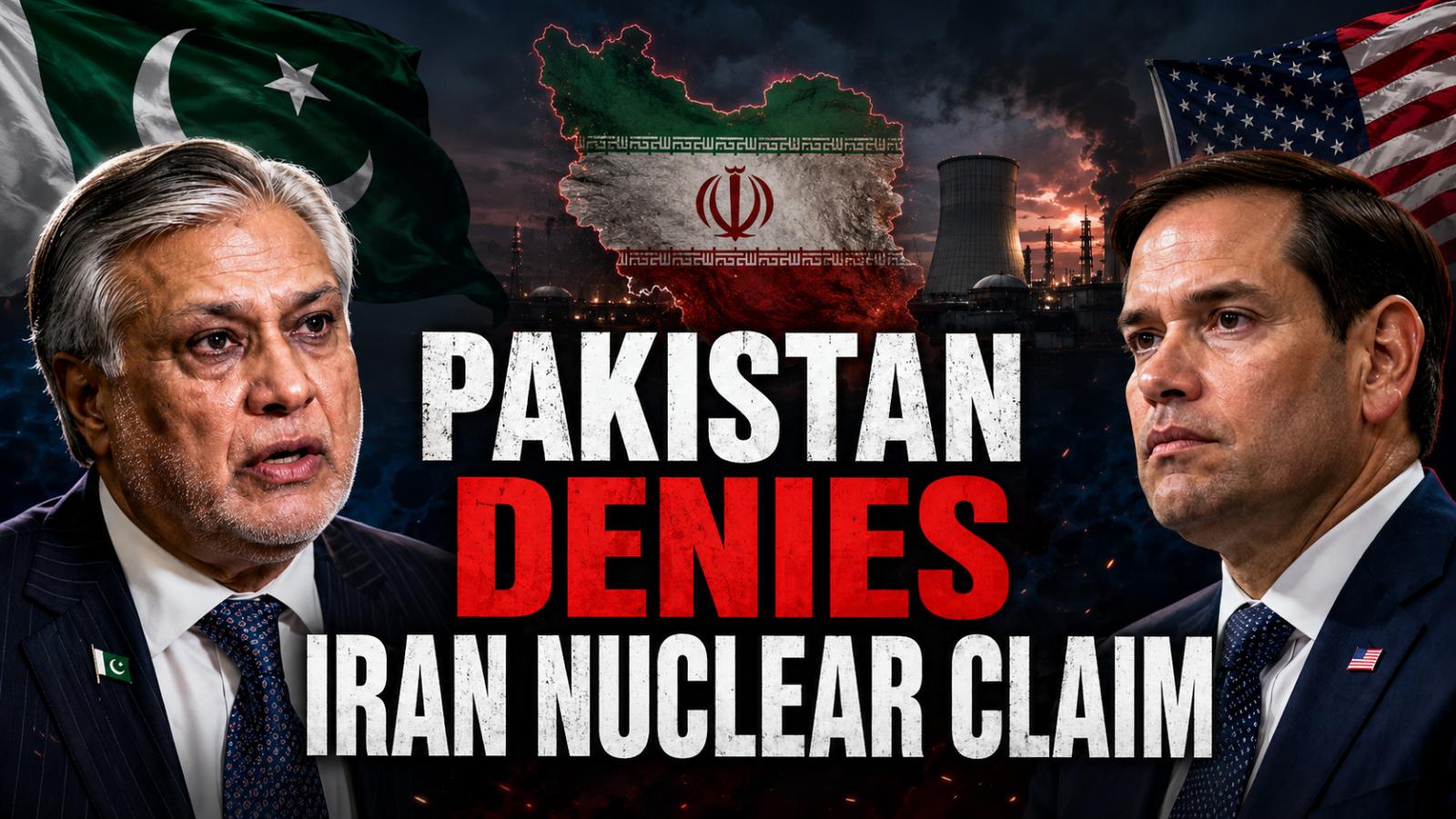
Pakistan Denies Iran Nuclear Claim as Ishaq Dar-Marco Rubio Talks Draw Attention
A new controversy over an Iran nuclear claim has placed Pakistan-US discussions under fresh attention. The issue began after former CIA analyst Larry Johnson alleged that Pakistan’s Deputy Prime Minister and Foreign Minister Ishaq Dar passed a sensitive “nuclear alert” message to US Secretary of State Marco Rubio. According to the claim, the message was linked to a possible major development in Iran’s nuclear position. Pakistan, however, has firmly denied the allegation and said no secret or confidential report about Iran’s nuclear activity was shared with the United States. Pakistan Rejects Secret Report Allegation The claim has brought renewed focus to the May 29 meeting between Ishaq Dar and Marco Rubio. While the official discussion was described as part of regular bilateral engagement, Johnson’s remarks turned the meeting into a wider debate involving Iran, Pakistan, the United States and regional security. Pakistan’s Foreign Office rejected the reports as baseless and speculative. It made clear that Islamabad did not hand over any secret nuclear document or intelligence report to Washington. This denial is important because the allegation involves a highly sensitive subject. Any suggestion of secret nuclear communication between Pakistan and the United States can quickly create diplomatic pressure, especially when Iran and Israel tensions are already high. Larry Johnson’s Claim Raises Questions Larry Johnson claimed that Iranian President Masoud Pezeshkian had informed Pakistan Prime Minister Shehbaz Sharif about Iran’s nuclear position. He further suggested that Tehran may be close to either declaring itself a nuclear power or showing its capability through a possible internal test. These are serious claims, but they remain unverified. So far, Iran, Pakistan and the United States have not confirmed any plan for a nuclear test or public nuclear declaration by Tehran. For readers, the key point is simple: Pakistan’s denial is official. Johnson’s claim is not officially proven. Iran’s Nuclear Doctrine Back in Debate The controversy has also revived discussion around Iran’s nuclear doctrine. Tehran has long maintained that nuclear weapons and weapons of mass destruction are forbidden under a religious decree associated with its leadership. This position is often described as Iran’s religious and political justification for not building nuclear weapons. However, some analysts believe Iran’s doctrine could change if regional threats increase. Others argue that there is still no clear evidence of Iran deciding to build, test or stockpile nuclear weapons. Because of this uncertainty, even an unconfirmed Iran nuclear claim can create serious concern among governments and security analysts. Why the Claim Matters for Regional Security ? The timing of the claim is sensitive. US-Iran talks, Israel-Iran tensions and Middle East security concerns are already under global attention. Any report suggesting that Iran may shift its nuclear position can increase fear in the region. Johnson also suggested that sensitive communication may have been allowed through a channel that Western and Israeli intelligence could detect. That claim too remains unproven and should be treated with caution. In geopolitics, even speculation can have consequences. A single unverified claim can affect diplomatic language, security planning and public debate. What Is Confirmed So Far ? At this stage, the confirmed fact is Pakistan’s denial. Islamabad has rejected the idea that it shared any confidential Iran nuclear report with the United States. There is no official confirmation from Iran about a nuclear test. There is no public confirmation from Washington that it received such a report from Pakistan. There is also no verified statement proving that Tehran is preparing to declare itself a nuclear power. The issue remains important because it touches three sensitive areas: Iran’s nuclear policy, Pakistan-US diplomatic communication and regional security fears.
Pakistan Denies Iran Nuclear Claim as Ishaq Dar-Marco Rubio Talks Draw Attention
A new controversy over an Iran nuclear claim has placed Pakistan-US discussions under fresh attention. The issue began after former CIA analyst Larry Johnson alleged that Pakistan’s Deputy Prime Minister and Foreign Minister Ishaq Dar passed a sensitive “nuclear alert” message to US Secretary of State Marco Rubio. According to the claim, the message was linked to a possible major development in Iran’s nuclear position. Pakistan, however, has firmly denied the allegation and said no secret or confidential report about Iran’s nuclear activity was shared with the United States. Pakistan Rejects Secret Report Allegation The claim has brought renewed focus to the May 29 meeting between Ishaq Dar and Marco Rubio. While the official discussion was described as part of regular bilateral engagement, Johnson’s remarks turned the meeting into a wider debate involving Iran, Pakistan, the United States and regional security. Pakistan’s Foreign Office rejected the reports as baseless and speculative. It made clear that Islamabad did not hand over any secret nuclear document or intelligence report to Washington. This denial is important because the allegation involves a highly sensitive subject. Any suggestion of secret nuclear communication between Pakistan and the United States can quickly create diplomatic pressure, especially when Iran and Israel tensions are already high. Larry Johnson’s Claim Raises Questions Larry Johnson claimed that Iranian President Masoud Pezeshkian had informed Pakistan Prime Minister Shehbaz Sharif about Iran’s nuclear position. He further suggested that Tehran may be close to either declaring itself a nuclear power or showing its capability through a possible internal test. These are serious claims, but they remain unverified. So far, Iran, Pakistan and the United States have not confirmed any plan for a nuclear test or public nuclear declaration by Tehran. For readers, the key point is simple: Pakistan’s denial is official. Johnson’s claim is not officially proven. Iran’s Nuclear Doctrine Back in Debate The controversy has also revived discussion around Iran’s nuclear doctrine. Tehran has long maintained that nuclear weapons and weapons of mass destruction are forbidden under a religious decree associated with its leadership. This position is often described as Iran’s religious and political justification for not building nuclear weapons. However, some analysts believe Iran’s doctrine could change if regional threats increase. Others argue that there is still no clear evidence of Iran deciding to build, test or stockpile nuclear weapons. Because of this uncertainty, even an unconfirmed Iran nuclear claim can create serious concern among governments and security analysts. Why the Claim Matters for Regional Security ? The timing of the claim is sensitive. US-Iran talks, Israel-Iran tensions and Middle East security concerns are already under global attention. Any report suggesting that Iran may shift its nuclear position can increase fear in the region. Johnson also suggested that sensitive communication may have been allowed through a channel that Western and Israeli intelligence could detect. That claim too remains unproven and should be treated with caution. In geopolitics, even speculation can have consequences. A single unverified claim can affect diplomatic language, security planning and public debate. What Is Confirmed So Far ? At this stage, the confirmed fact is Pakistan’s denial. Islamabad has rejected the idea that it shared any confidential Iran nuclear report with the United States. There is no official confirmation from Iran about a nuclear test. There is no public confirmation from Washington that it received such a report from Pakistan. There is also no verified statement proving that Tehran is preparing to declare itself a nuclear power. The issue remains important because it touches three sensitive areas: Iran’s nuclear policy, Pakistan-US diplomatic communication and regional security fears.
US and China leaders hold extensive talks on oil, agriculture, and Taiwan issues
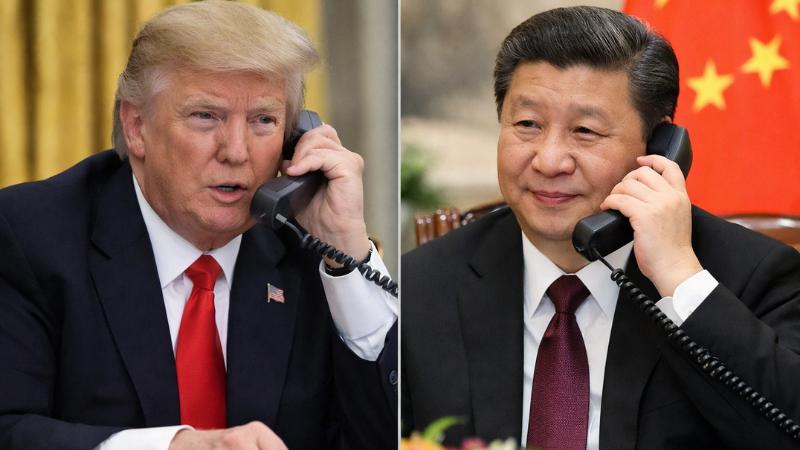
US President Donald Trump held an extended telephone conversation with Chinese President Xi Jinping on Wednesday, engaging in wide-ranging discussions that touched on trade ties, energy cooperation, agricultural purchases, and several pressing geopolitical concerns, according to remarks shared by the American leader. Posting about the exchange on his social media platform, Trump described the dialogue as “excellent,” emphasizing that the call was both lengthy and substantive. He
US and China leaders hold extensive talks on oil, agriculture, and Taiwan issues
US President Donald Trump held an extended telephone conversation with Chinese President Xi Jinping on Wednesday, engaging in wide-ranging discussions that touched on trade ties, energy cooperation, agricultural purchases, and several pressing geopolitical concerns, according to remarks shared by the American leader. Posting about the exchange on his social media platform, Trump described the dialogue as “excellent,” emphasizing that the call was both lengthy and substantive. He
US may impose 500% tariffs on countries buying Russian oil under new bill
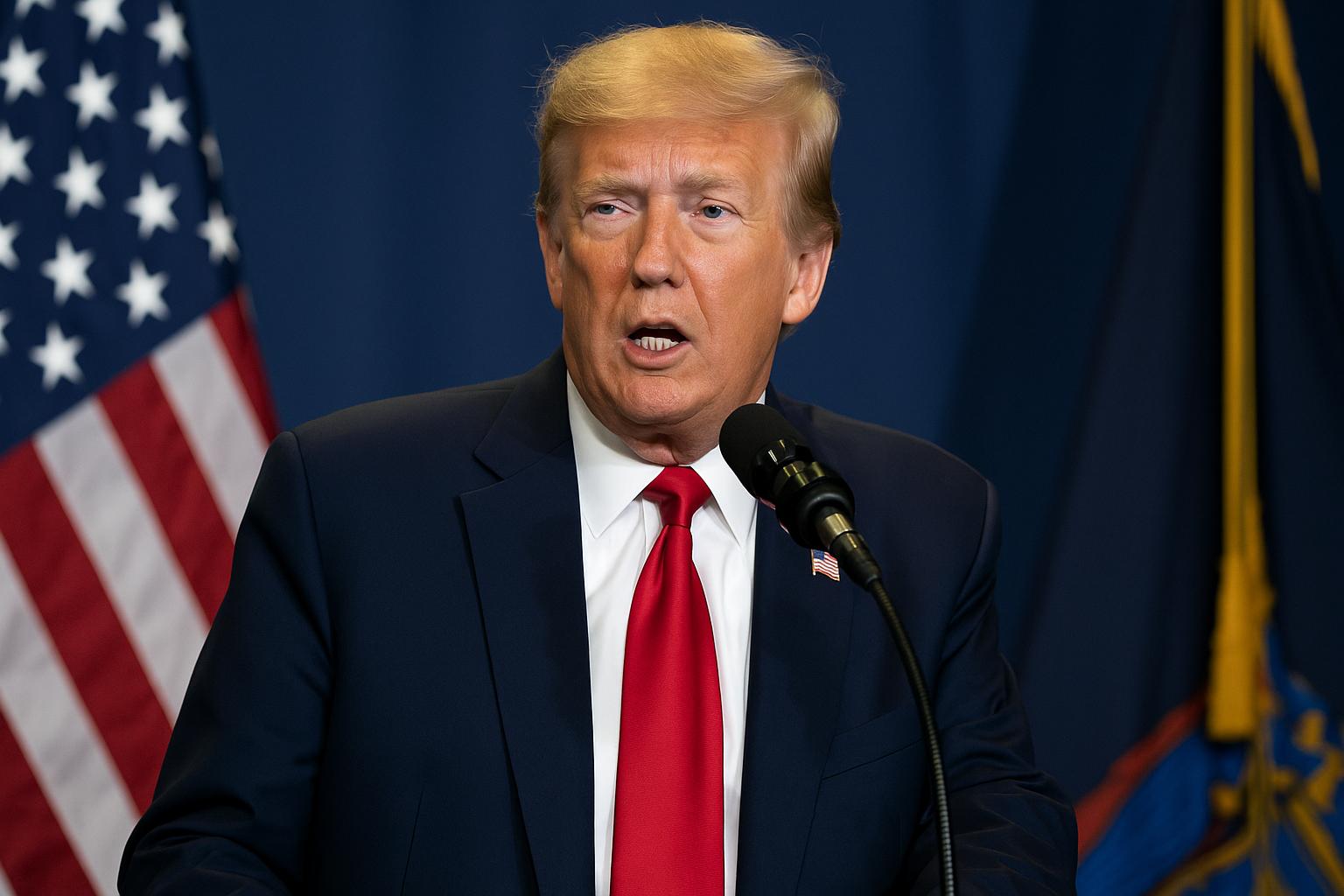
The United States is preparing a major escalation in its economic pressure campaign against Russia, with President Donald Trump announcing that he supports Senate legislation enabling Washington to impose tariffs of up to 500 percent on countries that continue significant trade with Moscow. The measure represents one of the most aggressive attempts yet to curtail Russian war funding and signals growing frustration in Washington over the prolonged conflict in Ukraine. Speaking before
US may impose 500% tariffs on countries buying Russian oil under new bill
The United States is preparing a major escalation in its economic pressure campaign against Russia, with President Donald Trump announcing that he supports Senate legislation enabling Washington to impose tariffs of up to 500 percent on countries that continue significant trade with Moscow. The measure represents one of the most aggressive attempts yet to curtail Russian war funding and signals growing frustration in Washington over the prolonged conflict in Ukraine. Speaking before
Saudi crown prince seeks security guarantees as Trump pushes Israel normalisation
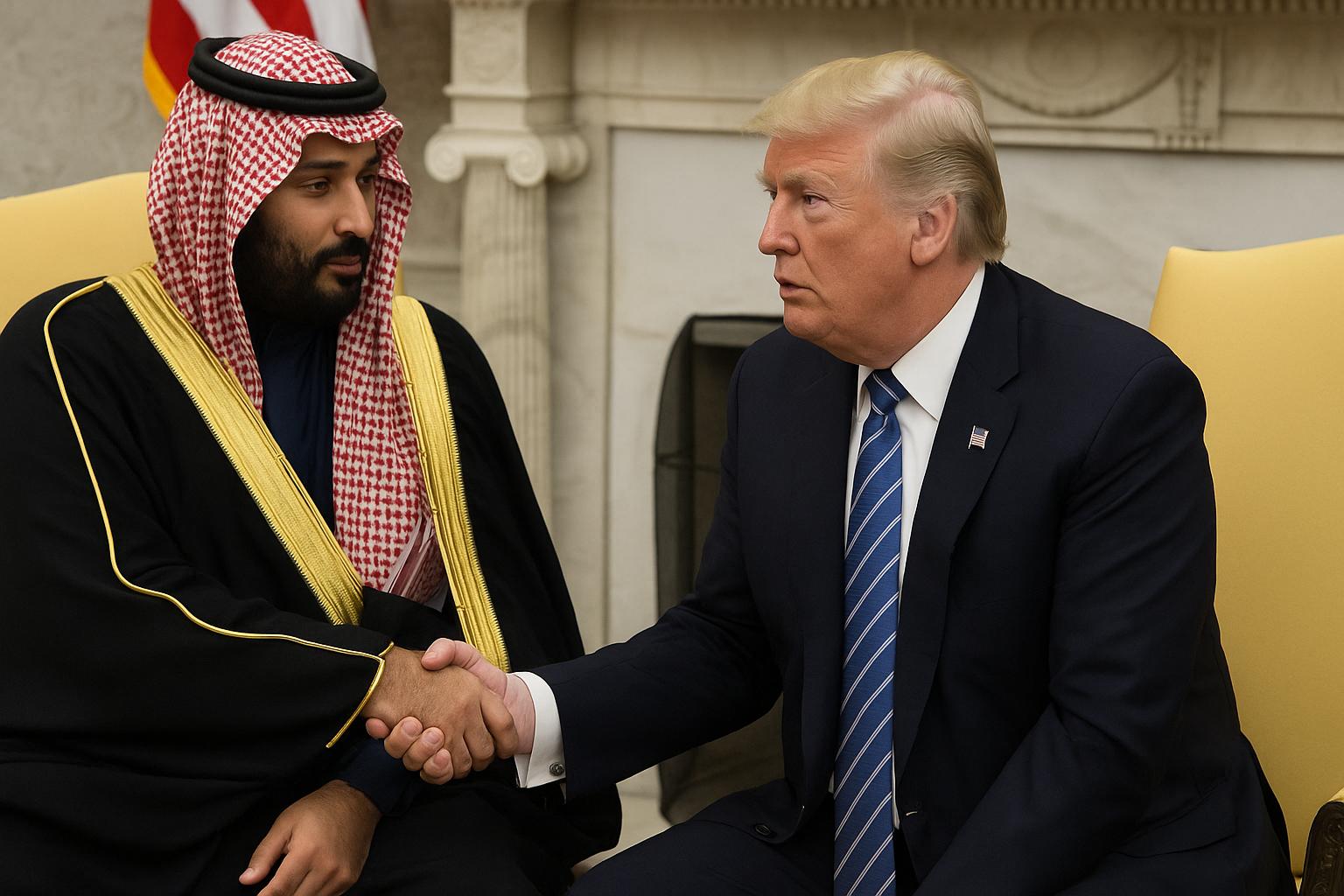
Saudi Crown Prince Mohammed bin Salman is preparing for a high-stakes visit to Washington this week, marking his first trip to the United States in seven years. The visit comes at a moment of deep regional unease, with Saudi Arabia seeking firmer American security guarantees as tensions rise across the Middle East. While US President Donald Trump is expected to press the crown prince to move toward normalising relations with Israel, officials and analysts suggest that Riyadh remains reluctant
Saudi crown prince seeks security guarantees as Trump pushes Israel normalisation
Saudi Crown Prince Mohammed bin Salman is preparing for a high-stakes visit to Washington this week, marking his first trip to the United States in seven years. The visit comes at a moment of deep regional unease, with Saudi Arabia seeking firmer American security guarantees as tensions rise across the Middle East. While US President Donald Trump is expected to press the crown prince to move toward normalising relations with Israel, officials and analysts suggest that Riyadh remains reluctant