#israeli-military
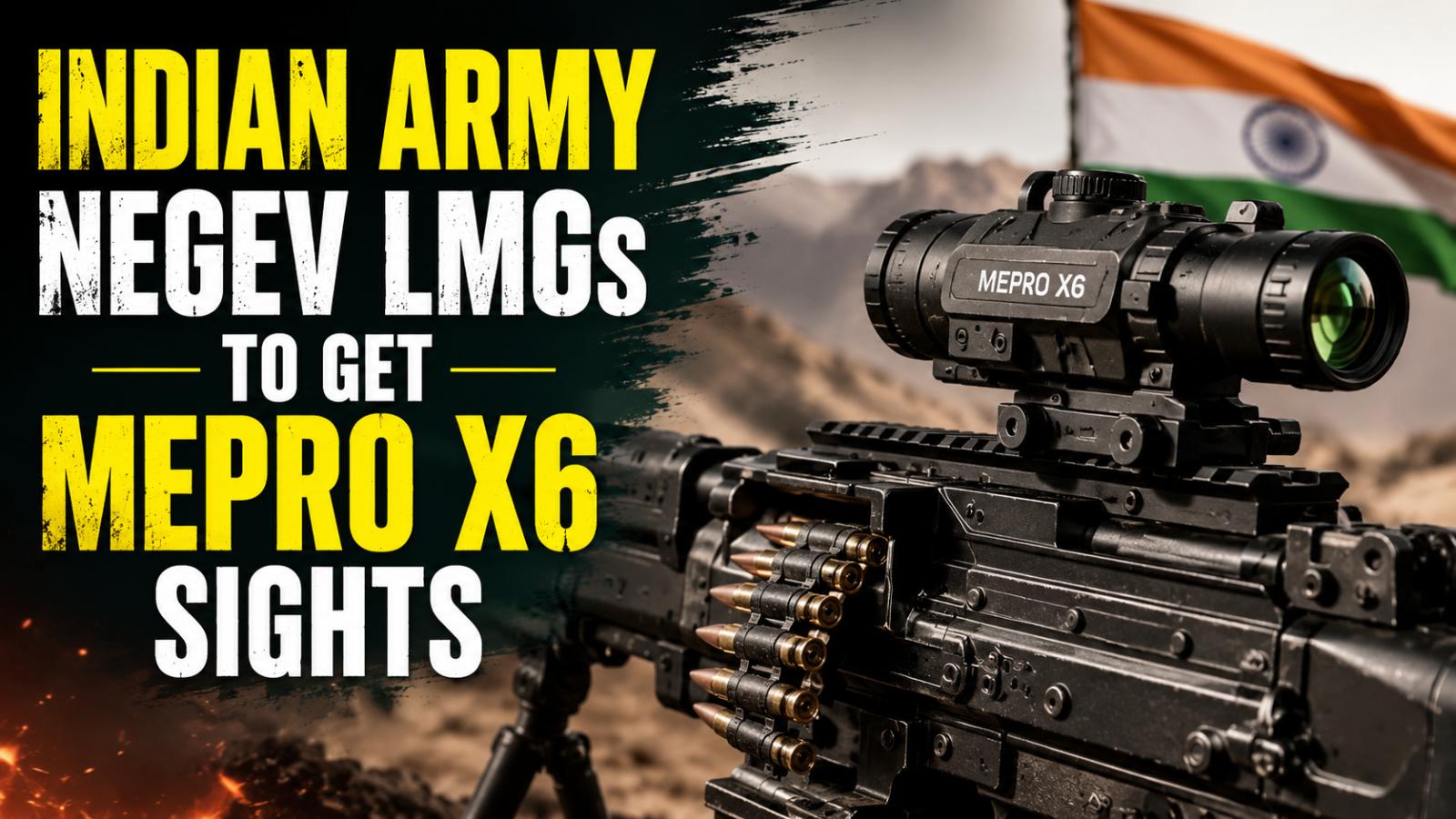
Indian Army Negev LMGs to get MEPRO X6 sights
The Indian Army’s Negev light machine guns are set for an optics upgrade with the addition of MEPRO X6 daytime sights. The move is expected to improve aiming, target visibility and firing confidence for soldiers using the weapon in field conditions. The Negev LMG, originally developed by Israel Weapon Industries, is already part of the Indian Army’s infantry firepower. The new sighting system will help troops use the weapon more effectively at longer distances, especially in open terrain, border areas and demanding operational zones. Why the MEPRO X6 sight matters A light machine gun is not just used for rapid fire. It must also deliver controlled and accurate fire when troops need to engage targets at extended ranges. That is where a reliable optic becomes important. The MEPRO X6 gives the soldier a clearer view of the target during daytime operations. Compared with basic aiming methods, a magnified sight helps improve target identification and reduces guesswork while firing. In difficult environments, this can make the weapon more useful and consistent. Tested for army requirements The Indian Army selected the MEPRO X6 after field assessments and environmental testing. Such trials are important because military equipment has to perform in heat, dust, rough movement and high-pressure combat situations. The focus was not only on accuracy but also on durability, ease of use and reliability. For soldiers, an optic must be simple to operate and strong enough to handle regular field deployment. Made in India push The order includes more than 10,000 MEPRO X6 sights, with deliveries expected during 2026 and 2027. The project also supports India’s defence manufacturing goals through local production. Meprolight has signed a Transfer of Technology agreement with RRP Defense. Under this arrangement, RRP Defense will manufacture the sights in Mumbai and supply them to Bharat Electronics Limited, which is expected to act as the main contractor for the Indian Army. Bigger demand may follow The current order covers only part of the wider Negev LMG requirement. Since the Indian Army has ordered around 41,000 Negev guns, more optics may be needed as additional weapons are delivered and deployed. The upgrade also shows the continued defence cooperation between India and Israel. At the same time, local manufacturing of the sights supports India’s effort to reduce dependence on imported defence equipment. For the soldier on the ground, the real value is simple: better visibility, better aim and better control during operations.
Indian Army Negev LMGs to get MEPRO X6 sights
The Indian Army’s Negev light machine guns are set for an optics upgrade with the addition of MEPRO X6 daytime sights. The move is expected to improve aiming, target visibility and firing confidence for soldiers using the weapon in field conditions. The Negev LMG, originally developed by Israel Weapon Industries, is already part of the Indian Army’s infantry firepower. The new sighting system will help troops use the weapon more effectively at longer distances, especially in open terrain, border areas and demanding operational zones. Why the MEPRO X6 sight matters A light machine gun is not just used for rapid fire. It must also deliver controlled and accurate fire when troops need to engage targets at extended ranges. That is where a reliable optic becomes important. The MEPRO X6 gives the soldier a clearer view of the target during daytime operations. Compared with basic aiming methods, a magnified sight helps improve target identification and reduces guesswork while firing. In difficult environments, this can make the weapon more useful and consistent. Tested for army requirements The Indian Army selected the MEPRO X6 after field assessments and environmental testing. Such trials are important because military equipment has to perform in heat, dust, rough movement and high-pressure combat situations. The focus was not only on accuracy but also on durability, ease of use and reliability. For soldiers, an optic must be simple to operate and strong enough to handle regular field deployment. Made in India push The order includes more than 10,000 MEPRO X6 sights, with deliveries expected during 2026 and 2027. The project also supports India’s defence manufacturing goals through local production. Meprolight has signed a Transfer of Technology agreement with RRP Defense. Under this arrangement, RRP Defense will manufacture the sights in Mumbai and supply them to Bharat Electronics Limited, which is expected to act as the main contractor for the Indian Army. Bigger demand may follow The current order covers only part of the wider Negev LMG requirement. Since the Indian Army has ordered around 41,000 Negev guns, more optics may be needed as additional weapons are delivered and deployed. The upgrade also shows the continued defence cooperation between India and Israel. At the same time, local manufacturing of the sights supports India’s effort to reduce dependence on imported defence equipment. For the soldier on the ground, the real value is simple: better visibility, better aim and better control during operations.
Lebanon-Israel Conflict: Civilian Deaths Reported in Airstrikes
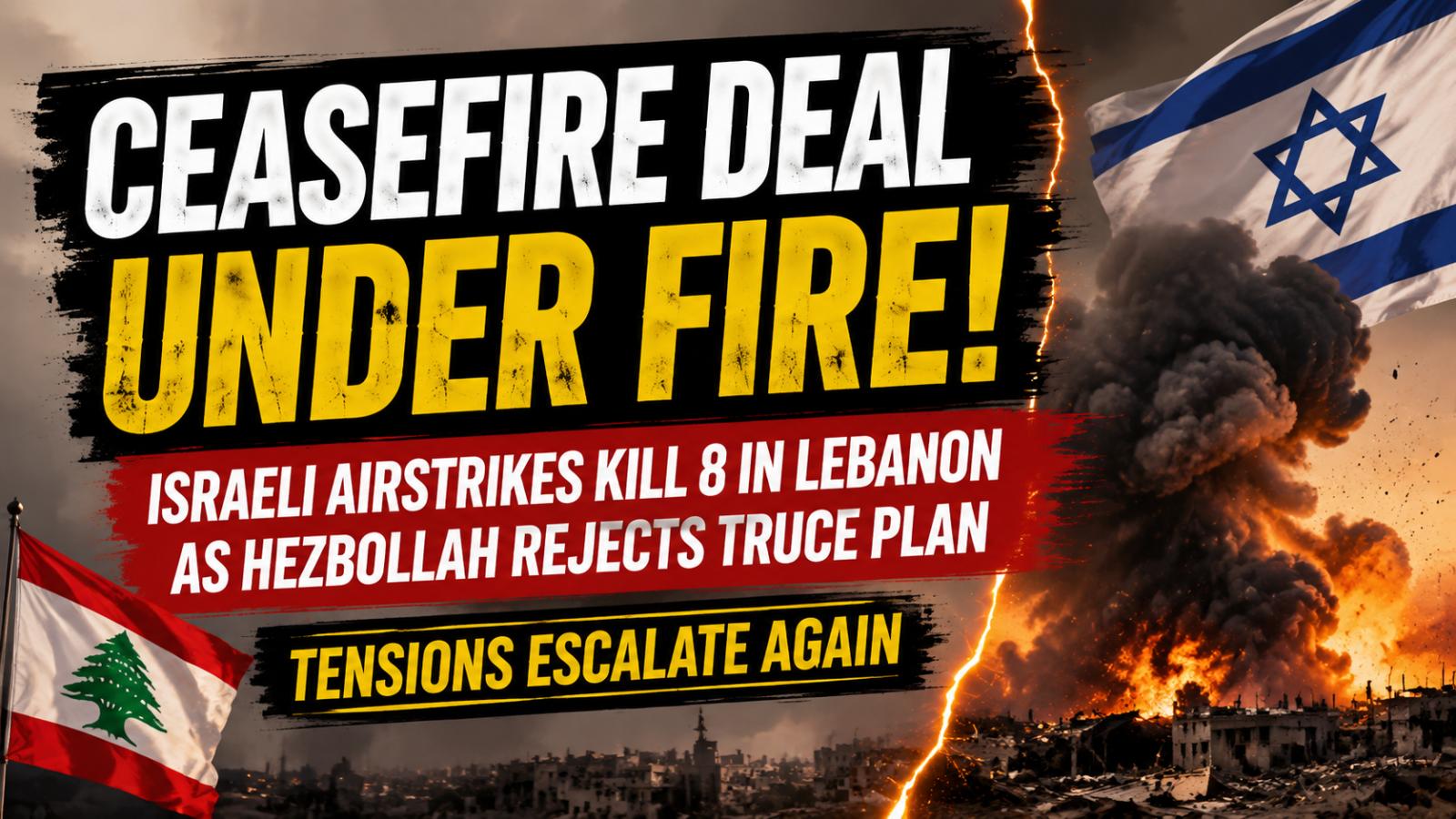
Israeli Airstrikes Kill Eight in Lebanon Amid Ceasefire Talks Israeli airstrikes killed eight people in Lebanon on Thursday, just a day after a conditional ceasefire plan was agreed upon by Lebanese and Israeli representatives in the United States. Five people were killed in eastern Lebanon, while three more lost their lives near Tyre. Eight others were injured, including women and children, as the conflict
Lebanon-Israel Conflict: Civilian Deaths Reported in Airstrikes
Israeli Airstrikes Kill Eight in Lebanon Amid Ceasefire Talks Israeli airstrikes killed eight people in Lebanon on Thursday, just a day after a conditional ceasefire plan was agreed upon by Lebanese and Israeli representatives in the United States. Five people were killed in eastern Lebanon, while three more lost their lives near Tyre. Eight others were injured, including women and children, as the conflict
Trump’s Visit to China: A Grand Reception
A Warmer Welcome for Trump Chinese President Xi Jinping’s diplomatic approach to Donald Trump’s recent visit to Beijing marked a clear shift in China-US relations. Unlike in 2017, when Trump was greeted by a lower-ranking official, this time China sent Vice President Han Zheng, along with both ambassadors and senior foreign affairs officials, signaling a significant elevation in the diplomatic reception. Isabelle Vladoiu, founder of the US Institute of Diplomacy and Human Righ

Trump’s Visit to China: A Grand Reception
A Warmer Welcome for Trump Chinese President Xi Jinping’s diplomatic approach to Donald Trump’s recent visit to Beijing marked a clear shift in China-US relations. Unlike in 2017, when Trump was greeted by a lower-ranking official, this time China sent Vice President Han Zheng, along with both ambassadors and senior foreign affairs officials, signaling a significant elevation in the diplomatic reception. Isabelle Vladoiu, founder of the US Institute of Diplomacy and Human Righ

Trump Comments on Ukraine and Iran Wars Spark Confusion
US President Donald Trump drew attention during a recent press interaction after appearing to confuse details while discussing two major international conflicts. The exchange took place as Trump addressed reporters during an event linked to the Artemis II mission crew, where he was asked which conflict might conclude first: the prolonged Russia-Ukraine war or the ongoing tensions involving Iran and Israel. In response, Trump suggested that both situations could follow a similar timeline, stating that he was uncertain which would end sooner. However, his subsequent remarks raised questions as he began describing military conditions that appeared inconsistent or unclear in context. He claimed that Ukraine was militarily defeated, referencing significant naval and air losses, including statements about ships being destroyed and aircraft being eliminated. Trump also cited reductions in missile and drone capabilities, though his comments did not clearly distinguish whether he was referring to Ukraine or Iran at various points. This lack of clarity led to widespread attention, with observers noting the difficulty in separating his analysis of the two conflicts. The Russia-Ukraine war has continued for years with ongoing military engagements, while tensions involving Iran, Israel, and US involvement have added another layer of complexity to global security dynamics. Trump’s remarks came at a time when both conflicts remain active and under close international observation. The moment quickly gained traction due to the ambiguity in the president’s statements, highlighting the challenges of addressing multiple geopolitical crises simultaneously in public forums.
Trump Comments on Ukraine and Iran Wars Spark Confusion
US President Donald Trump drew attention during a recent press interaction after appearing to confuse details while discussing two major international conflicts. The exchange took place as Trump addressed reporters during an event linked to the Artemis II mission crew, where he was asked which conflict might conclude first: the prolonged Russia-Ukraine war or the ongoing tensions involving Iran and Israel. In response, Trump suggested that both situations could follow a similar timeline, stating that he was uncertain which would end sooner. However, his subsequent remarks raised questions as he began describing military conditions that appeared inconsistent or unclear in context. He claimed that Ukraine was militarily defeated, referencing significant naval and air losses, including statements about ships being destroyed and aircraft being eliminated. Trump also cited reductions in missile and drone capabilities, though his comments did not clearly distinguish whether he was referring to Ukraine or Iran at various points. This lack of clarity led to widespread attention, with observers noting the difficulty in separating his analysis of the two conflicts. The Russia-Ukraine war has continued for years with ongoing military engagements, while tensions involving Iran, Israel, and US involvement have added another layer of complexity to global security dynamics. Trump’s remarks came at a time when both conflicts remain active and under close international observation. The moment quickly gained traction due to the ambiguity in the president’s statements, highlighting the challenges of addressing multiple geopolitical crises simultaneously in public forums.
US–Israel–Iran War | IDF warns of troop shortages as Israel’s multi-front war intensifies
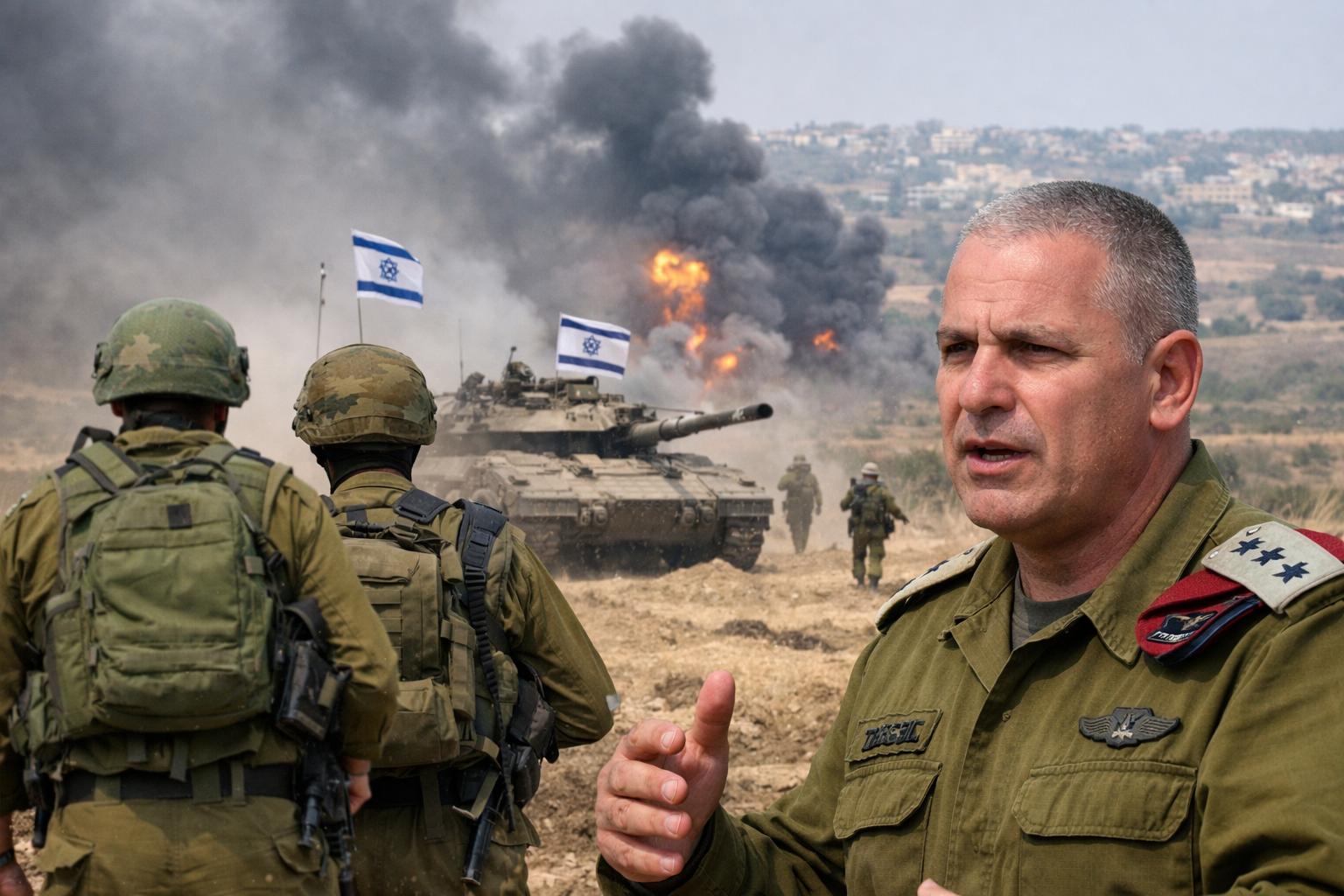
Israel’s top military official has issued a stark warning about the country’s operational readiness, citing severe manpower shortages as conflict across multiple fronts continues to intensify. Eyal Zamir, Chief of the General Staff of the Israel Defense Forces, told senior ministers that the military risks “collapsing on itself” if current staffing gaps are not addressed. The warning came
US–Israel–Iran War | IDF warns of troop shortages as Israel’s multi-front war intensifies
Israel’s top military official has issued a stark warning about the country’s operational readiness, citing severe manpower shortages as conflict across multiple fronts continues to intensify. Eyal Zamir, Chief of the General Staff of the Israel Defense Forces, told senior ministers that the military risks “collapsing on itself” if current staffing gaps are not addressed. The warning came
US–Israel–Iran War | Israel intensifies air campaign with over 5,000 bombs dropped on Iran
Israel has intensified its military campaign against Iran, announcing that more than 5,000 bombs have been dropped on targets across the country since the conflict began. The Israeli military said the operations are continuing to expand, with a strong focus on establishing and maintaining air superiority, particularly over the Tehran region. The announcement marks a significant escalation in hostilities, as the confrontation between the two regional powers enters its fifth day with mounting casu
US–Israel–Iran War | Israel intensifies air campaign with over 5,000 bombs dropped on Iran
Israel has intensified its military campaign against Iran, announcing that more than 5,000 bombs have been dropped on targets across the country since the conflict began. The Israeli military said the operations are continuing to expand, with a strong focus on establishing and maintaining air superiority, particularly over the Tehran region. The announcement marks a significant escalation in hostilities, as the confrontation between the two regional powers enters its fifth day with mounting casu
US and Israel launch strikes on Iran, raising fears of wider West Asia conflict
The United States and Israel carried out a coordinated military operation against Iran on February 28, marking a sharp escalation in West Asia tensions and raising concerns about a wider regional conflict. Officials familiar with the development said the strikes were aimed at key military and political targets, including locations linked to Iran’s leadership and nuclear programme. Iranian authorities later responded with missile attacks targeting Israeli territory and facilities used by US for
US and Israel launch strikes on Iran, raising fears of wider West Asia conflict
The United States and Israel carried out a coordinated military operation against Iran on February 28, marking a sharp escalation in West Asia tensions and raising concerns about a wider regional conflict. Officials familiar with the development said the strikes were aimed at key military and political targets, including locations linked to Iran’s leadership and nuclear programme. Iranian authorities later responded with missile attacks targeting Israeli territory and facilities used by US for
Israel Bombs Iran Nuclear Sites in Major Airstrike
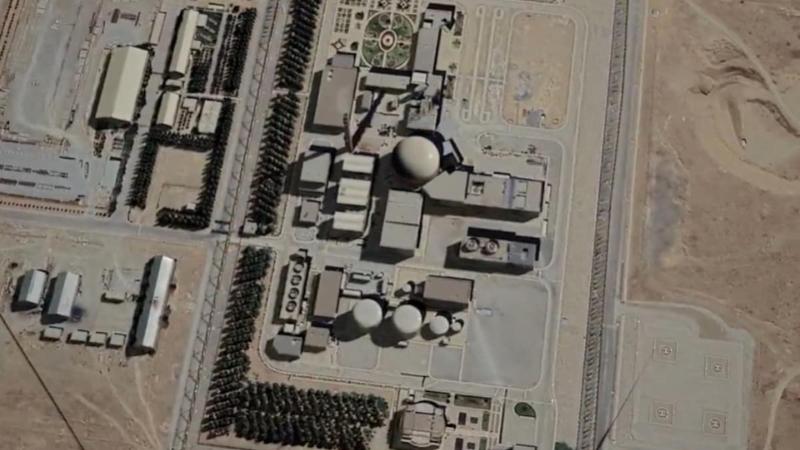
In a dramatic escalation of tensions in the Middle East, Israel launched a massive aerial assault deep into Iranian territory overnight, targeting sensitive military and nuclear facilities. Dubbed Operation Rising Lion, the offensive involved 40 Israeli fighter jets that dropped over 100 precision-guided bombs on strategic locations across cities such as Arak, Natanz, Tehran, Isfahan, Shiraz, and Kermanshah. One of t
Israel Bombs Iran Nuclear Sites in Major Airstrike
In a dramatic escalation of tensions in the Middle East, Israel launched a massive aerial assault deep into Iranian territory overnight, targeting sensitive military and nuclear facilities. Dubbed Operation Rising Lion, the offensive involved 40 Israeli fighter jets that dropped over 100 precision-guided bombs on strategic locations across cities such as Arak, Natanz, Tehran, Isfahan, Shiraz, and Kermanshah. One of t
Iran-Israel Conflict Escalates with Deadly Airstrikes on Tel Aviv and Jerusalem
In a dramatic and dangerous turn of events, Iran and Israel exchanged a series of airstrikes over the weekend, marking one of the most intense escalations in their long-standing rivalry. The conflict began on Friday when Israel launched its largest-ever military offensive against Iranian targets, citing the need to prevent Iran from advancing its nuclear weapons program. In response, Iran retaliated with missile and rocket strikes early Saturday, hitting key Is
Iran-Israel Conflict Escalates with Deadly Airstrikes on Tel Aviv and Jerusalem
In a dramatic and dangerous turn of events, Iran and Israel exchanged a series of airstrikes over the weekend, marking one of the most intense escalations in their long-standing rivalry. The conflict began on Friday when Israel launched its largest-ever military offensive against Iranian targets, citing the need to prevent Iran from advancing its nuclear weapons program. In response, Iran retaliated with missile and rocket strikes early Saturday, hitting key Is
Israeli Strike on Gaza Humanitarian Zone Kills 40, Injures 60: A Closer Look at the Devastation
On Tuesday, a devastating Israeli airstrike targeted a humanitarian zone in Gaza's Khan Yunis, resulting in 40 fatalities and 60 injuries, according to Gaza's civil defense agency. The strike hit Al-Mawasi, a designated safe area where tens of thousands of displaced Palestinians had sought refuge. The Israeli military stated that the strike was aimed at a Hamas command center operating within the humanitarian zone, but the attack has drawn significant criticism from humanitarian organ
Israeli Strike on Gaza Humanitarian Zone Kills 40, Injures 60: A Closer Look at the Devastation
On Tuesday, a devastating Israeli airstrike targeted a humanitarian zone in Gaza's Khan Yunis, resulting in 40 fatalities and 60 injuries, according to Gaza's civil defense agency. The strike hit Al-Mawasi, a designated safe area where tens of thousands of displaced Palestinians had sought refuge. The Israeli military stated that the strike was aimed at a Hamas command center operating within the humanitarian zone, but the attack has drawn significant criticism from humanitarian organ