India Protests US Strike Near Oman That Killed Sailors
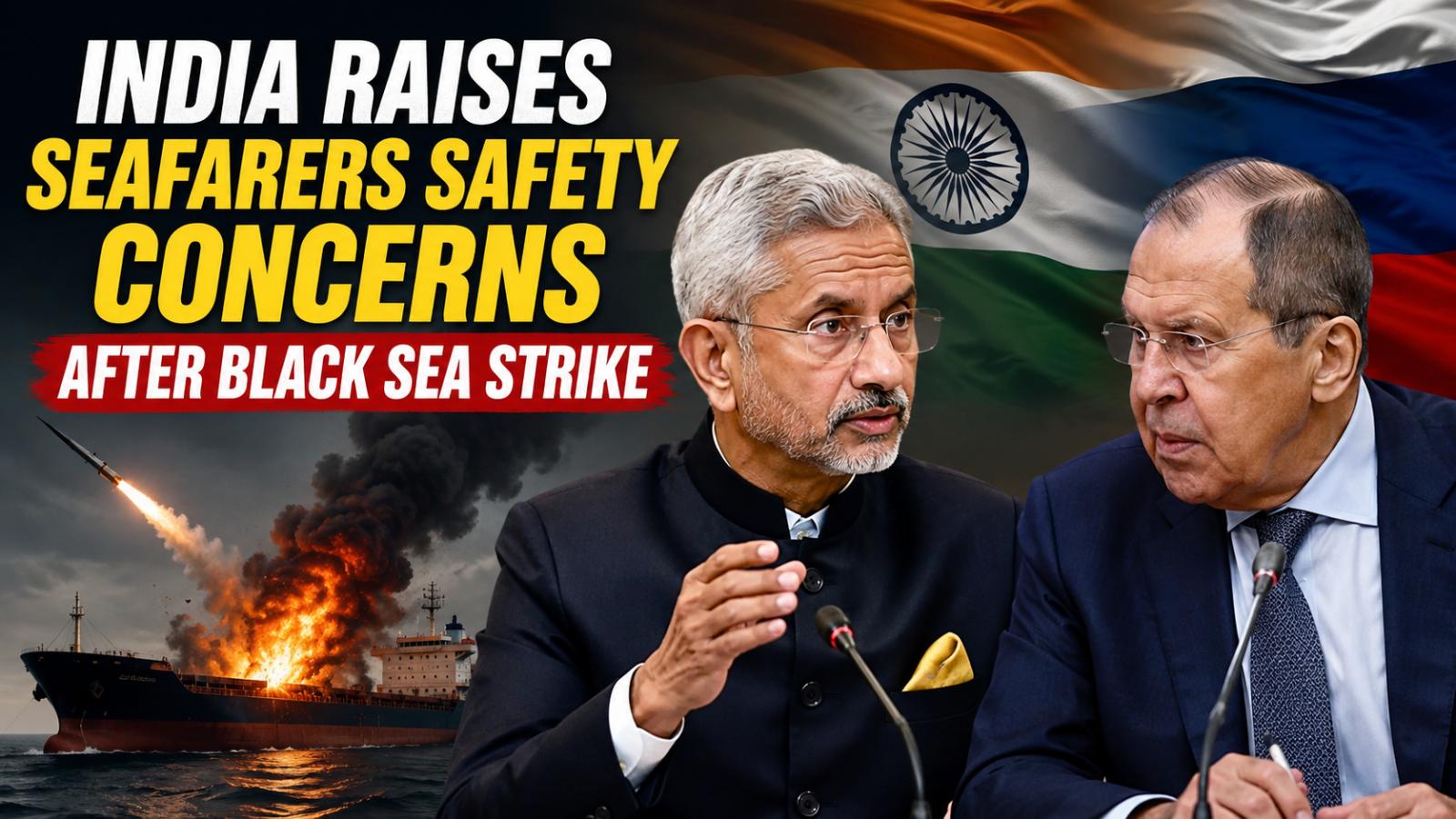
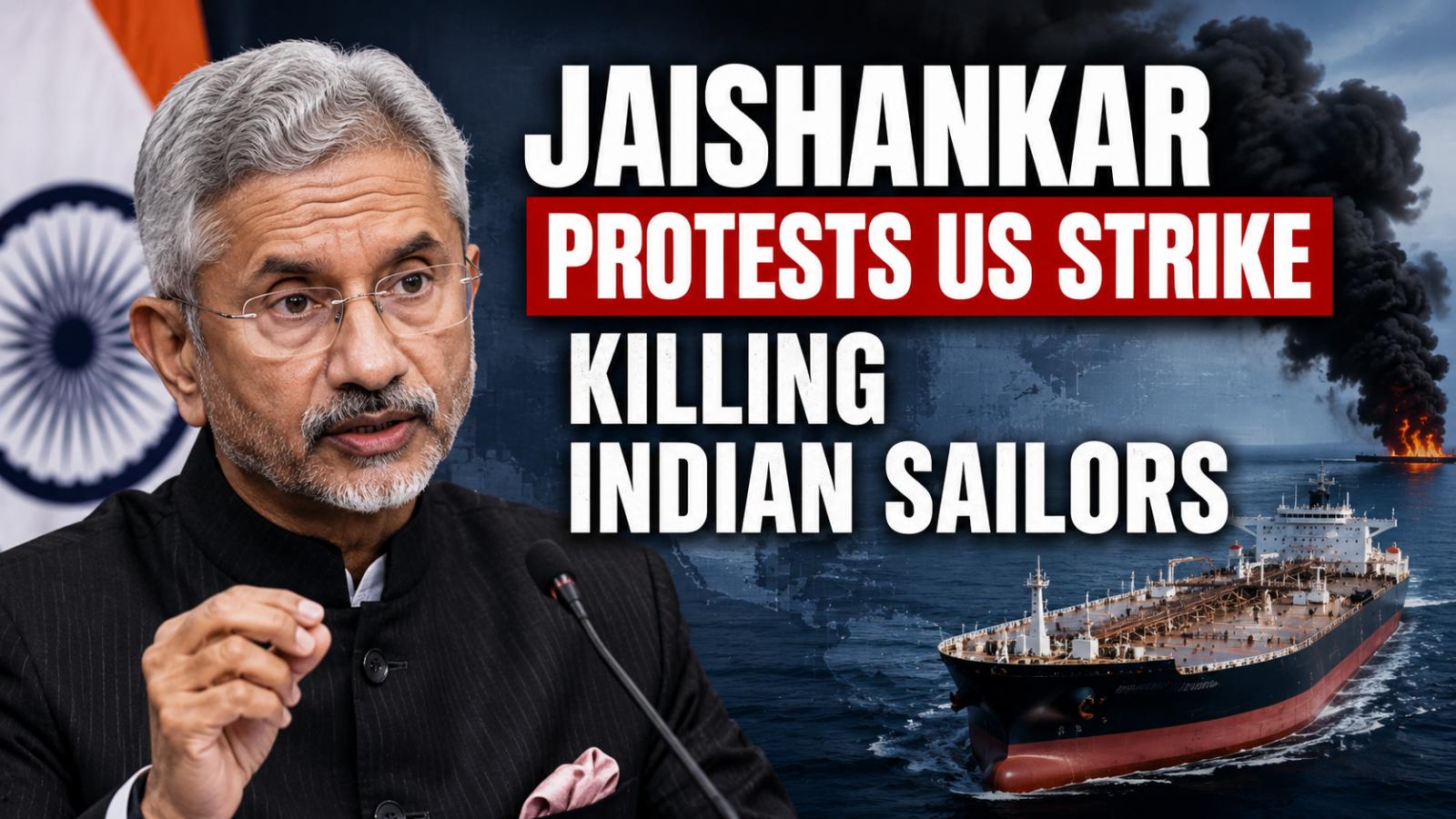
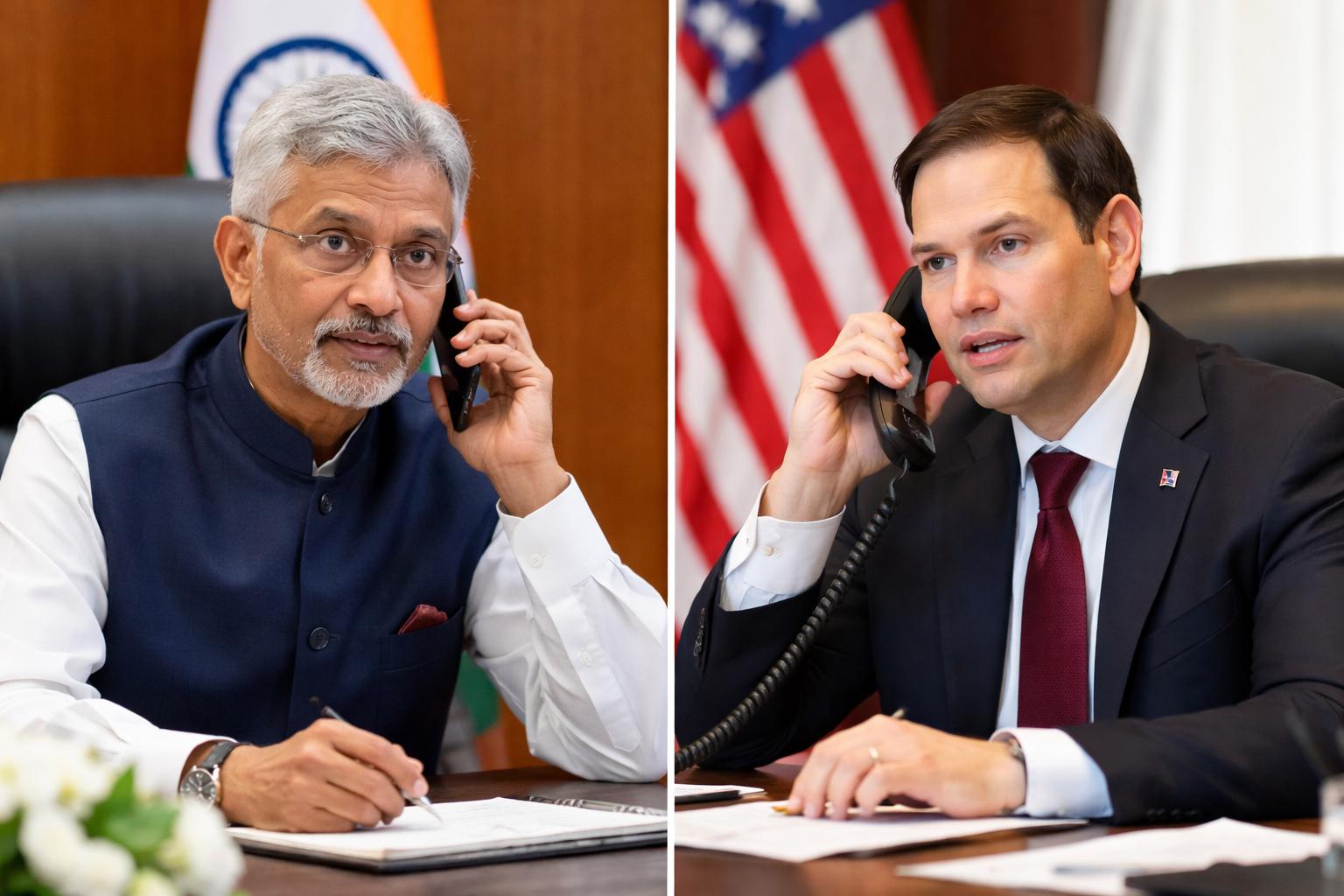
India has lodged a strong protest with the United States after three Indian seafarers were confirmed dead following a US strike on the Palau-flagged tanker MT Settebello near the coast of Oman. External Affairs Minister S Jaishankar said he spoke with US Secretary of State Marco Rubio and conveyed India’s concern over the deaths of Indian mariners in the Gulf region. Jaishankar said lethal action against commercial shipping was not justi
India Protests US Strike Near Oman That Killed Sailors
India has lodged a strong protest with the United States after three Indian seafarers were confirmed dead following a US strike on the Palau-flagged tanker MT Settebello near the coast of Oman. External Affairs Minister S Jaishankar said he spoke with US Secretary of State Marco Rubio and conveyed India’s concern over the deaths of Indian mariners in the Gulf region. Jaishankar said lethal action against commercial shipping was not justi
PM Modi Meets Venezuela Acting President to Boost Bilateral Ties
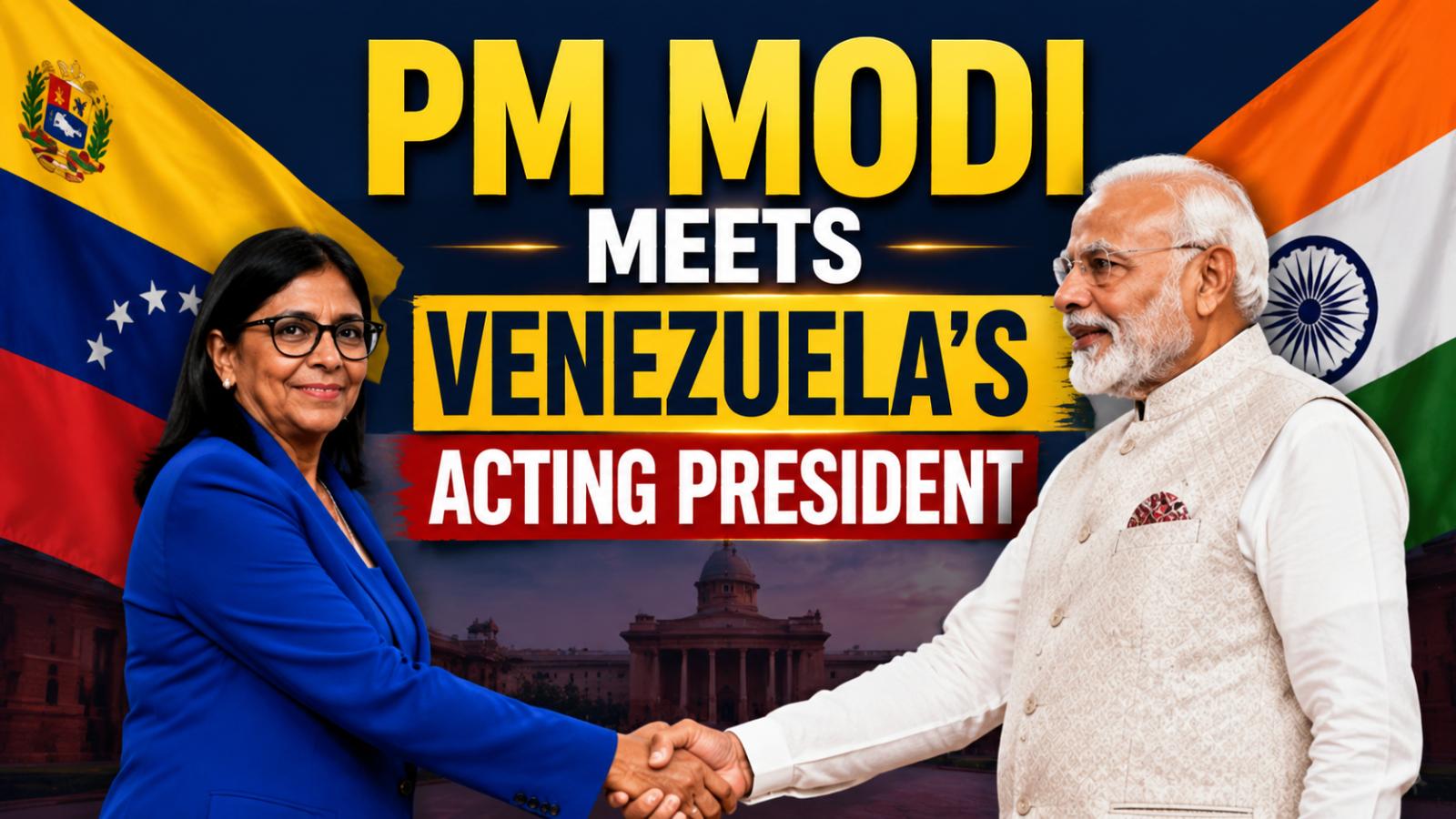
Strengthening India-Venezuela Relations Prime Minister Narendra Modi held a high-level meeting with Venezuela's Acting President Delcy Rodriguez in New Delhi on Thursday. The meeting took place at Hyderabad House, where both leaders discussed the full spectrum of India-Venezuela relations. Key focus areas included energy security, trade and investment, pharmaceuticals, healthcare, transportation, and renewabl
PM Modi Meets Venezuela Acting President to Boost Bilateral Ties
Strengthening India-Venezuela Relations Prime Minister Narendra Modi held a high-level meeting with Venezuela's Acting President Delcy Rodriguez in New Delhi on Thursday. The meeting took place at Hyderabad House, where both leaders discussed the full spectrum of India-Venezuela relations. Key focus areas included energy security, trade and investment, pharmaceuticals, healthcare, transportation, and renewabl
India-US relations: Jaishankar stresses partnership with dignity
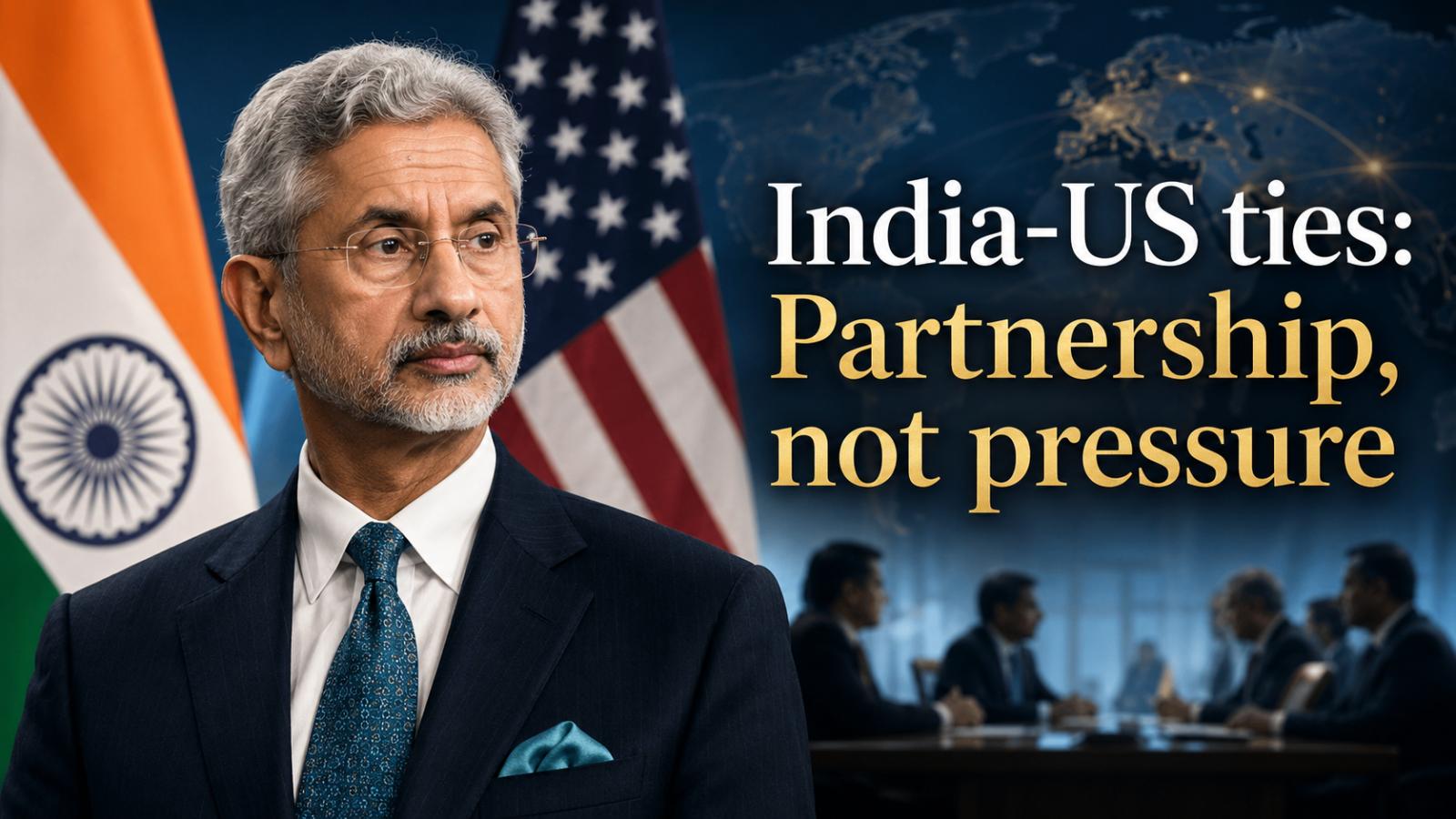
India-US relations have become stronger and more important, but External Affairs Minister S. Jaishankar has made it clear that the partnership is not without challenges. His message is simple: India and America may have differences on trade, energy, diplomacy and global issues, but both countries must handle them maturely and keep the relationship moving forward. He sees the relationship as a serious strategic partnership based on shared interests, not as a one-sided friendship or dependence.
India-US relations: Jaishankar stresses partnership with dignity
India-US relations have become stronger and more important, but External Affairs Minister S. Jaishankar has made it clear that the partnership is not without challenges. His message is simple: India and America may have differences on trade, energy, diplomacy and global issues, but both countries must handle them maturely and keep the relationship moving forward. He sees the relationship as a serious strategic partnership based on shared interests, not as a one-sided friendship or dependence.
Marco Rubio India Visit: Delhi Talks, Taj Mahal Stop, Jaipur Heat and Critical Minerals Focus
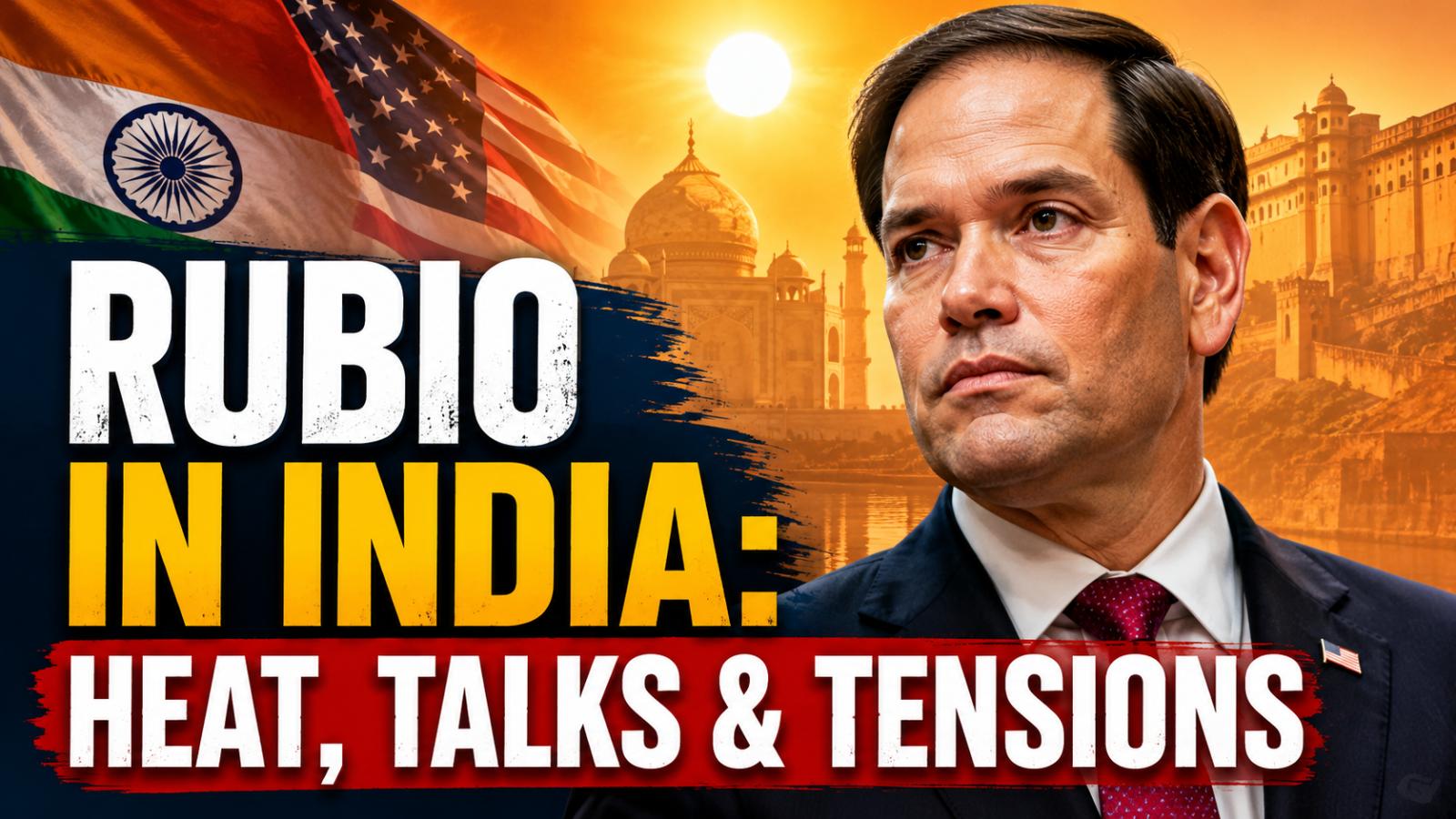
Marco Rubio’s India visit became more than a routine diplomatic tour. The US Secretary of State’s trip brought together serious India-US discussions, Quad cooperation, regional security concerns, critical minerals strategy and public attention around India’s extreme summer heat. Rubio visited India from May 23 to May 26, 2026, with his schedule covering Kolkata, Delhi, Agra and Jaipur. His visit came at a time when Washington and New Delhi were trying to stren
Marco Rubio India Visit: Delhi Talks, Taj Mahal Stop, Jaipur Heat and Critical Minerals Focus
Marco Rubio’s India visit became more than a routine diplomatic tour. The US Secretary of State’s trip brought together serious India-US discussions, Quad cooperation, regional security concerns, critical minerals strategy and public attention around India’s extreme summer heat. Rubio visited India from May 23 to May 26, 2026, with his schedule covering Kolkata, Delhi, Agra and Jaipur. His visit came at a time when Washington and New Delhi were trying to stren
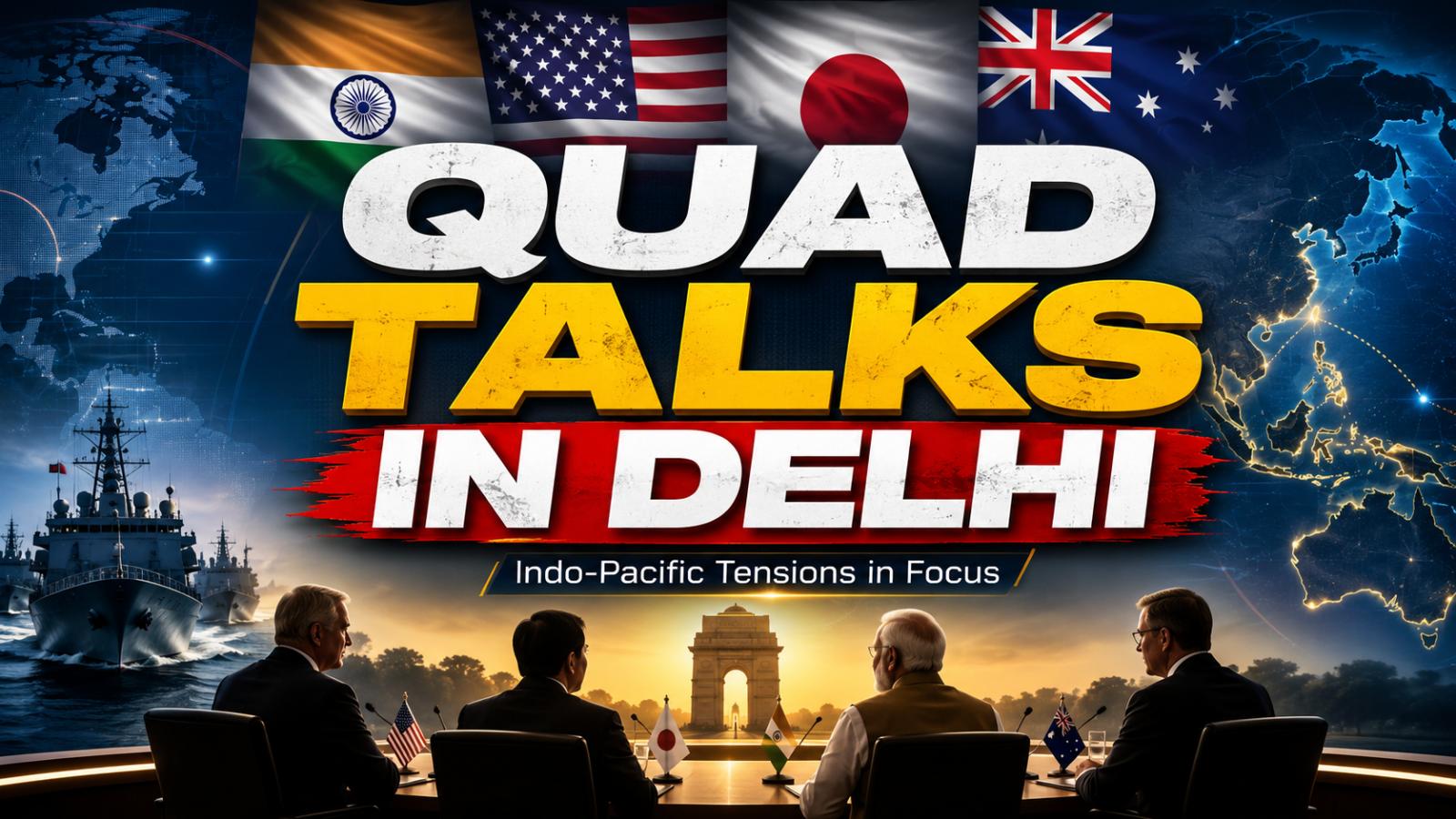
India Hosts Quad Delhi Meeting as Indo-Pacific Security, China and West Asia Tensions Take Centre Stage
India is hosting the Quad foreign ministers’ meeting in New Delhi on May 26, 2026, bringing together senior leaders from India, the United States, Japan and Australia. External Affairs Minister S. Jaishankar is chairing the meeting, with U.S. Secretary of State Marco Rubio, Australian Foreign Minister Penny Wong and Japanese Foreign Minister Toshimitsu Motegi attending the talks. The participation details are confirmed by India’s Ministry of External Affairs. The meeting comes a
India Hosts Quad Delhi Meeting as Indo-Pacific Security, China and West Asia Tensions Take Centre Stage
India is hosting the Quad foreign ministers’ meeting in New Delhi on May 26, 2026, bringing together senior leaders from India, the United States, Japan and Australia. External Affairs Minister S. Jaishankar is chairing the meeting, with U.S. Secretary of State Marco Rubio, Australian Foreign Minister Penny Wong and Japanese Foreign Minister Toshimitsu Motegi attending the talks. The participation details are confirmed by India’s Ministry of External Affairs. The meeting comes a
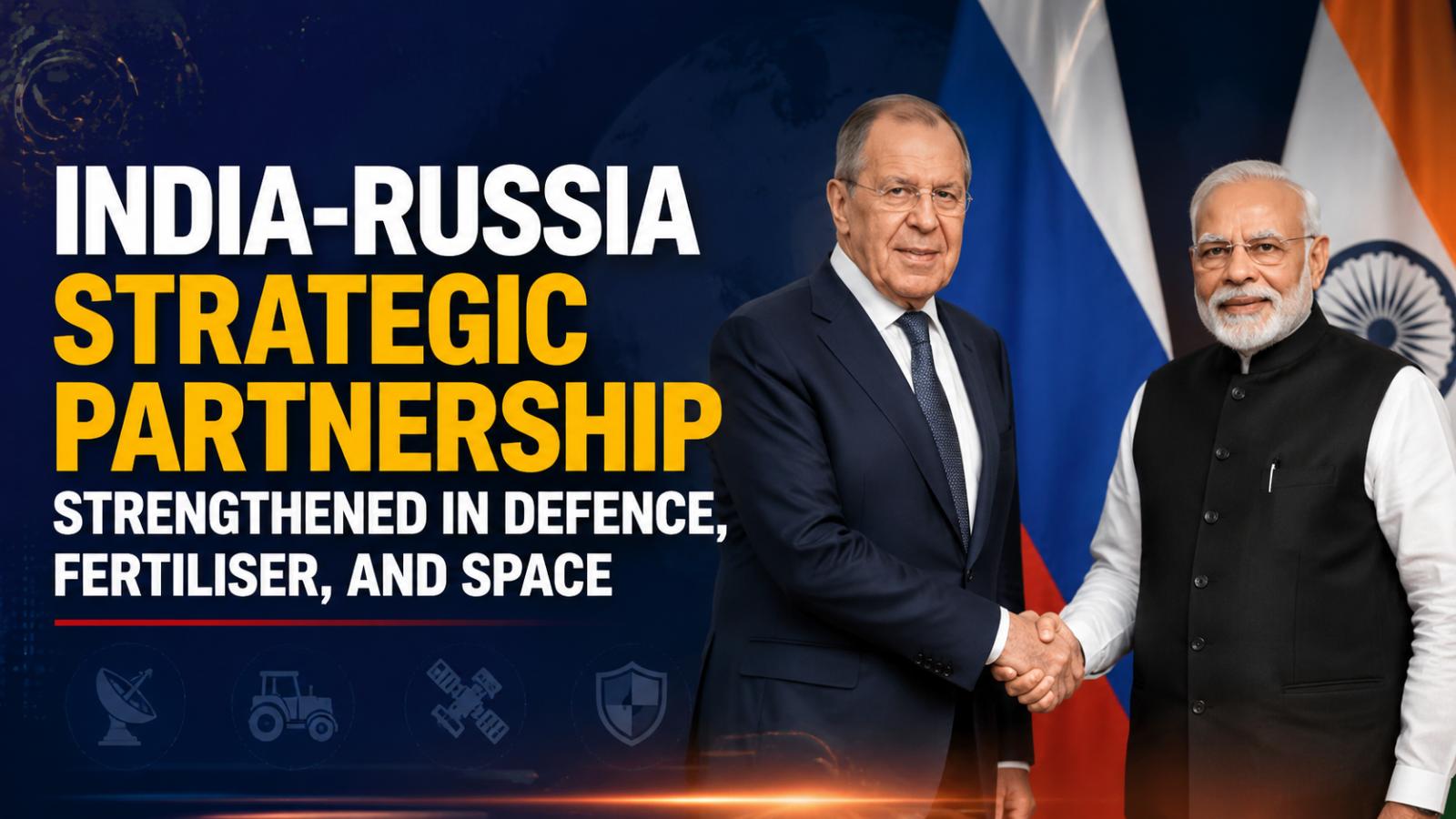
India-Russia talks focus on defence, fertiliser, and space cooperation
During the BRICS Foreign Ministers’ Meeting in India, Russian Foreign Minister Sergey Lavrov held extensive discussions with Indian leaders, focusing on defence cooperation, fertiliser trade, and space collaboration. The meetings reinforced the India-Russia strategic partnership, building on previous agreements from the India-Russia summit and bilateral discussions between Prime Minister Narendra Mo
India-Russia talks focus on defence, fertiliser, and space cooperation
During the BRICS Foreign Ministers’ Meeting in India, Russian Foreign Minister Sergey Lavrov held extensive discussions with Indian leaders, focusing on defence cooperation, fertiliser trade, and space collaboration. The meetings reinforced the India-Russia strategic partnership, building on previous agreements from the India-Russia summit and bilateral discussions between Prime Minister Narendra Mo
India-Russia political cooperation crucial in volatile global environment, says S Jaishankar
In a key diplomatic meeting this week, India's External Affairs Minister, S. Jaishankar, sat down with Russian Foreign Minister Sergey Lavrov to discuss the strengthening of ties between the two countries. As global uncertainties grow, the two leaders emphasized the growing importance of their political and economic cooperation. Jaishankar highlighted how vital it is for India and Russia to continue collaborating in these unpredictable times. This meeting comes just ahead of the BRI
India-Russia political cooperation crucial in volatile global environment, says S Jaishankar
In a key diplomatic meeting this week, India's External Affairs Minister, S. Jaishankar, sat down with Russian Foreign Minister Sergey Lavrov to discuss the strengthening of ties between the two countries. As global uncertainties grow, the two leaders emphasized the growing importance of their political and economic cooperation. Jaishankar highlighted how vital it is for India and Russia to continue collaborating in these unpredictable times. This meeting comes just ahead of the BRI
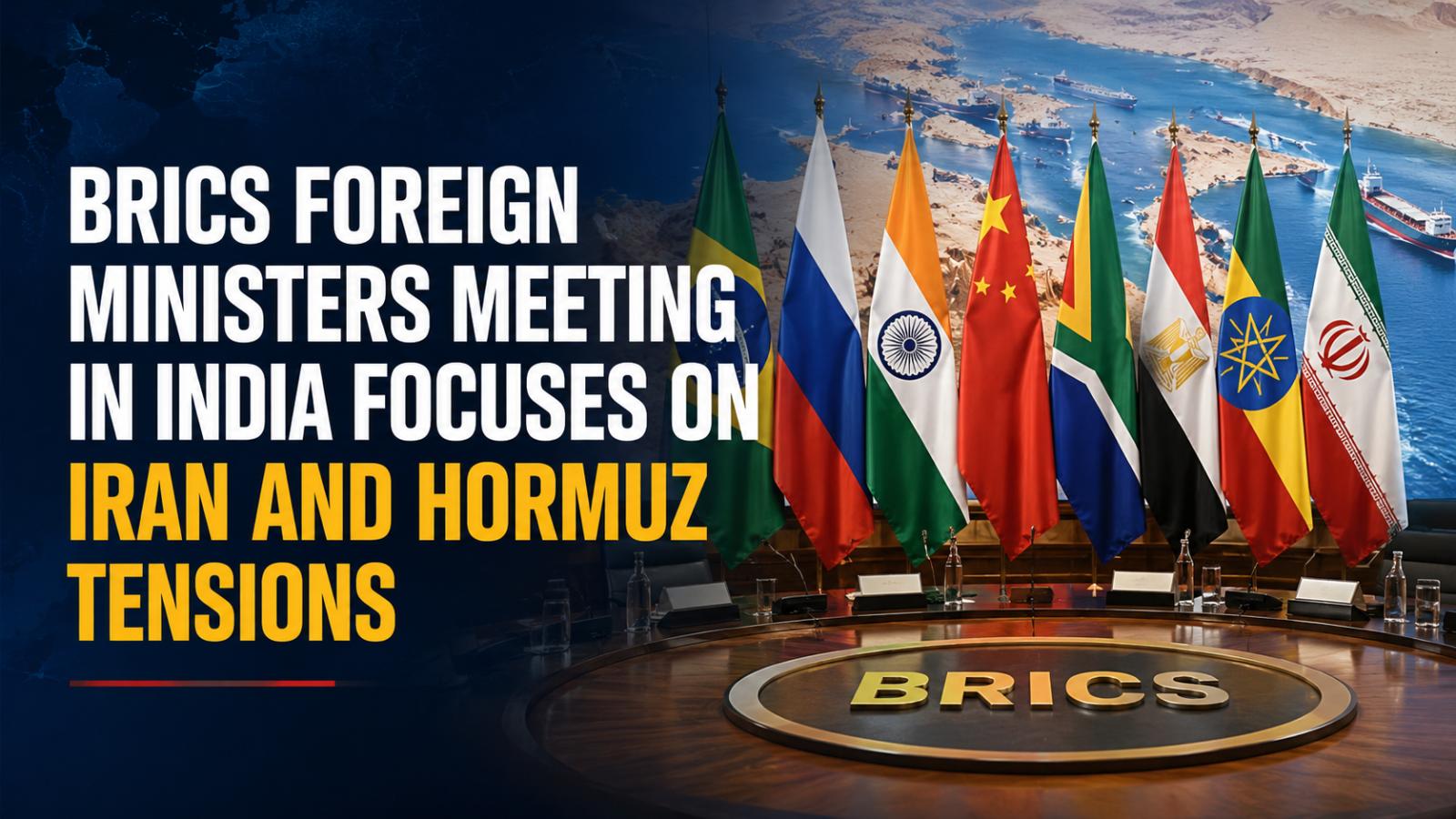
Iran FM Abbas Araghchi to attend BRICS meeting in New Delhi amid West Asia crisis
Iran’s Foreign Minister Seyed Abbas Araghchi will visit New Delhi this week to attend the BRICS foreign ministers’ meeting, where discussions are expected to focus on the growing West Asia crisis, regional stability, and global energy security. The two-day meeting, scheduled for May 14 and 15 under India’s BRICS chairmanship, comes at a time when tensions involving Iran, the United States, and Israel continue to affect the Strait of Hormuz and international oil markets. India, which dep
Iran FM Abbas Araghchi to attend BRICS meeting in New Delhi amid West Asia crisis
Iran’s Foreign Minister Seyed Abbas Araghchi will visit New Delhi this week to attend the BRICS foreign ministers’ meeting, where discussions are expected to focus on the growing West Asia crisis, regional stability, and global energy security. The two-day meeting, scheduled for May 14 and 15 under India’s BRICS chairmanship, comes at a time when tensions involving Iran, the United States, and Israel continue to affect the Strait of Hormuz and international oil markets. India, which dep
India, Iran discuss ceasefire stability and Strait of Hormuz security
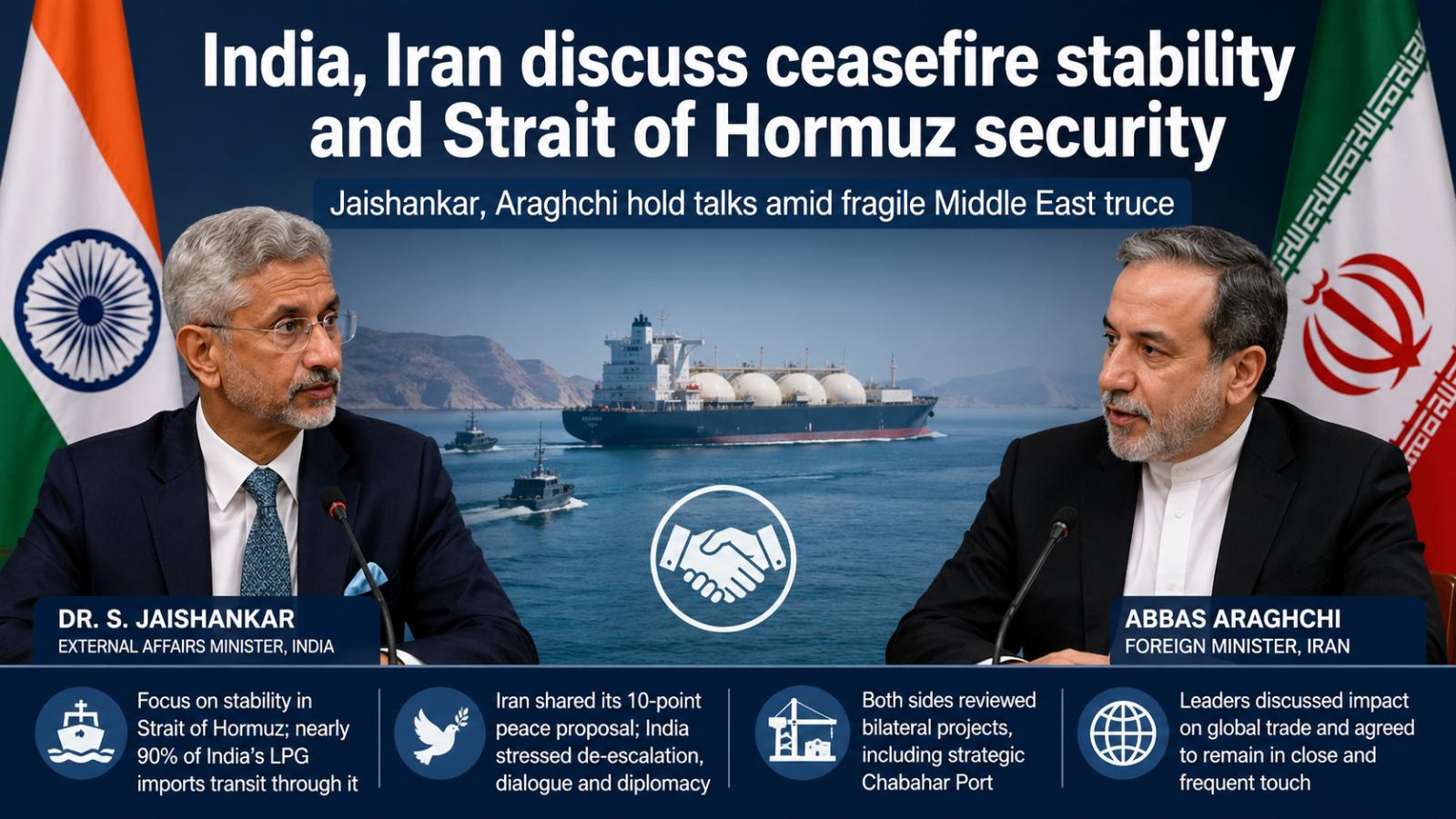
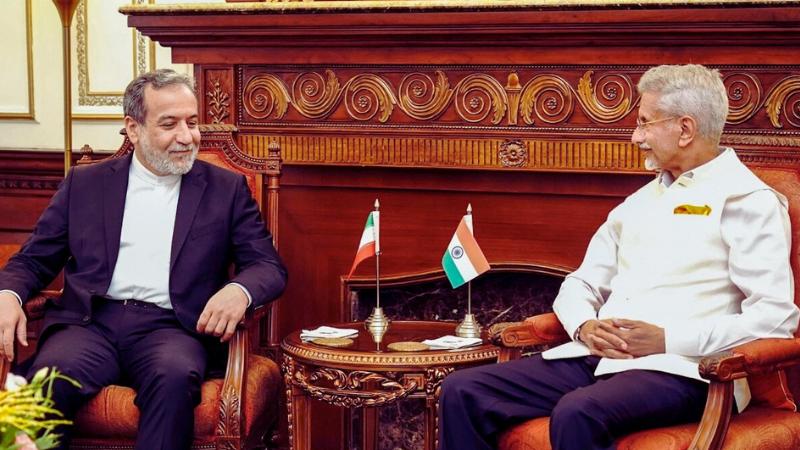
India and Iran held talks on April 29, 2026, on ceasefire stability, Strait of Hormuz security, and trade impact. Both stressed diplomacy and continued coordination as regional tensions remain high despite the fragile truce. India, Iran discuss ceasefire stability and Strait of Hormuz security as External Affairs Minister Dr. S. Jaishankar and Iranian Foreign Minister Abbas Araghchi held talks on Wednesday, April 29, 2026, focusing on the evolving security situation in Tehran and across the region. The discussion comes at a critical moment as the international community monitors a fragile two-week ceasefire involving Iran and a U.S.-Israel coalition, brokered earlier in April. According to an official statement, both leaders exchanged views on recent developments related to the ceasefire while also reviewing bilateral relations and broader regional security concerns. A central issue in the dialogue was the stability of the Strait of Hormuz, a key global shipping route through which nearly 90% of India’s liquefied petroleum gas imports pass, underscoring its economic significance for New Delhi. Officials familiar with the talks indicated that both sides emphasized the need to ensure uninterrupted freedom of navigation in the region. Iran reportedly shared updates on its proposed 10-point peace framework, while India reiterated its longstanding position that de-escalation, sustained dialogue, and diplomatic engagement remain essential to achieving lasting stability in West Asia. Beyond immediate security concerns, the ministers also reviewed ongoing bilateral initiatives, including the development of Chabahar Port. The project remains strategically important for India as it provides access to Central Asian markets, even as regional tensions pose logistical and security challenges. The conversation also addressed the broader impact of the conflict on global trade networks. Jaishankar highlighted concerns over prolonged instability, noting its disruptive effects on supply chains and economic activity. He emphasized that India continues to engage with multiple stakeholders in an effort to prevent escalation and support regional stability. The diplomatic exchange follows a period of heightened pressure from the administration of Donald Trump, which had issued strong warnings to Tehran over maritime disruptions. Although a ceasefire was implemented on Tuesday, April 8, 2026, tensions persist, with continued rhetoric from various factions raising concerns about its durability. As the ceasefire enters a sensitive phase, both ministers agreed to remain in close and frequent contact to monitor developments. For India, maintaining stability in the region is not only a strategic priority but also a critical economic necessity tied to energy security and trade continuity.
India, Iran discuss ceasefire stability and Strait of Hormuz security
India and Iran held talks on April 29, 2026, on ceasefire stability, Strait of Hormuz security, and trade impact. Both stressed diplomacy and continued coordination as regional tensions remain high despite the fragile truce. India, Iran discuss ceasefire stability and Strait of Hormuz security as External Affairs Minister Dr. S. Jaishankar and Iranian Foreign Minister Abbas Araghchi held talks on Wednesday, April 29, 2026, focusing on the evolving security situation in Tehran and across the region. The discussion comes at a critical moment as the international community monitors a fragile two-week ceasefire involving Iran and a U.S.-Israel coalition, brokered earlier in April. According to an official statement, both leaders exchanged views on recent developments related to the ceasefire while also reviewing bilateral relations and broader regional security concerns. A central issue in the dialogue was the stability of the Strait of Hormuz, a key global shipping route through which nearly 90% of India’s liquefied petroleum gas imports pass, underscoring its economic significance for New Delhi. Officials familiar with the talks indicated that both sides emphasized the need to ensure uninterrupted freedom of navigation in the region. Iran reportedly shared updates on its proposed 10-point peace framework, while India reiterated its longstanding position that de-escalation, sustained dialogue, and diplomatic engagement remain essential to achieving lasting stability in West Asia. Beyond immediate security concerns, the ministers also reviewed ongoing bilateral initiatives, including the development of Chabahar Port. The project remains strategically important for India as it provides access to Central Asian markets, even as regional tensions pose logistical and security challenges. The conversation also addressed the broader impact of the conflict on global trade networks. Jaishankar highlighted concerns over prolonged instability, noting its disruptive effects on supply chains and economic activity. He emphasized that India continues to engage with multiple stakeholders in an effort to prevent escalation and support regional stability. The diplomatic exchange follows a period of heightened pressure from the administration of Donald Trump, which had issued strong warnings to Tehran over maritime disruptions. Although a ceasefire was implemented on Tuesday, April 8, 2026, tensions persist, with continued rhetoric from various factions raising concerns about its durability. As the ceasefire enters a sensitive phase, both ministers agreed to remain in close and frequent contact to monitor developments. For India, maintaining stability in the region is not only a strategic priority but also a critical economic necessity tied to energy security and trade continuity.
West Asia Crisis: Jaishankar Holds Key Talks with Qatar PM, UAE Foreign Minister
On April 5, 2026, Subrahmanyam Jaishankar held crucial telephonic discussions with Sheikh Mohammed bin Abdulrahman bin Jassim Al Thani and
West Asia Crisis: Jaishankar Holds Key Talks with Qatar PM, UAE Foreign Minister
On April 5, 2026, Subrahmanyam Jaishankar held crucial telephonic discussions with Sheikh Mohammed bin Abdulrahman bin Jassim Al Thani and
India rejects mediation role amid US-Iran tensions, Jaishankar clarifies stance
India has firmly ruled out any role as a mediator in the ongoing tensions between the United States and Iran, with External Affairs Minister S Jaishankar stating that New Delhi does not engage in diplomatic brokerage. His remarks came during an all-party meeting convened to brief political leaders on the government’s approach to the escalating West Asia crisis and its implications for India’s strategic interests. Addressing concerns raised by opposition leaders, Jaishankar clarified that India’s foreign policy is guided by its national priorities rather than intermediary roles. He noted that attempts by countries such as Pakistan to position themselves as mediators are not new, adding that such efforts have historically aligned with external interests. Government sources emphasized that India has been actively responding to developments in the region and rejected claims that it has remained silent. The meeting also focused on India’s preparedness in ensuring energy security and safeguarding its citizens in the Gulf region. Officials highlighted that maintaining stable crude oil supplies remains a key priority, particularly as tensions threaten critical shipping routes such as the Strait of Hormuz. The government informed leaders that advance procurement measures have been taken and that India is currently sourcing oil and gas from a diversified network of 41 countries to mitigate risks. Participants were also briefed on maritime developments, including the safe passage of several India-bound vessels carrying petroleum products through the Strait of Hormuz, while others remain in the vicinity awaiting clearance. The government described these developments as a reflection of effective coordination and diplomatic engagement. On diplomatic outreach, the government reiterated that India maintains balanced relations with all major stakeholders in the region, including the United States, Iran, and Israel. It also underscored steps taken to convey condolences following recent developments in Iran, indicating continued engagement at the diplomatic level. Despite these assurances, opposition leaders expressed dissatisfaction with the government’s responses and called for a detailed discussion in Parliament. The government, however, maintained that the situation is under control and there is no immediate cause for concern, reiterating its commitment to protecting national interests amid evolving geopolitical challenges.
India rejects mediation role amid US-Iran tensions, Jaishankar clarifies stance
India has firmly ruled out any role as a mediator in the ongoing tensions between the United States and Iran, with External Affairs Minister S Jaishankar stating that New Delhi does not engage in diplomatic brokerage. His remarks came during an all-party meeting convened to brief political leaders on the government’s approach to the escalating West Asia crisis and its implications for India’s strategic interests. Addressing concerns raised by opposition leaders, Jaishankar clarified that India’s foreign policy is guided by its national priorities rather than intermediary roles. He noted that attempts by countries such as Pakistan to position themselves as mediators are not new, adding that such efforts have historically aligned with external interests. Government sources emphasized that India has been actively responding to developments in the region and rejected claims that it has remained silent. The meeting also focused on India’s preparedness in ensuring energy security and safeguarding its citizens in the Gulf region. Officials highlighted that maintaining stable crude oil supplies remains a key priority, particularly as tensions threaten critical shipping routes such as the Strait of Hormuz. The government informed leaders that advance procurement measures have been taken and that India is currently sourcing oil and gas from a diversified network of 41 countries to mitigate risks. Participants were also briefed on maritime developments, including the safe passage of several India-bound vessels carrying petroleum products through the Strait of Hormuz, while others remain in the vicinity awaiting clearance. The government described these developments as a reflection of effective coordination and diplomatic engagement. On diplomatic outreach, the government reiterated that India maintains balanced relations with all major stakeholders in the region, including the United States, Iran, and Israel. It also underscored steps taken to convey condolences following recent developments in Iran, indicating continued engagement at the diplomatic level. Despite these assurances, opposition leaders expressed dissatisfaction with the government’s responses and called for a detailed discussion in Parliament. The government, however, maintained that the situation is under control and there is no immediate cause for concern, reiterating its commitment to protecting national interests amid evolving geopolitical challenges.
Jaishankar and Rubio discuss West Asia conflict and energy security concerns
India’s External Affairs Minister S. Jaishankar on Monday held a detailed telephonic conversation with United States Secretary of State Marco Rubio, focusing on the escalating West Asia conflict and its broader implications for global energy security and economic stability. The discussion comes at a critical time when geopolitical tensions in the Gulf region are raising concerns among major economies dependent on stable crude oil supply chains. According to Jaishankar, the conversation add

Jaishankar and Rubio discuss West Asia conflict and energy security concerns
India’s External Affairs Minister S. Jaishankar on Monday held a detailed telephonic conversation with United States Secretary of State Marco Rubio, focusing on the escalating West Asia conflict and its broader implications for global energy security and economic stability. The discussion comes at a critical time when geopolitical tensions in the Gulf region are raising concerns among major economies dependent on stable crude oil supply chains. According to Jaishankar, the conversation add

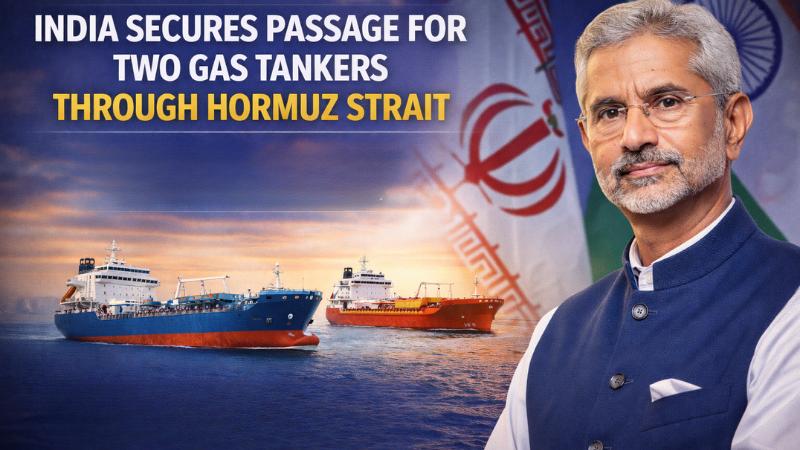
India Secures Passage for Two Gas Tankers Through Hormuz Strait, Jaishankar Highlights Diplomatic Success
In a significant diplomatic development, External Affairs Minister S. Jaishankarhighlighted India's successful engagement with Iranthat
India Secures Passage for Two Gas Tankers Through Hormuz Strait, Jaishankar Highlights Diplomatic Success
In a significant diplomatic development, External Affairs Minister S. Jaishankarhighlighted India's successful engagement with Iranthat
Iran’s Strategic Patience: Why Tehran Keeps India Close Despite US and Israel Ties
The relationship between Iran and India has long been defined by strategic patience, as Tehran maintains a nuanced and pragmatic approach to its ties with New Delhi. Despite India’s deepening defense relations with Israel and its comprehensive partnership with the United States, Iran has chosen to sustain its close relationship with India, recognizing the strategic value of energy ties and regional geopolitical balance. In a recent phone conversation between External Affairs Minis
Iran’s Strategic Patience: Why Tehran Keeps India Close Despite US and Israel Ties
The relationship between Iran and India has long been defined by strategic patience, as Tehran maintains a nuanced and pragmatic approach to its ties with New Delhi. Despite India’s deepening defense relations with Israel and its comprehensive partnership with the United States, Iran has chosen to sustain its close relationship with India, recognizing the strategic value of energy ties and regional geopolitical balance. In a recent phone conversation between External Affairs Minis
Quad Summit Likely After Positive India-US Trade Talks In New York
India and the United States appear to be finding common ground in long-stalled trade negotiations, with sources calling the latest talks in New York encouraging. Commerce Minister Piyush Goyal and India’s chief trade negotiator Rajesh Agarwal met with U.S. Trade Representative Jamieson Greer to restart discussions on a pending agreement. According to officials, both delegations expressed commitment to moving past earlier setbacks and accelerating pr
Quad Summit Likely After Positive India-US Trade Talks In New York
India and the United States appear to be finding common ground in long-stalled trade negotiations, with sources calling the latest talks in New York encouraging. Commerce Minister Piyush Goyal and India’s chief trade negotiator Rajesh Agarwal met with U.S. Trade Representative Jamieson Greer to restart discussions on a pending agreement. According to officials, both delegations expressed commitment to moving past earlier setbacks and accelerating pr
Jaishankar meets Rubio in New York ahead of 80th UNGA session
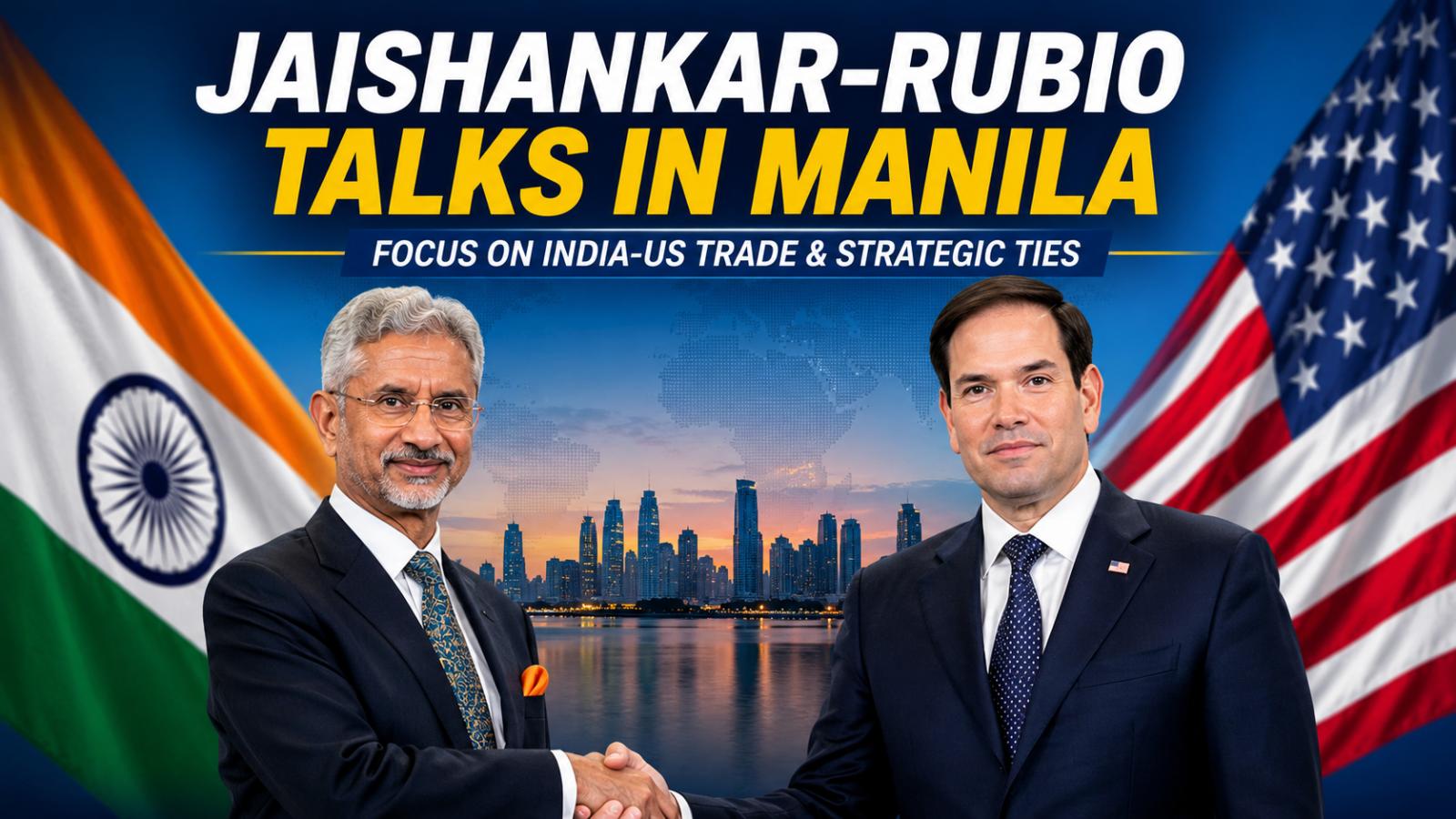
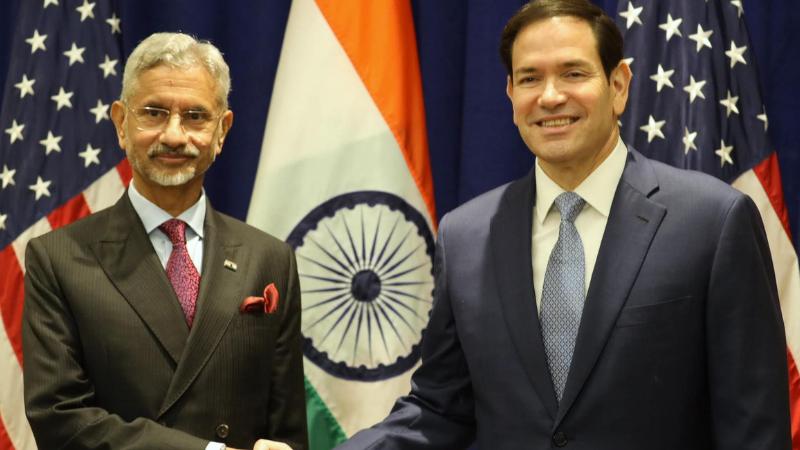
External Affairs Minister S Jaishankar met United States Secretary of State Marco Rubio in New York on Monday, just before the start of the 80th session of the United Nations General Assembly. The meeting, held at the Lotte New York Palace, marked their first in-person engagement since the United States announced an additional twenty-five percent tariff on India in response to Delhi’s purchases of Russian oil, which raised the total tariff burden to fifty percent. This face-to-face discuss


Jaishankar meets Rubio in New York ahead of 80th UNGA session
External Affairs Minister S Jaishankar met United States Secretary of State Marco Rubio in New York on Monday, just before the start of the 80th session of the United Nations General Assembly. The meeting, held at the Lotte New York Palace, marked their first in-person engagement since the United States announced an additional twenty-five percent tariff on India in response to Delhi’s purchases of Russian oil, which raised the total tariff burden to fifty percent. This face-to-face discuss
Jaishankar To Meet Rubio After Trump’s Tariff And $100K H1-B Fee Shock
Indian External Affairs Minister S. Jaishankar will hold crucial talks with US Secretary of State Marco Rubio in New York on Monday, September 22. This meeting, taking place on the sidelines of the 80th United Nations General Assembly, marks the first high-level engagement between India and the United States since President Donald Trump’s sharp policy moves targeting New Delhi, including a 50 percent tariff on Indian goods and a steep increase in H1-B vi
Jaishankar To Meet Rubio After Trump’s Tariff And $100K H1-B Fee Shock
Indian External Affairs Minister S. Jaishankar will hold crucial talks with US Secretary of State Marco Rubio in New York on Monday, September 22. This meeting, taking place on the sidelines of the 80th United Nations General Assembly, marks the first high-level engagement between India and the United States since President Donald Trump’s sharp policy moves targeting New Delhi, including a 50 percent tariff on Indian goods and a steep increase in H1-B vi
US General Calls Pakistan a Key Anti-Terror Ally, India Reacts
In a testimony before the US House Armed Services Committee, General Michael Kurilla, commander of US Central Command (Centcom), described Pakistan as a “phenomenal partner” in counterterrorism, specifically citing Islamabad’s cooperation in capturing ISIS-Khorasan operatives. His remarks come amid high Indo-Pak tensions following India’s retaliatory strikes during Operation Sindoor after the April 22 Pahalgam terror attack, which kille
US General Calls Pakistan a Key Anti-Terror Ally, India Reacts
In a testimony before the US House Armed Services Committee, General Michael Kurilla, commander of US Central Command (Centcom), described Pakistan as a “phenomenal partner” in counterterrorism, specifically citing Islamabad’s cooperation in capturing ISIS-Khorasan operatives. His remarks come amid high Indo-Pak tensions following India’s retaliatory strikes during Operation Sindoor after the April 22 Pahalgam terror attack, which kille
PM Modi Meets Operation Sindoor Delegates Over Global Anti-Terror Mission
Prime Minister Narendra Modi on Tuesday met with members of the seven multi-party delegations that recently completed a global diplomatic outreach as part of Operation Sindoor India’s strong posturing against terrorism after the April 22 Pahalgam attack. The meeting was held at the PM’s official residence at 7, Lok Kalyan Marg in New Delhi, where Modi was seen warmly interacting with MPs, former parliamentarians, and senior diplomats who participat
PM Modi Meets Operation Sindoor Delegates Over Global Anti-Terror Mission
Prime Minister Narendra Modi on Tuesday met with members of the seven multi-party delegations that recently completed a global diplomatic outreach as part of Operation Sindoor India’s strong posturing against terrorism after the April 22 Pahalgam attack. The meeting was held at the PM’s official residence at 7, Lok Kalyan Marg in New Delhi, where Modi was seen warmly interacting with MPs, former parliamentarians, and senior diplomats who participat
Jaishankar Warns Pakistan of Deep Strikes Over Terror Attacks
External Affairs Minister S Jaishankar, during his official visit to Brussels, issued a strong warning that India will strike deep into Pakistani territory if provoked by terrorism again. Referring to the April 22 Pahalgam terror attack that killed 26 people, Jaishankar blamed Pakistan for harboring and training terrorist outfits. He emphasized that India’s response would be swift, precise, and unforgiving if future attacks were traced back to Pakistan-ba
Jaishankar Warns Pakistan of Deep Strikes Over Terror Attacks
External Affairs Minister S Jaishankar, during his official visit to Brussels, issued a strong warning that India will strike deep into Pakistani territory if provoked by terrorism again. Referring to the April 22 Pahalgam terror attack that killed 26 people, Jaishankar blamed Pakistan for harboring and training terrorist outfits. He emphasized that India’s response would be swift, precise, and unforgiving if future attacks were traced back to Pakistan-ba