









#jaredkushner
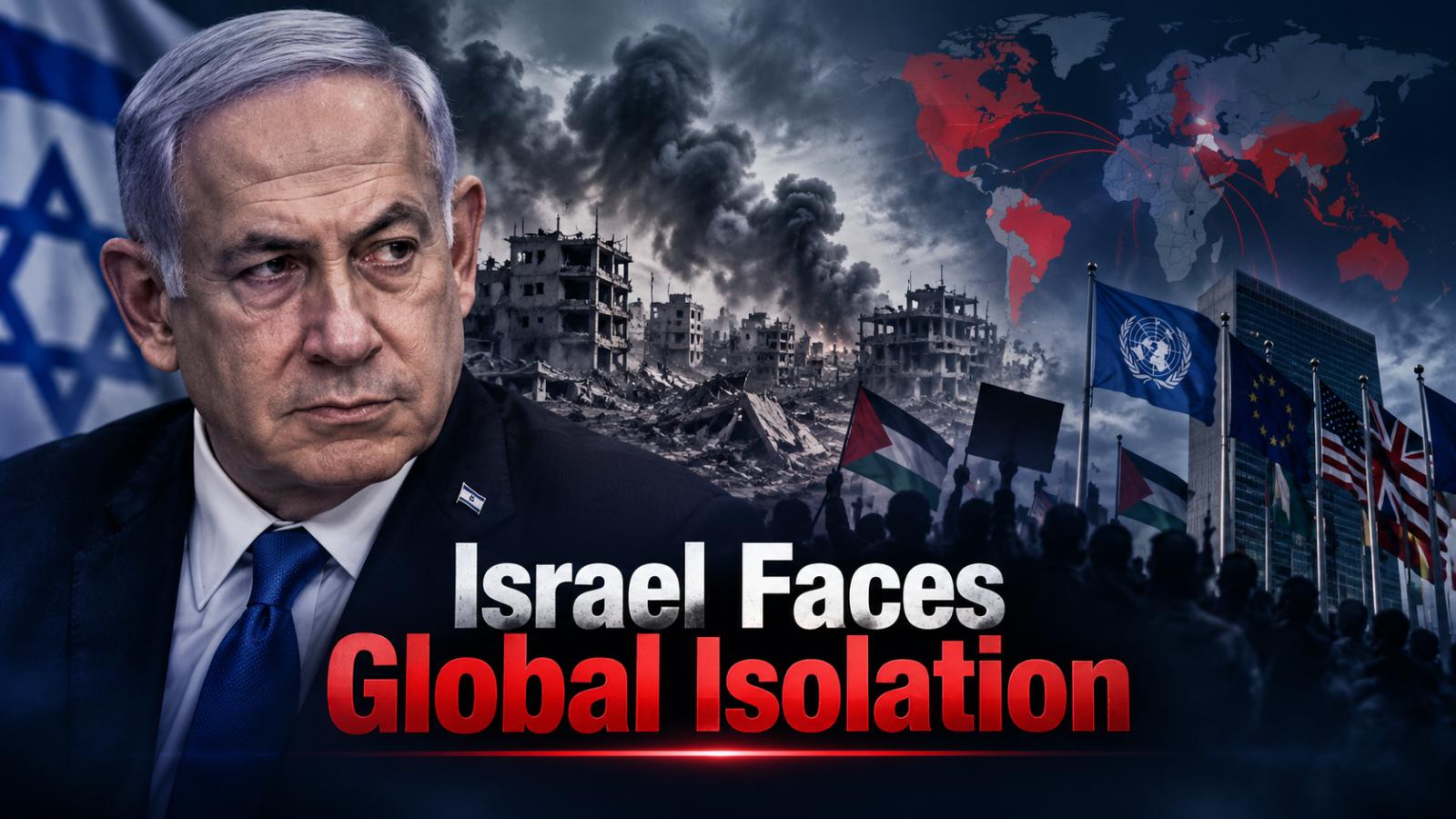
Israel Global Isolation Grows Amid Gaza and West Bank Pressure
Israel is facing widening diplomatic pressure over Gaza, settlement expansion in the occupied West Bank and its relations with traditional allies. The debate intensified after Jared Kushner said the Trump administration used Israel's isolation following the Doha strike to help advance a Gaza deal. Doha strike Gaza deal increased diplomatic pressure Jared Kushner, US President Donald Trump's son-in-law and s
Israel Global Isolation Grows Amid Gaza and West Bank Pressure
Israel is facing widening diplomatic pressure over Gaza, settlement expansion in the occupied West Bank and its relations with traditional allies. The debate intensified after Jared Kushner said the Trump administration used Israel's isolation following the Doha strike to help advance a Gaza deal. Doha strike Gaza deal increased diplomatic pressure Jared Kushner, US President Donald Trump's son-in-law and s
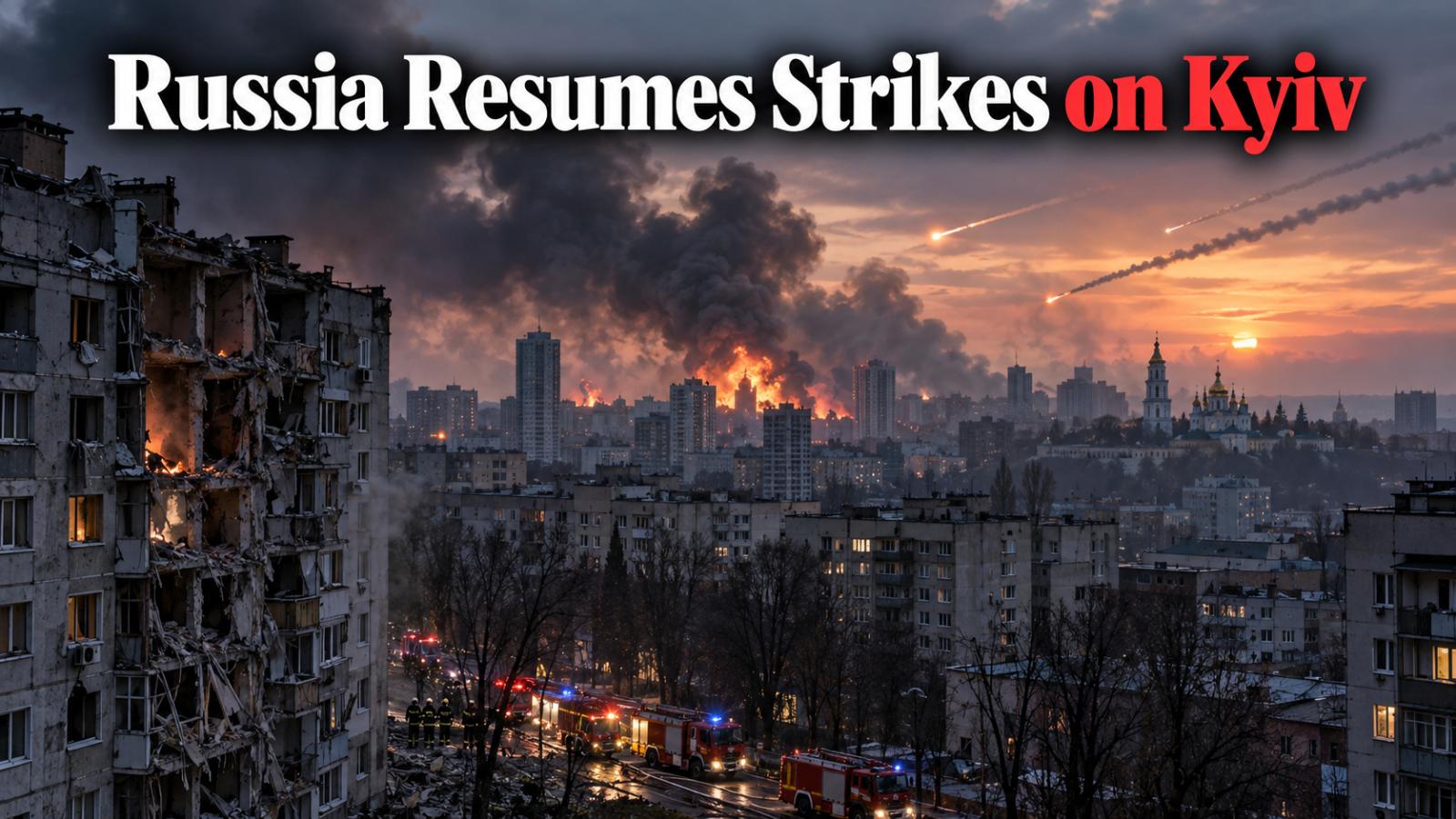
Russia Resumes Kyiv Attacks After Three-Day Pause
Russia resumed attacks on Kyiv on Tuesday after a three-day pause, with missiles damaging homes and starting fires across the Ukrainian capital. The renewed Kyiv assault came as US-led talks sought to revive diplomacy, while drone activity also continued inside Russia. Kyiv Attack Renews Missile Threat Explosions were heard across Kyiv on Tuesday morning as Russian forces launched ballistic mis
Russia Resumes Kyiv Attacks After Three-Day Pause
Russia resumed attacks on Kyiv on Tuesday after a three-day pause, with missiles damaging homes and starting fires across the Ukrainian capital. The renewed Kyiv assault came as US-led talks sought to revive diplomacy, while drone activity also continued inside Russia. Kyiv Attack Renews Missile Threat Explosions were heard across Kyiv on Tuesday morning as Russian forces launched ballistic mis
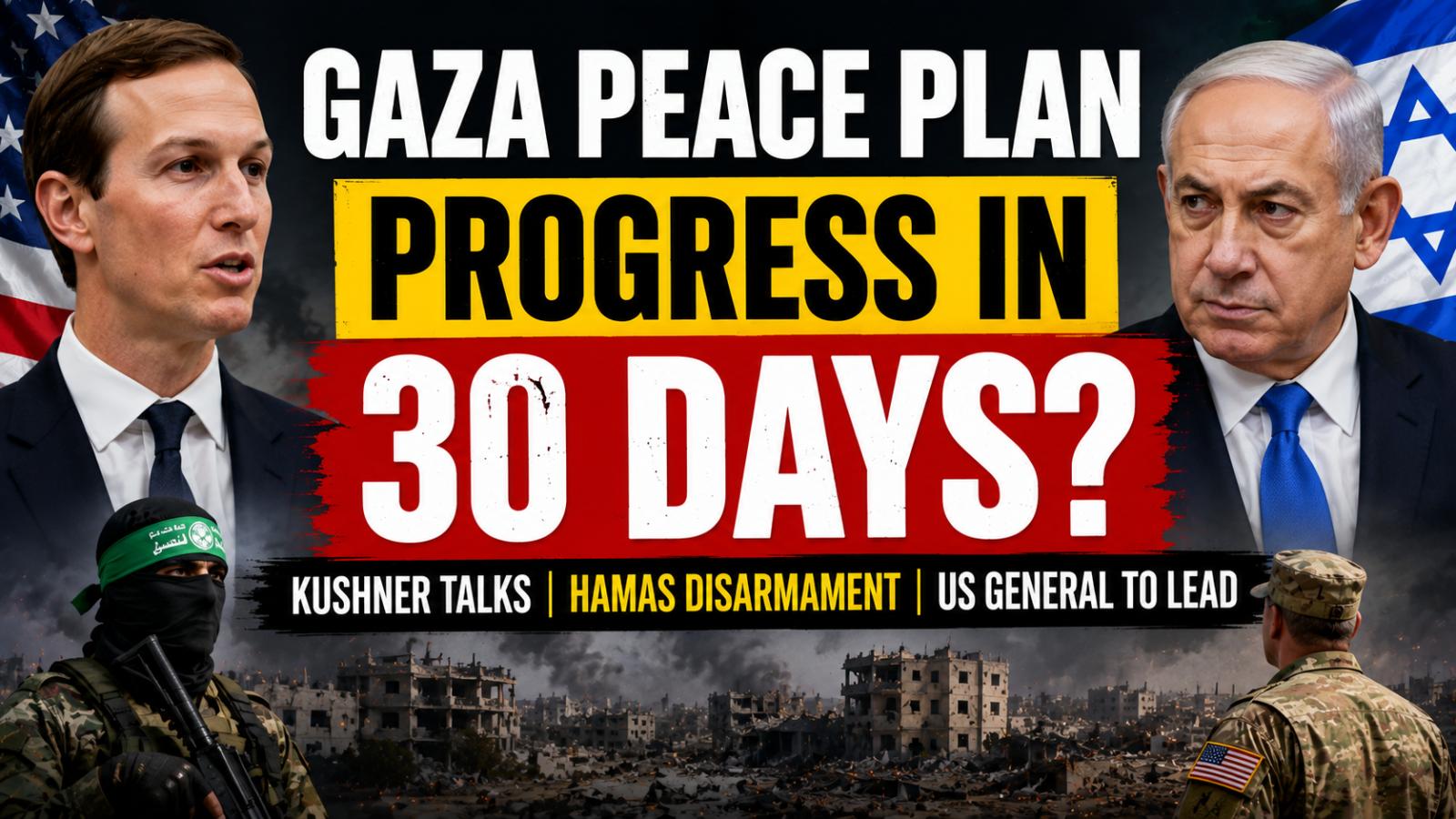
Kushner Says Gaza Peace Plan Could Show Progress Within 30 Days
US envoy Jared Kushner says the Gaza peace plan could begin showing progress within 30 days, with early steps focused on Hamas disarmament and closing militant tunnels. His comments followed talks with Israeli Prime Minister Benjamin Netanyahu and Hamas leaders as Washington tries to revive a stalled roadmap. Hamas disarmament Kushner said he hoped the first visible progress could involve remov
Kushner Says Gaza Peace Plan Could Show Progress Within 30 Days
US envoy Jared Kushner says the Gaza peace plan could begin showing progress within 30 days, with early steps focused on Hamas disarmament and closing militant tunnels. His comments followed talks with Israeli Prime Minister Benjamin Netanyahu and Hamas leaders as Washington tries to revive a stalled roadmap. Hamas disarmament Kushner said he hoped the first visible progress could involve remov
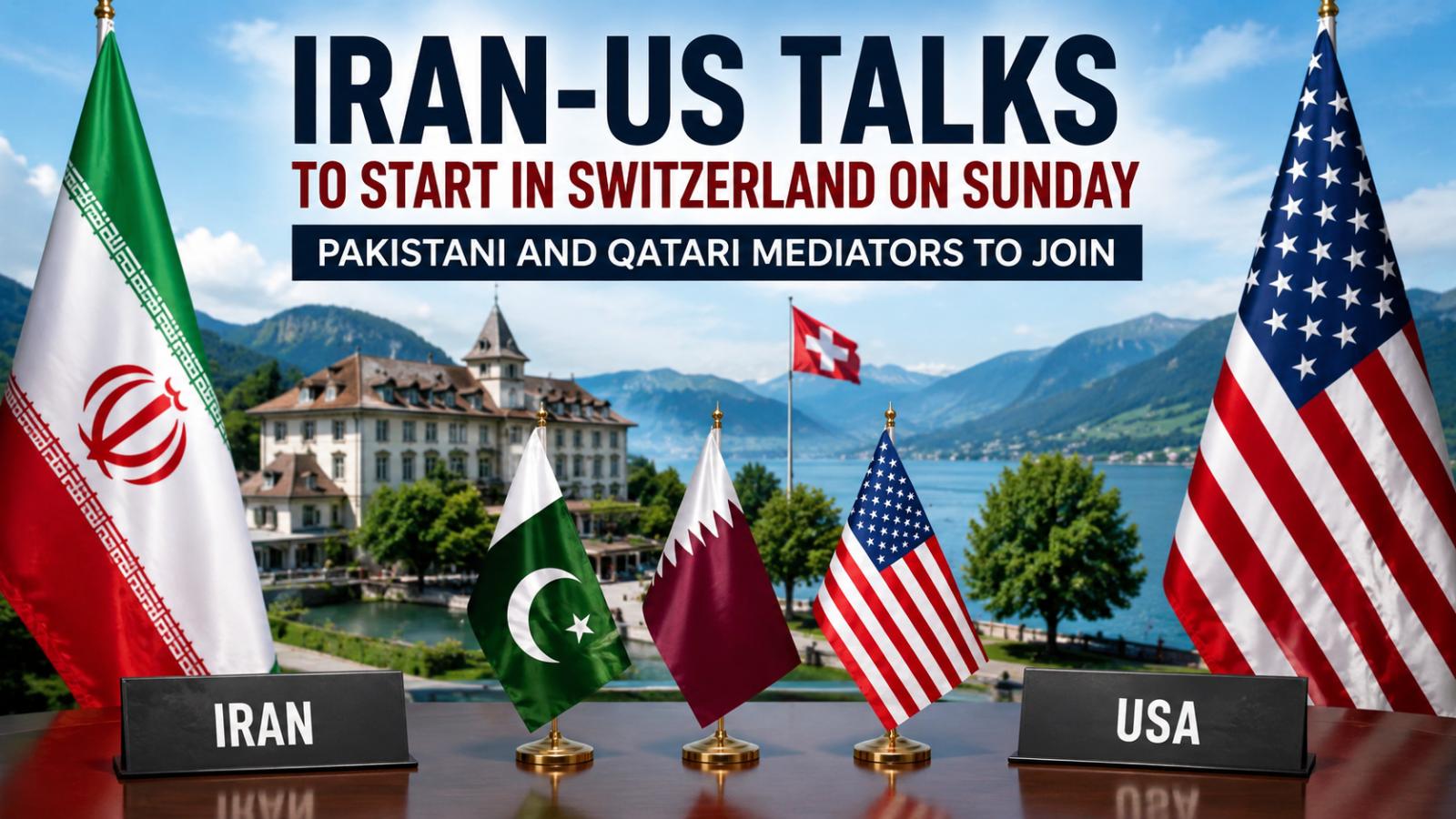
Iran-US Technical Talks to Begin in Switzerland Sunday
Iran-US technical talks in Switzerland are set to begin Sunday, June 21, 2026, as Washington and Tehran move into the next phase of a mediation effort involving Pakistan and Qatar. Pakistan’s Ministry of Foreign Affairs said the discussions will take place in Bürgenstock and will include representatives from the United States and Iran, along with Pakistani and Qatari mediators. Iran-US Technical Talks in Switzerland Follow Islamabad Deal The
Iran-US Technical Talks to Begin in Switzerland Sunday
Iran-US technical talks in Switzerland are set to begin Sunday, June 21, 2026, as Washington and Tehran move into the next phase of a mediation effort involving Pakistan and Qatar. Pakistan’s Ministry of Foreign Affairs said the discussions will take place in Bürgenstock and will include representatives from the United States and Iran, along with Pakistani and Qatari mediators. Iran-US Technical Talks in Switzerland Follow Islamabad Deal The
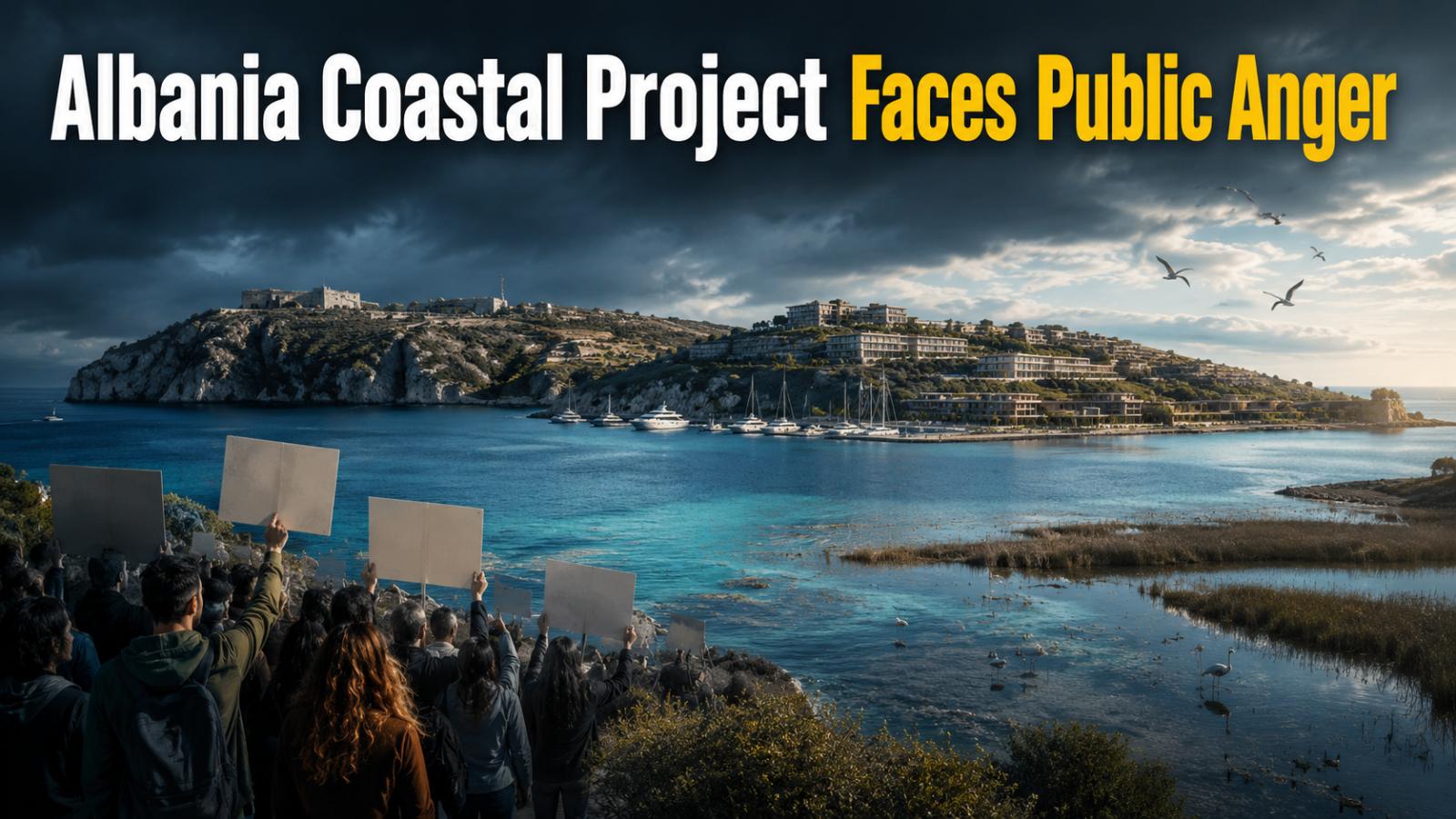
Kushner-Linked Albania Coastal Project Sparks Protests Over Sazan Island and Protected Wetlands
A major Albania coastal project linked to Jared Kushner’s investment firm, Affinity Partners, has become a flashpoint for public anger, environmental concern, and political debate. The proposed development involves Sazan Island and coastal areas near the Vjosa-Narta wetland, one of Albania’s most sensitive natural zones. Supporters describe the plan as a major tourism opportunity that could bring investment, jobs, and international attention to Albania’s Adriatic coast. Critics see it very differently. For them, the project raises serious questions about protected land, public transparency, local rights, and whether Albania’s coastline is being opened too quickly to powerful private investors. The controversy has now moved beyond a normal real estate debate. Protests in Tirana have shown that many Albanians view the issue as a fight over national land, environmental protection, and public trust. What Is Planned For Sazan Island Sazan Island is an uninhabited island with a long military history. It was once used as a strategic base and has remained largely untouched compared to many other Mediterranean coastal areas. That untouched nature is exactly why the island is attractive to luxury developers, but it is also why environmental groups and citizens are worried. The resort plan connected to the Kushner Albania deal has been described as a high-end tourism project with luxury accommodation, private villas, hospitality spaces, and marina-style development for wealthy visitors. Ivanka Trump has also spoken publicly about the island and its appeal, adding more global attention to the project. For investors, Sazan Island represents a rare chance to build a premium destination in a country trying to expand its tourism economy. For opponents, it represents something more dangerous: the possible transformation of public and protected coastal land into exclusive spaces for private profit. Why Protesters Are Opposing The Project The Albania island protest movement is not only about one resort. It reflects a deeper fear that citizens are being left out of major decisions about land that belongs to the country. Many protesters argue that development should not happen without full public consultation, clear environmental studies, and transparent land agreements. Slogans such as “Albania is not for sale” show that the anger is not limited to environmental activists. It is also about sovereignty, corruption concerns, and distrust of political decision-making. People are asking simple but important questions. Who benefits from the project? What land is being used? Were protection rules changed? Will ordinary Albanians gain from the investment, or will the coast become a playground for foreign elites? These questions are the reason the Tirana protest movement has gained attention. Vjosa-Narta Wetland Concerns Are At The Center Of The Debate One of the biggest concerns is the Vjosa-Narta wetland, a protected coastal ecosystem known for birdlife, lagoons, beaches, pine areas, and marine habitats. Environmental groups say construction near such an area could damage fragile ecosystems that cannot easily recover. The fear is not only about hotel buildings. Large tourism projects often require roads, fencing, digging, drainage, lighting, parking, utilities, and security zones. Even if the main resort buildings are placed away from the most sensitive areas, the wider infrastructure can still disturb wildlife and change the natural character of the coast. This is where the government and developers face a trust problem. Saying the project will follow environmental rules is not enough. Albanians want to see clear studies, public documents, independent reviews, and real guarantees that protected land will not be weakened. Affinity Partners And Foreign Investment Questions The Affinity Partners project is also controversial because of the political profile of the people connected to it. Jared Kushner is not just a businessman. He is also the son-in-law of Donald Trump and a former senior White House adviser. Ivanka Trump’s public comments about the island have made the project even more visible. Affinity Partners has also been linked to major Middle Eastern investment, including Saudi-backed funding. That has led to more scrutiny over how foreign capital is entering strategic coastal areas in Albania. Foreign investment is not automatically bad. Albania needs tourism growth, infrastructure, and job creation. But when a project involves protected land, politically connected investors, and limited public clarity, suspicion grows quickly. The opportunity cost is also real. Albania could develop tourism in a way that supports local businesses, protects nature, and keeps coastal access open. If the country chooses an ultra-luxury model too aggressively, it may gain short-term money but lose long-term public trust and natural value. Government Support And Public Distrust Prime Minister Edi Rama has defended large tourism projects as part of Albania’s growth strategy. His government argues that high-end investment can help position Albania as a serious Mediterranean tourism destination and create economic opportunities. That argument has some weight. Albania has beautiful coastlines and has long been underdeveloped compared to Greece, Croatia, and Italy. Better infrastructure and international visibility could help the country attract more visitors. But the government’s problem is credibility. When citizens believe protected status can be changed for investors, every official promise sounds weak. If the project is truly good for Albania, the government should be able to explain the land process, environmental safeguards, investor terms, and public benefits in plain language. Without that transparency, even a potentially useful investment becomes politically toxic. Albania Land Probe Adds More Pressure The Albania corruption probe has added another serious layer to the controversy. The key concern is whether land protection rules or ownership arrangements were changed in ways that helped the resort plan move forward. No final conclusion should be assumed before investigators complete their work. But the existence of a probe itself shows why the public is demanding answers. When protected land is involved, the process matters as much as the project. If the rules were followed properly, the government and developers should release enough information to prove it. If mistakes or political favoritism occurred, the project should not move forward until those issues are addressed. For many Albanians, this is the heart of the matter: development is acceptable, but development through unclear land decisions is not. What This Means For Albania’s Future The Sazan Island resort debate is bigger than one coastal project. It is a test of how Albania will handle foreign investment, environmental protection, and public accountability. A luxury Adriatic resort may bring money and jobs, but Albania’s coast is not an unlimited resource. Once wetlands, beaches, and natural habitats are damaged, they cannot be easily restored. Once public trust is broken, it is even harder to rebuild. The smartest path is not blind rejection of investment, but stronger rules. Albania needs tourism growth that respects protected land, involves local communities, publishes environmental reviews, and makes clear who benefits. Right now, the Kushner-linked Albania coastal project has become a symbol of a difficult choice: fast luxury development or slower, more transparent growth that protects nature and public confidence. For protesters, the message is clear. Albania can welcome investors, but the country’s land, coast, and wetlands should not be treated as private assets to be negotiated behind closed doors.
Kushner-Linked Albania Coastal Project Sparks Protests Over Sazan Island and Protected Wetlands
A major Albania coastal project linked to Jared Kushner’s investment firm, Affinity Partners, has become a flashpoint for public anger, environmental concern, and political debate. The proposed development involves Sazan Island and coastal areas near the Vjosa-Narta wetland, one of Albania’s most sensitive natural zones. Supporters describe the plan as a major tourism opportunity that could bring investment, jobs, and international attention to Albania’s Adriatic coast. Critics see it very differently. For them, the project raises serious questions about protected land, public transparency, local rights, and whether Albania’s coastline is being opened too quickly to powerful private investors. The controversy has now moved beyond a normal real estate debate. Protests in Tirana have shown that many Albanians view the issue as a fight over national land, environmental protection, and public trust. What Is Planned For Sazan Island Sazan Island is an uninhabited island with a long military history. It was once used as a strategic base and has remained largely untouched compared to many other Mediterranean coastal areas. That untouched nature is exactly why the island is attractive to luxury developers, but it is also why environmental groups and citizens are worried. The resort plan connected to the Kushner Albania deal has been described as a high-end tourism project with luxury accommodation, private villas, hospitality spaces, and marina-style development for wealthy visitors. Ivanka Trump has also spoken publicly about the island and its appeal, adding more global attention to the project. For investors, Sazan Island represents a rare chance to build a premium destination in a country trying to expand its tourism economy. For opponents, it represents something more dangerous: the possible transformation of public and protected coastal land into exclusive spaces for private profit. Why Protesters Are Opposing The Project The Albania island protest movement is not only about one resort. It reflects a deeper fear that citizens are being left out of major decisions about land that belongs to the country. Many protesters argue that development should not happen without full public consultation, clear environmental studies, and transparent land agreements. Slogans such as “Albania is not for sale” show that the anger is not limited to environmental activists. It is also about sovereignty, corruption concerns, and distrust of political decision-making. People are asking simple but important questions. Who benefits from the project? What land is being used? Were protection rules changed? Will ordinary Albanians gain from the investment, or will the coast become a playground for foreign elites? These questions are the reason the Tirana protest movement has gained attention. Vjosa-Narta Wetland Concerns Are At The Center Of The Debate One of the biggest concerns is the Vjosa-Narta wetland, a protected coastal ecosystem known for birdlife, lagoons, beaches, pine areas, and marine habitats. Environmental groups say construction near such an area could damage fragile ecosystems that cannot easily recover. The fear is not only about hotel buildings. Large tourism projects often require roads, fencing, digging, drainage, lighting, parking, utilities, and security zones. Even if the main resort buildings are placed away from the most sensitive areas, the wider infrastructure can still disturb wildlife and change the natural character of the coast. This is where the government and developers face a trust problem. Saying the project will follow environmental rules is not enough. Albanians want to see clear studies, public documents, independent reviews, and real guarantees that protected land will not be weakened. Affinity Partners And Foreign Investment Questions The Affinity Partners project is also controversial because of the political profile of the people connected to it. Jared Kushner is not just a businessman. He is also the son-in-law of Donald Trump and a former senior White House adviser. Ivanka Trump’s public comments about the island have made the project even more visible. Affinity Partners has also been linked to major Middle Eastern investment, including Saudi-backed funding. That has led to more scrutiny over how foreign capital is entering strategic coastal areas in Albania. Foreign investment is not automatically bad. Albania needs tourism growth, infrastructure, and job creation. But when a project involves protected land, politically connected investors, and limited public clarity, suspicion grows quickly. The opportunity cost is also real. Albania could develop tourism in a way that supports local businesses, protects nature, and keeps coastal access open. If the country chooses an ultra-luxury model too aggressively, it may gain short-term money but lose long-term public trust and natural value. Government Support And Public Distrust Prime Minister Edi Rama has defended large tourism projects as part of Albania’s growth strategy. His government argues that high-end investment can help position Albania as a serious Mediterranean tourism destination and create economic opportunities. That argument has some weight. Albania has beautiful coastlines and has long been underdeveloped compared to Greece, Croatia, and Italy. Better infrastructure and international visibility could help the country attract more visitors. But the government’s problem is credibility. When citizens believe protected status can be changed for investors, every official promise sounds weak. If the project is truly good for Albania, the government should be able to explain the land process, environmental safeguards, investor terms, and public benefits in plain language. Without that transparency, even a potentially useful investment becomes politically toxic. Albania Land Probe Adds More Pressure The Albania corruption probe has added another serious layer to the controversy. The key concern is whether land protection rules or ownership arrangements were changed in ways that helped the resort plan move forward. No final conclusion should be assumed before investigators complete their work. But the existence of a probe itself shows why the public is demanding answers. When protected land is involved, the process matters as much as the project. If the rules were followed properly, the government and developers should release enough information to prove it. If mistakes or political favoritism occurred, the project should not move forward until those issues are addressed. For many Albanians, this is the heart of the matter: development is acceptable, but development through unclear land decisions is not. What This Means For Albania’s Future The Sazan Island resort debate is bigger than one coastal project. It is a test of how Albania will handle foreign investment, environmental protection, and public accountability. A luxury Adriatic resort may bring money and jobs, but Albania’s coast is not an unlimited resource. Once wetlands, beaches, and natural habitats are damaged, they cannot be easily restored. Once public trust is broken, it is even harder to rebuild. The smartest path is not blind rejection of investment, but stronger rules. Albania needs tourism growth that respects protected land, involves local communities, publishes environmental reviews, and makes clear who benefits. Right now, the Kushner-linked Albania coastal project has become a symbol of a difficult choice: fast luxury development or slower, more transparent growth that protects nature and public confidence. For protesters, the message is clear. Albania can welcome investors, but the country’s land, coast, and wetlands should not be treated as private assets to be negotiated behind closed doors.
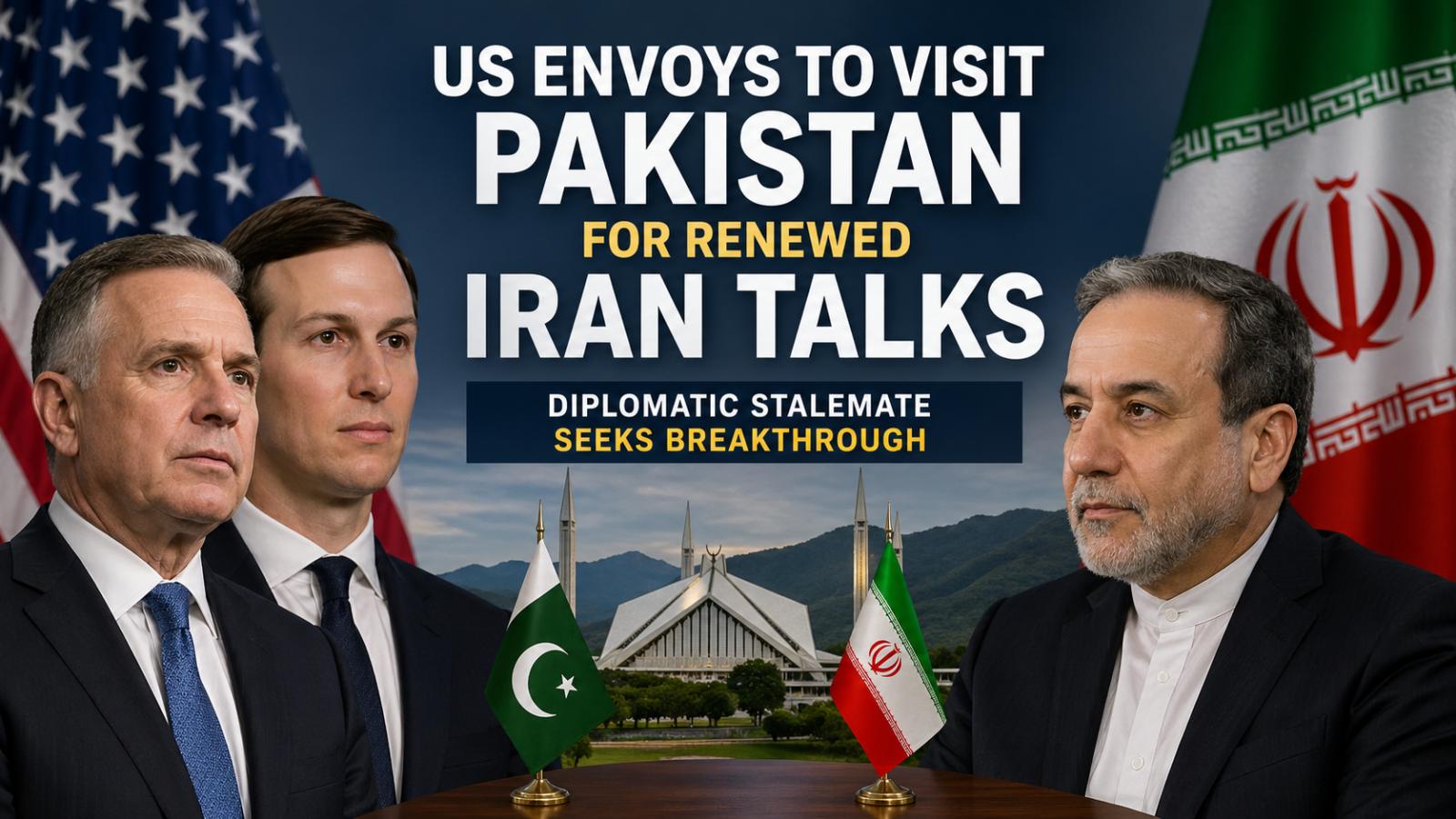
US envoys to visit Pakistan for renewed Iran talks amid ongoing tensions
After several days of diplomatic deadlock, the United States has confirmed that senior envoys Steve Witkoff and Jared Kushner will travel to Pakistan for a fresh round of negotiations with Iran, signaling a renewed effort to address escalating tensions between the two nations. The visit is scheduled for Saturday and follows Iran’s request for direct, in-person discussions. White House Press Secretary Karoline Leavitt stated that the move comes after Iran reached out for dialogue, aligning with earlier calls from US leadership to reopen communication channels. She emphasized that the envoys will assess the situation on the ground and report back to President Donald Trump and Vice President JD Vance, while additional officials remain on standby if required. The upcoming talks mark the second round of discussions in Pakistan, following initial meetings held earlier this month. However, notable figures such as Vice President Vance and Iranian parliamentary leader Mohammad Bagher Ghalibaf, who were involved previously, will not participate in this phase. Their absence highlights a shift in the structure of the negotiations. Iran’s Foreign Minister Abbas Araghchi recently announced a regional diplomatic tour that includes Pakistan, Oman, and Russia. His stated objective is to strengthen coordination with key partners on bilateral and regional issues, underlining Iran’s strategic engagement with neighboring countries during a period of heightened geopolitical tension. What are the main sticking points in the talks? The primary disagreements revolve around Iran’s nuclear program and control over the Strait of Hormuz. Iran has insisted it will not proceed with negotiations unless the United States lifts its blockade in the strategic waterway. In contrast, the US is demanding verifiable guarantees that Iran will halt its nuclear ambitions and ease its own restrictions in the region. At a recent Pentagon briefing, US Defense Secretary Pete Hegseth reiterated that the United States is not under pressure to finalize an agreement quickly. He indicated that Washington is prepared for prolonged negotiations, while also stressing that Iran has an opportunity to secure a favorable and pragmatic deal if it chooses to engage constructively. The renewed diplomatic effort in Pakistan reflects a cautious but significant step toward resolving one of the most critical international disputes, with both sides maintaining firm positions as negotiations resume.
US envoys to visit Pakistan for renewed Iran talks amid ongoing tensions
After several days of diplomatic deadlock, the United States has confirmed that senior envoys Steve Witkoff and Jared Kushner will travel to Pakistan for a fresh round of negotiations with Iran, signaling a renewed effort to address escalating tensions between the two nations. The visit is scheduled for Saturday and follows Iran’s request for direct, in-person discussions. White House Press Secretary Karoline Leavitt stated that the move comes after Iran reached out for dialogue, aligning with earlier calls from US leadership to reopen communication channels. She emphasized that the envoys will assess the situation on the ground and report back to President Donald Trump and Vice President JD Vance, while additional officials remain on standby if required. The upcoming talks mark the second round of discussions in Pakistan, following initial meetings held earlier this month. However, notable figures such as Vice President Vance and Iranian parliamentary leader Mohammad Bagher Ghalibaf, who were involved previously, will not participate in this phase. Their absence highlights a shift in the structure of the negotiations. Iran’s Foreign Minister Abbas Araghchi recently announced a regional diplomatic tour that includes Pakistan, Oman, and Russia. His stated objective is to strengthen coordination with key partners on bilateral and regional issues, underlining Iran’s strategic engagement with neighboring countries during a period of heightened geopolitical tension. What are the main sticking points in the talks? The primary disagreements revolve around Iran’s nuclear program and control over the Strait of Hormuz. Iran has insisted it will not proceed with negotiations unless the United States lifts its blockade in the strategic waterway. In contrast, the US is demanding verifiable guarantees that Iran will halt its nuclear ambitions and ease its own restrictions in the region. At a recent Pentagon briefing, US Defense Secretary Pete Hegseth reiterated that the United States is not under pressure to finalize an agreement quickly. He indicated that Washington is prepared for prolonged negotiations, while also stressing that Iran has an opportunity to secure a favorable and pragmatic deal if it chooses to engage constructively. The renewed diplomatic effort in Pakistan reflects a cautious but significant step toward resolving one of the most critical international disputes, with both sides maintaining firm positions as negotiations resume.










