








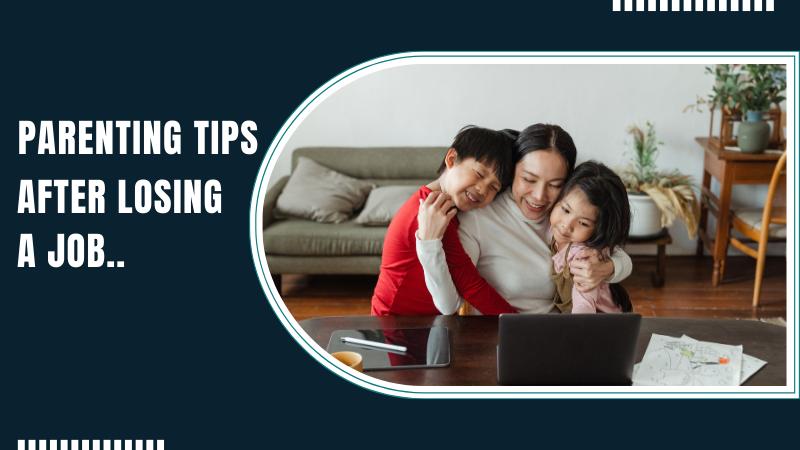











Losing a job can be a stressful experience for any family, but it often affects children in ways parents may not immediately realize. Children are sensitive to changes at home and can sense the emotions of their parents. Whether it’s worry about money, changes in daily routines, or uncertainty about the future, parental job loss can create anxiety for kids. Supporting them during this period requires honesty, reassurance, and stability. The first step is open communication. Pa
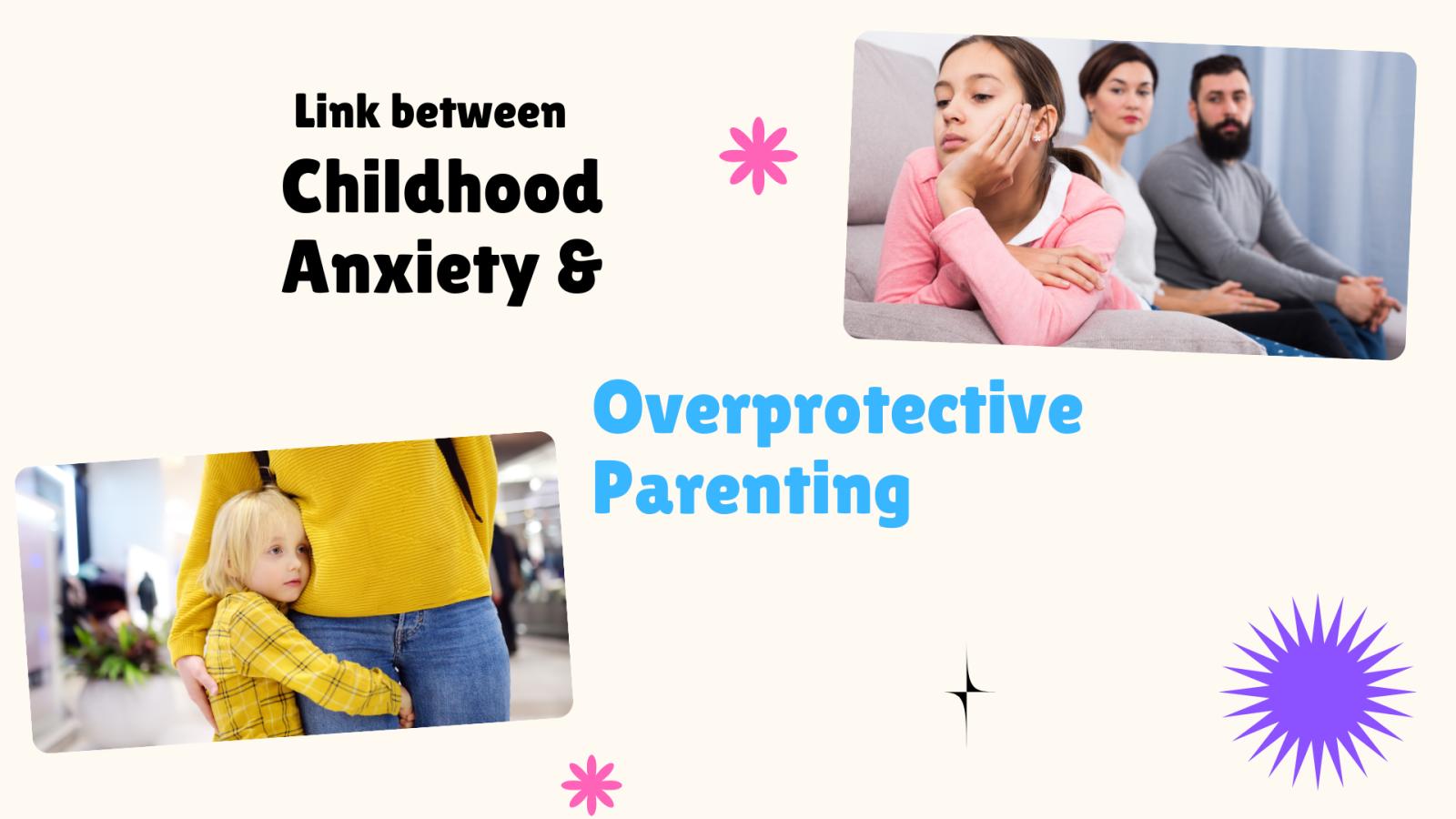
Parenting is about keeping children safe and helping them grow, but when protection turns into overprotection, it can have unintended consequences. While being cautious is natural, constantly shielding children from challenges or discomfort may contribute to higher levels of anxiety. Understanding the connection between overprotective parenting and childhood anxiety helps parents find a healthier balance between care and independence. W
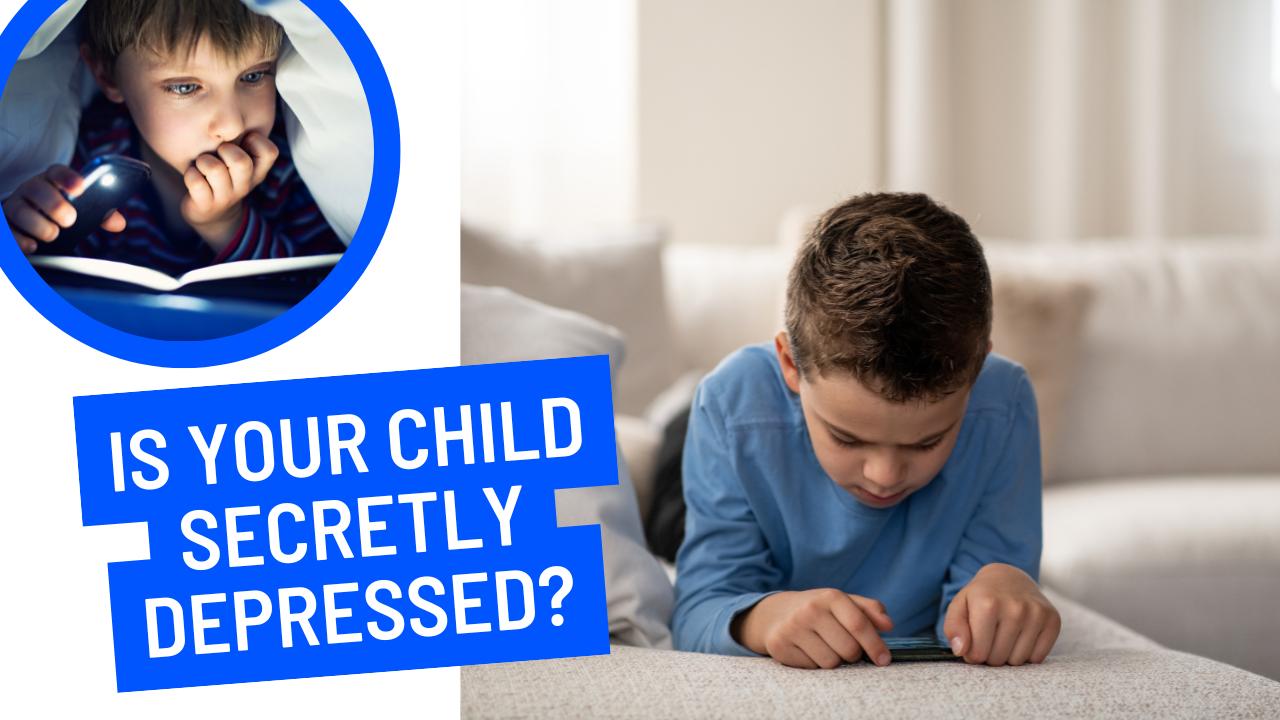
Most parents expect some moodiness or occasional emotional outbursts from their children, especially during times of stress or change. But what happens when those moods hide something deeper? Childhood depression doesn’t always look like sadness or crying—it can wear a lot of different masks. And because children don’t always have the words to express what they’re feeling, their struggle often goes unnoticed. It’s a common misconception that depression
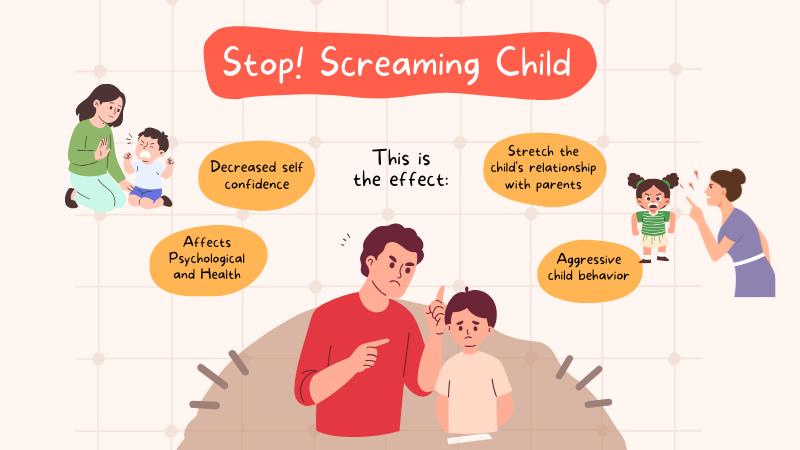
Parenting is tough, and in the heat of the moment, many parents end up yelling at their children. Whether it's because of stress, repeated misbehavior, or simply being overwhelmed, shouting often feels like a quick fix. But while yelling might seem effective in the short term, it can leave lasting emotional and psychological scars on children. Children are especially sensitive to their environment and the emotional tone of their caregivers. When yelling becomes a regular form of