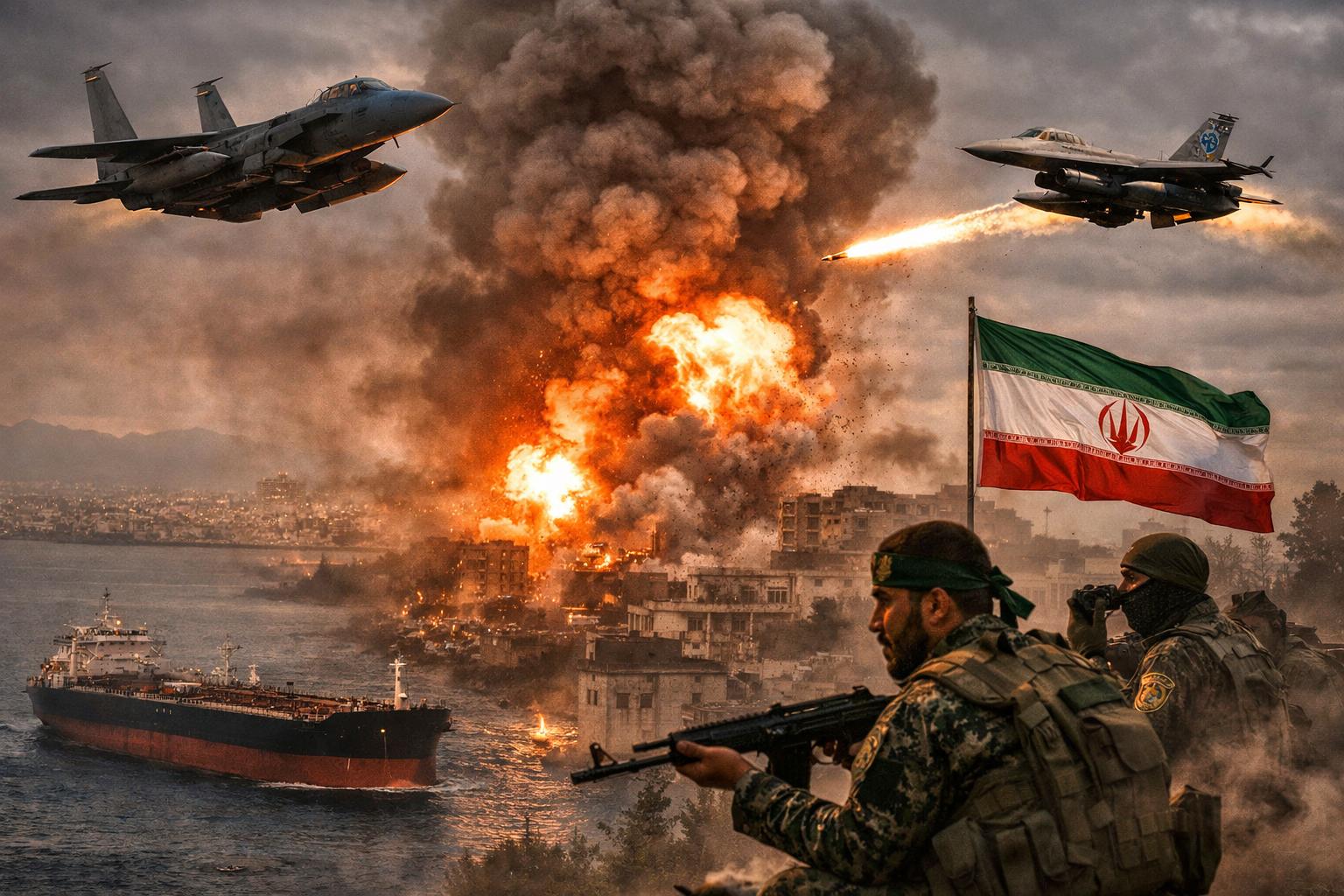
Israel strikes Hezbollah targets after rocket fire from Lebanon as tensions persist despite a truce extension, while diplomatic efforts and US energy measures reflect widening regional impact.
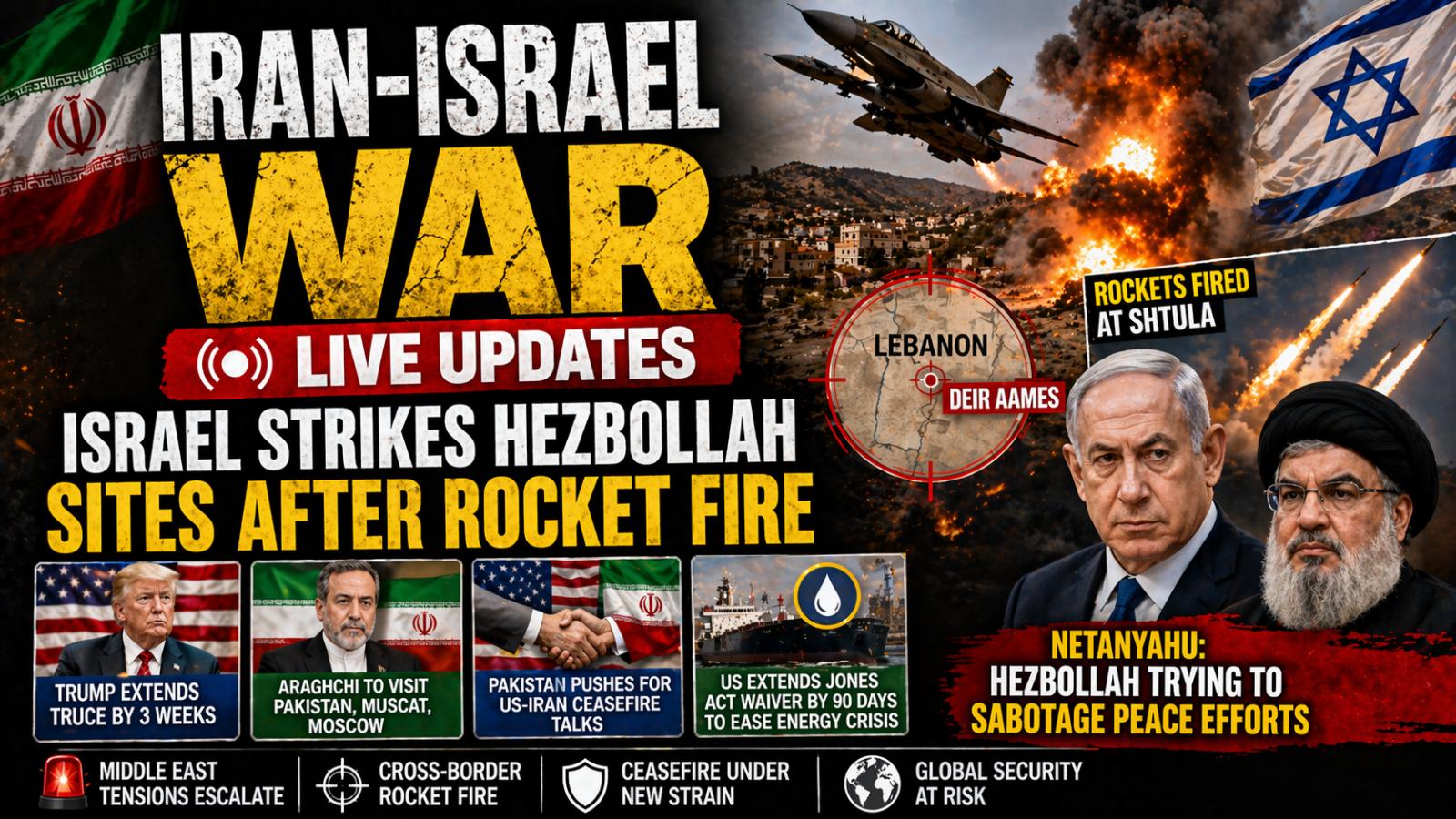
Iran-Israel war live updates: Israel strikes Hezbollah sites after rocket fire as regional tensions escalated on Friday, April 24, 2026, with the Israeli military confirming strikes on Hezbollah-linked locations in southern Lebanon following cross-border rocket launches.
The Israeli military stated that it targeted sites near the town of Deir Aames after rockets were fired toward the Israeli town of Shtula a day earlier. Deir Aames lies outside the designated border buffer zone that Israeli forces have continued to occupy even after a 10-day ceasefire agreement implemented the previous week. Earlier on Friday, April 24, 2026, the military issued evacuation warnings urging residents to leave the area before the strikes.
The renewed hostilities come despite diplomatic efforts to maintain calm. U.S. President Donald Trump announced on Thursday, April 23, 2026, a three-week extension of the Israel-Hezbollah truce. However, both sides have continued intermittent exchanges of fire, raising concerns about the durability of the ceasefire.
Israeli Prime Minister Benjamin Netanyahu accused Hezbollah of undermining peace efforts, stating on Friday, April 24, 2026, that the group was attempting to “sabotage” negotiations aimed at reaching a long-term agreement between Israel and Lebanon. His remarks marked his first public comments following the truce extension.
Meanwhile, diplomatic activity continued across the region. Iranian Foreign Minister Abbas Araghchi said his upcoming visits to Islamabad, Muscat, and Moscow are intended to coordinate with regional partners and discuss evolving developments. While he did not directly address potential talks with the United States, officials in Pakistan have recently intensified efforts to facilitate renewed ceasefire negotiations between Washington and Tehran.
In Washington, the White House announced an extension of a waiver to the Jones Act by 90 days on Friday, April 24, 2026. The measure is designed to ease domestic energy supply pressures amid disruptions linked to the broader West Asia conflict. Officials said the extension would help maintain the flow of oil and natural gas within the United States by allowing greater flexibility in maritime transport.
The combination of military actions, diplomatic outreach, and economic measures underscores the widening impact of the conflict, with regional instability continuing to influence global security and energy markets.
Israel strikes Hezbollah targets after rocket fire from Lebanon as tensions persist despite a truce extension, while diplomatic efforts and US energy measures reflect widening regional impact.
Iran-Israel war live updates: Israel strikes Hezbollah sites after rocket fire as regional tensions escalated on Friday, April 24, 2026, with the Israeli military confirming strikes on Hezbollah-linked locations in southern Lebanon following cross-border rocket launches.
The Israeli military stated that it targeted sites near the town of Deir Aames after rockets were fired toward the Israeli town of Shtula a day earlier. Deir Aames lies outside the designated border buffer zone that Israeli forces have continued to occupy even after a 10-day ceasefire agreement implemented the previous week. Earlier on Friday, April 24, 2026, the military issued evacuation warnings urging residents to leave the area before the strikes.
The renewed hostilities come despite diplomatic efforts to maintain calm. U.S. President Donald Trump announced on Thursday, April 23, 2026, a three-week extension of the Israel-Hezbollah truce. However, both sides have continued intermittent exchanges of fire, raising concerns about the durability of the ceasefire.
Israeli Prime Minister Benjamin Netanyahu accused Hezbollah of undermining peace efforts, stating on Friday, April 24, 2026, that the group was attempting to “sabotage” negotiations aimed at reaching a long-term agreement between Israel and Lebanon. His remarks marked his first public comments following the truce extension.
Meanwhile, diplomatic activity continued across the region. Iranian Foreign Minister Abbas Araghchi said his upcoming visits to Islamabad, Muscat, and Moscow are intended to coordinate with regional partners and discuss evolving developments. While he did not directly address potential talks with the United States, officials in Pakistan have recently intensified efforts to facilitate renewed ceasefire negotiations between Washington and Tehran.
In Washington, the White House announced an extension of a waiver to the Jones Act by 90 days on Friday, April 24, 2026. The measure is designed to ease domestic energy supply pressures amid disruptions linked to the broader West Asia conflict. Officials said the extension would help maintain the flow of oil and natural gas within the United States by allowing greater flexibility in maritime transport.
The combination of military actions, diplomatic outreach, and economic measures underscores the widening impact of the conflict, with regional instability continuing to influence global security and energy markets.
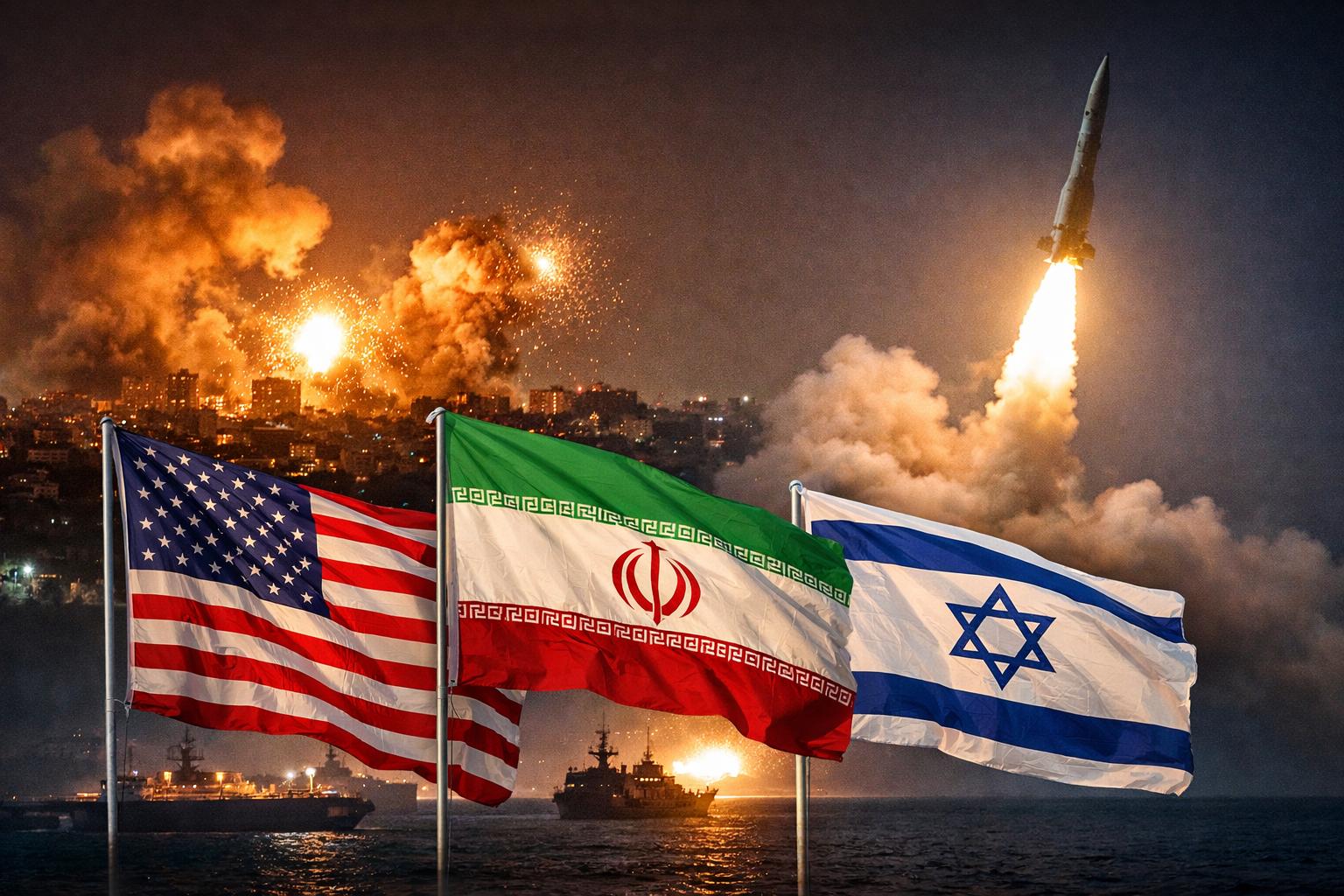
Washington: Tensions across West Asia have escalated sharply, with the United States issuing a strong warning to Iran to accept defeat or face significantly intensified military consequences. US officials indicated that further retaliation from Tehran could trigger a broader response, signaling a potential widening of the conflict. Iran, however, has dismissed the possibility of negotiations, reaffirming its intent to continue retaliatory strikes amid ongoing hostilities.
Military exchang
Washington: Tensions across West Asia have escalated sharply, with the United States issuing a strong warning to Iran to accept defeat or face significantly intensified military consequences. US officials indicated that further retaliation from Tehran could trigger a broader response, signaling a potential widening of the conflict. Iran, however, has dismissed the possibility of negotiations, reaffirming its intent to continue retaliatory strikes amid ongoing hostilities.
Military exchang
The United States and Israel have intensified military operations against Iran, with reports indicating that at least 1,045 people have been killed since the escalation began on Saturday. The strikes mark one of the most severe confrontations in the region in recent years, raising fears of a broader Middle East crisis. At the same time, Israeli forces have carried out additional military actions in Lebanon, further expanding the scope of the conflict and increasing concerns about regional sta
The United States and Israel have intensified military operations against Iran, with reports indicating that at least 1,045 people have been killed since the escalation began on Saturday. The strikes mark one of the most severe confrontations in the region in recent years, raising fears of a broader Middle East crisis. At the same time, Israeli forces have carried out additional military actions in Lebanon, further expanding the scope of the conflict and increasing concerns about regional sta