#legalchallenge
Illinois Swipe Fee Law Delay Pushes IFPA Fight Over Tips and Taxes Toward 2027
Illinois lawmakers voted to delay the state’s swipe fee law for another year, keeping the fight over card fees on sales taxes and tips in court and before federal regulators. The delay affects the Interchange Fee Prohibition Act, or IFPA, a first-of-its-kind Illinois law that would restrict banks, credit unions and card companies from collecting interchange fees on the tax and tip portions of debit and credit card transactions. Illinois Swipe Fee Law Delay Exten
Illinois Swipe Fee Law Delay Pushes IFPA Fight Over Tips and Taxes Toward 2027
Illinois lawmakers voted to delay the state’s swipe fee law for another year, keeping the fight over card fees on sales taxes and tips in court and before federal regulators. The delay affects the Interchange Fee Prohibition Act, or IFPA, a first-of-its-kind Illinois law that would restrict banks, credit unions and card companies from collecting interchange fees on the tax and tip portions of debit and credit card transactions. Illinois Swipe Fee Law Delay Exten
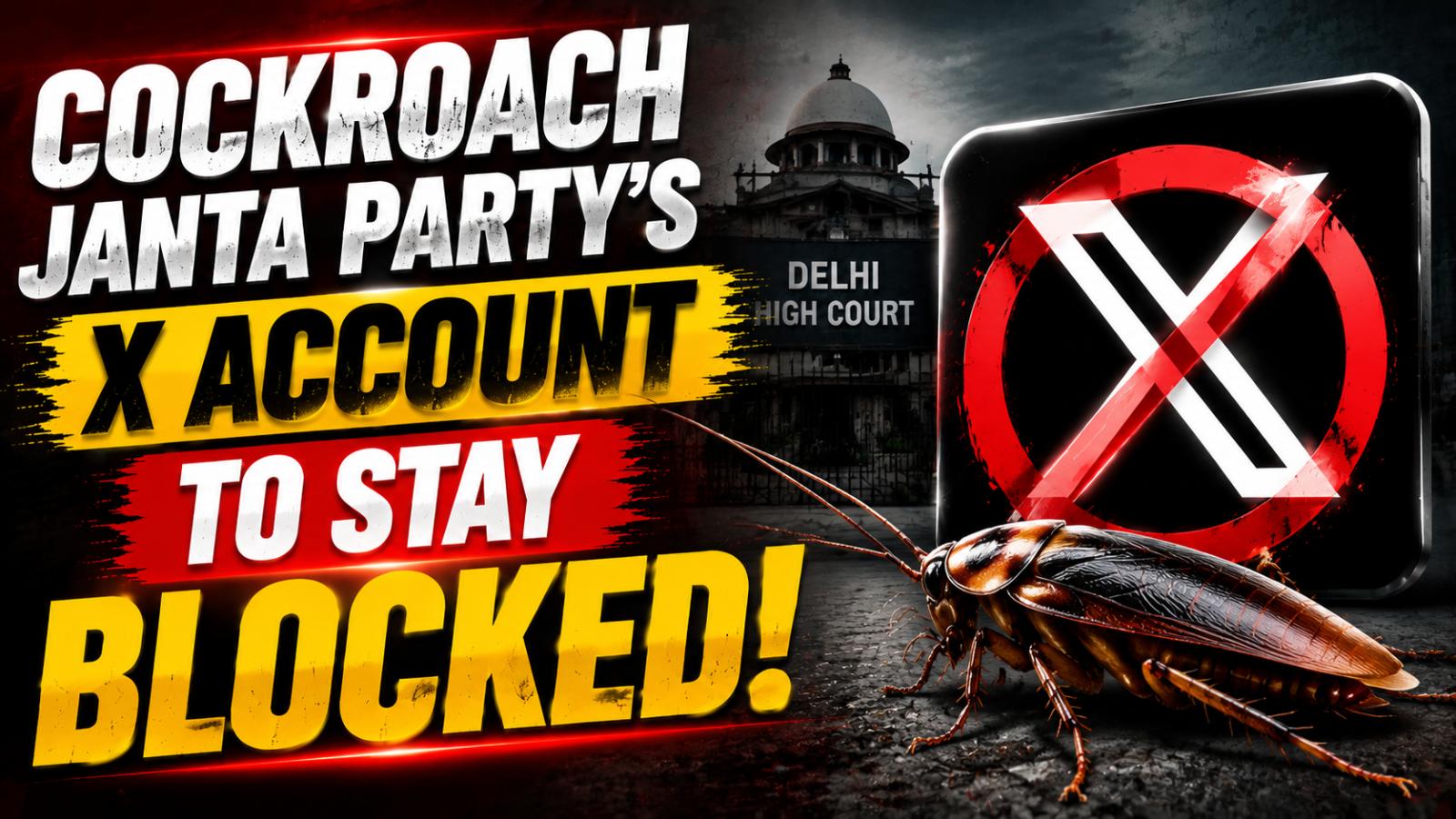
Delhi High Court Keeps Cockroach Janta Party X Account Suspended
The Delhi High Court on May 29, 2026, decided to keep the Cockroach Janta Party’s X account blocked, declining the urgent plea for immediate restoration submitted by the party’s founder Abhijeet Dipke. The court has referred the matter to a review committee constituted under India’s Information Technology rules to examine the legality of the account suspension. Justice Purushaindra Kumar Kaurav observed that while the case involves national security concerns, it requires careful scrutiny before any restoration order can be granted. The X account of the viral political satire movement remains inactive for now, leaving thousands of followers and content contributors unable to access the party’s updates. The plea filed by Dipke challenged the suspension of the account by the government, citing lack of transparency and procedural fairness. Senior Advocate Akhil Sibal, representing Dipke, argued that authorities could have restricted objectionable posts instead of blocking the entire account. He highlighted the absence of prior notice or a chance for the account holder to respond, pointing out that such actions potentially infringe on freedom of expression. Dipke is currently outside India and his legal team requested permission to participate in future proceedings through video conferencing. The court noted that the review committee will decide how to proceed, in accordance with law, and may consider Dipke’s video participation as part of its evaluation. The government, represented by Solicitor General Tushar Mehta, opposed the plea and emphasized that the suspension was necessary for national security reasons. The court observed that the current case might differ from previous disputes involving social media account blocks because the objection relates to the account’s overall activities rather than individual posts. Furthermore, the court indicated that neither the petitioner nor it had seen the formal blocking order, and additional directions regarding the production of records may be considered in the future. Why The Account Remains Blocked The Cockroach Janta Party’s X account was suspended due to concerns over content that the authorities deemed a threat to national security. While the specific posts causing concern have not been disclosed, the court directed the Review Committee to examine the matter comprehensively. The interim decision ensures that no content from the account is restored until a thorough legal review is completed. Legal experts note that the case reflects evolving challenges in balancing freedom of speech with online content regulation in India. By not granting interim relief, the Delhi High Court has signaled that careful procedural evaluation is necessary before any order affecting national security can be implemented. The outcome of this review has implications for social media governance, online political expression, and the responsibilities of platforms in India. The decision to keep the account blocked may also influence public perception and user engagement, particularly among supporters of the Cockroach Janta Party who use X as a major communication channel. Analysts note that while the legal challenge progresses, authorities and social media platforms are expected to coordinate closely with the review committee to ensure compliance with both national security protocols and principles of transparency. Next Steps In The Legal Process The Delhi High Court has asked the review committee to examine the case and report its findings. Once the committee submits its evaluation, the court will decide whether partial or full restoration of the account is permissible. Meanwhile, the government and the social media platform are required to comply with legal notices and provide records as requested by the review panel. The process will determine not only the immediate status of the Cockroach Janta Party X account but also set a precedent for future cases involving political satire and social media moderation in India. Abhijeet Dipke’s legal team has emphasized that the account is crucial for the party’s communication and that blocking it entirely may set a dangerous precedent for freedom of expression online. The ongoing proceedings are being closely monitored by media outlets, legal experts, and political commentators. Until the review committee completes its report, the account remains inaccessible, and the court has yet to make any decision on partial or temporary access. The case underscores the complex interplay between regulatory authority, judicial oversight, and the rights of online content creators in India. The Delhi High Court’s decision to maintain the block on the Cockroach Janta Party’s X account reflects the seriousness with which national security concerns are treated. While supporters may be frustrated, the court’s insistence on review ensures that any future restoration is grounded in due legal process. The outcome will likely influence not only the party’s online strategy but also broader regulatory approaches toward social media accounts involved in political satire, civic activism, or content deemed sensitive by the authorities.
Delhi High Court Keeps Cockroach Janta Party X Account Suspended
The Delhi High Court on May 29, 2026, decided to keep the Cockroach Janta Party’s X account blocked, declining the urgent plea for immediate restoration submitted by the party’s founder Abhijeet Dipke. The court has referred the matter to a review committee constituted under India’s Information Technology rules to examine the legality of the account suspension. Justice Purushaindra Kumar Kaurav observed that while the case involves national security concerns, it requires careful scrutiny before any restoration order can be granted. The X account of the viral political satire movement remains inactive for now, leaving thousands of followers and content contributors unable to access the party’s updates. The plea filed by Dipke challenged the suspension of the account by the government, citing lack of transparency and procedural fairness. Senior Advocate Akhil Sibal, representing Dipke, argued that authorities could have restricted objectionable posts instead of blocking the entire account. He highlighted the absence of prior notice or a chance for the account holder to respond, pointing out that such actions potentially infringe on freedom of expression. Dipke is currently outside India and his legal team requested permission to participate in future proceedings through video conferencing. The court noted that the review committee will decide how to proceed, in accordance with law, and may consider Dipke’s video participation as part of its evaluation. The government, represented by Solicitor General Tushar Mehta, opposed the plea and emphasized that the suspension was necessary for national security reasons. The court observed that the current case might differ from previous disputes involving social media account blocks because the objection relates to the account’s overall activities rather than individual posts. Furthermore, the court indicated that neither the petitioner nor it had seen the formal blocking order, and additional directions regarding the production of records may be considered in the future. Why The Account Remains Blocked The Cockroach Janta Party’s X account was suspended due to concerns over content that the authorities deemed a threat to national security. While the specific posts causing concern have not been disclosed, the court directed the Review Committee to examine the matter comprehensively. The interim decision ensures that no content from the account is restored until a thorough legal review is completed. Legal experts note that the case reflects evolving challenges in balancing freedom of speech with online content regulation in India. By not granting interim relief, the Delhi High Court has signaled that careful procedural evaluation is necessary before any order affecting national security can be implemented. The outcome of this review has implications for social media governance, online political expression, and the responsibilities of platforms in India. The decision to keep the account blocked may also influence public perception and user engagement, particularly among supporters of the Cockroach Janta Party who use X as a major communication channel. Analysts note that while the legal challenge progresses, authorities and social media platforms are expected to coordinate closely with the review committee to ensure compliance with both national security protocols and principles of transparency. Next Steps In The Legal Process The Delhi High Court has asked the review committee to examine the case and report its findings. Once the committee submits its evaluation, the court will decide whether partial or full restoration of the account is permissible. Meanwhile, the government and the social media platform are required to comply with legal notices and provide records as requested by the review panel. The process will determine not only the immediate status of the Cockroach Janta Party X account but also set a precedent for future cases involving political satire and social media moderation in India. Abhijeet Dipke’s legal team has emphasized that the account is crucial for the party’s communication and that blocking it entirely may set a dangerous precedent for freedom of expression online. The ongoing proceedings are being closely monitored by media outlets, legal experts, and political commentators. Until the review committee completes its report, the account remains inaccessible, and the court has yet to make any decision on partial or temporary access. The case underscores the complex interplay between regulatory authority, judicial oversight, and the rights of online content creators in India. The Delhi High Court’s decision to maintain the block on the Cockroach Janta Party’s X account reflects the seriousness with which national security concerns are treated. While supporters may be frustrated, the court’s insistence on review ensures that any future restoration is grounded in due legal process. The outcome will likely influence not only the party’s online strategy but also broader regulatory approaches toward social media accounts involved in political satire, civic activism, or content deemed sensitive by the authorities.
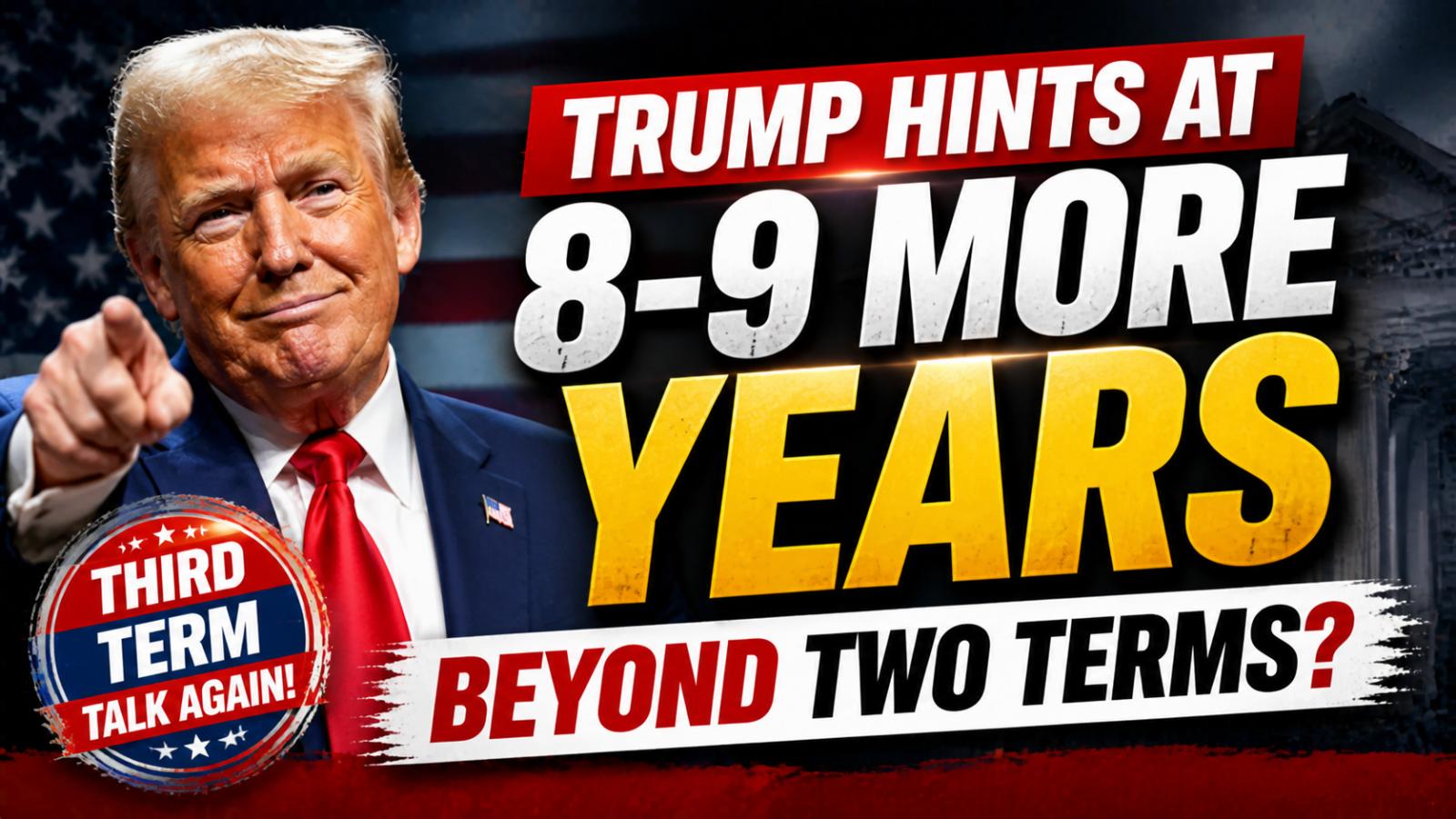
Trump Jokes About Staying in Power Beyond Two Terms
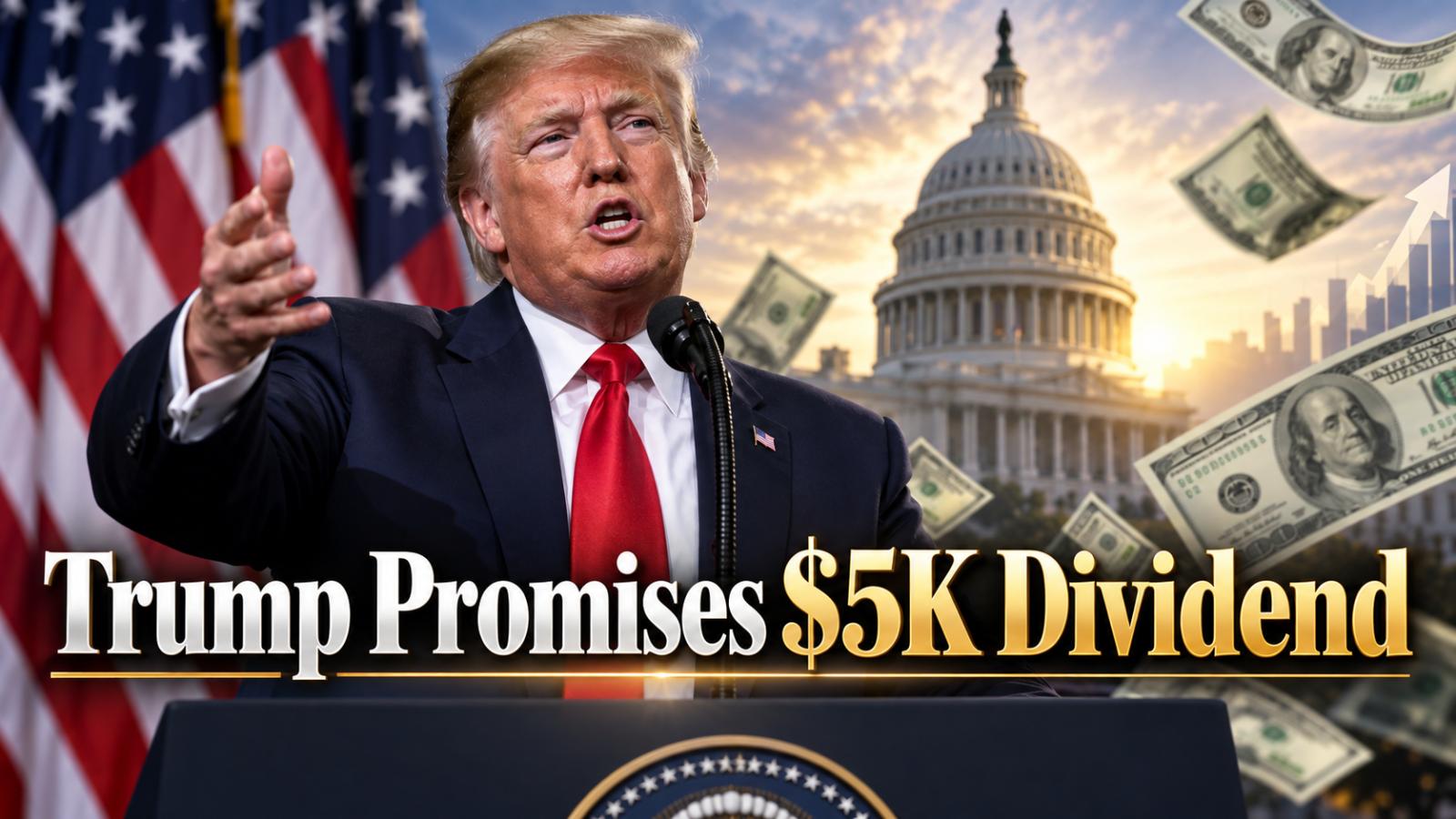
US President Donald Trump sparked renewed discussions on the possibility of serving more than two terms in office, a prospect that is explicitly prohibited by the 22nd Amendment of the US Constitution. Speaking at the White House Small Business Summit on May 4, Trump made a light-hearted remark about potentially staying in power for eight to nine more years, which would equal two additional terms. The comment, delivered with a sense of humor, caused White House officials to burst into laughte
Trump Jokes About Staying in Power Beyond Two Terms
US President Donald Trump sparked renewed discussions on the possibility of serving more than two terms in office, a prospect that is explicitly prohibited by the 22nd Amendment of the US Constitution. Speaking at the White House Small Business Summit on May 4, Trump made a light-hearted remark about potentially staying in power for eight to nine more years, which would equal two additional terms. The comment, delivered with a sense of humor, caused White House officials to burst into laughte
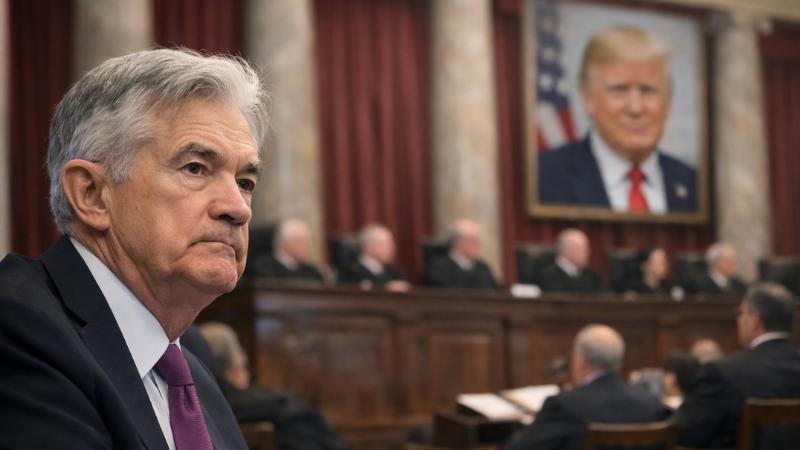
Fed chair to attend Supreme Court arguments in Trump challenge over governor removal
Federal Reserve Chair Jerome Powell is expected to attend oral arguments at the Supreme Court on Wednesday in a closely watched case challenging President Donald Trump’s authority to remove a sitting member of the central bank’s governing board. The case centers on Trump’s attempt to dismiss Federal Reserve Governor Lisa Cook, a move that has raised fundamental questions about the independence of the nation’s monetary policymaker. Powell’s decision to be present for the arguments is unusual for a sitting Fed chair, underscoring the significance the central bank places on the outcome. Within the Federal Reserve, the dispute is widely viewed as having far-reaching implications for the institution’s autonomy and its ability to conduct monetary policy without political interference. The case asks whether a president can remove a Federal Reserve governor outside the narrow circumstances traditionally allowed by law. The backdrop to the Supreme Court proceedings includes heightened scrutiny of Powell himself. Earlier this year, the Fed chair disclosed that he is the subject of a criminal investigation by the U.S. Attorney’s Office related to a multi-billion-dollar renovation of the Federal Reserve’s headquarters and statements he made to Congress about the project. Powell has said the investigation is being used as a pretext tied to policy disagreements, particularly the Fed’s refusal to reduce interest rates as aggressively as the White House sought last year. In a rare public statement issued in January, Powell argued that the threat of criminal charges stems from the Federal Reserve’s mandate to set interest rates based on its assessment of what best serves the public interest, rather than political preferences. He emphasized that the central bank’s decisions are made collectively by the Board of Governors and are guided by economic data and long-term stability considerations. The legal fight began after Trump announced in August that he was firing Cook from the seven-member Federal Reserve Board, alleging mortgage fraud connected to two homes she owns. Cook has denied any wrongdoing and has not been charged with a crime. She subsequently filed suit in federal court in Washington, seeking to block her removal and arguing that the president lacked cause under the law to dismiss her. A federal district judge issued an injunction in September preventing Cook’s removal while the case proceeds, a decision later upheld by a federal appeals court. Those rulings kept Cook in her post and set the stage for the administration’s appeal to the Supreme Court. In filings before the high court, the Department of Justice has argued that the lower court orders amount to improper judicial interference with the president’s removal authority. The government contends that the Constitution grants the president broad power to remove executive branch officials, including members of the Federal Reserve Board, for cause. Opponents of that view warn that allowing such removals could undermine the central bank’s independence and expose monetary policy to political pressure. The Supreme Court’s decision could therefore reshape the balance of power between the White House and the Federal Reserve, with potential consequences for interest rate policy, financial markets, and the broader economy. As the justices prepare to hear arguments, Powell’s attendance signals how consequential the case is for the Federal Reserve’s leadership. The ruling, expected later this year, is likely to define the limits of presidential authority over one of the country’s most influential economic institutions.
Fed chair to attend Supreme Court arguments in Trump challenge over governor removal
Federal Reserve Chair Jerome Powell is expected to attend oral arguments at the Supreme Court on Wednesday in a closely watched case challenging President Donald Trump’s authority to remove a sitting member of the central bank’s governing board. The case centers on Trump’s attempt to dismiss Federal Reserve Governor Lisa Cook, a move that has raised fundamental questions about the independence of the nation’s monetary policymaker. Powell’s decision to be present for the arguments is unusual for a sitting Fed chair, underscoring the significance the central bank places on the outcome. Within the Federal Reserve, the dispute is widely viewed as having far-reaching implications for the institution’s autonomy and its ability to conduct monetary policy without political interference. The case asks whether a president can remove a Federal Reserve governor outside the narrow circumstances traditionally allowed by law. The backdrop to the Supreme Court proceedings includes heightened scrutiny of Powell himself. Earlier this year, the Fed chair disclosed that he is the subject of a criminal investigation by the U.S. Attorney’s Office related to a multi-billion-dollar renovation of the Federal Reserve’s headquarters and statements he made to Congress about the project. Powell has said the investigation is being used as a pretext tied to policy disagreements, particularly the Fed’s refusal to reduce interest rates as aggressively as the White House sought last year. In a rare public statement issued in January, Powell argued that the threat of criminal charges stems from the Federal Reserve’s mandate to set interest rates based on its assessment of what best serves the public interest, rather than political preferences. He emphasized that the central bank’s decisions are made collectively by the Board of Governors and are guided by economic data and long-term stability considerations. The legal fight began after Trump announced in August that he was firing Cook from the seven-member Federal Reserve Board, alleging mortgage fraud connected to two homes she owns. Cook has denied any wrongdoing and has not been charged with a crime. She subsequently filed suit in federal court in Washington, seeking to block her removal and arguing that the president lacked cause under the law to dismiss her. A federal district judge issued an injunction in September preventing Cook’s removal while the case proceeds, a decision later upheld by a federal appeals court. Those rulings kept Cook in her post and set the stage for the administration’s appeal to the Supreme Court. In filings before the high court, the Department of Justice has argued that the lower court orders amount to improper judicial interference with the president’s removal authority. The government contends that the Constitution grants the president broad power to remove executive branch officials, including members of the Federal Reserve Board, for cause. Opponents of that view warn that allowing such removals could undermine the central bank’s independence and expose monetary policy to political pressure. The Supreme Court’s decision could therefore reshape the balance of power between the White House and the Federal Reserve, with potential consequences for interest rate policy, financial markets, and the broader economy. As the justices prepare to hear arguments, Powell’s attendance signals how consequential the case is for the Federal Reserve’s leadership. The ruling, expected later this year, is likely to define the limits of presidential authority over one of the country’s most influential economic institutions.
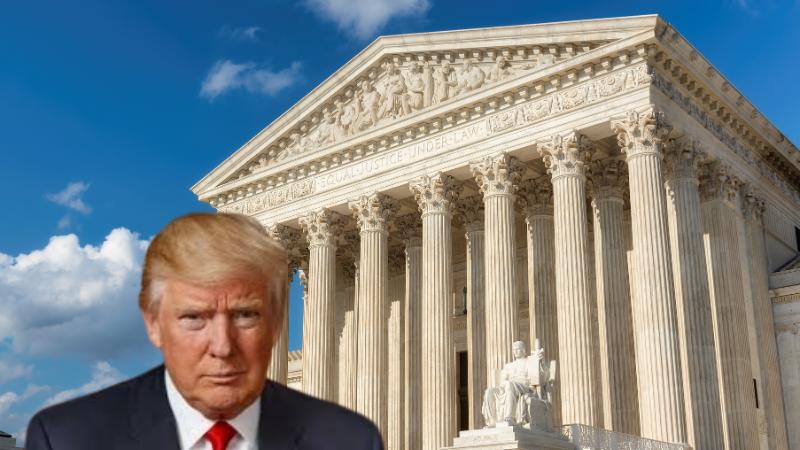
US Supreme Court denies fast-track bid to block Trump’s reciprocal tariffs
The United States Supreme Court has handed President Donald Trump a significant legal victory by refusing to expedite a case challenging his broad reciprocal tariffs on imports. The court’s decision, delivered Friday, rejected an urgent scheduling request made by two family-owned companies that aimed to invalidate several of Trump’s import duties. The companies, Learning Resources Inc. and Hand2Mind Inc., had asked the justices to bypass the usual judicial process and conside
US Supreme Court denies fast-track bid to block Trump’s reciprocal tariffs
The United States Supreme Court has handed President Donald Trump a significant legal victory by refusing to expedite a case challenging his broad reciprocal tariffs on imports. The court’s decision, delivered Friday, rejected an urgent scheduling request made by two family-owned companies that aimed to invalidate several of Trump’s import duties. The companies, Learning Resources Inc. and Hand2Mind Inc., had asked the justices to bypass the usual judicial process and conside
Texas Religion Bills in Public Schools Await Gov. Abbott’s Decision
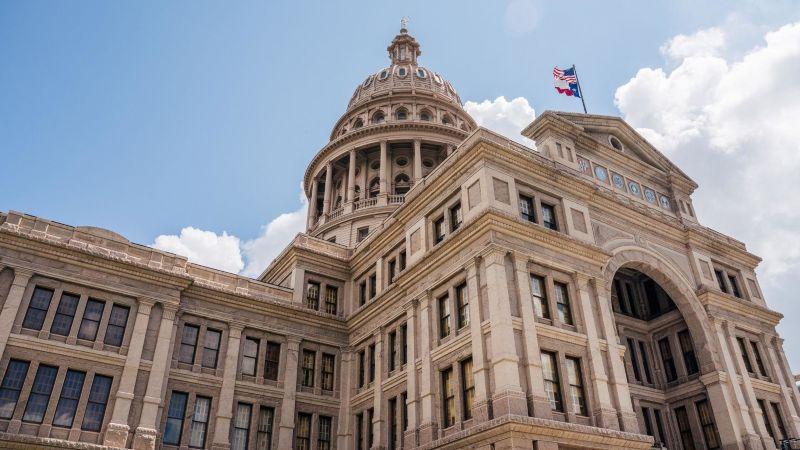
Two controversial bills involving religion in Texas public schools are currently awaiting Gov. Greg Abbott’s approval before the Sunday deadline. Senate Bill 10 would mandate the display of the Ten Commandments in all public school classrooms with a specifically Protestant wording. Meanwhile, Senate Bill 11 would permit designated periods for voluntary prayer and Bible reading in public and charter schools. Bot
Texas Religion Bills in Public Schools Await Gov. Abbott’s Decision
Two controversial bills involving religion in Texas public schools are currently awaiting Gov. Greg Abbott’s approval before the Sunday deadline. Senate Bill 10 would mandate the display of the Ten Commandments in all public school classrooms with a specifically Protestant wording. Meanwhile, Senate Bill 11 would permit designated periods for voluntary prayer and Bible reading in public and charter schools. Bot