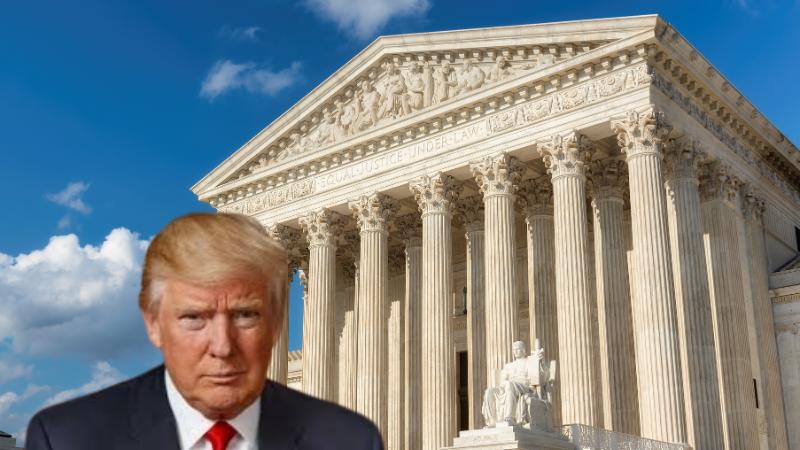
The United States Supreme Court has handed President Donald Trump a significant legal victory by refusing to expedite a case challenging his broad reciprocal tariffs on imports. The court’s decision, delivered Friday, rejected an urgent scheduling request made by two family-owned companies that aimed to invalidate several of Trump’s import duties. The companies, Learning Resources Inc. and Hand2Mind Inc., had asked the justices to bypass the usual judicial process and consider their legal challenge without waiting for the federal appeals court to issue a ruling. The Supreme Court, however, opted to adhere to standard procedure, thereby granting the Trump administration the usual 30 days to respond to the claims in court.
The two educational toy companies had hoped to fast-track their case due to the wide economic impact of the tariffs and the legal question surrounding presidential authority under the 1977 International Emergency Economic Powers Act. They argued that the law did not grant the president powers to impose such sweeping trade measures. The legal filing had asked the court to intervene immediately, bypassing lower court stages, given the constitutional concerns involved. However, by refusing to fast-track the case, the Supreme Court has indicated that it would prefer the regular appellate route to be followed.
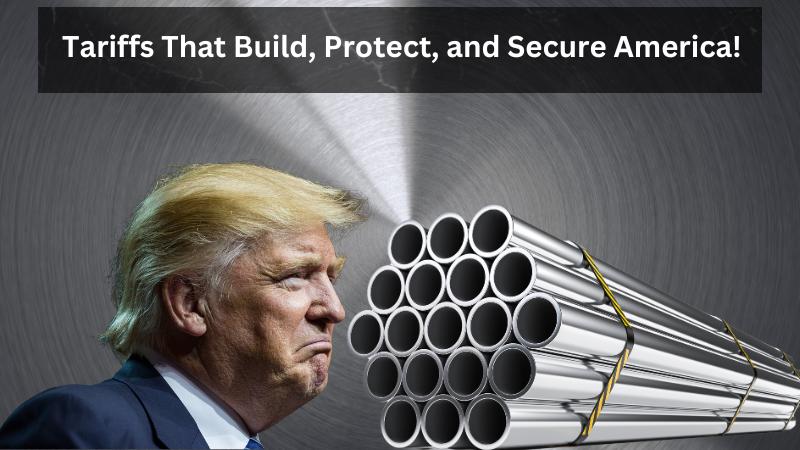
This case marks the first time any of Trump’s reciprocal tariff policies have reached the Supreme Court, despite being challenged in multiple lower courts since their implementation. Trump’s “Liberation Day” tariffs, issued on April 2, remain at the center of the legal storm. These tariffs impose a baseline 10 percent duty on all imported goods with provisions for increased rates on certain trading partners. The move was intended to pressure nations that impose higher import barriers on US products and was framed by the Trump administration as an act of economic justice and trade rebalancing.
In the case titled “Learning Resources v. Trump,” the plaintiffs claim that Trump exceeded his presidential powers by invoking the 1977 act in a situation that, they argue, does not qualify as a national emergency. While a federal district judge had earlier sided with the companies, stating that the president had overstepped his authority, the ruling did not result in an immediate halt to the tariffs. In a separate but related matter, a federal appeals court recently ruled that the tariffs would remain in effect at least until a scheduled hearing on July 31. That court will decide whether Trump’s tariff policy should be suspended pending a final judgment.
The tariffs in question have affected a wide range of industries, not just educational products. Several businesses have joined or supported challenges against the measures, particularly those affected by both the baseline levies and the additional rates tied to broader trade disputes or national security claims. Some of Trump’s import taxes were also linked to efforts to combat international drug trafficking, particularly related to fentanyl, complicating the legal landscape and adding further layers to the ongoing challenges.
The legal back-and-forth reveals deeper constitutional debates over the scope of presidential authority in economic matters and the use of emergency powers in non-military contexts. Trump’s use of the 1977 International Emergency Economic Powers Act has drawn criticism from trade experts and legal analysts, who argue that its original intent was to target foreign threats and not to enable widespread tariffs without congressional approval. However, defenders of the policy maintain that the economic harm caused by foreign tariffs against US goods constitutes a threat warranting presidential action.
For Trump, the Supreme Court’s refusal to fast-track the case offers a temporary reprieve and a potential advantage as legal proceedings continue. The administration has argued that premature involvement from the highest court would disrupt the legal process and that full appellate review is necessary before such a significant constitutional question is addressed. By allowing the administration the full 30-day window to respond, the Supreme Court ensures that the issue will follow the established legal timeline, potentially delaying any definitive judgment on the tariffs for months.
As legal and political battles continue to unfold, the outcome of these cases could shape the future of American trade policy and set precedents on the use of emergency economic powers. Whether or not the tariffs will ultimately be upheld or deemed an overreach remains to be seen, but for now, Trump has gained crucial time and a favorable procedural ruling from the nation’s highest court.