






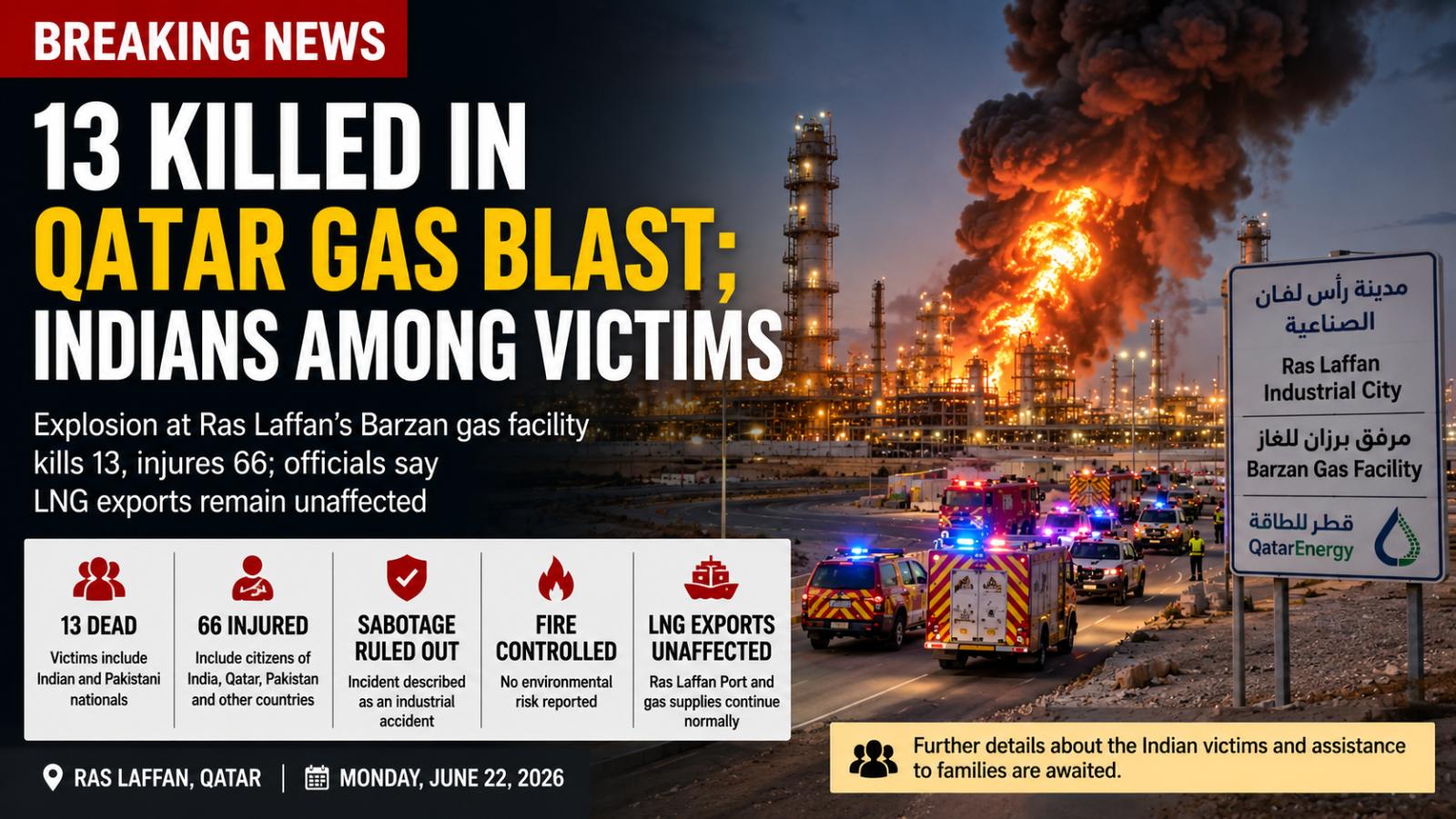











Thirteen people were killed and 66 others were injured in an explosion at a gas facility in Qatar’s Ras Laffan Industrial City on Sunday, June 21, 2026. According to preliminary information released by authorities, the people killed included Indian and Pakistani nationals. Officials have not disclosed how many victims were from India or provided a complete nationality-wise breakdown of the deaths. Indians Injured in Ras Laffan Gas Facility Explosion
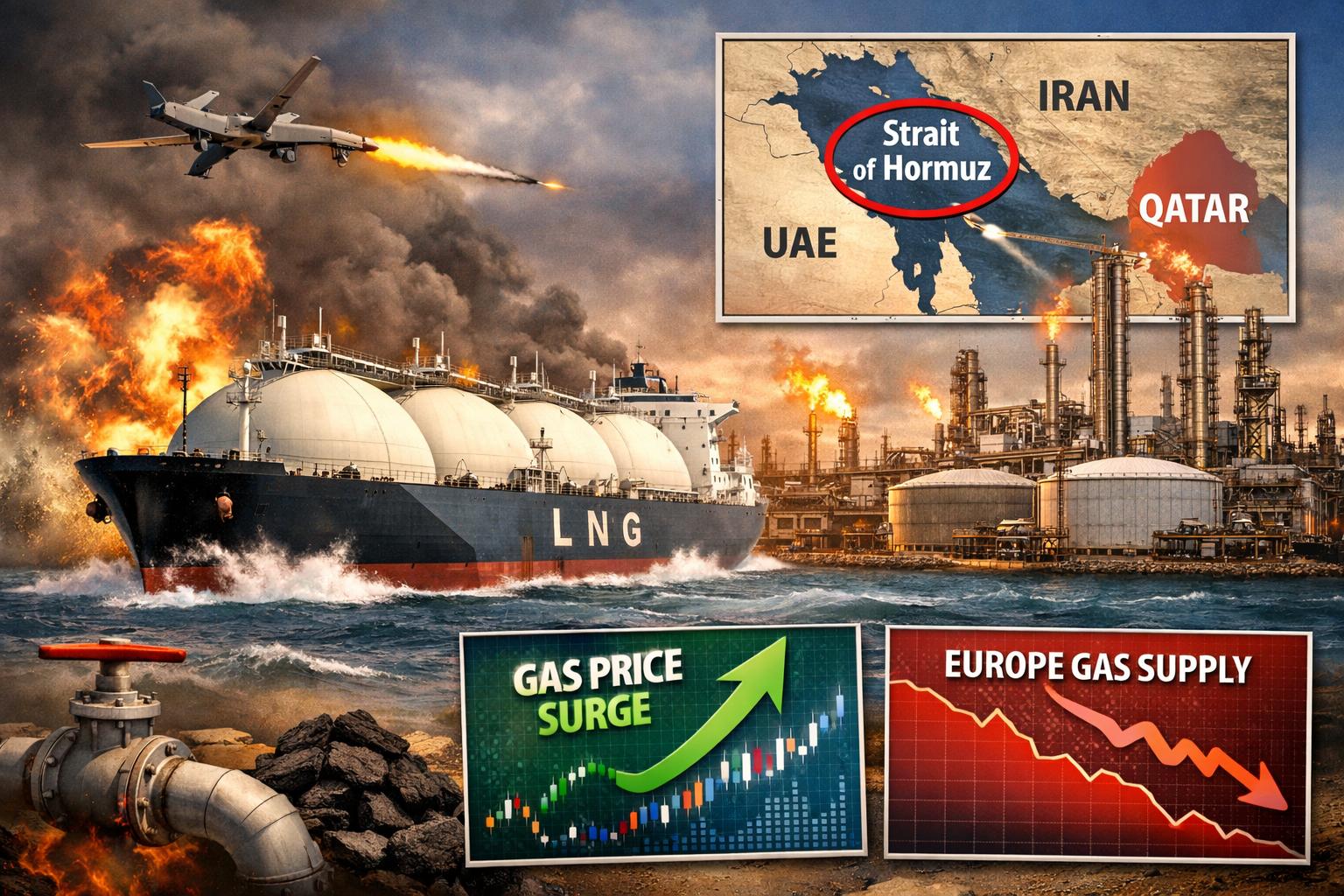
The escalating tensions around the Strait of Hormuz are raising serious concerns for global energy markets, with analysts warning that the liquefied natural gas sector could be more severely affected than crude oil if the shipping route remains disrupted. While oil shipments have been partially redirected through alternative pipelines, LNG faces unique challenges due to its dependence on specialized tankers and highly centralized production, particularly in Qatar. Roughly 20 percent o
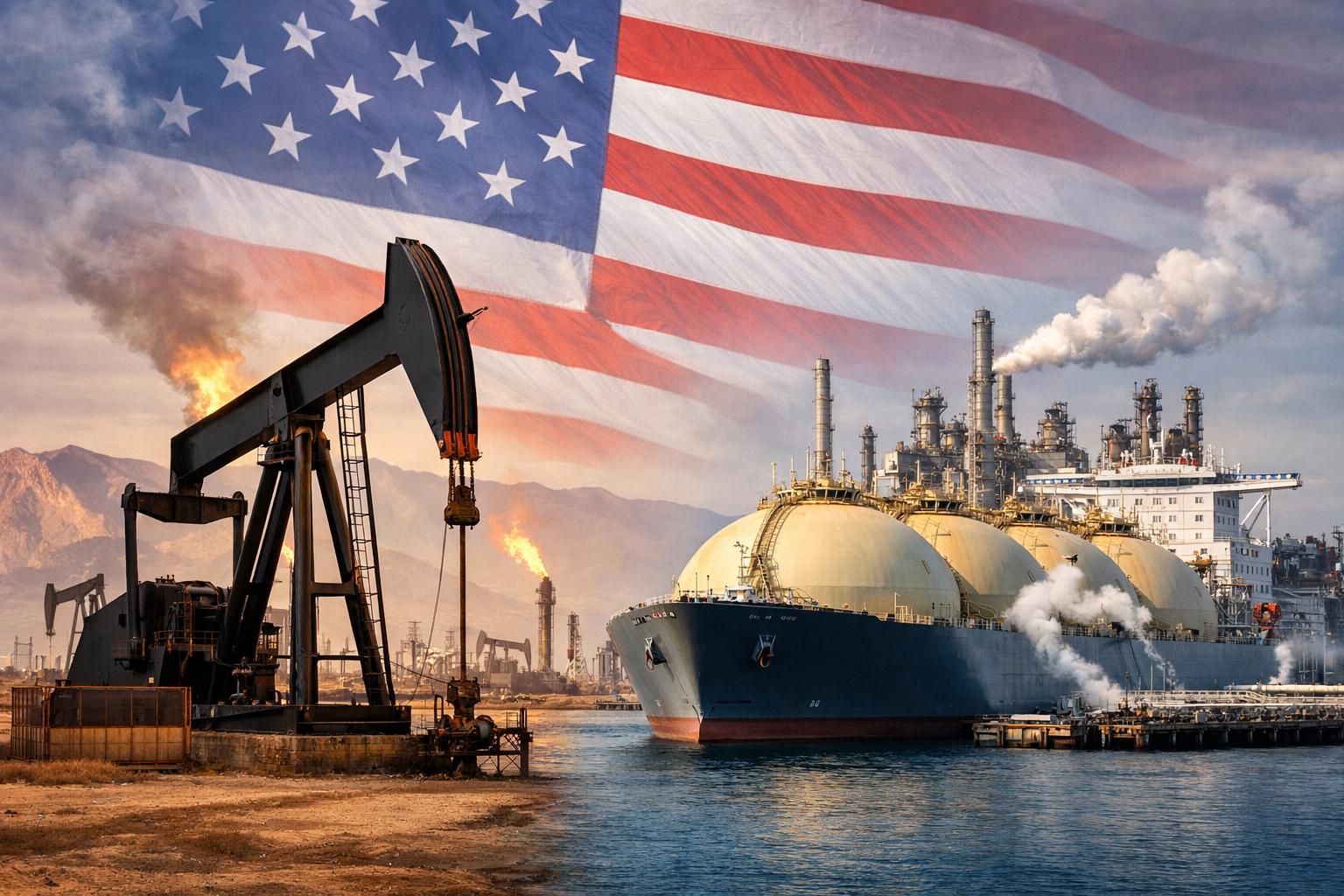
For decades, a recurring argument during periods of American involvement in the Middle East has been that such conflicts are driven by access to oil. However, the United States’ position in the global energy landscape has shifted dramatically over the past decade. Once heavily dependent on foreign imports, the country has transformed into one of the world’s largest producers of oil and natural gas, reshaping both global energy markets and geopolitical calculations. Recent figures from th