




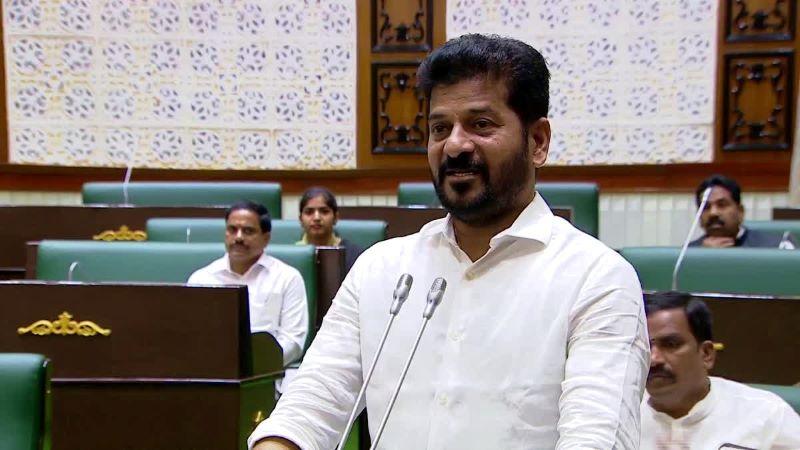


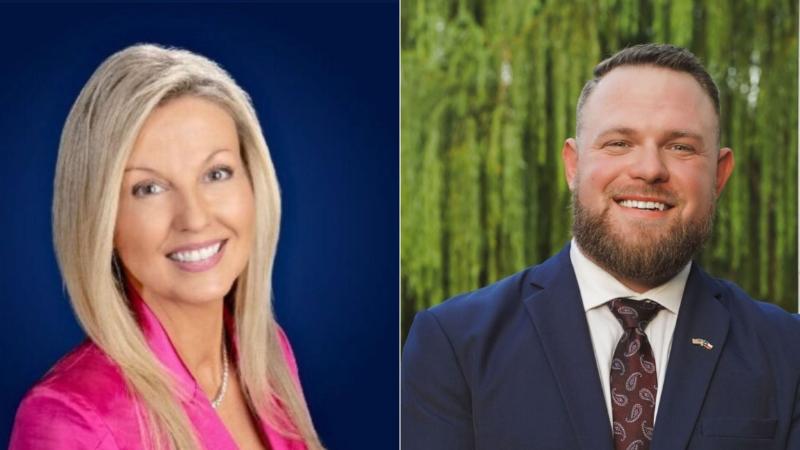
Democrat Taylor Rehmet flips Texas Senate District 9 in historic special runoff
Voters in Tarrant County delivered a significant political upset on Saturday by electing Democrat Taylor Rehmet to represent Texas Senate District 9 in a special runoff election, flipping a seat that had been controlled by Republicans for decades. Rehmet defeated Republican opponent Leigh Wambsganss with 5
Democrat Taylor Rehmet flips Texas Senate District 9 in historic special runoff
Voters in Tarrant County delivered a significant political upset on Saturday by electing Democrat Taylor Rehmet to represent Texas Senate District 9 in a special runoff election, flipping a seat that had been controlled by Republicans for decades. Rehmet defeated Republican opponent Leigh Wambsganss with 5
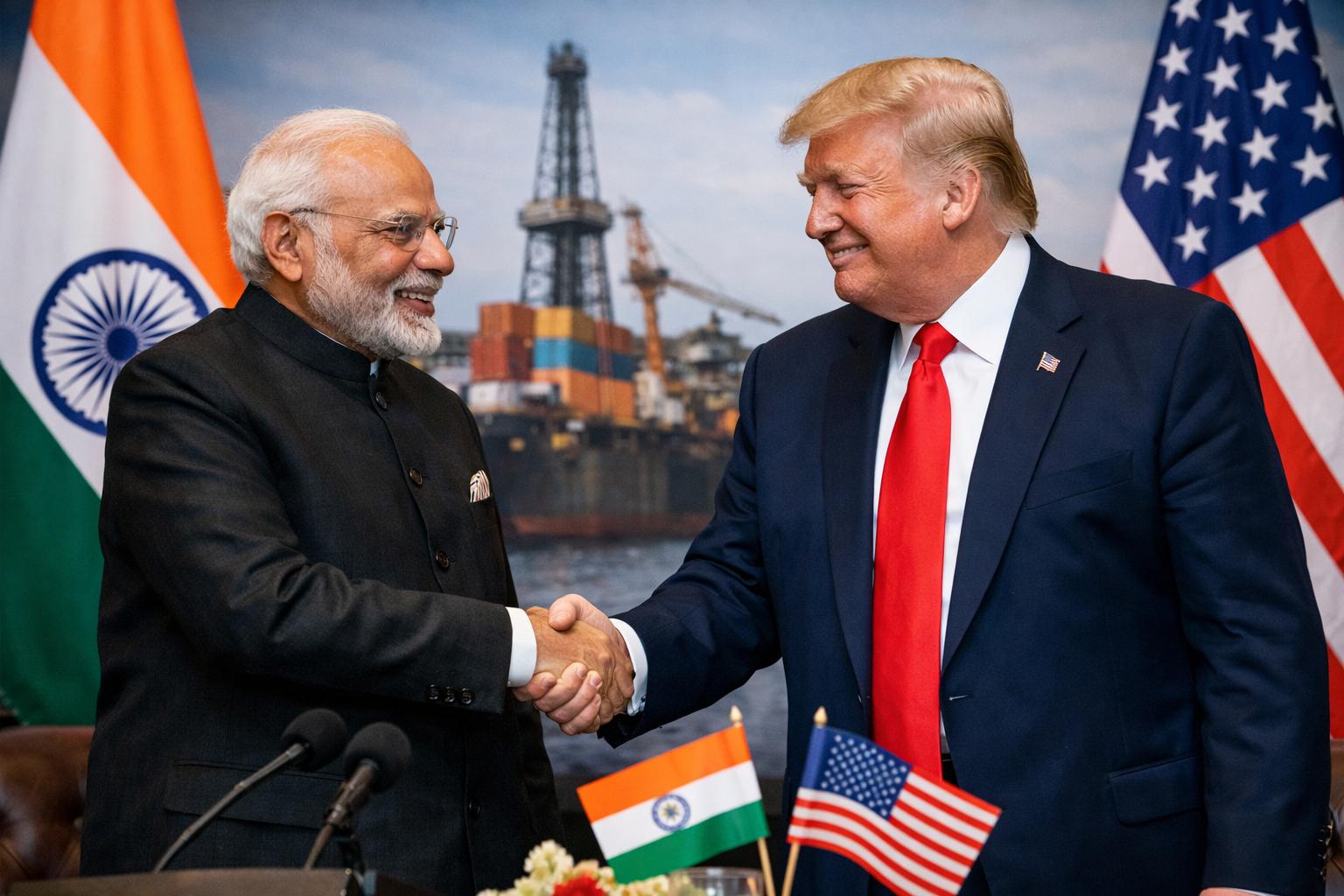
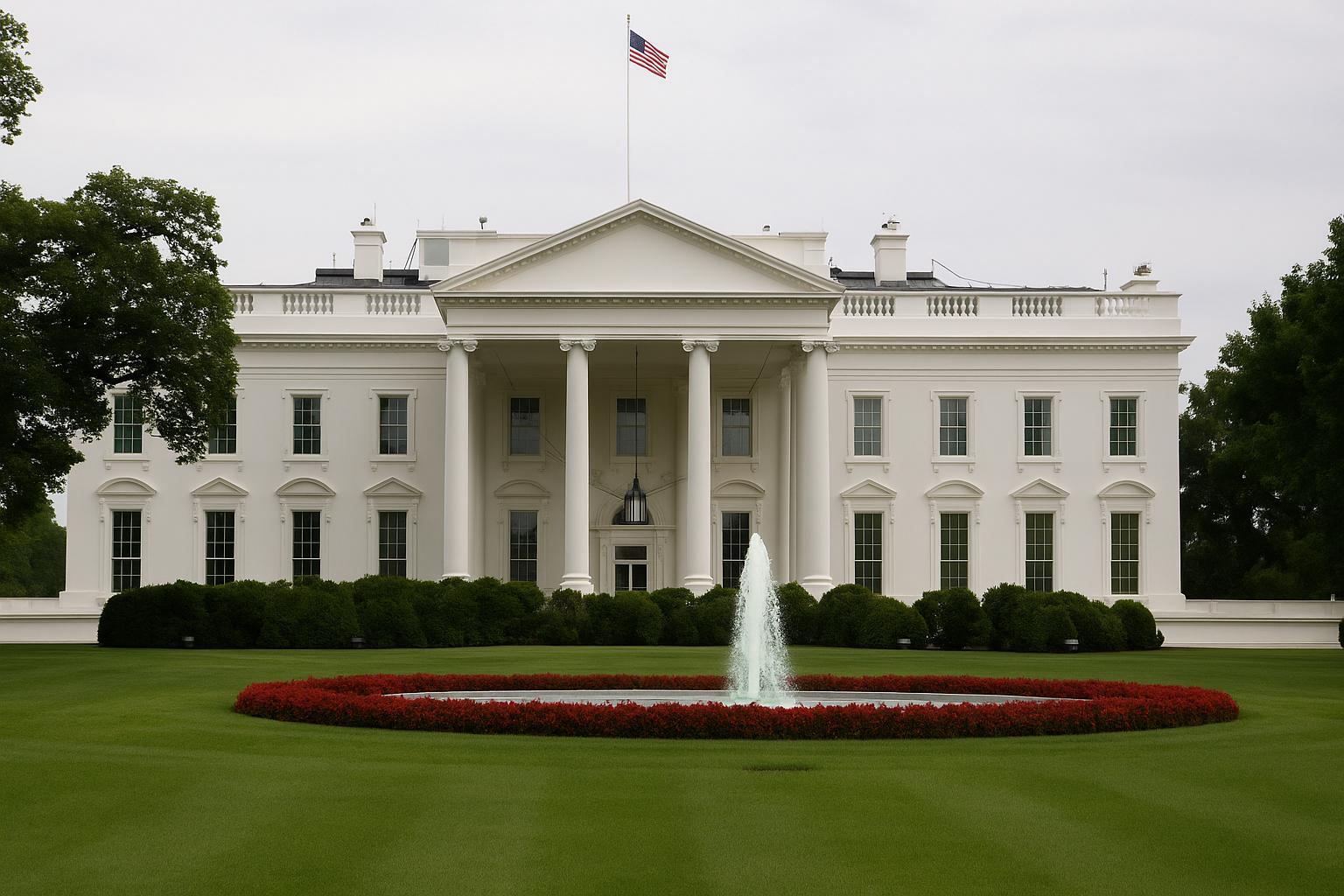
PM Modi expresses gratitude to Trump after US cuts tariffs on Indian goods
Prime Minister Narendra Modi on Monday welcomed a significant reduction in tariffs on Indian exports to the United States following an announcement by US President Donald Trump that the two countries had reached a bilateral trade agreement aimed at lowering reciprocal duties. Under the new arrangement, tariffs on Made in India products entering the US market will be reduced to 18%, marking a notable shift in trade relations between the two major economies. The agreement also provide
PM Modi expresses gratitude to Trump after US cuts tariffs on Indian goods
Prime Minister Narendra Modi on Monday welcomed a significant reduction in tariffs on Indian exports to the United States following an announcement by US President Donald Trump that the two countries had reached a bilateral trade agreement aimed at lowering reciprocal duties. Under the new arrangement, tariffs on Made in India products entering the US market will be reduced to 18%, marking a notable shift in trade relations between the two major economies. The agreement also provide
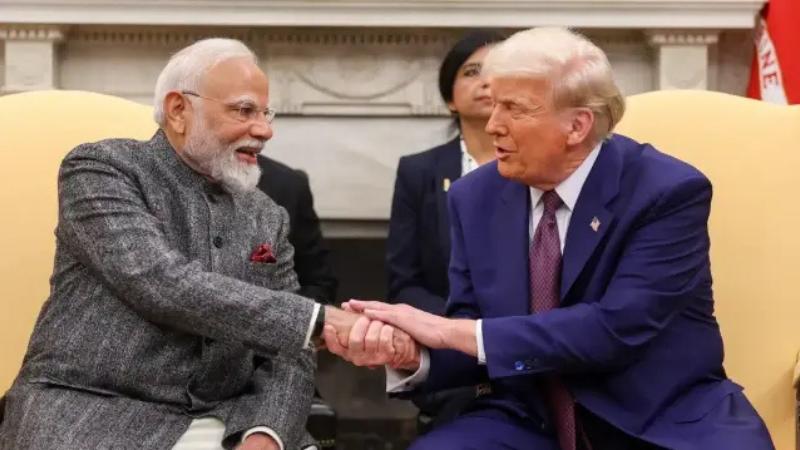
US and India agree on trade deal as tariffs are cut and oil strategy shifts
In a significant development affecting global trade and energy policy, United States President Donald Trump announced a bilateral trade agreement with Indian Prime Minister Narendra Modi following a direct telephone conversation on Monday. According to an official post shared by the US Ambassador to India on social media, the leaders discussed a range of strategic and economic issues, culminating in an accord that reduces key economic barriers between the two countries. In his publi
US and India agree on trade deal as tariffs are cut and oil strategy shifts
In a significant development affecting global trade and energy policy, United States President Donald Trump announced a bilateral trade agreement with Indian Prime Minister Narendra Modi following a direct telephone conversation on Monday. According to an official post shared by the US Ambassador to India on social media, the leaders discussed a range of strategic and economic issues, culminating in an accord that reduces key economic barriers between the two countries. In his publi
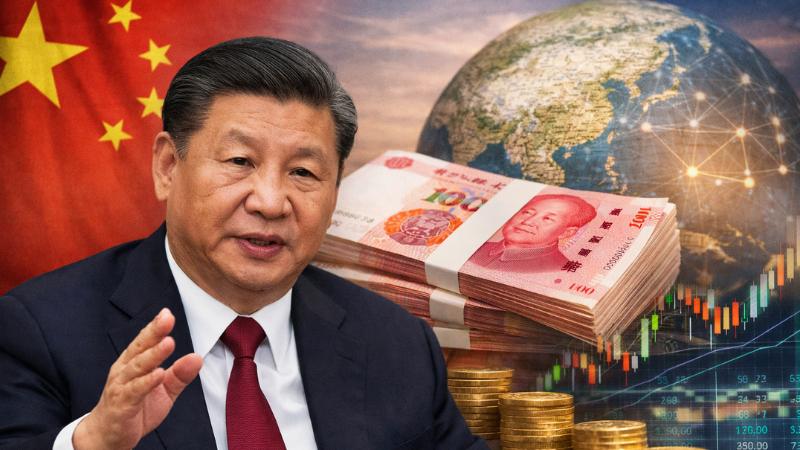
China seeks stronger yuan as Xi Jinping outlines push for global reserve currency
Amid continuing global economic uncertainty and renewed debate over the stability of major reserve currencies, Chinese President Xi Jinping has reiterated China’s ambition to build a “strong currency” and gradually elevate the yuan’s status in the global financial system. Xi said China aims to expand the use of the yuan in international trade, investment, and foreign exchange markets, underscoring a long-standing policy goal to strengthen the country’s financial influence worldwide. Xi’s remarks were outlined in a speech delivered in 2024 to senior provincial and ministerial officials and later published on Saturday in Qiushi, the Communist Party’s leading theoretical journal. The publication of excerpts from the address comes at a time of heightened volatility in global markets and growing scrutiny of the dominance of the US dollar, adding significance to Beijing’s renewed emphasis on currency strength and financial resilience. In the speech, Xi set out what he described as the essential characteristics of a global financial powerhouse. These included a solid economic foundation, world-leading technological and industrial capabilities, and a widely accepted and credible currency. He argued that currency strength was inseparable from broader national competitiveness and institutional capacity, noting that financial influence must be supported by real economic and technological power rather than short-term market movements. Xi also stressed the importance of a capable and independent central bank able to implement effective monetary policy and macroprudential management. He said globally competitive financial institutions, along with influential international financial centres, were necessary to attract global capital and exert pricing power in international markets. According to Xi, these elements must be matched with strong regulation, a reliable legal framework, and a deep pool of skilled financial professionals to ensure long-term stability and credibility. While acknowledging China’s scale in global finance, Xi noted that the country still faced structural limitations. He said China ranked among the world’s largest economies in terms of banking assets, foreign exchange reserves, and capital market size, but remained “big but not strong” overall. Transforming China into a true global financial powerhouse, he added, would be a gradual and long-term undertaking rather than an immediate achievement. Beijing has promoted the internationalisation of the yuan for more than a decade, with measurable progress in its use for cross-border trade settlement. The currency’s role in global markets, however, remains limited when compared with established reserve currencies. China’s Cross-Border Interbank Payment System currently clears an average of about 700 billion yuan, or roughly 100 billion US dollars, in transactions each day. This figure remains well below the nearly 2 trillion US dollars cleared daily through the dollar-based Clearing House Interbank Payments System. Yuan-denominated debt issuance in international markets also accounts for a small share of global activity, representing less than one percent of total issuance. These figures highlight the gap between China’s ambitions and the yuan’s current global footprint, despite steady domestic financial expansion. In recent months, the yuan has generally held firm against the US dollar, even amid trade tensions and uneven global growth. This stability contrasts with the sharper depreciation seen during former US President Donald Trump’s first term, when market observers speculated that Chinese authorities tolerated a weaker currency to offset the impact of tariffs. International investment banks continue to argue that the yuan remains below its long-term fair value, reflecting both policy controls and cautious foreign investor sentiment. The republication of Xi’s speech signals continuity in China’s financial strategy rather than a sudden shift. As global markets navigate uncertainty and reassess existing monetary structures, Beijing appears intent on steadily advancing its vision of a stronger yuan and a more influential role in the international financial system over the long term.
China seeks stronger yuan as Xi Jinping outlines push for global reserve currency
Amid continuing global economic uncertainty and renewed debate over the stability of major reserve currencies, Chinese President Xi Jinping has reiterated China’s ambition to build a “strong currency” and gradually elevate the yuan’s status in the global financial system. Xi said China aims to expand the use of the yuan in international trade, investment, and foreign exchange markets, underscoring a long-standing policy goal to strengthen the country’s financial influence worldwide. Xi’s remarks were outlined in a speech delivered in 2024 to senior provincial and ministerial officials and later published on Saturday in Qiushi, the Communist Party’s leading theoretical journal. The publication of excerpts from the address comes at a time of heightened volatility in global markets and growing scrutiny of the dominance of the US dollar, adding significance to Beijing’s renewed emphasis on currency strength and financial resilience. In the speech, Xi set out what he described as the essential characteristics of a global financial powerhouse. These included a solid economic foundation, world-leading technological and industrial capabilities, and a widely accepted and credible currency. He argued that currency strength was inseparable from broader national competitiveness and institutional capacity, noting that financial influence must be supported by real economic and technological power rather than short-term market movements. Xi also stressed the importance of a capable and independent central bank able to implement effective monetary policy and macroprudential management. He said globally competitive financial institutions, along with influential international financial centres, were necessary to attract global capital and exert pricing power in international markets. According to Xi, these elements must be matched with strong regulation, a reliable legal framework, and a deep pool of skilled financial professionals to ensure long-term stability and credibility. While acknowledging China’s scale in global finance, Xi noted that the country still faced structural limitations. He said China ranked among the world’s largest economies in terms of banking assets, foreign exchange reserves, and capital market size, but remained “big but not strong” overall. Transforming China into a true global financial powerhouse, he added, would be a gradual and long-term undertaking rather than an immediate achievement. Beijing has promoted the internationalisation of the yuan for more than a decade, with measurable progress in its use for cross-border trade settlement. The currency’s role in global markets, however, remains limited when compared with established reserve currencies. China’s Cross-Border Interbank Payment System currently clears an average of about 700 billion yuan, or roughly 100 billion US dollars, in transactions each day. This figure remains well below the nearly 2 trillion US dollars cleared daily through the dollar-based Clearing House Interbank Payments System. Yuan-denominated debt issuance in international markets also accounts for a small share of global activity, representing less than one percent of total issuance. These figures highlight the gap between China’s ambitions and the yuan’s current global footprint, despite steady domestic financial expansion. In recent months, the yuan has generally held firm against the US dollar, even amid trade tensions and uneven global growth. This stability contrasts with the sharper depreciation seen during former US President Donald Trump’s first term, when market observers speculated that Chinese authorities tolerated a weaker currency to offset the impact of tariffs. International investment banks continue to argue that the yuan remains below its long-term fair value, reflecting both policy controls and cautious foreign investor sentiment. The republication of Xi’s speech signals continuity in China’s financial strategy rather than a sudden shift. As global markets navigate uncertainty and reassess existing monetary structures, Beijing appears intent on steadily advancing its vision of a stronger yuan and a more influential role in the international financial system over the long term.

Catherine O’Hara remembered as holiday film icon after death at 71
Fans across the country are mourning the death of acclaimed actress Catherine O’Hara, whose work across film and television left an enduring mark on popular culture and holiday traditions. Her representative confirmed that O’Hara died Friday at the age of 71. No cause of death has been released, prompting an outpouring of tributes from colleagues, admirers, and generations of viewers who grew up watching her performances. O’Hara was widely celebrated for her portrayal of Kevin
Catherine O’Hara remembered as holiday film icon after death at 71
Fans across the country are mourning the death of acclaimed actress Catherine O’Hara, whose work across film and television left an enduring mark on popular culture and holiday traditions. Her representative confirmed that O’Hara died Friday at the age of 71. No cause of death has been released, prompting an outpouring of tributes from colleagues, admirers, and generations of viewers who grew up watching her performances. O’Hara was widely celebrated for her portrayal of Kevin
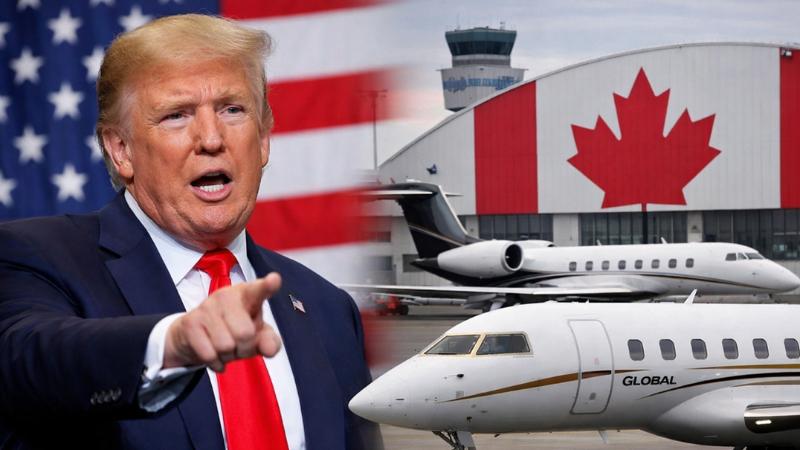
Trump threatens 50% tariffs on Canadian aircraft amid certification dispute
US President Donald Trump has intensified trade tensions with Canada by threatening to impose sweeping tariffs on Canadian-made aircraft, opening a new chapter in an already strained bilateral relationship. In a statement issued on Thursday, Trump said the United States could levy tariffs of up to 50 per cent on aircraft sold from Canada into the US market, citing what he described as Canada’s refusal to certify American-made business jets. The president also announced plans to decertify all aircraft manufactured in Canada for use in the United States, a move he said would remain in effect until Canadian regulators approve a series of jets produced by Gulfstream Aerospace. The warning was delivered through a post on Truth Social, where Trump accused Canadian authorities of erecting regulatory barriers that unfairly block American products. In his remarks, Trump singled out the Bombardier Global Express business jet, which is manufactured in Quebec, arguing that Ottawa has benefited from access to the US market while allegedly denying similar treatment to American manufacturers. He claimed Canada had “wrongfully and illegally” refused to certify the Gulfstream 500, 600, 700, and 800 models, which he described as among the most advanced aircraft in the world. According to Trump, the lack of certification effectively prevents Gulfstream from selling its jets in Canada. Trump warned that unless the situation is resolved immediately, the United States would move forward with punitive tariffs on all aircraft imported from Canada. He framed the threat as a matter of fairness and reciprocity, asserting that American companies should not face obstacles abroad while foreign competitors enjoy broad access to the US market. The aircraft dispute is the latest flashpoint in a broader deterioration of relations between the United States and Canada since Trump returned to office last year. Political and economic friction between the two long-time allies has grown steadily, with trade policy emerging as a central source of conflict. Earlier the same day as Trump’s comments, Canadian Prime Minister Mark Carney publicly urged Washington to respect Canadian sovereignty, following reports of contacts between US officials and Alberta separatist groups. Trade tensions have also been fueled by Canada’s recent diplomatic engagement with China. Trump has repeatedly warned Ottawa against deepening economic ties with Beijing, arguing that such moves could undermine US interests. He has threatened to impose tariffs as high as 100 per cent on Canadian goods if Canada proceeds with a trade agreement with China, a warning he reiterated over the weekend. In a series of earlier social media posts, Trump mocked Carney by referring to him as “Governor” and cautioned that Canada should not act as a conduit for Chinese goods entering the US market. He claimed that closer ties with Beijing would leave Canada economically vulnerable and pledged swift retaliation if such an agreement were finalized. The remarks came shortly after Carney visited Beijing, marking the first visit by a Canadian leader to China in nearly a decade. The escalating rhetoric underscores the growing uncertainty surrounding North American trade and the aerospace sector in particular. With aircraft manufacturing representing a significant industry for both countries, analysts say prolonged disputes over certification and tariffs could have far-reaching economic consequences. For now, the standoff highlights how regulatory disagreements and geopolitical concerns are increasingly shaping trade relations between Washington and Ottawa.
Trump threatens 50% tariffs on Canadian aircraft amid certification dispute
US President Donald Trump has intensified trade tensions with Canada by threatening to impose sweeping tariffs on Canadian-made aircraft, opening a new chapter in an already strained bilateral relationship. In a statement issued on Thursday, Trump said the United States could levy tariffs of up to 50 per cent on aircraft sold from Canada into the US market, citing what he described as Canada’s refusal to certify American-made business jets. The president also announced plans to decertify all aircraft manufactured in Canada for use in the United States, a move he said would remain in effect until Canadian regulators approve a series of jets produced by Gulfstream Aerospace. The warning was delivered through a post on Truth Social, where Trump accused Canadian authorities of erecting regulatory barriers that unfairly block American products. In his remarks, Trump singled out the Bombardier Global Express business jet, which is manufactured in Quebec, arguing that Ottawa has benefited from access to the US market while allegedly denying similar treatment to American manufacturers. He claimed Canada had “wrongfully and illegally” refused to certify the Gulfstream 500, 600, 700, and 800 models, which he described as among the most advanced aircraft in the world. According to Trump, the lack of certification effectively prevents Gulfstream from selling its jets in Canada. Trump warned that unless the situation is resolved immediately, the United States would move forward with punitive tariffs on all aircraft imported from Canada. He framed the threat as a matter of fairness and reciprocity, asserting that American companies should not face obstacles abroad while foreign competitors enjoy broad access to the US market. The aircraft dispute is the latest flashpoint in a broader deterioration of relations between the United States and Canada since Trump returned to office last year. Political and economic friction between the two long-time allies has grown steadily, with trade policy emerging as a central source of conflict. Earlier the same day as Trump’s comments, Canadian Prime Minister Mark Carney publicly urged Washington to respect Canadian sovereignty, following reports of contacts between US officials and Alberta separatist groups. Trade tensions have also been fueled by Canada’s recent diplomatic engagement with China. Trump has repeatedly warned Ottawa against deepening economic ties with Beijing, arguing that such moves could undermine US interests. He has threatened to impose tariffs as high as 100 per cent on Canadian goods if Canada proceeds with a trade agreement with China, a warning he reiterated over the weekend. In a series of earlier social media posts, Trump mocked Carney by referring to him as “Governor” and cautioned that Canada should not act as a conduit for Chinese goods entering the US market. He claimed that closer ties with Beijing would leave Canada economically vulnerable and pledged swift retaliation if such an agreement were finalized. The remarks came shortly after Carney visited Beijing, marking the first visit by a Canadian leader to China in nearly a decade. The escalating rhetoric underscores the growing uncertainty surrounding North American trade and the aerospace sector in particular. With aircraft manufacturing representing a significant industry for both countries, analysts say prolonged disputes over certification and tariffs could have far-reaching economic consequences. For now, the standoff highlights how regulatory disagreements and geopolitical concerns are increasingly shaping trade relations between Washington and Ottawa.
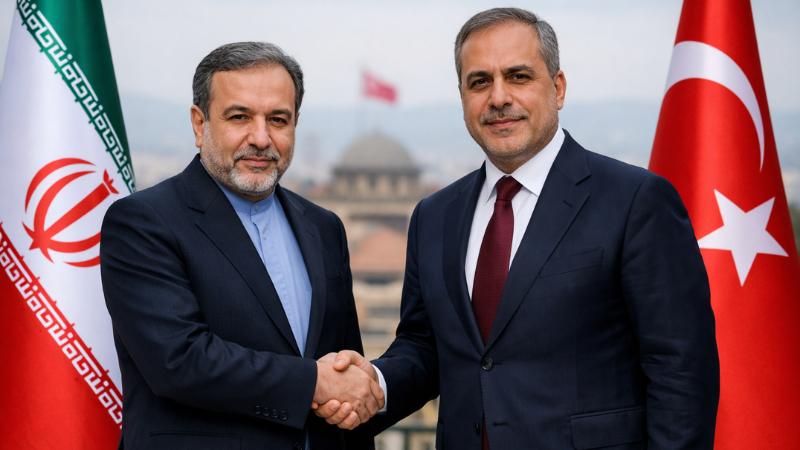
Iranian foreign minister to visit Turkey for talks on security, trade and regional tensions
Iranian Foreign Minister Abbas Araghchi is scheduled to travel to Turkey on Friday for high-level talks with Turkish Foreign Minister Hakan Fidan, as the two neighboring countries seek to strengthen cooperation across security, economic and regional issues. The visit comes amid heightened regional tensions and renewed diplomatic efforts to manage sensitive developments affecting the Middle East. According to Turkish Foreign Ministry sources cited in media reports, Fidan is expected
Iranian foreign minister to visit Turkey for talks on security, trade and regional tensions
Iranian Foreign Minister Abbas Araghchi is scheduled to travel to Turkey on Friday for high-level talks with Turkish Foreign Minister Hakan Fidan, as the two neighboring countries seek to strengthen cooperation across security, economic and regional issues. The visit comes amid heightened regional tensions and renewed diplomatic efforts to manage sensitive developments affecting the Middle East. According to Turkish Foreign Ministry sources cited in media reports, Fidan is expected

Apple set to report fiscal Q1 earnings as iPhone demand and AI costs draw scrutiny
Apple is scheduled to report its fiscal first-quarter earnings after the market closes on Thursday, with investors closely monitoring whether strong holiday demand for iPhones can offset rising costs and uncertainty around artificial intelligence investments. The company’s fiscal first quarter, which concludes in December, is traditionally its most important period of the year due to seasonal consumer spending. According to consensus estimates compiled by LSEG, analysts expect App
Apple set to report fiscal Q1 earnings as iPhone demand and AI costs draw scrutiny
Apple is scheduled to report its fiscal first-quarter earnings after the market closes on Thursday, with investors closely monitoring whether strong holiday demand for iPhones can offset rising costs and uncertainty around artificial intelligence investments. The company’s fiscal first quarter, which concludes in December, is traditionally its most important period of the year due to seasonal consumer spending. According to consensus estimates compiled by LSEG, analysts expect App
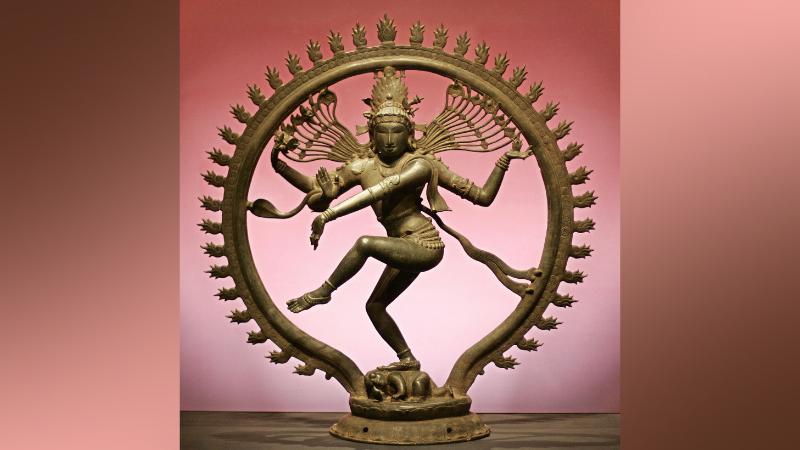
US museum to repatriate ancient Tamil Nadu bronzes to India
The Smithsonian’s National Museum of Asian Art in the United States has announced that it will return three historic bronze sculptures to India after concluding that the works were illegally removed from temple sites in Tamil Nadu. The decision follows an extensive provenance review of the museum’s South Asian collection and marks a significant step in addressing the long-standing issue of illicit trafficking of cultural heritage. The most prominent of the sculptures slated for return is a bronze depiction of Shiva Nataraja, dating to around A.D. 990. Created during the Chola period, the sculpture represents the Hindu deity Shiva in his cosmic dance, symbolizing the cycle of creation and destruction. The figure shows Shiva dancing upon a demon that embodies ignorance, encircled by a ring of fire and standing on a lotus base. Art historians regard this form as one of the most visually powerful and symbolically rich representations in Indian art, revered both within India and among global audiences. Alongside the Shiva Nataraja, the museum will repatriate a Somaskanda sculpture from the 12th century, also from the Chola period. This bronze depicts Shiva seated with his consort Parvathy and their son Skanda, reflecting devotional traditions that were central to temple worship in medieval South India. The third work to be returned is a 16th-century bronze titled Saint Sundarar With Paravai, dating to the Vijayanagar period, which portrays the revered Shaivite saint with his companion. The museum stated that the return of these works reflects its commitment to ethical museum practices and responsible stewardship. A comprehensive review was initiated to determine whether any objects in the collection had been unlawfully acquired. During this process, researchers uncovered evidence that raised serious concerns about the origins of the three bronzes. The Shiva Nataraja entered the museum’s collection in 2002 through a New York art gallery. Subsequent investigation revealed inconsistencies in the documentation associated with the acquisition, including the inability to verify the gallery’s listed address. Researchers later established that the sculpture appeared in photographs taken at a Tamil Nadu temple during the 1950s, confirming that it had been removed from its original religious setting. Further inquiry connected the gallery to a network involved in the trafficking of stolen antiquities. Court records have shown that individuals associated with this network engaged in smuggling cultural objects from South Asia and falsifying provenance records to introduce them into the international art market. In recent years, other institutions have also returned comparable works linked to the same sources. The Somaskanda and Saint Sundarar With Paravai sculptures were donated to the museum in 1987 as part of a major private collection. Their provenance came under scrutiny after a tip prompted researchers to consult archival material held by the French Institute of Pondicherry. Photographs from the 1950s in the institute’s archives showed both sculptures installed in temples in Tamil Nadu, providing clear evidence that they had been stolen and exported illegally. Experts note that bronze sculptures from South Indian temples have been frequent targets of theft due to their artistic value and global demand. Replicas have circulated widely in tourist markets, while original works disappeared from sacred sites, often leaving communities without objects of worship that had been central to their cultural and religious identity for centuries. The Smithsonian’s decision is being viewed as part of a broader international movement toward repatriation and accountability in the museum sector. By returning these sculptures, the institution acknowledges the importance of restoring cultural heritage to its place of origin and reinforces growing global standards for transparency and ethical collecting practices.
US museum to repatriate ancient Tamil Nadu bronzes to India
The Smithsonian’s National Museum of Asian Art in the United States has announced that it will return three historic bronze sculptures to India after concluding that the works were illegally removed from temple sites in Tamil Nadu. The decision follows an extensive provenance review of the museum’s South Asian collection and marks a significant step in addressing the long-standing issue of illicit trafficking of cultural heritage. The most prominent of the sculptures slated for return is a bronze depiction of Shiva Nataraja, dating to around A.D. 990. Created during the Chola period, the sculpture represents the Hindu deity Shiva in his cosmic dance, symbolizing the cycle of creation and destruction. The figure shows Shiva dancing upon a demon that embodies ignorance, encircled by a ring of fire and standing on a lotus base. Art historians regard this form as one of the most visually powerful and symbolically rich representations in Indian art, revered both within India and among global audiences. Alongside the Shiva Nataraja, the museum will repatriate a Somaskanda sculpture from the 12th century, also from the Chola period. This bronze depicts Shiva seated with his consort Parvathy and their son Skanda, reflecting devotional traditions that were central to temple worship in medieval South India. The third work to be returned is a 16th-century bronze titled Saint Sundarar With Paravai, dating to the Vijayanagar period, which portrays the revered Shaivite saint with his companion. The museum stated that the return of these works reflects its commitment to ethical museum practices and responsible stewardship. A comprehensive review was initiated to determine whether any objects in the collection had been unlawfully acquired. During this process, researchers uncovered evidence that raised serious concerns about the origins of the three bronzes. The Shiva Nataraja entered the museum’s collection in 2002 through a New York art gallery. Subsequent investigation revealed inconsistencies in the documentation associated with the acquisition, including the inability to verify the gallery’s listed address. Researchers later established that the sculpture appeared in photographs taken at a Tamil Nadu temple during the 1950s, confirming that it had been removed from its original religious setting. Further inquiry connected the gallery to a network involved in the trafficking of stolen antiquities. Court records have shown that individuals associated with this network engaged in smuggling cultural objects from South Asia and falsifying provenance records to introduce them into the international art market. In recent years, other institutions have also returned comparable works linked to the same sources. The Somaskanda and Saint Sundarar With Paravai sculptures were donated to the museum in 1987 as part of a major private collection. Their provenance came under scrutiny after a tip prompted researchers to consult archival material held by the French Institute of Pondicherry. Photographs from the 1950s in the institute’s archives showed both sculptures installed in temples in Tamil Nadu, providing clear evidence that they had been stolen and exported illegally. Experts note that bronze sculptures from South Indian temples have been frequent targets of theft due to their artistic value and global demand. Replicas have circulated widely in tourist markets, while original works disappeared from sacred sites, often leaving communities without objects of worship that had been central to their cultural and religious identity for centuries. The Smithsonian’s decision is being viewed as part of a broader international movement toward repatriation and accountability in the museum sector. By returning these sculptures, the institution acknowledges the importance of restoring cultural heritage to its place of origin and reinforces growing global standards for transparency and ethical collecting practices.
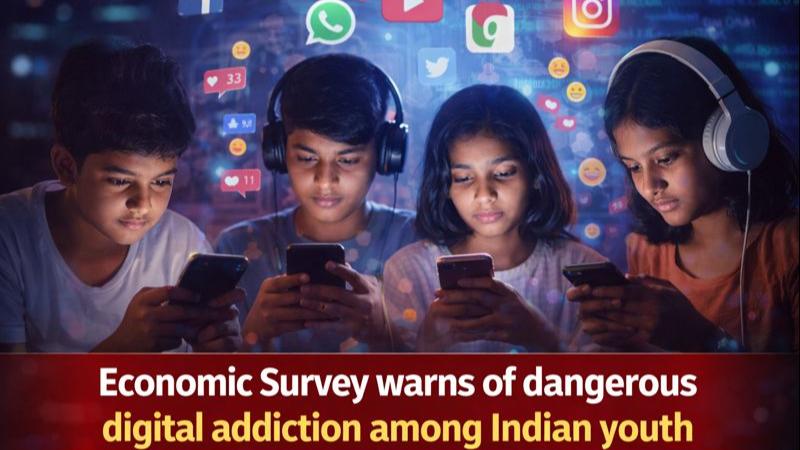
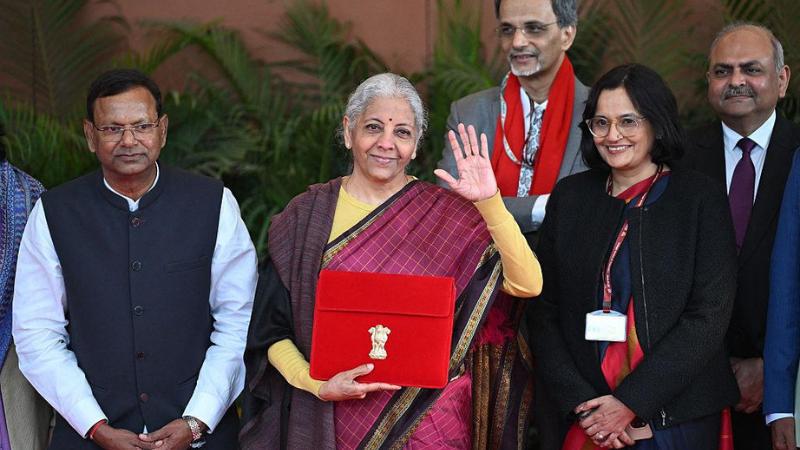
Economic Survey warns of dangerous digital addiction among Indian youth
India’s Economic Survey 2025–26 has raised a serious warning over the rapid rise of digital addiction among children and adolescents, calling it a growing public health and economic risk. Tabled in Parliament on Thursday, the report highlights how excessive use of smartphones, social media, gaming platforms, and online entertainment is increasingly affecting mental wellbeing, academic performance, and long-term productivity among the country’s youth. The survey defines digital addiction
Economic Survey warns of dangerous digital addiction among Indian youth
India’s Economic Survey 2025–26 has raised a serious warning over the rapid rise of digital addiction among children and adolescents, calling it a growing public health and economic risk. Tabled in Parliament on Thursday, the report highlights how excessive use of smartphones, social media, gaming platforms, and online entertainment is increasingly affecting mental wellbeing, academic performance, and long-term productivity among the country’s youth. The survey defines digital addiction
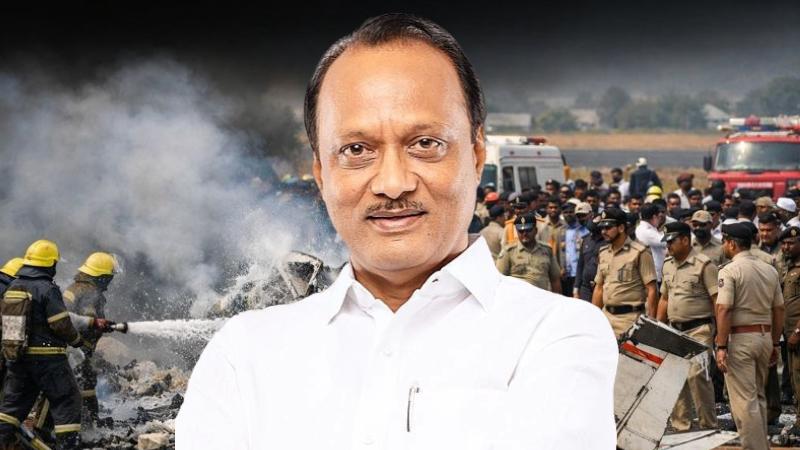
Maharashtra Deputy Chief Minister Ajit Pawar has died in the Baramati plane crash during landing
Maharashtra was plunged into deep shock on Tuesday after the Directorate General of Civil Aviation confirmed that Deputy Chief Minister Ajit Pawar was dead in a plane crash during landing at Baramati airport. The charter aircraft, which was traveling from Mumbai to Baramati, met with a fatal accident at around 8:45 am while attempting to land. DGCA officials confirmed that there were no survivors in the crash and that five people were on board the aircraft, including Ajit Pawar, three passeng
Maharashtra Deputy Chief Minister Ajit Pawar has died in the Baramati plane crash during landing
Maharashtra was plunged into deep shock on Tuesday after the Directorate General of Civil Aviation confirmed that Deputy Chief Minister Ajit Pawar was dead in a plane crash during landing at Baramati airport. The charter aircraft, which was traveling from Mumbai to Baramati, met with a fatal accident at around 8:45 am while attempting to land. DGCA officials confirmed that there were no survivors in the crash and that five people were on board the aircraft, including Ajit Pawar, three passeng
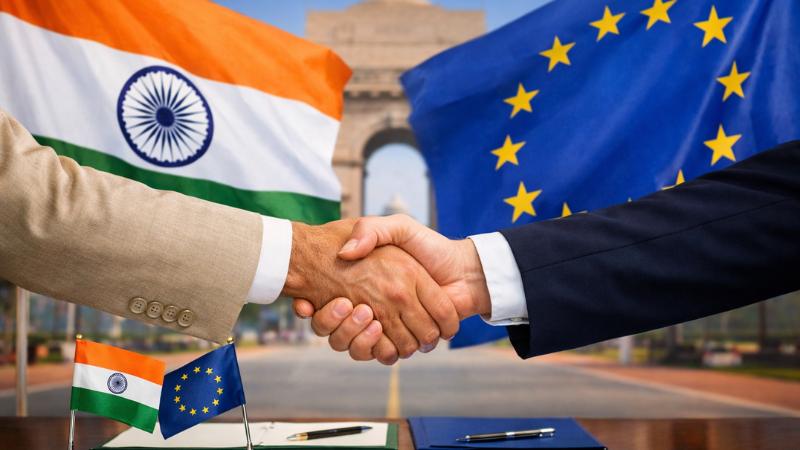
India and EU conclude free trade talks ahead of New Delhi summit
India and the European Union are set to announce the conclusion of negotiations on a long-awaited free trade agreement during a high-level summit in New Delhi on January 27. Senior leaders from both sides are expected to participate in the meeting, which will focus on trade liberalisation, security cooperation and mobility arrangements for students and professionals. The conclusion of the talks marks a significant moment in bilateral relations, reflecting renewed political momentum after years of intermittent progress. Officials involved in the process have indicated that the agreement is designed to be balanced and forward-looking, aligning with the long-term economic interests of both partners. While the pact is expected to boost trade volumes, policymakers see it as a qualitative shift in India–EU engagement, strengthening cooperation across manufacturing, services, technology and sustainable development. The timing is notable, as global trade flows continue to face uncertainty amid rising tariff barriers and geopolitical tensions. Economic experts have described the agreement as a landmark step that could reshape commercial ties between the two economies. They point to strong complementarities, with India offering a large and growing market and the European Union bringing advanced technology, investment capacity and diversified demand. The efficient exchange of goods and services under the agreement is expected to enhance supply chains and open new opportunities for businesses on both sides. From India’s perspective, the trade pact reflects a strategic effort to deepen integration with major global partners while safeguarding domestic priorities. Officials confirmed that negotiations have been completed and that the agreement is undergoing final legal review. The remaining procedural steps are expected to be completed soon, paving the way for formal signing and implementation. The announcement has drawn international attention, including criticism from some quarters in the United States. A senior US official recently expressed concern over the deal, linking it to broader disputes over energy trade and tariffs. The remarks underscored differing approaches to trade policy and highlighted how the India–EU agreement fits into a complex global economic landscape shaped by competing interests and sanctions regimes. The summit in New Delhi is also expected to mark progress beyond trade. Leaders are likely to finalise a Security and Defence Partnership aimed at enhancing strategic coordination, as well as a framework to facilitate mobility for Indian students and professionals seeking opportunities in Europe. These initiatives reflect a broader effort to strengthen people-to-people ties and cooperation in emerging areas of mutual interest. Negotiations for an India–EU free trade agreement first began in 2007 but were suspended in 2013 due to differences over ambition and market access. The process was revived in 2022, following renewed political commitment on both sides to address outstanding issues and adapt the talks to changing global conditions. The European Union remains India’s largest trading partner, accounting for a significant share of the country’s total trade in goods and services. With the conclusion of the free trade negotiations, both sides are positioning the agreement as a cornerstone of their economic relationship, one that could provide stability and growth amid an evolving global trade environment.
India and EU conclude free trade talks ahead of New Delhi summit
India and the European Union are set to announce the conclusion of negotiations on a long-awaited free trade agreement during a high-level summit in New Delhi on January 27. Senior leaders from both sides are expected to participate in the meeting, which will focus on trade liberalisation, security cooperation and mobility arrangements for students and professionals. The conclusion of the talks marks a significant moment in bilateral relations, reflecting renewed political momentum after years of intermittent progress. Officials involved in the process have indicated that the agreement is designed to be balanced and forward-looking, aligning with the long-term economic interests of both partners. While the pact is expected to boost trade volumes, policymakers see it as a qualitative shift in India–EU engagement, strengthening cooperation across manufacturing, services, technology and sustainable development. The timing is notable, as global trade flows continue to face uncertainty amid rising tariff barriers and geopolitical tensions. Economic experts have described the agreement as a landmark step that could reshape commercial ties between the two economies. They point to strong complementarities, with India offering a large and growing market and the European Union bringing advanced technology, investment capacity and diversified demand. The efficient exchange of goods and services under the agreement is expected to enhance supply chains and open new opportunities for businesses on both sides. From India’s perspective, the trade pact reflects a strategic effort to deepen integration with major global partners while safeguarding domestic priorities. Officials confirmed that negotiations have been completed and that the agreement is undergoing final legal review. The remaining procedural steps are expected to be completed soon, paving the way for formal signing and implementation. The announcement has drawn international attention, including criticism from some quarters in the United States. A senior US official recently expressed concern over the deal, linking it to broader disputes over energy trade and tariffs. The remarks underscored differing approaches to trade policy and highlighted how the India–EU agreement fits into a complex global economic landscape shaped by competing interests and sanctions regimes. The summit in New Delhi is also expected to mark progress beyond trade. Leaders are likely to finalise a Security and Defence Partnership aimed at enhancing strategic coordination, as well as a framework to facilitate mobility for Indian students and professionals seeking opportunities in Europe. These initiatives reflect a broader effort to strengthen people-to-people ties and cooperation in emerging areas of mutual interest. Negotiations for an India–EU free trade agreement first began in 2007 but were suspended in 2013 due to differences over ambition and market access. The process was revived in 2022, following renewed political commitment on both sides to address outstanding issues and adapt the talks to changing global conditions. The European Union remains India’s largest trading partner, accounting for a significant share of the country’s total trade in goods and services. With the conclusion of the free trade negotiations, both sides are positioning the agreement as a cornerstone of their economic relationship, one that could provide stability and growth amid an evolving global trade environment.

Newark chef redefines street dining with inventive food truck cuisine
A Newark-based chef is challenging traditional perceptions of food trucks by delivering a refined, restaurant-style experience from a mobile kitchen, blending culinary creativity with accessibility. Nyreek Aliuthmar, professionally known as Chef Hub, operates Hitting Ur Belly, a food truck that has become known for inventive combinations and a rotating menu that keeps customers returning for new flavors. Unlike conventional food trucks that rely on a fixed set of popular items, Hitt
Newark chef redefines street dining with inventive food truck cuisine
A Newark-based chef is challenging traditional perceptions of food trucks by delivering a refined, restaurant-style experience from a mobile kitchen, blending culinary creativity with accessibility. Nyreek Aliuthmar, professionally known as Chef Hub, operates Hitting Ur Belly, a food truck that has become known for inventive combinations and a rotating menu that keeps customers returning for new flavors. Unlike conventional food trucks that rely on a fixed set of popular items, Hitt

How to Raise Good Cholesterol: 5 Lifestyle Changes to Boost HDL for Better Heart Health
Good cholesterol, also known as HDL, is crucial in protecting your heart and maintaining overall cardiovascular health. However, it often doesn't receive the attention it deserves in regular health discussions. With the rise in cardiovascular diseases among Indians, understanding how to improve HDL levels has become more important than ever. In an exclusive interview with cardiologist Dr. Praveen Chandra, he shared valuable insights on the significance of HDL, why medications aren't the best
How to Raise Good Cholesterol: 5 Lifestyle Changes to Boost HDL for Better Heart Health
Good cholesterol, also known as HDL, is crucial in protecting your heart and maintaining overall cardiovascular health. However, it often doesn't receive the attention it deserves in regular health discussions. With the rise in cardiovascular diseases among Indians, understanding how to improve HDL levels has become more important than ever. In an exclusive interview with cardiologist Dr. Praveen Chandra, he shared valuable insights on the significance of HDL, why medications aren't the best
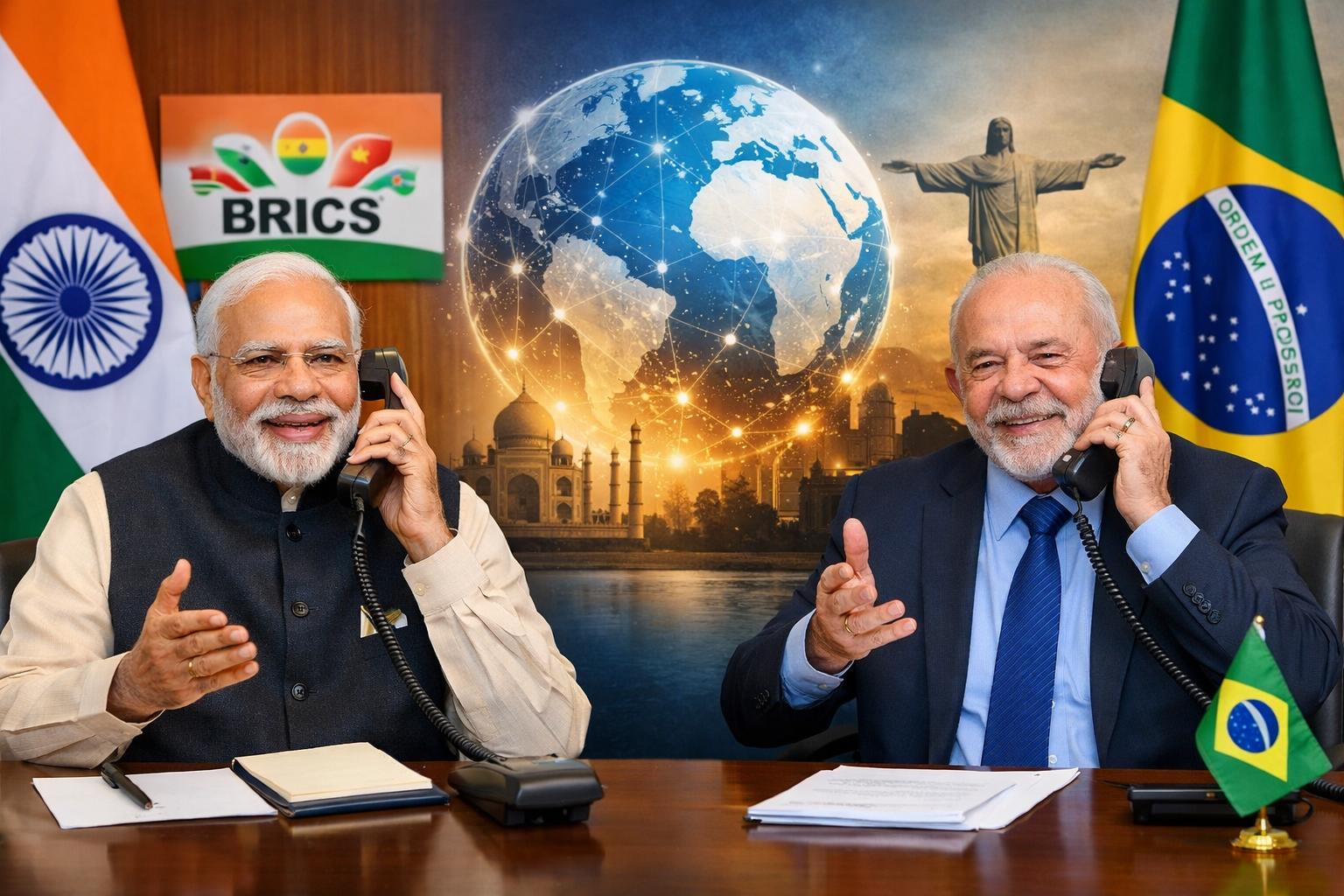
PM Modi Speaks With President Lula, Strengthens India-Brazil Strategic Partnership
Indian Prime Minister Narendra Modi spoke with Brazilian President Luiz Inacio Lula da Silva in a high-level conversation that emphasized the continued growth and future potential of the India-Brazil Strategic Partnership. During the discussion, Prime Minister Modi expressed his anticipation of welcoming President Lula to India in the near future, underscoring the importance of strengthening bilateral ties and expanding cooperation across economic, technological and geopolitical fronts. Modi des
PM Modi Speaks With President Lula, Strengthens India-Brazil Strategic Partnership
Indian Prime Minister Narendra Modi spoke with Brazilian President Luiz Inacio Lula da Silva in a high-level conversation that emphasized the continued growth and future potential of the India-Brazil Strategic Partnership. During the discussion, Prime Minister Modi expressed his anticipation of welcoming President Lula to India in the near future, underscoring the importance of strengthening bilateral ties and expanding cooperation across economic, technological and geopolitical fronts. Modi des
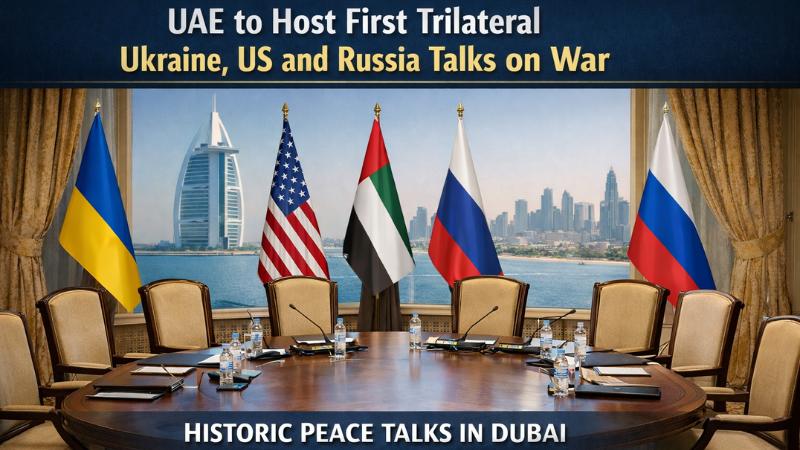
UAE to Host First Trilateral Ukraine, US and Russia Talks on War
The United Arab Emirates is set to host a historic round of trilateral discussions involving Ukraine, the United States and Russia, marking a potentially significant development in international efforts to end the prolonged conflict in Ukraine. Ukrainian President Volodymyr Zelenskyy announced the upcoming talks while addressing global leaders and policymakers during a high-profile economic forum in Davos, describing the meeting as the first instance where representatives from all three sides wi
UAE to Host First Trilateral Ukraine, US and Russia Talks on War
The United Arab Emirates is set to host a historic round of trilateral discussions involving Ukraine, the United States and Russia, marking a potentially significant development in international efforts to end the prolonged conflict in Ukraine. Ukrainian President Volodymyr Zelenskyy announced the upcoming talks while addressing global leaders and policymakers during a high-profile economic forum in Davos, describing the meeting as the first instance where representatives from all three sides wi

US launches FIFA Pass visa fast-track for 2026 World Cup fans
The United States has begun implementing a new visa facilitation programme known as FIFA Pass as part of its preparations for hosting the 2026 FIFA World Cup. The initiative is designed to help international football fans secure visa interview appointments more quickly as demand for travel to the tournament is expected to surge in the months leading up to kickoff. According to US officials, FIFA Pass is intended to reduce long wait times for non-immigrant visas by prioritising inter
US launches FIFA Pass visa fast-track for 2026 World Cup fans
The United States has begun implementing a new visa facilitation programme known as FIFA Pass as part of its preparations for hosting the 2026 FIFA World Cup. The initiative is designed to help international football fans secure visa interview appointments more quickly as demand for travel to the tournament is expected to surge in the months leading up to kickoff. According to US officials, FIFA Pass is intended to reduce long wait times for non-immigrant visas by prioritising inter

Chicago graduate student aims to run every street in the city by April
A graduate student in Chicago is taking on an extraordinary challenge: running every street in all 77 neighborhoods of the city. Joabe Barbosa, who studies at Roosevelt University, treats the sprawling urban landscape as his personal treadmill, running at all hours and in all kinds of weather. “I run 1 a.m., 3 a.m., 7 a.m., 5 p.m. — any time of the day, any weather,” Barbosa said. “I’m always safe and I always meet lovely people.” Barbosa’s journey began in August 2024 a
Chicago graduate student aims to run every street in the city by April
A graduate student in Chicago is taking on an extraordinary challenge: running every street in all 77 neighborhoods of the city. Joabe Barbosa, who studies at Roosevelt University, treats the sprawling urban landscape as his personal treadmill, running at all hours and in all kinds of weather. “I run 1 a.m., 3 a.m., 7 a.m., 5 p.m. — any time of the day, any weather,” Barbosa said. “I’m always safe and I always meet lovely people.” Barbosa’s journey began in August 2024 a
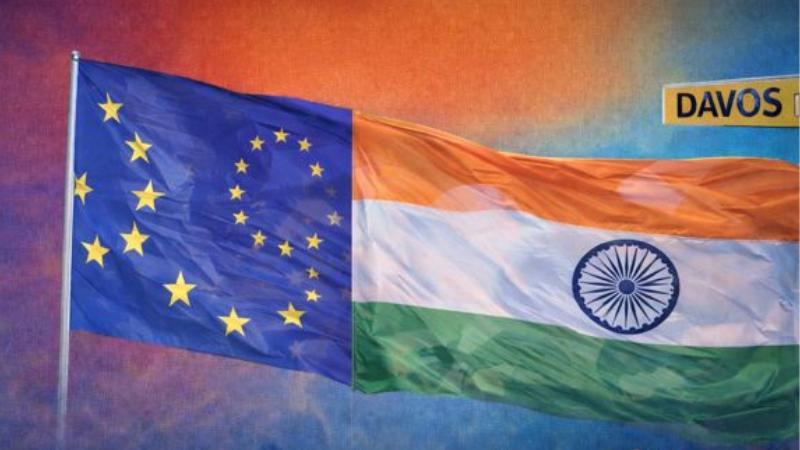
India Nears Mother of All Trade Deals With EU Amid Trump Tariff Tensions
Global geopolitics is witnessing a major shift as India positions itself for what is being described as the “Mother of All Trade Deals” with the European Union. This development comes at a time when United States President Donald Trump has intensified tariff pressures and sanctions on several nations, including India. These aggressive trade policies have forced multiple global powers to rethink their economic alliances, creating fresh opportunities for India on the international stage.
India Nears Mother of All Trade Deals With EU Amid Trump Tariff Tensions
Global geopolitics is witnessing a major shift as India positions itself for what is being described as the “Mother of All Trade Deals” with the European Union. This development comes at a time when United States President Donald Trump has intensified tariff pressures and sanctions on several nations, including India. These aggressive trade policies have forced multiple global powers to rethink their economic alliances, creating fresh opportunities for India on the international stage.

India Sees Rise in ‘Ozempic Babies’ as GLP-1 Weight Loss Drugs Boost Fertility
India may be witnessing a quiet reproductive shift as GLP-1 weight loss drugs gain popularity across the country. Doctors in major cities are reporting an increasing number of unexpected pregnancies among women who previously struggled with infertility. Popularly referred to as “Ozempic babies” globally, these surprise conceptions are now being observed in India just months after GLP-1 injectables such as Mounjaro, Wegovy and Ozempic entered the market. While these medicines were original
India Sees Rise in ‘Ozempic Babies’ as GLP-1 Weight Loss Drugs Boost Fertility
India may be witnessing a quiet reproductive shift as GLP-1 weight loss drugs gain popularity across the country. Doctors in major cities are reporting an increasing number of unexpected pregnancies among women who previously struggled with infertility. Popularly referred to as “Ozempic babies” globally, these surprise conceptions are now being observed in India just months after GLP-1 injectables such as Mounjaro, Wegovy and Ozempic entered the market. While these medicines were original










