#makeinindia
IAI radar unit in Tamil Nadu to begin production by 2027
A new defence manufacturing project is taking shape in Tamil Nadu, where an advanced radar production and integration facility is planned to go operational by 2027. The initiative brings together Israel Aerospace Industries (IAI), DCX Systems, and ELTX Systems Pvt. Ltd., marking a structured push toward localised defence electronics production in India. The upcoming facility is expected to be developed in the Shoolagiri region of Krishnagiri district, an area increasingly positioned as a defence manufacturing cluster. The project reflects a shift from import-heavy procurement to domestic production of high-end radar systems used in surveillance and air defence operations. Strategic push toward domestic defence capability The core objective of the project is to strengthen India’s radar manufacturing ecosystem under the broader Make in India framework. Instead of relying solely on imported systems, the facility aims to support indigenous assembly, integration, and eventual production of advanced radar technologies. These systems are expected to serve multiple defence requirements, including aerial surveillance, threat detection, and battlefield monitoring. The collaboration is also designed to create a supply chain within India for critical electronic defence components, reducing external dependency over time. Role of ELTX Systems and DCX Systems ELTX Systems Pvt. Ltd. is expected to function as the operational platform for technology transfer and local manufacturing. This structure is intended to allow gradual absorption of complex radar design and production capabilities within India. DCX Systems Ltd., which already operates in the defence electronics space, is expected to support integration, manufacturing workflows, and supply chain execution. The collaboration model is focused on moving beyond simple assembly lines toward deeper engineering involvement within India’s defence sector. Industrial cluster development in Krishnagiri The Shoolagiri region is being positioned as part of a wider defence electronics corridor in Tamil Nadu. With multiple private and public collaborations in the pipeline, the area is gradually emerging as a manufacturing node for high-value defence technologies. The radar facility is expected to contribute not only to defence production but also to local industrial growth, including vendor ecosystems, component suppliers, and skilled employment opportunities. While official investment figures vary across early estimates, the project is widely seen as a long-term infrastructure push rather than a short-term manufacturing unit. Long-term impact on India–Israel defence cooperation Israel Aerospace Industries has already established multiple partnerships in India across defence systems, maintenance, and technology collaboration. This radar project adds another layer to that cooperation, focusing specifically on production localisation. By 2027, the facility is expected to play a role in both domestic supply and potential export opportunities, depending on regulatory approvals and production scale. The broader direction indicates a gradual deepening of India’s defence manufacturing independence while maintaining strategic foreign partnerships.
IAI radar unit in Tamil Nadu to begin production by 2027
A new defence manufacturing project is taking shape in Tamil Nadu, where an advanced radar production and integration facility is planned to go operational by 2027. The initiative brings together Israel Aerospace Industries (IAI), DCX Systems, and ELTX Systems Pvt. Ltd., marking a structured push toward localised defence electronics production in India. The upcoming facility is expected to be developed in the Shoolagiri region of Krishnagiri district, an area increasingly positioned as a defence manufacturing cluster. The project reflects a shift from import-heavy procurement to domestic production of high-end radar systems used in surveillance and air defence operations. Strategic push toward domestic defence capability The core objective of the project is to strengthen India’s radar manufacturing ecosystem under the broader Make in India framework. Instead of relying solely on imported systems, the facility aims to support indigenous assembly, integration, and eventual production of advanced radar technologies. These systems are expected to serve multiple defence requirements, including aerial surveillance, threat detection, and battlefield monitoring. The collaboration is also designed to create a supply chain within India for critical electronic defence components, reducing external dependency over time. Role of ELTX Systems and DCX Systems ELTX Systems Pvt. Ltd. is expected to function as the operational platform for technology transfer and local manufacturing. This structure is intended to allow gradual absorption of complex radar design and production capabilities within India. DCX Systems Ltd., which already operates in the defence electronics space, is expected to support integration, manufacturing workflows, and supply chain execution. The collaboration model is focused on moving beyond simple assembly lines toward deeper engineering involvement within India’s defence sector. Industrial cluster development in Krishnagiri The Shoolagiri region is being positioned as part of a wider defence electronics corridor in Tamil Nadu. With multiple private and public collaborations in the pipeline, the area is gradually emerging as a manufacturing node for high-value defence technologies. The radar facility is expected to contribute not only to defence production but also to local industrial growth, including vendor ecosystems, component suppliers, and skilled employment opportunities. While official investment figures vary across early estimates, the project is widely seen as a long-term infrastructure push rather than a short-term manufacturing unit. Long-term impact on India–Israel defence cooperation Israel Aerospace Industries has already established multiple partnerships in India across defence systems, maintenance, and technology collaboration. This radar project adds another layer to that cooperation, focusing specifically on production localisation. By 2027, the facility is expected to play a role in both domestic supply and potential export opportunities, depending on regulatory approvals and production scale. The broader direction indicates a gradual deepening of India’s defence manufacturing independence while maintaining strategic foreign partnerships.
Indian Army Negev LMGs to get MEPRO X6 sights
The Indian Army’s Negev light machine guns are set for an optics upgrade with the addition of MEPRO X6 daytime sights. The move is expected to improve aiming, target visibility and firing confidence for soldiers using the weapon in field conditions. The Negev LMG, originally developed by Israel Weapon Industries, is already part of the Indian Army’s infantry firepower. The new sighting system will help troops use the weapon more effectively at longer distances, especially in open terrain, border areas and demanding operational zones. Why the MEPRO X6 sight matters A light machine gun is not just used for rapid fire. It must also deliver controlled and accurate fire when troops need to engage targets at extended ranges. That is where a reliable optic becomes important. The MEPRO X6 gives the soldier a clearer view of the target during daytime operations. Compared with basic aiming methods, a magnified sight helps improve target identification and reduces guesswork while firing. In difficult environments, this can make the weapon more useful and consistent. Tested for army requirements The Indian Army selected the MEPRO X6 after field assessments and environmental testing. Such trials are important because military equipment has to perform in heat, dust, rough movement and high-pressure combat situations. The focus was not only on accuracy but also on durability, ease of use and reliability. For soldiers, an optic must be simple to operate and strong enough to handle regular field deployment. Made in India push The order includes more than 10,000 MEPRO X6 sights, with deliveries expected during 2026 and 2027. The project also supports India’s defence manufacturing goals through local production. Meprolight has signed a Transfer of Technology agreement with RRP Defense. Under this arrangement, RRP Defense will manufacture the sights in Mumbai and supply them to Bharat Electronics Limited, which is expected to act as the main contractor for the Indian Army. Bigger demand may follow The current order covers only part of the wider Negev LMG requirement. Since the Indian Army has ordered around 41,000 Negev guns, more optics may be needed as additional weapons are delivered and deployed. The upgrade also shows the continued defence cooperation between India and Israel. At the same time, local manufacturing of the sights supports India’s effort to reduce dependence on imported defence equipment. For the soldier on the ground, the real value is simple: better visibility, better aim and better control during operations.
Indian Army Negev LMGs to get MEPRO X6 sights
The Indian Army’s Negev light machine guns are set for an optics upgrade with the addition of MEPRO X6 daytime sights. The move is expected to improve aiming, target visibility and firing confidence for soldiers using the weapon in field conditions. The Negev LMG, originally developed by Israel Weapon Industries, is already part of the Indian Army’s infantry firepower. The new sighting system will help troops use the weapon more effectively at longer distances, especially in open terrain, border areas and demanding operational zones. Why the MEPRO X6 sight matters A light machine gun is not just used for rapid fire. It must also deliver controlled and accurate fire when troops need to engage targets at extended ranges. That is where a reliable optic becomes important. The MEPRO X6 gives the soldier a clearer view of the target during daytime operations. Compared with basic aiming methods, a magnified sight helps improve target identification and reduces guesswork while firing. In difficult environments, this can make the weapon more useful and consistent. Tested for army requirements The Indian Army selected the MEPRO X6 after field assessments and environmental testing. Such trials are important because military equipment has to perform in heat, dust, rough movement and high-pressure combat situations. The focus was not only on accuracy but also on durability, ease of use and reliability. For soldiers, an optic must be simple to operate and strong enough to handle regular field deployment. Made in India push The order includes more than 10,000 MEPRO X6 sights, with deliveries expected during 2026 and 2027. The project also supports India’s defence manufacturing goals through local production. Meprolight has signed a Transfer of Technology agreement with RRP Defense. Under this arrangement, RRP Defense will manufacture the sights in Mumbai and supply them to Bharat Electronics Limited, which is expected to act as the main contractor for the Indian Army. Bigger demand may follow The current order covers only part of the wider Negev LMG requirement. Since the Indian Army has ordered around 41,000 Negev guns, more optics may be needed as additional weapons are delivered and deployed. The upgrade also shows the continued defence cooperation between India and Israel. At the same time, local manufacturing of the sights supports India’s effort to reduce dependence on imported defence equipment. For the soldier on the ground, the real value is simple: better visibility, better aim and better control during operations.
DRDO Tests BMD Shield And Naval Strike Missile
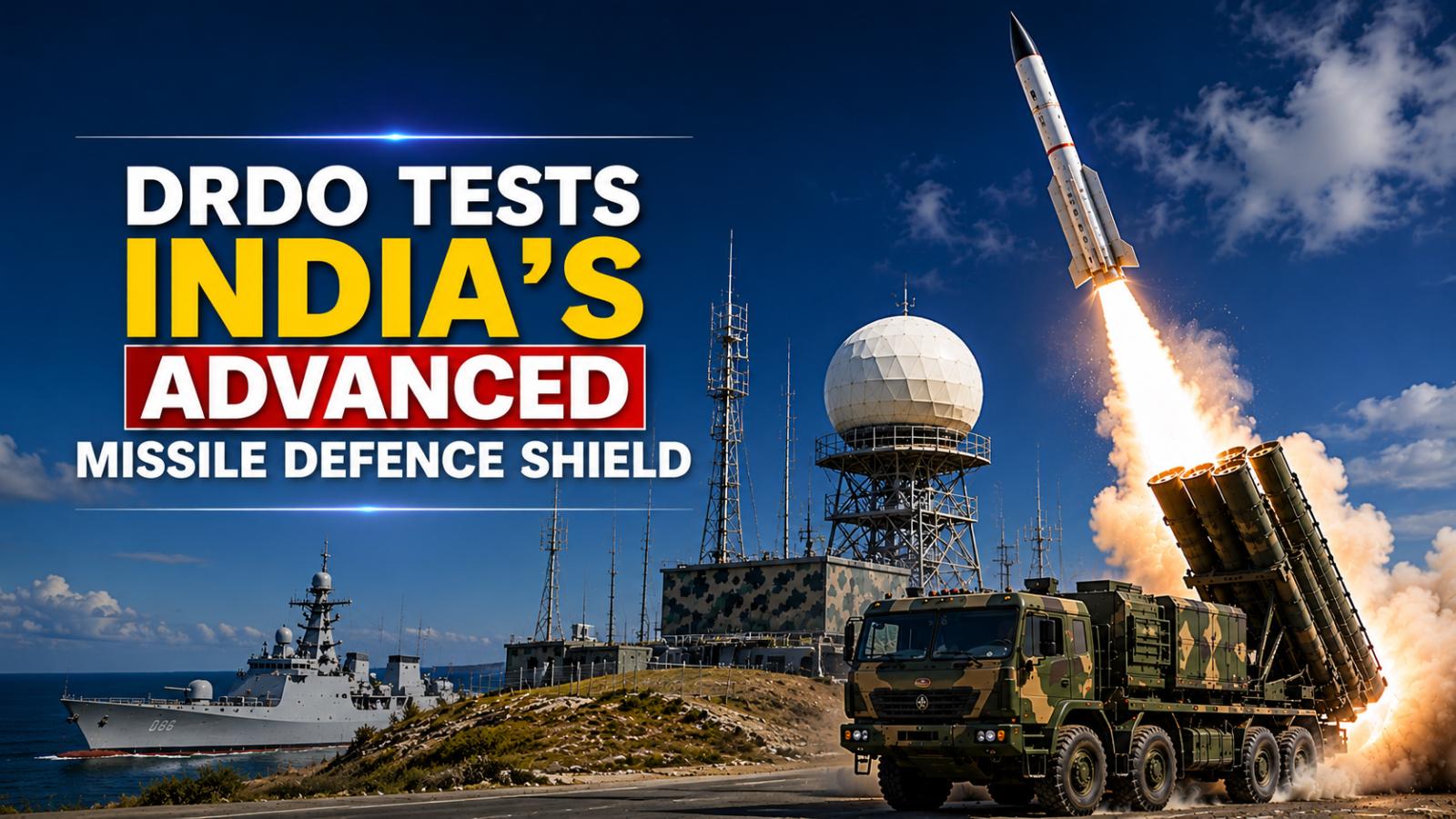
India has achieved a major milestone in defence technology after the Defence Research and Development Organisation successfully tested a multi-layered Ballistic Missile Defence system and conducted the maiden flight test of the Naval Anti-Ship Missile-Medium Range. The successful trials are being seen as a strong boost to India’s indigenous defence programme and long-term strategic preparedness. According to the Ministry of Defence, the
DRDO Tests BMD Shield And Naval Strike Missile
India has achieved a major milestone in defence technology after the Defence Research and Development Organisation successfully tested a multi-layered Ballistic Missile Defence system and conducted the maiden flight test of the Naval Anti-Ship Missile-Medium Range. The successful trials are being seen as a strong boost to India’s indigenous defence programme and long-term strategic preparedness. According to the Ministry of Defence, the
India-US relations: Jaishankar stresses partnership with dignity
India-US relations have become stronger and more important, but External Affairs Minister S. Jaishankar has made it clear that the partnership is not without challenges. His message is simple: India and America may have differences on trade, energy, diplomacy and global issues, but both countries must handle them maturely and keep the relationship moving forward. He sees the relationship as a serious strategic partnership based on shared interests, not as a one-sided friendship or dependence.
India-US relations: Jaishankar stresses partnership with dignity
India-US relations have become stronger and more important, but External Affairs Minister S. Jaishankar has made it clear that the partnership is not without challenges. His message is simple: India and America may have differences on trade, energy, diplomacy and global issues, but both countries must handle them maturely and keep the relationship moving forward. He sees the relationship as a serious strategic partnership based on shared interests, not as a one-sided friendship or dependence.
Defence panel clears key step for 114 Rafale fighter aircraft for Indian Air Force
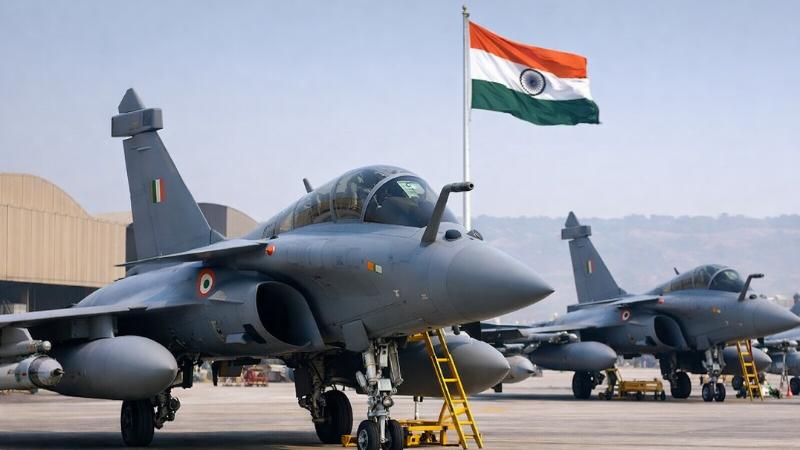
The Defence Procurement Board has cleared a proposal to acquire 114 additional Rafale fighter aircraft, marking a major step forward in India’s effort to strengthen its air combat capabilities. The clearance, granted after an initial examination of the case, advances one of the Indian Air Force’s most significant modernisation plans aimed at addressing long-standing operational gaps and preparing for future security challenges. The proposal is intended to narrow the difference b
Defence panel clears key step for 114 Rafale fighter aircraft for Indian Air Force
The Defence Procurement Board has cleared a proposal to acquire 114 additional Rafale fighter aircraft, marking a major step forward in India’s effort to strengthen its air combat capabilities. The clearance, granted after an initial examination of the case, advances one of the Indian Air Force’s most significant modernisation plans aimed at addressing long-standing operational gaps and preparing for future security challenges. The proposal is intended to narrow the difference b
Cabinet Clears Rs 7,280 Crore Rare Earth Magnet Scheme To Cut China Dependence
India has taken a major step toward reducing its dependence on imported critical technologies by approving a new national programme for manufacturing sintered rare earth permanent magnets. These magnets are essential components used in electric vehicle motors, renewable energy systems, advanced electronics and defence platforms. The Union Cabinet cleared a financial package of Rs 7,280 crore to establish a fully integrated domestic supply chain capable of producing 6,000 metric tonnes per yea
Cabinet Clears Rs 7,280 Crore Rare Earth Magnet Scheme To Cut China Dependence
India has taken a major step toward reducing its dependence on imported critical technologies by approving a new national programme for manufacturing sintered rare earth permanent magnets. These magnets are essential components used in electric vehicle motors, renewable energy systems, advanced electronics and defence platforms. The Union Cabinet cleared a financial package of Rs 7,280 crore to establish a fully integrated domestic supply chain capable of producing 6,000 metric tonnes per yea
AICTE launches minor degree in defence technology for engineering students
The All India Council for Technical Education (AICTE) has introduced a model curriculum for a Minor Degree in Defence Technology, marking a significant move toward strengthening India’s defence education framework. The programme is designed for undergraduate engineering and technology students who wish to pursue careers in defence research, the armed forces, and defence manufacturing industries. This initiative opens new opportunities for young engineers to contribute to the nation’s securit
AICTE launches minor degree in defence technology for engineering students
The All India Council for Technical Education (AICTE) has introduced a model curriculum for a Minor Degree in Defence Technology, marking a significant move toward strengthening India’s defence education framework. The programme is designed for undergraduate engineering and technology students who wish to pursue careers in defence research, the armed forces, and defence manufacturing industries. This initiative opens new opportunities for young engineers to contribute to the nation’s securit
Modi Stands Firm on Trump Tariffs, Calls Russia Time-Tested Partner at UP Trade Show
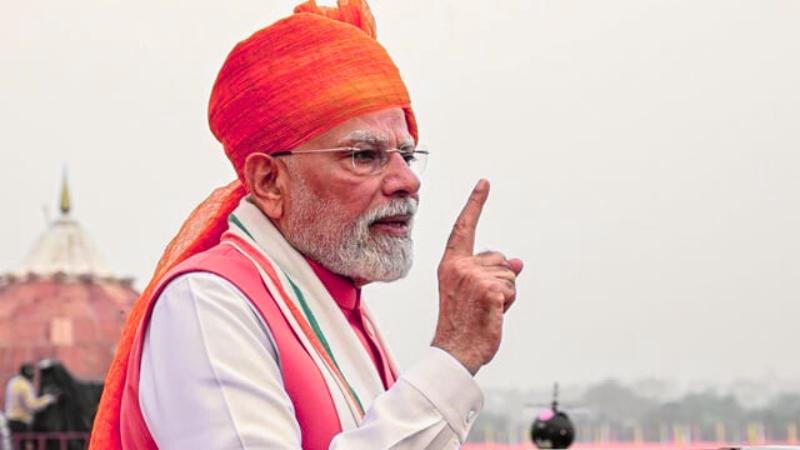
Prime Minister Narendra Modi addressed the UP International Trade Show in Greater Noida and made it clear that India would not yield to tariff pressures from the United States. At a time when Washington has raised duties to unprecedented levels, Modi shifted focus to India’s long standing partnership with Russia. He referred to Russia as a time tested friend and expressed satisfaction that Moscow was the partner nation for this year’s exhibition. A
Modi Stands Firm on Trump Tariffs, Calls Russia Time-Tested Partner at UP Trade Show
Prime Minister Narendra Modi addressed the UP International Trade Show in Greater Noida and made it clear that India would not yield to tariff pressures from the United States. At a time when Washington has raised duties to unprecedented levels, Modi shifted focus to India’s long standing partnership with Russia. He referred to Russia as a time tested friend and expressed satisfaction that Moscow was the partner nation for this year’s exhibition. A
Apple supply chain boost: iPhone parts unit coming to Kuppam with ₹586 crore Hindalco project
Andhra Pradesh is set to witness one of its biggest industrial breakthroughs with Hindalco Industries announcing an Integrated Aluminum Extrusion Facility in Kuppam, the home constituency of Chief Minister Chandrababu Naidu. The ₹586 crore investment will produce aluminum components that will be supplied for manufacturing iPhone chassis and enclosures, making Kuppam a key part of Apple’s global supply chain.
Apple supply chain boost: iPhone parts unit coming to Kuppam with ₹586 crore Hindalco project
Andhra Pradesh is set to witness one of its biggest industrial breakthroughs with Hindalco Industries announcing an Integrated Aluminum Extrusion Facility in Kuppam, the home constituency of Chief Minister Chandrababu Naidu. The ₹586 crore investment will produce aluminum components that will be supplied for manufacturing iPhone chassis and enclosures, making Kuppam a key part of Apple’s global supply chain.
Will Trump's 50% tariff on India affect iPhone prices in the US?
If you're an iPhone user and just heard about Donald Trump's recent announcement imposing a 50% tariff on imports from India, your first thought might naturally be whether your next iPhone will get more expensive. While the concern is valid considering how many iPhones are now assembled in India, there’s some relief for consumers in the short term. The good news is that this sudden jump in import taxes doesn’t currently impact Apple’s popular products, including the
Will Trump's 50% tariff on India affect iPhone prices in the US?
If you're an iPhone user and just heard about Donald Trump's recent announcement imposing a 50% tariff on imports from India, your first thought might naturally be whether your next iPhone will get more expensive. While the concern is valid considering how many iPhones are now assembled in India, there’s some relief for consumers in the short term. The good news is that this sudden jump in import taxes doesn’t currently impact Apple’s popular products, including the
Putin Praises Modi's "Make in India" at Russia Forum
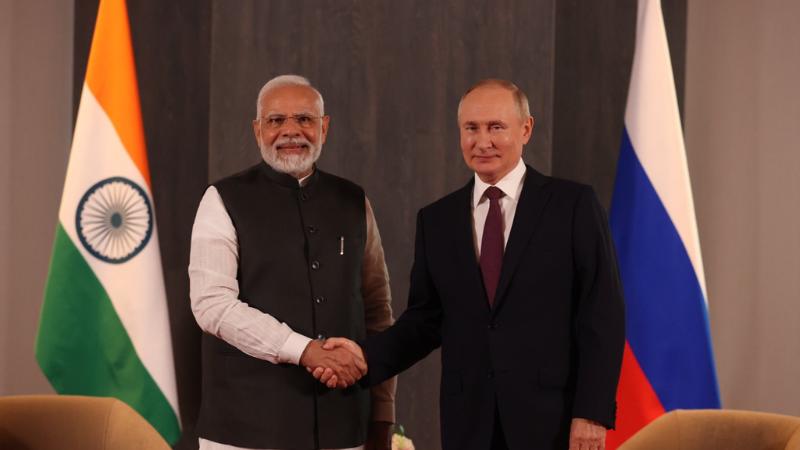
During the 15th VTB Russia Calling Investment Forum, President Vladimir Putin praised India’s economic progress under Prime Minister Narendra Modi’s leadership, particularly the "Make in India" initiative. Putin emphasized how this initiative has helped strengthen India’s manufacturing sector and attracted foreign investments, which have significantly contributed to India’s growing global economic position. He drew parallels between India's Make in India
Putin Praises Modi's "Make in India" at Russia Forum
During the 15th VTB Russia Calling Investment Forum, President Vladimir Putin praised India’s economic progress under Prime Minister Narendra Modi’s leadership, particularly the "Make in India" initiative. Putin emphasized how this initiative has helped strengthen India’s manufacturing sector and attracted foreign investments, which have significantly contributed to India’s growing global economic position. He drew parallels between India's Make in India