





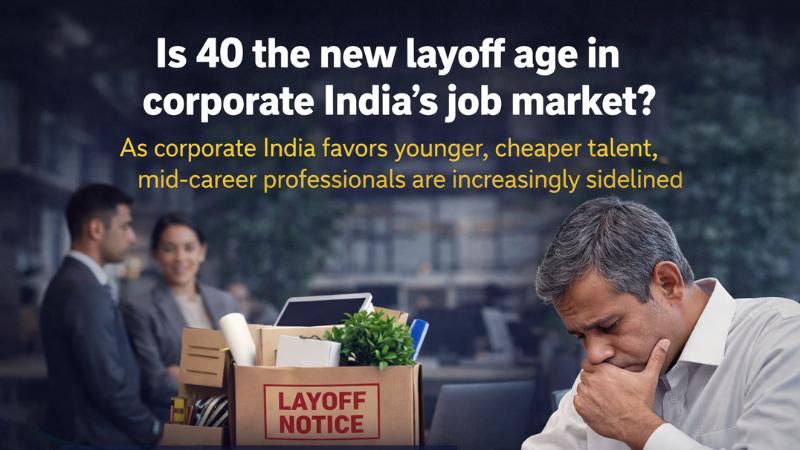












In India’s corporate imagination, the age of 40 was once seen as the peak of professional maturity. It symbolised authority, stability, and leadership readiness. Today, however, that same milestone is quietly turning into a career fault line. Across industries, professionals report fewer interview calls, slower promotions, and an increasing sense of invisibility. Experience, once celebrated, is now being reframed as expensive, rigid, or culturally misaligned. The shift is subtle, rarely spo
Staying employable after age 50 has become an important topic in today’s rapidly changing job market. Many professionals worry that companies prefer younger candidates, or that new technologies may make their skills outdated. However, the reality is that individuals over 50 bring unmatched strengths—experience, maturity, reliability, leadership, and problem-solving abilities. By adopting the right strategies, professionals can not only stay employable but also thrive, grow, and even start