















#militaryspending
Why is the Pentagon’s $25 billion war cost estimate questioned? Experts say it may be incomplete
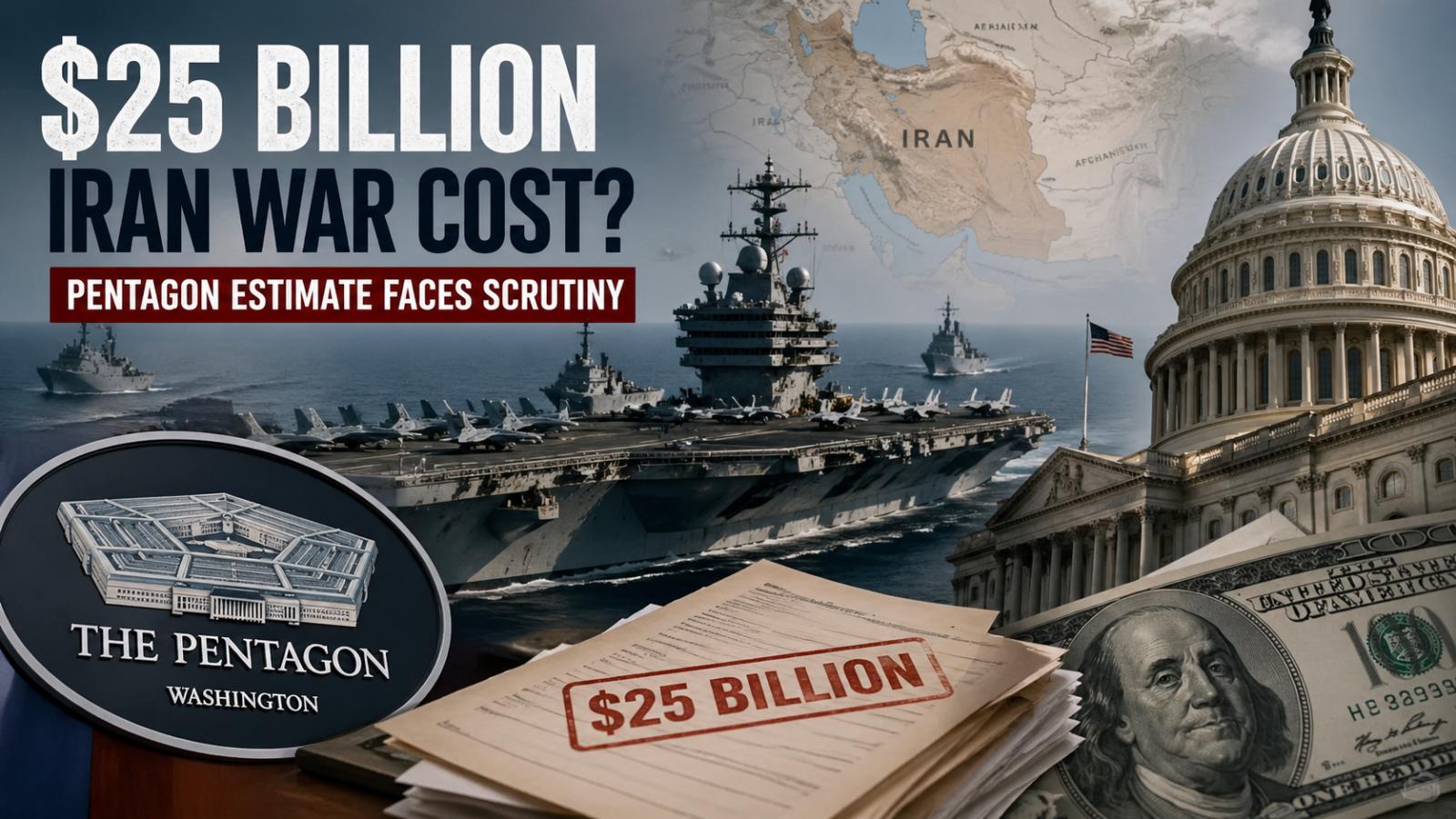
The United States Department of Defense has estimated that its ongoing military conflict with Iran has cost approximately $25 billion, but analysts and lawmakers are raising concerns that the figure may significantly understate the true financial burden. The estimate was presented during a congressional hearing on Tuesday, April 29, 2026, where Pentagon officials outlined current war-related expenditures without offering a detailed breakdown. Congressional hearing reveals l
Why is the Pentagon’s $25 billion war cost estimate questioned? Experts say it may be incomplete
The United States Department of Defense has estimated that its ongoing military conflict with Iran has cost approximately $25 billion, but analysts and lawmakers are raising concerns that the figure may significantly understate the true financial burden. The estimate was presented during a congressional hearing on Tuesday, April 29, 2026, where Pentagon officials outlined current war-related expenditures without offering a detailed breakdown. Congressional hearing reveals l
India Enters Top Five as Global Defense Spending Surge
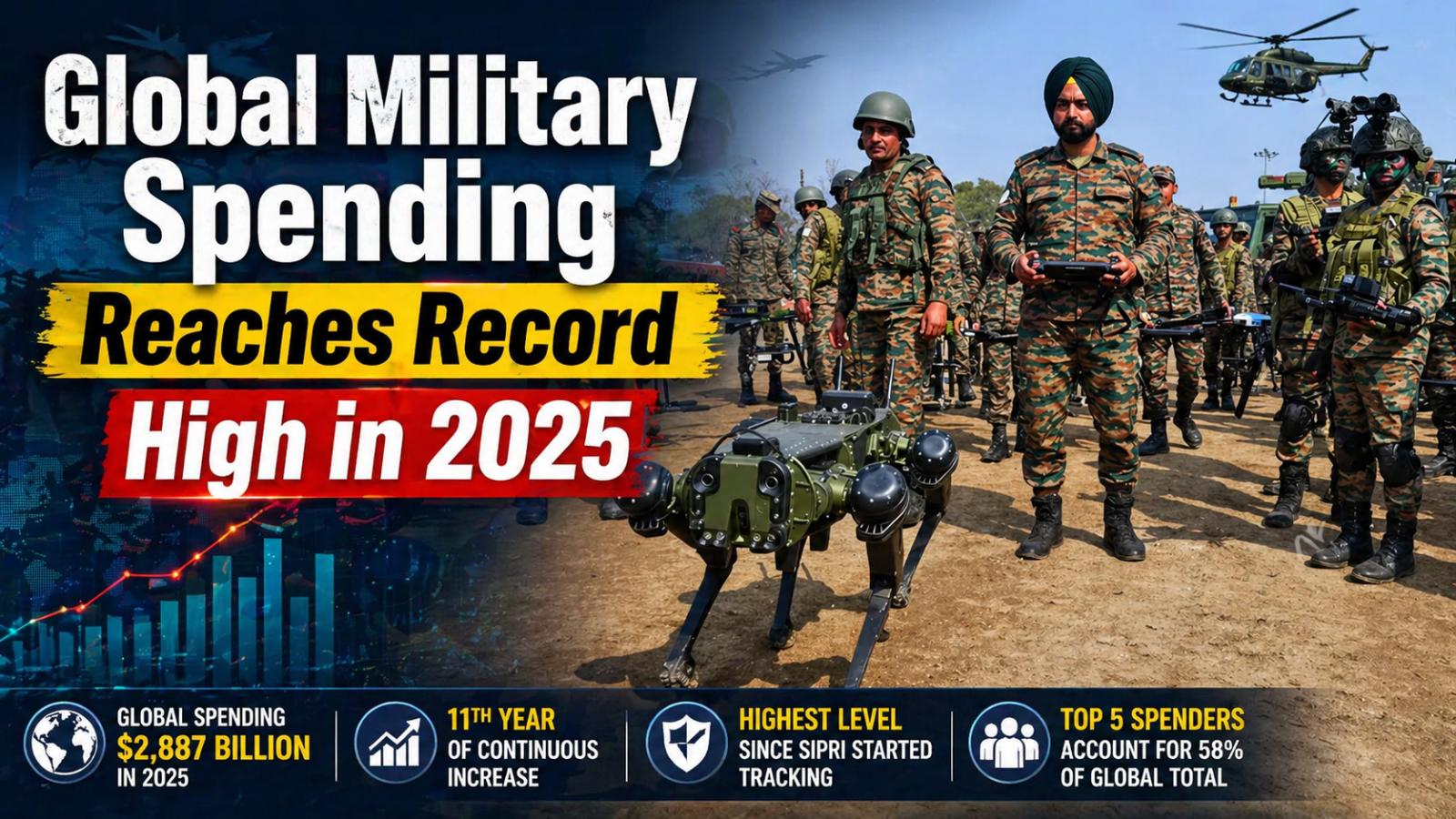
Global military spending reached a record $2,887 billion in 2025, marking the eleventh consecutive year of growth and the highest level ever recorded. According to the latest SIPRI report, the increase reflects rising geopolitical tensions, ongoing conflicts, and a shifting global security environment that has prompted governments to expand their defense budgets. India emerged as one of the world’s top military spenders, entering the top five for the first time with total expenditure of $92.1 billion. The country’s defense spending rose by 8.9 percent, reflecting heightened security concerns and operational demands. The report noted that this increase coincided with armed tensions involving Pakistan in May 2025, during which India deployed a range of military assets including aircraft, drones, and missile systems. The five largest spenders—the United States, China, Russia, Germany, and India—collectively accounted for 58 percent of global military expenditure, totaling $1,686 billion. Pakistan also increased its defense budget by 11 percent to $11.9 billion, driven largely by procurement activities and ongoing modernization efforts following regional tensions. Europe was identified as the primary contributor to the global rise in military spending, with a 14 percent increase bringing the region’s total to $864 billion. This marked the fastest growth in Central and Western Europe since the Cold War, as countries accelerated rearmament programs in response to security concerns, particularly the ongoing conflict involving Russia and Ukraine. The United States remained the largest military spender globally, allocating $954 billion in 2025. However, this represented a 7.5 percent decline compared to the previous year. The decrease was attributed mainly to reduced financial assistance to Ukraine, contrasting with higher levels of support in earlier years. Overall, the data highlights a continued global trend toward increased defense investment, driven by evolving security challenges and shifting geopolitical dynamics.
India Enters Top Five as Global Defense Spending Surge
Global military spending reached a record $2,887 billion in 2025, marking the eleventh consecutive year of growth and the highest level ever recorded. According to the latest SIPRI report, the increase reflects rising geopolitical tensions, ongoing conflicts, and a shifting global security environment that has prompted governments to expand their defense budgets. India emerged as one of the world’s top military spenders, entering the top five for the first time with total expenditure of $92.1 billion. The country’s defense spending rose by 8.9 percent, reflecting heightened security concerns and operational demands. The report noted that this increase coincided with armed tensions involving Pakistan in May 2025, during which India deployed a range of military assets including aircraft, drones, and missile systems. The five largest spenders—the United States, China, Russia, Germany, and India—collectively accounted for 58 percent of global military expenditure, totaling $1,686 billion. Pakistan also increased its defense budget by 11 percent to $11.9 billion, driven largely by procurement activities and ongoing modernization efforts following regional tensions. Europe was identified as the primary contributor to the global rise in military spending, with a 14 percent increase bringing the region’s total to $864 billion. This marked the fastest growth in Central and Western Europe since the Cold War, as countries accelerated rearmament programs in response to security concerns, particularly the ongoing conflict involving Russia and Ukraine. The United States remained the largest military spender globally, allocating $954 billion in 2025. However, this represented a 7.5 percent decline compared to the previous year. The decrease was attributed mainly to reduced financial assistance to Ukraine, contrasting with higher levels of support in earlier years. Overall, the data highlights a continued global trend toward increased defense investment, driven by evolving security challenges and shifting geopolitical dynamics.
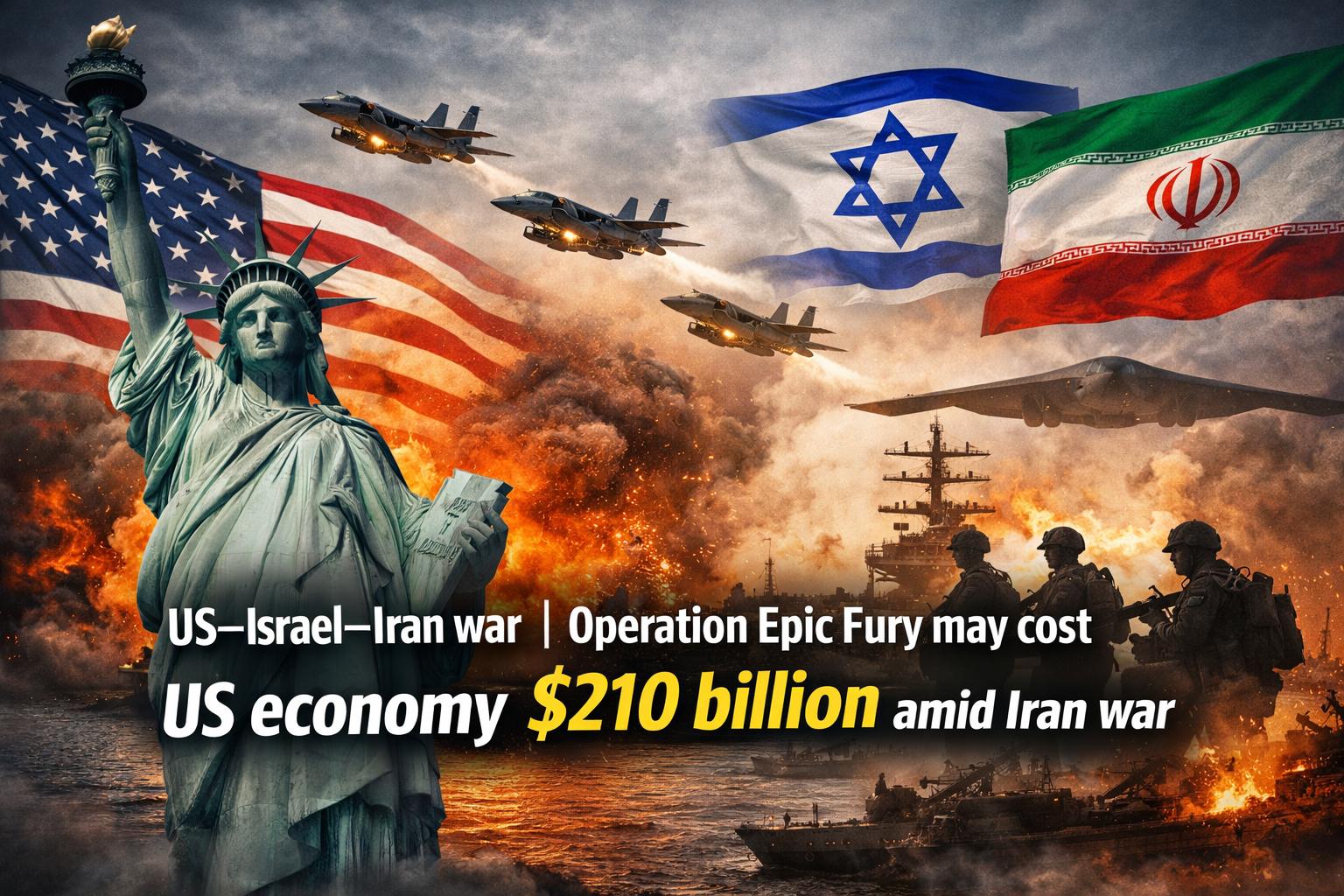
US–Israel–Iran War | Operation Epic Fury may cost US economy $210 billion amid Iran war
The United States could face an economic impact of up to $210 billion as Operation Epic Fury intensifies tensions with Iran, according to leading budget analysts. President Donald Trump has indicated that the conflict may continue for at least four weeks, raising concerns about prolonged military spending and wider fallout for the US economy. Estimates by economist Kent Smetters of the Penn Wharton Budget Model suggest that the total cost of the Iran conflict could significantly strain federa
US–Israel–Iran War | Operation Epic Fury may cost US economy $210 billion amid Iran war
The United States could face an economic impact of up to $210 billion as Operation Epic Fury intensifies tensions with Iran, according to leading budget analysts. President Donald Trump has indicated that the conflict may continue for at least four weeks, raising concerns about prolonged military spending and wider fallout for the US economy. Estimates by economist Kent Smetters of the Penn Wharton Budget Model suggest that the total cost of the Iran conflict could significantly strain federa
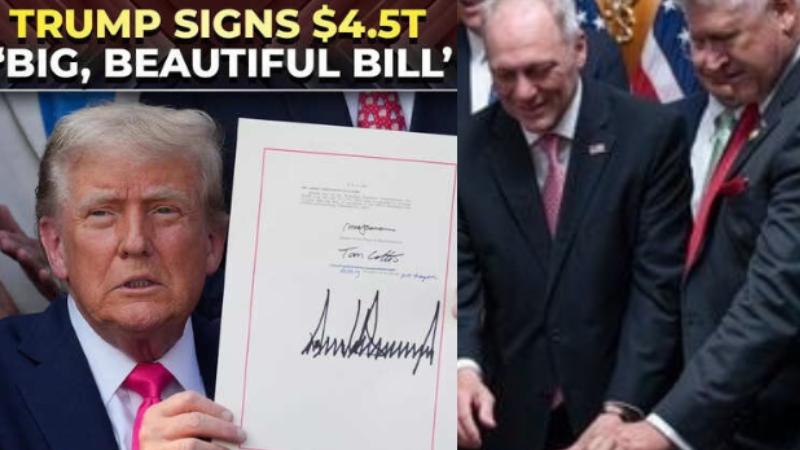
Trump Signs Historic 'One Big Beautiful Bill' into Law: Tax Cuts, Military Boosts, and Immigration Reforms
In a significant legislative move early in his second term, President Donald Trump signed the "One Big Beautiful Bill" into law during a celebratory Fourth of July ceremony at the White House. The bill, hailed by Trump as a fulfillment of several key campaign promises, introduces wide-reaching tax cuts, substantial boosts to military spending, and increases funding for immigration enforcement. The legislation also includes controversial reductions to Me
Trump Signs Historic 'One Big Beautiful Bill' into Law: Tax Cuts, Military Boosts, and Immigration Reforms
In a significant legislative move early in his second term, President Donald Trump signed the "One Big Beautiful Bill" into law during a celebratory Fourth of July ceremony at the White House. The bill, hailed by Trump as a fulfillment of several key campaign promises, introduces wide-reaching tax cuts, substantial boosts to military spending, and increases funding for immigration enforcement. The legislation also includes controversial reductions to Me


