#mohammedbinsalman
Saudi crown prince’s $1 trillion US pledge sparks questions over sovereign fund liquidity
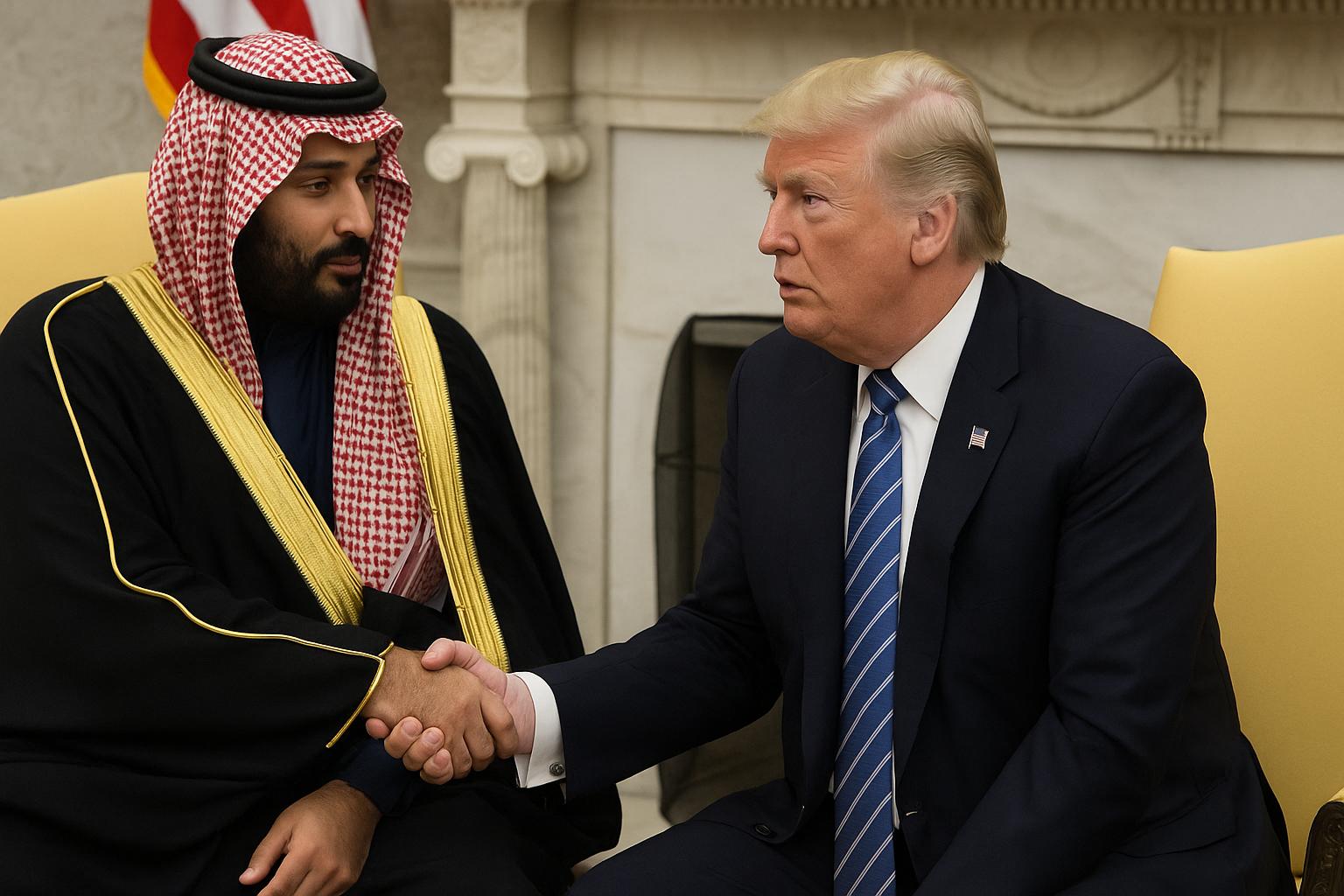
During his recent visit to the United States, Saudi Arabia’s crown prince, Mohammed bin Salman, made a high-profile commitment to invest $1 trillion in Washington while seated beside the US president at the Oval Office. The announcement underscored the scale of Saudi Arabia’s financial ambitions, but it also renewed debate over whether the kingdom’s sovereign wealth fund has sufficient liquidity to support such a massive pledge at a time when its domestic projects are encountering financial strain. Much of the responsibility for executing the investment promise would likely fall on the Public Investment Fund, the kingdom’s flagship sovereign wealth fund, which has been under increasing pressure due to slowing returns from several large-scale ventures. The Public Investment Fund has for years been at the centre of Saudi Arabia’s economic transformation strategy, financing ambitious projects intended to diversify the nation’s oil-dependent economy. While the fund officially controls assets valued at approximately $1 trillion, a significant portion is tied up in holdings that are difficult to liquidate and lack transparent public valuations. The situation has prompted fund officials, according to people familiar with internal discussions, to caution international partners that future allocations may be scaled back until liquidity conditions improve. This comes at a time when Saudi Arabia is seeking additional capital for ongoing megaprojects that have already absorbed substantial resources. Among the most prominent initiatives facing headwinds is Neom, the futuristic development planned for the kingdom’s northwest. Conceived as a hub for advanced technology, sustainable living, and major tourism attractions, Neom was expected to showcase the scale and innovation of Saudi Arabia’s modernisation efforts. However, the project has encountered delays, rising costs, and questions about its commercial viability. Similar challenges have surfaced across other ventures funded by the PIF, including luxury Red Sea resorts that remain largely unoccupied despite significant investment. These difficulties have intensified scrutiny over the fund’s ability to sustain its commitments while supporting a broad portfolio of domestic developments. Saudi Arabia continues to benefit from substantial oil reserves, but its energy revenues have been constrained by production cuts linked to global market agreements alongside relatively subdued crude prices. As a result, the kingdom is managing a budget deficit and has increased borrowing to support national spending priorities. Analysts note that these fiscal pressures add complexity to the crown prince’s pledge, which arrives at a moment when the government is balancing long-term economic goals with short-term financial realities. The PIF, established in 1971 to support nationally significant industries, grew slowly for decades before being placed under Prince Mohammed’s direct authority in 2015. Since then, the fund has taken on a far more expansive role, backed by injections of government capital, redirected oil revenues, and assets seized under anti-corruption campaigns. Its portfolio now spans global equities, domestic infrastructure, and emerging sectors such as artificial intelligence, reflecting the prince’s drive to position the kingdom as a major player in future technologies. Despite achieving notable gains during periods of rising markets, the fund’s more recent initiatives have faced tougher conditions. In response to financial pressures, the fund’s leadership has reportedly adjusted internal forecasts, restructured teams, and replaced executives overseeing underperforming ventures. Officials have also signalled a shift in focus toward private investments in technology firms, an area viewed as strategically important to the kingdom’s long-term plans. These moves come as global investors track the fund’s evolving strategy, especially given the symbolic weight of the crown prince’s $1 trillion pledge. While signs of strain are evident within the fund’s operations, analysts caution that it is premature to conclude that Saudi Arabia is facing broader economic distress. The kingdom retains substantial financial capacity, and its long-term diversification agenda continues to receive strong state backing. However, the contrast between ambitious international commitments and the financial demands of domestic megaprojects has raised questions about sustainability. Observers will be watching closely to determine whether the kingdom can balance its aspirations abroad with the fiscal realities at home, particularly as the PIF navigates a period of tighter liquidity and heightened scrutiny.
Saudi crown prince’s $1 trillion US pledge sparks questions over sovereign fund liquidity
During his recent visit to the United States, Saudi Arabia’s crown prince, Mohammed bin Salman, made a high-profile commitment to invest $1 trillion in Washington while seated beside the US president at the Oval Office. The announcement underscored the scale of Saudi Arabia’s financial ambitions, but it also renewed debate over whether the kingdom’s sovereign wealth fund has sufficient liquidity to support such a massive pledge at a time when its domestic projects are encountering financial strain. Much of the responsibility for executing the investment promise would likely fall on the Public Investment Fund, the kingdom’s flagship sovereign wealth fund, which has been under increasing pressure due to slowing returns from several large-scale ventures. The Public Investment Fund has for years been at the centre of Saudi Arabia’s economic transformation strategy, financing ambitious projects intended to diversify the nation’s oil-dependent economy. While the fund officially controls assets valued at approximately $1 trillion, a significant portion is tied up in holdings that are difficult to liquidate and lack transparent public valuations. The situation has prompted fund officials, according to people familiar with internal discussions, to caution international partners that future allocations may be scaled back until liquidity conditions improve. This comes at a time when Saudi Arabia is seeking additional capital for ongoing megaprojects that have already absorbed substantial resources. Among the most prominent initiatives facing headwinds is Neom, the futuristic development planned for the kingdom’s northwest. Conceived as a hub for advanced technology, sustainable living, and major tourism attractions, Neom was expected to showcase the scale and innovation of Saudi Arabia’s modernisation efforts. However, the project has encountered delays, rising costs, and questions about its commercial viability. Similar challenges have surfaced across other ventures funded by the PIF, including luxury Red Sea resorts that remain largely unoccupied despite significant investment. These difficulties have intensified scrutiny over the fund’s ability to sustain its commitments while supporting a broad portfolio of domestic developments. Saudi Arabia continues to benefit from substantial oil reserves, but its energy revenues have been constrained by production cuts linked to global market agreements alongside relatively subdued crude prices. As a result, the kingdom is managing a budget deficit and has increased borrowing to support national spending priorities. Analysts note that these fiscal pressures add complexity to the crown prince’s pledge, which arrives at a moment when the government is balancing long-term economic goals with short-term financial realities. The PIF, established in 1971 to support nationally significant industries, grew slowly for decades before being placed under Prince Mohammed’s direct authority in 2015. Since then, the fund has taken on a far more expansive role, backed by injections of government capital, redirected oil revenues, and assets seized under anti-corruption campaigns. Its portfolio now spans global equities, domestic infrastructure, and emerging sectors such as artificial intelligence, reflecting the prince’s drive to position the kingdom as a major player in future technologies. Despite achieving notable gains during periods of rising markets, the fund’s more recent initiatives have faced tougher conditions. In response to financial pressures, the fund’s leadership has reportedly adjusted internal forecasts, restructured teams, and replaced executives overseeing underperforming ventures. Officials have also signalled a shift in focus toward private investments in technology firms, an area viewed as strategically important to the kingdom’s long-term plans. These moves come as global investors track the fund’s evolving strategy, especially given the symbolic weight of the crown prince’s $1 trillion pledge. While signs of strain are evident within the fund’s operations, analysts caution that it is premature to conclude that Saudi Arabia is facing broader economic distress. The kingdom retains substantial financial capacity, and its long-term diversification agenda continues to receive strong state backing. However, the contrast between ambitious international commitments and the financial demands of domestic megaprojects has raised questions about sustainability. Observers will be watching closely to determine whether the kingdom can balance its aspirations abroad with the fiscal realities at home, particularly as the PIF navigates a period of tighter liquidity and heightened scrutiny.
Cristiano Ronaldo attends White House state dinner hosted by President Trump
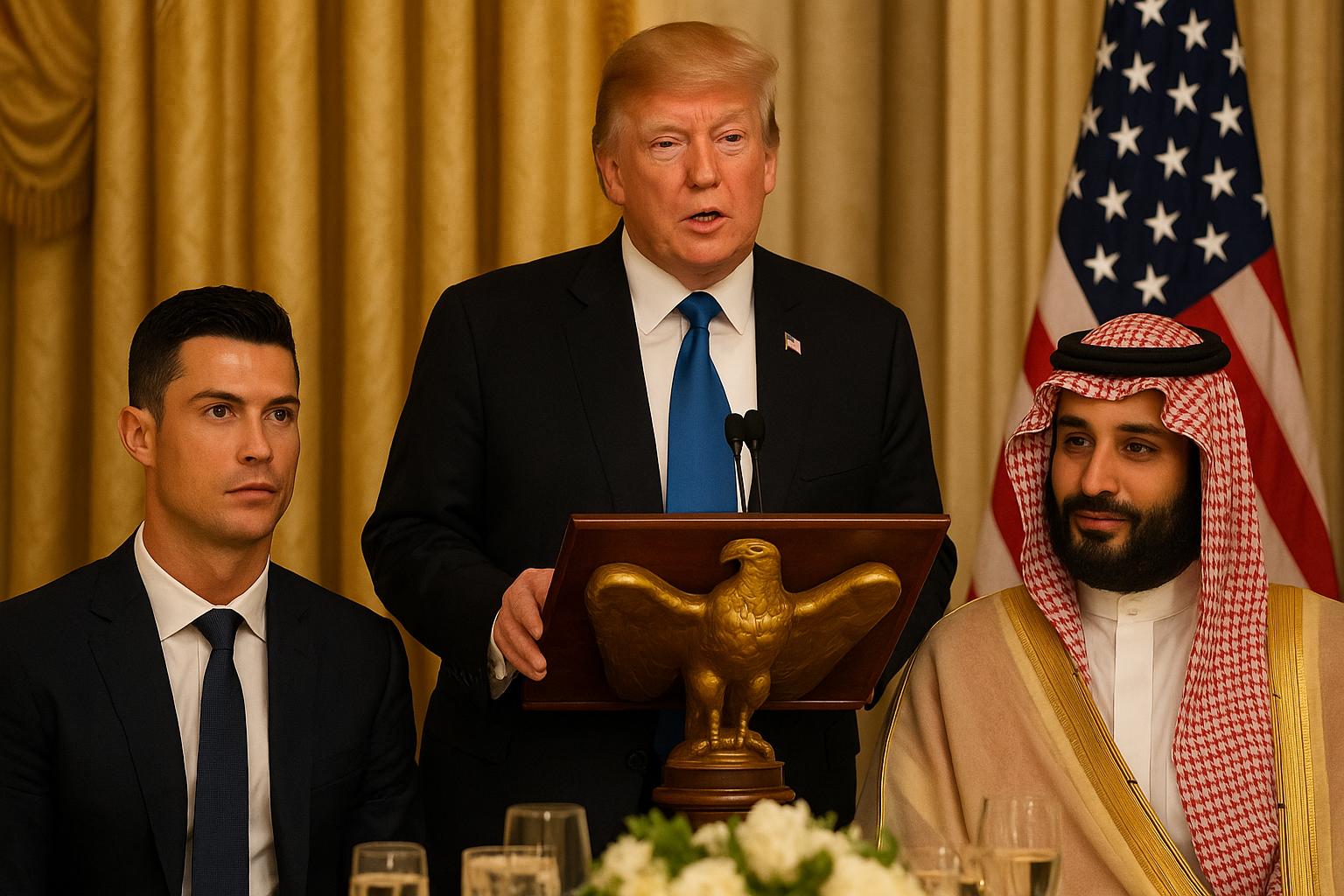
Cristiano Ronaldo made an unexpected appearance at a White House state dinner hosted by United States President Donald Trump in honour of Saudi Arabia’s Crown Prince Mohammed bin Salman. The high-profile gathering, held in the East Room, brought together political leaders, top executives and international guests, adding a notable sporting figure to an already prominent list. The presence of the Portuguese football icon drew considerable attention, marking one of his rare visits to the Unite
Cristiano Ronaldo attends White House state dinner hosted by President Trump
Cristiano Ronaldo made an unexpected appearance at a White House state dinner hosted by United States President Donald Trump in honour of Saudi Arabia’s Crown Prince Mohammed bin Salman. The high-profile gathering, held in the East Room, brought together political leaders, top executives and international guests, adding a notable sporting figure to an already prominent list. The presence of the Portuguese football icon drew considerable attention, marking one of his rare visits to the Unite
Trump Confirms Plan To Sell F-35 Fighter Jets To Saudi Arabia Ahead Of Crown Prince Visit
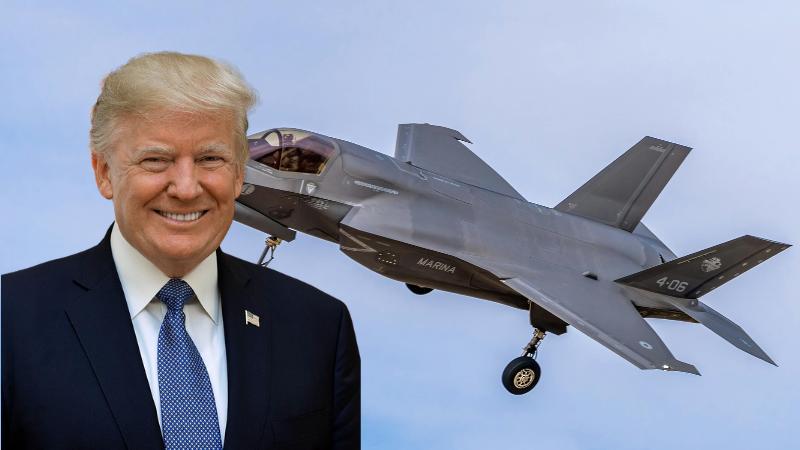
US President Donald Trump announced that the United States will move forward with selling F-35 fighter jets to Saudi Arabia, marking a significant shift in defence cooperation just as Crown Prince Mohammed bin Salman prepares for his first Washington visit in more than seven years. Trump described Saudi Arabia as a strong ally and confirmed that the kingdom’s request for the world-class stealth aircraft will be fulfilled. The crown prince is expected to arrive with clear priorities, includi
Trump Confirms Plan To Sell F-35 Fighter Jets To Saudi Arabia Ahead Of Crown Prince Visit
US President Donald Trump announced that the United States will move forward with selling F-35 fighter jets to Saudi Arabia, marking a significant shift in defence cooperation just as Crown Prince Mohammed bin Salman prepares for his first Washington visit in more than seven years. Trump described Saudi Arabia as a strong ally and confirmed that the kingdom’s request for the world-class stealth aircraft will be fulfilled. The crown prince is expected to arrive with clear priorities, includi
Saudi crown prince seeks security guarantees as Trump pushes Israel normalisation
Saudi Crown Prince Mohammed bin Salman is preparing for a high-stakes visit to Washington this week, marking his first trip to the United States in seven years. The visit comes at a moment of deep regional unease, with Saudi Arabia seeking firmer American security guarantees as tensions rise across the Middle East. While US President Donald Trump is expected to press the crown prince to move toward normalising relations with Israel, officials and analysts suggest that Riyadh remains reluctant
Saudi crown prince seeks security guarantees as Trump pushes Israel normalisation
Saudi Crown Prince Mohammed bin Salman is preparing for a high-stakes visit to Washington this week, marking his first trip to the United States in seven years. The visit comes at a moment of deep regional unease, with Saudi Arabia seeking firmer American security guarantees as tensions rise across the Middle East. While US President Donald Trump is expected to press the crown prince to move toward normalising relations with Israel, officials and analysts suggest that Riyadh remains reluctant
Saudi Arabia ends Kafala system, granting migrant workers new freedoms
Saudi Arabia has officially abolished the long-standing Kafala system, a major labour reform hailed as a landmark shift for millions of migrant workers across the Gulf region. The decision marks a new chapter in the kingdom’s ongoing transformation under Crown Prince Mohammed bin Salman’s Vision 2030, an ambitious roadmap to modernize the economy, attract foreign investment, and improve the country’s global image. The Kafala system, which governed the relationship between empl
Saudi Arabia ends Kafala system, granting migrant workers new freedoms
Saudi Arabia has officially abolished the long-standing Kafala system, a major labour reform hailed as a landmark shift for millions of migrant workers across the Gulf region. The decision marks a new chapter in the kingdom’s ongoing transformation under Crown Prince Mohammed bin Salman’s Vision 2030, an ambitious roadmap to modernize the economy, attract foreign investment, and improve the country’s global image. The Kafala system, which governed the relationship between empl
Saudi Arabia–Pakistan Defence Pact: Will Riyadh Stand With Islamabad Against India
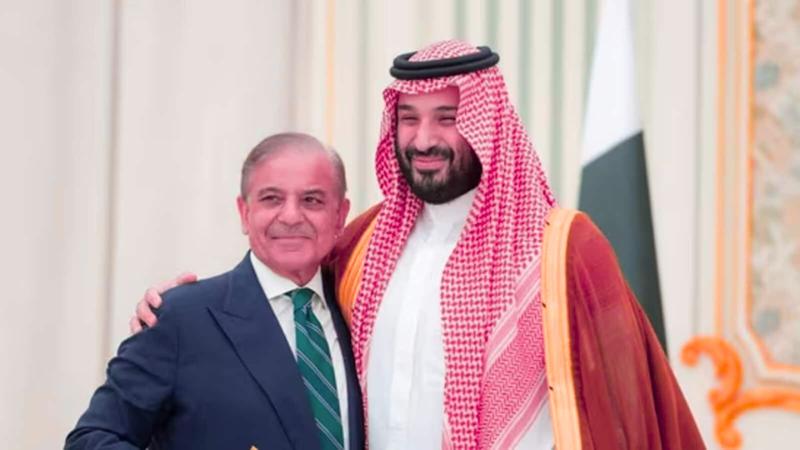
Saudi Arabia’s decision to sign a Strategic Mutual Defence Agreement with Pakistan has stirred debates across South Asia and the Middle East. The pact, which promises that an attack on one country will be treated as an attack on both, resembles a NATO-style commitment. For Pakistan, struggling with economic and diplomatic challenges, this deal is seen as a significant political win and a potential deterrence against India. Yet, beneath the surface, exper
Saudi Arabia–Pakistan Defence Pact: Will Riyadh Stand With Islamabad Against India
Saudi Arabia’s decision to sign a Strategic Mutual Defence Agreement with Pakistan has stirred debates across South Asia and the Middle East. The pact, which promises that an attack on one country will be treated as an attack on both, resembles a NATO-style commitment. For Pakistan, struggling with economic and diplomatic challenges, this deal is seen as a significant political win and a potential deterrence against India. Yet, beneath the surface, exper